
Project
Amazon Watch / Maíra Irigaray
The Belo Monte Dam on the Xingu River: 10 years of impacts in the Amazon and the search for reparations
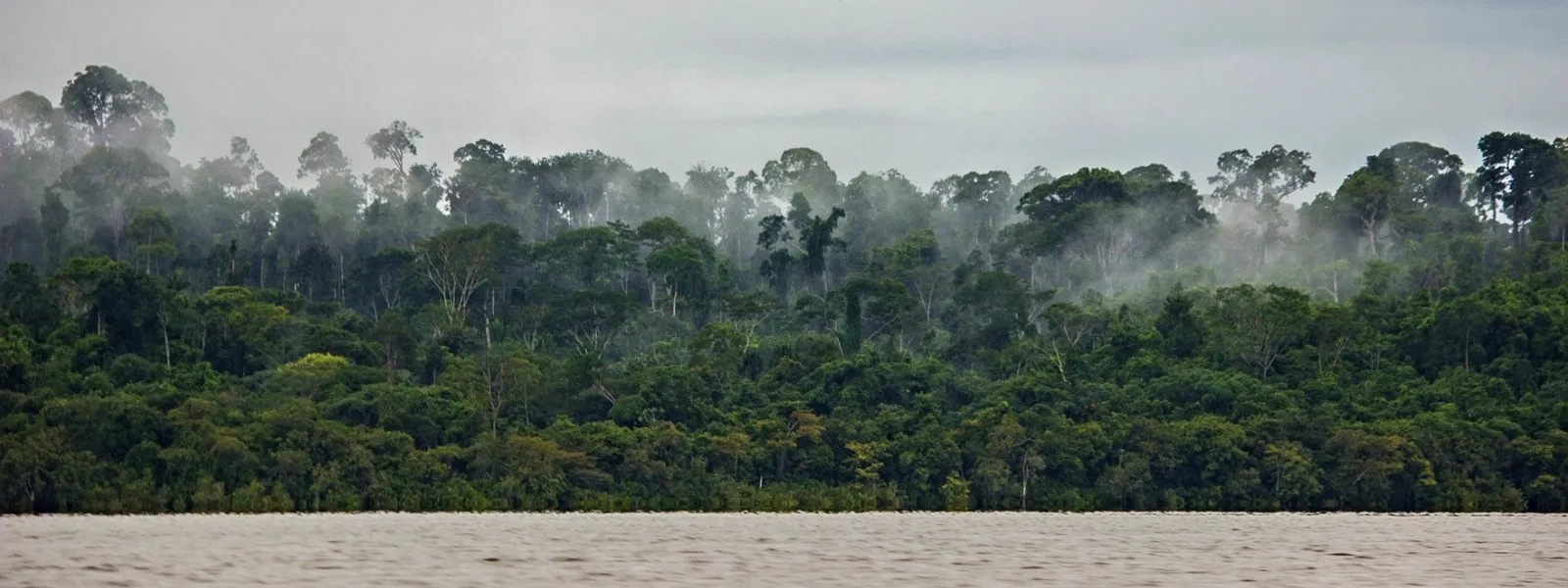
The Belo Monte Dam has caused an environmental and social disaster in the heart of the Amazon—one of the most important ecosystems on the planet.
This situation has only worsened since the hydroelectric plant began operations in 2016. The quest for justice and reparations by the affected indigenous, fishing, and riverine communities continues to this day.
In 2011, the Inter-American Commission on Human Rights (IACHR) granted them protective measures that, to date, have not been fully implemented by the Brazilian State.
Furthermore, since June of that same year, the IACHR has yet to rule on a complaint against the State regarding its international responsibility in the case.
The IACHR may refer the case to the Inter-American Court of Human Rights, which has the authority to issue a ruling condemning the Brazilian State.
After 10 years of the hydroelectric plant's operation and more than 15 years of documented human rights violations, it is time for justice to be served for the affected communities.
Read the open letter from the organizations bringing the case before the IACHR
Background
The Belo Monte hydroelectric plant—the fourth largest in the world by installed capacity (11,233 MW)—was built on the Xingu River in Pará, a state in northern Brazil.
It was inaugurated on May 5, 2016, with a single turbine. At that time, 80% of the river’s course was diverted, flooding 516 km² of land—an area larger than the city of Chicago. Of that area, 400 km² was native forest. The dam began operating at full capacity in November 2019.
Belo Monte was built and is operated by the Norte Energia S.A. consortium, which is composed primarily of state-owned companies. It was financed by the Brazilian Development Bank (BNDES), which provided the consortium with 25.4 billion reais (approximately US$10.16 billion), the largest investment in the bank’s history. Therefore, the BNDES is also legally responsible for the socio-environmental impacts associated with the hydroelectric plant.
Decades of harm to the environment and people
Human rights violations and degradation of the Amazon have been occurring since the project’s inception. In March 2011, Norte Energía began construction of the dam without adequate consultation and without the prior, free, and informed consent of the affected communities.
The construction caused the forced displacement of more than 40,000 people, severing social and cultural ties. The resettlement plan in Altamira—a city directly affected by the hydroelectric dam—involved housing units located on the outskirts, lacking adequate public services and decent living conditions for the relocated families, with no special provisions for those from indigenous communities.
Belo Monte's operations have caused a permanent, man-made drought in the Volta Grande (or "Great Bend") of the Xingu River, exacerbated by the historic droughts in the Amazon in 2023 and 2024. As a result, the deaths of millions of fish eggs were documented for four consecutive years (from 2021 to 2024), and for the past three years, there has been no upstream migration of fish to spawn and reproduce. Thus, artisanal fishing, the main source of protein for indigenous peoples and riverside communities, was severely affected: fish dropped from 50% to 30% of total protein consumed, replaced by processed foods. In summary, there was an environmental and humanitarian collapse that resulted in the breakdown of fishing as a traditional way of life, food insecurity, and access to drinking water for thousands of families, impoverishment, and disease.
Furthermore, the construction of the dam increased deforestation and intensified illegal logging and insecurity on indigenous and tribal lands, putting the survival of these communities at risk. Another consequence was the deepening of poverty and social conflicts, as well as the strain on health, education, and public safety systems in Altamira—a city ranked as the most violent in the country in 2017, where human trafficking and sexual violence increased. Violence was also reported against human rights defenders involved in the case.
In 2025, during the 30th UN Climate Change Conference (COP30), held in Brazil, the Federal Public Prosecutor’s Office labeled the damage caused by the Belo Monte dam as ecocide.
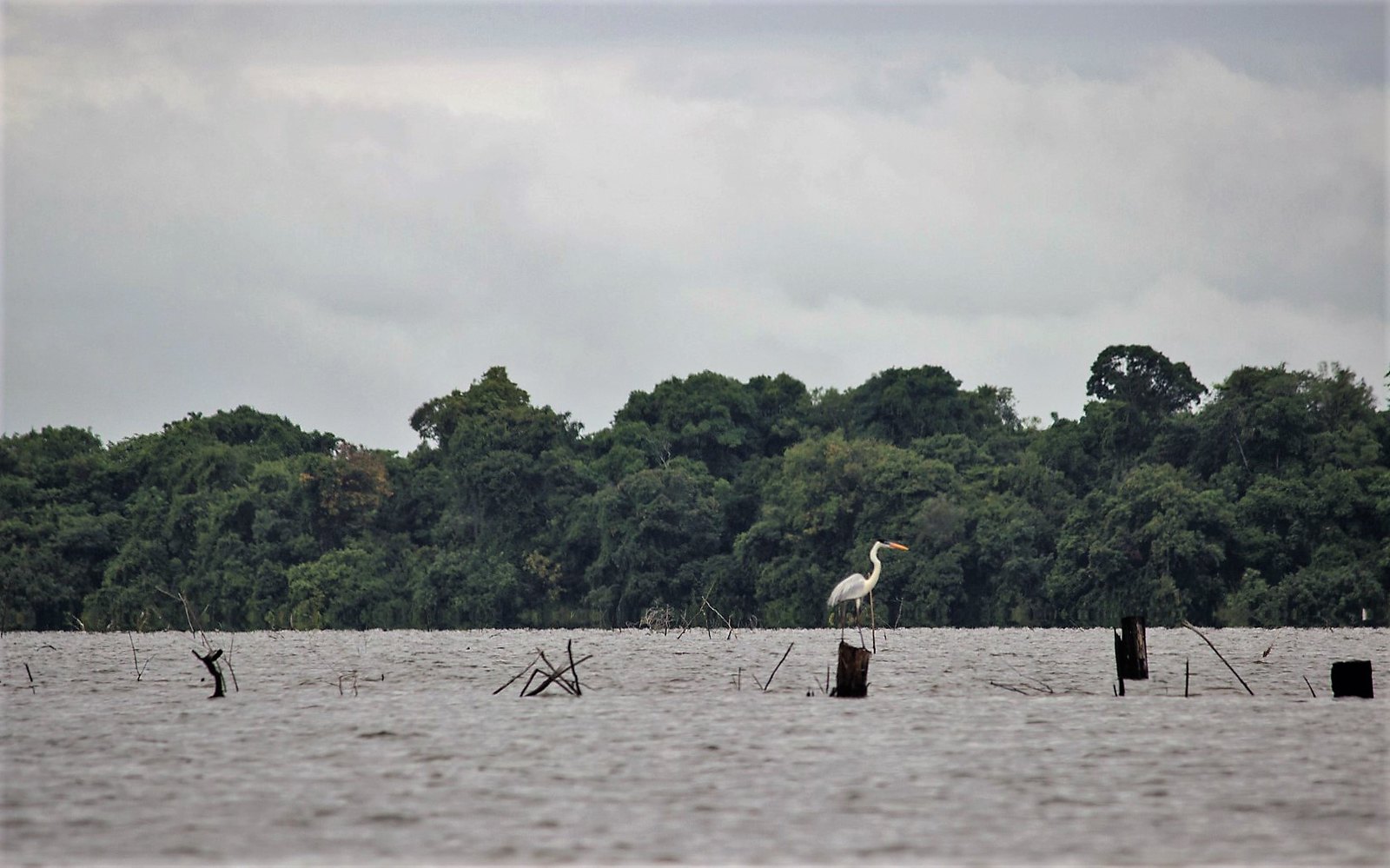
Photo: Amazon Watch / Maíra Irigaray.
The search for justice and reparations
Over the years, the Federal Public Prosecutor’s Office in Pará, the Public Defender’s Office, and civil society organizations have filed dozens of legal actions in Brazilian courts to challenge the project’s various irregularities and its impacts. Most of the claims are still pending resolution, some for more than 10 years.
These efforts have failed because the national government has repeatedly overturned rulings in favor of the affected communities by invoking a mechanism that allowed a court president to suspend a judicial decision based solely on generic arguments such as "the national interest" or "economic order."
In the absence of effective responses at the national level, AIDA, together with a coalition of partner organizations, brought the case before the Inter-American Commission on Human Rights (IACHR) and, in 2010, requested precautionary measures to protect the lives, safety, and health of the affected indigenous communities.
On April 1, 2011, the IACHR granted these measures and requested that the Brazilian government suspend environmental permits and any construction work until the conditions related to prior consultation and the protection of the health and safety of the communities are met.
And on June 16, 2011 —together with the Xingu Vivo Para Sempre Movement, the Coordinating Committee of Indigenous Organizations of the Brazilian Amazon, the Diocese of Altamira, the Indigenous Missionary Council, the Pará Society for the Defense of Human Rights and Global Justice— we filed a formal complaint against the Brazilian State for its international responsibility in the violation of the human rights of the people affected in the case. The case was opened for processing in December 2015.
On August 3, 2011, the IACHR amended the precautionary measures to request, instead of the suspension of permits and construction, the protection of people living in voluntary isolation, the health of indigenous communities, and the regularization and protection of ancestral lands.
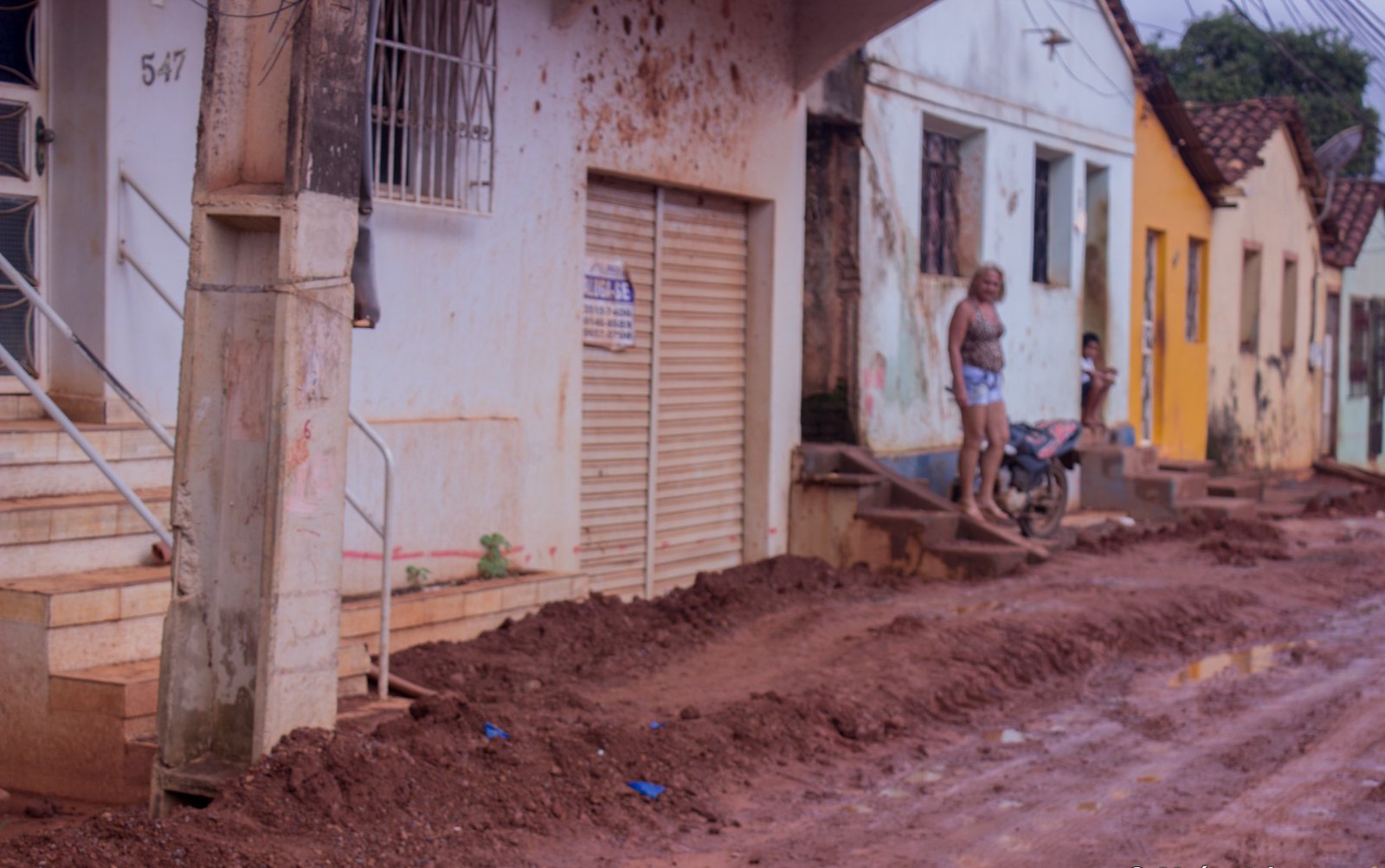
Photo: Amazon Watch / Maíra Irigaray.
Current situation
The protective measures granted by the IACHR remain in effect, but the Brazilian government has not fully complied with them, reporting only on general actions. The communities have documented the ongoing violations of their rights. The situation that prompted the request for these measures—the risk to the lives, physical integrity, and ways of life of the communities—persists and has worsened with the hydroelectric plant operating at full capacity and the recent extreme droughts in the Amazon.
In addition to the impacts of Belo Monte, there is a risk of further social and environmental impacts from the implementation of another mining megaproject in the Volta Grande do Xingu. There, the Canadian company Belo Sun plans to build Brazil’s largest open-pit gold mine.
The combined and cumulative impacts of the dam and the mine were not assessed. The government excluded Indigenous peoples, riverine and peasant communities from the project’s environmental permitting process. Despite protests by Indigenous communities and other irregularities surrounding the project, the government of Pará formally authorized the mine in April 2026.
Like other hydroelectric dams, Belo Monte exacerbates the climate emergency by generating greenhouse gas emissions in its reservoir. And it is inefficient amid the longer, more intense droughts caused by the crisis, as it loses its ability to generate power.
The case before the Inter-American Commission
In October 2017, the IACHR announced that it would rule jointly on the admissibility (whether the case meets the requirements for admission) and the merits (whether a human rights violation actually occurred) of the international complaint against the Brazilian State.
Fifteen years after the complaint was filed, the affected communities and the organizations representing them are still awaiting this decision. If the IACHR concludes that human rights violations occurred and issues recommendations that the Brazilian State fails to comply with, it may refer the case to the Inter-American Court of Human Rights, whose rulings are binding.
A potential ruling by the international court in this case would set a regional legal precedent regarding the rights of indigenous and riverine peoples, public participation in megaprojects, and state responsibility in the context of the climate crisis—a precedent that is particularly relevant in light of the Court’s Advisory Opinion No. 32, which reaffirmed the obligations of States to protect the people and communities of the continent from the climate emergency.
Partners:
Related projects
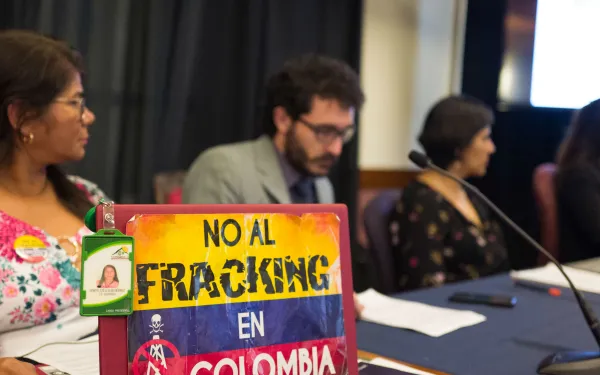
Civil society warns Inter-American Commission of human rights violations caused by fracking in Latin America
Boulder, Colorado. Representatives of communities and organizations from across Latin America testified before the Inter-American Commission on Human Rights this week on the impacts that hydraulic fracturing (fracking) has on human rights and the environment. The hearing—responding to a petition signed by more than 126 organizations from 11 countries of the Americas—was held in Boulder, Colorado this week as part of the Commission’s 169th period of sessions. The principal requests to the Commission, and the Rapporteurs from various countries, were to urge the States to adopt efficient and opportune measures to prevent human rights violations resulting from the exploration and exploitation of hydrocarbons, and to apply the precautionary principal in the face of fracking’s environmental damages. “In Latin America, fracking been carried out without informing or adequately consulting the affected populations, thereby violating their right to information, participation, prior consultation and consent,” explained Liliana Ávila, Senior Attorney with the Interamerican Association for Environmental Defense (AIDA). “Fracking’s demand for water competes with the use of water for human consumption, and the contamination it causes in the water, soil and air seriously impacts the right to a healthy environment and compromises the effective enjoyment of other rights—including a dignified life, personal integrity, health, food, water and adequate housing.” At the hearing, it was emphasized that women disproportionately suffer the impacts of fracking due to potential harm to their reproductive health, and since women are traditionally responsible for collecting water for use in their homes. Referring to the experience of the Mapuche communities of Argentina, Santiago Cané of the Environment and Natural Resources Foundation (FARN) stressed, “Fracking produces acts of violence against those who defend the environment and their rights.” “Institutionally, we can talk about the criminalization of social protest as one form of intimidation to eliminate the resistance to fracking projects,” he explained. “The prosecution of criminal cases against communities leaders that oppose the development of fracking has become an institutional media campaign that seeks to promote the idea that Mapuche communities are part of a terrorist group.” In Mexico, “specifically in the municipality of Papantla, Veracruz—which according to freedom of information requests is the city with the greatest number of fracking pools in the country—where the population is primarily the Totonac people, this exploitation technique has led to the diversion of springs and the drying up of artisanal wells. Many communities have lost their natural sources of water and have seen their health compromised and their living conditions deteriorate,” explained Alejandra Jiménez of the Mexican Alliance Against Fracking. Dorys Gutiérrez, of the Colombian organization Corporation for the Defense of Water, Territory and Ecosystems, noted that: “In Europe, 18 nations have applied the precautionary principle to prohibit or restrict this practice and in Australia, four of the eight territories have bans or moratoria in place. If fracking is so beneficial, why has it been so widely rejected in so many places?” According to data compiled by the Latin American Alliance on Fracking, roughly 5,000 fracking wells exist across the region. About 2,000 of those wells are found in Argentina; more than 3,350 are found in Mexico; and in Chile, according to official data, 182 wells have been approved, primarily for the island of Tierra del Fuego. Despite the technique’s expansion across the region, there has also been progress in banning or imposing restrictions on fracking in three states of the United States, in Uruguay, in the Argentine province of Entre Ríos, and in more than 300 municipalities in Brazil. Fracking’s advance is harmful to human rights, and represents a threat to the consolidation of the legal framework promoted by the Inter-American Human Rights System, which includes the obligations of States and the international protection of human rights and the environment. PRESS CONTACTS: Victor Quintanilla (MExico), AIDA, [email protected], +521 5570522107 Arturo Contreras (in Boulder, Colorado), +521 5533320505
Read more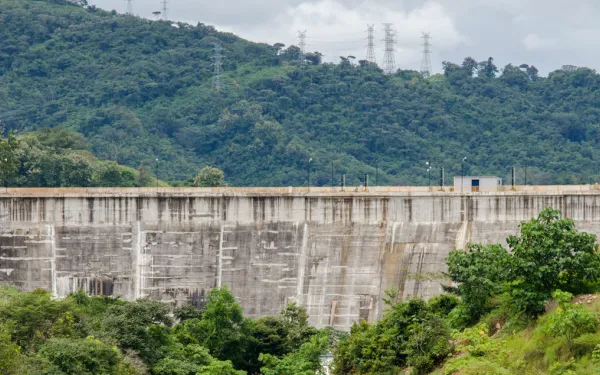
Say no to large dams: 3 reasons to opt for alternative energy sources
By Florencia Ortúzar and Monti Aguirre* Hydroelectric energy has been one of the largest drivers of development in many Latin American nations, and still represents a large portion of the region’s energy matrix. But is it really the best option? In response to a blog by the Inter-American Development Bank reflecting on the future of the hydroelectric sector in Latin America, we’d like to reflect on what it means to continue betting on large dams in Latin America. What follows are three reasons why we must say no to more large dams: 1. Better alternatives to hydroelectricity exist, and should be considered in project planning Before selecting an alternative energy source, governments and companies should develop a strategic plan that analyzes energy needs and the best way of achieving them. In this analysis, all options must be considered. It’s worrysome that this doesn’t already happen. For example, in the case of the Hidroituango dam—thought to be the largest in Colombia and associated with serious socio-environmental damages—the government decided to not conduct a prior evaluation of alternatives. Although the law did not require it at the time, the evaluation was recommended and is an international standard that large financial institutions should apply when investing in projects of this type. Today, other energy sources—like wind and solar—are proven to be economically competitive, can be constructed more quickly, and do not aggravate climate change. Innovations in smart grids, power storage and batteries also solve intermittency problems and make hydroelectric plants unnecessary. Geothermal, tidal, and wave energy are alternatives, the potential of which we have not even glimpsed. The promotion of large dams only delays adoption of the truly clean energy solutions that Latin America and the planet desperately need. According to the Bank’s own studies, Latin America has the largest quantity and most varied sources of renewable energy in the world. The region's renewable resources could provide almost seven times the installed capacity worldwide, excluding hydroelectric power. Therefore, although the region still holds great potential for untapped hydroelectric power, it’s necessary to conduct a comprehensive evaluation of the situation, taking into account the costs and benefits as compared to other energy options. Only then can governments decide whether it’s worth continuing to invest in hydropower, or whether it’s better to opt for other types of energy—thus avoiding the social, environmental and financial impacts that come with large dams. 2. Large dams cause socio-environmental damage and are not profitable It has been demonstrated repeatedly that the socio-environmental impacts of hydroelectric plants are greater than initially considered. In addition to forced displacement and the criminalization of those who oppose them, large dams flood land, reduce river flows, and change the ecosystems of downstream wetlands, destroying habitats and contributing to species extinction. All this impacts the lives of nearby communities, limiting their ability to adapt to climate change. In economic terms, a study by the University of Oxford concluded that “even before accounting for the negative impacts on human society and environment, the actual construction costs of large dams are too high to yield a positive return.” In it, researchers show that the budgets and timeframes of large dam projects are consistently underestimated. Brazil’s Belo Monte Dam, for example, ran two times over its original budget, making it the most expensive public works project in the Amazon region. The budget of Chile’s Alto Maipo Dam has doubled four times over since the project was approved in 2009. Recognizing that the costs far outweigh the benefits, some countries have opted for dismantling large dams. And private companies have scrapped hydroelectric projects altogether because they are neither economically viable nor profitable. The United States government has adopted a policy to refuse any loan, donation, strategy or policy supporting the construction of large dams. 3. Large dams contribute to climate change Climate change must be considered when discussing the relevance of hydroelectricity. Reservoirs generate significant quantities of greenhouse gases, particularly methane, which is 30 times more effective at trapping heat than carbon dioxide. Likewise, the construction of dams endangers valuable carbon sinks like rivers and forests. For that reason, a proper analysis of carbon dioxide and methane emissions should be conducted before choosing a dam project—a process that usually doesn't occur. Another aspect to consider is the vulnerability of dams to climate variations. Extreme rainfall increases sedimentation, which can cause structural problems and reduce the dam's lifespan. Droughts, now increasingly frequent, can render dams inefficient. As more dams lose efficiency, Latin America—now highly dependent on hydroelectricity—will be more vulnerable to energy shortages. Even more serious is the threat posed by large dams in extreme weather events. In a dam gave way during bad weather, erasing entire villages. In Laos earlier this year, mass evacuations were ordered after heavy rains threatened a dam collapse. In Kerala, India, torrential rains, coupled with the mismanagement of several dams, have caused unprecedented flooding. In certain countries, the risk of dams overflowing or collapsing has already been recognized as a serious problem. Over time, more hydroelectric plants will begin to deteriorate and will require large investments to safeguard the communities living downstream. As civil society representatives working for a more just and sustainable Latin America, we urge financial institutions like the Inter-American Development Bank to support the change we as a region need. We call on them to stop investing in large dams, which have been demonstrated time and again to be dangerous to the environment and local communities, costly for countries, and unsuited for our rapidly changing climate. It’s time for a better energy plan. And it’s time to invest in non-conventional renewable energy based on thorough, independent and high-quality social and environmental impact assessments, the planning and implementation of which respect human rights. * Monti Aguirre is the Latin America Program Coordinator for International Rivers.
Read more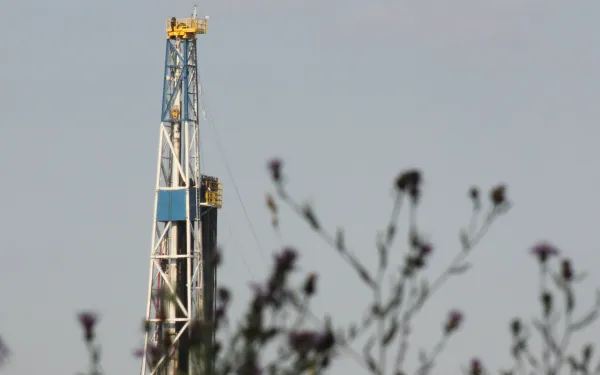
Inter-American Commission to analyze fracking’s impacts on human rights
The Inter-American Commission on Human Rights will hold an informative hearing on October 3, 2018 to better understand the situation of fracking in the Americas and the human rights violations it’s causing. The hearing is being held in response to a request brought forth by 126 Latin American organizations, united in the Latin American Alliance on Fracking. The hearing will take place in Boulder, Colorado during the Commission’s 169th period of sessions. In it, human rights defenders and representatives of affected communities will present detailed information on the documented human rights impacts, as well as the potential risks, of fracking in Latin America. The Alliance seeks to propose a series of recommendations to the Commission and governments of the region in order to guarantee human rights when faced with the exploitation of unconventional hydrocarbon reserves. According to the hearing request, there are approximately 5,000 fracking wells throughout Latin America. In Argentina, there are roughly 2,000 wells. In Chile, according to official data, 182 wells have been approved, the large majority in Tierra del Fuego. In Mexico, there are more than 3,350 fracking wells, although the signatory organizations indicated there are challenges in terms of access to this information. In Brazil and Colombia, contracts have been signed that allow for exploration and exploitation. In Bolivia, prospecting and sample studies of unconventional deposits have begun. Organizations from Argentina, Bolivia, Brazil, Colombia, Costa Rica, Chile, Ecuador, Mexico, Paraguay, Peru and Uruguay signed the request for a hearing before the Commission in July. “Fracking’s advance in Latin America is being carried out blindly because neither the chemicals used, nor their synergistic effects, nor the actual and potential risks, nor the effectiveness of mitigation measures are known with any certainty,” explained Claudia Velarde, attorney with the Interamerican Association for Environmental Defense (AIDA). “What is known is the damage fracking causes to the environment, the quantity and quality of water, and the impacts it has on health and human rights.” While fracking is promoted across Latin America, various nations, states and provinces of Europe, the Americas and Oceania have banned the technique due to the negative impacts it has had on the environment and public health. The request to the Commission emphasizes, “none of the nations where fracking has been implemented have a comprehensive knowledge of the irreversible damage it causes to the environment and the lives of individuals and communities. However, abundant scientific evidence exists on fracking’s negative impacts due to the extensive use of the technique in the United States.” Follow news from the hearing with the hashtag #AméricaSinFracking PRESS CONTACT Victor Quintanilla, AIDA (Mexico), [email protected], +521 5570522107
Read more