
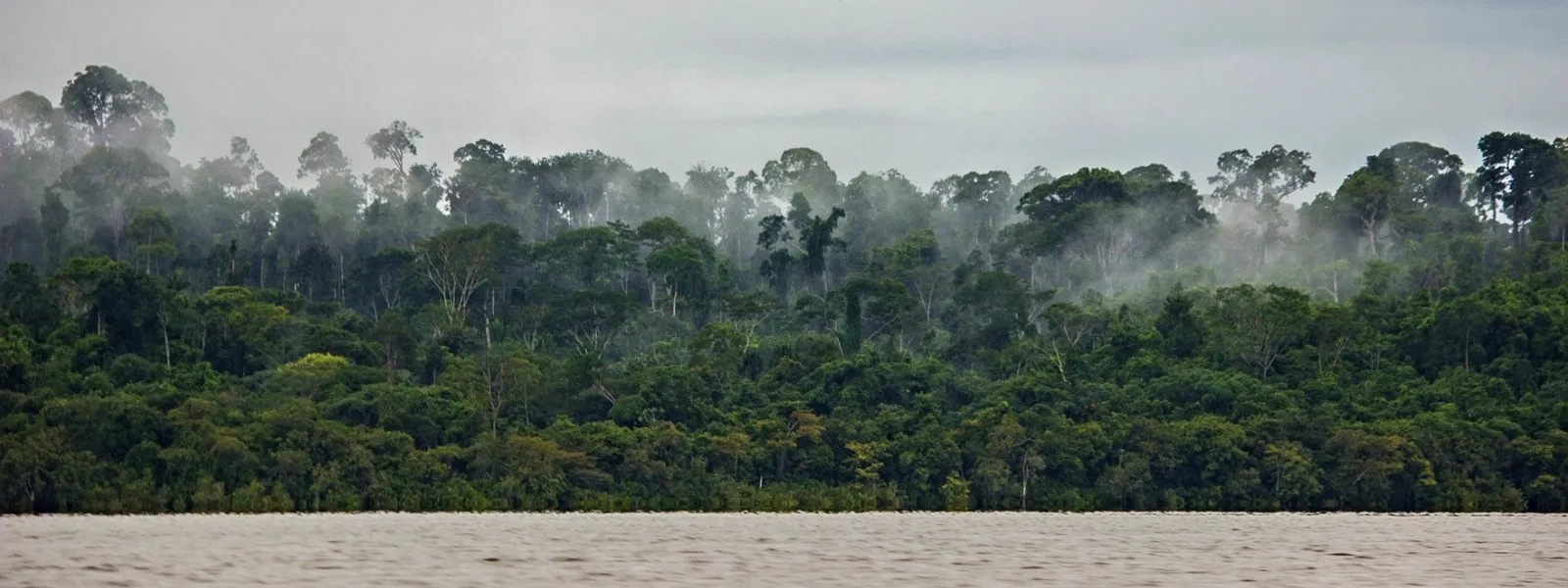
Project
Amazon Watch / Maíra Irigaray
The Belo Monte Dam on the Xingu River: 10 years of impacts in the Amazon and the search for reparations
The Belo Monte Dam has caused an environmental and social disaster in the heart of the Amazon—one of the most important ecosystems on the planet.
This situation has only worsened since the hydroelectric plant began operations in 2016. The quest for justice and reparations by the affected indigenous, fishing, and riverine communities continues to this day.
In 2011, the Inter-American Commission on Human Rights (IACHR) granted them protective measures that, to date, have not been fully implemented by the Brazilian State.
Furthermore, since June of that same year, the IACHR has yet to rule on a complaint against the State regarding its international responsibility in the case.
The IACHR may refer the case to the Inter-American Court of Human Rights, which has the authority to issue a ruling condemning the Brazilian State.
After 10 years of the hydroelectric plant's operation and more than 15 years of documented human rights violations, it is time for justice to be served for the affected communities.
Read the open letter from the organizations bringing the case before the IACHR
Background
The Belo Monte hydroelectric plant—the fourth largest in the world by installed capacity (11,233 MW)—was built on the Xingu River in Pará, a state in northern Brazil.
It was inaugurated on May 5, 2016, with a single turbine. At that time, 80% of the river’s course was diverted, flooding 516 km² of land—an area larger than the city of Chicago. Of that area, 400 km² was native forest. The dam began operating at full capacity in November 2019.
Belo Monte was built and is operated by the Norte Energia S.A. consortium, which is composed primarily of state-owned companies. It was financed by the Brazilian Development Bank (BNDES), which provided the consortium with 25.4 billion reais (approximately US$10.16 billion), the largest investment in the bank’s history. Therefore, the BNDES is also legally responsible for the socio-environmental impacts associated with the hydroelectric plant.
Decades of harm to the environment and people
Human rights violations and degradation of the Amazon have been occurring since the project’s inception. In March 2011, Norte Energía began construction of the dam without adequate consultation and without the prior, free, and informed consent of the affected communities.
The construction caused the forced displacement of more than 40,000 people, severing social and cultural ties. The resettlement plan in Altamira—a city directly affected by the hydroelectric dam—involved housing units located on the outskirts, lacking adequate public services and decent living conditions for the relocated families, with no special provisions for those from indigenous communities.
Belo Monte's operations have caused a permanent, man-made drought in the Volta Grande (or "Great Bend") of the Xingu River, exacerbated by the historic droughts in the Amazon in 2023 and 2024. As a result, the deaths of millions of fish eggs were documented for four consecutive years (from 2021 to 2024), and for the past three years, there has been no upstream migration of fish to spawn and reproduce. Thus, artisanal fishing, the main source of protein for indigenous peoples and riverside communities, was severely affected: fish dropped from 50% to 30% of total protein consumed, replaced by processed foods. In summary, there was an environmental and humanitarian collapse that resulted in the breakdown of fishing as a traditional way of life, food insecurity, and access to drinking water for thousands of families, impoverishment, and disease.
Furthermore, the construction of the dam increased deforestation and intensified illegal logging and insecurity on indigenous and tribal lands, putting the survival of these communities at risk. Another consequence was the deepening of poverty and social conflicts, as well as the strain on health, education, and public safety systems in Altamira—a city ranked as the most violent in the country in 2017, where human trafficking and sexual violence increased. Violence was also reported against human rights defenders involved in the case.
In 2025, during the 30th UN Climate Change Conference (COP30), held in Brazil, the Federal Public Prosecutor’s Office labeled the damage caused by the Belo Monte dam as ecocide.
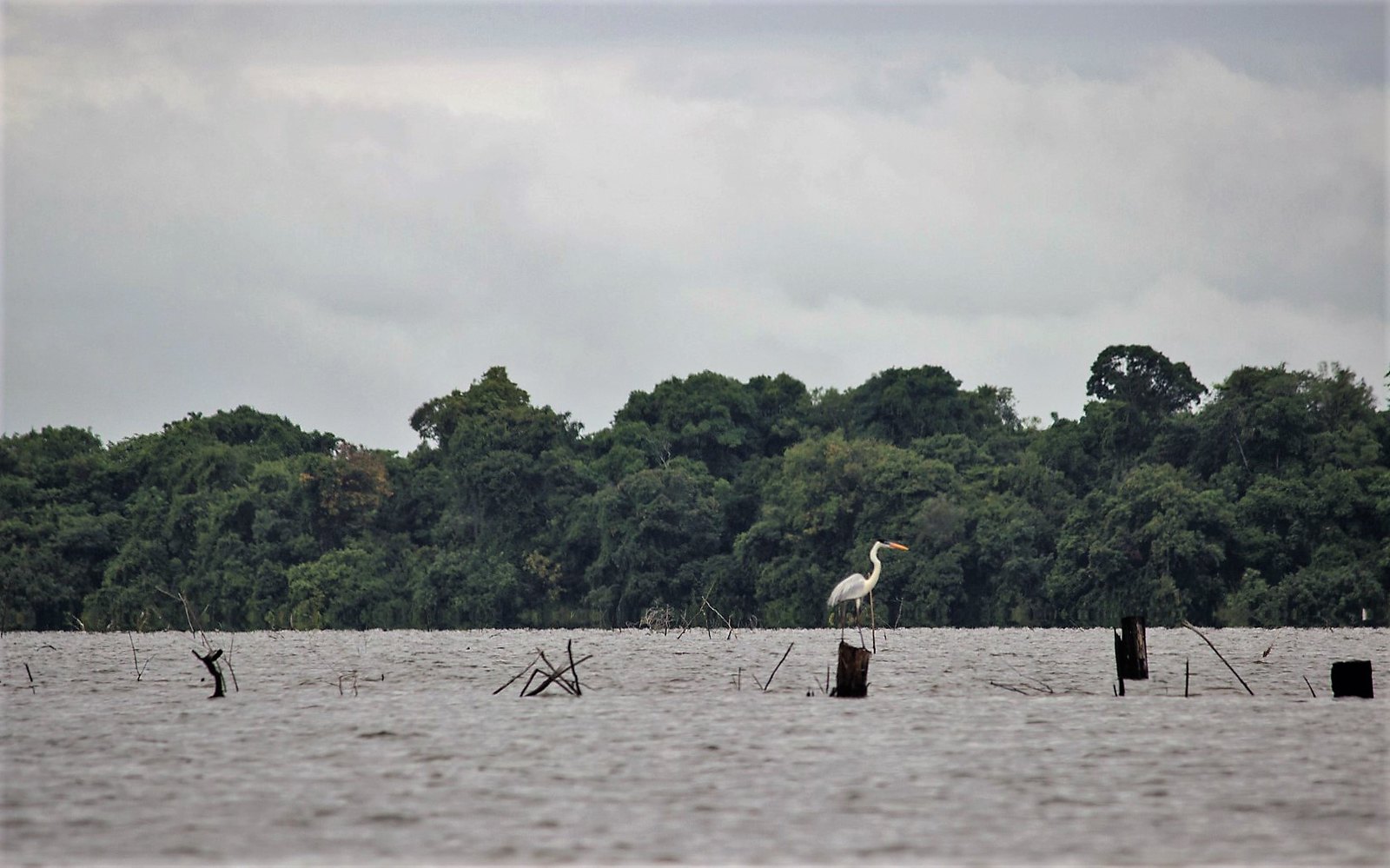
Photo: Amazon Watch / Maíra Irigaray.
The search for justice and reparations
Over the years, the Federal Public Prosecutor’s Office in Pará, the Public Defender’s Office, and civil society organizations have filed dozens of legal actions in Brazilian courts to challenge the project’s various irregularities and its impacts. Most of the claims are still pending resolution, some for more than 10 years.
These efforts have failed because the national government has repeatedly overturned rulings in favor of the affected communities by invoking a mechanism that allowed a court president to suspend a judicial decision based solely on generic arguments such as "the national interest" or "economic order."
In the absence of effective responses at the national level, AIDA, together with a coalition of partner organizations, brought the case before the Inter-American Commission on Human Rights (IACHR) and, in 2010, requested precautionary measures to protect the lives, safety, and health of the affected indigenous communities.
On April 1, 2011, the IACHR granted these measures and requested that the Brazilian government suspend environmental permits and any construction work until the conditions related to prior consultation and the protection of the health and safety of the communities are met.
And on June 16, 2011 —together with the Xingu Vivo Para Sempre Movement, the Coordinating Committee of Indigenous Organizations of the Brazilian Amazon, the Diocese of Altamira, the Indigenous Missionary Council, the Pará Society for the Defense of Human Rights and Global Justice— we filed a formal complaint against the Brazilian State for its international responsibility in the violation of the human rights of the people affected in the case. The case was opened for processing in December 2015.
On August 3, 2011, the IACHR amended the precautionary measures to request, instead of the suspension of permits and construction, the protection of people living in voluntary isolation, the health of indigenous communities, and the regularization and protection of ancestral lands.
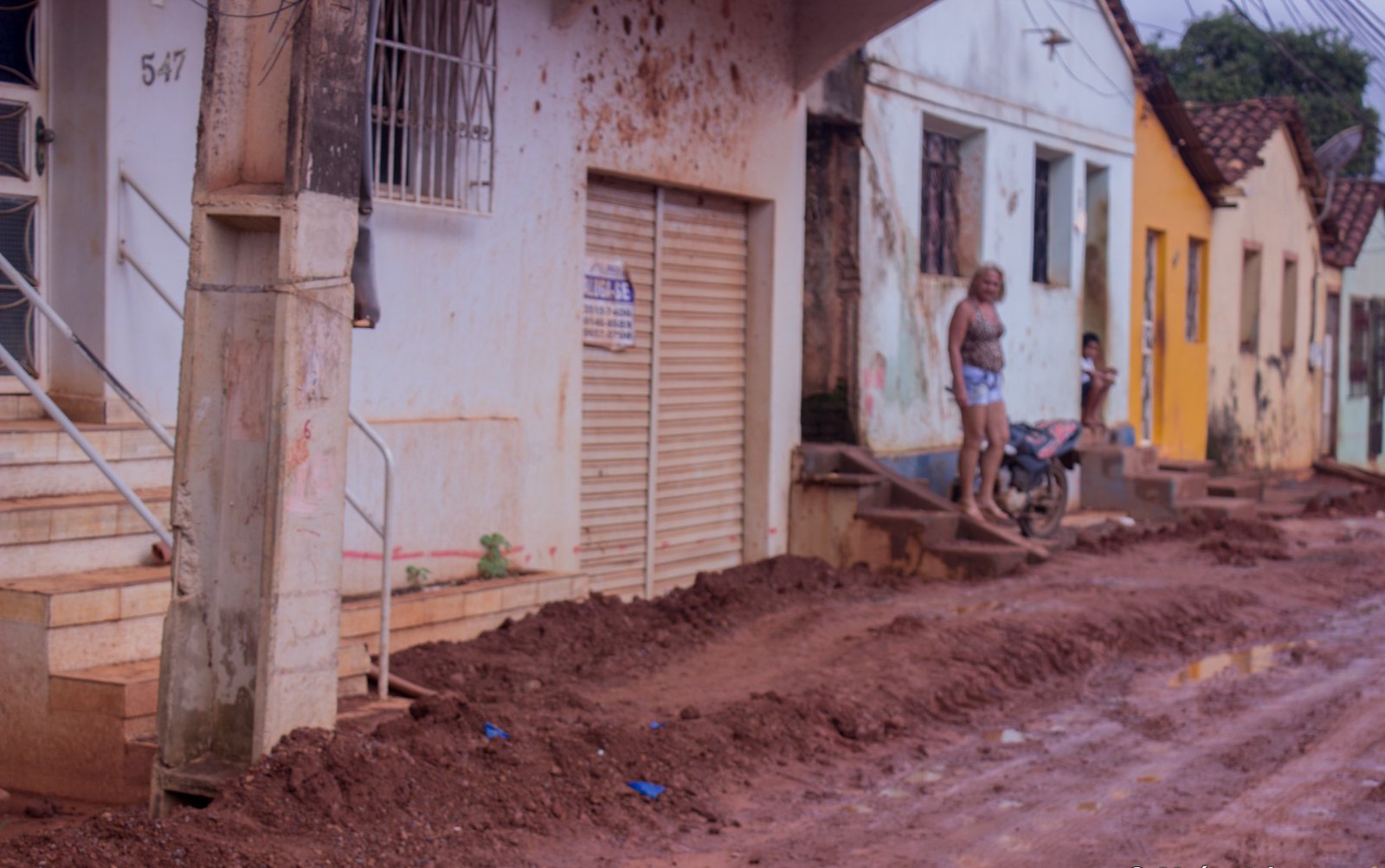
Photo: Amazon Watch / Maíra Irigaray.
Current situation
The protective measures granted by the IACHR remain in effect, but the Brazilian government has not fully complied with them, reporting only on general actions. The communities have documented the ongoing violations of their rights. The situation that prompted the request for these measures—the risk to the lives, physical integrity, and ways of life of the communities—persists and has worsened with the hydroelectric plant operating at full capacity and the recent extreme droughts in the Amazon.
In addition to the impacts of Belo Monte, there is a risk of further social and environmental impacts from the implementation of another mining megaproject in the Volta Grande do Xingu. There, the Canadian company Belo Sun plans to build Brazil’s largest open-pit gold mine.
The combined and cumulative impacts of the dam and the mine were not assessed. The government excluded Indigenous peoples, riverine and peasant communities from the project’s environmental permitting process. Despite protests by Indigenous communities and other irregularities surrounding the project, the government of Pará formally authorized the mine in April 2026.
Like other hydroelectric dams, Belo Monte exacerbates the climate emergency by generating greenhouse gas emissions in its reservoir. And it is inefficient amid the longer, more intense droughts caused by the crisis, as it loses its ability to generate power.
The case before the Inter-American Commission
In October 2017, the IACHR announced that it would rule jointly on the admissibility (whether the case meets the requirements for admission) and the merits (whether a human rights violation actually occurred) of the international complaint against the Brazilian State.
Fifteen years after the complaint was filed, the affected communities and the organizations representing them are still awaiting this decision. If the IACHR concludes that human rights violations occurred and issues recommendations that the Brazilian State fails to comply with, it may refer the case to the Inter-American Court of Human Rights, whose rulings are binding.
A potential ruling by the international court in this case would set a regional legal precedent regarding the rights of indigenous and riverine peoples, public participation in megaprojects, and state responsibility in the context of the climate crisis—a precedent that is particularly relevant in light of the Court’s Advisory Opinion No. 32, which reaffirmed the obligations of States to protect the people and communities of the continent from the climate emergency.
Partners:
Related projects
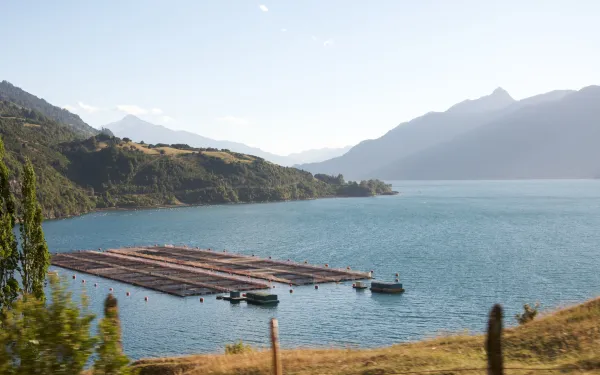
Calling on Chile to stop salmon industry’s impact on Patagonia
AIDA alerted six international treaties to the damages the salmon industry is causing to Chilean Patagonia, and requested that they visit the Magallanes region to investigate the impacts and urge the Chilean government to protect the region. Santiago, Chile. In an Urgent Alert to international authorities, the Interamerican Association of Environmental Defense (AIDA) requested that experts visit the Magallanes region of Chilean Patagonia—where the expansion of the salmon industry is causing serious environmental damage—and asked them to urge the government to adopt appropriate measures to address them. “These six treaties were signed and ratified by Chile to protect its natural wealth, including the endemic species of the Magallanes region,” said Florencia Ortuzar, AIDA attorney. “The government is violating these agreements by failing to prevent the salmon industry from damaging the country’s marine environments.” The document details the principal damages caused by the salmon farms in Magallanes, among them: contamination of the seabed from large amounts of fish feces, excess chemical waste, and the over-saturation of waters with fish, all of which create oxygen-free dead zones where marine life cannot survive. The alert was sent to authorities in charge of the Convention on Biological Diversity, the Convention on the Conservation of Migratory Species of Wild Animals, the International Whaling Commission, the Inter-American Convention for the Protection and Conservation of Sea Turtles, the United Nations Convention on the Law of the Sea, and the Antarctic Treaty. The situation was also reported to the Food and Agriculture Organization of the United Nations and the World Health Organization. The Magallanes region is home to many protected species, including the blue whale, the sperm whale, the Magellanic penguin, the elephant seal, the leatherback turtle, the Southern dolphin and the Chilean dolphin. A remote and pristine area, Magallanes is poorly studied and it is thus virtually impossible to understand the consequences of the industry’s current and potential impacts. “More than half the farms operating in Magallanes are causing a total or partial lack of oxygen in the waters,” explained Ortuzar. “This demonstrates that the salmon concessions are being granted without the scientific support needed to guarantee they won’t cause environmental damage.” Another problem raised in the alert is the excessive use of antibiotics in Chilean salmon farms—higher than that of any other salmon-producing nation. This excessive use provokes antimicrobial resistance in humans, a problem that has been recognized by the World Health Organization as a serious threat to global public health. In the alert, AIDA requested the international authorities: support the Chilean State in the investigation of the salmon industry’s real and potential impacts on Patagonia; remind Chile of its obligations under the treaties; investigate the damage described; and, when needed, request the application of sanctions and the suspension or cancellation of concessions in Magallanes. Consult the Urgent Alert. Find more information on the case here. press contact Victor Quintanilla (Mexico), AIDA, [email protected], +521 5570522107
Read more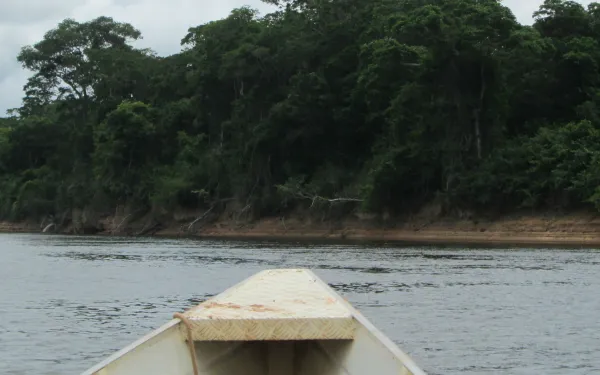
In Xingu management plan, Brazil leaves communities without water
The proposed Xingu River management plan puts at risk the people, plants and animals of the Amazon region. AIDA requested that the Inter-American Commission on Human Rights urge Brazil to stop the plan and establish a socially and environmentally appropriate alternative. Washington, D.C. and Altamira, Brazil. By authorizing the construction of the Belo Monte Dam in the heart of the Amazon, the Brazilian government endorsed a management plan for the flow of the Xingu River that would leave the indigenous and riverine communities of the area without the water they need to survive. The plan is in a testing phase but is expected to be implemented next year, once all the turbines of the hydroelectric plant are installed. The Interamerican Association of Environment Defense (AIDA) sent a report to the Inter-American Commission on Human Rights detailing the serious socio-environmental risks of the plan. In it, we requested that the Commission urge Brazil to stop the plan’s implementation and create an alternative plan that guarantees biodiversity and protects the communities’ ways of life. “The authorized plan for the management of the river’s flow threatens the existence of indigenous and riverine communities, and places at risk of extinction the fish and the forests—natural resources on which the physical and cultural lives of the communities depend,” said Liliana Ávila, Senior AIDA Attorney. The plan, called a consensual hydrogram, establishes the volume of water that will pass through a specific part of the river, called the Vuelta Grande, and the part that will be diverted for energy production. It is intended to artificially reproduce the natural flow of the river in times of flood and drought. Norte Energía, the consortium in charge of the dam, proposes an average minimum flow rate of 4,000 cubic meters per second over the course of a year, and 8,000 cubic meters per second for the following year, beginning in 2019. It proposes a minimum flow rate of 700 cubic meters per second for the dry season. The report sent to the Commission, however, details scientific and social evidence that demonstrates that these water levels are significantly lower than the historical river flow and do not guarantee that fish and alluvial forests can survive the proposed reduction in the short- and medium-term. The evidence—which includes information from both the Brazilian Institute of the Environment and Renewable Natural Resources and community monitoring—also shows that some aquatic species, such as chelonians, can only feed and reproduce with minimum flows of 13,000 cubic meters per second in times of flooding, and that the volume proposed for the dry season could make the river unnavigable. “The management plan did not take into account the monitoring done by the Juruna people in collaboration with the Federal University of the State of Pará and the Socio-environmental Institute (ISA),” said AIDA attorney Marcella Ribeiro. “In 2016, with water levels higher than those proposed, communities were already reporting the mass die-off of fish.” AIDA sent the report to the Commission as part of a formal complaint against the Brazilian State for the human rights violations caused by the dam’s construction. In May, together with partner organizations, we presented our final arguments in the case, evidencing damages already caused, including the forced displacement of indigenous and riverine communities, the massive death of fish, differentiated damages to men and women, and threats to the survival of the communities. Find more information on the case here. press contacts Victor Quintanilla (Mexico), AIDA, [email protected], +521 5570522107 Isabel Harari (Brazil), ISA, [email protected], +5561998261213
Read more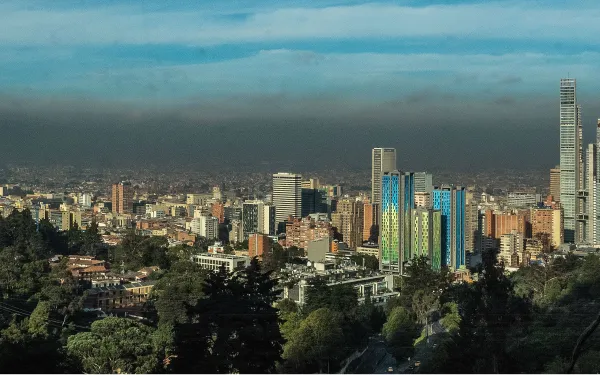
We all deserve to breathe clean air
I was born and raised in Bogota, Colombia’s bustling capital city. When I was a child, I grew accustomed to the chaos of the streets—thousands of cars and buses spewing black smoke into the air, the endless honking of horns. It was normal to see massive smokestacks and smell bad odors. I thought all cities were that way, and that nature and clean air only existed in places far from home. I was used to having health problems: headaches, rashes, eye and throat irritation, coughs and hay fever. I never questioned why my sisters and I were constantly fighting these “environmental allergies.” Pollution even prevented me from enjoying the outdoors. I couldn’t easily walk or ride my bike, for example, because my lungs struggled from the soot emitted by passing trucks and buses. There were days I had to leave my house wearing a mask, and times when we were forbidden from playing outside due to the pollution. Air pollution: a silent killer As an adult, I realized that environmental allergies are not the norm. Often, they are caused by constantly breathing in black carbon, ozone, sulfur dioxide and other pollutants that cars, buses and factories emit into the atmosphere each day. I realized that air pollution is a serious threat to quality of life and to a person’s health, especially among the most vulnerable, like our children and the elderly. According to the World Health Organization, millions of people die each year from illnesses related to air pollution. In Latin America, it is the number one environmental health risk, and causes more than 150,000 premature deaths per year. Cities like Mexico City, Monterrey (Mexico), Cochabamba (Bolivia), Santiago de Chile, Lima (Peru), Medellin (Colombia), San Salvador (El Salvador) and Bogota have the highest levels of air pollution in the region. When cities are allowed to expand without regulation, population skyrockets—and with it, so do the number of cars and trucks and factories. I worry about the future of my family in that scenario. I don’t want the air we breathe to negatively impact our health. My husband, who is not from Bogota, moved there to be with me. One year later, he was diagnosed with asthma. When my daughter was just two months old, she had a respiratory infection that put her in intensive care for several days. The cause of both their illnesses: the city’s poor air quality. Stopping the contamination The majority of the world’s population lives in cities. And while we can’t expect our cities to be pristine, natural ecosystems, they should provide people with the minimal conditions they need to lead dignified, healthy lives. That’s why AIDA works to improve air quality in Latin America, advocating for the protection of our children and other populations highly vulnerable to atmospheric contamination. We are raising awareness among policy makers about the importance of regulating short-lived climate pollutants (SLCPs), which stay in the atmosphere for a relatively short period of time. Unlike carbon dioxide, which can stay in the atmosphere for centuries, SLCPs remain in the air from a few days to a few decades. SLCPs include soot (also known as black carbon) and methane gas. These contaminants are major contributors to climate change, degrade air quality and have serious impacts on food security and human health. Effectively reducing them could significantly improve air quality and advance the fight against climate change in the short-term. Through our experience in international law, we’re seeking ways to regulate these short-lived pollutants across Latin America. Because having clean air to breath is one of life’s basic needs. Clean air shouldn’t be a luxury.
Read more