
Project
Amazon Watch / Maíra Irigaray
The Belo Monte Dam on the Xingu River: 10 years of impacts in the Amazon and the search for reparations
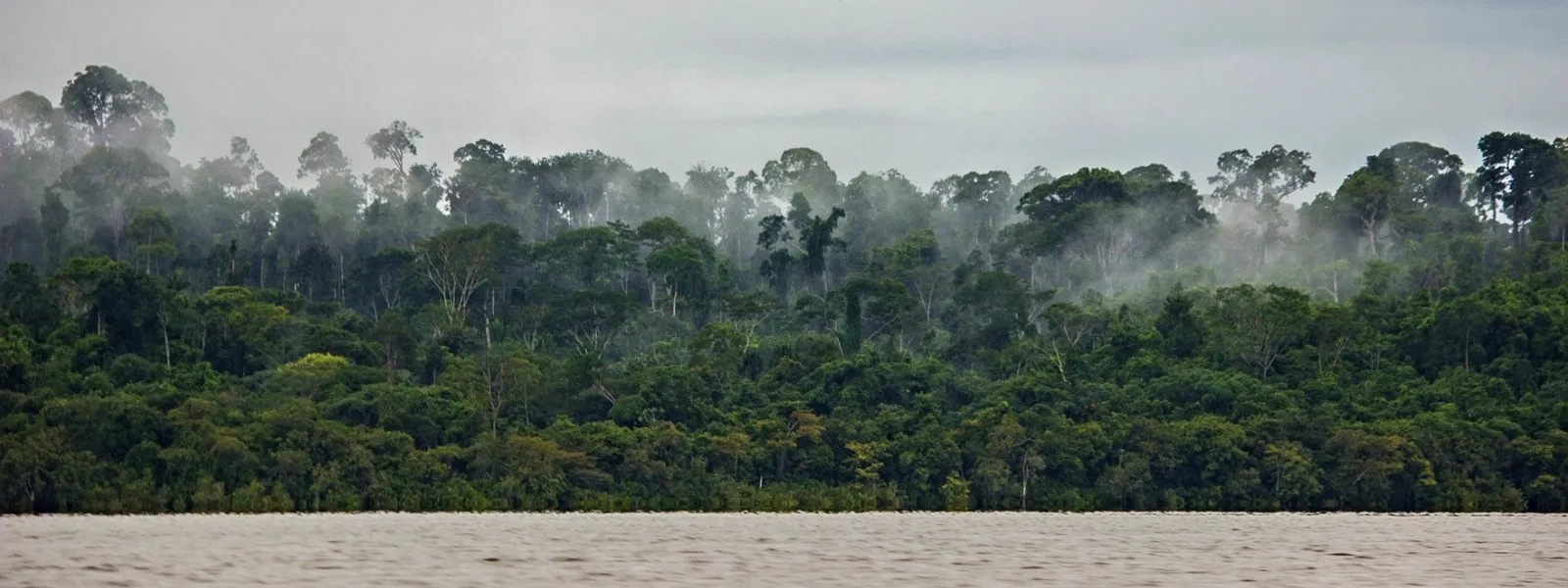
The Belo Monte Dam has caused an environmental and social disaster in the heart of the Amazon—one of the most important ecosystems on the planet.
This situation has only worsened since the hydroelectric plant began operations in 2016. The quest for justice and reparations by the affected indigenous, fishing, and riverine communities continues to this day.
In 2011, the Inter-American Commission on Human Rights (IACHR) granted them protective measures that, to date, have not been fully implemented by the Brazilian State.
Furthermore, since June of that same year, the IACHR has yet to rule on a complaint against the State regarding its international responsibility in the case.
The IACHR may refer the case to the Inter-American Court of Human Rights, which has the authority to issue a ruling condemning the Brazilian State.
After 10 years of the hydroelectric plant's operation and more than 15 years of documented human rights violations, it is time for justice to be served for the affected communities.
Read the open letter from the organizations bringing the case before the IACHR
Background
The Belo Monte hydroelectric plant—the fourth largest in the world by installed capacity (11,233 MW)—was built on the Xingu River in Pará, a state in northern Brazil.
It was inaugurated on May 5, 2016, with a single turbine. At that time, 80% of the river’s course was diverted, flooding 516 km² of land—an area larger than the city of Chicago. Of that area, 400 km² was native forest. The dam began operating at full capacity in November 2019.
Belo Monte was built and is operated by the Norte Energia S.A. consortium, which is composed primarily of state-owned companies. It was financed by the Brazilian Development Bank (BNDES), which provided the consortium with 25.4 billion reais (approximately US$10.16 billion), the largest investment in the bank’s history. Therefore, the BNDES is also legally responsible for the socio-environmental impacts associated with the hydroelectric plant.
Decades of harm to the environment and people
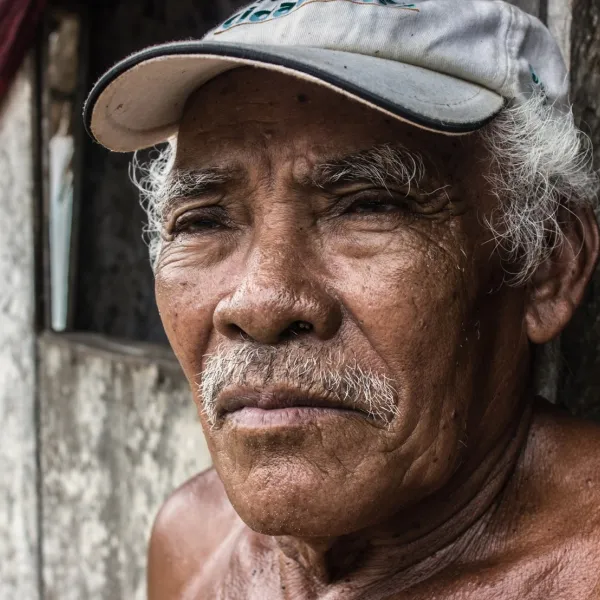
Human rights violations and degradation of the Amazon have been occurring since the project’s inception. In March 2011, Norte Energía began construction of the dam without adequate consultation and without the prior, free, and informed consent of the affected communities.
The construction caused the forced displacement of more than 40,000 people, severing social and cultural ties. The resettlement plan in Altamira—a city directly affected by the hydroelectric dam—involved housing units located on the outskirts, lacking adequate public services and decent living conditions for the relocated families, with no special provisions for those from indigenous communities.
Belo Monte's operations have caused a permanent, man-made drought in the Volta Grande (or "Great Bend") of the Xingu River, exacerbated by the historic droughts in the Amazon in 2023 and 2024. As a result, the deaths of millions of fish eggs were documented for four consecutive years (from 2021 to 2024), and for the past three years, there has been no upstream migration of fish to spawn and reproduce. Thus, artisanal fishing, the main source of protein for indigenous peoples and riverside communities, was severely affected: fish dropped from 50% to 30% of total protein consumed, replaced by processed foods. In summary, there was an environmental and humanitarian collapse that resulted in the breakdown of fishing as a traditional way of life, food insecurity, and access to drinking water for thousands of families, impoverishment, and disease.
Furthermore, the construction of the dam increased deforestation and intensified illegal logging and insecurity on indigenous and tribal lands, putting the survival of these communities at risk. Another consequence was the deepening of poverty and social conflicts, as well as the strain on health, education, and public safety systems in Altamira—a city ranked as the most violent in the country in 2017, where human trafficking and sexual violence increased. Violence was also reported against human rights defenders involved in the case.
In 2025, during the 30th UN Climate Change Conference (COP30), held in Brazil, the Federal Public Prosecutor’s Office labeled the damage caused by the Belo Monte dam as ecocide.
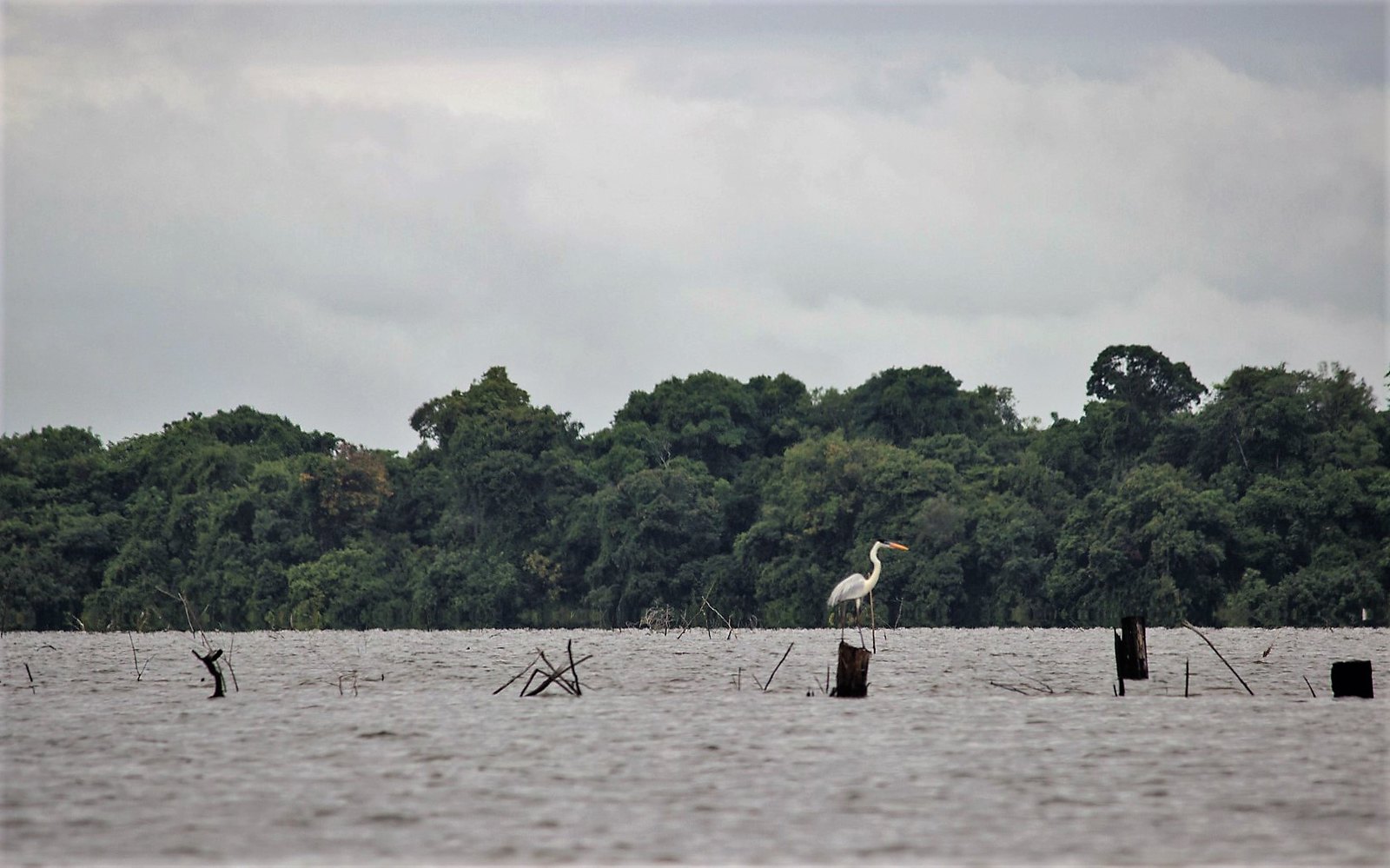
Photo: Amazon Watch / Maíra Irigaray.
The search for justice and reparations
Over the years, the Federal Public Prosecutor’s Office in Pará, the Public Defender’s Office, and civil society organizations have filed dozens of legal actions in Brazilian courts to challenge the project’s various irregularities and its impacts. Most of the claims are still pending resolution, some for more than 10 years.
These efforts have failed because the national government has repeatedly overturned rulings in favor of the affected communities by invoking a mechanism that allowed a court president to suspend a judicial decision based solely on generic arguments such as "the national interest" or "economic order."
In the absence of effective responses at the national level, AIDA, together with a coalition of partner organizations, brought the case before the Inter-American Commission on Human Rights (IACHR) and, in 2010, requested precautionary measures to protect the lives, safety, and health of the affected indigenous communities.
On April 1, 2011, the IACHR granted these measures and requested that the Brazilian government suspend environmental permits and any construction work until the conditions related to prior consultation and the protection of the health and safety of the communities are met.
And on June 16, 2011 —together with the Xingu Vivo Para Sempre Movement, the Coordinating Committee of Indigenous Organizations of the Brazilian Amazon, the Diocese of Altamira, the Indigenous Missionary Council, the Pará Society for the Defense of Human Rights and Global Justice— we filed a formal complaint against the Brazilian State for its international responsibility in the violation of the human rights of the people affected in the case. The case was opened for processing in December 2015.
On August 3, 2011, the IACHR amended the precautionary measures to request, instead of the suspension of permits and construction, the protection of people living in voluntary isolation, the health of indigenous communities, and the regularization and protection of ancestral lands.
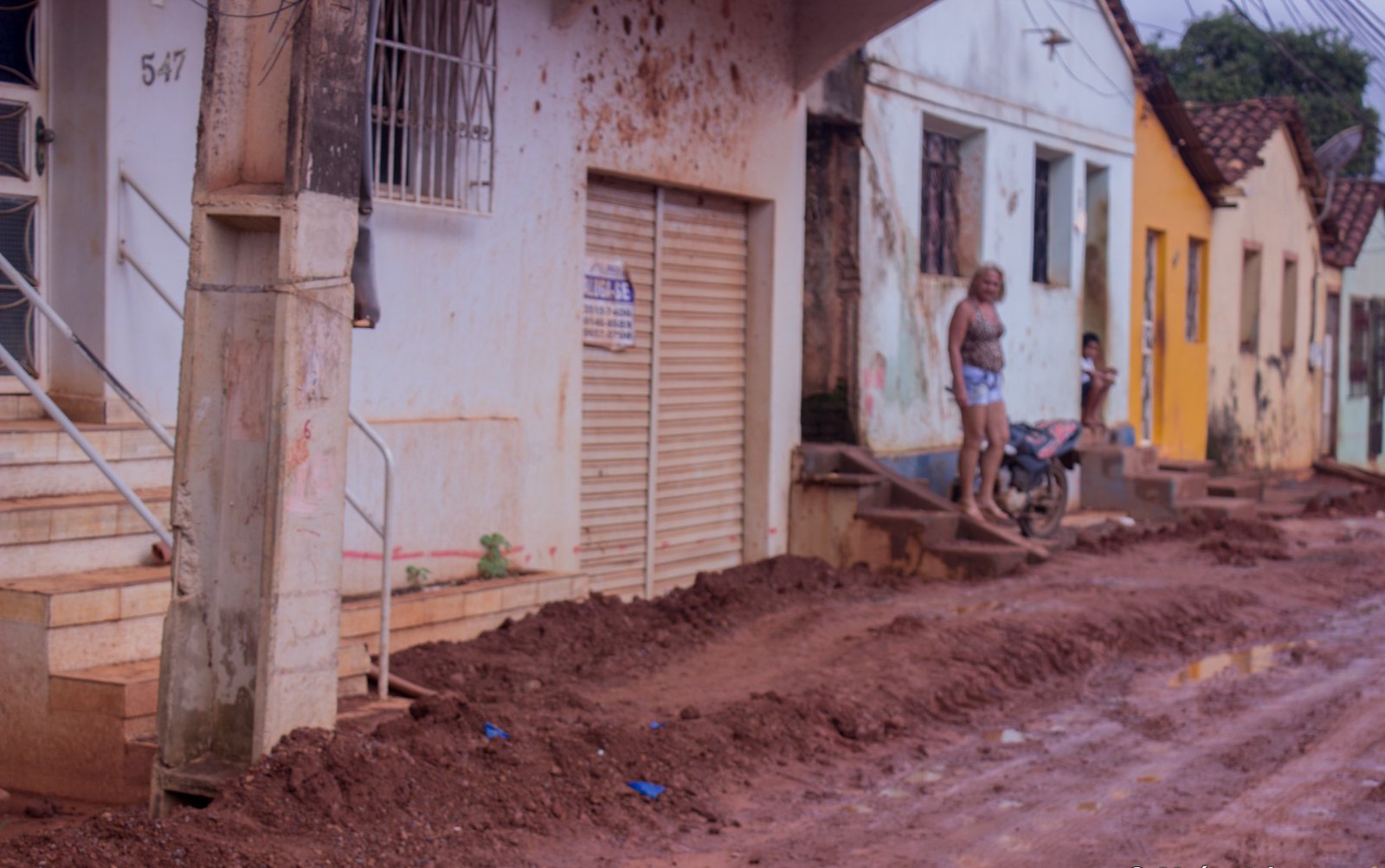
Photo: Amazon Watch / Maíra Irigaray.
Current situation
The protective measures granted by the IACHR remain in effect, but the Brazilian government has not fully complied with them, reporting only on general actions. The communities have documented the ongoing violations of their rights. The situation that prompted the request for these measures—the risk to the lives, physical integrity, and ways of life of the communities—persists and has worsened with the hydroelectric plant operating at full capacity and the recent extreme droughts in the Amazon.
In addition to the impacts of Belo Monte, there is a risk of further social and environmental impacts from the implementation of another mining megaproject in the Volta Grande do Xingu. There, the Canadian company Belo Sun plans to build Brazil’s largest open-pit gold mine.
The combined and cumulative impacts of the dam and the mine were not assessed. The government excluded Indigenous peoples, riverine and peasant communities from the project’s environmental permitting process. Despite protests by Indigenous communities and other irregularities surrounding the project, the government of Pará formally authorized the mine in April 2026.
Like other hydroelectric dams, Belo Monte exacerbates the climate emergency by generating greenhouse gas emissions in its reservoir. And it is inefficient amid the longer, more intense droughts caused by the crisis, as it loses its ability to generate power.
The case before the Inter-American Commission
In October 2017, the IACHR announced that it would rule jointly on the admissibility (whether the case meets the requirements for admission) and the merits (whether a human rights violation actually occurred) of the international complaint against the Brazilian State.
Fifteen years after the complaint was filed, the affected communities and the organizations representing them are still awaiting this decision. If the IACHR concludes that human rights violations occurred and issues recommendations that the Brazilian State fails to comply with, it may refer the case to the Inter-American Court of Human Rights, whose rulings are binding.
A potential ruling by the international court in this case would set a regional legal precedent regarding the rights of indigenous and riverine peoples, public participation in megaprojects, and state responsibility in the context of the climate crisis—a precedent that is particularly relevant in light of the Court’s Advisory Opinion No. 32, which reaffirmed the obligations of States to protect the people and communities of the continent from the climate emergency.
Partners:
Related projects
Renewing AIDA’s Board of Directors
We proudly welcome the new members of our Board: Xavier Martínez Esponda, Monica Roa and Manuel Pulgar-Vidal. All three are outstanding legal professionals dedicated to the defense of the environment and human rights in Latin America. AIDA’s Board of Directors has been renewed following internal elections, with the incorporation of three new members for the next period of three years. We’re honored to welcome: Xavier Martínez Esponda, a prominent Mexican attorney and Technical Operating Director of the Mexican Center for Environmental Law (CEMDA); Monica Roa, an accomplished Colombian attorney and defender of women’s rights; and Manuel Pulgar-Vidal, a renowned Peruvian environmental attorney, former Minister of Environment of Peru and current leader of the Climate and Energy Practice at WWF International. Manuel Pulgar-Vidal is returning to AIDA’s Board of Directors, which he chaired for eight years after helping to found the organization in 1998. The Board is currently chaired by Manolo Morales of Ecuador, Executive Director of the ECOLEX Management and Environmental Law Corporation. It has as Vice President, Jerónimo Rodríguez of Colombia, Sub-director of Natural Wealth Program at Chemonics International; as Chief Financial Officer, Martin Wagner of the United States, Director of the International Program at Earthjustice; and as Secretary, Margot Venton of Canada, attorney at Ecojustice. Other members include Rafael González of Costa Rica, President of Justice for Nature (JPN) and Pedro Solano of Peru, Executive Director of the Peruvian Society for Environmental Law (SPDA). AIDA is the only regional organization of Latin American experts providing free legal and technical support in defense of the environment and human rights in the Americas. We are constantly seeking new ways to strength the organization, including through the important roles of our Board members.
Read more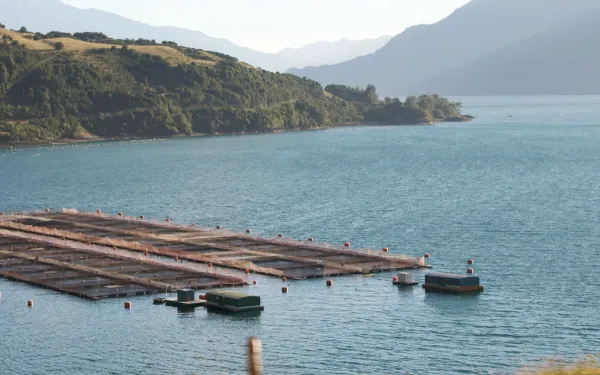
Opening our eyes to the dangers of salmon farming in Chile
Recently, I went to dinner with some friends. Two of them ordered salmon. The dish was expensive because, although Chile is the world’s second largest producer, salmon is a non-native species and one of the most popular fish in the country. I respectfully asked my friends if they were aware of the toll commercial salmon production takes on our oceans. Their response was glib: “That’s an exaggeration,” they said. “I don’t think it’s that bad.” Unfortunately, I expected that response. The environmental dangers of salmon farming in Chile are largely hidden, but that doesn’t make them any less serious. An unsustainable industry On July 5, nearly 700,000 salmon escaped from their pens at a farm off of Huar Island in Patagonia’s Los Lagos region. The escape has revived public debate on the dangers of Chile’s salmon industry. Caused by damage the pens sustained during a storm, the escape could represent one of the largest environmental catastrophes since salmon farming began in Chile in the 1980’s. But what’s the bigger problem? As it turns out, it’s not just one problem — it’s many. The problems of salmon farming first became visible in 2007 when scientists recorded the first case of infectious salmon anemia, a lethal illness for the fish. Although the industry adopted new infrastructure and sanitary standards, the root of the problem remained unaddressed—the overpopulation of marine habitats, packed with more fish than they could support, was causing oxygen depletion and, eventually, oceanic dead zones. Those poor farming practices also led to the excessive use of antibiotics to treat illnesses and infections. Eventually, other problems arose—algae blooms, and the so-called red tides that have devastated the area’s marine life. The recent massive salmon escape has posed serious public health risks because the fish had been treated with excessive amounts of antibiotics, making them inapt for consumption by humans or other animals. But, despite warnings from the authorities in the days following the escape, fishermen in the area began capturing salmon and selling them at extremely low prices. As an invasive predator, the salmon also posted a threat to the ecosystem, since they are aggressive fish prone to devastating anything in their path, including native species. Greenpeace said the escape was equivalent to a plague of 140 million rats eating anything in their path. Although the company was required to re-capture at least 10 percent of the salmon, they failed to reach that goal, despite offering up to $11 per fish. The work was further complicated since salmon are prey to sea lions and other predators. All this has revealed a clear structural problem—the lack of government control and regulation of an unsustainable industry. The most recent escape, from a farm owned by Marine Harvest Company, is yet another example of how the entire industry is failing to comply with environmental standards. According to Chile’s National Fish Service, some 3.3 million salmon have escaped from different fisheries in the Los Lagos, Aysén and Magallanes regions in the last eight years. Urgent Measures If this malpractice continues, salmon farming could destroy Chile’s marine biodiversity. Other countries have taken drastic actions in response to cases similar to the one on Huar Island. In the United States, for example, Washington State decided to gradually eliminate salmon farms after 300 salmon escape from a hatchery there. At AIDA, we are working to protect Chilean Patagonia, the country’s most pristine region, into which the salmon industry continues to expand. In May 2017, we filed a complaint with the Chile’s Superintendent of the Environment asking they investigate the damages salmon farms are causing to the Magallanes region, and sanction the companies responsible. We also commissioned a scientific report demonstrating how susceptible the region is to the risks of salmon farming. Hopefully my compatriots will realize that we share a common interest in protecting our most pristine waters from the damages of salmon farming. Because at the end of the day, that bite of salmon may be more expensive than they think.
Read more
Guatemalan indigenous communities file complaint for dams’ damages
Affected communities have called on the Inter-American Development Bank to withdraw funding for the Pojom II and San Andrés dams for failure to comply with its operational policies. The mega-projects have damaged water sources and harmed the livelihoods of local indigenous people, particularly women. Washington, D.C. Indigenous communities affected by Guatemala’s Pojom II and San Andrés dams have called on the Inter-American Development Bank to withdraw its investment in the mega-projects. A complaint filed before the Bank’s independent accountability mechanism explains how the serious social and environmental damages caused by the planning and construction of the dams resulted from the projects’ failure to comply with the Bank’s operational policies. The communities are represented by the Interamerican Association for Environmental Defense (AIDA), the International Platform Against Impunity, and the Plurinational Ancestral Government of Q’anjob’al, Popti, Chuj and Akateko. “The damages caused by the projects’ implementation are the result of non-compliance with the Bank’s operational policies, particularly its policies on environment and sustainability, indigenous people, gender, and information disclosure,” explained Liliana Ávila, AIDA attorney. The complaint details how the dams were authorized without adequate community consultation, and how those affected did not receive sufficient information on the risks. In addition, community members who have peacefully resisted the projects have suffered attacks, threats, and harassment; in 2017, they reported the murder of one local resident, which has yet to be resolved. The construction of the dams has also caused severe environmental damage, including water scarcity and pollution, which have affected local people’s ability to fish, grow food, and maintain their tradition lifestyle. The affected people of the microregion of Ixquisis, in the department of Huehuetenango, are primarily indigenous Mayans including the Chu, Q’anjob’al and Akateko ethnic groups. “The damages from the dams are differentially suffered by women, since they are the primary managers of water use in their homes,” said Anabella Sibrián from the International Platform Against Impunity. “The women of Ixquisis face stigmatization and live in fear of retaliation for their peaceful opposition to the projects.” The Pojom II hydroelectric plant is operated by Generadora San Mateo S.A, while San Andrés is run by Generadora San Andrés S.A. Both are subsidiaries of Promoción y Desarrollos Hídricos S.A., a Guatemalan company. In 2013, IDB Invest, a private arm of the Inter-American Development Bank, approved loans of up to $9 million USD for the construction of Pojom II and up to $6 million USD for the San Andrés project. “We our hope that the Bank’s accountability mechanism confirms the projects have violated internal policies and thus recommends that IDB Invest withdraw its investment from these harmful mega-dams,” Ávila said. The Ixquisis communities were recently awarded the 2018 Front Line Defenders award for Human Rights Defenders at Risk for their valiant, peaceful struggle to defend their water and their territory. Find more information on the case here. Press Contact Victor Quintanilla (México), AIDA, [email protected], +521 5570522107
Read more