
Project
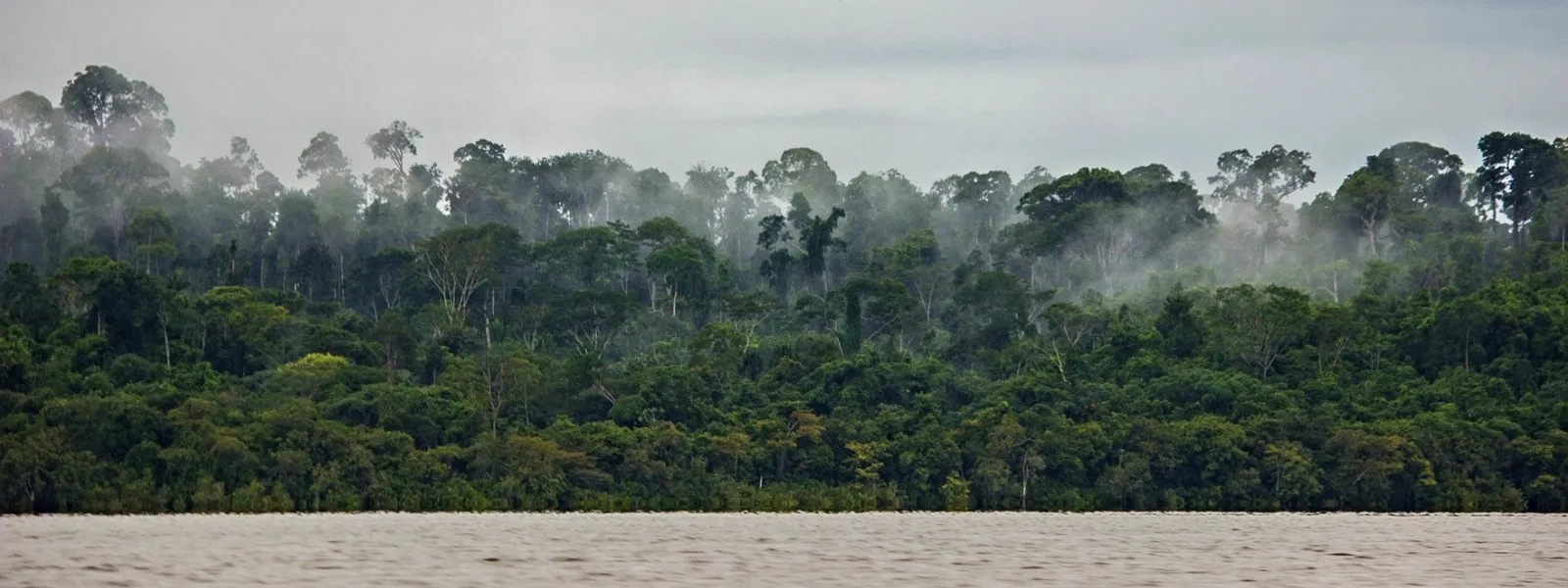
Amazon Watch / Maíra Irigaray
The Belo Monte Dam on the Xingu River: 10 years of impacts in the Amazon and the search for reparations
The Belo Monte Dam has caused an environmental and social disaster in the heart of the Amazon—one of the most important ecosystems on the planet.
This situation has only worsened since the hydroelectric plant began operations in 2016. The quest for justice and reparations by the affected indigenous, fishing, and riverine communities continues to this day.
In 2011, the Inter-American Commission on Human Rights (IACHR) granted them protective measures that, to date, have not been fully implemented by the Brazilian State.
Furthermore, since June of that same year, the IACHR has yet to rule on a complaint against the State regarding its international responsibility in the case.
The IACHR may refer the case to the Inter-American Court of Human Rights, which has the authority to issue a ruling condemning the Brazilian State.
After 10 years of the hydroelectric plant's operation and more than 15 years of documented human rights violations, it is time for justice to be served for the affected communities.
Read the open letter from the organizations bringing the case before the IACHR
Background
The Belo Monte hydroelectric plant—the fourth largest in the world by installed capacity (11,233 MW)—was built on the Xingu River in Pará, a state in northern Brazil.
It was inaugurated on May 5, 2016, with a single turbine. At that time, 80% of the river’s course was diverted, flooding 516 km² of land—an area larger than the city of Chicago. Of that area, 400 km² was native forest. The dam began operating at full capacity in November 2019.
Belo Monte was built and is operated by the Norte Energia S.A. consortium, which is composed primarily of state-owned companies. It was financed by the Brazilian Development Bank (BNDES), which provided the consortium with 25.4 billion reais (approximately US$10.16 billion), the largest investment in the bank’s history. Therefore, the BNDES is also legally responsible for the socio-environmental impacts associated with the hydroelectric plant.
Decades of harm to the environment and people
Human rights violations and degradation of the Amazon have been occurring since the project’s inception. In March 2011, Norte Energía began construction of the dam without adequate consultation and without the prior, free, and informed consent of the affected communities.
The construction caused the forced displacement of more than 40,000 people, severing social and cultural ties. The resettlement plan in Altamira—a city directly affected by the hydroelectric dam—involved housing units located on the outskirts, lacking adequate public services and decent living conditions for the relocated families, with no special provisions for those from indigenous communities.
Belo Monte's operations have caused a permanent, man-made drought in the Volta Grande (or "Great Bend") of the Xingu River, exacerbated by the historic droughts in the Amazon in 2023 and 2024. As a result, the deaths of millions of fish eggs were documented for four consecutive years (from 2021 to 2024), and for the past three years, there has been no upstream migration of fish to spawn and reproduce. Thus, artisanal fishing, the main source of protein for indigenous peoples and riverside communities, was severely affected: fish dropped from 50% to 30% of total protein consumed, replaced by processed foods. In summary, there was an environmental and humanitarian collapse that resulted in the breakdown of fishing as a traditional way of life, food insecurity, and access to drinking water for thousands of families, impoverishment, and disease.
Furthermore, the construction of the dam increased deforestation and intensified illegal logging and insecurity on indigenous and tribal lands, putting the survival of these communities at risk. Another consequence was the deepening of poverty and social conflicts, as well as the strain on health, education, and public safety systems in Altamira—a city ranked as the most violent in the country in 2017, where human trafficking and sexual violence increased. Violence was also reported against human rights defenders involved in the case.
In 2025, during the 30th UN Climate Change Conference (COP30), held in Brazil, the Federal Public Prosecutor’s Office labeled the damage caused by the Belo Monte dam as ecocide.
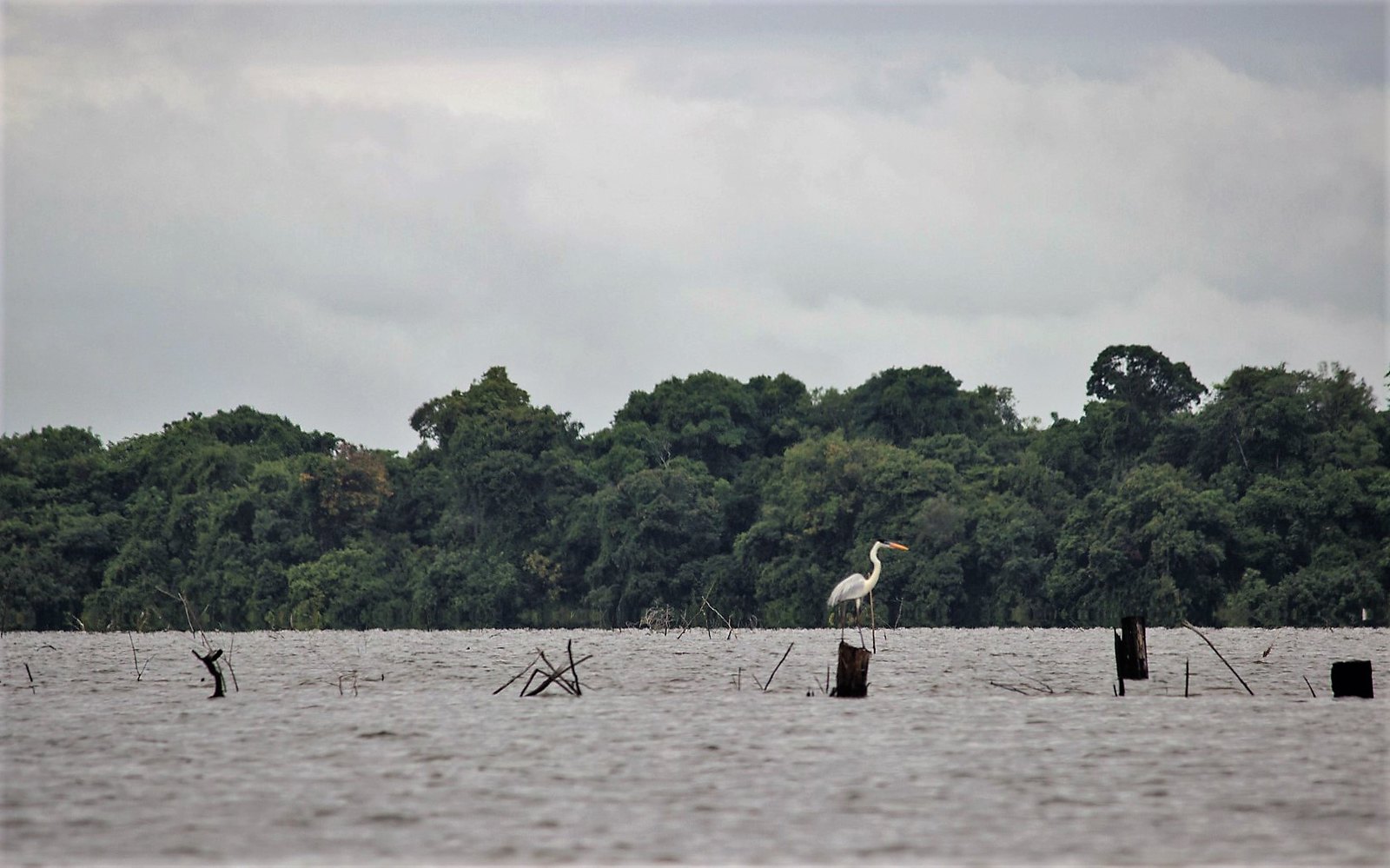
Photo: Amazon Watch / Maíra Irigaray.
The search for justice and reparations
Over the years, the Federal Public Prosecutor’s Office in Pará, the Public Defender’s Office, and civil society organizations have filed dozens of legal actions in Brazilian courts to challenge the project’s various irregularities and its impacts. Most of the claims are still pending resolution, some for more than 10 years.
These efforts have failed because the national government has repeatedly overturned rulings in favor of the affected communities by invoking a mechanism that allowed a court president to suspend a judicial decision based solely on generic arguments such as "the national interest" or "economic order."
In the absence of effective responses at the national level, AIDA, together with a coalition of partner organizations, brought the case before the Inter-American Commission on Human Rights (IACHR) and, in 2010, requested precautionary measures to protect the lives, safety, and health of the affected indigenous communities.
On April 1, 2011, the IACHR granted these measures and requested that the Brazilian government suspend environmental permits and any construction work until the conditions related to prior consultation and the protection of the health and safety of the communities are met.
And on June 16, 2011 —together with the Xingu Vivo Para Sempre Movement, the Coordinating Committee of Indigenous Organizations of the Brazilian Amazon, the Diocese of Altamira, the Indigenous Missionary Council, the Pará Society for the Defense of Human Rights and Global Justice— we filed a formal complaint against the Brazilian State for its international responsibility in the violation of the human rights of the people affected in the case. The case was opened for processing in December 2015.
On August 3, 2011, the IACHR amended the precautionary measures to request, instead of the suspension of permits and construction, the protection of people living in voluntary isolation, the health of indigenous communities, and the regularization and protection of ancestral lands.
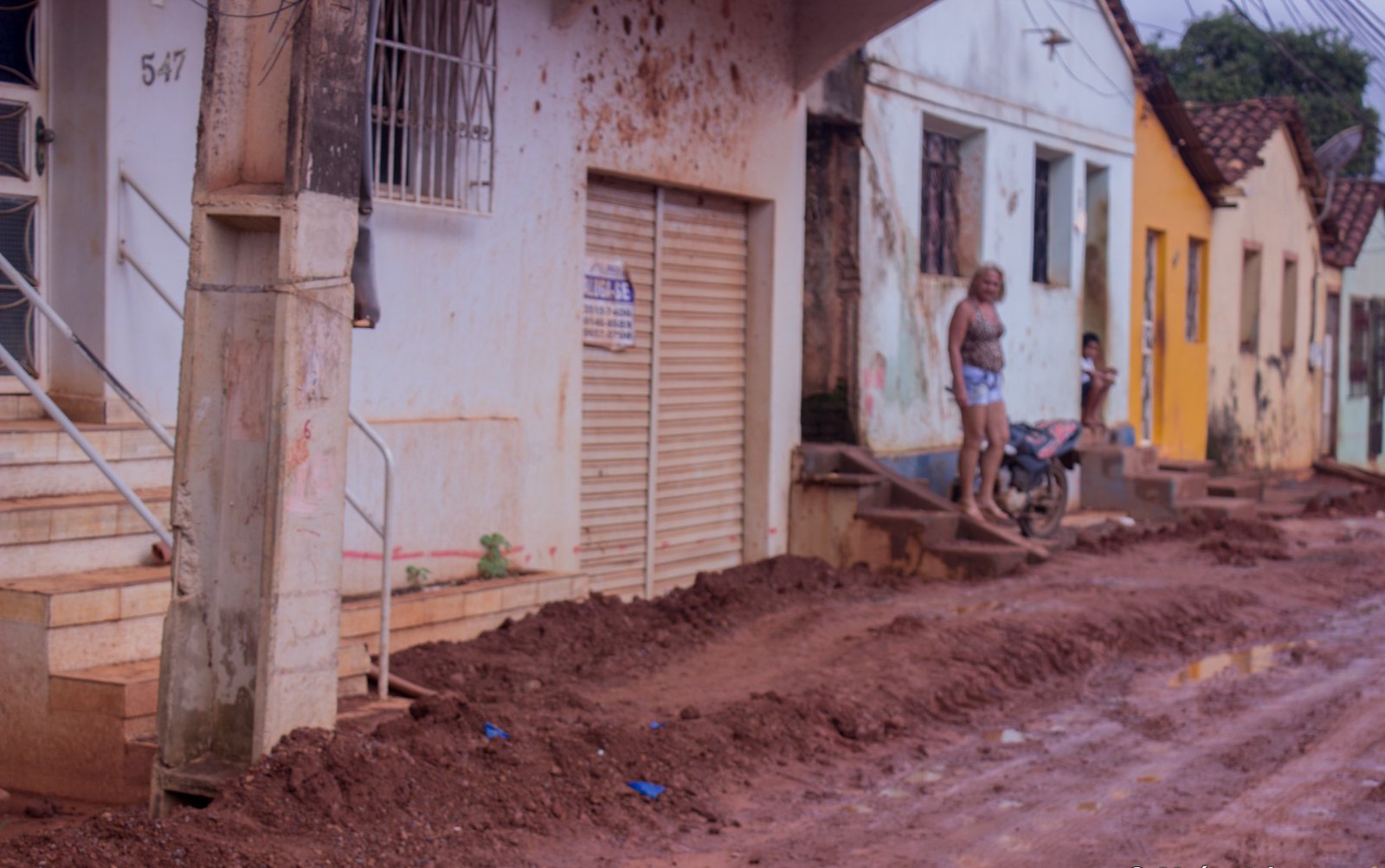
Photo: Amazon Watch / Maíra Irigaray.
Current situation
The protective measures granted by the IACHR remain in effect, but the Brazilian government has not fully complied with them, reporting only on general actions. The communities have documented the ongoing violations of their rights. The situation that prompted the request for these measures—the risk to the lives, physical integrity, and ways of life of the communities—persists and has worsened with the hydroelectric plant operating at full capacity and the recent extreme droughts in the Amazon.
In addition to the impacts of Belo Monte, there is a risk of further social and environmental impacts from the implementation of another mining megaproject in the Volta Grande do Xingu. There, the Canadian company Belo Sun plans to build Brazil’s largest open-pit gold mine.
The combined and cumulative impacts of the dam and the mine were not assessed. The government excluded Indigenous peoples, riverine and peasant communities from the project’s environmental permitting process. Despite protests by Indigenous communities and other irregularities surrounding the project, the government of Pará formally authorized the mine in April 2026.
Like other hydroelectric dams, Belo Monte exacerbates the climate emergency by generating greenhouse gas emissions in its reservoir. And it is inefficient amid the longer, more intense droughts caused by the crisis, as it loses its ability to generate power.
The case before the Inter-American Commission
In October 2017, the IACHR announced that it would rule jointly on the admissibility (whether the case meets the requirements for admission) and the merits (whether a human rights violation actually occurred) of the international complaint against the Brazilian State.
Fifteen years after the complaint was filed, the affected communities and the organizations representing them are still awaiting this decision. If the IACHR concludes that human rights violations occurred and issues recommendations that the Brazilian State fails to comply with, it may refer the case to the Inter-American Court of Human Rights, whose rulings are binding.
A potential ruling by the international court in this case would set a regional legal precedent regarding the rights of indigenous and riverine peoples, public participation in megaprojects, and state responsibility in the context of the climate crisis—a precedent that is particularly relevant in light of the Court’s Advisory Opinion No. 32, which reaffirmed the obligations of States to protect the people and communities of the continent from the climate emergency.
Partners:
Related projects
Understanding the true costs of mining in Latin America
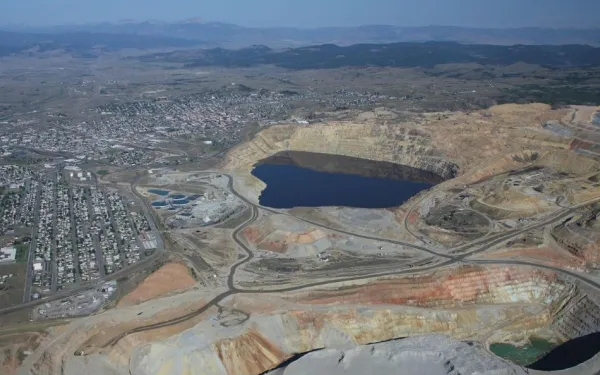
Would you accept a business deal that offered you limited profits and infinite expenses? In Latin America, mining is strongly promoted as a source economic advancement. Governments tout extraction as a source of employment and funding for new hospitals, schools, roads and other infrastructure. Up to that point, it sounds like good business. But that’s only half of the story. What they don’t tell you about—in press releases or Environmental Impact Studies—is all of mining’s downsides, including impacts in perpetuity, environmental damage that persists for centuries or even millennia. Among mining’s many damages—rarely mentioned to the communities living alongside the projects—two stand out: Severe landscape modifications: for example, the excavation of an open-pit mine on a mountain or the filling of a valley with mining waste. Contamination of water sources: for example, acid generation and the release of toxic metals into reach rivers, streams and other water sources; or the increase of nitrates and ammonia derived from explosives. In countries like the United States, damages are discussed in environmental assessment processes and legislation exists on both assessment and mitigation mechanisms. In Latin America, promoters of large mining projects often fail to understand that the long-term costs of these mega-projects far outweigh their benefits, and extend far beyond the mine’s active life cycle. After their closure and abandonment, open-pit mines need constant maintenance to minimize the risk of collapse (which never disappears). Water sources must be continuously monitored and treated to avoid toxic contamination. Who will pay for mining’s damages? It’s often difficult to know who must assume mining’s costs because it depends on several different elements: legal frameworks, institutional strength, and social factors. In many countries, governments require mining companies to build and install monitoring and remediation systems (wells, water treatment plants and drains, for example). In other cases, they are asked to pay for the operating costs of these systems for a period of time. The most demanding countries request remediation insurance (i.e. Reclamation Bonds), as well as a contribution to financial funds whose yields will be destined for such measures. This is the case of the Superfund, which manages the remediation of approximately 1,341 industrial sites across the United States. But even so, these policies often underestimate long-term costs, leaving tax papers to cover the rest of the expense. According to the Center for Science in Public Participation, the government would have to pay between $3.8 and $20 billion dollars to remediate the damages of metal mines in the western United States. In other countries, environmental waste from mining doesn’t receive much attention. In Canada—often cited as an example to follow by governments of the region—the Tulsequah Chief mine in British Columbia has been releasing untreated acidic waters since 1957. Mining in Latin America Although many Latin American nations have regulations related to mining, most lack specific laws establishing standardized procedures for monitoring and repairing its damages. Some nations, like Bolivia and Colombia, even lack a legal definition for Mining Environmental Liability or debt for environmental damage. Faced with weak regulation, the closure of a mine is accompanied by isolated and ineffective actions—like simply planting greenery in the affected area. Since it’s not clear who should be held responsible, the few monitoring and remediation actions that exist often end up being abandoned. Another important factor in the region is that environmental damage comes not just from legal mining, but also from illegal and—in the case of Colombia, where mining’s profits are being used to fuel conflict—even criminal mining activities. In Chile, environmental deterioration is largely the product of legal metal mines that have been abandoned. In Bolivia it is most often the result of artisanal mining and cooperatives. In Colombia, illegal and small-scale mining spills mercury into the rivers. In Peru, gold mining causes serious damage to human health and the environment. Throughout Latin America, mining’s historical damages can be found in mineral deposits that date from the colonial age… yet our resources continue to be exploited. Why prevention is key The permanent scars mining leaves behind require constant attention and a level of financing that is impossible to guarantee over time. And given their severity, it’s only possible to partially mitigate, not completely remediate, the most serious damages. That’s why we’re promoting prevention, rather than remediation. Hand-in-hand with local organizations and communities, we’re working to ensure that mining projects are subject to adequate evaluation processes before they’re authorized, and that the risks they imply for communities and the environment are well understood. We advocate for evaluation based on the best available scientific information; we ask that it contemplate alternatives and be carried out independently to guarantee objective results. If the analysis finds that a project will generate perpetual damages that cannot be adequately managed, it must be rejected. We want decision-makers to understand: hard rock mining is not always good business and it always causes environmental harm. We’ll continue working to ensure governments across Latin America understand that fact.
Read more
Statement on the United States’ departure from the UN Human Rights Council
Today AIDA, as an organization that works to protect the right to a healthy environment in the Americas, released the following statement after the United States decided to withdraw from the United Nations Human Rights Council: We consider it a worrying and unfortunate maneuver that could isolate the United States from the international community and weaken its ability to positively influence human rights protection around the world. This decision sends a negative message, especially to countries with serious human rights situations, about which the United States has expressed concern. From our perspective, this decision shows that the administration has also ignored the thousands of people and organizations in the United States that have spoken out against internal policies, including those involving the separation of migrant families and climate change. It’s important to bear in mind that, despite their departure from the Council, the human rights situation in the United States may continue to be evaluated by that body, as it is for other nations that participate in the U.N. Faced with this decision, we urge other States to respond by demonstrating their leadership to ensure the effective protection of human rights globally. The importance of human rights isn’t about a political perspective, isn’t about a party, is about decency and humanity. PRESS CONTACT: Víctor Quintanilla (Mexico), AIDA, [email protected], +521 5570522107
Read more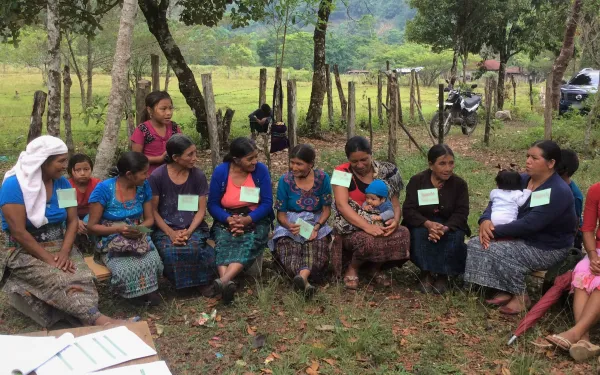
The women defending Guatemala’s rivers from large dams
When Maria gets up each morning, the first thing she does is open the tap in her house to see if there’s any water. If there is, she prepares coffee and, within a few hours, food for her family. Her house is alive with plants and animals. Dogs, cats and chickens surround her as she lights the wood stove, carrying her young son on her back. Maria lives in Ixquisis, a region of northwestern Guatemala near the Mexican border, in the department of Huehuetenango. There, water springs from the earth and large rivers like the Pojom and the Negro flow through the mountains. For Maria, the river is a special place. There, she meets with other women and washes clothes, a traditional activity for women in her community, most of whom are indigenous. Each afternoon, as the water flows steadily downstream, they talk about their families, their to-do lists, their joys and their worries. Last month, Maria joined with the other women of Ixquisis to speak about the threats the dams pose to their way of life. They were part of a workshop AIDA organized in collaboration with Protection International and the International Platform Against Impunity. Maria’s life has changed a lot since they started building the Pojom II and San Andrés dams, and she’s been losing sleep. Before the construction of the dams began, Maria used to fish. By submerging a basket in the river, she gathered—as if by magic—snails, shrimp and small fish. These are riches the river no longer provides. Instead, the once pristine river has become filled with garbage, rubble and other debris. The workers use its water to wash cars and machinery. “One day we will run out of water and we won’t be able to live,” Maria said, echoing the primary fear of the women of Ixquisis. “Our children will suffer.” Their fear is well founded. Many families like Maria’s already suffer from stomach and skin diseases that they associate with water pollution. Before the workshop, the women of Ixquisis hadn’t had the opportunity to speak publicly about the importance of water and the rivers in their lives. They hadn’t been able to explain how their rivers had changed since the dams’ construction began. They had also never been provided with information about the projects. But even without knowing the details of the dams, Maria and her neighbors understood that the water in their homes no longer arrived as cleanly or as regularly as before. Time and again, they have peacefully expressed their opposition to the dams. But their voices have been stigmatized and shaken by fear of reprisal. Before Maria walked calmly through her community, even at night. She now leaves the house in fear. But the people of Ixquisis have the support of people and organizations that work to protect the environment and human rights. The international organization Front Line Defenders, for example, recently awarded them the 2018 Award for Human Rights Defenders at Risk. One day after the women’s workshop, we organized a second meeting attended by the men of the region. The lack of water has affected their main subsistence activity: the cultivation of bananas, cardamom, vegetables and other products they take to market. Because their harvests have decreased, they must now work more hours to obtain the same profit. I learned a lot from Maria. Her strength, as well as that of all the residents of Ixquisis, comes from her respect for nature and all it offers them. I share that feeling and channel it into my work as an AIDA attorney, legally advising the men and women of Ixquisis on how to defend their territory. I work so that water will continue to flow from their taps, and so that they can one day walk again without fear, in search of a healthier future for their children.
Read more