
Project
Amazon Watch / Maíra Irigaray
The Belo Monte Dam on the Xingu River: 10 years of impacts in the Amazon and the search for reparations
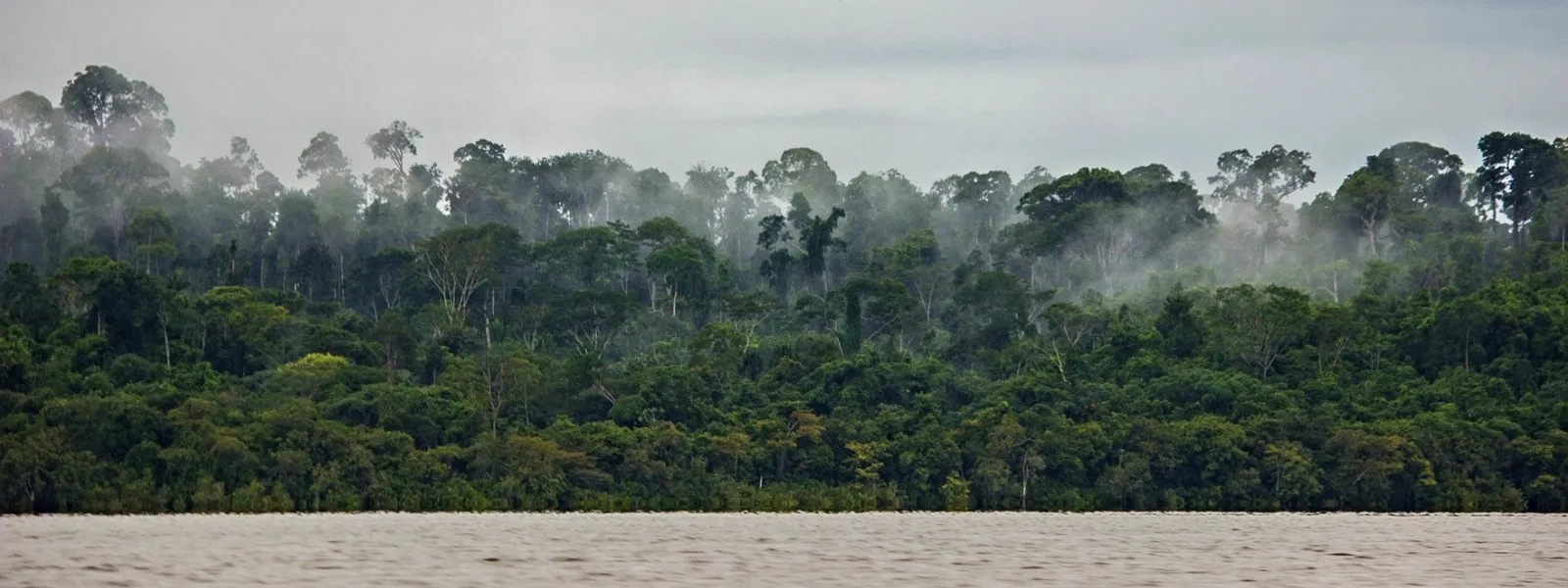
The Belo Monte Dam has caused an environmental and social disaster in the heart of the Amazon—one of the most important ecosystems on the planet.
This situation has only worsened since the hydroelectric plant began operations in 2016. The quest for justice and reparations by the affected indigenous, fishing, and riverine communities continues to this day.
In 2011, the Inter-American Commission on Human Rights (IACHR) granted them protective measures that, to date, have not been fully implemented by the Brazilian State.
Furthermore, since June of that same year, the IACHR has yet to rule on a complaint against the State regarding its international responsibility in the case.
The IACHR may refer the case to the Inter-American Court of Human Rights, which has the authority to issue a ruling condemning the Brazilian State.
Background
The Belo Monte hydroelectric plant—the fourth largest in the world by installed capacity (11,233 MW)—was built on the Xingu River in Pará, a state in northern Brazil.
It was inaugurated on May 5, 2016, with a single turbine. At that time, 80% of the river’s course was diverted, flooding 516 km² of land—an area larger than the city of Chicago. Of that area, 400 km² was native forest. The dam began operating at full capacity in November 2019.
Belo Monte was built and is operated by the Norte Energia S.A. consortium, which is composed primarily of state-owned companies. It was financed by the Brazilian Development Bank (BNDES), which provided the consortium with 25.4 billion reais (approximately US$10.16 billion), the largest investment in the bank’s history. Therefore, the BNDES is also legally responsible for the socio-environmental impacts associated with the hydroelectric plant.
Decades of harm to the environment and people
Human rights violations and degradation of the Amazon have been occurring since the project’s inception. In March 2011, Norte Energía began construction of the dam without adequate consultation and without the prior, free, and informed consent of the affected communities.
The construction caused the forced displacement of more than 40,000 people, severing social and cultural ties. The resettlement plan in Altamira—a city directly affected by the hydroelectric dam—involved housing units located on the outskirts, lacking adequate public services and decent living conditions for the relocated families, with no special provisions for those from indigenous communities.
Belo Monte's operations have caused a permanent, man-made drought in the Volta Grande (or "Great Bend") of the Xingu River, exacerbated by the historic droughts in the Amazon in 2023 and 2024. As a result, the deaths of millions of fish eggs were documented for four consecutive years (from 2021 to 2024), and for the past three years, there has been no upstream migration of fish to spawn and reproduce. Thus, artisanal fishing, the main source of protein for indigenous peoples and riverside communities, was severely affected: fish dropped from 50% to 30% of total protein consumed, replaced by processed foods. In summary, there was an environmental and humanitarian collapse that resulted in the breakdown of fishing as a traditional way of life, food insecurity, and access to drinking water for thousands of families, impoverishment, and disease.
Furthermore, the construction of the dam increased deforestation and intensified illegal logging and insecurity on indigenous and tribal lands, putting the survival of these communities at risk. Another consequence was the deepening of poverty and social conflicts, as well as the strain on health, education, and public safety systems in Altamira—a city ranked as the most violent in the country in 2017, where human trafficking and sexual violence increased. Violence was also reported against human rights defenders involved in the case.
In 2025, during the 30th UN Climate Change Conference (COP30), held in Brazil, the Federal Public Prosecutor’s Office labeled the damage caused by the Belo Monte dam as ecocide.
The search for justice and reparations
Over the years, the Federal Public Prosecutor’s Office in Pará, the Public Defender’s Office, and civil society organizations have filed dozens of legal actions in Brazilian courts to challenge the project’s various irregularities and its impacts. Most of the claims are still pending resolution, some for more than 10 years.
These efforts have failed because the national government has repeatedly overturned rulings in favor of the affected communities by invoking a mechanism that allowed a court president to suspend a judicial decision based solely on generic arguments such as "the national interest" or "economic order."
In the absence of effective responses at the national level, AIDA, together with a coalition of partner organizations, brought the case before the Inter-American Commission on Human Rights (IACHR) and, in 2010, requested precautionary measures to protect the lives, safety, and health of the affected indigenous communities.
On April 1, 2011, the IACHR granted these measures and requested that the Brazilian government suspend environmental permits and any construction work until the conditions related to prior consultation and the protection of the health and safety of the communities are met.
And on June 16, 2011 —together with the Xingu Vivo Para Sempre Movement, the Coordinating Committee of Indigenous Organizations of the Brazilian Amazon, the Diocese of Altamira, the Indigenous Missionary Council, the Pará Society for the Defense of Human Rights and Global Justice— we filed a formal complaint against the Brazilian State for its international responsibility in the violation of the human rights of the people affected in the case. The case was opened for processing in December 2015.
On August 3, 2011, the IACHR amended the precautionary measures to request, instead of the suspension of permits and construction, the protection of people living in voluntary isolation, the health of indigenous communities, and the regularization and protection of ancestral lands.
Current situation
The protective measures granted by the IACHR remain in effect, but the Brazilian government has not fully complied with them, reporting only on general actions. The communities have documented the ongoing violations of their rights. The situation that prompted the request for these measures—the risk to the lives, physical integrity, and ways of life of the communities—persists and has worsened with the hydroelectric plant operating at full capacity and the recent extreme droughts in the Amazon.
In addition to the impacts of Belo Monte, there is a risk of further social and environmental impacts from the implementation of another mining megaproject in the Volta Grande do Xingu. There, the Canadian company Belo Sun plans to build Brazil’s largest open-pit gold mine.
The combined and cumulative impacts of the dam and the mine were not assessed. The government excluded Indigenous peoples, riverine and peasant communities from the project’s environmental permitting process. Despite protests by Indigenous communities and other irregularities surrounding the project, the government of Pará formally authorized the mine in April 2026.
Like other hydroelectric dams, Belo Monte exacerbates the climate emergency by generating greenhouse gas emissions in its reservoir. And it is inefficient amid the longer, more intense droughts caused by the crisis, as it loses its ability to generate power.
The case before the Inter-American Commission
In October 2017, the IACHR announced that it would rule jointly on the admissibility (whether the case meets the requirements for admission) and the merits (whether a human rights violation actually occurred) of the international complaint against the Brazilian State.
Fifteen years after the complaint was filed, the affected communities and the organizations representing them are still awaiting this decision. If the IACHR concludes that human rights violations occurred and issues recommendations that the Brazilian State fails to comply with, it may refer the case to the Inter-American Court of Human Rights, whose rulings are binding.
A potential ruling by the international court in this case would set a regional legal precedent regarding the rights of indigenous and riverine peoples, public participation in megaprojects, and state responsibility in the context of the climate crisis—a precedent that is particularly relevant in light of the Court’s Advisory Opinion No. 32, which reaffirmed the obligations of States to protect the people and communities of the continent from the climate emergency.
Partners:
Related projects
To keep corals healthy, we must protect herbivorous fish
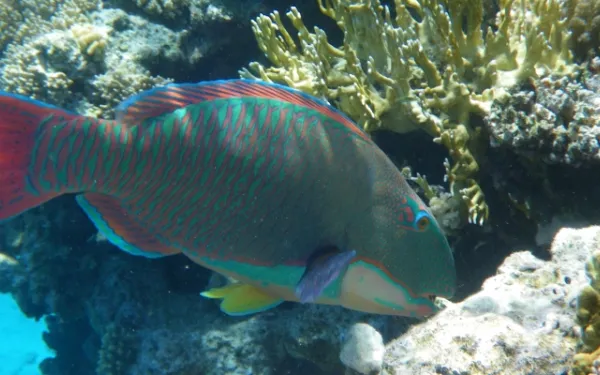
We all know coral reefs are fragile environments, highly vulnerable to climate change and pollution. But did you know they also had to compete for light and oxygen with the tiny macro-algae that cover their surface? That’s why some of corals' best friends are herbivorous fish—species like parrotfish and surgeonfish that feed on algae, helping to keep corals healthy. But in the Caribbean, unsustainable fishing practices are causing a decline in populations of parrotfish (and other herbivorous fish), putting the health of corals at risk. That’s why, in AIDA’s marine program, we’re launching a large-scale project dedicated to the conservation of herbivorous fish throughout Latin America—focused on the nations of Colombia, Costa Rica, Guatemala, Honduras, Mexico and Panama. Herbivorous fish conservation The parrotfish is one of the most important fish living in coral reefs. They spend most of the day nibbling on corals, cleaning algae from their surface. They also eat dead corals—those bits and pieces that protrude from the reef—and later excrete them as white sand. A key element to maintaining sustainable fisheries is catching only adult fish—those that have already matured and reproduced. But in the Caribbean right now, people are fishing juvenile parrotfish. Though not a commercial species, parrotfish are being captured because they’re some of the only fish left in the reef. The irresponsible nature of commercial fishing in the region has caused a drastic decline in both commercial and herbivorous fish. “A key element of maintaining a sustainable fishery is catching only adult fish, which have already matured and reproduced. But what’s happening in the Caribbean is the fishing of young parrotfish,” explained Magie Rodríguez, AIDA marine attorney. Most fishing is done with gillnets and hooks, which cause high levels of by-catch—unwanted populations of marine species caught in commercial fishing. Harpoons and traps are also used, which prevent younger, smaller fish from escaping and continuing their life cycle. Surgeonfish and damselfish are two other herbivorous fish—both small and quite beautiful—falling victim to irresponsible fishing practices. Their popularity in tropical home aquariums has led to a decline in their wild populations. Remember Dory, from Finding Nemo? She was a surgeonfish, and the movie’s popularity led to an increased demand for her species in aquariums. What the movie didn’t tell you is that the surgeonfish’s small, sharp teeth are highly adept at chewing algae, preventing the plantlife from essentially choking coral reefs of oxygen and light. Conservation strategies AIDA’s project for the conservation of herbivorous fish in the Caribbean is in its initial phases. Our objective is the implementation of diverse strategies, across the six Latin American nations, to protect these fish and, by extension, the reefs they call home. “To restore the balance of the coral ecosystem, it’s necessary to achieve the recovery not just of herbivorous fish populations, but also of commercial species,” Rodríguez said. So we’re talking not just about fishing bans, but also about the general adoption of sustainable fishing tools that take into account the tourism potential of coral reefs. The project will also contemplate adequate wastewater management strategies, consumer education, and collaboration between governments, NGOs, universities and scientists. Corals are, among other things, a source of economic income and food for coastal communities that live from fishing and tourism. Plus, they are natural barriers against storms and hurricanes. “Corals do a lot for us and we have to take care of them,” Rodríguez added. “We’ve come to find that the best thing we can do to keep corals healthy is to protect the herbivorous fish that call them home.”
Read more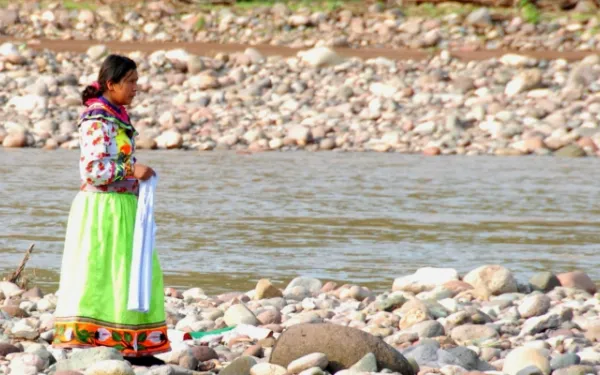
Women, water and life: the vital connection
As a woman and an environmental defender, I find it necessary to commemorate the role of women in the protection of our natural heritage. I feel a special pull toward making visible the links between environmental defense, courage, and gender. Women are the first victims of environmental deterioration, but they’re also the greatest protagonists in the defense and conservation of nature. Although it may seem like women and the environment are two different topics, there are subtle—but strong—links between the two, particularly when it comes to water. Women have an important relationship with water—they are both sources of life and fundamental to existence. It’s not surprising, then, that women can often be seen leading struggles in defense of water, especially within indigenous and rural populations. Joan Martínez Alier, professor of economics at the Autonomous University of Barcelona and an expert in political ecology, explained to Agencia EFE that often, socio-environmental conflicts involving mining or the privatization of water directly affect the survival of communities and, for that reason, women act in defense of water as they would in defense of their land or their family: bravely and completely. Little is known, however, about the knowledge and experience of women in water management. In many cases, especially in the Global South, the administration of water resources, as well as the elaboration and implementation of related policies, doesn’t take into account gender roles and lacks a differentiated approach. In rural Colombia, for example, women bring water to their homes from rivers or springs, boil it for use in the kitchen, and care for it. Despite their central role, they are not consulted when decisions are made locally or nationally about the water supply. It’s necessary to bring visibility to the role women play in water management, give equal recognition to the interests of men and women, and promote equal access to decision-making spaces. Only in that way can we advance towards greater equality. It’s important to remember that Latin America is one of the most dangerous regions in the world to be an environmental defender, and more dangerous still for women. Many women, who fight silently from their communities or from their leadership roles, have suffered the violence and injustice that comes with defending what is theirs. I must take a moment now to remember and honor Berta Cáceres, the indigenous activist and leader of the Civil Council of Popular and Indigenous Organizations of Honduras (COPINH), who dedicated her life to the defense of the Gualcarque River. Berta was murdered in March 2016, after years of threats stemming from her opposition of the Agua Zarca Dam. She may be gone, but her spirit, and her commitment to justice, is still very much alive. I’d also like to mention my colleagues, courageous friends, and allies who through their struggles are shaping a more just and equitable world. They believe, with all their hearts, that gender justice comes hand-in-hand with environmental justice. In our current reality, equality, more than a starting point, is a goal we must work towards. Concrete actions are needed to counterbalance the discrimination that affects us all. That’s why it is fundamental to incorporate the gender approach in any plan, program, project or mechanism of public administration. As the World Bank mentions in a 2002 report, the way to ensure both men and women benefit more equitably from policies is to make their needs and experiences an integral part of them. Life depends on women, as it does on water. That’s why we proudly act as stubborn defenders of not just water, but of all natural resources and of those who depend on them. Although not always visible, our struggle is as present as the water that travels in so many ways across our planet. It’s important that we come together in support of one another—in our victories and our defeats. May we continue sharing our fears and our fights and, above all else, may we never abandon the defense of our territory—because it defines us and to it we owe everything. I’ve always thought that water has the face of a woman. Every day now, I see it more clearly.
Read more
Inter-American Court establishes historic precedent for the protection of human rights in the Americas
In response to a consultation made by Colombia, the Court recognized the right to a healthy environment as fundamental to human existence. They also recognized the impact of climate change on human rights. At AIDA we celebrate this decision, which strengthens the obligations of States to protect the natural environment and those who depend on it. The Inter-American Court of Human Rights established a historic precedent for the protection of the people of the Americas in its response (Advisory Opinion) to Colombia’s consultation on the scope of States’ obligations to protect human rights from damages to the marine environment in the Greater Caribbean region. “We celebrate this decision, which will undoubtedly serve as a global example and a fundamental legal tool for those of us who work for environmental and climate justice,” said Astrid Puentes Riaño, co-executive director of AIDA. “It will also serve as an impetus for the States of the region to protect key ecosystems, such as the Guarani Aquifer, the Andes, the Amazon, the Pacific and the Greater Caribbean region.” The Court concluded that a healthy environment is an autonomous right, “fundamental to the existence of humanity,” in the first time they have developed the subject. It also recognized the impact of climate change on the effective enjoyment of human rights, particularly for the most vulnerable populations, such as indigenous peoples, children, and those living in extreme poverty. With this decision, taken in November and made public yesterday, the Court welcomed and enhanced similar recognition by organisms of the United Nations and regional courts. The Court established that the obligation of States to respect the rights to life and personal integrity, in relation to environmental protection, implies that they must: Avoid causing “significant” environmental damage in and outside their territory, for which they must regulate, supervise and monitor activities that could cause harm. Assure, among other things, the realization of effective and independent environmental impact studies, as well as mitigation and contingency plans for potential damages. Cooperate with other States and provide them with information regarding risks to their natural environment. Apply the precautionary principle to protect the rights to life and personal integrity due to serious and irrevocable environmental degradation, even when scientific uncertainty exists. Guarantee the rights to public participation, access to information related to potential environmental harms, and access to justice in decision-making that could affect the environment. In January of 2017, AIDA presented observations on Colombia’s consultation and, in March of that year, participated in a hearing before the Inter-American Court. We argued that the implementation of large infrastructure projects in the Greater Caribbean and other areas could affect the environment to such a point that they could put at risk the life and personal integrity, among other human rights, of the people living there. “The Court has taken an important step towards the protection of the oceans and other key ecosystems by incorporating international commitments to environmental protection as part of the obligation of States to protect human rights,” said Gladys Martínez, senior attorney of AIDA’s Marine Program. Consult and download a summary of the Court decision here. Press contact: Victor Quintanilla,+521 5570522107, [email protected]
Read more