
Project
Amazon Watch / Maíra Irigaray
The Belo Monte Dam on the Xingu River: 10 years of impacts in the Amazon and the search for reparations
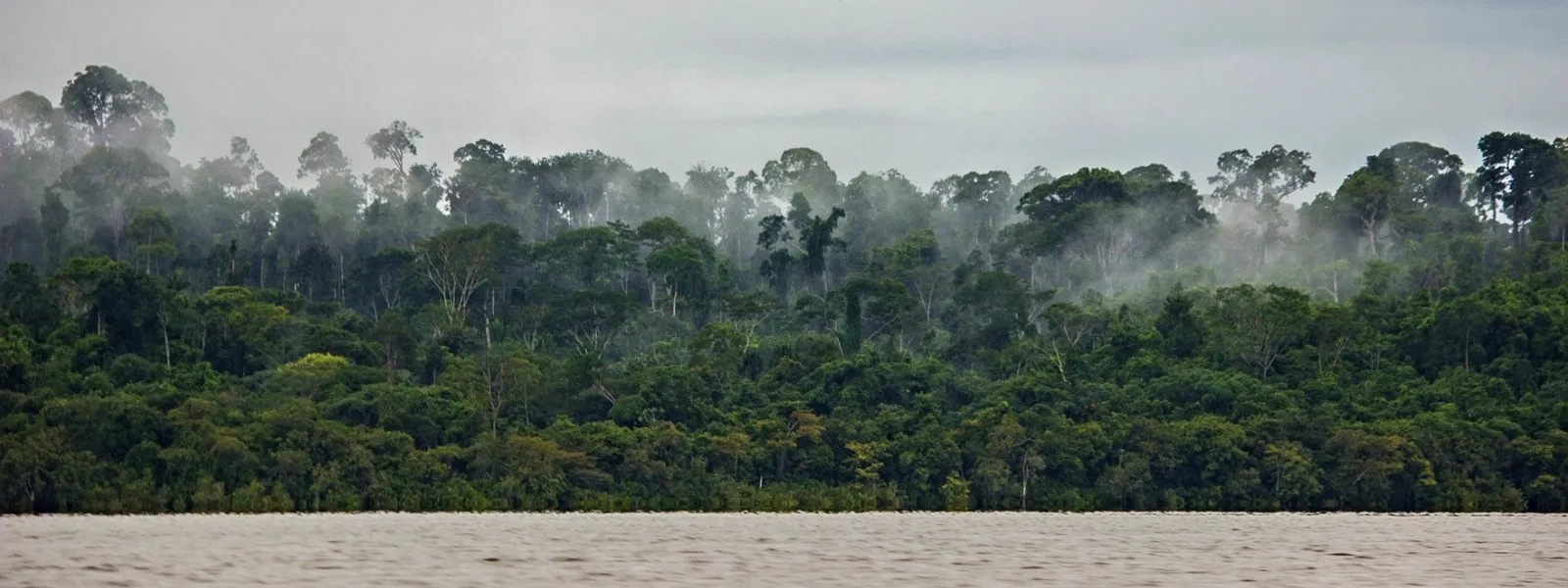
The Belo Monte Dam has caused an environmental and social disaster in the heart of the Amazon—one of the most important ecosystems on the planet.
This situation has only worsened since the hydroelectric plant began operations in 2016. The quest for justice and reparations by the affected indigenous, fishing, and riverine communities continues to this day.
In 2011, the Inter-American Commission on Human Rights (IACHR) granted them protective measures that, to date, have not been fully implemented by the Brazilian State.
Furthermore, since June of that same year, the IACHR has yet to rule on a complaint against the State regarding its international responsibility in the case.
The IACHR may refer the case to the Inter-American Court of Human Rights, which has the authority to issue a ruling condemning the Brazilian State.
Background
The Belo Monte hydroelectric plant—the fourth largest in the world by installed capacity (11,233 MW)—was built on the Xingu River in Pará, a state in northern Brazil.
It was inaugurated on May 5, 2016, with a single turbine. At that time, 80% of the river’s course was diverted, flooding 516 km² of land—an area larger than the city of Chicago. Of that area, 400 km² was native forest. The dam began operating at full capacity in November 2019.
Belo Monte was built and is operated by the Norte Energia S.A. consortium, which is composed primarily of state-owned companies. It was financed by the Brazilian Development Bank (BNDES), which provided the consortium with 25.4 billion reais (approximately US$10.16 billion), the largest investment in the bank’s history. Therefore, the BNDES is also legally responsible for the socio-environmental impacts associated with the hydroelectric plant.
Decades of harm to the environment and people
Human rights violations and degradation of the Amazon have been occurring since the project’s inception. In March 2011, Norte Energía began construction of the dam without adequate consultation and without the prior, free, and informed consent of the affected communities.
The construction caused the forced displacement of more than 40,000 people, severing social and cultural ties. The resettlement plan in Altamira—a city directly affected by the hydroelectric dam—involved housing units located on the outskirts, lacking adequate public services and decent living conditions for the relocated families, with no special provisions for those from indigenous communities.
Belo Monte's operations have caused a permanent, man-made drought in the Volta Grande (or "Great Bend") of the Xingu River, exacerbated by the historic droughts in the Amazon in 2023 and 2024. As a result, the deaths of millions of fish eggs were documented for four consecutive years (from 2021 to 2024), and for the past three years, there has been no upstream migration of fish to spawn and reproduce. Thus, artisanal fishing, the main source of protein for indigenous peoples and riverside communities, was severely affected: fish dropped from 50% to 30% of total protein consumed, replaced by processed foods. In summary, there was an environmental and humanitarian collapse that resulted in the breakdown of fishing as a traditional way of life, food insecurity, and access to drinking water for thousands of families, impoverishment, and disease.
Furthermore, the construction of the dam increased deforestation and intensified illegal logging and insecurity on indigenous and tribal lands, putting the survival of these communities at risk. Another consequence was the deepening of poverty and social conflicts, as well as the strain on health, education, and public safety systems in Altamira—a city ranked as the most violent in the country in 2017, where human trafficking and sexual violence increased. Violence was also reported against human rights defenders involved in the case.
In 2025, during the 30th UN Climate Change Conference (COP30), held in Brazil, the Federal Public Prosecutor’s Office labeled the damage caused by the Belo Monte dam as ecocide.
The search for justice and reparations
Over the years, the Federal Public Prosecutor’s Office in Pará, the Public Defender’s Office, and civil society organizations have filed dozens of legal actions in Brazilian courts to challenge the project’s various irregularities and its impacts. Most of the claims are still pending resolution, some for more than 10 years.
These efforts have failed because the national government has repeatedly overturned rulings in favor of the affected communities by invoking a mechanism that allowed a court president to suspend a judicial decision based solely on generic arguments such as "the national interest" or "economic order."
In the absence of effective responses at the national level, AIDA, together with a coalition of partner organizations, brought the case before the Inter-American Commission on Human Rights (IACHR) and, in 2010, requested precautionary measures to protect the lives, safety, and health of the affected indigenous communities.
On April 1, 2011, the IACHR granted these measures and requested that the Brazilian government suspend environmental permits and any construction work until the conditions related to prior consultation and the protection of the health and safety of the communities are met.
And on June 16, 2011 —together with the Xingu Vivo Para Sempre Movement, the Coordinating Committee of Indigenous Organizations of the Brazilian Amazon, the Diocese of Altamira, the Indigenous Missionary Council, the Pará Society for the Defense of Human Rights and Global Justice— we filed a formal complaint against the Brazilian State for its international responsibility in the violation of the human rights of the people affected in the case. The case was opened for processing in December 2015.
On August 3, 2011, the IACHR amended the precautionary measures to request, instead of the suspension of permits and construction, the protection of people living in voluntary isolation, the health of indigenous communities, and the regularization and protection of ancestral lands.
Current situation
The protective measures granted by the IACHR remain in effect, but the Brazilian government has not fully complied with them, reporting only on general actions. The communities have documented the ongoing violations of their rights. The situation that prompted the request for these measures—the risk to the lives, physical integrity, and ways of life of the communities—persists and has worsened with the hydroelectric plant operating at full capacity and the recent extreme droughts in the Amazon.
In addition to the impacts of Belo Monte, there is a risk of further social and environmental impacts from the implementation of another mining megaproject in the Volta Grande do Xingu. There, the Canadian company Belo Sun plans to build Brazil’s largest open-pit gold mine.
The combined and cumulative impacts of the dam and the mine were not assessed. The government excluded Indigenous peoples, riverine and peasant communities from the project’s environmental permitting process. Despite protests by Indigenous communities and other irregularities surrounding the project, the government of Pará formally authorized the mine in April 2026.
Like other hydroelectric dams, Belo Monte exacerbates the climate emergency by generating greenhouse gas emissions in its reservoir. And it is inefficient amid the longer, more intense droughts caused by the crisis, as it loses its ability to generate power.
The case before the Inter-American Commission
In October 2017, the IACHR announced that it would rule jointly on the admissibility (whether the case meets the requirements for admission) and the merits (whether a human rights violation actually occurred) of the international complaint against the Brazilian State.
Fifteen years after the complaint was filed, the affected communities and the organizations representing them are still awaiting this decision. If the IACHR concludes that human rights violations occurred and issues recommendations that the Brazilian State fails to comply with, it may refer the case to the Inter-American Court of Human Rights, whose rulings are binding.
A potential ruling by the international court in this case would set a regional legal precedent regarding the rights of indigenous and riverine peoples, public participation in megaprojects, and state responsibility in the context of the climate crisis—a precedent that is particularly relevant in light of the Court’s Advisory Opinion No. 32, which reaffirmed the obligations of States to protect the people and communities of the continent from the climate emergency.
Partners:
Related projects
Salmon farms in Chilean Patagonia approved without adequate environmental evaluation
A study commissioned by the Interamerican Association for Environmental Defense found that more than half of the salmon farms currently operating in the Magallanes region of Southern Patagonia have generated a partial or total lack of oxygen in the water. Nine of those are located in naturally protected areas. Santiago, Chile. A recent study, commissioned by the Interamerican Association for Environmental Defense (AIDA), concluded that salmon farms located in the Magallanes region of southern Patagonia were authorized without the scientific assessments needed to ensure they would do no harm to marine life. “After twenty years of development in other regions, the salmon industry now seeks to expand to the country’s last virgin coasts, without the necessary precautions,” explained Gladys Martínez, senior attorney of AIDA’s Marine Program. “This study demonstrates that neither the companies nor that State have done enough to avoid in Magallanes the severe environmental damage already perpetuated in other regions of the country.” Chilean biologist Héctor Kol produced the report for AIDA, with the support of the Waitt Foundation, analyzing 261 salmon farm projects. Of them, a little less than half have already been authorized and the rest could receive their permits in the short- and medium-term. Of the 126 authorized projects, only 35 are currently in operation. The information produced on each project includes location maps and estimations of the amount of waste being discharged into the waters. The research shows that there are large differences in the quantity of waste that the government authorized for different subsectors of the same geographic areas, without any available explanation as to why. “This demonstrates a clear lack of scientific evaluation, necessary to guarantee the aquatic environment will be able to receive and process the authorized quantity of waste,” said Florencia Ortúzar, AIDA attorney. “More than half of the projects that are currently in operation have already generated a total or partial lack of oxygen in the waters, which seriously impacts marine life. In addition, at least nine of these oxygen-depriving projects are located in natural protected areas.” On May 22, 2017, AIDA filed a complaint before the Superintendency of the Environment requesting the investigation of damages caused by salmon farms in Magallanes, and the sanctioning of the companies responsible. Consult the report here. Interactive Map of Salmon Farms here. More information on salmon farms in Patagonia is available here. Press contact: Florencia Ortúzar, AIDA attorney, +56973353135, [email protected]
Read more
The Risks of the Salmon Industry’s Expansion in Chilean Patagonia
In Chile, the salmon industry has grown rapidly over the last 20 years, often at the expense of the environment, as has been made evident in the regions of Los Lagos and Aysén, where salmon farms have been firmly established. In search of more pristine waters, the industry is now settling into the country’s last virgin coasts, in the region of Magallanes, in Southern Patagonia. The expansion is taking place without scientific evidence or serious studies to establish the limits of production in terms of water capacity. This could have catastrophic consequences for local ecosystems, a fact that has sparked concern among environmental organizations. The purpose of this report, written for AIDA by the biologist Héctor Kol, with the support of the Waitt Foundation, is to contribute to the understanding of the current and potential damages that the industrial production of salmon implies for Magallanes. With this, it also seeks to contribute to the effective protection of the aquatic-marine environment of Patagonia, through the use of existing legal tools. The document presents a detailed analysis of the situation of salmon farms in Magallanes, responding to the following questions: How many exist? Where are they? How much do they produce and in what conditions do they do so? The study includes the farms already authorized by the government and those whose permits are in process. These were divided by geographical sectors to facilitate the analysis. The information on each project includes a location map and estimates of the amount of waste left in the waters, a key aspect to determining their impact on marine life. In this way, the author illustrates the magnitude of the problem. The report also contains basic information on the authorization process for this type of project and on the regulations that exist for the sector, as well as an annex with scientific and legal documents related to each project. The analysis leads to several important conclusions, including the following: Of the 261 projects analyzed, a little less than half have been authorized and the rest could receive their authorizations in the short- and medium- term. This demonstrates the rapid growth of the industry in the region and alerts to the need for constant monitoring, above all of the environmental and sanitary conditions in which they operate. Of the authorized projects only 35 (equivalent to 25 percent of the total) are effectively in operation. There exist, in a same geographic sector and without explanation, large differences in the production and quantity of waste that the government has authorized for different subsectors. This demonstrates the lack of a scientific evaluation that would guarantee the water’s capacity to safely receive the authorized amounts of waste. More than half of the projects currently in operation have generated a total or partial lack of oxygen in the water, which gravely affects marine life. Even more serious is that at least nine of them are located in protected natural areas. This demonstrates that, before operating permits were authorized, adequate studies were not conducted to ensure that the capacity of the waters would not be exceeded by the quantity of fish authorized for breeding. It also means that projects are not subject to appropriate environmental impact assessments. There is not environmental information available for all the authorized projects, which makes it impossible to determine with greater precision the potential damages that the salmon industry could cause in Magallanes. In short, the study concludes that neither the State nor the salmon companies have done enough to prevent the damages already caused by the industry in other regions of Chile, which may now be repeated in one of the country’s most pristine natural areas. Consult and download the complete report (in Spanish) MAP - Salmon farms by geographic area Red icons and polygons: projects with authorized aquaculture concession, approved Technical Project and available environmental assessment (104 in total). White icons and red polygons: projects with authorized aquaculture concession and approved Technical Project, but without RCA or environmental information available (22 in total). Yellow icons and polygons: pending projects, without approved aquaculture concession, but with approved Technical Project (10 in total). Icons and green polygons: pending projects, without approved aquaculture concession and without approved Technical Project, but considered viable by the SUBPESCA (124 in total). View larger map
Read more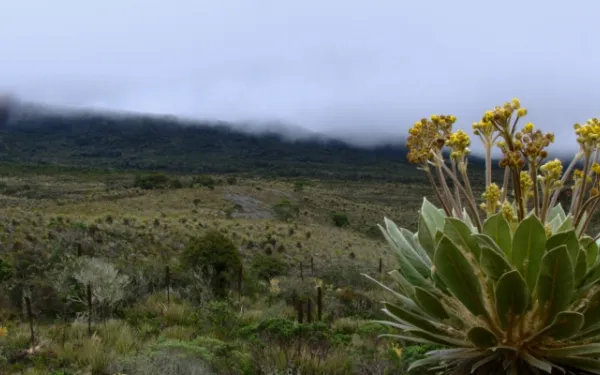
Eight key themes for Colombia’s environmental agenda in 2018
For Colombia, 2017 was a year marked by debate on the right of communities to be consulted about decisions that affect their territories and ecosystems. We saw it through the organization of popular consultations and mobilizations that questioned mining and fracking projects and, in short, the continuity of extractivism. It was also evident in the decision of the Constitutional Court, the highest court in the country, to invalidate the delimitation of the Santurbán páramo, a water source for millions, because the government’s decision did not take into account the population. On the other hand, Colombia joined the global debate on climate change and the need to promote a model of economic development free of fossil fuels. Now, in the face of the presidential elections and the implementation of the peace accord, environmental participation, territorial autonomy and fracking remain particularly important issues. What follows are eight topics key to Colombia’s environmental agenda in 2018: Environmental participation: Popular consultations, as an expression of empowered communities seeking to have a say on projects that will affect them, will continue holding a privileged place in public debate. Territorial autonomy: Although constitutionally recognized, the ability of departments and municipalities to govern themselves autonomously in various areas, including the environment, is not entirely defined. It remains to be answered: Who should decide? And about what can they decide? Indigenous authorities: Following on the heels of the above, the autonomy and decision-making ability of indigenous authorities in relation to environmental issues will give us much to discuss this year. Fracking: The key question is, faced with fracking’s expansion throughout the region, will Colombia adopt the position of social organizations on the application of the precautionary principle to avoid the health and environmental damages associated with fracking? Decarbonization: As an energy producer, will Colombia join France, the United Kingdom and Italy, nations that recently signed an alliance to close coal plants before 2030 and comply with the Paris climate agreement? La Niña: The strong winds and rains of the La Niña climate phenomenon will return to the country this year. Adequate measures to mitigate the risk will be fundamental, as will the application of lessons learned in 2010, when the phenomenon left hundreds dead and the loss of millions of pesos. Páramos: Following the decision of the Constitutional Court to invalidate the delimitation of the Santurbán páramo, this year promises to be full of controversies about the new delimitation of this important ecosystem. Also key will be the issue of community participation in the demarcation of the rest of Colombia’s páramos, a measure oriented to protect them against harmful projects like mining. Principle 10: The negotiation of a regional agreement on the access to information, to justice and to public participation on environmental issues, remains underway. The agreement seeks the application of Principle 10 of the Rio Declaration on Environment and Development, key to guaranteeing the right to a healthy and sustainable environment for present and future generations. At AIDA, and through the Network for Environmental Justice in Colombia, we will continue to promote solutions to the country’s environmental conflicts based on the effective application of national and international standards.
Read more