
Project
Amazon Watch / Maíra Irigaray
The Belo Monte Dam on the Xingu River: 10 years of impacts in the Amazon and the search for reparations
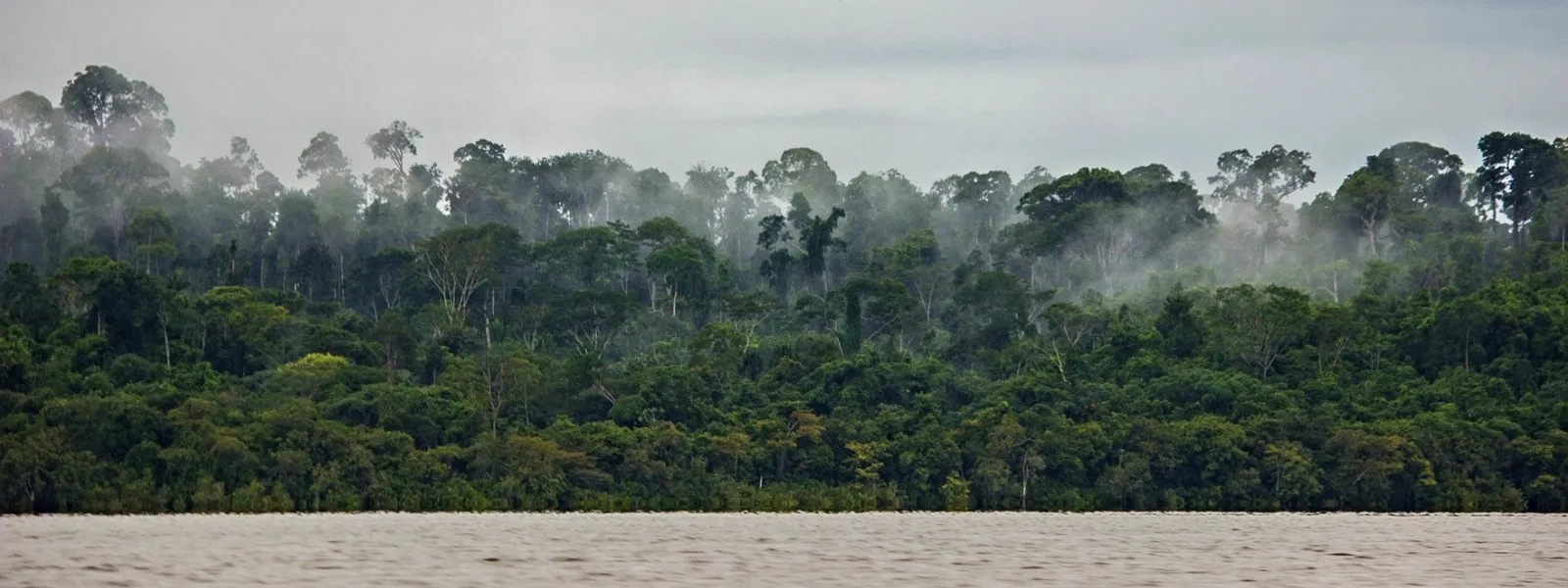
The Belo Monte Dam has caused an environmental and social disaster in the heart of the Amazon—one of the most important ecosystems on the planet.
This situation has only worsened since the hydroelectric plant began operations in 2016. The quest for justice and reparations by the affected indigenous, fishing, and riverine communities continues to this day.
In 2011, the Inter-American Commission on Human Rights (IACHR) granted them protective measures that, to date, have not been fully implemented by the Brazilian State.
Furthermore, since June of that same year, the IACHR has yet to rule on a complaint against the State regarding its international responsibility in the case.
The IACHR may refer the case to the Inter-American Court of Human Rights, which has the authority to issue a ruling condemning the Brazilian State.
Background
The Belo Monte hydroelectric plant—the fourth largest in the world by installed capacity (11,233 MW)—was built on the Xingu River in Pará, a state in northern Brazil.
It was inaugurated on May 5, 2016, with a single turbine. At that time, 80% of the river’s course was diverted, flooding 516 km² of land—an area larger than the city of Chicago. Of that area, 400 km² was native forest. The dam began operating at full capacity in November 2019.
Belo Monte was built and is operated by the Norte Energia S.A. consortium, which is composed primarily of state-owned companies. It was financed by the Brazilian Development Bank (BNDES), which provided the consortium with 25.4 billion reais (approximately US$10.16 billion), the largest investment in the bank’s history. Therefore, the BNDES is also legally responsible for the socio-environmental impacts associated with the hydroelectric plant.
Decades of harm to the environment and people
Human rights violations and degradation of the Amazon have been occurring since the project’s inception. In March 2011, Norte Energía began construction of the dam without adequate consultation and without the prior, free, and informed consent of the affected communities.
The construction caused the forced displacement of more than 40,000 people, severing social and cultural ties. The resettlement plan in Altamira—a city directly affected by the hydroelectric dam—involved housing units located on the outskirts, lacking adequate public services and decent living conditions for the relocated families, with no special provisions for those from indigenous communities.
Belo Monte's operations have caused a permanent, man-made drought in the Volta Grande (or "Great Bend") of the Xingu River, exacerbated by the historic droughts in the Amazon in 2023 and 2024. As a result, the deaths of millions of fish eggs were documented for four consecutive years (from 2021 to 2024), and for the past three years, there has been no upstream migration of fish to spawn and reproduce. Thus, artisanal fishing, the main source of protein for indigenous peoples and riverside communities, was severely affected: fish dropped from 50% to 30% of total protein consumed, replaced by processed foods. In summary, there was an environmental and humanitarian collapse that resulted in the breakdown of fishing as a traditional way of life, food insecurity, and access to drinking water for thousands of families, impoverishment, and disease.
Furthermore, the construction of the dam increased deforestation and intensified illegal logging and insecurity on indigenous and tribal lands, putting the survival of these communities at risk. Another consequence was the deepening of poverty and social conflicts, as well as the strain on health, education, and public safety systems in Altamira—a city ranked as the most violent in the country in 2017, where human trafficking and sexual violence increased. Violence was also reported against human rights defenders involved in the case.
In 2025, during the 30th UN Climate Change Conference (COP30), held in Brazil, the Federal Public Prosecutor’s Office labeled the damage caused by the Belo Monte dam as ecocide.
The search for justice and reparations
Over the years, the Federal Public Prosecutor’s Office in Pará, the Public Defender’s Office, and civil society organizations have filed dozens of legal actions in Brazilian courts to challenge the project’s various irregularities and its impacts. Most of the claims are still pending resolution, some for more than 10 years.
These efforts have failed because the national government has repeatedly overturned rulings in favor of the affected communities by invoking a mechanism that allowed a court president to suspend a judicial decision based solely on generic arguments such as "the national interest" or "economic order."
In the absence of effective responses at the national level, AIDA, together with a coalition of partner organizations, brought the case before the Inter-American Commission on Human Rights (IACHR) and, in 2010, requested precautionary measures to protect the lives, safety, and health of the affected indigenous communities.
On April 1, 2011, the IACHR granted these measures and requested that the Brazilian government suspend environmental permits and any construction work until the conditions related to prior consultation and the protection of the health and safety of the communities are met.
And on June 16, 2011 —together with the Xingu Vivo Para Sempre Movement, the Coordinating Committee of Indigenous Organizations of the Brazilian Amazon, the Diocese of Altamira, the Indigenous Missionary Council, the Pará Society for the Defense of Human Rights and Global Justice— we filed a formal complaint against the Brazilian State for its international responsibility in the violation of the human rights of the people affected in the case. The case was opened for processing in December 2015.
On August 3, 2011, the IACHR amended the precautionary measures to request, instead of the suspension of permits and construction, the protection of people living in voluntary isolation, the health of indigenous communities, and the regularization and protection of ancestral lands.
Current situation
The protective measures granted by the IACHR remain in effect, but the Brazilian government has not fully complied with them, reporting only on general actions. The communities have documented the ongoing violations of their rights. The situation that prompted the request for these measures—the risk to the lives, physical integrity, and ways of life of the communities—persists and has worsened with the hydroelectric plant operating at full capacity and the recent extreme droughts in the Amazon.
In addition to the impacts of Belo Monte, there is a risk of further social and environmental impacts from the implementation of another mining megaproject in the Volta Grande do Xingu. There, the Canadian company Belo Sun plans to build Brazil’s largest open-pit gold mine.
The combined and cumulative impacts of the dam and the mine were not assessed. The government excluded Indigenous peoples, riverine and peasant communities from the project’s environmental permitting process. Despite protests by Indigenous communities and other irregularities surrounding the project, the government of Pará formally authorized the mine in April 2026.
Like other hydroelectric dams, Belo Monte exacerbates the climate emergency by generating greenhouse gas emissions in its reservoir. And it is inefficient amid the longer, more intense droughts caused by the crisis, as it loses its ability to generate power.
The case before the Inter-American Commission
In October 2017, the IACHR announced that it would rule jointly on the admissibility (whether the case meets the requirements for admission) and the merits (whether a human rights violation actually occurred) of the international complaint against the Brazilian State.
Fifteen years after the complaint was filed, the affected communities and the organizations representing them are still awaiting this decision. If the IACHR concludes that human rights violations occurred and issues recommendations that the Brazilian State fails to comply with, it may refer the case to the Inter-American Court of Human Rights, whose rulings are binding.
A potential ruling by the international court in this case would set a regional legal precedent regarding the rights of indigenous and riverine peoples, public participation in megaprojects, and state responsibility in the context of the climate crisis—a precedent that is particularly relevant in light of the Court’s Advisory Opinion No. 32, which reaffirmed the obligations of States to protect the people and communities of the continent from the climate emergency.
Partners:
Related projects
Why I’m joining the fight for justice for Belo Monte’s victims
On April 1, 2011, the Inter-American Commission on Human Rights granted protective measures to the indigenous communities affected by a large dam in the heart of the Brazilian Amazon. It was then I first heard of Belo Monte. I was working as a human rights defender in my native country of Colombia. The Commission ordered the suspension of all permits and work related to the dam until the protection of indigenous rights was guaranteed. I remember clearly the excitement generated by the decision, followed swiftly by Brazil’s rejection of it and the imposition of their diplomatic power. Other governments of the region supported Brazil’s position with unusual solidarity, questioning the competence of the international organization to grant such measures in relation to “development” projects. Due to the overwhelming pressure, the Commission, for the first time in its history, modified its decision: it said Brazil must guarantee the life and integrity of affected populations, but that construction could continue. I’ve never understood the governments’ reaction in this case. The Commission had simply fulfilled its mandate: to avoid irreparable harm to the rights of a group of people. The project had not consulted affected indigenous communities, and lacked adequate social and environmental impact studies. It has gone on, as predicted, to cause serious damage to both the environment and human health and wellbeing. The indigenous and riverside communities, which have for generations cared for the Xingu River, have been left to deal with the impacts of a project that interrupted the flow of the river, irreversibly altering their way of life and means of subsistence. The hope continues More than six years have passed since the case was taken before the Commission, which, as an organ of the Organization of American States, is called to protect human rights on the continent. Over this time, Belo Monte has progressed as planned and the threats of social and ecological harm have become a reality. The dam has: caused the forced displacement of more than 40 thousand people, aggravating poverty and social conflict in the area; saturated the health, education, and public safety systems in Altamira, the nearest city; violated the right to adequate housing for thousands of families; and increased violence against human rights defenders. It caused and continues to cause damage to the Amazon rainforest, worsening climate change and its impacts. Despite the setbacks, the hope of achieving justice for affected people has grown over time as well. In September, I became the Senior Attorney for AIDA’s Human Rights and Environment Program. As such, I’m involved with our case before the Commission. I’m honored to have joined an organization that, in alliance with local organizations, has dedicated years to ensuring that the people of the Xingu get reparation for the damages they’ve suffered, and is working to create new standards for environmental and human rights protections in the region. In 2010, AIDA and our allies requested precautionary measures from the Commission. One year later, we filed a formal complaint against Brazil regarding the human rights violations related to Belo Monte. In December 2015, the Commission opened the case for processing. On October 31 of this year, the Commission gave new impetus to the litigation process against Brazil: it decided to unite two stages that, as a rule, are processed separately. In the first, the necessary aspects regarding admissibility of the case are verified. In the second, a fundamental decision is made that analyzes whether a State failed to comply with the international obligations it undertook when signing the American Convention on Human Rights. The petitioners must present the allegations of human rights violations, and the State their responses to them. The Commission will then issue a decision on the case’s admissibility as well as its merit. Their recent exception will expedite the process of reaching that decision. We’re working for the Commission to issue recommendations to Brazil to repair the violations committed. If those recommendations are unfulfilled, the case may be referred to the Inter-American Court of Human Rights, which has the power to issue a ruling condemning Brazil and recommending reparation measures. Valuable lessons Belo Monte is, without a doubt, a lesson for the continent. The case shows that projects of this type are environmentally unviable and generate irreparable damage to human rights. Belo Monte also shows that States must rethink their energy models and turn their efforts toward promoting truly clean and sustainable energy. It’s a warning sign for financial institutions to avoid investing in projects with negative socio-environmental impacts. Finally, it’s an opportunity for the Inter-American Human Rights System to establish a valuable precedent that will hopefully help avoid a similar situation from happening again. On behalf of AIDA, I’m proud to be contributing to the fight for a healthy environment in this and many other cases. Our journey is just beginning.
Read more
When nature is your best client
AIDA’s attorneys both hail from and live in Latin America, fostering a profound respect for the region’s natural environment and those who depend so intimately on it. They’re turning their knowledge into action, and working to protect communities and ecosystems vital to their national heritage. Uniting the environmental community in Bolivia Claudia believes in environmental justice. “If people are not guaranteed quality of life and an adequate natural environment, their basic human rights are being violated,” she said. This belief led her first to study law and then to work on behalf of civil society to promote the production of healthy, pesticide-free food. Small-scale agriculture, with less environmental impact and more community benefits, is what Claudia remembers best when she thinks of her childhood in Cochabamba, Bolivia. There were gardens behind every house. From a very young age, she grew berries and always had apples, figs, guava, and other fresh fruit on hand. But with urbanization, the valley where she grew up became a city, and buildings replaced the lush green landscape. “It was a complete shock to see these changes made in the name of progress.” Claudia knows that her contribution to a better world will come from environmental law, and that she will have a greater impact by reaching more people. That’s why she joined AIDA’s Freshwater Program, where she offers free legal support to governments, communities, and local organizations. One of Claudia’s greatest achievements has been to successfully unite isolated efforts across Bolivia to confront common environmental problems. This year Claudia oversaw the formation of the Environmental Justice Network of Bolivia, a space for organizations and individuals to develop joint strategies for environmental protection. As their first big event, the Network organized a two-day forum on how to achieve justice for damages caused by mining operations. “I’ve seen the ways that Bolivia’s indigenous peoples understand the world, and how they relate with Mother Earth. In cities, nature is seen as an object; for the indigenous, it’s the common house we must care for because it provides us with everything we have. I’ve made this vision my own.” Protecting coral reefs in Mexico Camilo’s first interaction with the ocean took place in Boca del Cielo, a remote beach on the coast of Chiapas, Mexico where a stream meets the sea. There, he played in the waves and ate seafood, saw his first sea turtle, and watched the monkeys and birds play in the tall mangroves. During his childhood in San Cristobal de la Casas, his father taught him to swim against the current in the Cascadas de Agua Azul, an important natural reserve. “My father loves nature and has always transmitted that feeling to my brothers and me,” said Camilo, who now lives with his son Emiliano en La Paz, Baja California Sur. Living in a coastal city has given him a newfound appreciation for the ocean and its vital connection to our land. Camilo applies this understanding to his work as an attorney with AIDA’s Marine and Coastal Protection Program. He is working, for example, to save the Veracruz Reef System, the largest coral ecosystem in the Gulf of Mexico, which serves as a natural barrier against storms and hurricanes and is a source of livelihood for fishing communities. The site is seriously threatened by the expansion of the Port of Veracruz. Camilo is working so that the Mexican government respects the international treaties it has signed, which obligate the preservation of the site and the biodiversity found within. Camilo remembers, when he studied law in Chiapas, exploring caves in his free time, to which local farmers guided him. “Being in touch with nature often leads you to small communities who care for and revere their connection with the natural world, values you quickly come to understand and share.” Seeking the rain in Brazil If anyone knows the value of the rain, it’s the people of Paraíba State in northeast Brazil, who have for years been hit by an extreme drought. There, according to official information, the number of cities without water nearly doubled between 2016 and 2017. “The drought has shaped our customs, our eating habits, and our culture,” says Marcella, who was born in the State’s capital city of João Pessoa. Now living in Recife, she is a fellow with AIDA’s Human Rights and the Environment Program. Through her role as an environmental and human rights attorney, Marcella seeks to soften the effects of the drought in Paraíba. The way she sees it, she’s helping to do so through her work on the case of the Belo Monte Dam. “Large dams are dirty energy, and they’re damaging the Amazon rainforest, a key ecosystem that regulates climate and helps ensure it rains not just in Brazil but around the world. By working on this case, I’m fighting for the existence of rain in my State,” she explained. Last June, Marcella paid her first visit to Altamira, the city closest to Belo Monte. She spoke with people whose way of life had been destroyed by the dam. “I met someone who used to fish, grow his own food, and sell what was left in the city; because of the dam, his island was flooded and he lost everything.” For Marcella, there is no better way to understand the severity of the impacts of these inadequately implemented projects than to listen to those affected by them. “It gives me a notion of reality. Helping to get justice for these people is an obligation for me. It’s the best I can do, using the tool I know best: the law.”
Read more
The hidden mine that threatens Colombia’s water
For me, a living thing like water can never be replaced by a non-living thing like gold. Gold should never be worth more than the water that gives us life. While those who defend mining often argue for it by saying that all human activity causes impacts, that line of thinking fails to address the underlying problem. When will we start recycling instead of extracting new resources? When will we stop assigning value to something as scarce but futile as gold? When will we treat the natural environments on which we depend with the respect they deserve? Taking these questions into account is critical not just for Colombia, my home, but also for all Latin American nations. In September I learned of the latest threat to one of our most important natural ecosystems, the Santurbán páramo. For centuries it has stood high in the Andes, keeping watch over the water of millions of us Colombians. For the last decade, mining companies have overlooked its ecological importance and angled to exploit the páramo’s lands for mineral wealth. For years, we’ve worked successfully to stop them. Now an international corporation has submitted the Environmental Impact Assessment for a new underground mining venture there. Located in the municipalities of Suratá and California, in northern Colombia, the mine would involve an intricate system of tunnels at least 2,000 meters long, 900 meters wide and 780 meters deep (only slightly shorter than the tallest building in the world, in Dubai). It would be built in two sections—traversing two river basins and two different municipalities—united by two immense 5,800-meter tunnels (nearly the expanse of the Colombian city of Bucaramanga from north to south). Previous attempts at mining near Santurbán have been rejected due to the potential damage they would cause to this unique natural environment, which serves as a key water source, a carbon sink, and shelters many endemic species of plants and animals. The risks of the project, examined The Company claims the new project will be different—no permanent accumulation of debris, no hazardous substances, no toxic sludge, and no mass infrastructure development. If this sounds too good to be true, that’s because it probably is. Could their venture really be different than the mega-mines that came before, or is it just dressed up that way? Let’s see: The company says the project’s only dump will be located near the mine and the waste will be dry. But dry waste in one site would require perpetual maintenance of the drainage network and other factors that, after the mine closes, it’s likely neither the company nor the State will be able to control. They say the project’s design would involve retro-filling all mining tunnels. But the impacts of drilling on the direction and volume of groundwater are unpredictable. It would be impossible to guarantee that the quality and quantity of water in the subsoil is conserved. They say that because the mine is technically outside the Santurbán páramo, it won’t affect the sensitive ecosystem. But technicalities aside, the mine would be only tens of meters below the páramo. Because it is an underground mine located in crystalline rocks, drilling could cross the multiple fractures through which water is transported to rivers, ravines and soils. They say the project will not use mercury or cyanide to obtain gold and other metals. By selling and exporting those metals to other companies in the form of ready-to-process concentrates, the company hopes to lessen the socio-ecological cost of the activity. But while it’s true Colombia may be spared the negative effects of toxic chemicals, that cost might be transferred to other countries, where the processing will take place. As Colombians we must begin to acknowledge the external impacts of our extractive industries, and stop ignoring our nation’s ecological footprint. The responsibility for the damages caused outside our borders by the mining that is done in Colombia is not only that of the buyer, but also of the Colombian State. Large-scale damages It’s important to understand that a hidden mine is not necessarily a better mine. What is done under the ground, especially on such a large scale, can do extensive damage to a much wider area. It’s a reality we must be keenly aware of in one of the most biodiverse countries in the world. We must think about the impact the mine would have on the quality and quantity of groundwater in the area, and the risks we’re taking by not having an adequate buffer zone for the páramo. Hiding the trash under the carpet does not mean you’ve cleaned, not in terms of the economy and certainly not in terms of mining. The protection of Santurbán, and that of other freshwater sources in Latin America, is one of the pillars of AIDA’s work. We’re proud to continue standing alongside our allies in Colombia and fighting to maintain the health of Santurbán.
Read more