
Project
Amazon Watch / Maíra Irigaray
The Belo Monte Dam on the Xingu River: 10 years of impacts in the Amazon and the search for reparations
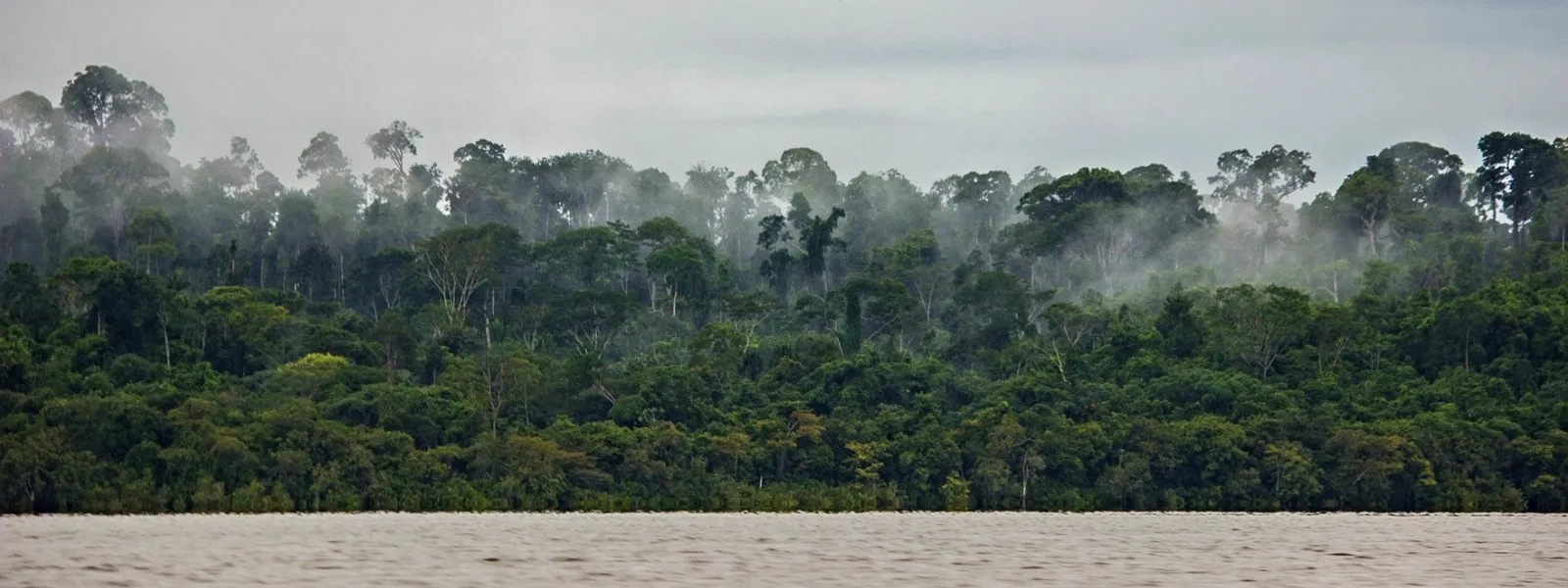
The Belo Monte Dam has caused an environmental and social disaster in the heart of the Amazon—one of the most important ecosystems on the planet.
This situation has only worsened since the hydroelectric plant began operations in 2016. The quest for justice and reparations by the affected indigenous, fishing, and riverine communities continues to this day.
In 2011, the Inter-American Commission on Human Rights (IACHR) granted them protective measures that, to date, have not been fully implemented by the Brazilian State.
Furthermore, since June of that same year, the IACHR has yet to rule on a complaint against the State regarding its international responsibility in the case.
The IACHR may refer the case to the Inter-American Court of Human Rights, which has the authority to issue a ruling condemning the Brazilian State.
Background
The Belo Monte hydroelectric plant—the fourth largest in the world by installed capacity (11,233 MW)—was built on the Xingu River in Pará, a state in northern Brazil.
It was inaugurated on May 5, 2016, with a single turbine. At that time, 80% of the river’s course was diverted, flooding 516 km² of land—an area larger than the city of Chicago. Of that area, 400 km² was native forest. The dam began operating at full capacity in November 2019.
Belo Monte was built and is operated by the Norte Energia S.A. consortium, which is composed primarily of state-owned companies. It was financed by the Brazilian Development Bank (BNDES), which provided the consortium with 25.4 billion reais (approximately US$10.16 billion), the largest investment in the bank’s history. Therefore, the BNDES is also legally responsible for the socio-environmental impacts associated with the hydroelectric plant.
Decades of harm to the environment and people
Human rights violations and degradation of the Amazon have been occurring since the project’s inception. In March 2011, Norte Energía began construction of the dam without adequate consultation and without the prior, free, and informed consent of the affected communities.
The construction caused the forced displacement of more than 40,000 people, severing social and cultural ties. The resettlement plan in Altamira—a city directly affected by the hydroelectric dam—involved housing units located on the outskirts, lacking adequate public services and decent living conditions for the relocated families, with no special provisions for those from indigenous communities.
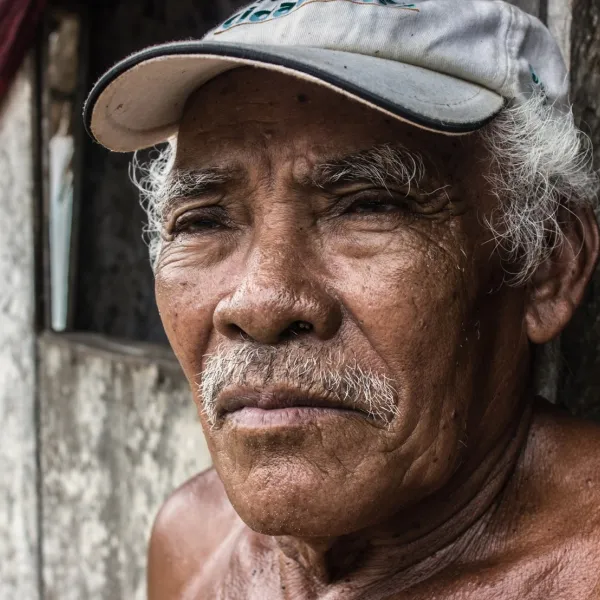
Belo Monte's operations have caused a permanent, man-made drought in the Volta Grande (or "Great Bend") of the Xingu River, exacerbated by the historic droughts in the Amazon in 2023 and 2024. As a result, the deaths of millions of fish eggs were documented for four consecutive years (from 2021 to 2024), and for the past three years, there has been no upstream migration of fish to spawn and reproduce. Thus, artisanal fishing, the main source of protein for indigenous peoples and riverside communities, was severely affected: fish dropped from 50% to 30% of total protein consumed, replaced by processed foods. In summary, there was an environmental and humanitarian collapse that resulted in the breakdown of fishing as a traditional way of life, food insecurity, and access to drinking water for thousands of families, impoverishment, and disease.
Furthermore, the construction of the dam increased deforestation and intensified illegal logging and insecurity on indigenous and tribal lands, putting the survival of these communities at risk. Another consequence was the deepening of poverty and social conflicts, as well as the strain on health, education, and public safety systems in Altamira—a city ranked as the most violent in the country in 2017, where human trafficking and sexual violence increased. Violence was also reported against human rights defenders involved in the case.
In 2025, during the 30th UN Climate Change Conference (COP30), held in Brazil, the Federal Public Prosecutor’s Office labeled the damage caused by the Belo Monte dam as ecocide.
The search for justice and reparations
Over the years, the Federal Public Prosecutor’s Office in Pará, the Public Defender’s Office, and civil society organizations have filed dozens of legal actions in Brazilian courts to challenge the project’s various irregularities and its impacts. Most of the claims are still pending resolution, some for more than 10 years.
These efforts have failed because the national government has repeatedly overturned rulings in favor of the affected communities by invoking a mechanism that allowed a court president to suspend a judicial decision based solely on generic arguments such as "the national interest" or "economic order."
In the absence of effective responses at the national level, AIDA, together with a coalition of partner organizations, brought the case before the Inter-American Commission on Human Rights (IACHR) and, in 2010, requested precautionary measures to protect the lives, safety, and health of the affected indigenous communities.
On April 1, 2011, the IACHR granted these measures and requested that the Brazilian government suspend environmental permits and any construction work until the conditions related to prior consultation and the protection of the health and safety of the communities are met.
And on June 16, 2011 —together with the Xingu Vivo Para Sempre Movement, the Coordinating Committee of Indigenous Organizations of the Brazilian Amazon, the Diocese of Altamira, the Indigenous Missionary Council, the Pará Society for the Defense of Human Rights and Global Justice— we filed a formal complaint against the Brazilian State for its international responsibility in the violation of the human rights of the people affected in the case. The case was opened for processing in December 2015.
On August 3, 2011, the IACHR amended the precautionary measures to request, instead of the suspension of permits and construction, the protection of people living in voluntary isolation, the health of indigenous communities, and the regularization and protection of ancestral lands.
Current situation
The protective measures granted by the IACHR remain in effect, but the Brazilian government has not fully complied with them, reporting only on general actions. The communities have documented the ongoing violations of their rights. The situation that prompted the request for these measures—the risk to the lives, physical integrity, and ways of life of the communities—persists and has worsened with the hydroelectric plant operating at full capacity and the recent extreme droughts in the Amazon.
In addition to the impacts of Belo Monte, there is a risk of further social and environmental impacts from the implementation of another mining megaproject in the Volta Grande do Xingu. There, the Canadian company Belo Sun plans to build Brazil’s largest open-pit gold mine.
The combined and cumulative impacts of the dam and the mine were not assessed. The government excluded Indigenous peoples, riverine and peasant communities from the project’s environmental permitting process. Despite protests by Indigenous communities and other irregularities surrounding the project, the government of Pará formally authorized the mine in April 2026.
Like other hydroelectric dams, Belo Monte exacerbates the climate emergency by generating greenhouse gas emissions in its reservoir. And it is inefficient amid the longer, more intense droughts caused by the crisis, as it loses its ability to generate power.
The case before the Inter-American Commission
In October 2017, the IACHR announced that it would rule jointly on the admissibility (whether the case meets the requirements for admission) and the merits (whether a human rights violation actually occurred) of the international complaint against the Brazilian State.
Fifteen years after the complaint was filed, the affected communities and the organizations representing them are still awaiting this decision. If the IACHR concludes that human rights violations occurred and issues recommendations that the Brazilian State fails to comply with, it may refer the case to the Inter-American Court of Human Rights, whose rulings are binding.
A potential ruling by the international court in this case would set a regional legal precedent regarding the rights of indigenous and riverine peoples, public participation in megaprojects, and state responsibility in the context of the climate crisis—a precedent that is particularly relevant in light of the Court’s Advisory Opinion No. 32, which reaffirmed the obligations of States to protect the people and communities of the continent from the climate emergency.
Partners:
Related projects
Organizations alert authorities of threats to Puerto Morelos Reef
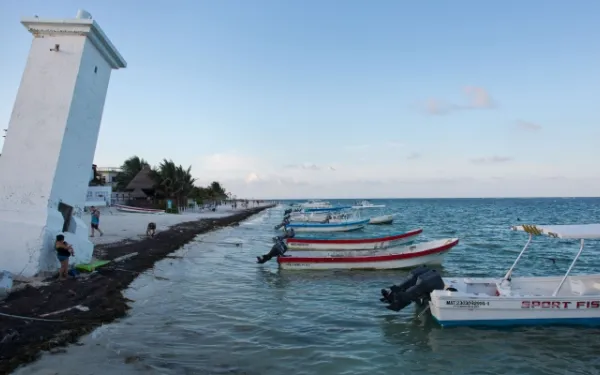
Mexico’s Puerto Morelos Reef National Park, a national protected area and Wetland of International Importance, is at risk due to massive and unsustainable tourism activities. Civil society organizations solicited a visit of international experts from the Ramsar Convention to evaluate the risks facing the site. A coalition of local, national and international organizations presented an urgent alert before the Ramsar Convention, an intergovernmental treaty on wetlands, warning of the threats facing Mexico’s Puerto Morelos Reef National Park due to massive and unsustainable tourism. The Interamerican Association for Environmental Defense (AIDA)—with the support of the Mexican Center for Environmental Law (CEMDA), Voces Unidas for Puerto Morelos, the Puerto Morelos House of Culture, Flora and Fauna of Mexico, and the Center for Innovation and Investigation for Sustainable Development— solicited a visit of international experts to evaluate the risks. "Because some of the area’s tourism projects were not subjected to a rigorous environmental impact assessment, they have transformed the coastal territory, degrading and contaminating ecosystems, particularly coral reefs and mangroves," explained Sandra Moguel, regional director of CEMDA’s Southeast office. The National Park was created as a natural protected area in 1998 and was registered in 2004 as a Wetland of International Importance under the Ramsar Convention. It is a unique site due to its high biodiversity—its coral reefs provide habitat for fish, sharks, pink snails and sea turtles, while its mangroves harbor crocodiles and herons. In addition, like other wetlands, it helps prevent coastal erosion and provides breeding and feeding grounds for the area’s fish. "The site’s ecological and scenic beauty attracts tourism projects which, because they’re not properly evaluated, promote the irrational use of natural resources," said Camilo Thompson, AIDA marine attorney. "A Ramsar mission is urgently needed to evaluate the damages, propose compensation, issue recommendations on the growth of tourism and real estate, and identify alternatives to ensure the rational use of the park’s ecosystems." The Puerto Morelos Reef forms part of the Mesoamerican Reef System, considered the second largest barrier reef in the world. "Any activity carried out in the reef requires a strategic environmental assessment that considers the cumulative and synergistic impacts on the coastal wetlands, sea grasses and reefs of Puerto Morelos," Thompson added. "The Mexican State must apply the precautionary principal and ecosystem approach to confront the threats to the biodiversity of this unique site." Download the alert presented before the Ramsar Convention (in Spanish). Press Contacts: Camilo Thompson, AIDA Attorney, +521 9671302346, [email protected] Ricardo Ruiz, CEMDA, + 55 5211 2457, [email protected]
Read more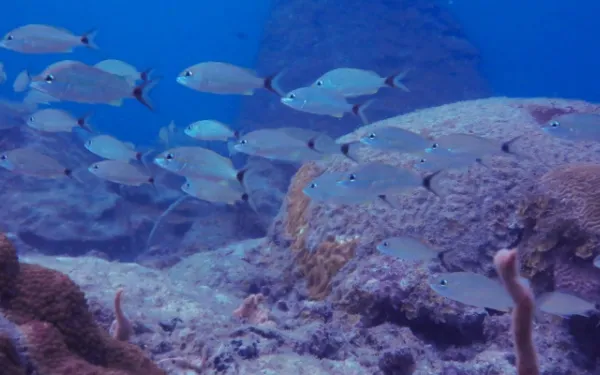
Authorization of port expansion violates Mexico's international commitments
Mexico’s approval of the Port of Veracruz expansion project violates the nation’s international environmental and human rights commitments. To highlight this conflict, AIDA filed an amicus brief supporting residents of Veracruz in their attempt to protect the Veracruz Reef System, currently threatened by the port’s expansion. Veracruz, Mexico. In support of an amparo filed by local residents against the expansion of the Port of Veracruz, the Interamerican Association for Environmental Defense (AIDA) filed an amicus brief before Mexico’s Fifth Circuit Court with detailed information on international standards and treaties to which Mexico is party, and which the government violated upon authorizing the project. “By putting at risk the Veracruz Reef System—the largest in the Gulf of Mexico, whose protection is a matter of public interest—the government also threatens the right to a healthy environment of the people who depend on it,” explained Camilo Thompson, AIDA attorney. “The expansion project was authorized without an adequate evaluation of the impacts it would have.” Mexico granted the project’s environmental permit on November 21, 2013. Just a year earlier, it had reduced the area of the reef system, changing its boundaries to make the project viable. At the time of authorization, adequate scientific information was not available to understand how to avoid damaging the reefs and protect the services they provide to the people of Veracruz. Among their many benefits, the reefs provide income to coastal residents through fishing and tourism, and they act as a natural barrier against storms and hurricanes. Upholding these ecosystem services, local residents, advised by the Mexican Center for Environmental Law, filed an amparo against the project’s authorization, which was admitted by the court in March 2017. In their supporting brief, AIDA argues that, in authorizing the project, the government breached international obligations to protect its natural environment and the people that depend on it. Many of those obligations are outlined in treaties to which Mexico is party, including the Convention on Biological Diversity, the Ramsar Convention on Wetlands, the Inter-American Convention for the Protection and Conservation of Sea Turtles, the United Nations Framework Convention on Climate Change, and the American Convention on Human Rights. The Veracruz Reef System is a Natural Protected Area nationally, and is listed as a Wetland of International Importance under the Ramsar Convention. It serves as a refuge for many marine animals, among them endangered species of sea turtles. “The reefs of Veracruz contain a rich natural wealth that must be protected,” Thompson said. “The expansion project would destroy part of that habitat and lead to the loss of a great amount of biological diversity. It also could lead to stranded vessels, contaminating spills, and the loss of fishing resources that sustain the local economy.” Press contact: Camilo Thompson, AIDA attorney, +521 9671302346, [email protected]
Read more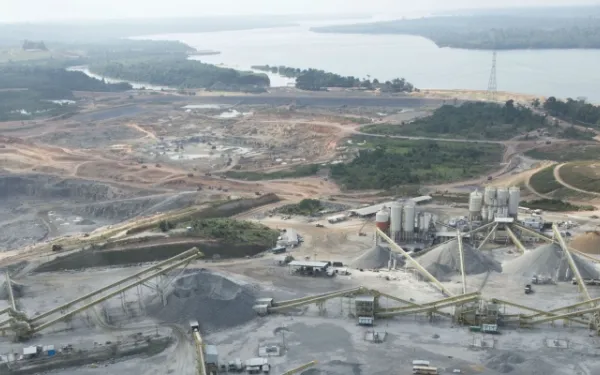
Brazil and the example that should be followed
In an apparent turnaround, the Brazilian government has signaled an end to the construction of large dams in the Amazon. If materialized, it will be a step worthy of imitation. Then the region, and the world, can move towards truly sustainable energy generation that respects the environment and human rights. 2018 began with encouraging news for the energy sector, and for rivers and human rights in Latin America. A senior official with the Brazilian government signaled, in an interview with the newspaper O Globo, the beginning of the end of large dams in the Amazon nation. That statement is backed up by the notable absence of several of these projects in Brazil’s new Ten-Year Plan for Energy Expansion. The about-face is particularly significant since Brazil is a world leader in the construction of large hydroelectric projects, which until a few months ago were relied on to meet the nation’s rising energy demands. Between corruption and lack of financing The decision is a response to various factors, including the social conflicts and environmental impacts that large dams have caused in the Amazon, and major opposition from indigenous communities and civil society organizations. In addition, these projects have involved high costs from the start and, as Edvaldo Santana, former director of the National Electric Energy Agency (ANEEL) told O Globo, they “end up costing much more, despite the licenses.” Large dams have also been at the center of the largest corruption scandal in the history of Brazil, uncovered by the Lava Jato investigation, which went beyond borders to involve politicians and businessmen from 11 Latin American nations. The evidence gathered then prompted the initiation of Leviathan, a special investigation into the Belo Monte Dam due to the signs of high payments of bribes related to its construction. All of the above is in addition to the requirements for environment licenses with which several projects have failed to comply. This is the case of Belo Monte, whose license has been suspended for months, and of the Tapajós Dam, who license was denied last year. On the other hand, the Brazilian government announced the privatization of Electrobras, a public company with a fundamental role in the construction of these large infrastructure projects. With this and the economic crisis that has affected the ability of the Brazilian National Bank for Economic Development (BNDES) to support these mega-projects, the large dams have lost their primary sources of funding. Therefore—and in the face of technological advances and clean energy alternatives—Brazil is beginning to leave behind large dams and take and important step towards truly sustainable energy, and development that respects human rights. This advance could have an important impact on the entire American continent. It could begin a wave of change toward a more modern energy matrix, further removed from the increasingly obsolete large dams. A necessary change In the Amazon basin alone, more than 275 new large dams are planned, the majority in the Andean region. And hundreds more are lined up in Central America and Mexico. To echo Brazil’s announcement, these initiatives could incorporate adequate and comprehensive energy planning with serious cost and risk assessments. In these terms, Pablo Pedrosa, Executive Secretary of Brazil’s Ministry of Mines and Energy, told O Globo, “We are not willing to make moves to disguise the costs and the risks.” Even global entities such as the International Finance Corporation (IFC), part of the World Bank Group, have experienced first-hand the financial, reputational and socio-environmental costs of inadequately evaluating large dam projects. In 2012, the IFC, through the Latin American Fund for Renewable Infrastructure, provided $15 million USD to fund the Santa Rita Dam, which was to be built on the Ictobay River in Alta Verapaz, Guatemala. At the end of last year, the entity’s accountability mechanism concluded that the investment had breached the IFC’s operational policies. The project had failed to comply with the affected community’s right to free, prior and informed consent. Although IFC management denied the findings of its accountability mechanism, the project has been suspended since 2013 and the indigenous communities of the area maintain their opposition to it. Brazil’s recent decision reinforces the global trend of moving away from large dams. Over the last several years in the United States, large dams have been removed to rescue rivers and the benefits they provide, like wild salmon runs on the Snake River in Washington State. Given this good start to the year, it will be essential to ensure the effective implementation of Brazil’s decision. And, following that example, perhaps other Andean-Amazonian countries will also move towards modernity, consider the real costs of large dams, and begin to promote better, cheaper energy alternatives that don’t sacrifice natural ecosystems and the communities that depend on them.
Read more