
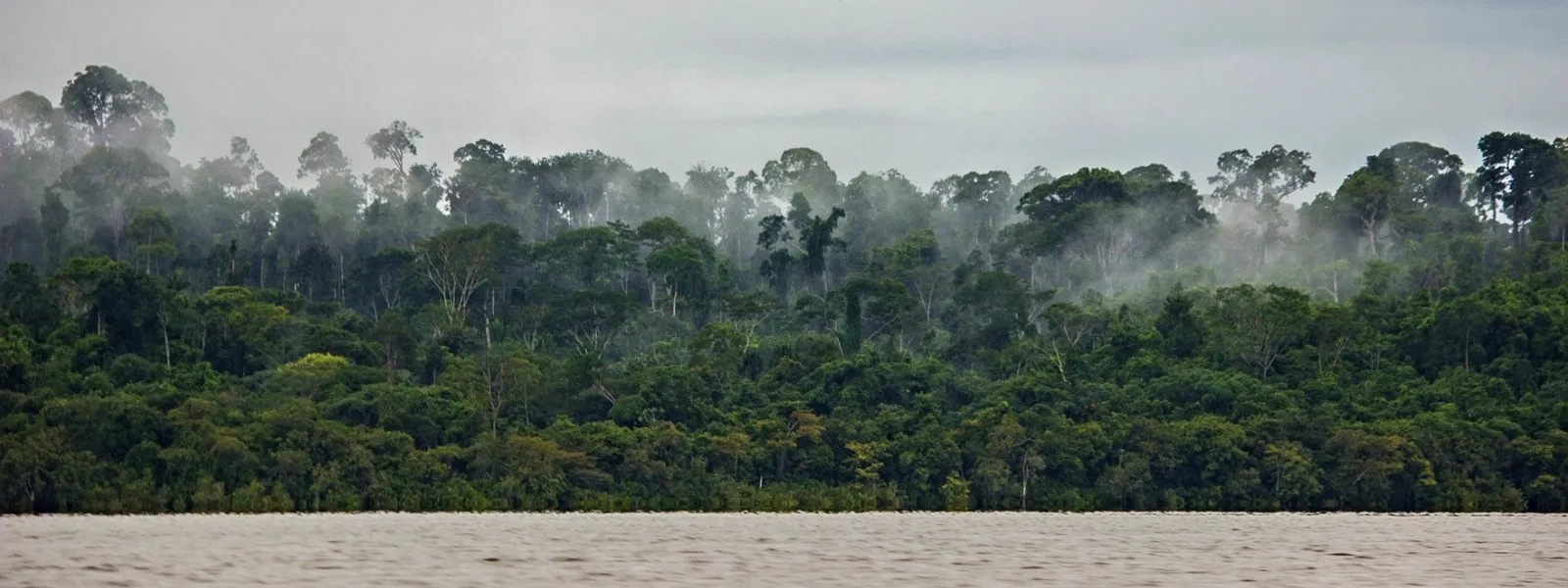
Project
Amazon Watch / Maíra Irigaray
The Belo Monte Dam on the Xingu River: 10 years of impacts in the Amazon and the search for reparations
The Belo Monte Dam has caused an environmental and social disaster in the heart of the Amazon—one of the most important ecosystems on the planet.
This situation has only worsened since the hydroelectric plant began operations in 2016. The quest for justice and reparations by the affected indigenous, fishing, and riverine communities continues to this day.
In 2011, the Inter-American Commission on Human Rights (IACHR) granted them protective measures that, to date, have not been fully implemented by the Brazilian State.
Furthermore, since June of that same year, the IACHR has yet to rule on a complaint against the State regarding its international responsibility in the case.
The IACHR may refer the case to the Inter-American Court of Human Rights, which has the authority to issue a ruling condemning the Brazilian State.
After 10 years of the hydroelectric plant's operation and more than 15 years of documented human rights violations, it is time for justice to be served for the affected communities.
Read the open letter from the organizations bringing the case before the IACHR
Background
The Belo Monte hydroelectric plant—the fourth largest in the world by installed capacity (11,233 MW)—was built on the Xingu River in Pará, a state in northern Brazil.
It was inaugurated on May 5, 2016, with a single turbine. At that time, 80% of the river’s course was diverted, flooding 516 km² of land—an area larger than the city of Chicago. Of that area, 400 km² was native forest. The dam began operating at full capacity in November 2019.
Belo Monte was built and is operated by the Norte Energia S.A. consortium, which is composed primarily of state-owned companies. It was financed by the Brazilian Development Bank (BNDES), which provided the consortium with 25.4 billion reais (approximately US$10.16 billion), the largest investment in the bank’s history. Therefore, the BNDES is also legally responsible for the socio-environmental impacts associated with the hydroelectric plant.
Decades of harm to the environment and people
Human rights violations and degradation of the Amazon have been occurring since the project’s inception. In March 2011, Norte Energía began construction of the dam without adequate consultation and without the prior, free, and informed consent of the affected communities.
The construction caused the forced displacement of more than 40,000 people, severing social and cultural ties. The resettlement plan in Altamira—a city directly affected by the hydroelectric dam—involved housing units located on the outskirts, lacking adequate public services and decent living conditions for the relocated families, with no special provisions for those from indigenous communities.
Belo Monte's operations have caused a permanent, man-made drought in the Volta Grande (or "Great Bend") of the Xingu River, exacerbated by the historic droughts in the Amazon in 2023 and 2024. As a result, the deaths of millions of fish eggs were documented for four consecutive years (from 2021 to 2024), and for the past three years, there has been no upstream migration of fish to spawn and reproduce. Thus, artisanal fishing, the main source of protein for indigenous peoples and riverside communities, was severely affected: fish dropped from 50% to 30% of total protein consumed, replaced by processed foods. In summary, there was an environmental and humanitarian collapse that resulted in the breakdown of fishing as a traditional way of life, food insecurity, and access to drinking water for thousands of families, impoverishment, and disease.
Furthermore, the construction of the dam increased deforestation and intensified illegal logging and insecurity on indigenous and tribal lands, putting the survival of these communities at risk. Another consequence was the deepening of poverty and social conflicts, as well as the strain on health, education, and public safety systems in Altamira—a city ranked as the most violent in the country in 2017, where human trafficking and sexual violence increased. Violence was also reported against human rights defenders involved in the case.
In 2025, during the 30th UN Climate Change Conference (COP30), held in Brazil, the Federal Public Prosecutor’s Office labeled the damage caused by the Belo Monte dam as ecocide.
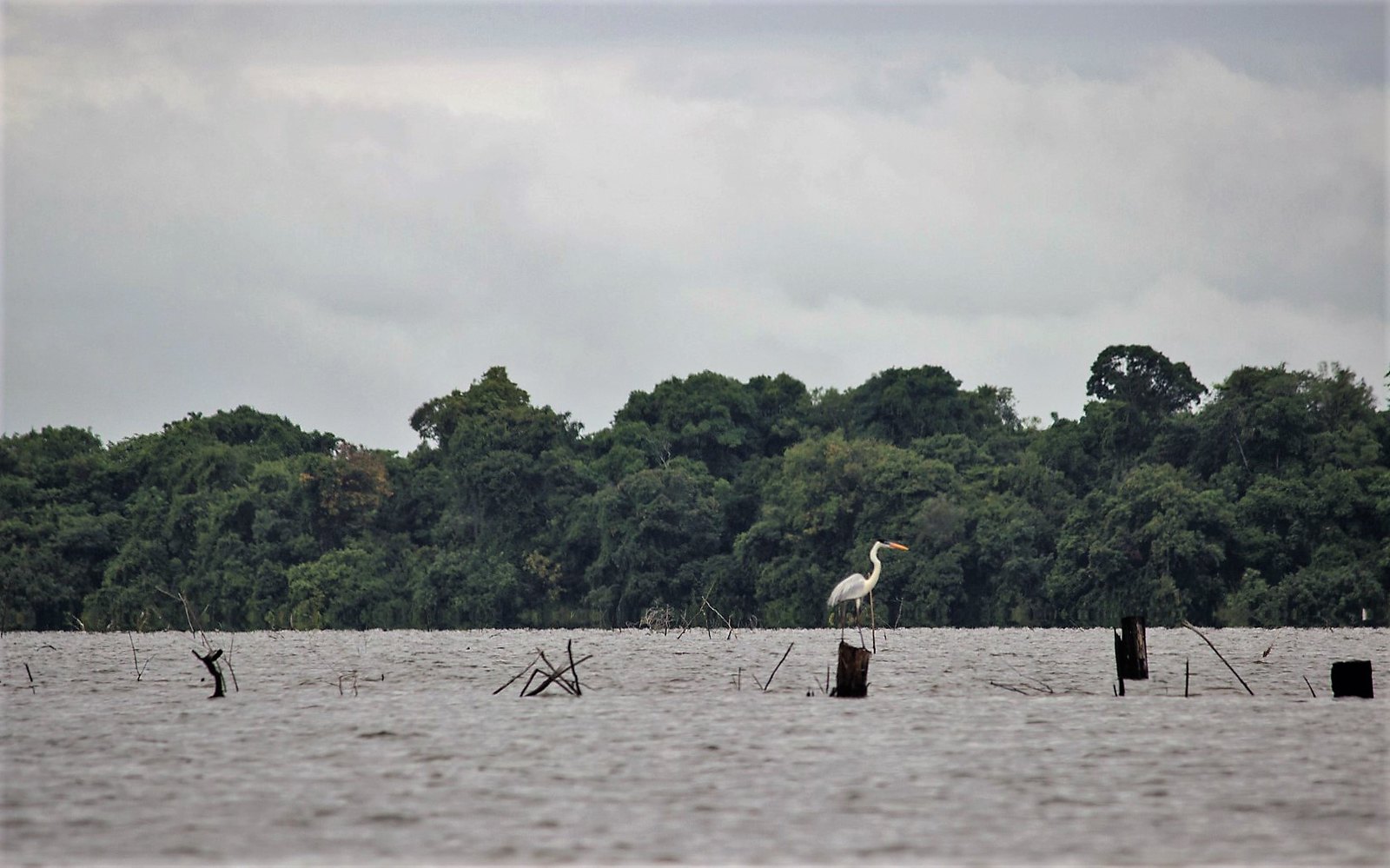
Photo: Amazon Watch / Maíra Irigaray.
The search for justice and reparations
Over the years, the Federal Public Prosecutor’s Office in Pará, the Public Defender’s Office, and civil society organizations have filed dozens of legal actions in Brazilian courts to challenge the project’s various irregularities and its impacts. Most of the claims are still pending resolution, some for more than 10 years.
These efforts have failed because the national government has repeatedly overturned rulings in favor of the affected communities by invoking a mechanism that allowed a court president to suspend a judicial decision based solely on generic arguments such as "the national interest" or "economic order."
In the absence of effective responses at the national level, AIDA, together with a coalition of partner organizations, brought the case before the Inter-American Commission on Human Rights (IACHR) and, in 2010, requested precautionary measures to protect the lives, safety, and health of the affected indigenous communities.
On April 1, 2011, the IACHR granted these measures and requested that the Brazilian government suspend environmental permits and any construction work until the conditions related to prior consultation and the protection of the health and safety of the communities are met.
And on June 16, 2011 —together with the Xingu Vivo Para Sempre Movement, the Coordinating Committee of Indigenous Organizations of the Brazilian Amazon, the Diocese of Altamira, the Indigenous Missionary Council, the Pará Society for the Defense of Human Rights and Global Justice— we filed a formal complaint against the Brazilian State for its international responsibility in the violation of the human rights of the people affected in the case. The case was opened for processing in December 2015.
On August 3, 2011, the IACHR amended the precautionary measures to request, instead of the suspension of permits and construction, the protection of people living in voluntary isolation, the health of indigenous communities, and the regularization and protection of ancestral lands.
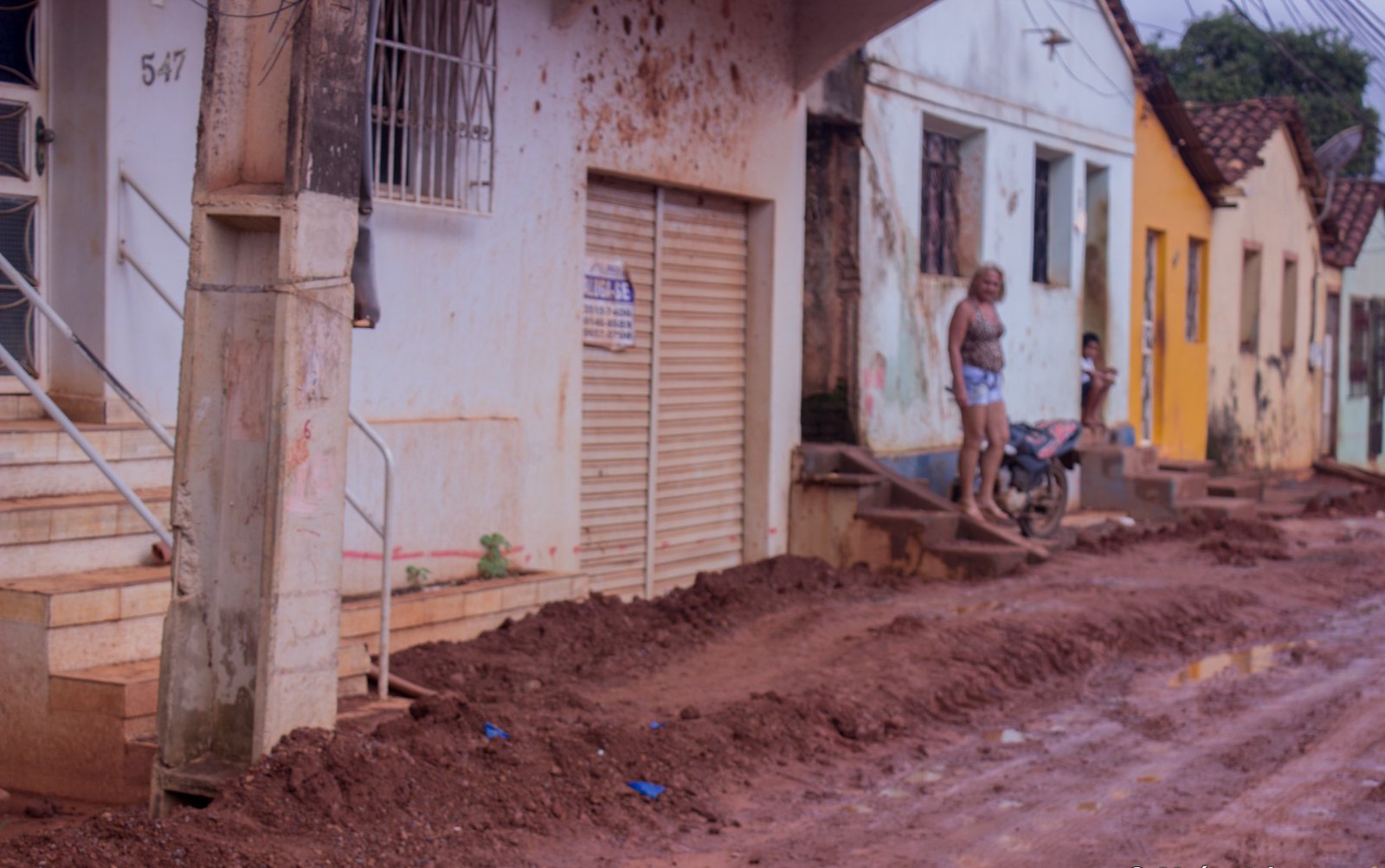
Photo: Amazon Watch / Maíra Irigaray.
Current situation
The protective measures granted by the IACHR remain in effect, but the Brazilian government has not fully complied with them, reporting only on general actions. The communities have documented the ongoing violations of their rights. The situation that prompted the request for these measures—the risk to the lives, physical integrity, and ways of life of the communities—persists and has worsened with the hydroelectric plant operating at full capacity and the recent extreme droughts in the Amazon.
In addition to the impacts of Belo Monte, there is a risk of further social and environmental impacts from the implementation of another mining megaproject in the Volta Grande do Xingu. There, the Canadian company Belo Sun plans to build Brazil’s largest open-pit gold mine.
The combined and cumulative impacts of the dam and the mine were not assessed. The government excluded Indigenous peoples, riverine and peasant communities from the project’s environmental permitting process. Despite protests by Indigenous communities and other irregularities surrounding the project, the government of Pará formally authorized the mine in April 2026.
Like other hydroelectric dams, Belo Monte exacerbates the climate emergency by generating greenhouse gas emissions in its reservoir. And it is inefficient amid the longer, more intense droughts caused by the crisis, as it loses its ability to generate power.
The case before the Inter-American Commission
In October 2017, the IACHR announced that it would rule jointly on the admissibility (whether the case meets the requirements for admission) and the merits (whether a human rights violation actually occurred) of the international complaint against the Brazilian State.
Fifteen years after the complaint was filed, the affected communities and the organizations representing them are still awaiting this decision. If the IACHR concludes that human rights violations occurred and issues recommendations that the Brazilian State fails to comply with, it may refer the case to the Inter-American Court of Human Rights, whose rulings are binding.
A potential ruling by the international court in this case would set a regional legal precedent regarding the rights of indigenous and riverine peoples, public participation in megaprojects, and state responsibility in the context of the climate crisis—a precedent that is particularly relevant in light of the Court’s Advisory Opinion No. 32, which reaffirmed the obligations of States to protect the people and communities of the continent from the climate emergency.
Partners:
Related projects
Did you know coral reefs produce medicine?
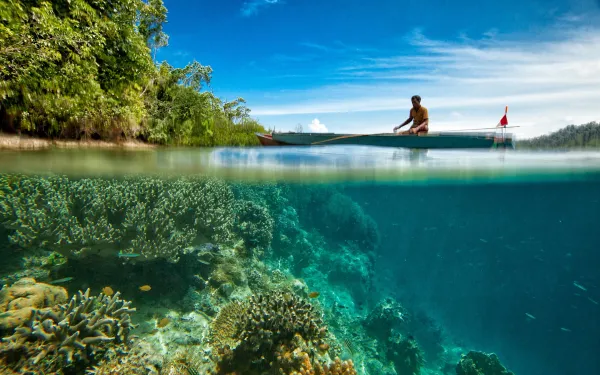
“How can coral reefs contribute to modern medicine?” I wondered as I spoke to a group of doctors and nurses working on liver disease in Mexico. My uncle is part of the organization (Amihigo) and has long been interested in my work as a marine attorney with AIDA. When I got back from the meeting, the information I found backed up our discussion and clarified the link between our two worlds: coral reefs are natural, underwater pharmacies. The plants and animals living in reefs have developed chemical compounds to protect themselves against predators, fight diseases, and prevent the excessive growth of competing organisms. Corals have been recognized as an important source of new drugs to treat cancer, arthritis, Alzheimer’s, bacterial infections, viruses and heart disease, among other serious illnesses, according to the US-based National Ocean Service. The pharmaceutical industry has found corals provide value in the development of new products. Certain corals, for example, stimulate the welding of broken bones. Components of a Caribbean sponge allow for the creation of Zidovudina, a medicine used to treat HIV. Despite these discoveries, the medical use of coral reefs is considered underdeveloped. As an environmental attorney, what I take away from this realization is that if coral reefs are not effectively preserved, their great potential for modern medicine will never be fully realized. It’s a real threat. Studies estimate that 30 percent of the world’s reefs are already seriously damaged, and that 60 percent could disappear by 2030 due to water pollution, destructive fishing methods, overfishing, and other unsustainable human activities. Compounding these is the growing threat of climate change. Several Latin American nations are blessed with large areas of coral reefs that provide environmental and social benefits. But many don’t do enough to protect that wealth. Mexico’s coastline extends for more than 11 thousand kilometers, featuring 5,100 square kilometers of islands, reefs and cays. Its coral reefs span six major regions: the Gulf of California and the Western Mexican Pacific Coast, the Revillagigedo Archipelago, the Marias Islands, the South Pacific Coast, the Gulf of Mexico Reef Corridor and the Campeche Bank, and the Mexican Caribbean. The loss and degradation of these rich reef systems is a growing problem across the country. Unsustainable and poorly planned urban and coastal development is causing sedimentation and pollution, resulting in the growth of microalgae that rob light and oxygen, effectively suffocating the corals. In the Veracruz Reef System, the largest in the Gulf of Mexico, the expansion of the Port of Veracruz is doing just that. To protect reefs, it’s imperative that governments act with caution when approving land use in urban development plans to avoid damaging coastal wetlands (lagoons, bays, mangroves, coastal dunes and sea grasses, among others), and that they adopt adequate measures for wastewater treatment. The protection and restoration of coral reefs and coastal wetlands should be prioritized over economic interests and short-term economic benefits. Effective reef conservation can also be supported by good regulation practices. Measures to protect key species such as the parrotfish from overfishing, for example, would go a long was to preserving the health of coral reefs. And we now know that the health of those reefs is directly tied to our own. It’s important the health industry—from doctors and patients to scientists and pharmacists—join the call to conserve our coral reefs, natural medicine banks that can help guarantee our rights to a dignified life and a healthy environment.
Read more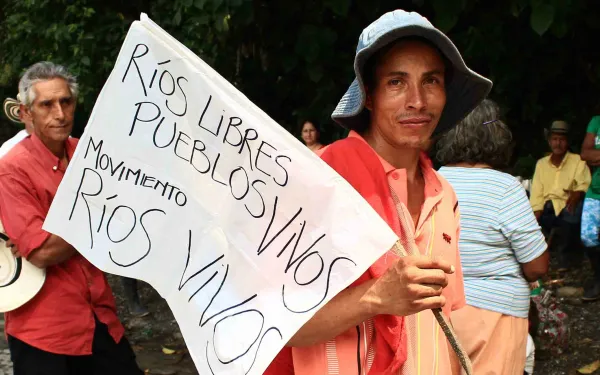
Organizations call for support for communities affected by Colombia’s Hidroituango dam
Communities affected by the Hidroituango dam have denounced the murder of two of their members over the past few days. In addition, a recent obstruction in one of the dam’s tunnels means the dam is at risk of overflowing, which could cause an avalanche of mud and debris. Allies are calling on authorities to investigate the harms to local communities and provide adequate support for those affected. Two members of Movimiento Ríos Vivos Antioquia, the coalition of communities affected by Colombia’s Hidroituango Dam, have been murdered in the last several days. Hugo Albeiro George Pérez and Luis Alberto Torres Montoya were murdered on May 2 and 8, respectively, according to statements from Ríos Vivos. Members of the movement have also suffered threats, intimidation, and human rights violations due to their defense of their land and the Cauca River. At the same time, residents of towns downstream from the dam are living in fear and uncertainty this week, faced with a potential environmental catastrophe. The imminent danger is caused by an obstruction in one of the dam’s diversion tunnels that, by interrupting the flow of the Cauca River, could cause the dam to overflow with such force that it would release not just water but an avalanche of mud and debris. The Interamerican Association for Environmental Defense (AIDA), the Center for International Environmental Law (CIEL), and the International Accountability Project (IAP) express our support for Movimiento Ríos Vivos of Antioquia and the communities affected by the Hidroituango Dam in Colombia. We demand that Colombia’s environmental authorities find and punish those responsible for the murders, as well as investigate the ongoing damages caused by the dam’s construction. We also call on the national government to promptly and adequately provide support for affected families. Hidroituango, expected to become Colombia’s largest dam, will affect 12 municipalities, changing the lives of thousand of families that depend directly on the river. The project has received funding from IDB Invest, the private-sector branch of the Inter-American Development Bank. Press contact: Víctor Quintanilla, AIDA, +521 5570522107, [email protected]
Read moreOrganizations call for support for communities affected by Colombia’s Hidroituango dam
Communities affected by the Hidroituango dam have denounced the murder of two of their members over the past few days. In addition, a recent obstruction in one of the dam’s tunnels means the dam is at risk of overflowing, which could cause an avalanche of mud and debris. Allies are calling on authorities to investigate the harms to local communities and provide adequate support for those affected. Two members of Movimiento Ríos Vivos Antioquia, the coalition of communities affected by Colombia’s Hidroituango Dam, have been murdered in the last several days. Hugo Albeiro George Pérez and Luis Alberto Torres Montoya were murdered on May 2 and 8, respectively, according to statements from Ríos Vivos. Members of the movement have also suffered threats, intimidation, and human rights violations due to their defense of their land and the Cauca River. At the same time, residents of towns downstream from the dam are living in fear and uncertainty this week, faced with a potential environmental catastrophe. The imminent danger is caused by an obstruction in one of the dam’s diversion tunnels that, by interrupting the flow of the Cauca River, could cause the dam to overflow with such force that it would release not just water but an avalanche of mud and debris. The Interamerican Association for Environmental Defense (AIDA), the Center for International Environmental Law (CIEL), and the International Accountability Project (IAP) express our support for Movimiento Ríos Vivos of Antioquia and the communities affected by the Hidroituango Dam in Colombia. We demand that Colombia’s environmental authorities find and punish those responsible for the murders, as well as investigate the ongoing damages caused by the dam’s construction. We also call on the national government to promptly and adequately provide support for affected families. Hidroituango, expected to become Colombia’s largest dam, will affect 12 municipalities, changing the lives of thousand of families that depend directly on the river. The project has received funding from IDB Invest, the private-sector branch of the Inter-American Development Bank. Press contact: Víctor Quintanilla, AIDA, +521 5570522107, [email protected]
Read more