
Project
Amazon Watch / Maíra Irigaray
The Belo Monte Dam on the Xingu River: 10 years of impacts in the Amazon and the search for reparations
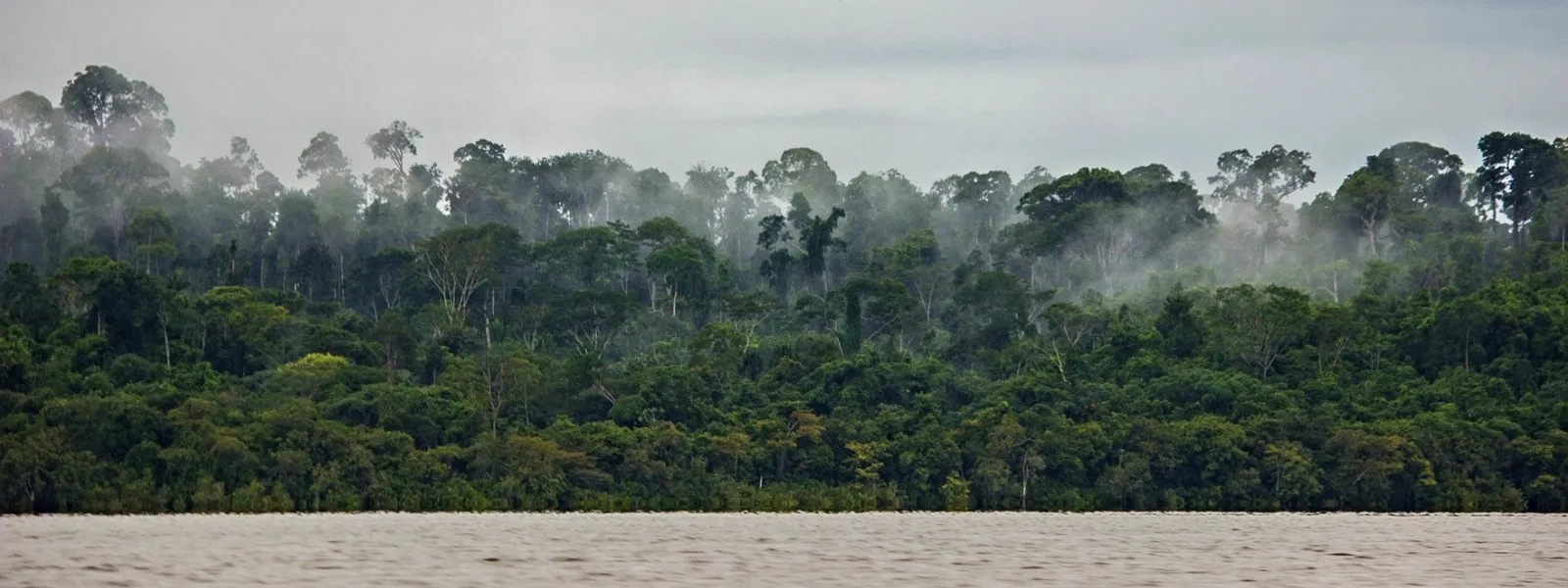
The Belo Monte Dam has caused an environmental and social disaster in the heart of the Amazon—one of the most important ecosystems on the planet.
This situation has only worsened since the hydroelectric plant began operations in 2016. The quest for justice and reparations by the affected indigenous, fishing, and riverine communities continues to this day.
In 2011, the Inter-American Commission on Human Rights (IACHR) granted them protective measures that, to date, have not been fully implemented by the Brazilian State.
Furthermore, since June of that same year, the IACHR has yet to rule on a complaint against the State regarding its international responsibility in the case.
The IACHR may refer the case to the Inter-American Court of Human Rights, which has the authority to issue a ruling condemning the Brazilian State.
After 10 years of the hydroelectric plant's operation and more than 15 years of documented human rights violations, it is time for justice to be served for the affected communities.
Read the open letter from the organizations bringing the case before the IACHR
Background
The Belo Monte hydroelectric plant—the fourth largest in the world by installed capacity (11,233 MW)—was built on the Xingu River in Pará, a state in northern Brazil.
It was inaugurated on May 5, 2016, with a single turbine. At that time, 80% of the river’s course was diverted, flooding 516 km² of land—an area larger than the city of Chicago. Of that area, 400 km² was native forest. The dam began operating at full capacity in November 2019.
Belo Monte was built and is operated by the Norte Energia S.A. consortium, which is composed primarily of state-owned companies. It was financed by the Brazilian Development Bank (BNDES), which provided the consortium with 25.4 billion reais (approximately US$10.16 billion), the largest investment in the bank’s history. Therefore, the BNDES is also legally responsible for the socio-environmental impacts associated with the hydroelectric plant.
Decades of harm to the environment and people
Human rights violations and degradation of the Amazon have been occurring since the project’s inception. In March 2011, Norte Energía began construction of the dam without adequate consultation and without the prior, free, and informed consent of the affected communities.
The construction caused the forced displacement of more than 40,000 people, severing social and cultural ties. The resettlement plan in Altamira—a city directly affected by the hydroelectric dam—involved housing units located on the outskirts, lacking adequate public services and decent living conditions for the relocated families, with no special provisions for those from indigenous communities.
Belo Monte's operations have caused a permanent, man-made drought in the Volta Grande (or "Great Bend") of the Xingu River, exacerbated by the historic droughts in the Amazon in 2023 and 2024. As a result, the deaths of millions of fish eggs were documented for four consecutive years (from 2021 to 2024), and for the past three years, there has been no upstream migration of fish to spawn and reproduce. Thus, artisanal fishing, the main source of protein for indigenous peoples and riverside communities, was severely affected: fish dropped from 50% to 30% of total protein consumed, replaced by processed foods. In summary, there was an environmental and humanitarian collapse that resulted in the breakdown of fishing as a traditional way of life, food insecurity, and access to drinking water for thousands of families, impoverishment, and disease.
Furthermore, the construction of the dam increased deforestation and intensified illegal logging and insecurity on indigenous and tribal lands, putting the survival of these communities at risk. Another consequence was the deepening of poverty and social conflicts, as well as the strain on health, education, and public safety systems in Altamira—a city ranked as the most violent in the country in 2017, where human trafficking and sexual violence increased. Violence was also reported against human rights defenders involved in the case.
In 2025, during the 30th UN Climate Change Conference (COP30), held in Brazil, the Federal Public Prosecutor’s Office labeled the damage caused by the Belo Monte dam as ecocide.
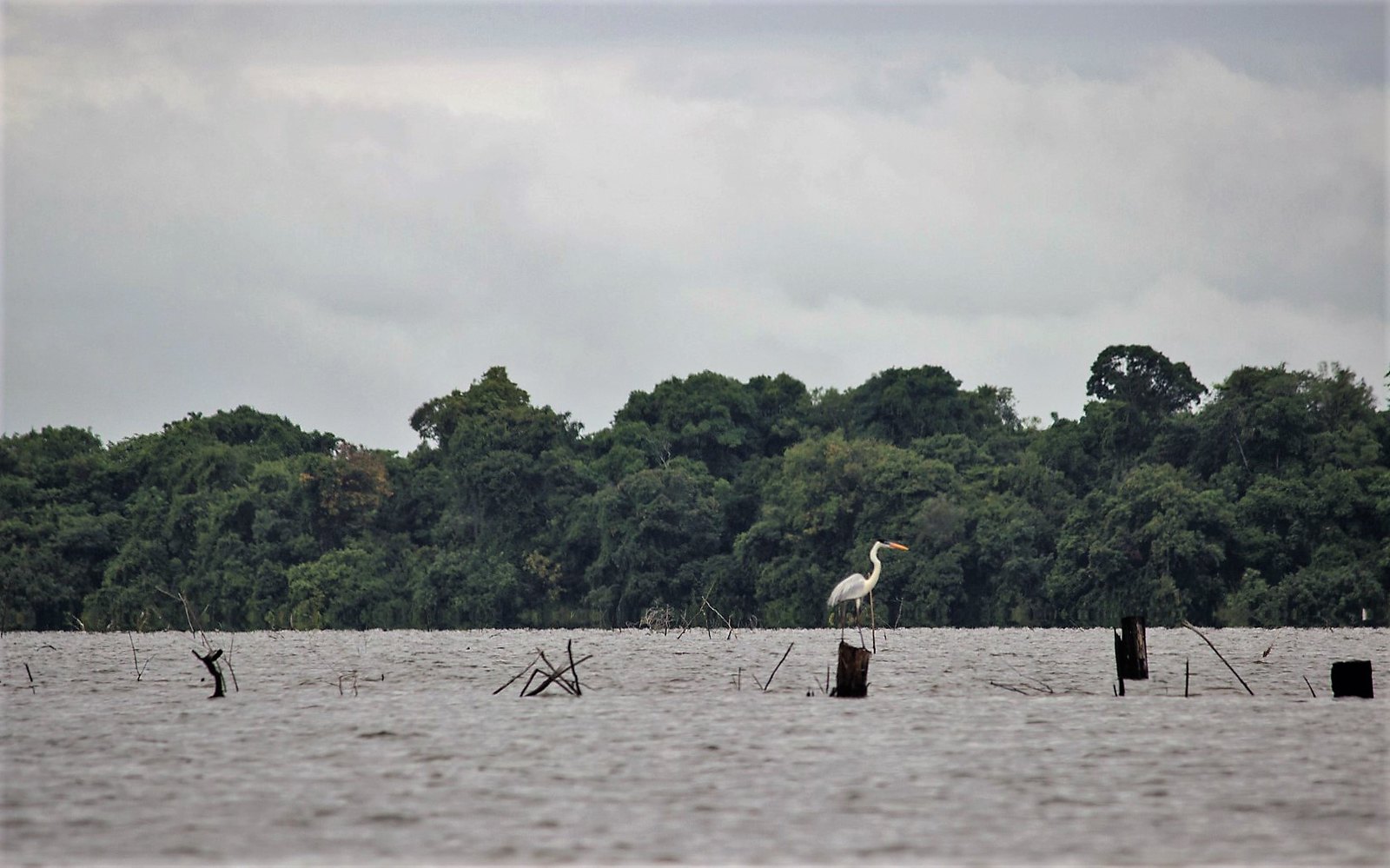
Photo: Amazon Watch / Maíra Irigaray.
The search for justice and reparations
Over the years, the Federal Public Prosecutor’s Office in Pará, the Public Defender’s Office, and civil society organizations have filed dozens of legal actions in Brazilian courts to challenge the project’s various irregularities and its impacts. Most of the claims are still pending resolution, some for more than 10 years.
These efforts have failed because the national government has repeatedly overturned rulings in favor of the affected communities by invoking a mechanism that allowed a court president to suspend a judicial decision based solely on generic arguments such as "the national interest" or "economic order."
In the absence of effective responses at the national level, AIDA, together with a coalition of partner organizations, brought the case before the Inter-American Commission on Human Rights (IACHR) and, in 2010, requested precautionary measures to protect the lives, safety, and health of the affected indigenous communities.
On April 1, 2011, the IACHR granted these measures and requested that the Brazilian government suspend environmental permits and any construction work until the conditions related to prior consultation and the protection of the health and safety of the communities are met.
And on June 16, 2011 —together with the Xingu Vivo Para Sempre Movement, the Coordinating Committee of Indigenous Organizations of the Brazilian Amazon, the Diocese of Altamira, the Indigenous Missionary Council, the Pará Society for the Defense of Human Rights and Global Justice— we filed a formal complaint against the Brazilian State for its international responsibility in the violation of the human rights of the people affected in the case. The case was opened for processing in December 2015.
On August 3, 2011, the IACHR amended the precautionary measures to request, instead of the suspension of permits and construction, the protection of people living in voluntary isolation, the health of indigenous communities, and the regularization and protection of ancestral lands.
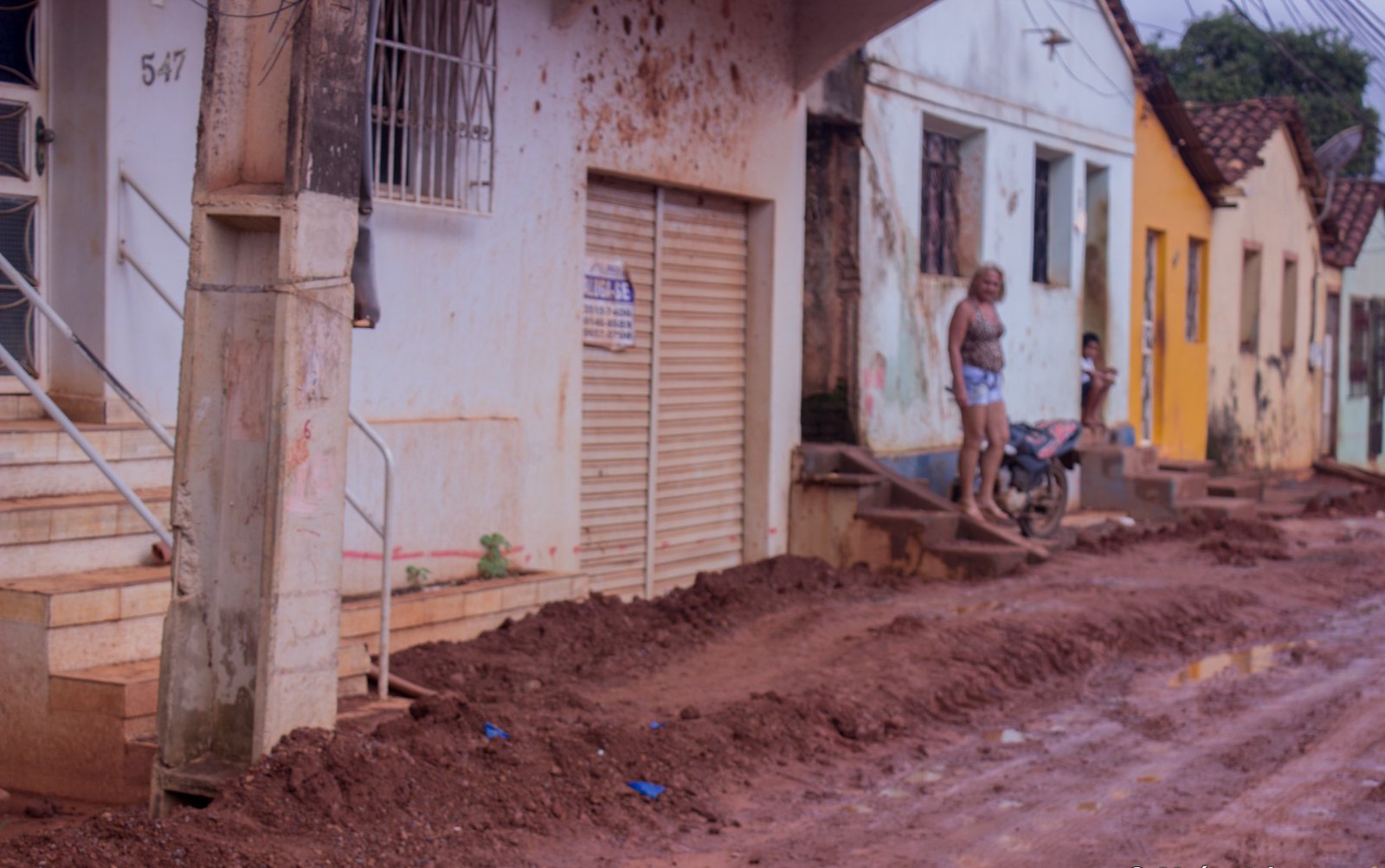
Photo: Amazon Watch / Maíra Irigaray.
Current situation
The protective measures granted by the IACHR remain in effect, but the Brazilian government has not fully complied with them, reporting only on general actions. The communities have documented the ongoing violations of their rights. The situation that prompted the request for these measures—the risk to the lives, physical integrity, and ways of life of the communities—persists and has worsened with the hydroelectric plant operating at full capacity and the recent extreme droughts in the Amazon.
In addition to the impacts of Belo Monte, there is a risk of further social and environmental impacts from the implementation of another mining megaproject in the Volta Grande do Xingu. There, the Canadian company Belo Sun plans to build Brazil’s largest open-pit gold mine.
The combined and cumulative impacts of the dam and the mine were not assessed. The government excluded Indigenous peoples, riverine and peasant communities from the project’s environmental permitting process. Despite protests by Indigenous communities and other irregularities surrounding the project, the government of Pará formally authorized the mine in April 2026.
Like other hydroelectric dams, Belo Monte exacerbates the climate emergency by generating greenhouse gas emissions in its reservoir. And it is inefficient amid the longer, more intense droughts caused by the crisis, as it loses its ability to generate power.
The case before the Inter-American Commission
In October 2017, the IACHR announced that it would rule jointly on the admissibility (whether the case meets the requirements for admission) and the merits (whether a human rights violation actually occurred) of the international complaint against the Brazilian State.
Fifteen years after the complaint was filed, the affected communities and the organizations representing them are still awaiting this decision. If the IACHR concludes that human rights violations occurred and issues recommendations that the Brazilian State fails to comply with, it may refer the case to the Inter-American Court of Human Rights, whose rulings are binding.
A potential ruling by the international court in this case would set a regional legal precedent regarding the rights of indigenous and riverine peoples, public participation in megaprojects, and state responsibility in the context of the climate crisis—a precedent that is particularly relevant in light of the Court’s Advisory Opinion No. 32, which reaffirmed the obligations of States to protect the people and communities of the continent from the climate emergency.
Partners:
Related projects
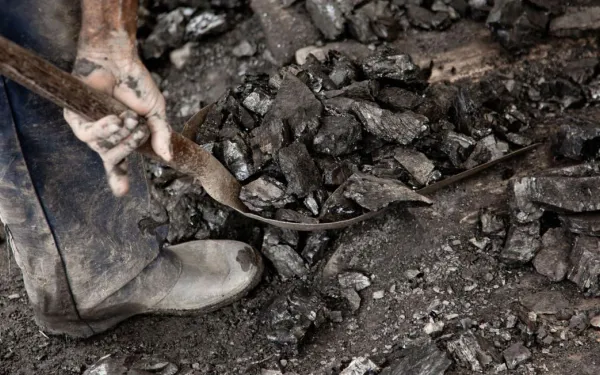
The Colombian town that’s taking on coal mining
“To leave for good is painful,” Flower Aria Rivera, 58, said with nostalgia. He doesn’t want to leave his land, his home. Doing so would mean leaving behind his identity, his story. Flower is from Boquerón, Colombia, a town of nearly 900 residents in the northwest department of Cesar. His ancestors, directly descended from Africans, were among the first inhabitants of his small town and many others in the region. They lived from raising cattle and growing rice. But that simple life is no more. The once-fertile soils of Boquerón have for more than 30 years been overtaken by large-scale coal mining operations. Since the corporations arrived, the town has been absorbed by coal and the many damages it leaves behind—like unhealthy levels of air pollution, and the depletion of water from rivers and other natural sources. The contamination had gotten so bad that, in 2010, the government ordered the mining company to relocate Boquerón’s residents. Eight years later, and that still hasn’t happened. On the contrary, new families have been arriving to Boquerón in search of the compensation that will surely be distributed when relocation finally does occur. “We want the mines to move, we want them to stop polluting our town,” said Flower, one of the most respected of the community, which has peacefully resisted despite the outbreak of skin and respiratory diseases. Flower is not a conventional leader. He speaks softly, while smiling. His deep black skin contrasts with his pure white hair. He’s sweet and calm and, above all, full of faith and hope. I met him two months ago when he participated with other leaders in a public forum co-organized by AIDA, Tierra Digna, CENSAT Agua Viva, University of Magdalena, the Environmental Justice Network of Colombia, and the Rosa Luxembourg Foundation. There, participants discussed what’s needed to enable Colombia to move its economy away from coal exploitation and toward alternative energies—those that respect the both climate and communities. “Coal has left us with nothing, only sadness,” Flower lamented. Colombia is the fourth largest coal exporter in the world. As such, the government has the ethical and moral obligation to reduce its carbon emissions, which have contributed to exacerbating the climate crisis. At AIDA, we believe in a clean energy future, and our work will continue to support the move towards a coal-free Latin America. To close, I’d like to share a poem Flower wrote. In it, he expresses longing and love for his land, and his fear of the “damned black stone.” A mi Boquerón Boquerón del alma mía Terruño de mis entrañas Estoy perdiendo mi alegría Mis costumbres y mis esperanzas Camino lento y con tristeza Con solo pensar en tu partida Historia mía, historia tuya Es como un llanto en noche buena Quisiera morirme en tus recuerdos Donde viví muchas nostalgias De amores y vivencias de este mundo Cómo te llevo Boquerón en el alma Voces de recuerdos se escuchan a lo lejos De un niño y un viejo Como añorando el pasado De Boquerón y sus hermosos tiempos Partir sin regreso es doloroso Y un diciembre sin ti es morir Como regresar después a pajuil Cuando mis zapatos se han roto Ya inerme camina un boqueronero Y la historia del tucuy, el manantial y la lomita está muriendo Hoy hasta el mismo cielo está llorando En gotas de agua convertidas en desespero Quisiera regresar a las faldas de mi madre Como cuando niño me escondía debajo de ella Escucho a lo lejos la voz del patriarca Rivera Ángel Que desde su tumba como deseando una esperanza Adiós diablito caño, palma y paralú donde di mi grito de libertad y olvidé mi esclavitud de mi raza palenquera y también de chambacú y olvidé por mis ancestros lo juro por ese cielo azul Maldita piedra negra Que hizo cambiar mi historia Un humilde pueblo llora La funesta partida de toda una vida
Read moreThe Colombian town that’s taking on coal mining
“To leave for good is painful,” Flower Aria Rivera, 58, said with nostalgia. He doesn’t want to leave his land, his home. Doing so would mean leaving behind his identity, his story. Flower is from Boquerón, Colombia, a town of nearly 900 residents in the northwest department of Cesar. His ancestors, directly descended from Africans, were among the first inhabitants of his small town and many others in the region. They lived from raising cattle and growing rice. But that simple life is no more. The once-fertile soils of Boquerón have for more than 30 years been overtaken by large-scale coal mining operations. Since the corporations arrived, the town has been absorbed by coal and the many damages it leaves behind—like unhealthy levels of air pollution, and the depletion of water from rivers and other natural sources. The contamination had gotten so bad that, in 2010, the government ordered the mining company to relocate Boquerón’s residents. Eight years later, and that still hasn’t happened. On the contrary, new families have been arriving to Boquerón in search of the compensation that will surely be distributed when relocation finally does occur. “We want the mines to move, we want them to stop polluting our town,” said Flower, one of the most respected of the community, which has peacefully resisted despite the outbreak of skin and respiratory diseases. Flower is not a conventional leader. He speaks softly, while smiling. His deep black skin contrasts with his pure white hair. He’s sweet and calm and, above all, full of faith and hope. I met him two months ago when he participated with other leaders in a public forum co-organized by AIDA, Tierra Digna, CENSAT Agua Viva, University of Magdalena, the Environmental Justice Network of Colombia, and the Rosa Luxembourg Foundation. There, participants discussed what’s needed to enable Colombia to move its economy away from coal exploitation and toward alternative energies—those that respect the both climate and communities. “Coal has left us with nothing, only sadness,” Flower lamented. Colombia is the fourth largest coal exporter in the world. As such, the government has the ethical and moral obligation to reduce its carbon emissions, which have contributed to exacerbating the climate crisis. At AIDA, we believe in a clean energy future, and our work will continue to support the move towards a coal-free Latin America. To close, I’d like to share a poem Flower wrote. In it, he expresses longing and love for his land, and his fear of the “damned black stone.” A mi Boquerón Boquerón del alma mía Terruño de mis entrañas Estoy perdiendo mi alegría Mis costumbres y mis esperanzas Camino lento y con tristeza Con solo pensar en tu partida Historia mía, historia tuya Es como un llanto en noche buena Quisiera morirme en tus recuerdos Donde viví muchas nostalgias De amores y vivencias de este mundo Cómo te llevo Boquerón en el alma Voces de recuerdos se escuchan a lo lejos De un niño y un viejo Como añorando el pasado De Boquerón y sus hermosos tiempos Partir sin regreso es doloroso Y un diciembre sin ti es morir Como regresar después a pajuil Cuando mis zapatos se han roto Ya inerme camina un boqueronero Y la historia del tucuy, el manantial y la lomita está muriendo Hoy hasta el mismo cielo está llorando En gotas de agua convertidas en desespero Quisiera regresar a las faldas de mi madre Como cuando niño me escondía debajo de ella Escucho a lo lejos la voz del patriarca Rivera Ángel Que desde su tumba como deseando una esperanza Adiós diablito caño, palma y paralú donde di mi grito de libertad y olvidé mi esclavitud de mi raza palenquera y también de chambacú y olvidé por mis ancestros lo juro por ese cielo azul Maldita piedra negra Que hizo cambiar mi historia Un humilde pueblo llora La funesta partida de toda una vida
Read more
Why Brazil must respond for Belo Monte's human rights violations
We did it! We’re proud to say we recently submitted the final arguments in our case against Brazil before the Inter-American Commission on Human Rights. In them, we demonstrate the damages Belo Monte has caused to indigenous and traditional communities, and residents of Altamira, the city closest to the dam. We’re working for them—to bring the government of Brazil to justice. “Human rights violations are a daily occurrence for those of us affected by the dam,” explained Antônia Melo, coordinator of the Movimento Xingu Vivo para Sempre, a citizens’ collective formed in the face of the dam’s implementation. “It’s urgent that our petition before the Commission advance to sanction the government and guarantee our rights.” We argue that the damages to local communities resulted from a severe lack of foresight and inadequate evaluation, as well as from failure to comply with the conditions for operation established by the government. The many risks denounced prior to the dam’s construction have since become long-term damages—many of which have affected men and women, and youth and the elderly, in different ways. Our report documents the displacement of indigenous and traditional communities forced to leave their territories without adequate alternatives, placing their cultural survival at risk. Among the affected populations are communities dedicated to fishing, who have not yet been compensated for the loss of livelihood. The dam has caused mass die-offs of fish and, although authorities have imposed millions in fines, the report demonstrates that the underlying problem has not been resolved. Local communities now have limited use of the Xingu River as a source of food, sustenance, transportation and entertainment. We have also noted—among other serious harms—the disappearance of traditional trades, such as brickmakers and cart drivers, and of traditional cultural practices. Women, for example, have stopped giving birth in their homes and must now go to a hospital, a reality that has drastically worsened due to the oversaturation of health and education services in Altamira caused by the recent population surge. Our case is now in the hands of the Commission. They will prepare their own report, concluding whether or not human rights violations occurred as a result of the Belo Monte Dam. If violations did occur, they may issue recommendations for remediation. If Brazil fails to respond, the case may be referred to the Inter-American Court on Human Rights, which has the power to issue a ruling condemning Brazil. The completion of this report brings us—and, more importantly, the communities we represent—one big step closer to achieving justice for the many wrongs committed in the name of the Belo Monte Dam, and energy development in the Amazon.
Read more