
Project
Amazon Watch / Maíra Irigaray
The Belo Monte Dam on the Xingu River: 10 years of impacts in the Amazon and the search for reparations
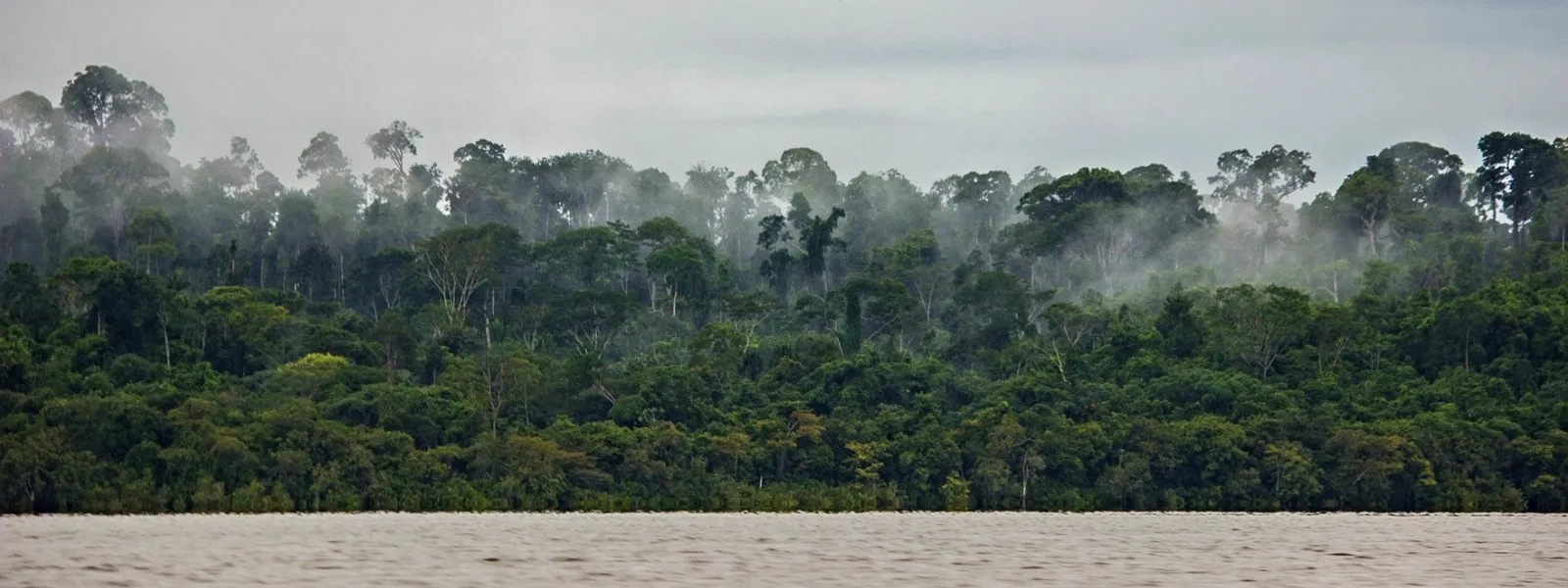
The Belo Monte Dam has caused an environmental and social disaster in the heart of the Amazon—one of the most important ecosystems on the planet.
This situation has only worsened since the hydroelectric plant began operations in 2016. The quest for justice and reparations by the affected indigenous, fishing, and riverine communities continues to this day.
In 2011, the Inter-American Commission on Human Rights (IACHR) granted them protective measures that, to date, have not been fully implemented by the Brazilian State.
Furthermore, since June of that same year, the IACHR has yet to rule on a complaint against the State regarding its international responsibility in the case.
The IACHR may refer the case to the Inter-American Court of Human Rights, which has the authority to issue a ruling condemning the Brazilian State.
After 10 years of the hydroelectric plant's operation and more than 15 years of documented human rights violations, it is time for justice to be served for the affected communities.
Read the open letter from the organizations bringing the case before the IACHR
Background
The Belo Monte hydroelectric plant—the fourth largest in the world by installed capacity (11,233 MW)—was built on the Xingu River in Pará, a state in northern Brazil.
It was inaugurated on May 5, 2016, with a single turbine. At that time, 80% of the river’s course was diverted, flooding 516 km² of land—an area larger than the city of Chicago. Of that area, 400 km² was native forest. The dam began operating at full capacity in November 2019.
Belo Monte was built and is operated by the Norte Energia S.A. consortium, which is composed primarily of state-owned companies. It was financed by the Brazilian Development Bank (BNDES), which provided the consortium with 25.4 billion reais (approximately US$10.16 billion), the largest investment in the bank’s history. Therefore, the BNDES is also legally responsible for the socio-environmental impacts associated with the hydroelectric plant.
Decades of harm to the environment and people
Human rights violations and degradation of the Amazon have been occurring since the project’s inception. In March 2011, Norte Energía began construction of the dam without adequate consultation and without the prior, free, and informed consent of the affected communities.
The construction caused the forced displacement of more than 40,000 people, severing social and cultural ties. The resettlement plan in Altamira—a city directly affected by the hydroelectric dam—involved housing units located on the outskirts, lacking adequate public services and decent living conditions for the relocated families, with no special provisions for those from indigenous communities.
Belo Monte's operations have caused a permanent, man-made drought in the Volta Grande (or "Great Bend") of the Xingu River, exacerbated by the historic droughts in the Amazon in 2023 and 2024. As a result, the deaths of millions of fish eggs were documented for four consecutive years (from 2021 to 2024), and for the past three years, there has been no upstream migration of fish to spawn and reproduce. Thus, artisanal fishing, the main source of protein for indigenous peoples and riverside communities, was severely affected: fish dropped from 50% to 30% of total protein consumed, replaced by processed foods. In summary, there was an environmental and humanitarian collapse that resulted in the breakdown of fishing as a traditional way of life, food insecurity, and access to drinking water for thousands of families, impoverishment, and disease.
Furthermore, the construction of the dam increased deforestation and intensified illegal logging and insecurity on indigenous and tribal lands, putting the survival of these communities at risk. Another consequence was the deepening of poverty and social conflicts, as well as the strain on health, education, and public safety systems in Altamira—a city ranked as the most violent in the country in 2017, where human trafficking and sexual violence increased. Violence was also reported against human rights defenders involved in the case.
In 2025, during the 30th UN Climate Change Conference (COP30), held in Brazil, the Federal Public Prosecutor’s Office labeled the damage caused by the Belo Monte dam as ecocide.
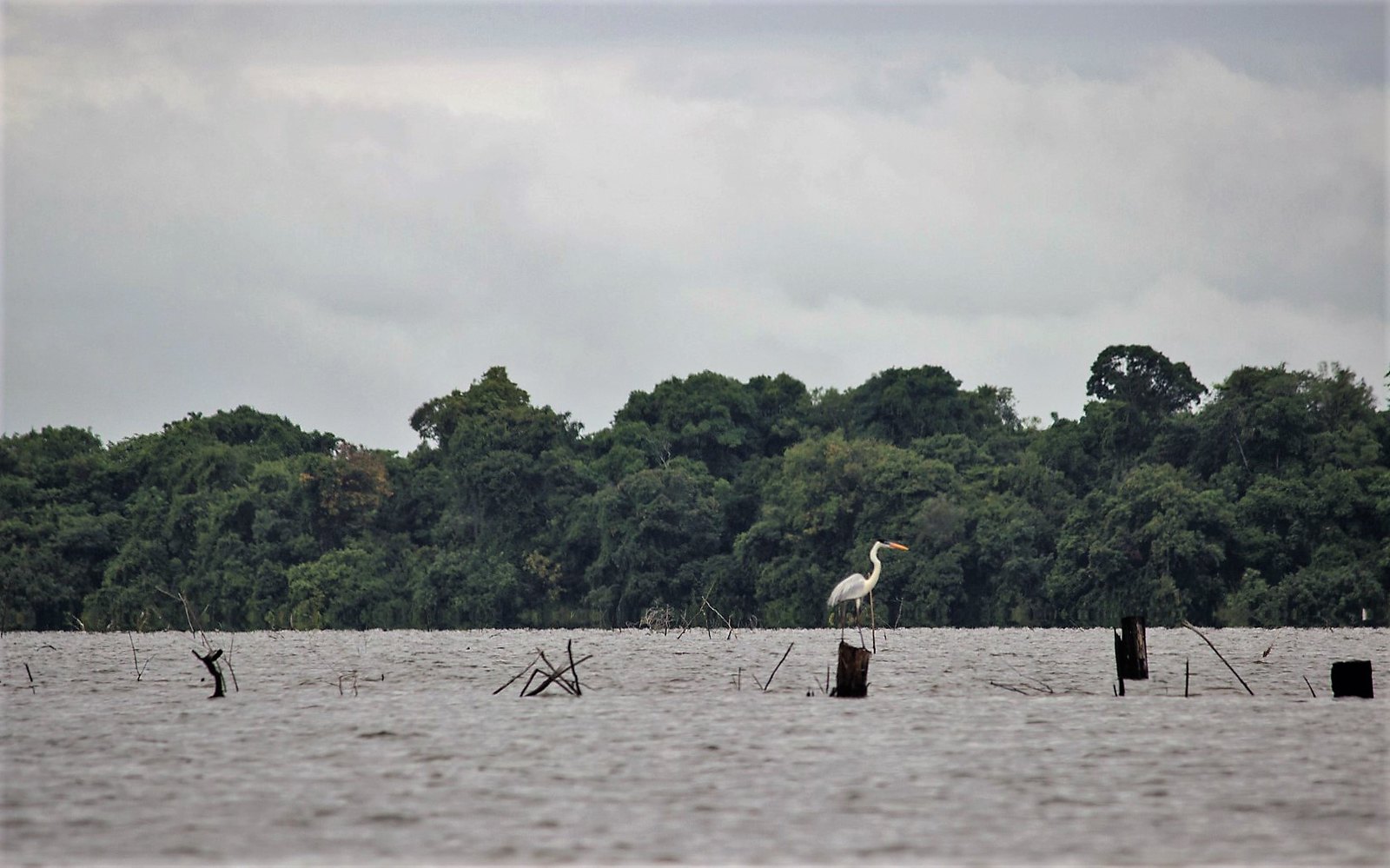
Photo: Amazon Watch / Maíra Irigaray.
The search for justice and reparations
Over the years, the Federal Public Prosecutor’s Office in Pará, the Public Defender’s Office, and civil society organizations have filed dozens of legal actions in Brazilian courts to challenge the project’s various irregularities and its impacts. Most of the claims are still pending resolution, some for more than 10 years.
These efforts have failed because the national government has repeatedly overturned rulings in favor of the affected communities by invoking a mechanism that allowed a court president to suspend a judicial decision based solely on generic arguments such as "the national interest" or "economic order."
In the absence of effective responses at the national level, AIDA, together with a coalition of partner organizations, brought the case before the Inter-American Commission on Human Rights (IACHR) and, in 2010, requested precautionary measures to protect the lives, safety, and health of the affected indigenous communities.
On April 1, 2011, the IACHR granted these measures and requested that the Brazilian government suspend environmental permits and any construction work until the conditions related to prior consultation and the protection of the health and safety of the communities are met.
And on June 16, 2011 —together with the Xingu Vivo Para Sempre Movement, the Coordinating Committee of Indigenous Organizations of the Brazilian Amazon, the Diocese of Altamira, the Indigenous Missionary Council, the Pará Society for the Defense of Human Rights and Global Justice— we filed a formal complaint against the Brazilian State for its international responsibility in the violation of the human rights of the people affected in the case. The case was opened for processing in December 2015.
On August 3, 2011, the IACHR amended the precautionary measures to request, instead of the suspension of permits and construction, the protection of people living in voluntary isolation, the health of indigenous communities, and the regularization and protection of ancestral lands.
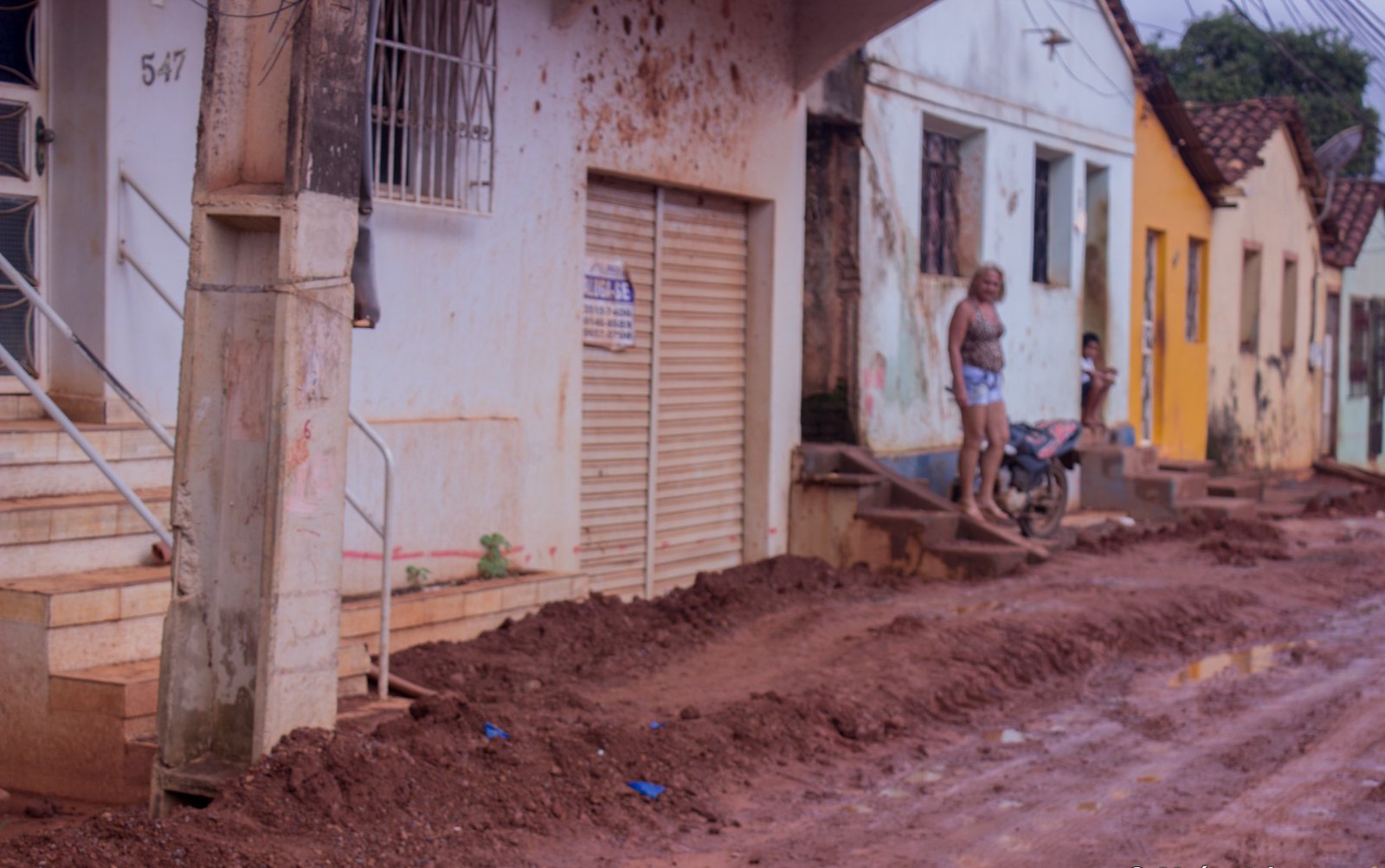
Photo: Amazon Watch / Maíra Irigaray.
Current situation
The protective measures granted by the IACHR remain in effect, but the Brazilian government has not fully complied with them, reporting only on general actions. The communities have documented the ongoing violations of their rights. The situation that prompted the request for these measures—the risk to the lives, physical integrity, and ways of life of the communities—persists and has worsened with the hydroelectric plant operating at full capacity and the recent extreme droughts in the Amazon.
In addition to the impacts of Belo Monte, there is a risk of further social and environmental impacts from the implementation of another mining megaproject in the Volta Grande do Xingu. There, the Canadian company Belo Sun plans to build Brazil’s largest open-pit gold mine.
The combined and cumulative impacts of the dam and the mine were not assessed. The government excluded Indigenous peoples, riverine and peasant communities from the project’s environmental permitting process. Despite protests by Indigenous communities and other irregularities surrounding the project, the government of Pará formally authorized the mine in April 2026.
Like other hydroelectric dams, Belo Monte exacerbates the climate emergency by generating greenhouse gas emissions in its reservoir. And it is inefficient amid the longer, more intense droughts caused by the crisis, as it loses its ability to generate power.
The case before the Inter-American Commission
In October 2017, the IACHR announced that it would rule jointly on the admissibility (whether the case meets the requirements for admission) and the merits (whether a human rights violation actually occurred) of the international complaint against the Brazilian State.
Fifteen years after the complaint was filed, the affected communities and the organizations representing them are still awaiting this decision. If the IACHR concludes that human rights violations occurred and issues recommendations that the Brazilian State fails to comply with, it may refer the case to the Inter-American Court of Human Rights, whose rulings are binding.
A potential ruling by the international court in this case would set a regional legal precedent regarding the rights of indigenous and riverine peoples, public participation in megaprojects, and state responsibility in the context of the climate crisis—a precedent that is particularly relevant in light of the Court’s Advisory Opinion No. 32, which reaffirmed the obligations of States to protect the people and communities of the continent from the climate emergency.
Partners:
Related projects
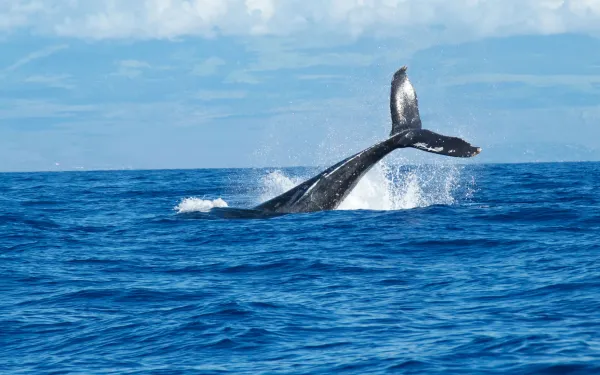
World’s first legally binding treaty to protect the high seas: Landmark UN negotiations open
New York. Treaty negotiations to conserve and protect nearly two thirds of the ocean open today at the United Nations (UN) in what is widely regarded as the greatest opportunity in a generation to turn the tide on ocean degradation and biodiversity loss. Following over a decade of discussions at the UN, the two-week Intergovernmental Conference (IGC) is the first of a series of four negotiating sessions through 2020 for a new legally-binding treaty to protect marine biodiversity in areas beyond national jurisdiction*, commonly known as the high seas. The ocean beyond 200 nautical miles (370 kilometres) from a country’s shorelines is considered international waters – “the high seas” - and is globally shared. There is no overarching law in place to safeguard its biodiversity or its vital role in provisioning services – such as generating oxygen and regulating the climate. “The high seas cover half our planet and are vital to the functioning of the whole ocean and all life on Earth. The current high seas governance system is weak, fragmented and unfit to address the threats we now face in the 21st century from climate change, illegal and overfishing, plastics pollution and habitat loss. This is an historic opportunity to protect the biodiversity and functions of the high seas through legally binding commitments” said Peggy Kalas, Coordinator of the High Seas Alliance, a partnership of 40+ non-governmental organisations and the International Union for the Conservation of Nature (IUCN). The ocean’s key role in mitigating climate change, which includes absorbing 90% of the extra heat and 26% of the excess carbon dioxide created by human sources, has had a devastating effect on the ocean itself. Managing the multitude of other anthropogenic stressors exerted on it will increase its resilience to climate change and ocean acidification and protect unique marine ecosystems, many of which are still unexplored and undiscovered. Because these are international waters, the conservation measures needed can only be put into place via a global treaty. Professor Alex Rogers of Oxford University who has provided evidence to inform the UN process towards a treaty said: “The half of our planet which is high seas is protecting terrestrial life from the worst impacts of climate change. Yet we do too little to safeguard that or to protect the life within the ocean which is intrinsic to our collective survival. Protecting the biodiversity of the high seas by bringing good governance and law to the whole ocean is the single most important thing we can do to turn the tide for the blue heart of our planet.” Through the UN, states will discuss how to protect and conserve the high seas by establishing: Marine Protected Areas (MPAs): MPAs are widely acknowledged as essential for building ocean resilience, but without a treaty there is no mechanism to enable their creation on the high seas. Environmental Impact Assessments (EIAs): Although some activities are partially regulated in some areas of the high seas, there is no legal framework for conducting EIAs to guard against potential environmental harm. Benefit sharing and technological transfer: Many countries are concerned that they will not benefit from research into high seas species and will lose out on potentially vast new ocean genetic resources, such as discoveries of marine genetic resources (MGRs) that could provide new pharmaceuticals, nutraceuticals and other uses. The negotiations will also aim at improving mechanisms to build capacity and transfer technology in developing countries relating to the high seas. Gladys Martínez, senior attorney of the Interamerican Association for Environmental Defense (AIDA)’s Marine Program, said: “We’re hopeful that this intergovernmental conference will achieve important advances toward the creation of a treaty for the conservation and sustainable use of high seas biodiversity. We’re particularly pleased to see the commitment with which Latin American nations are approaching this important negotiation.” Notes to editors: * ‘Areas beyond national jurisdiction’ means the areas of ocean outside the EEZs and continental shelves of individual states i.e. in most cases beyond 200 nautical miles offshore. It includes, as well as the high seas, the deep sea Area as defined in Part XI of the United Nations Convention on the Law of the Sea (known as UNCLOS), which is the deep seabed beyond the continental shelves of coastal States. For more information see http://highseasalliance.org The process so far: Treaty timeline Press contacts Victor Quintanilla (Mexico), [email protected], +521 5570522107 Mirella von Lindenfels (at the UN during the negotiations), + 44 7717 844 352
Read more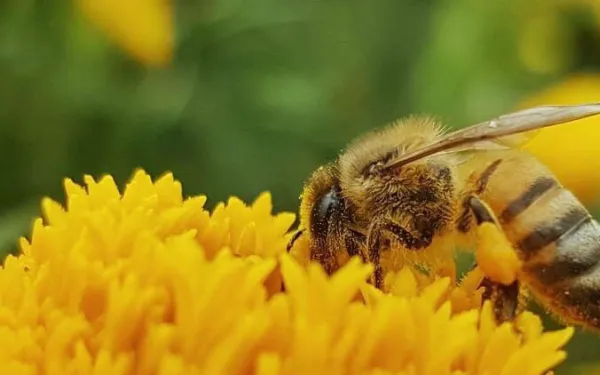
We have to talk about the bees
When I was three years old, I threw rocks at a hive until I was attacked by an enraged swarm of bees. It was one of my first memories and, despite the pain it caused me, I harbor no resentment toward bees, wasps, or bumblebees. It was my fault, my mother told me. They were just defending themselves. She taught me about their stingers, the queen bee, and the honey the produce. She told me how they feed on pollen and flower nectar, something a three-year-old can understand. With time, I learned that plants like coffee, apples, and cotton all rely on pollination by bees to reproduce. Twenty-five years ago, the bees didn’t seem to be in any danger — they were everywhere in my small town in the state of Veracruz, Mexico. Later, I moved to Mexico City, where people “reported” bees to the Civil Protection agency, and firefighters were called in to kill them. To prevent attacks, the city made life difficult for bees: in city parks, trees and flowers were sprayed with chemicals and pesticides, and water sources were dried up. That tactic has spread to agricultural fields around the world. Today, it is rare to see bees, bumblebees, or wasps flying around those spaces. The problem with pesticides The problem with bees became visible around 2006, when beekeepers and farmers in the United States reported losing 70 percent of their bee colonies during one winter season. Until that point, keepers would lose around 15 percent of their colonies during the coldest months. But the decline of bee populations wasn’t isolated that season. Various European nations also began reporting losses in the early 2000’s. According to a European Union report published in 2014, the region loses a third of its bee population every year. Unfortunately, little data exists for Latin America and efforts to monitor bee populations have only just begun. We know that beekeepers in Mexico have reported losses of between 30 and 80 percent of their colonies. Chile reportedly loses nearly half its colonies in the winter, a percentage that was previously between 15 and 20 percent. The Abejas Vivas (Living Bees) collective has recorded the disappearance of more than 10,000 hives in Colombia, and some regions of Argentina have reported the sudden death of nearly 90 percent of their hives. Why should we care? Seventy-five percent of our food production relies on pollinators—vertebrates and invertebrates alike—including bees. The UN Food and Agriculture Organization (FAO) asked countries to adopt policies and food systems that are more favorable to pollinators. “We cannot continue focusing on growing our food production with processes based on the general use of pesticides and chemical products that threaten our crops and our pollinators,” said FAO Director José Graziano da Silvo. The sudden mass death of bees—known as Colony Collapse Disorder—is caused by a number of factors: an increasingly extreme and unstable global climate, the increased use of pesticides and fungicides, parasites like the varroa destructor (a mite that attacks bee hives), and the deterioration of ecosystems that bees rely on for food. Each of these factors creates stress for the bees. According to an article in Science, “exposure to chemicals and a lack of food can endanger bees’ immune systems, making them more susceptible to parasites.” Taking steps to protect bees In April, the European Union banned three neonicotinoide insecticides, which are commonly used for producing corn, cotton, and sunflowers. These pesticides are a risk to not just honeybees, but also to wild bees, other insects, and some larger animals. Of course the ban—a decision passed down by the European Food Safety Authority—has not made pesticide companies happy, but the European Union’s objective is critical: to guarantee food production in its member nations. In the United States, despite the fact that the Environmental Protection Agency has called for the protection of pollinators, the current government reversed the ban on certain insecticides in natural protected areas, a policy enacted by the previous administration. While scientists are working to better understand Colony Collapse Disorder, bees continue to die, putting our food security at greater risk. Many studies are focused on domesticated honeybees, whose columns are the easiest to count. But there exist around 20,000 species of pollinators—including wild bees, wasps, bumblebees, other insects, and vertebrates like birds and bats. There are few studies on the impacts of pesticides, changes in soil makeup, and climate variations on wild pollinating species, but these species are also likely to be at risk. Some plants depend exclusively on certain wild pollinators—plants like orchids, cacao (chocolate), coffee, and agave (tequila). That’s why we have to talk about the bees, and the other animals that help provide us with fruits, vegetables, and grains. Losing these species endangers the livelihoods of small-scale food producers, and a drop in food production would disproportionately affect society’s most vulnerable populations. What can we do? Twenty-five years ago, my mother planted flowers and told me that they would attract bees, which would ensure there would always be more flowers. Beyond the simple but meaningful act of sowing native flowers for local pollinators, we must demand that our food production systems respect the natural environment they depend on. And finally, it’s important to note that although bee deaths are caused by a number of different factors, human activity is the one thing they all have in common.
Read more
Open letter to American States on the signing of a regional environmental treaty
Dear Presidents, On 27 September 2018, countries in Latin America and the Caribbean will have the opportunity to put in place a new instrument to protect the environment: The Regional Agreement on Access to Information, Public Participation and Access to Justice on Environmental Matters in Latin America and the Caribbean (the Escazú Agreement). Your governments can make history and become leaders in environmental protection by signing the agreement during the opening for signature ceremony which will be held in the context of the Annual General Debate of the United Nations General Assembly in New York. The Escazú Agreement is a key tool that will allow for a more participatory approach to decision-making, policymaking and projects relating to the environment and decreasing and mitigating conflicts driven by a lack of effective participation of affected communities. The Agreement delves into the human rights obligations that the countries in the region previously acquired through other international instruments with regard to the right of access to public information; participation in decision-making, including the adoption of inclusive, participatory and representative decisions at all levels; the right to a healthy environment; equal access to justice with regard to environmental rights; and the protection of human and environmental rights defenders, among others. These obligations acquired by the countries of Latin America and the Caribbean, together with the commitments made within the framework of the Sustainable Development Goals and other international agreements, reflect a commitment to environmentally friendly development that respect human rights and future generations. In addition, at the 48th General Assembly of the Organization of American States (OAS) in June this year, your governments welcomed the signing of the Escazú Agreement with the acknowledgment that the human person is the central subject of sustainable development and should be an active participant in this. You also acknowledged that the Agreement is a means to guarantee a safe environment in which individuals, groups and organizations that promote and defend human rights related to the environment can act without facing threats, restrictions, attacks or danger. Signing the Escazú Agreement is the first step required to include environmental access rights into the government agenda. It represents a historic opportunity for your governments to send a clear message to your citizens and the international community regarding your firm commitment to this global agenda for the protection of human rights associated with a healthy and sustainable environment. A global agenda that will benefit everyone in the region and around the world. We call on your governments to sign the Escazú Agreement on 27 September 2018 and submit it to the competent national bodies for its immediate ratification. Now is the time to deliver real steps for real change. Latin America and the Caribbean need you to make the promise of the Escazú Agreement a reality for millions of people in the region. We also urge your governments to adopt rapid and effective measures to implement the provisions of the Agreement.
Read more