
Project
Amazon Watch / Maíra Irigaray
The Belo Monte Dam on the Xingu River: 10 years of impacts in the Amazon and the search for reparations
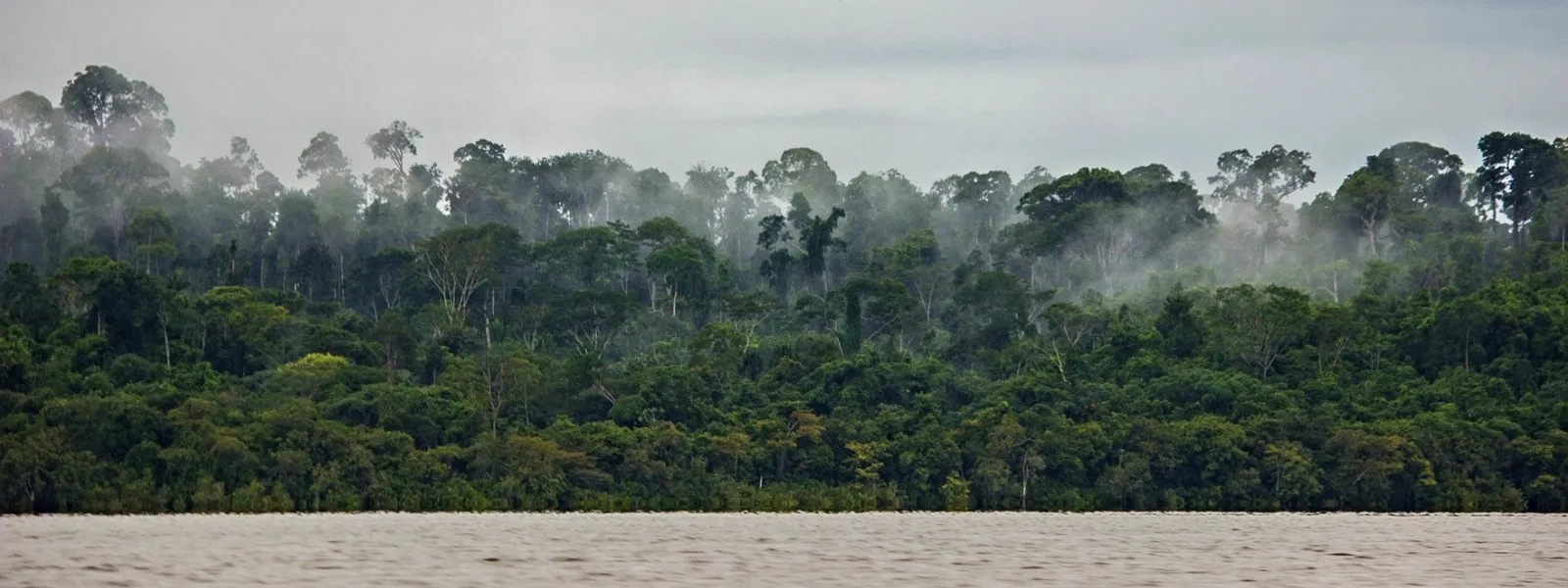
The Belo Monte Dam has caused an environmental and social disaster in the heart of the Amazon—one of the most important ecosystems on the planet.
This situation has only worsened since the hydroelectric plant began operations in 2016. The quest for justice and reparations by the affected indigenous, fishing, and riverine communities continues to this day.
In 2011, the Inter-American Commission on Human Rights (IACHR) granted them protective measures that, to date, have not been fully implemented by the Brazilian State.
Furthermore, since June of that same year, the IACHR has yet to rule on a complaint against the State regarding its international responsibility in the case.
The IACHR may refer the case to the Inter-American Court of Human Rights, which has the authority to issue a ruling condemning the Brazilian State.
After 10 years of the hydroelectric plant's operation and more than 15 years of documented human rights violations, it is time for justice to be served for the affected communities.
Read the open letter from the organizations bringing the case before the IACHR
Background
The Belo Monte hydroelectric plant—the fourth largest in the world by installed capacity (11,233 MW)—was built on the Xingu River in Pará, a state in northern Brazil.
It was inaugurated on May 5, 2016, with a single turbine. At that time, 80% of the river’s course was diverted, flooding 516 km² of land—an area larger than the city of Chicago. Of that area, 400 km² was native forest. The dam began operating at full capacity in November 2019.
Belo Monte was built and is operated by the Norte Energia S.A. consortium, which is composed primarily of state-owned companies. It was financed by the Brazilian Development Bank (BNDES), which provided the consortium with 25.4 billion reais (approximately US$10.16 billion), the largest investment in the bank’s history. Therefore, the BNDES is also legally responsible for the socio-environmental impacts associated with the hydroelectric plant.
Decades of harm to the environment and people
Human rights violations and degradation of the Amazon have been occurring since the project’s inception. In March 2011, Norte Energía began construction of the dam without adequate consultation and without the prior, free, and informed consent of the affected communities.
The construction caused the forced displacement of more than 40,000 people, severing social and cultural ties. The resettlement plan in Altamira—a city directly affected by the hydroelectric dam—involved housing units located on the outskirts, lacking adequate public services and decent living conditions for the relocated families, with no special provisions for those from indigenous communities.
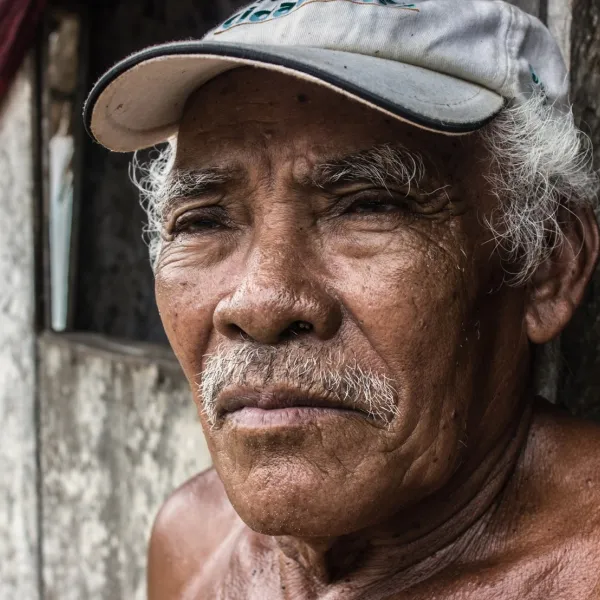
Belo Monte's operations have caused a permanent, man-made drought in the Volta Grande (or "Great Bend") of the Xingu River, exacerbated by the historic droughts in the Amazon in 2023 and 2024. As a result, the deaths of millions of fish eggs were documented for four consecutive years (from 2021 to 2024), and for the past three years, there has been no upstream migration of fish to spawn and reproduce. Thus, artisanal fishing, the main source of protein for indigenous peoples and riverside communities, was severely affected: fish dropped from 50% to 30% of total protein consumed, replaced by processed foods. In summary, there was an environmental and humanitarian collapse that resulted in the breakdown of fishing as a traditional way of life, food insecurity, and access to drinking water for thousands of families, impoverishment, and disease.
Furthermore, the construction of the dam increased deforestation and intensified illegal logging and insecurity on indigenous and tribal lands, putting the survival of these communities at risk. Another consequence was the deepening of poverty and social conflicts, as well as the strain on health, education, and public safety systems in Altamira—a city ranked as the most violent in the country in 2017, where human trafficking and sexual violence increased. Violence was also reported against human rights defenders involved in the case.
In 2025, during the 30th UN Climate Change Conference (COP30), held in Brazil, the Federal Public Prosecutor’s Office labeled the damage caused by the Belo Monte dam as ecocide.
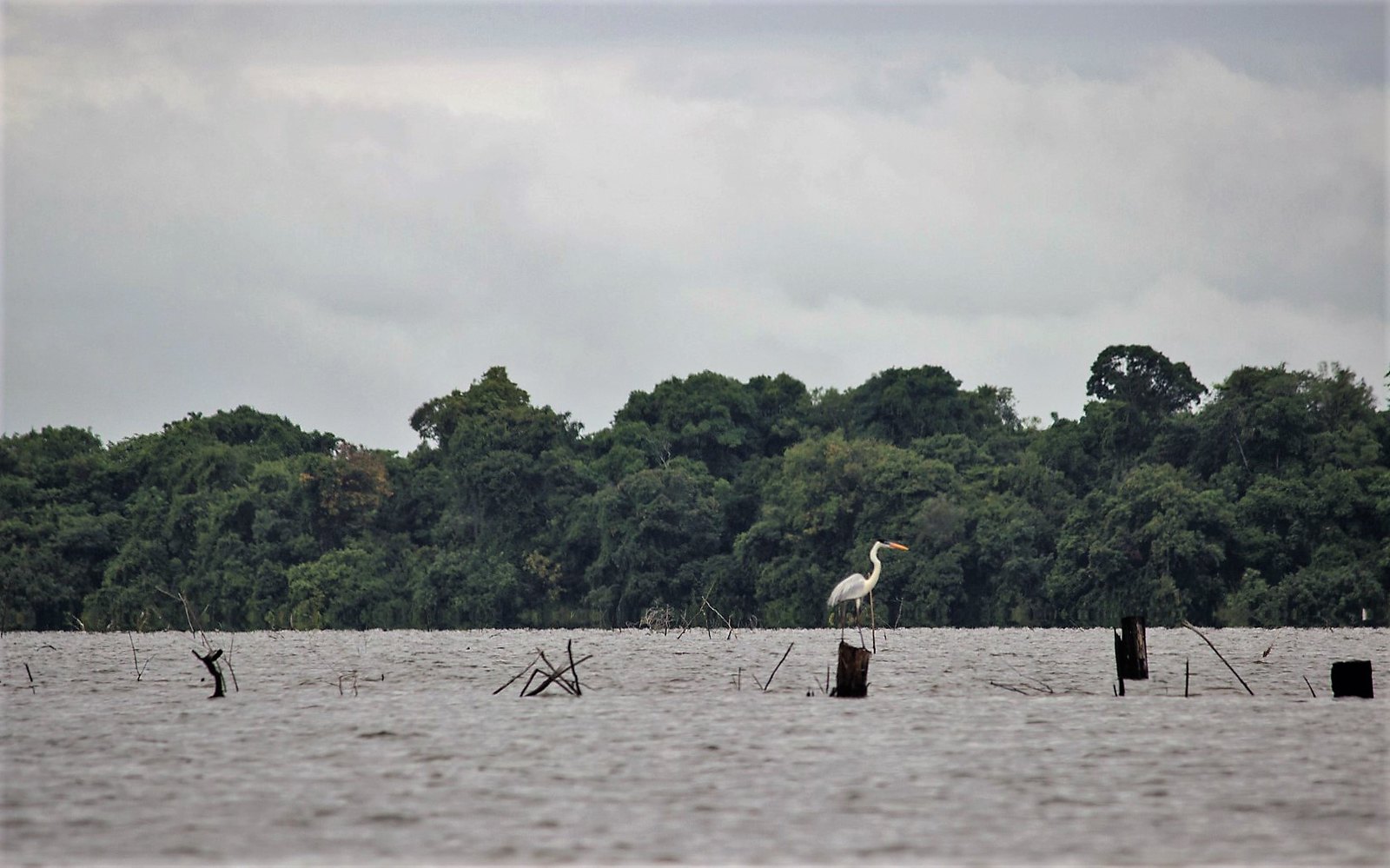
Photo: Amazon Watch / Maíra Irigaray.
The search for justice and reparations
Over the years, the Federal Public Prosecutor’s Office in Pará, the Public Defender’s Office, and civil society organizations have filed dozens of legal actions in Brazilian courts to challenge the project’s various irregularities and its impacts. Most of the claims are still pending resolution, some for more than 10 years.
These efforts have failed because the national government has repeatedly overturned rulings in favor of the affected communities by invoking a mechanism that allowed a court president to suspend a judicial decision based solely on generic arguments such as "the national interest" or "economic order."
In the absence of effective responses at the national level, AIDA, together with a coalition of partner organizations, brought the case before the Inter-American Commission on Human Rights (IACHR) and, in 2010, requested precautionary measures to protect the lives, safety, and health of the affected indigenous communities.
On April 1, 2011, the IACHR granted these measures and requested that the Brazilian government suspend environmental permits and any construction work until the conditions related to prior consultation and the protection of the health and safety of the communities are met.
And on June 16, 2011 —together with the Xingu Vivo Para Sempre Movement, the Coordinating Committee of Indigenous Organizations of the Brazilian Amazon, the Diocese of Altamira, the Indigenous Missionary Council, the Pará Society for the Defense of Human Rights and Global Justice— we filed a formal complaint against the Brazilian State for its international responsibility in the violation of the human rights of the people affected in the case. The case was opened for processing in December 2015.
On August 3, 2011, the IACHR amended the precautionary measures to request, instead of the suspension of permits and construction, the protection of people living in voluntary isolation, the health of indigenous communities, and the regularization and protection of ancestral lands.
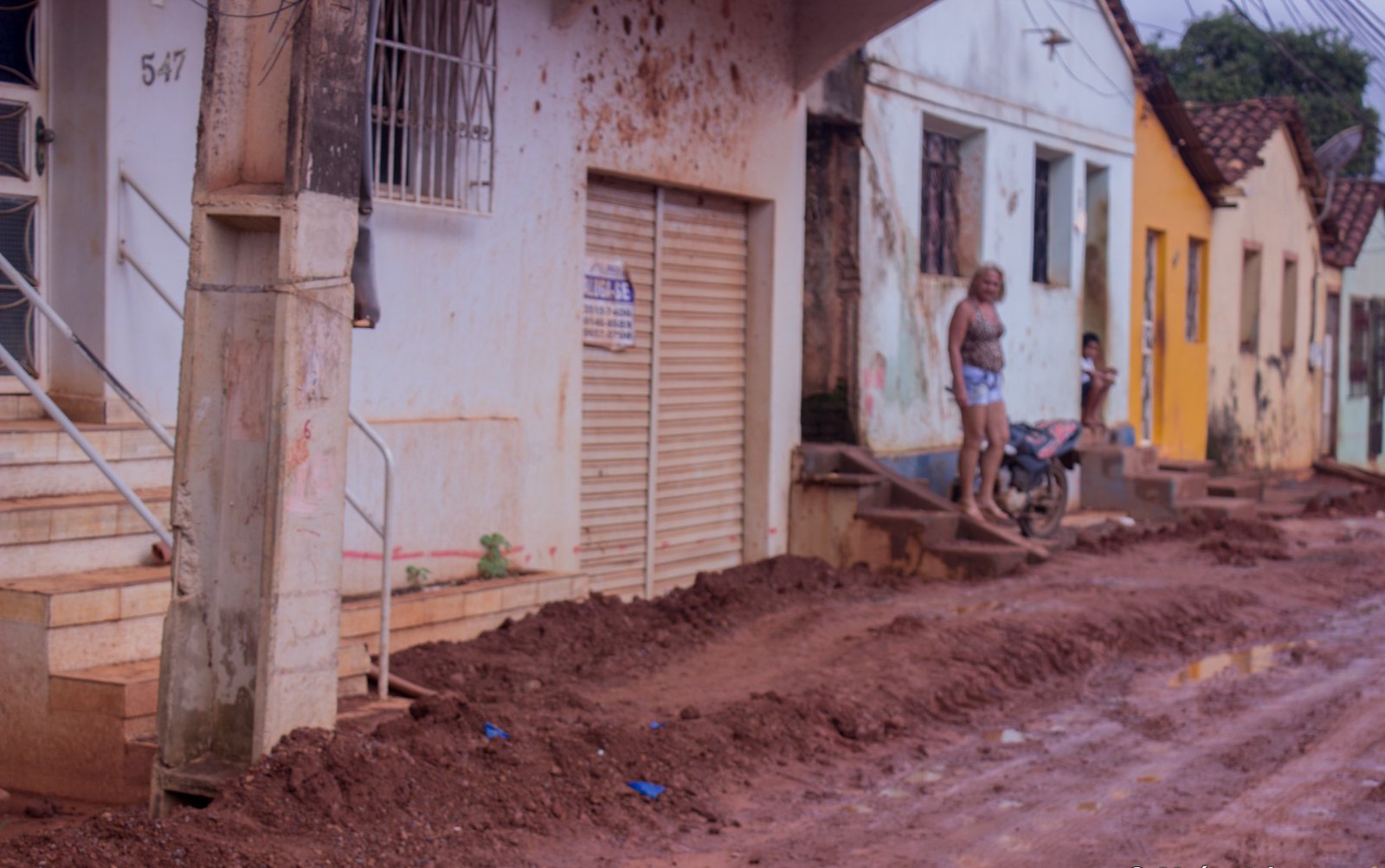
Photo: Amazon Watch / Maíra Irigaray.
Current situation
The protective measures granted by the IACHR remain in effect, but the Brazilian government has not fully complied with them, reporting only on general actions. The communities have documented the ongoing violations of their rights. The situation that prompted the request for these measures—the risk to the lives, physical integrity, and ways of life of the communities—persists and has worsened with the hydroelectric plant operating at full capacity and the recent extreme droughts in the Amazon.
In addition to the impacts of Belo Monte, there is a risk of further social and environmental impacts from the implementation of another mining megaproject in the Volta Grande do Xingu. There, the Canadian company Belo Sun plans to build Brazil’s largest open-pit gold mine.
The combined and cumulative impacts of the dam and the mine were not assessed. The government excluded Indigenous peoples, riverine and peasant communities from the project’s environmental permitting process. Despite protests by Indigenous communities and other irregularities surrounding the project, the government of Pará formally authorized the mine in April 2026.
Like other hydroelectric dams, Belo Monte exacerbates the climate emergency by generating greenhouse gas emissions in its reservoir. And it is inefficient amid the longer, more intense droughts caused by the crisis, as it loses its ability to generate power.
The case before the Inter-American Commission
In October 2017, the IACHR announced that it would rule jointly on the admissibility (whether the case meets the requirements for admission) and the merits (whether a human rights violation actually occurred) of the international complaint against the Brazilian State.
Fifteen years after the complaint was filed, the affected communities and the organizations representing them are still awaiting this decision. If the IACHR concludes that human rights violations occurred and issues recommendations that the Brazilian State fails to comply with, it may refer the case to the Inter-American Court of Human Rights, whose rulings are binding.
A potential ruling by the international court in this case would set a regional legal precedent regarding the rights of indigenous and riverine peoples, public participation in megaprojects, and state responsibility in the context of the climate crisis—a precedent that is particularly relevant in light of the Court’s Advisory Opinion No. 32, which reaffirmed the obligations of States to protect the people and communities of the continent from the climate emergency.
Partners:
Related projects
Open Letter to States and Development Financiers
On the anniversaries of the United Nations Declaration on the Right to Development (December 4th), the Declaration on Human Rights Defenders (December 9th), and the Universal Declaration of Human Rights (December 10th), civil society groups around the world are drawing attention to the unique threats faced by human rights defenders in the context of megaprojects and other development interventions. Human rights defenders are a critical force for the protection of human rights and integral to the achievement of sustainable development. They are vital to protecting the land and the environment, securing just and safe conditions of work, combating corruption, respecting traditional cultures, and holding governments accountable. Yet those who voice their opinions or seek to shape development and investments are routinely stigmatized as “anti-development,” and subjected to judicial harassment, threats, and violent attacks. Since the adoption of the Declaration on Human Rights Defenders 20 years ago, an estimated 3,500 human rights defenders have been killed because of their peaceful work defending the rights of others. In 2017 alone, at least 312 human rights defenders were murdered, 67 percent of whom were working in defense of land and territory in the context of large investments, extractive industries and big business. Today, the same governments who adopted these important human rights instruments may actually be undermining those efforts through the actions of their national development banks or bilateral and multilateral development cooperation. Where development interventions ignore human rights, or are imposed upon communities without their consent or participation, they often fail to deliver development or alleviate poverty, and instead end up contributing to rights abuses and putting defenders at risk. That is why the Defenders in Development Campaign is calling on development banks, States, and other development actors to honor these human rights anniversaries by highlighting the important role that defenders play in sustainable development and making a public commitment to: Ensure that development interventions support the realization of human rights and avoid abuses, Promote an enabling environment for public participation within development processes, and Take necessary measures to safeguard defenders in the context of development activities. Read the Open Letter signed by over 200 groups Find more information here
Read more
The first time fracking was discussed before the Inter-American Commission
We heard the news at an exceptional moment. The Latin American Alliance on Fracking had organized a conference; activists, lawyers, NGOs, community organizers, and scientists from seven Latin American countries were meeting face to face in Colombia to work against hydraulic fracturing in the region. It was there we learned that the Inter-American Commission on Human Rights had accepted our request for a hearing. We erupted in collective joy! Not only would we have a new audience, but also fracking would be discussed for the first time before the Commission. Immediately, we channeled our excitement into hard work. We had just 20 days to prepare a 20-minute case that would summarize every negative impact fracking has had in the Americas. We worked day and night to prepare our case for the October 3 hearing in Boulder, Colorado. It was so little time that Gabriel Cherqui, spokesperson for Mapuche communities affected by the Vaca Muerta mega-project in Neuquén, Argentina, couldn’t obtain a visa in time to travel to the United States. Years of work, converted into minutes Perhaps the most difficult aspect of preparing our case was summarizing thousands of documents and stories into such a short amount of time. It had taken years to systematize our specialized research on fracking in the region and to have our case before the Commission—requested with more than 120 supporting signatures—accepted. Another challenge was to demonstrate the solid connection between fracking and human rights violations, an argument we knew the Commission would be interested in addressing, given the scale and complexity of the problem. So we developed a strategy: Roberto Ochandio, a geographer and former petroleum engineer, presented the technical details necessary to understand how fracking works; AIDA attorney Liliana Ávila explained how the technique has violated the rights to a healthy environment, to life, health, and the informed consent of the affected communities; Alejandra Jiménez from the Mexican Alliance Against Fracking presented case studies from Mexico, where communities’ access to water had been compromised by fracking operations; Santiago Cané, from Argentina’s Environmental and Natural Resources Foundation (FARN), exposed the pollution, direct harms, lack of consultation with, and persecution of the communities of Neuquén; and Doris Estela Gutiérrez, president of the Corporation for the Defense of Water, Territory, and Ecosystems (CORDATEC), spoke about the promotion of public consultations in Colombia, as well as the criminalization of and threats to environmental defenders in the country. We emphasized that betting on hydrocarbons and promoting fracking undermines the fight against climate change, since fracking emits methane and other greenhouse gases that accelerate global warming. It was a challenge, to be sure. But we wanted to ensure everyone’s voice was heard. To listen, and learn: a window of hope Based on the response of the Commissioners, it was clear that our case had opened a window of hope. The multifaceted character of fracking—including aspects of development, pollution, climate change and human rights—had captured their interest. Not only was this the first time that fracking had been discussed before of the Commission, it’s worth noting that five speakers had summarized the concerns of more than 120 petitioners, all of whom shared one common cause. What came next was a dialogue in which we responded to the Commissioners’ questions about the technique, their concerns about development in the region, water quality, harms to public health, and concerns about fracking moving nations further away from their climate goals. We requested that the Commission urge States to: adopt measures to avoid human rights violations caused by fracking; generate public, truthful and impartial information based on scientific evidence; and protect human rights protections in cases where the technique is advancing blindly. Going forward, we asked that the Commission follow up on the issue, particularly on the negative impacts fracking has on economic, social and cultural rights; on the lives of women, children and adolescents; and on the lives and territories of indigenous peoples. We requested that the Commission follow up on the attacks against human rights defenders and seek protective measures for those at risk. Of course, questions remain, and at the Alliance we’ve identified many more concerns for the region. But this moment has strengthened us. The hearing set regional precedents and made use of the arguments of Advisory Opinion 23, which the Inter-American Court of Human Rights issued on human rights and the environment. It is clear that this moment was a small, but vital, step forward, and that there are ears willing to listen. For our part, we will continue doing everything in our power—making use of all available international legal tools—to protect the communities of the Americas that are and could be affected by fracking.
Read more
Behind the Dams: BNDES Investments in Belo Monte and Hidroituango
To change, one must understand. To understand, discuss. And to discuss, we present this report. In it, we analyze the application of existing international standards for hydroelectric plants through the lens of two of the most significant investments in the history of the BNDES: Hidroituango and Belo Monte. The analysis reveals evidence and offers conclusions and recommendations to the Bank, as well as to the organizations and communities involved. They are concrete elements to help improve the future performance of the financial institution. We hope that these contributions strengthen the dialogue with the BNDES, and facilitate the identification of options toward greater compliance with the values the bank has adopted, particularly those of transparency and social and environmental responsibility. Read the executive summary Read the complete report in Spanish Download the Executive Summary in Spanish Read the complete report in Portuguese Read the Executive Summary in Portuguese
Read more