
Project
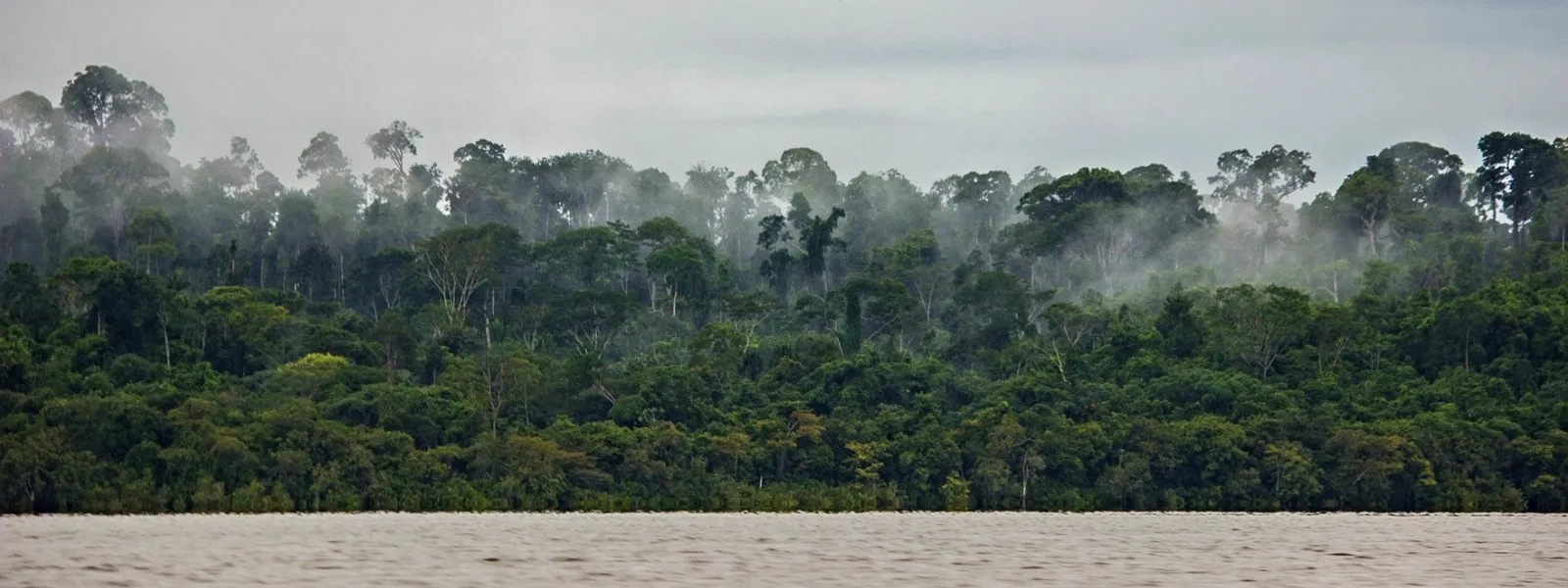
Amazon Watch / Maíra Irigaray
The Belo Monte Dam on the Xingu River: 10 years of impacts in the Amazon and the search for reparations
The Belo Monte Dam has caused an environmental and social disaster in the heart of the Amazon—one of the most important ecosystems on the planet.
This situation has only worsened since the hydroelectric plant began operations in 2016. The quest for justice and reparations by the affected indigenous, fishing, and riverine communities continues to this day.
In 2011, the Inter-American Commission on Human Rights (IACHR) granted them protective measures that, to date, have not been fully implemented by the Brazilian State.
Furthermore, since June of that same year, the IACHR has yet to rule on a complaint against the State regarding its international responsibility in the case.
The IACHR may refer the case to the Inter-American Court of Human Rights, which has the authority to issue a ruling condemning the Brazilian State.
After 10 years of the hydroelectric plant's operation and more than 15 years of documented human rights violations, it is time for justice to be served for the affected communities.
Read the open letter from the organizations bringing the case before the IACHR
Background
The Belo Monte hydroelectric plant—the fourth largest in the world by installed capacity (11,233 MW)—was built on the Xingu River in Pará, a state in northern Brazil.
It was inaugurated on May 5, 2016, with a single turbine. At that time, 80% of the river’s course was diverted, flooding 516 km² of land—an area larger than the city of Chicago. Of that area, 400 km² was native forest. The dam began operating at full capacity in November 2019.
Belo Monte was built and is operated by the Norte Energia S.A. consortium, which is composed primarily of state-owned companies. It was financed by the Brazilian Development Bank (BNDES), which provided the consortium with 25.4 billion reais (approximately US$10.16 billion), the largest investment in the bank’s history. Therefore, the BNDES is also legally responsible for the socio-environmental impacts associated with the hydroelectric plant.
Decades of harm to the environment and people
Human rights violations and degradation of the Amazon have been occurring since the project’s inception. In March 2011, Norte Energía began construction of the dam without adequate consultation and without the prior, free, and informed consent of the affected communities.
The construction caused the forced displacement of more than 40,000 people, severing social and cultural ties. The resettlement plan in Altamira—a city directly affected by the hydroelectric dam—involved housing units located on the outskirts, lacking adequate public services and decent living conditions for the relocated families, with no special provisions for those from indigenous communities.
Belo Monte's operations have caused a permanent, man-made drought in the Volta Grande (or "Great Bend") of the Xingu River, exacerbated by the historic droughts in the Amazon in 2023 and 2024. As a result, the deaths of millions of fish eggs were documented for four consecutive years (from 2021 to 2024), and for the past three years, there has been no upstream migration of fish to spawn and reproduce. Thus, artisanal fishing, the main source of protein for indigenous peoples and riverside communities, was severely affected: fish dropped from 50% to 30% of total protein consumed, replaced by processed foods. In summary, there was an environmental and humanitarian collapse that resulted in the breakdown of fishing as a traditional way of life, food insecurity, and access to drinking water for thousands of families, impoverishment, and disease.
Furthermore, the construction of the dam increased deforestation and intensified illegal logging and insecurity on indigenous and tribal lands, putting the survival of these communities at risk. Another consequence was the deepening of poverty and social conflicts, as well as the strain on health, education, and public safety systems in Altamira—a city ranked as the most violent in the country in 2017, where human trafficking and sexual violence increased. Violence was also reported against human rights defenders involved in the case.
In 2025, during the 30th UN Climate Change Conference (COP30), held in Brazil, the Federal Public Prosecutor’s Office labeled the damage caused by the Belo Monte dam as ecocide.
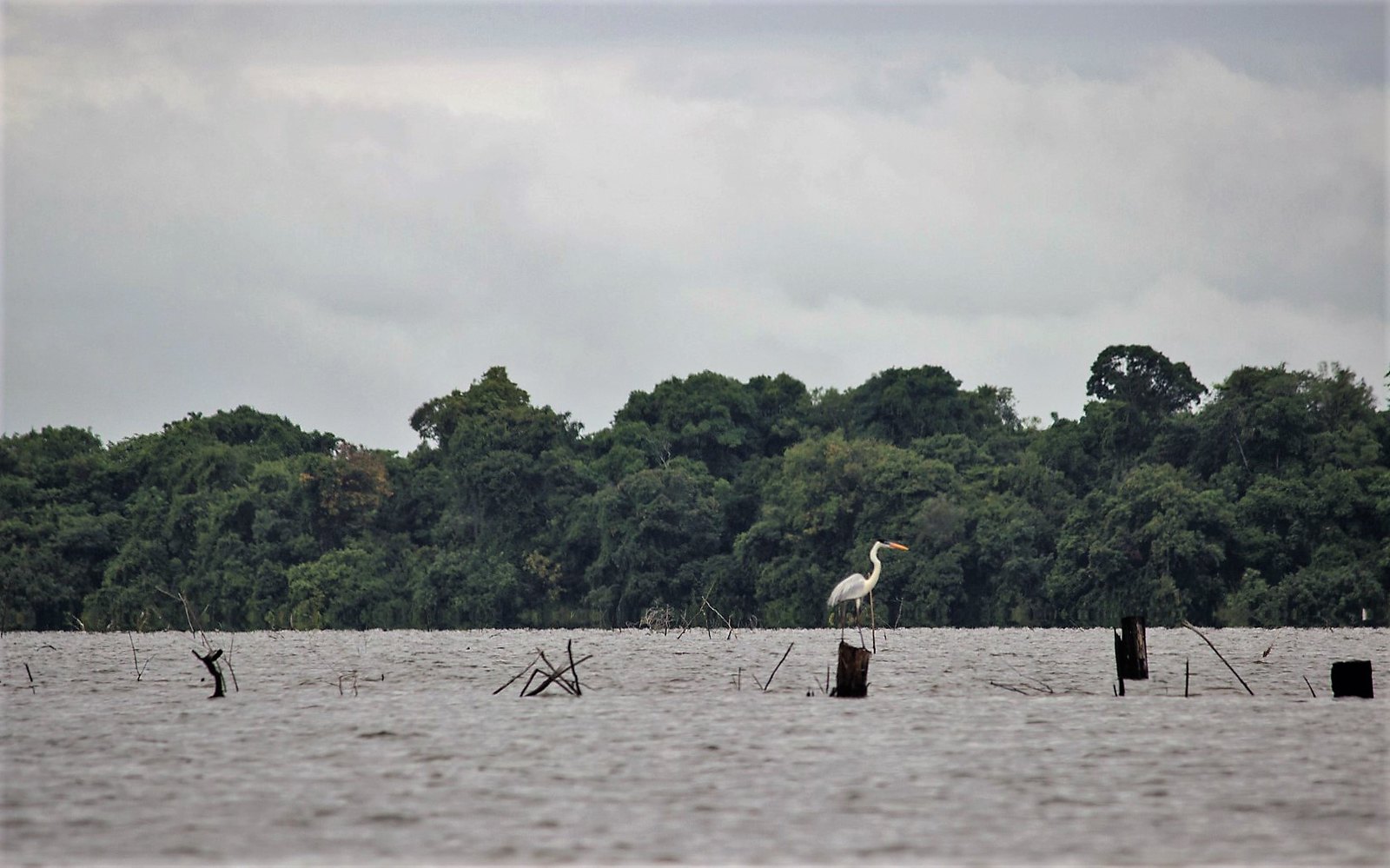
Photo: Amazon Watch / Maíra Irigaray.
The search for justice and reparations
Over the years, the Federal Public Prosecutor’s Office in Pará, the Public Defender’s Office, and civil society organizations have filed dozens of legal actions in Brazilian courts to challenge the project’s various irregularities and its impacts. Most of the claims are still pending resolution, some for more than 10 years.
These efforts have failed because the national government has repeatedly overturned rulings in favor of the affected communities by invoking a mechanism that allowed a court president to suspend a judicial decision based solely on generic arguments such as "the national interest" or "economic order."
In the absence of effective responses at the national level, AIDA, together with a coalition of partner organizations, brought the case before the Inter-American Commission on Human Rights (IACHR) and, in 2010, requested precautionary measures to protect the lives, safety, and health of the affected indigenous communities.
On April 1, 2011, the IACHR granted these measures and requested that the Brazilian government suspend environmental permits and any construction work until the conditions related to prior consultation and the protection of the health and safety of the communities are met.
And on June 16, 2011 —together with the Xingu Vivo Para Sempre Movement, the Coordinating Committee of Indigenous Organizations of the Brazilian Amazon, the Diocese of Altamira, the Indigenous Missionary Council, the Pará Society for the Defense of Human Rights and Global Justice— we filed a formal complaint against the Brazilian State for its international responsibility in the violation of the human rights of the people affected in the case. The case was opened for processing in December 2015.
On August 3, 2011, the IACHR amended the precautionary measures to request, instead of the suspension of permits and construction, the protection of people living in voluntary isolation, the health of indigenous communities, and the regularization and protection of ancestral lands.
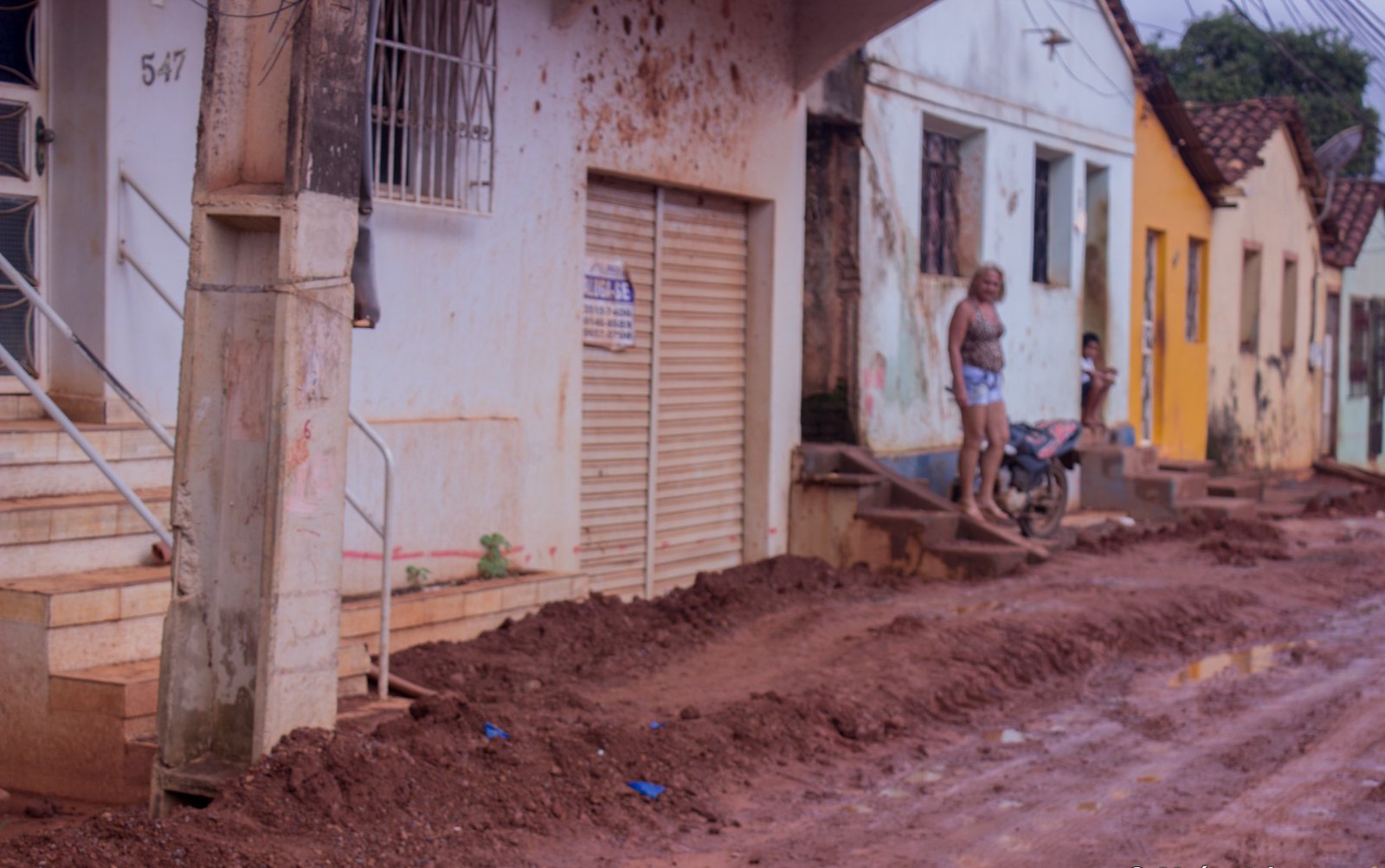
Photo: Amazon Watch / Maíra Irigaray.
Current situation
The protective measures granted by the IACHR remain in effect, but the Brazilian government has not fully complied with them, reporting only on general actions. The communities have documented the ongoing violations of their rights. The situation that prompted the request for these measures—the risk to the lives, physical integrity, and ways of life of the communities—persists and has worsened with the hydroelectric plant operating at full capacity and the recent extreme droughts in the Amazon.
In addition to the impacts of Belo Monte, there is a risk of further social and environmental impacts from the implementation of another mining megaproject in the Volta Grande do Xingu. There, the Canadian company Belo Sun plans to build Brazil’s largest open-pit gold mine.
The combined and cumulative impacts of the dam and the mine were not assessed. The government excluded Indigenous peoples, riverine and peasant communities from the project’s environmental permitting process. Despite protests by Indigenous communities and other irregularities surrounding the project, the government of Pará formally authorized the mine in April 2026.
Like other hydroelectric dams, Belo Monte exacerbates the climate emergency by generating greenhouse gas emissions in its reservoir. And it is inefficient amid the longer, more intense droughts caused by the crisis, as it loses its ability to generate power.
The case before the Inter-American Commission
In October 2017, the IACHR announced that it would rule jointly on the admissibility (whether the case meets the requirements for admission) and the merits (whether a human rights violation actually occurred) of the international complaint against the Brazilian State.
Fifteen years after the complaint was filed, the affected communities and the organizations representing them are still awaiting this decision. If the IACHR concludes that human rights violations occurred and issues recommendations that the Brazilian State fails to comply with, it may refer the case to the Inter-American Court of Human Rights, whose rulings are binding.
A potential ruling by the international court in this case would set a regional legal precedent regarding the rights of indigenous and riverine peoples, public participation in megaprojects, and state responsibility in the context of the climate crisis—a precedent that is particularly relevant in light of the Court’s Advisory Opinion No. 32, which reaffirmed the obligations of States to protect the people and communities of the continent from the climate emergency.
Partners:
Related projects
10 environmental successes from Latin America in 2018
This year was characterized by triumphs such as the creation of legal protections and the establishment of policies favorable to the environment and human rights in the region. Rarely in a single year do we see so many precedent-setting institutional advances. What follows are 10 stories we applaud from 2018: 1. For the first time, the Inter-American Court recognized a healthy environment as “fundamental” In its first time speaking on the subject, the Court concluded that a healthy environment is an autonomous right, “fundamental to the existence of humanity.” The relationship between the environment and human rights may sound obvious, but until February of this year, when the Court’s opinion was made public, there were no precedents of this magnitude recognizing the link. The opinion responds to a query made by Colombia. In it, the Court also recognizes that climate change impacts the enjoyment of human rights, especially among the most vulnerable populations. The OC-23, as it is known, established a historic precedent for the protection of human rights in the Americas and will be an important tool for environmental justice in the region. Learn more 2. Nations adopt the first regional treaty on environmental issues Over the course of the year, 16 nations have signed the Escazú Agreement. Not only is it the first treaty on environmental issues in Latin America and the Caribbean, it is also the first in the world to include provisions on human rights defenders in environmental matters. Its main objective is to guarantee the rights of access to environmental information, public participation in environmental decision-making processes, and justice in environmental matters. Learn more 3. Parrotfish receive special protection in Mexico Schools of colorful parrotfish feed on the macro algae that compete with coral for light and oxygen, helping to improve coral health. But overfishing and other factors have caused parrotfish populations to decline, placing corals at greater risk. In an effort to protect this key ally of the reefs, 10 species of parrotfish are in the process of being included in the Mexican government’s list of protected fauna. Learn more 4. Indigenous peoples recognized in climate finance Following years of work by indigenous peoples around the world, the Green Climate Fund approved an Indigenous Peoples Policy with the objective of protecting, recognizing, respecting and promoting their rights within the financing of climate projects. The decision was received with hope in a world that requires immediate actions to mitigate and adapt to climate change. This sort of policy helps to prevent climate finance from violating the rights of the most affected populations. Learn more 5. A regional plan to protect jaguars Conservation organizations teamed with 14 nations to launch Plan Jaguar 2030 with the intention of protecting corridors, or natural routes, linking populations of the largest carnivore in Latin America without natural predators. Jaguar populations extend through 18 countries, but are rapidly diminishing due to poaching, habitat fragmentation, and conflict with human activities. In El Salvador and Uruguay, they have been declared extinct. The plan provides hope for jaguar protection across borders. Learn more 6. Colombia says no to fracking pilot tests The Colombian Environmental Licensing Authority (ANLA, for its initials in Spanish) denied permission for ConocoPhillips to carry out the first hydraulic fracturing pilot tests for the extraction of hydrocarbons in San Martin and Aguachica, in the department of Cesar. ANLA argued that the information presented by the corporation was “insufficient” to understand the management and availability of water, and also questioned its environmental evaluation and contingency plan. For now, the initiative is archived. Continuing to bet on fossil fuels moves nations further away their climate goals; it is important to commit to a clean energy transition. Learn more 7. A region fight against fracking reaches the Inter-American Commission Organizations and communities from across the region joined forces to bring before the Inter-American Commission on Human Rights cases of human rights violations and threats to the environment caused by fracking. After various local struggles, this was the first time that the damages documented in nations across the Americas were presented before a regional organization. The Commissioners responded with great interest to the testimonies presented. Regarding this issue, the new government of Mexico said there will be no more fracking in the nation. Learn more 8. A treaty to protect two-thirds of the ocean Following a decade of discussions, negotiations began at the United Nations for a legally binding treaty to protect biodiversity on the high seas, those marine areas outside of national jurisdictions. Negotiations will take place until 2020. Although the high seas represent 64 percent of the total surface area of the ocean, and the ocean absorbs 90 percent of the heat caused by global warming, no overarching treaty exists to protect this ecosystem, only fragmented regulations. Learn more 9. Chile closes the Pascua Lama mine In October Chilean authorities confirmed the definitive closure of Pascua Lama, a gold mining project on the border of Chile and Argentina. Barrick Gold, the company in charge of the project, was fined for 33 violations of Chilean environment regulations. Pascua Lama caused great damage to native plants and animals. Indigenous peoples of the region—who had documented the contamination of a river and impacts on glaciers, an important water source—celebrated the decision. Activists are now seeking to stop the project on the Argentina side of the border. Learn more 10. Argentina’s creation of National Parks breaks record Just before the end of the year, Argentina announced the creation of two marine protected areas: Yanganes, south of Tierra del Fuego, and Namuncurá-Burdwood Bank II, in the south Atlantic. Both are important sites for the breeding and spawning of fish with high commercial value. With this pair, the country added six natural areas declared as national parks in 2018 alone, a truly historic effort. The other parks include: Traslasierra, Aconquija, Ciervo de los Pantanos and Iguerá. Argentina has proposed the protection of 10 percent of its seas by 2020. Learn more
Read more
Why we’re working for climate justice in Latin America
“The world has many problems, but to me none seem as ubiquitous or as dangerous as climate change,” says AIDA attorney Florencia Ortúzar. “It really is the great challenge of our generation.” At AIDA we understand the magnitude of the problem. That’s why we incorporate climate justice as a key concept in all our lines of work. It’s why we advocate for sustainable development that respects the environment and the rights of vulnerable communities and, at the same time, why we work to stop climate-aggravating activities. “What motivates me to fight climate change is my awareness of the huge problem we’re facing, and my steadfast determination—I know we can’t give up,” Florencia says. She shares that motivation with AIDA’s entire team of attorneys, scientists, communicators, fundraisers and administrators. When she was a child, Florencia received a very special gift from her father: a badge that said “world saver.” That very day, on a beach in her native Chile, Florencia hooked the badge to her clothes and began picking up trash, cleaning the beach. That small gift jumpstarted her life’s mission. Florencia went on to study law, with the goal of working for the protection of forests, rivers, animals, and all the elements of the natural world. “Luck was with me when I found AIDA, the organization that has trained me and has enabled me to make my contribution to a better world,” she says. Florencia is part of AIDA’s Climate Change program. Our objective is to help Latin America—one of the regions most vulnerable to the climate crisis—be a leader in the type of changes required on a global level to avoid catastrophe. In partnership with allied organizations and hand-in-hand with communities, we work to stop the blind advance of fracking and large dams, mega-projects which imply significant emissions of methane, a greenhouse gas 34 times more powerful than carbon dioxide. We also work to raise awareness and educate public policy makers on the importance of controlling short-lived climate pollutants. We seek to protect terrestrial and marine ecosystems that capture carbon emissions—such as coral reefs, mangroves, wetlands and páramos—which, in turn, helps to mitigate climate change. We monitor international climate negotiations, advocate for Latin American nations to have the necessary economic resources to deal with climate change, and work to ensure that climate finance respects human rights. “Although many of the effects of climate change are inevitable, and may already be occurring, the efforts we make to stop the problem and to adapt to it will help future generations, who had nothing to do with causing the problem,” Florencia explains. She shares her message wherever she goes, encouraging others to join the fight. “I refuse to be part of the last generation to enjoy the natural wonders of our planet.”
Read moreWhy we’re working for climate justice in Latin America
“The world has many problems, but to me none seem as ubiquitous or as dangerous as climate change,” says AIDA attorney Florencia Ortúzar. “It really is the great challenge of our generation.” At AIDA we understand the magnitude of the problem. That’s why we incorporate climate justice as a key concept in all our lines of work. It’s why we advocate for sustainable development that respects the environment and the rights of vulnerable communities and, at the same time, why we work to stop climate-aggravating activities. “What motivates me to fight climate change is my awareness of the huge problem we’re facing, and my steadfast determination—I know we can’t give up,” Florencia says. She shares that motivation with AIDA’s entire team of attorneys, scientists, communicators, fundraisers and administrators. When she was a child, Florencia received a very special gift from her father: a badge that said “world saver.” That very day, on a beach in her native Chile, Florencia hooked the badge to her clothes and began picking up trash, cleaning the beach. That small gift jumpstarted her life’s mission. Florencia went on to study law, with the goal of working for the protection of forests, rivers, animals, and all the elements of the natural world. “Luck was with me when I found AIDA, the organization that has trained me and has enabled me to make my contribution to a better world,” she says. Florencia is part of AIDA’s Climate Change program. Our objective is to help Latin America—one of the regions most vulnerable to the climate crisis—be a leader in the type of changes required on a global level to avoid catastrophe. In partnership with allied organizations and hand-in-hand with communities, we work to stop the blind advance of fracking and large dams, mega-projects which imply significant emissions of methane, a greenhouse gas 34 times more powerful than carbon dioxide. We also work to raise awareness and educate public policy makers on the importance of controlling short-lived climate pollutants. We seek to protect terrestrial and marine ecosystems that capture carbon emissions—such as coral reefs, mangroves, wetlands and páramos—which, in turn, helps to mitigate climate change. We monitor international climate negotiations, advocate for Latin American nations to have the necessary economic resources to deal with climate change, and work to ensure that climate finance respects human rights. “Although many of the effects of climate change are inevitable, and may already be occurring, the efforts we make to stop the problem and to adapt to it will help future generations, who had nothing to do with causing the problem,” Florencia explains. She shares her message wherever she goes, encouraging others to join the fight. “I refuse to be part of the last generation to enjoy the natural wonders of our planet.”
Read more