
Project
Amazon Watch / Maíra Irigaray
The Belo Monte Dam on the Xingu River: 10 years of impacts in the Amazon and the search for reparations
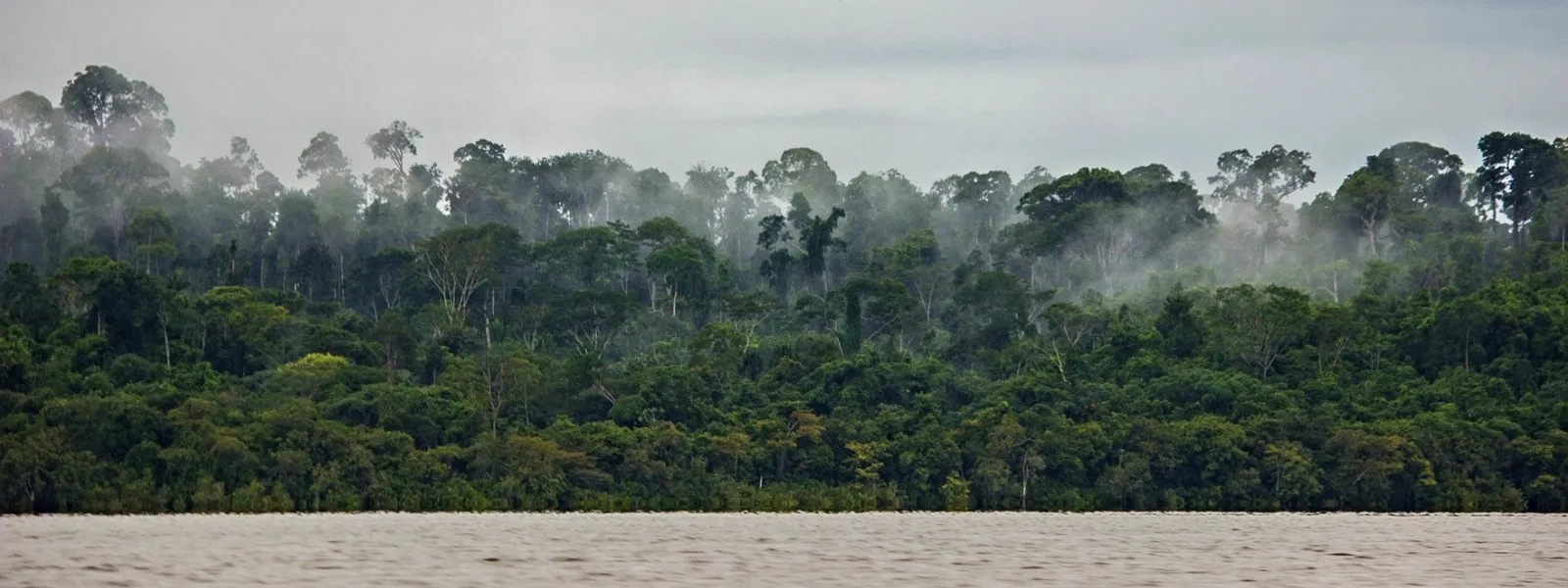
The Belo Monte Dam has caused an environmental and social disaster in the heart of the Amazon—one of the most important ecosystems on the planet.
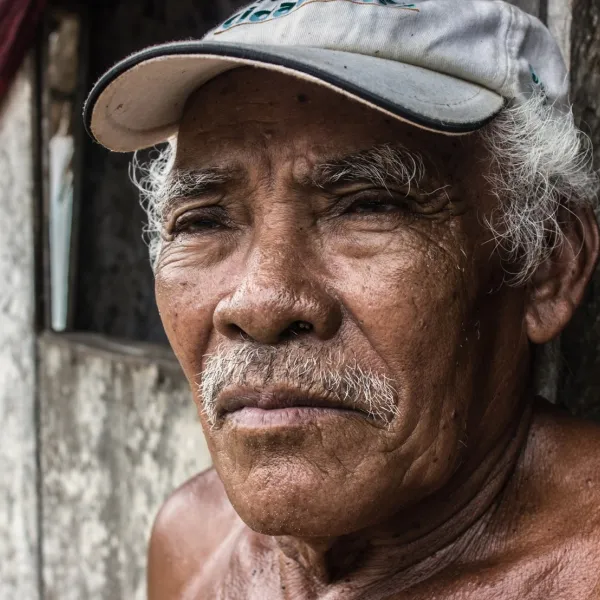
This situation has only worsened since the hydroelectric plant began operations in 2016. The quest for justice and reparations by the affected indigenous, fishing, and riverine communities continues to this day.
In 2011, the Inter-American Commission on Human Rights (IACHR) granted them protective measures that, to date, have not been fully implemented by the Brazilian State.
Furthermore, since June of that same year, the IACHR has yet to rule on a complaint against the State regarding its international responsibility in the case.
The IACHR may refer the case to the Inter-American Court of Human Rights, which has the authority to issue a ruling condemning the Brazilian State.
After 10 years of the hydroelectric plant's operation and more than 15 years of documented human rights violations, it is time for justice to be served for the affected communities.
Read the open letter from the organizations bringing the case before the IACHR
Background
The Belo Monte hydroelectric plant—the fourth largest in the world by installed capacity (11,233 MW)—was built on the Xingu River in Pará, a state in northern Brazil.
It was inaugurated on May 5, 2016, with a single turbine. At that time, 80% of the river’s course was diverted, flooding 516 km² of land—an area larger than the city of Chicago. Of that area, 400 km² was native forest. The dam began operating at full capacity in November 2019.
Belo Monte was built and is operated by the Norte Energia S.A. consortium, which is composed primarily of state-owned companies. It was financed by the Brazilian Development Bank (BNDES), which provided the consortium with 25.4 billion reais (approximately US$10.16 billion), the largest investment in the bank’s history. Therefore, the BNDES is also legally responsible for the socio-environmental impacts associated with the hydroelectric plant.
Decades of harm to the environment and people
Human rights violations and degradation of the Amazon have been occurring since the project’s inception. In March 2011, Norte Energía began construction of the dam without adequate consultation and without the prior, free, and informed consent of the affected communities.
The construction caused the forced displacement of more than 40,000 people, severing social and cultural ties. The resettlement plan in Altamira—a city directly affected by the hydroelectric dam—involved housing units located on the outskirts, lacking adequate public services and decent living conditions for the relocated families, with no special provisions for those from indigenous communities.
Belo Monte's operations have caused a permanent, man-made drought in the Volta Grande (or "Great Bend") of the Xingu River, exacerbated by the historic droughts in the Amazon in 2023 and 2024. As a result, the deaths of millions of fish eggs were documented for four consecutive years (from 2021 to 2024), and for the past three years, there has been no upstream migration of fish to spawn and reproduce. Thus, artisanal fishing, the main source of protein for indigenous peoples and riverside communities, was severely affected: fish dropped from 50% to 30% of total protein consumed, replaced by processed foods. In summary, there was an environmental and humanitarian collapse that resulted in the breakdown of fishing as a traditional way of life, food insecurity, and access to drinking water for thousands of families, impoverishment, and disease.
Furthermore, the construction of the dam increased deforestation and intensified illegal logging and insecurity on indigenous and tribal lands, putting the survival of these communities at risk. Another consequence was the deepening of poverty and social conflicts, as well as the strain on health, education, and public safety systems in Altamira—a city ranked as the most violent in the country in 2017, where human trafficking and sexual violence increased. Violence was also reported against human rights defenders involved in the case.
In 2025, during the 30th UN Climate Change Conference (COP30), held in Brazil, the Federal Public Prosecutor’s Office labeled the damage caused by the Belo Monte dam as ecocide.
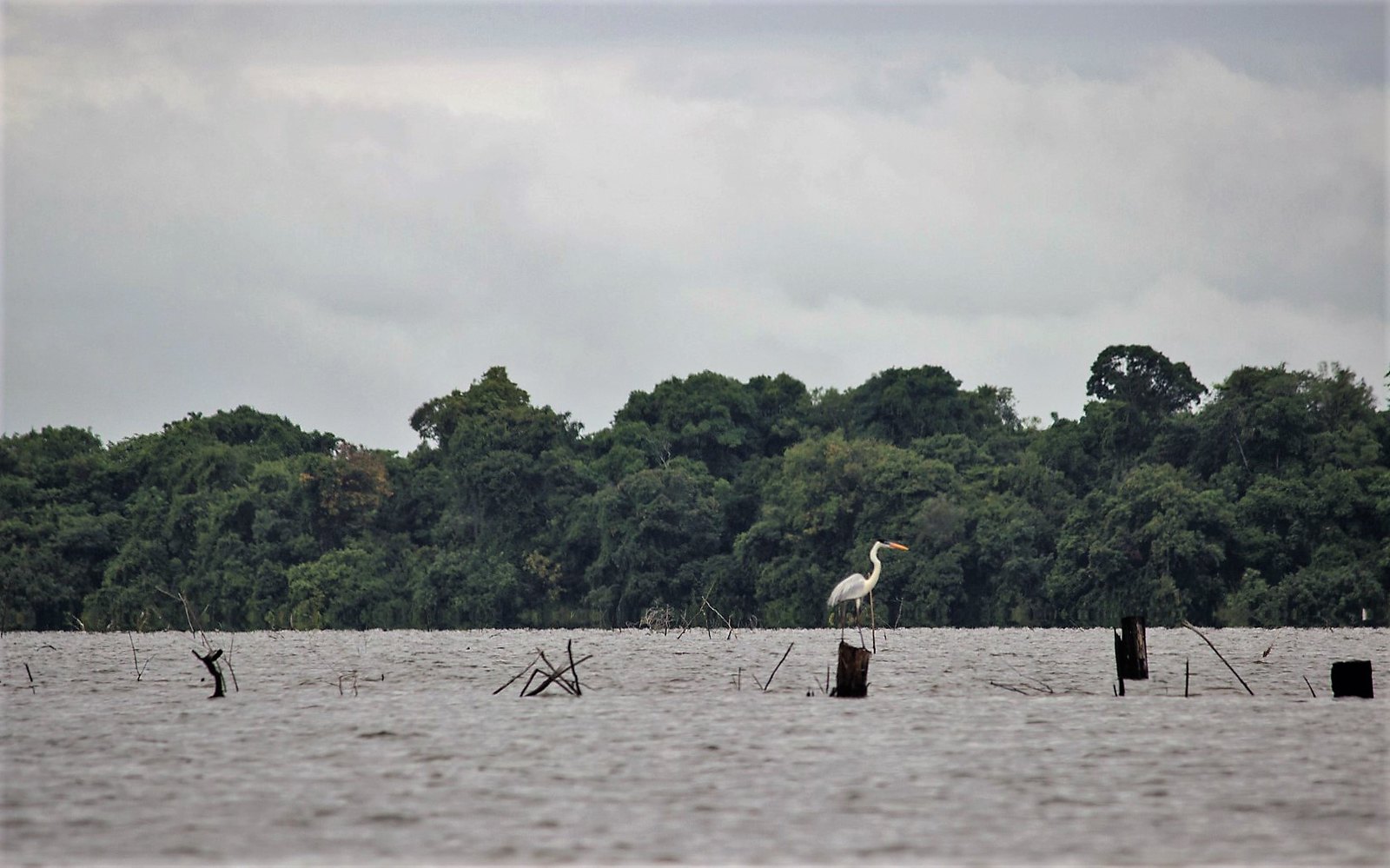
Photo: Amazon Watch / Maíra Irigaray.
The search for justice and reparations
Over the years, the Federal Public Prosecutor’s Office in Pará, the Public Defender’s Office, and civil society organizations have filed dozens of legal actions in Brazilian courts to challenge the project’s various irregularities and its impacts. Most of the claims are still pending resolution, some for more than 10 years.
These efforts have failed because the national government has repeatedly overturned rulings in favor of the affected communities by invoking a mechanism that allowed a court president to suspend a judicial decision based solely on generic arguments such as "the national interest" or "economic order."
In the absence of effective responses at the national level, AIDA, together with a coalition of partner organizations, brought the case before the Inter-American Commission on Human Rights (IACHR) and, in 2010, requested precautionary measures to protect the lives, safety, and health of the affected indigenous communities.
On April 1, 2011, the IACHR granted these measures and requested that the Brazilian government suspend environmental permits and any construction work until the conditions related to prior consultation and the protection of the health and safety of the communities are met.
And on June 16, 2011 —together with the Xingu Vivo Para Sempre Movement, the Coordinating Committee of Indigenous Organizations of the Brazilian Amazon, the Diocese of Altamira, the Indigenous Missionary Council, the Pará Society for the Defense of Human Rights and Global Justice— we filed a formal complaint against the Brazilian State for its international responsibility in the violation of the human rights of the people affected in the case. The case was opened for processing in December 2015.
On August 3, 2011, the IACHR amended the precautionary measures to request, instead of the suspension of permits and construction, the protection of people living in voluntary isolation, the health of indigenous communities, and the regularization and protection of ancestral lands.
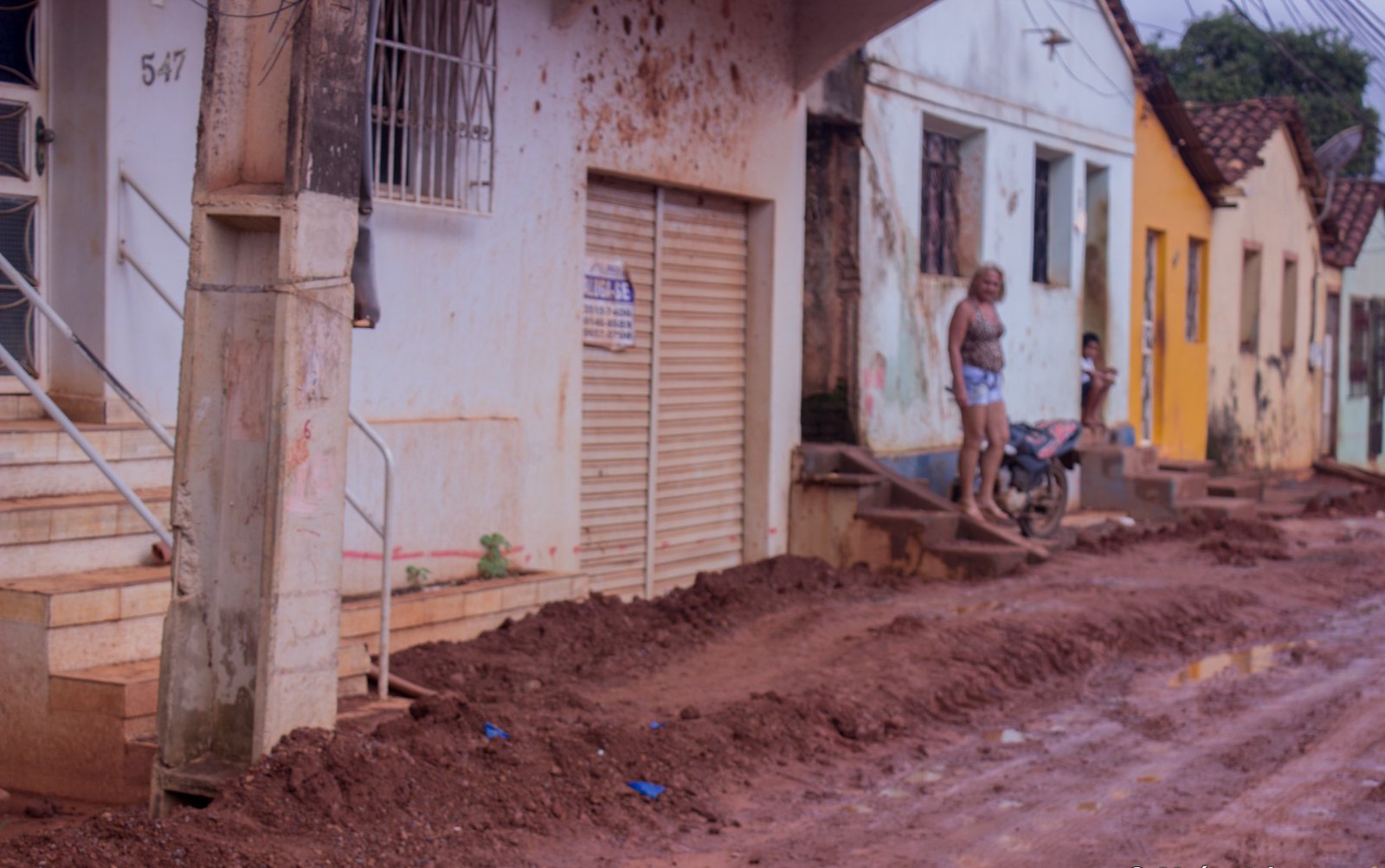
Photo: Amazon Watch / Maíra Irigaray.
Current situation
The protective measures granted by the IACHR remain in effect, but the Brazilian government has not fully complied with them, reporting only on general actions. The communities have documented the ongoing violations of their rights. The situation that prompted the request for these measures—the risk to the lives, physical integrity, and ways of life of the communities—persists and has worsened with the hydroelectric plant operating at full capacity and the recent extreme droughts in the Amazon.
In addition to the impacts of Belo Monte, there is a risk of further social and environmental impacts from the implementation of another mining megaproject in the Volta Grande do Xingu. There, the Canadian company Belo Sun plans to build Brazil’s largest open-pit gold mine.
The combined and cumulative impacts of the dam and the mine were not assessed. The government excluded Indigenous peoples, riverine and peasant communities from the project’s environmental permitting process. Despite protests by Indigenous communities and other irregularities surrounding the project, the government of Pará formally authorized the mine in April 2026.
Like other hydroelectric dams, Belo Monte exacerbates the climate emergency by generating greenhouse gas emissions in its reservoir. And it is inefficient amid the longer, more intense droughts caused by the crisis, as it loses its ability to generate power.
The case before the Inter-American Commission
In October 2017, the IACHR announced that it would rule jointly on the admissibility (whether the case meets the requirements for admission) and the merits (whether a human rights violation actually occurred) of the international complaint against the Brazilian State.
Fifteen years after the complaint was filed, the affected communities and the organizations representing them are still awaiting this decision. If the IACHR concludes that human rights violations occurred and issues recommendations that the Brazilian State fails to comply with, it may refer the case to the Inter-American Court of Human Rights, whose rulings are binding.
A potential ruling by the international court in this case would set a regional legal precedent regarding the rights of indigenous and riverine peoples, public participation in megaprojects, and state responsibility in the context of the climate crisis—a precedent that is particularly relevant in light of the Court’s Advisory Opinion No. 32, which reaffirmed the obligations of States to protect the people and communities of the continent from the climate emergency.
Partners:
Related projects
How fracking's methane leaks aggravate climate change
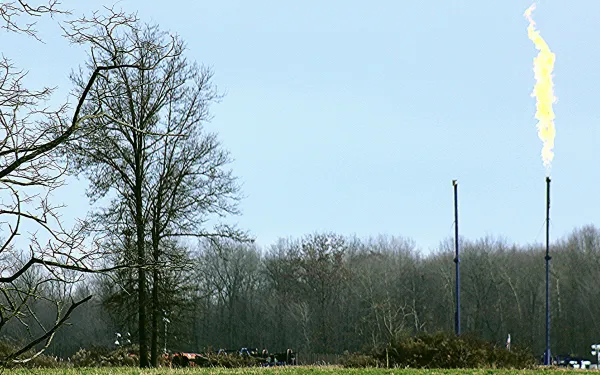
I’ve seen them more times than I can remember, but the shock never fades: ten-foot-high flames burning off gas at the BP processing plant in Whiting, Indiana. The facility is close to where I grew up, so we’ve had a lot of time to marvel at the flare stacks. My sister thought they were volcanoes when she was little and, in my family, the name has stuck. Converting waste methane to carbon dioxide (CO2) through flaring is common practice in oil and gas production. This makes “volcanoes” a familiar feature of drilling and hydraulic fracturing, or fracking, fields. The sight of stacks spewing CO2 directly into the air is both visually striking and enraging: a visual metaphor for a world run on extractive, dirty energy. And yet, when it comes to fracking, the volcanoes and their carbon emissions aren’t even the biggest problem. That which is most dangerous is often hardest to see—invisible, in this case. Fracking’s worst air pollution actually occurs through methane leaks. Methane is a greenhouse gas whose global warming potential is 86 times greater than carbon dioxide over a 20-year period, according to the Intergovernmental Panel on Climate Change. It leaks stealthily at every point in the gas supply chain into our atmosphere, undetectable without advanced equipment and frequent tests. According to NASA, the oil and gas industry is responsible for the global rise in methane emissions, beating even landfills and dairy production. Many of these emissions come from leaking pipes attached to fracked gas wells. While many of fracking’s damages—the contamination of water tables, an increase in man-made earthquakes—are well documented, fracking’s air pollution is a more difficult battle to fight. There are no convenient visuals of tap water set on fire or flattened homes. But the fact that we can’t see methane leaking into the air doesn’t make its impact any less intense: diffuse toxic particles grip the throat like so many invisible hands; methane causes nosebleeds and asthma; gas leaks squeeze the brain into dizzying headaches and seizures; toxic additives cause babies to be born prematurely with low birth weight and life-threatening defects. Leaking methane is also of particular concern when it comes to climate change. When just less than 2 percent of a pipeline’s total carried methane leaks into the air, the gas loses its supposed “cleaner” climate advantage over even coal. Recent studies show that U.S. fracking fields leak at tremendously uneven rates, some up to a whopping 12 percent. In other words, only a small number of wells are responsible for an extreme amount of contamination. But this also means that we already have part of the solution: fixing leaks at these super-polluting fields would be a huge boon for climate regulation. Leak detention and repair requires frequent and careful oversight, but it is also cost-effective, and often actually pays for itself. Gas companies can patrol their own distribution lines, looking for and repairing leaks. Pneumatic pipeline controllers can be replaced with better, low-bleed controllers. This extra care, however, is exactly what fracking’s proponents fight against: the gas industry in the United States has long denied and diminished the severity of leaking pipelines. Like the greenhouse gas pollution that causes it, climate change is a slow-paced disaster. It is a long, diffuse emergency that, in a sound-byte world, isn’t dramatic enough for short-term elections and news cycles, and usually isn’t brought up until it’s too late. Alternatives to fracking But times are changing. And the solution to a warming world isn’t just about fixing leaks. We can’t just mitigate a life-threatening system; we have to end it. Instead of perpetuating our dependence on gas, we must invest in a just transition and move into economically sustainable forms of energy, like solar and wind. Gas delivery systems and their maintenance are as expensive as they are toxic, and will soon become obsolete. We must fight for better regulation of our present system, while building up alternatives for a better tomorrow. This is particularly important in parts of the world that are only now starting to embrace fracking. While somewhat ubiquitous in the global North, fracking has only just begun in Latin America, where roughly 5,000 wells have popped up in the past few years. Frontline communities and human rights defenders from across the Americas have fought hard to win bans or restrictions on fracking. They urge that their nations not fall for fracking’s trap—harms would be amplified by lax regulation and further aggravate climate change. In October they testified before the Inter-American Commission on Human Rights on the harm fracking has caused to communities across Latin America. Liliana Ávila, a senior attorney at AIDA, explained that fracking-induced pollution impacts basic human rights, and that environmental defenders often face extreme violence when protecting their territories from the gas industry. Part of the battle for a global and just transition towards a sustainable, equitable energy economy is being able to recognize those harms that are harder to see—including those that are invisible at first. It’s the quiet harms that unfold over long time spans that are catching up to us now.
Read more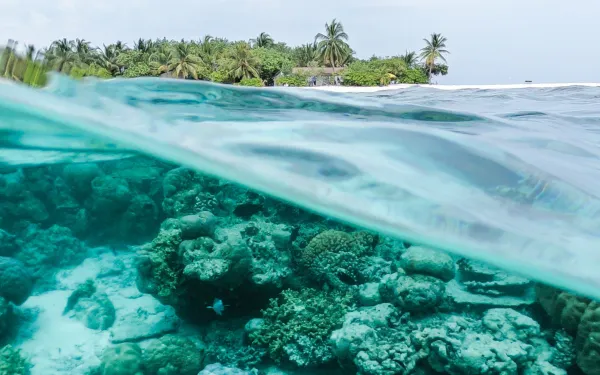
Putting my heart in the conservation of wetlands
Coral reefs are my favorite wetlands. They’re full of so many colors and shapes, and simply teeming with life. When I’m underwater, my heart is full of peace and excitement, as I see myself surrounded by so many forms of life, so many species living together. As a marine biologist, I’ve had the opportunity to scuba dive in a variety of countries and see many of these beautiful ecosystems up close. Of all my dives, the ones I enjoyed most were those I did—for work and for pleasure—in the Bay Islands of Honduras. As a recent college graduate and volunteer with the Atlantic and Gulf Rapid Reef Assessment Program, I was in charge of monitoring the countless organisms that live in or on the reefs—seaweed, sea urchins, lobsters, queen snails, and so many others. Without a doubt, my time diving in the Cayos Cochinos sparked my personal and professional journey. Since then, I’ve set out to protect these magical ecosystems, vital to all life this planet. My current role, as scientific advisor to AIDA, uses science to strengthen the legal arguments employed to protect these and other at-risk natural environments in Latin America. Wetlands, vital and at-risk In addition to coral reefs, wetlands—characterized by the presence of water—include lakes and rivers, underground aquifers, swamps and marshes, grasslands, peat bogs, estuaries and deltas, mangroves, and sea grasses. Wetlands act as the “kidneys” of the planet because they recycle water and waste, retain sediment and nutrients, reduce erosion, and absorb carbon dioxide from the atmosphere, in turn mitigating climate change. However, it’s estimated that since 1700 we’ve lost nearly 87 percent of our wetlands at a speed three times greater than the loss of our natural forests. This has caused a drastic reduction in biodiversity, affecting 81 percent of continental species and 36 percent of marine and coastal species. Among the greatest threats to our wetlands are contamination by garbage, wastewater and industrial pollution; changes in land use; agricultural runoff, erosion and climate change. What’s more, global warming is increasing the temperature of the oceans, raising sea levels, and melting the poles. According to the Intergovernmental Panel on Climate Change, an increase of 1.5°C in global temperature could kill almost 90 percent of the world’s coral reefs—an irreversible and heartbreaking loss. Taking action to save wetlands Given this frightening global scenario, urgent action is required to protect our planet’s wetlands. In fact, there are many ways we can begin to do so immediately, such as: Creating restoration campaigns for vital ecosystems like mangroves and coral reefs. Declaring natural protected areas, to conserve wetlands and the species that depend on them. Developing policies that allow for the rational use of wetlands, where conservation is prioritized. Prohibiting the destruction of these ecosystems in any type of project, be it tourism, development or infrastructure. Establishing water treatment plans to prevent drainage and runoff from contaminating wetlands. Every year, on February 2, we celebrate World Wetlands Day, commemorating the signing of the Ramsar Convention, the only intergovernmental treaty for the conservation and rational use of our planet’s wetlands. This year’s celebration is focused on wetlands and climate change, inviting us all to reflect on the value of our wetlands, the critical services they provide, and urgency with which we must protect them. We are not powerless in the face of climate change. Saving our wetlands may just be the first step toward saving our planet, and ourselves.
Read morePutting my heart in the conservation of wetlands
Coral reefs are my favorite wetlands. They’re full of so many colors and shapes, and simply teeming with life. When I’m underwater, my heart is full of peace and excitement, as I see myself surrounded by so many forms of life, so many species living together. As a marine biologist, I’ve had the opportunity to scuba dive in a variety of countries and see many of these beautiful ecosystems up close. Of all my dives, the ones I enjoyed most were those I did—for work and for pleasure—in the Bay Islands of Honduras. As a recent college graduate and volunteer with the Atlantic and Gulf Rapid Reef Assessment Program, I was in charge of monitoring the countless organisms that live in or on the reefs—seaweed, sea urchins, lobsters, queen snails, and so many others. Without a doubt, my time diving in the Cayos Cochinos sparked my personal and professional journey. Since then, I’ve set out to protect these magical ecosystems, vital to all life this planet. My current role, as scientific advisor to AIDA, uses science to strengthen the legal arguments employed to protect these and other at-risk natural environments in Latin America. Wetlands, vital and at-risk In addition to coral reefs, wetlands—characterized by the presence of water—include lakes and rivers, underground aquifers, swamps and marshes, grasslands, peat bogs, estuaries and deltas, mangroves, and sea grasses. Wetlands act as the “kidneys” of the planet because they recycle water and waste, retain sediment and nutrients, reduce erosion, and absorb carbon dioxide from the atmosphere, in turn mitigating climate change. However, it’s estimated that since 1700 we’ve lost nearly 87 percent of our wetlands at a speed three times greater than the loss of our natural forests. This has caused a drastic reduction in biodiversity, affecting 81 percent of continental species and 36 percent of marine and coastal species. Among the greatest threats to our wetlands are contamination by garbage, wastewater and industrial pollution; changes in land use; agricultural runoff, erosion and climate change. What’s more, global warming is increasing the temperature of the oceans, raising sea levels, and melting the poles. According to the Intergovernmental Panel on Climate Change, an increase of 1.5°C in global temperature could kill almost 90 percent of the world’s coral reefs—an irreversible and heartbreaking loss. Taking action to save wetlands Given this frightening global scenario, urgent action is required to protect our planet’s wetlands. In fact, there are many ways we can begin to do so immediately, such as: Creating restoration campaigns for vital ecosystems like mangroves and coral reefs. Declaring natural protected areas, to conserve wetlands and the species that depend on them. Developing policies that allow for the rational use of wetlands, where conservation is prioritized. Prohibiting the destruction of these ecosystems in any type of project, be it tourism, development or infrastructure. Establishing water treatment plans to prevent drainage and runoff from contaminating wetlands. Every year, on February 2, we celebrate World Wetlands Day, commemorating the signing of the Ramsar Convention, the only intergovernmental treaty for the conservation and rational use of our planet’s wetlands. This year’s celebration is focused on wetlands and climate change, inviting us all to reflect on the value of our wetlands, the critical services they provide, and urgency with which we must protect them. We are not powerless in the face of climate change. Saving our wetlands may just be the first step toward saving our planet, and ourselves.
Read more