
Project
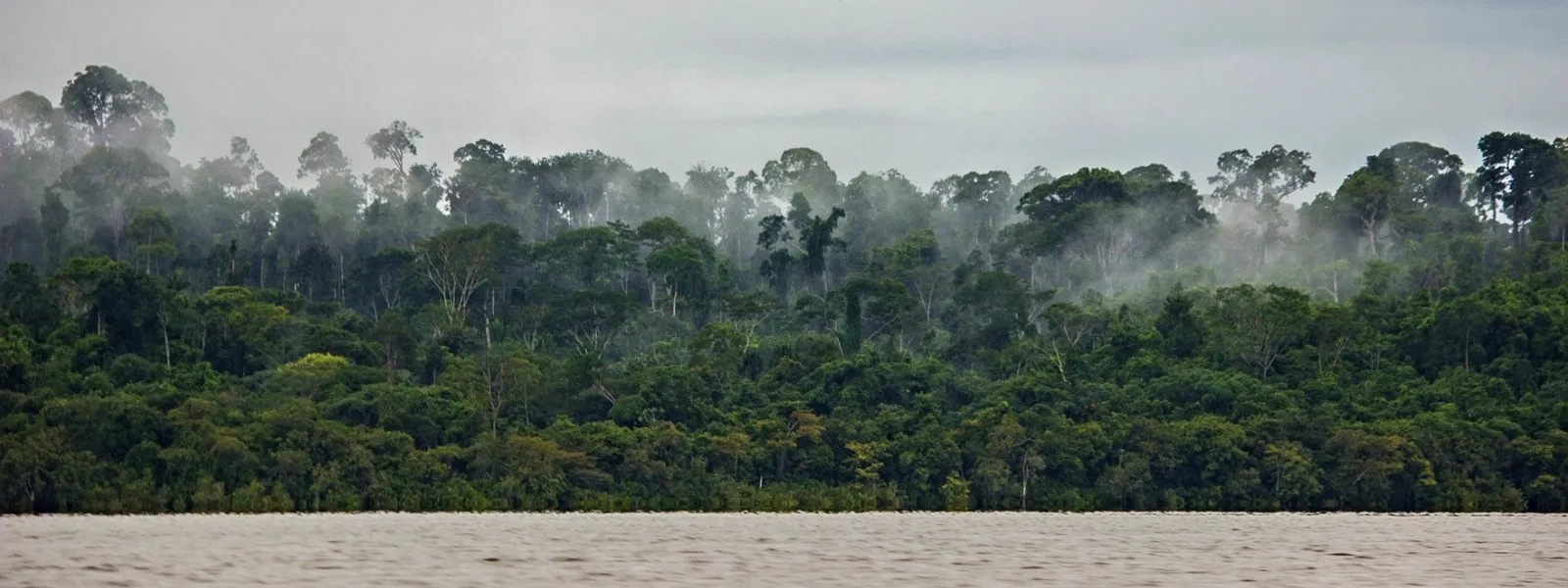
Amazon Watch / Maíra Irigaray
The Belo Monte Dam on the Xingu River: 10 years of impacts in the Amazon and the search for reparations
The Belo Monte Dam has caused an environmental and social disaster in the heart of the Amazon—one of the most important ecosystems on the planet.
This situation has only worsened since the hydroelectric plant began operations in 2016. The quest for justice and reparations by the affected indigenous, fishing, and riverine communities continues to this day.
In 2011, the Inter-American Commission on Human Rights (IACHR) granted them protective measures that, to date, have not been fully implemented by the Brazilian State.
Furthermore, since June of that same year, the IACHR has yet to rule on a complaint against the State regarding its international responsibility in the case.
The IACHR may refer the case to the Inter-American Court of Human Rights, which has the authority to issue a ruling condemning the Brazilian State.
After 10 years of the hydroelectric plant's operation and more than 15 years of documented human rights violations, it is time for justice to be served for the affected communities.
Read the open letter from the organizations bringing the case before the IACHR
Background
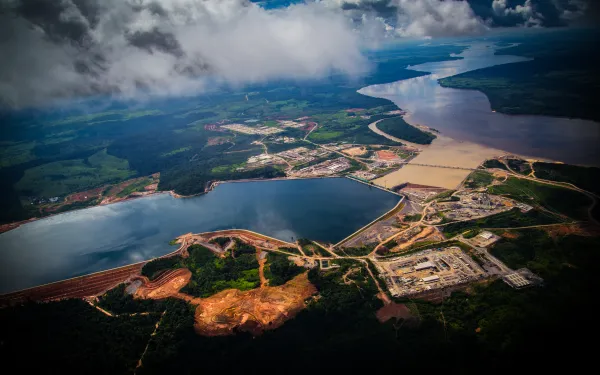
The Belo Monte hydroelectric plant—the fourth largest in the world by installed capacity (11,233 MW)—was built on the Xingu River in Pará, a state in northern Brazil.
It was inaugurated on May 5, 2016, with a single turbine. At that time, 80% of the river’s course was diverted, flooding 516 km² of land—an area larger than the city of Chicago. Of that area, 400 km² was native forest. The dam began operating at full capacity in November 2019.
Belo Monte was built and is operated by the Norte Energia S.A. consortium, which is composed primarily of state-owned companies. It was financed by the Brazilian Development Bank (BNDES), which provided the consortium with 25.4 billion reais (approximately US$10.16 billion), the largest investment in the bank’s history. Therefore, the BNDES is also legally responsible for the socio-environmental impacts associated with the hydroelectric plant.
Decades of harm to the environment and people
Human rights violations and degradation of the Amazon have been occurring since the project’s inception. In March 2011, Norte Energía began construction of the dam without adequate consultation and without the prior, free, and informed consent of the affected communities.
The construction caused the forced displacement of more than 40,000 people, severing social and cultural ties. The resettlement plan in Altamira—a city directly affected by the hydroelectric dam—involved housing units located on the outskirts, lacking adequate public services and decent living conditions for the relocated families, with no special provisions for those from indigenous communities.
Belo Monte's operations have caused a permanent, man-made drought in the Volta Grande (or "Great Bend") of the Xingu River, exacerbated by the historic droughts in the Amazon in 2023 and 2024. As a result, the deaths of millions of fish eggs were documented for four consecutive years (from 2021 to 2024), and for the past three years, there has been no upstream migration of fish to spawn and reproduce. Thus, artisanal fishing, the main source of protein for indigenous peoples and riverside communities, was severely affected: fish dropped from 50% to 30% of total protein consumed, replaced by processed foods. In summary, there was an environmental and humanitarian collapse that resulted in the breakdown of fishing as a traditional way of life, food insecurity, and access to drinking water for thousands of families, impoverishment, and disease.
Furthermore, the construction of the dam increased deforestation and intensified illegal logging and insecurity on indigenous and tribal lands, putting the survival of these communities at risk. Another consequence was the deepening of poverty and social conflicts, as well as the strain on health, education, and public safety systems in Altamira—a city ranked as the most violent in the country in 2017, where human trafficking and sexual violence increased. Violence was also reported against human rights defenders involved in the case.
In 2025, during the 30th UN Climate Change Conference (COP30), held in Brazil, the Federal Public Prosecutor’s Office labeled the damage caused by the Belo Monte dam as ecocide.
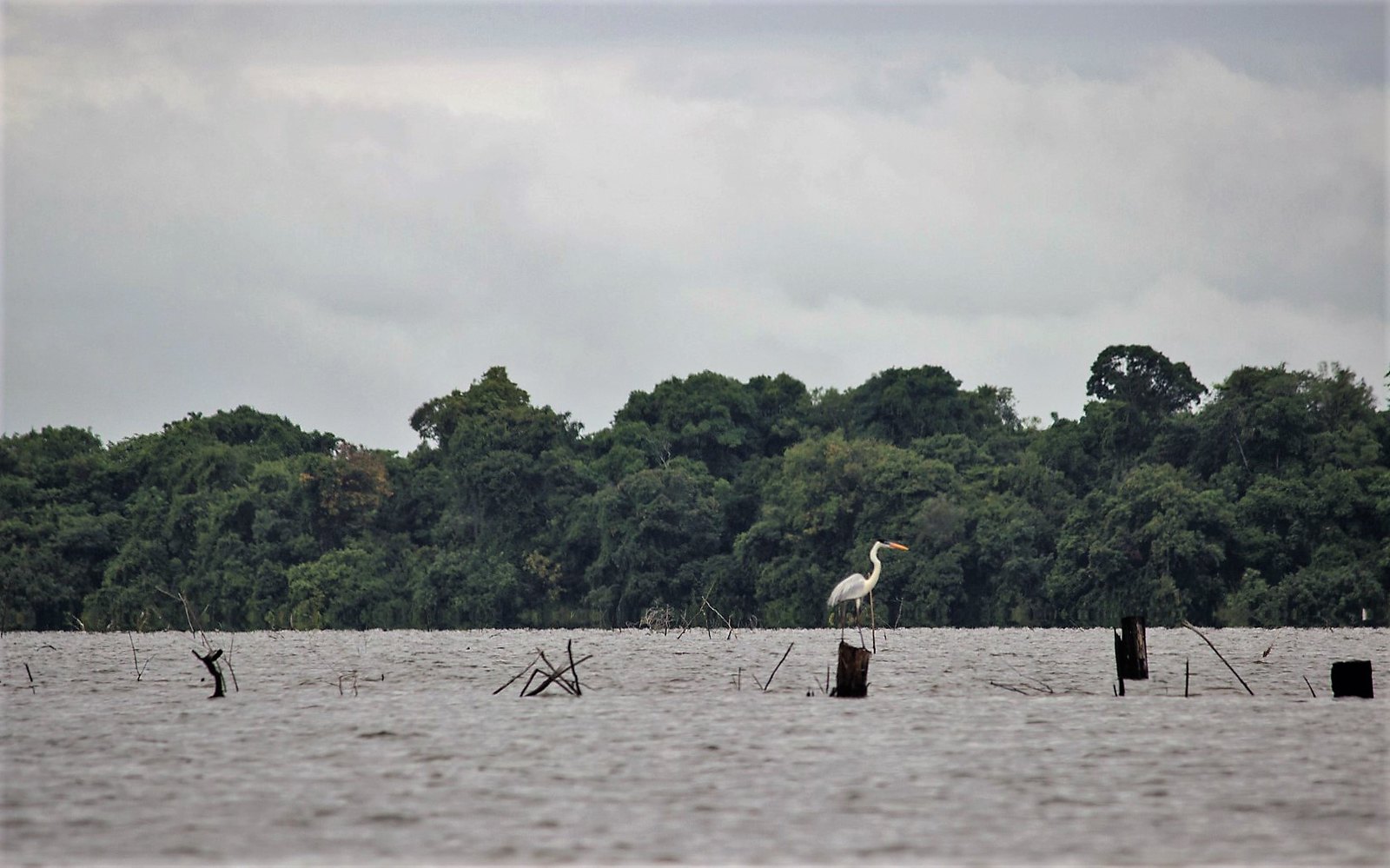
Photo: Amazon Watch / Maíra Irigaray.
The search for justice and reparations
Over the years, the Federal Public Prosecutor’s Office in Pará, the Public Defender’s Office, and civil society organizations have filed dozens of legal actions in Brazilian courts to challenge the project’s various irregularities and its impacts. Most of the claims are still pending resolution, some for more than 10 years.
These efforts have failed because the national government has repeatedly overturned rulings in favor of the affected communities by invoking a mechanism that allowed a court president to suspend a judicial decision based solely on generic arguments such as "the national interest" or "economic order."
In the absence of effective responses at the national level, AIDA, together with a coalition of partner organizations, brought the case before the Inter-American Commission on Human Rights (IACHR) and, in 2010, requested precautionary measures to protect the lives, safety, and health of the affected indigenous communities.
On April 1, 2011, the IACHR granted these measures and requested that the Brazilian government suspend environmental permits and any construction work until the conditions related to prior consultation and the protection of the health and safety of the communities are met.
And on June 16, 2011 —together with the Xingu Vivo Para Sempre Movement, the Coordinating Committee of Indigenous Organizations of the Brazilian Amazon, the Diocese of Altamira, the Indigenous Missionary Council, the Pará Society for the Defense of Human Rights and Global Justice— we filed a formal complaint against the Brazilian State for its international responsibility in the violation of the human rights of the people affected in the case. The case was opened for processing in December 2015.
On August 3, 2011, the IACHR amended the precautionary measures to request, instead of the suspension of permits and construction, the protection of people living in voluntary isolation, the health of indigenous communities, and the regularization and protection of ancestral lands.
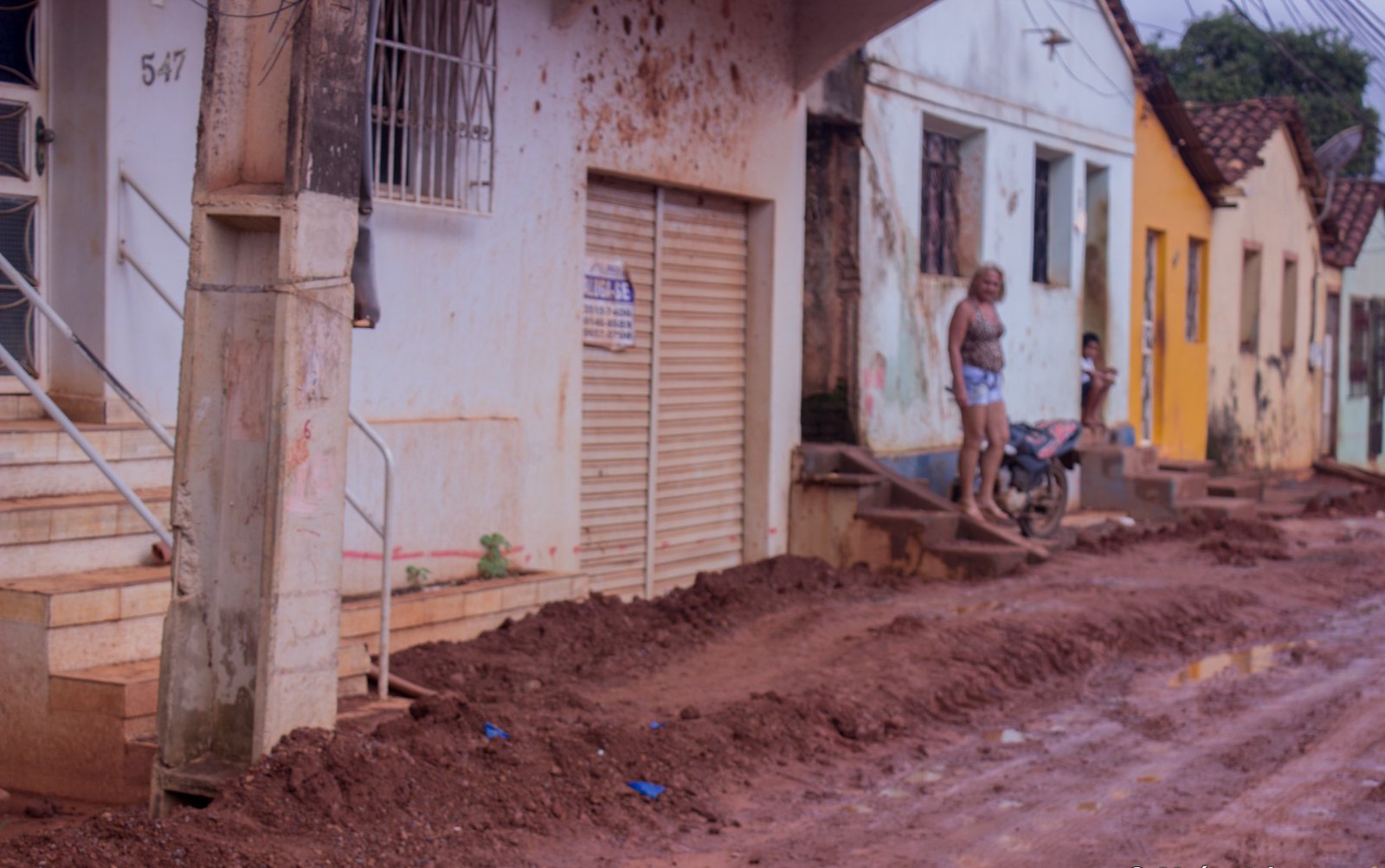
Photo: Amazon Watch / Maíra Irigaray.
Current situation
The protective measures granted by the IACHR remain in effect, but the Brazilian government has not fully complied with them, reporting only on general actions. The communities have documented the ongoing violations of their rights. The situation that prompted the request for these measures—the risk to the lives, physical integrity, and ways of life of the communities—persists and has worsened with the hydroelectric plant operating at full capacity and the recent extreme droughts in the Amazon.
In addition to the impacts of Belo Monte, there is a risk of further social and environmental impacts from the implementation of another mining megaproject in the Volta Grande do Xingu. There, the Canadian company Belo Sun plans to build Brazil’s largest open-pit gold mine.
The combined and cumulative impacts of the dam and the mine were not assessed. The government excluded Indigenous peoples, riverine and peasant communities from the project’s environmental permitting process. Despite protests by Indigenous communities and other irregularities surrounding the project, the government of Pará formally authorized the mine in April 2026.
Like other hydroelectric dams, Belo Monte exacerbates the climate emergency by generating greenhouse gas emissions in its reservoir. And it is inefficient amid the longer, more intense droughts caused by the crisis, as it loses its ability to generate power.
The case before the Inter-American Commission
In October 2017, the IACHR announced that it would rule jointly on the admissibility (whether the case meets the requirements for admission) and the merits (whether a human rights violation actually occurred) of the international complaint against the Brazilian State.
Fifteen years after the complaint was filed, the affected communities and the organizations representing them are still awaiting this decision. If the IACHR concludes that human rights violations occurred and issues recommendations that the Brazilian State fails to comply with, it may refer the case to the Inter-American Court of Human Rights, whose rulings are binding.
A potential ruling by the international court in this case would set a regional legal precedent regarding the rights of indigenous and riverine peoples, public participation in megaprojects, and state responsibility in the context of the climate crisis—a precedent that is particularly relevant in light of the Court’s Advisory Opinion No. 32, which reaffirmed the obligations of States to protect the people and communities of the continent from the climate emergency.
Partners:
Related projects
The False Promises of Hydropower
How dams fail to deliver the Paris Climate Agreement and UN Sustainable Development Goals A Joint Statement by Civil Society Organizations on occasion of the 2019 World Hydropower Congress in Paris, France We live in an age of urgency. Scientists have warned that we have little time to act to bring climate change under control and protect the integrity of life on our planet. Confronting the climate crisis requires creative solutions that both protect nature and respect human rights. Facing these challenges, we cannot remain silent onlookers while corporate profiteers, financiers, and their allies peddle false solutions for addressing climate change and implementing sustainable development. A flagrant example of such deception is the attempt to portray large hydroelectric dams as a ‘clean and green’ source of energy, as can be seen at the 2019 World Hydropower Congress. Organized in Paris by the industrial lobby of the International Hydropower Association (IHA) in partnership with UNESCO, the conference’s title reads, “Delivering the Paris Climate Agreement and the Sustainable Development Goals.” Such glossy portrayals of hydroelectric dam projects—with an eye toward capturing financial incentives through mechanisms like Climate Bonds and the Green Climate Fund—conveniently ignore a long legacy of social and environmental catastrophes, economic waste and, all too often, massive corruption schemes that are the antithesis of truly sustainable development. ... A Call for Action The undersigned civil society organizations call on the members of the International Hydropower Association, governments and international financial institutions to implement the following urgent actions: Steer priorities, investments and financial incentives away from additional hydroelectric projects and towards energy efficiency and truly sustainable renewable energy options (solar, wind and biomass and, when appropriate, micro-hydro). Special attention should be given to opportunities for technological innovation, decentralized generation and improving energy access among isolated, off-grid communities. Eliminate financial incentives for new hydroelectric projects within climate change mechanisms, such as the Green Climate Fund and Nationally Determined Contributions, and within programs to promote implementation of the UN Sustainable Development Goals (with the possible exception of micro-hydro projects). Commission independent audits of controversial existing dam projects and basin-wide cascades in terms of their social and environmental consequences, identifying steps to mitigate impacts and ensure just reparations for affected communities, based on direct consultations. When such measures are prohibitively expensive or otherwise inviable, the de-commissioning of dam projects should be promoted. Ensure the alignment of operational procedures for existing hydroprojects with relevant territorial plans at the basin level, such as integrated water resource management and protected areas that ensure key ecological processes and the rights of local communities, based on the concepts and tools of participatory, adaptive management. Ensure that renewable energy policies and projects adopt, across the board, robust guidelines to safeguard human rights and environmental protections, such as ILO Convention 169 and the UN Principles on Business and Human Rights. No energy facilities that potentially impact the territories and livelihoods of indigenous peoples and other traditional communities should be authorized without obtaining the free, prior and informed consent of the community and ensuring the cooperative design of co-management strategies. Among the benefits of such a paradigm shift in energy strategies and development planning will be major contributions toward protecting the world’s last free-flowing rivers, vital for climate resiliency, biodiversity conservation and sustainable livelihoods. Energy companies and governments must halt all efforts to dam the world’s remaining free-flowing rivers and concentrate instead on: i) improving efficiency and the sustainability of existing hydropower projects and cascades; and ii) investing in energy efficiency and truly sustainable renewables. Moreover, governments must urgently promote the permanent legal protection of the world’s last free-flowing rivers, including transboundary watercourses, with due respect for the territorial rights of indigenous peoples and other traditional communities, who play fundamental roles as the guardians of healthy rivers. Read the Full Statement Here
Read more
Nature first: it’s time to build environmental consciousness
Speaking in front of more than 500 people was a unique and beautiful experience, above all for the reason I came together with such an amazing group of people. We were seven diverse individuals with two powerful things in common: our love for the natural environment and our work to preserve it. We were in Santiago, Chile as part of the conference, “Nature first: a new deal with the environment.” The great interest the audience had in the event filled me with such joy, as did the opportunity to speak beside my colleagues from The Naturalists, a series of interviews in which professionals from distinct environmental professions were invited to speak about what being a naturalist implies in the modern world. The video series and this event was put on by Ladera Sur, an online platform and community built around nature, the environment, the outdoors, travel, and much more. It was Ladera Sur that introduced us as 20thCentury Naturalists, a great honor and an even greater obligation. But what does “nature first,” a title with such urgency, really mean? It means that, for too long, nature has been subsidizing our technological advancements and even our quality of life. We live in a world in which those who have the means can do practically anything. Perhaps some of us have stopped to think about tomorrow, and how it may be difficult for our children or grandchildren to enjoy even the simplest things in life. But the time has come to reorganize our priorities. We have neither the time, nor the credit, to continue borrowing from nature. Before proceeding with any potentially harmful project or activity, we first must demonstrate that the activity would not hurt the health of the planet. Only after assuring that is it worth asking whether a project is also good business, or if it will make our lives easier or more comfortable. This is not the position of an eco-terrorist, nor is it counter to economic development. It’s simply looking ahead at the reality of a living on a sick planet—a planet on whose health we depend. The good news is that the changes we need to make to resolve the environmental crisis are not only achievable; they are what people living on this planet actually want. A world with low emissions is a cleaner and more just world; a world driven by renewables means less pollution and more equitable access to energy; a world with more protected natural areas is a greener, healthier, more verdant world; it is rich in biodiversity and has a greater capacity to provide clean air and water. See the complete video of the conference below.
Read more
Inter-American Commission to examine rollback of indigenous rights in Brazil
In a hearing before the Inter-American Commission on Human Rights, civil society organizations will demonstrate how measures adopted by the administration of Brazilian President Jair Bolsonaro are undoing decades of human rights protections in the country. Rio De Janiero, Brazil. On May 9, the Inter-American Commission on Human Rights (IACHR) will hear how measures adopted by the government of President Jair Bolsonaro have rolled back protections for human rights in the country, creating a dangerous situation for indigenous communities and violating Brazil’s international obligations to protect human rights. The hearing was requested by the Interamerican Association for Environmental Defense, International Rivers, Conectas, Teles Pires Forum, Operation Native Amazon and Brazil Indigenous People Articulation (APIB) in an effort to halt further rollbacks, and to demand a reversal of the government’s actions that are currently threatening indigenous communities. The hearing will form part of the Commission’s 172 Period of Sessions, which is taking place in Kingston, Jamaica from May 3 to 10, 2019. During the hearing, organizations will detail how reforms made by the Bolsonaro government in matters of law, public policy, foreign policy, and other areas, violate the preservation of indigenous communities’ way of life in the country. The case will also show how those reforms violate communities’ rights to life, culture, food, a healthy environment, clean water, and the delimitation of their ancestral homelands, among others. The government has diminished legal and administrative protections for indigenous communities through the following actions: The transfer of key functions from the Ministry of Environment to the Ministry of Agriculture. Increased precarity for employees at the Brazilian Institute for the Environment and Renewable Natural Resources. Weakening of the Chico Mendes Institute for the Conservation of Biodiversity and of the process for granting environmental permits. The threat of exposing indigenous lands to the dangers of mining. Measures adopted by the Ministry of Environment that fragment the legal order that guarantees minimum conditions for the protection of the environment and indigenous rights. The transfer of authority for the demarcation of indigenous lands from the National Indian Foundation to the Ministry of Agriculture. The threat of withdrawing Brazil from international treaties like the Paris Agreement and others valuable agreements to protect the environment and human rights. In addition to these rollbacks, the above organizations assert that the situation has been aggravated by increased deforestation, encroachment on indigenous lands, and violence against environmental and human rights defenders. press contacts Victor Quintanilla (Mexico), AIDA, [email protected], +521 5570522107 Eloy Terena (Brazil), Brazil Indigenous People Articulation (APIB), [email protected], +55 61 9695-1377
Read more