
Project
Amazon Watch / Maíra Irigaray
The Belo Monte Dam on the Xingu River: 10 years of impacts in the Amazon and the search for reparations
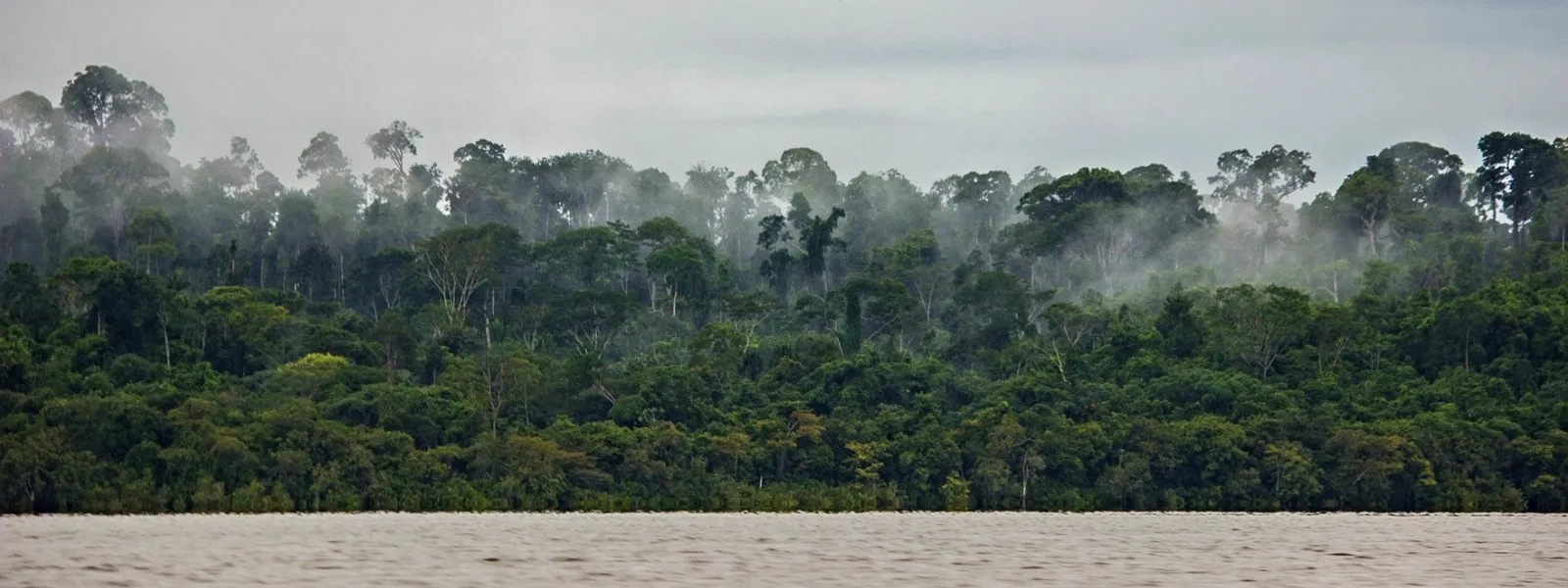
The Belo Monte Dam has caused an environmental and social disaster in the heart of the Amazon—one of the most important ecosystems on the planet.
This situation has only worsened since the hydroelectric plant began operations in 2016. The quest for justice and reparations by the affected indigenous, fishing, and riverine communities continues to this day.
In 2011, the Inter-American Commission on Human Rights (IACHR) granted them protective measures that, to date, have not been fully implemented by the Brazilian State.
Furthermore, since June of that same year, the IACHR has yet to rule on a complaint against the State regarding its international responsibility in the case.
The IACHR may refer the case to the Inter-American Court of Human Rights, which has the authority to issue a ruling condemning the Brazilian State.
After 10 years of the hydroelectric plant's operation and more than 15 years of documented human rights violations, it is time for justice to be served for the affected communities.
Read the open letter from the organizations bringing the case before the IACHR
Background
The Belo Monte hydroelectric plant—the fourth largest in the world by installed capacity (11,233 MW)—was built on the Xingu River in Pará, a state in northern Brazil.
It was inaugurated on May 5, 2016, with a single turbine. At that time, 80% of the river’s course was diverted, flooding 516 km² of land—an area larger than the city of Chicago. Of that area, 400 km² was native forest. The dam began operating at full capacity in November 2019.
Belo Monte was built and is operated by the Norte Energia S.A. consortium, which is composed primarily of state-owned companies. It was financed by the Brazilian Development Bank (BNDES), which provided the consortium with 25.4 billion reais (approximately US$10.16 billion), the largest investment in the bank’s history. Therefore, the BNDES is also legally responsible for the socio-environmental impacts associated with the hydroelectric plant.
Decades of harm to the environment and people
Human rights violations and degradation of the Amazon have been occurring since the project’s inception. In March 2011, Norte Energía began construction of the dam without adequate consultation and without the prior, free, and informed consent of the affected communities.
The construction caused the forced displacement of more than 40,000 people, severing social and cultural ties. The resettlement plan in Altamira—a city directly affected by the hydroelectric dam—involved housing units located on the outskirts, lacking adequate public services and decent living conditions for the relocated families, with no special provisions for those from indigenous communities.
Belo Monte's operations have caused a permanent, man-made drought in the Volta Grande (or "Great Bend") of the Xingu River, exacerbated by the historic droughts in the Amazon in 2023 and 2024. As a result, the deaths of millions of fish eggs were documented for four consecutive years (from 2021 to 2024), and for the past three years, there has been no upstream migration of fish to spawn and reproduce. Thus, artisanal fishing, the main source of protein for indigenous peoples and riverside communities, was severely affected: fish dropped from 50% to 30% of total protein consumed, replaced by processed foods. In summary, there was an environmental and humanitarian collapse that resulted in the breakdown of fishing as a traditional way of life, food insecurity, and access to drinking water for thousands of families, impoverishment, and disease.
Furthermore, the construction of the dam increased deforestation and intensified illegal logging and insecurity on indigenous and tribal lands, putting the survival of these communities at risk. Another consequence was the deepening of poverty and social conflicts, as well as the strain on health, education, and public safety systems in Altamira—a city ranked as the most violent in the country in 2017, where human trafficking and sexual violence increased. Violence was also reported against human rights defenders involved in the case.
In 2025, during the 30th UN Climate Change Conference (COP30), held in Brazil, the Federal Public Prosecutor’s Office labeled the damage caused by the Belo Monte dam as ecocide.
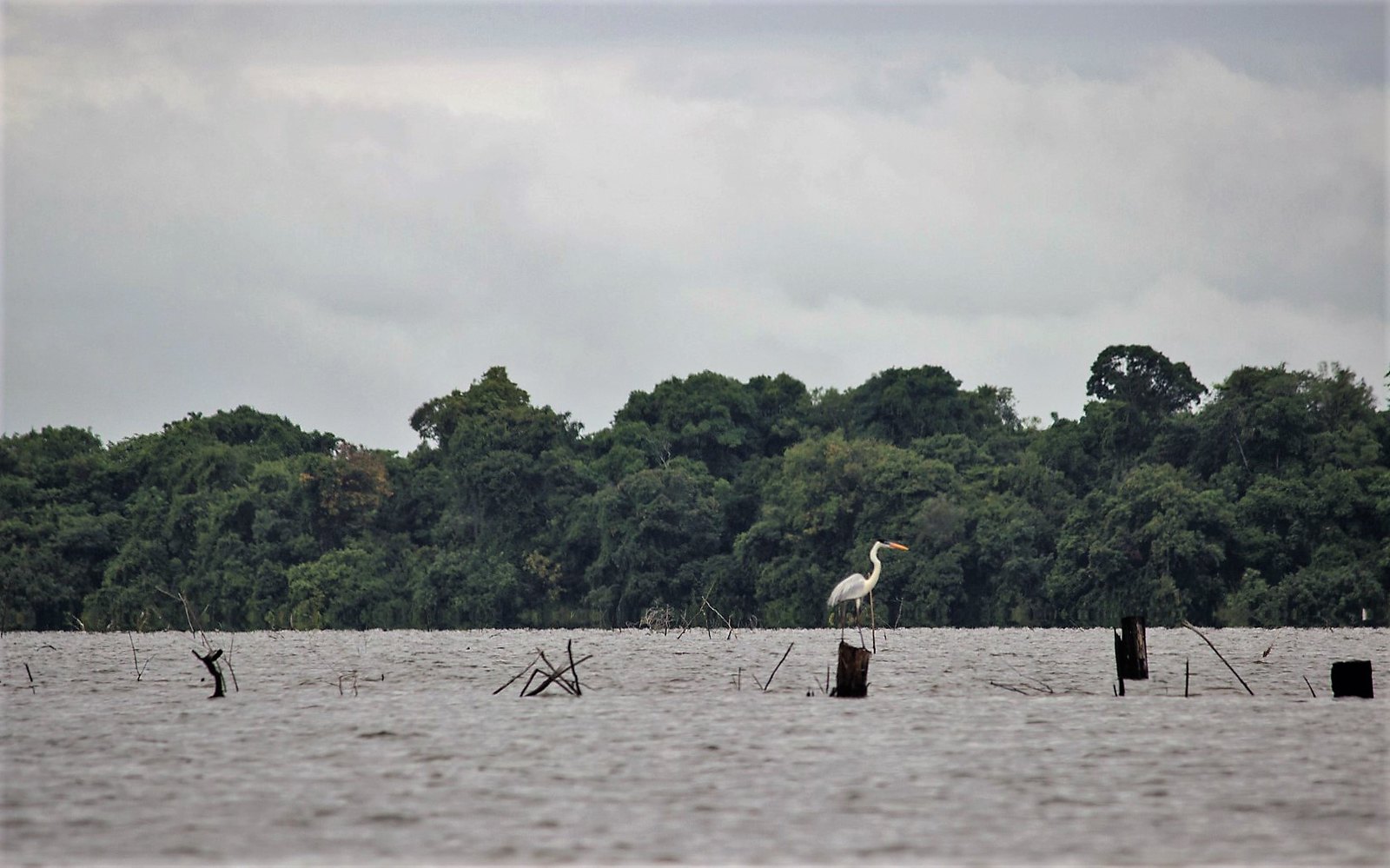
Photo: Amazon Watch / Maíra Irigaray.
The search for justice and reparations
Over the years, the Federal Public Prosecutor’s Office in Pará, the Public Defender’s Office, and civil society organizations have filed dozens of legal actions in Brazilian courts to challenge the project’s various irregularities and its impacts. Most of the claims are still pending resolution, some for more than 10 years.
These efforts have failed because the national government has repeatedly overturned rulings in favor of the affected communities by invoking a mechanism that allowed a court president to suspend a judicial decision based solely on generic arguments such as "the national interest" or "economic order."
In the absence of effective responses at the national level, AIDA, together with a coalition of partner organizations, brought the case before the Inter-American Commission on Human Rights (IACHR) and, in 2010, requested precautionary measures to protect the lives, safety, and health of the affected indigenous communities.
On April 1, 2011, the IACHR granted these measures and requested that the Brazilian government suspend environmental permits and any construction work until the conditions related to prior consultation and the protection of the health and safety of the communities are met.
And on June 16, 2011 —together with the Xingu Vivo Para Sempre Movement, the Coordinating Committee of Indigenous Organizations of the Brazilian Amazon, the Diocese of Altamira, the Indigenous Missionary Council, the Pará Society for the Defense of Human Rights and Global Justice— we filed a formal complaint against the Brazilian State for its international responsibility in the violation of the human rights of the people affected in the case. The case was opened for processing in December 2015.
On August 3, 2011, the IACHR amended the precautionary measures to request, instead of the suspension of permits and construction, the protection of people living in voluntary isolation, the health of indigenous communities, and the regularization and protection of ancestral lands.
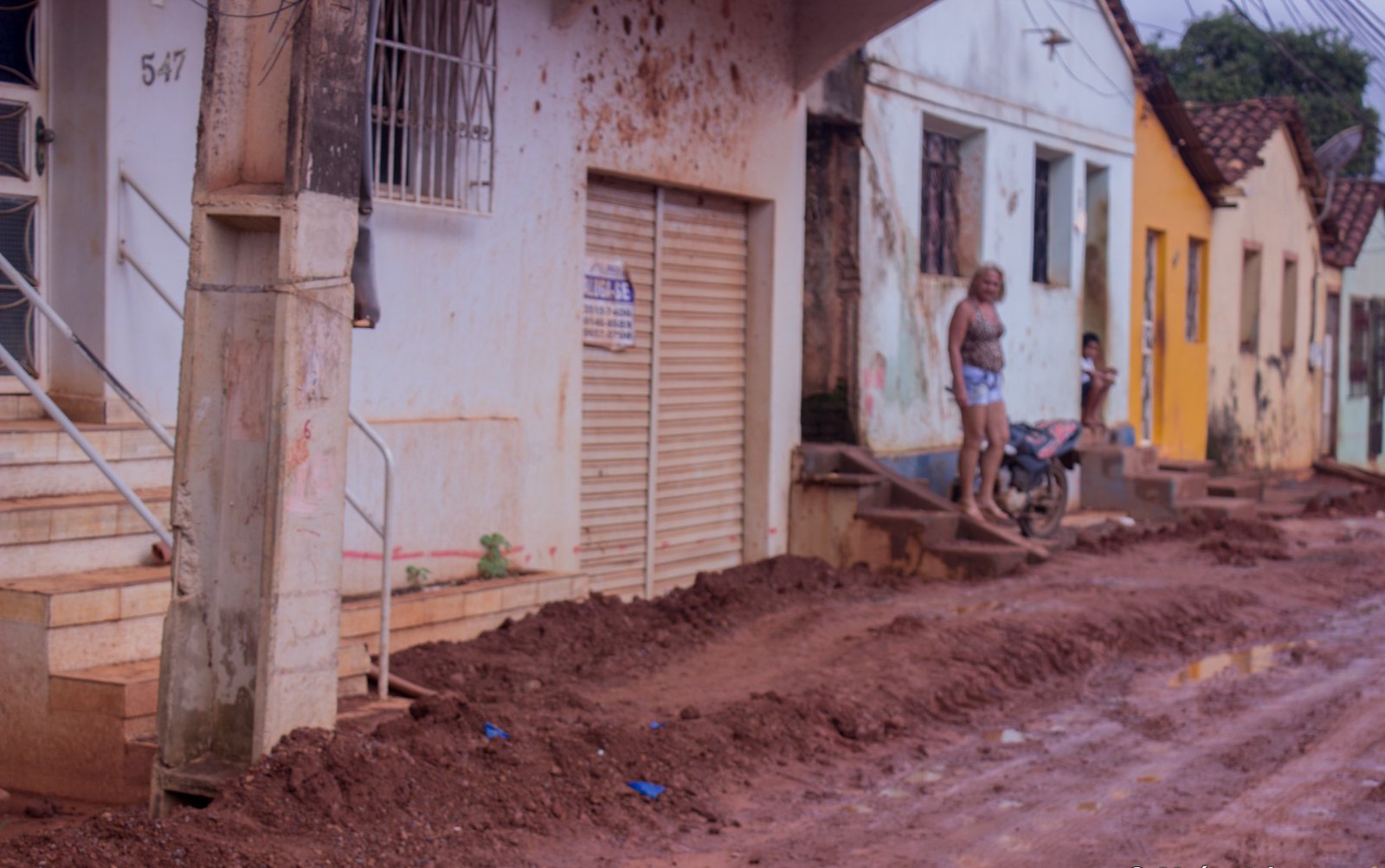
Photo: Amazon Watch / Maíra Irigaray.
Current situation
The protective measures granted by the IACHR remain in effect, but the Brazilian government has not fully complied with them, reporting only on general actions. The communities have documented the ongoing violations of their rights. The situation that prompted the request for these measures—the risk to the lives, physical integrity, and ways of life of the communities—persists and has worsened with the hydroelectric plant operating at full capacity and the recent extreme droughts in the Amazon.
In addition to the impacts of Belo Monte, there is a risk of further social and environmental impacts from the implementation of another mining megaproject in the Volta Grande do Xingu. There, the Canadian company Belo Sun plans to build Brazil’s largest open-pit gold mine.
The combined and cumulative impacts of the dam and the mine were not assessed. The government excluded Indigenous peoples, riverine and peasant communities from the project’s environmental permitting process. Despite protests by Indigenous communities and other irregularities surrounding the project, the government of Pará formally authorized the mine in April 2026.
Like other hydroelectric dams, Belo Monte exacerbates the climate emergency by generating greenhouse gas emissions in its reservoir. And it is inefficient amid the longer, more intense droughts caused by the crisis, as it loses its ability to generate power.
The case before the Inter-American Commission
In October 2017, the IACHR announced that it would rule jointly on the admissibility (whether the case meets the requirements for admission) and the merits (whether a human rights violation actually occurred) of the international complaint against the Brazilian State.
Fifteen years after the complaint was filed, the affected communities and the organizations representing them are still awaiting this decision. If the IACHR concludes that human rights violations occurred and issues recommendations that the Brazilian State fails to comply with, it may refer the case to the Inter-American Court of Human Rights, whose rulings are binding.
A potential ruling by the international court in this case would set a regional legal precedent regarding the rights of indigenous and riverine peoples, public participation in megaprojects, and state responsibility in the context of the climate crisis—a precedent that is particularly relevant in light of the Court’s Advisory Opinion No. 32, which reaffirmed the obligations of States to protect the people and communities of the continent from the climate emergency.
Partners:
Related projects
International tribunal supports indigenous struggle for the Amazon
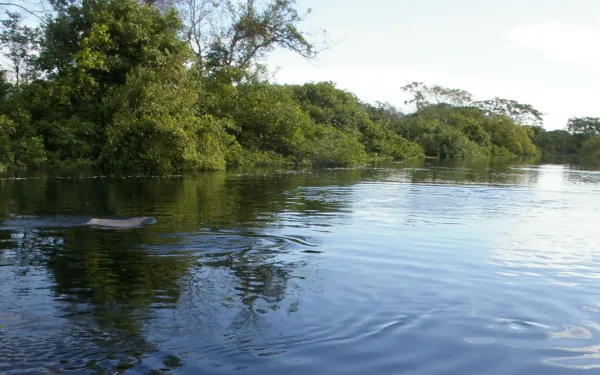
“The most beautiful jungle in the world,” wrote Alcides D’orbigny, a French biologist, of the Isiboro Sécure Indigenous Territory and National Park (known locally as Tipnis, for its Spanish initials) in the 1830s. Located between the departments of Beni and Cochabamba, Tipnis is a natural protected area that extends over 12,363 square kilometers of Bolivian Amazon. It’s one of the world’s most biodiverse sites and home to many indigenous cultures—among them the Mojeño Trinitarios, the Tsiman and the Turacaré. Despite its recognition as a National Park and Indigenous Territory, the area has for decades been threatened by a proposed highway that would effectively divide it in two. The construction would cause grave social and environmental damages, some of which have already occurred—two of three proposed stretches of road have already been built. As long as the highway has been proposed, the indigenous people of Tipnis have stood strong in their resistence, calling to protect the rainforest and the life it holds. Their efforts paid off last month in a precedent-setting legal victory for the protection of human rights and the environment. The International Rights of Nature Tribunal ruled that the Bolivian State had “violated” the rights of nature and of the indigenous people that inhabit Tipnis by encouraging the highway’s construction. The Tribunal was created in April 2010 at the People’s Conference on Climate Change and the Rights of Mother Earth, when the Universal Declaration of Rights of Mother Earth was also signed. Its role is to establish and investigate any violation of the rights outlined in the Declaration and found in the internal laws of each country. The Tribunal determines whether there was a violation and, if so, who was responsible. It emits recommendations, advisory opinions, and can determine provisional measures. Indigenous defense of the Bolivian Amazon The proposed highway through Tipnis has spurred strong indigenous resistance, and has also caused great suffering. The most painful incident happened in 2011 when more than 100 indigenous people marching on La Paz, headquarters of the Bolivian government, were brutally repressed by police. Despite the conflict, that demonstration achieved the enactment of a law that bestowed the national park the status of “intangible zone” or absolute reserve. Unfortunately, six years later, that law was null and void when the government enacted a new law through more expeditious process. Tipnis indigenous representatives denounced this and other acts before the International Rights of Nature Tribunal, which agreed to consider the case in January 2018, and then sent an international commission of observers to visit the zone and interview stakeholders. Indigenous representatives denounced that, despite being a single roadway, the project was actually presented separately, in three separate phases. Currently, only the final section remains unconstructed. Other irregularities included the awarding of the project to a Brazilian company without first completing an environmental impact assessment, and the lack of adequate consultation with affected indigenous communities. The Tribunal's sentence, issued May 15, finds the Bolivian government responsible for rights violations and calls for immediate compliance with measures including: Definitively stopping of any progress on construction; Recognizing the faculties of indigenous peoples to guarantee their control in Tipnis, including territorial autonomy and the right to prior consultation; Annuling a law that removed the status of intangible zone from Tipnis; Stopping the advance of colonization toward the central zone of the national park; Canceling plans for oil expansion on the site; Effectively applying the law to guarantee the protection of the rights of Mother Earth; and Guaranteeing indigenous peoples their fundamental role as defenders of Mother Earth. What’s next for Tipnis? Although the Tribunal’s judgment is not binding, it is a precedent established by a recognized and ethical court. For this reason, the Coordinator of Indigenous Organizations of the Amazon River Basin—an international indigenous organization—announced it would use the ruling as an instrument of proof to bring the case before the Inter-American Commission on Human Rights. The situation in Tipnis is complex. While construction of the missing section was suspended after losing credit for its execution, some actors continue to defend the road as fundamental to connecting the center and the north of the country, facilitating access to basic services and other development opportunities for the communities of Tipnis. The other side of that argument is the extensive environmental degradation to an area rich in biodiversity—acknowleding that the road would be just the beginning of activities within the protected area. I don’t believe anyone has the absolute answer. And so my analysis isn’t about making a value judgment, but about complying with the law, which resides in reason and justice. Although part of the road is constructed, there is much more to go, and so the resistance continues. The Tribunal’s decision can and should be used as an added impulse toward protecting the land. In the end, every effort is worthwhile knowing that the destruction of such a valuable natural ecosystem represents a point of no return.
Read more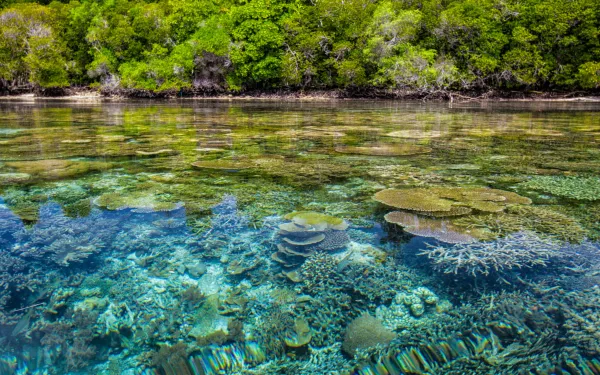
In historic decree, Costa Rica legally protects its corals
On the occasion of World Oceans Day, Costa Rica issued a decree to protect its vast coral ecosystems. We congratulate the government for taking this important step and setting a legal precedent for the protection of marine environments in the region. San José, Costa Rica. The Costa Rican government issued a precedent-setting decree today that legally protects its vast coral ecosystems from harmful human activities. Following years of work on the issue, the Interamerican Association for Environmental Defense (AIDA) and Conservation International celebrate this important instrument for the conservation of these fragile and vital marine environments. “We are very pleased with this advance, promoted by the Vice Ministry of Water and Seas, which guarantees the survival of coral reefs and the various species that contribute to their conservation—species like the parrotfish, which feed on the algae that can deprive reefs of oxygen,” said Gladys Martínez, senior attorney of AIDA’s Marine Biodiversity and Coastal Protection Program. The decree provides a series of measures the government must adopt in order to preserve reef ecosystems and the species that depend on them, threatened by a combination of unsustainable use, climate change, inadequate management, and invasive species. The measures include: the creation and implementation of science-based strategies and policies to confront the effects of climate change; and the restoration of degraded reefs. The law also prohibits harmful activities like the extraction and commercialization of reefs, dumping of waste, and anchoring. “It’s our hope that the legal precedent established by this decree will be replicated in other countries of the Americas that, like Costa Rica, are bound by international treaties to safeguard their corals,” said Magie Rodríguez, AIDA attorney. “In the coming years, we will be closely monitoring the decree’s implementation.” In 2012, AIDA and Conservation International joined forces with national experts to prepare a report detailing the economic and environmental benefits of corals, urging the creation of legislation in Costa Rica to protect them. AIDA also supported the Vice Ministry in the preparation of the decree based on the organization’s experience in international law and understanding of regulations in other countries of the region. “Costa Rica is a nation privileged by the dimensions of its marine spaces and biodiversity. The coral systems are incredibly productive, but they are also threatened by human activity and climate change,” said Marco A. Quesada Alpízar, director of Conservation International - Costa Rica. “By taking action on this issue, Costa Rica has assumed responsibility for the conservation and management of its marine ecosystems, and has set an example that can be replicated in other countries.” The decree answers a years-long call for Costa Rica to comply with international obligations and protect its threatened marine ecosystems. Scientific studies have shown that a large part of the coral reefs in the country are at great risk due to human activities including land-based pollution and destructive fishing practices. Their conservation must be a priority. “This decree fills an important gap in the regulation of coral reefs in Costa Rica. It recognizes, once again, that marine resources provide people with services and well-being, which requires they be adequately protected and managed,” explained Quesada. “Costa Rica is globally recognized for its ecotourism and natural richness,” added Ana Gloria Guzmán of Conservation International’s Oceans Center. “With this decree, the nation is setting an example about the protection and management of essential marine ecosystems as a means to ensure the health of the oceans and safeguard the well-being of coastal communities that depend on the services they provide.” press contacts: Victor Quintanilla, AIDA, +521 5570522107, [email protected] Kipp Lanham, Conservation International, (202) 412-5533, [email protected] Marco Quesada, Conservation International, +506 2253-0500 ext. 139, [email protected]
Read more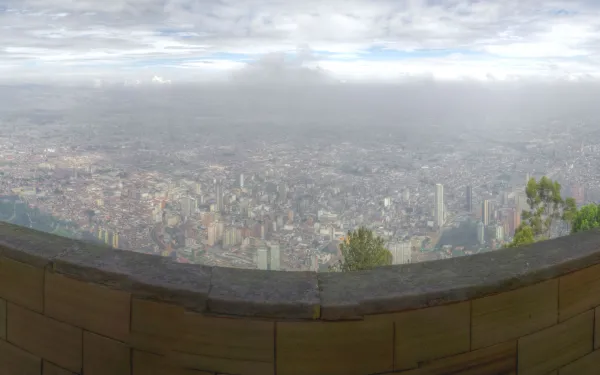
Clean air should be a human right, says UN Special Rapporteur
Even on a clear day in Bogotá, the air pollution can be so overwhelming that the sky is cast in a foggy, washed out haze that hangs over the city. In Bogotá—as in many cities across the Americas—air pollution has become a part of daily life. But it shouldn’t have to be that way. In a recent report, David Boyd, the UN Special Rapporteur on human rights and the environment said that breathing clean air should be considered a human right. While the majority of countries around the world have recognized the right to a healthy environment, the right to clean air does not yet enjoy the same level of global recognition. Air pollution is a dual killer: not only is it one of the biggest risks to public health worldwide, airborne pollutants also exacerbate the climate crisis. States and the human rights community, therefore, must incorporate the Rapporteur’s recommendations into law, because tackling air pollution is the best thing we can do to improve public health while also saving the planet. Air pollution: a dual killer More than six billion people, including two billion children around the world, are breathing air that adversely affects their health, according to the World Heath Organization (WHO). The effects of ambient and household air pollution cause roughly 7 million premature deaths worldwide each year, more than 300 thousand of which occur in the Americas alone. Hundreds of millions of people around the world suffer from illnesses caused by air pollution, which is considered one of the five leading factors contributing to non-communicable diseases like stroke, heart disease, chronic obstructive pulmonary disease, and cancer. Fine particulate matter like soot, black carbon, sulfates, nitrates and heavy metals all significantly increase the risk of these diseases. Moreover, air pollution disproportionately affects society’s most vulnerable populations. Children and the elderly are particularly affected by airborne pollutants, and suffer disproportionate impacts including illnesses and chronic breathing problems. Low income and poor communities, more often located near the sources of pollution—factories, power plants, and busy roads, among others—also suffer outsized health risks. Global air pollution is more than just a public health concern. Often, the same polluting activities that harm human health are also speeding up climate crisis. Research shows that black carbon—generated by burning fossil fuels, biofuels, and biomass—may accelerate snowmelt in glaciers, contributing to water insecurity and natural disasters. And methane, another short-lived climate pollutant, can trap up to 30 times more heat than CO2, speeding up global heating. Both issues amount to a costly problem. The World Bank estimates that global costs of air pollution will soon exceed $5 trillion per year, and says that unless countries curb global air pollution, air pollution-induced mortality could increase 50 to 100 percent by 2050. The economic benefits of slowing climate change will far outweigh the astronomical costs caused by flooding, more powerful storms, and crippling droughts, which could reach hundreds of billions of dollars by the end of the century, according to a report by the United States’ fourth National Climate Assessment. Respecting human rights While reducing air pollution makes good economic sense, curbing airborne pollutants is also a matter of respecting human rights. Besides violating the right to a clean and healthy environment, poor air quality can affect one’s right to life, health, water, food, housing and adequate standard of living, as well as the rights of the child, the UN report said. According to the Special Rapporteur, States should immediately devise action plans that: Monitor air quality and its impacts on human health; Assess sources of air pollution; Make information publicly available and release public health advisories; Establish air quality legislation, regulations, standards and policies; Develop air quality action plans at the local, nation, or regional level; Implement that air quality action plan and enforce its standards; and Evaluate progress and strengthen the plan to ensure the standards are met. Not only does this framework charge states with monitoring air quality, educating the public on air pollution, and making information accessible, it also urges States to establish strong, enforceable standards that will hold polluters accountable. Without those standards, improving air quality would be impossible. What’s more, States should apply the precautionary principle and use adequate margins of safety in order to protect society’s most vulnerable. Cities across Latin America are already starting to take air pollution seriously. Curitiba, Brazil, for example, built an extensive rapid bus system and, in 2013, launched an ambitious plan to add 300 kilometers of bicycle paths. Now, life expectancy in the city is two years longer than the national average, and the city has relatively low infant mortality, according to the WHO. In 2014, the Chilean government implemented a progressive tax on air pollution, taxing industry at higher rates in more densely populated areas to hold polluters accountable for their disproportionate impacts on urban populations. Although these examples show that change is possible, air pollution won’t be solved overnight, and States must begin establishing ambitious regulations to curb airborne contaminants. Otherwise, the world will continue coughing and sputtering into the 21st Century, as the impacts of climate crisis only continue to get worse.
Read more