
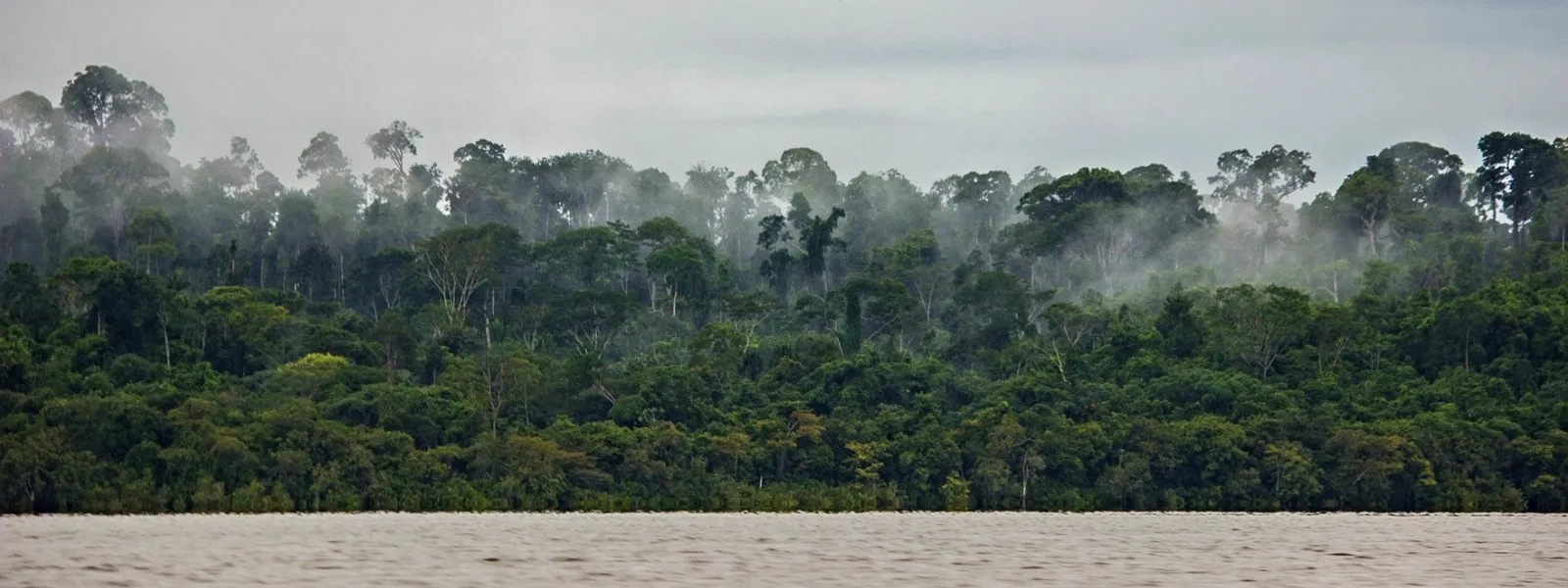
Project
Amazon Watch / Maíra Irigaray
The Belo Monte Dam on the Xingu River: 10 years of impacts in the Amazon and the search for reparations
The Belo Monte Dam has caused an environmental and social disaster in the heart of the Amazon—one of the most important ecosystems on the planet.
This situation has only worsened since the hydroelectric plant began operations in 2016. The quest for justice and reparations by the affected indigenous, fishing, and riverine communities continues to this day.
In 2011, the Inter-American Commission on Human Rights (IACHR) granted them protective measures that, to date, have not been fully implemented by the Brazilian State.
Furthermore, since June of that same year, the IACHR has yet to rule on a complaint against the State regarding its international responsibility in the case.
The IACHR may refer the case to the Inter-American Court of Human Rights, which has the authority to issue a ruling condemning the Brazilian State.
After 10 years of the hydroelectric plant's operation and more than 15 years of documented human rights violations, it is time for justice to be served for the affected communities.
Read the open letter from the organizations bringing the case before the IACHR
Background
The Belo Monte hydroelectric plant—the fourth largest in the world by installed capacity (11,233 MW)—was built on the Xingu River in Pará, a state in northern Brazil.
It was inaugurated on May 5, 2016, with a single turbine. At that time, 80% of the river’s course was diverted, flooding 516 km² of land—an area larger than the city of Chicago. Of that area, 400 km² was native forest. The dam began operating at full capacity in November 2019.
Belo Monte was built and is operated by the Norte Energia S.A. consortium, which is composed primarily of state-owned companies. It was financed by the Brazilian Development Bank (BNDES), which provided the consortium with 25.4 billion reais (approximately US$10.16 billion), the largest investment in the bank’s history. Therefore, the BNDES is also legally responsible for the socio-environmental impacts associated with the hydroelectric plant.
Decades of harm to the environment and people
Human rights violations and degradation of the Amazon have been occurring since the project’s inception. In March 2011, Norte Energía began construction of the dam without adequate consultation and without the prior, free, and informed consent of the affected communities.
The construction caused the forced displacement of more than 40,000 people, severing social and cultural ties. The resettlement plan in Altamira—a city directly affected by the hydroelectric dam—involved housing units located on the outskirts, lacking adequate public services and decent living conditions for the relocated families, with no special provisions for those from indigenous communities.
Belo Monte's operations have caused a permanent, man-made drought in the Volta Grande (or "Great Bend") of the Xingu River, exacerbated by the historic droughts in the Amazon in 2023 and 2024. As a result, the deaths of millions of fish eggs were documented for four consecutive years (from 2021 to 2024), and for the past three years, there has been no upstream migration of fish to spawn and reproduce. Thus, artisanal fishing, the main source of protein for indigenous peoples and riverside communities, was severely affected: fish dropped from 50% to 30% of total protein consumed, replaced by processed foods. In summary, there was an environmental and humanitarian collapse that resulted in the breakdown of fishing as a traditional way of life, food insecurity, and access to drinking water for thousands of families, impoverishment, and disease.
Furthermore, the construction of the dam increased deforestation and intensified illegal logging and insecurity on indigenous and tribal lands, putting the survival of these communities at risk. Another consequence was the deepening of poverty and social conflicts, as well as the strain on health, education, and public safety systems in Altamira—a city ranked as the most violent in the country in 2017, where human trafficking and sexual violence increased. Violence was also reported against human rights defenders involved in the case.
In 2025, during the 30th UN Climate Change Conference (COP30), held in Brazil, the Federal Public Prosecutor’s Office labeled the damage caused by the Belo Monte dam as ecocide.
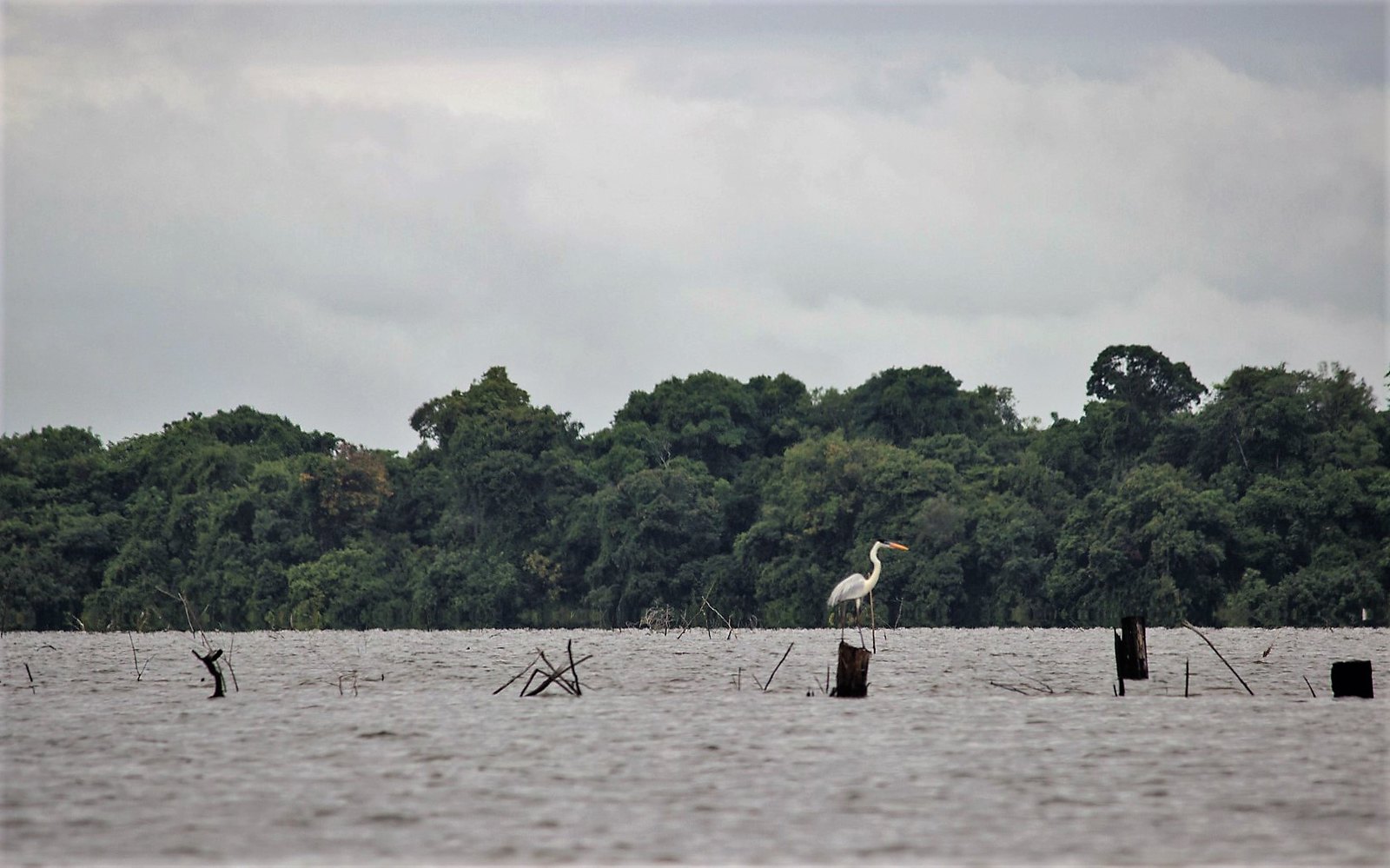
Photo: Amazon Watch / Maíra Irigaray.
The search for justice and reparations
Over the years, the Federal Public Prosecutor’s Office in Pará, the Public Defender’s Office, and civil society organizations have filed dozens of legal actions in Brazilian courts to challenge the project’s various irregularities and its impacts. Most of the claims are still pending resolution, some for more than 10 years.
These efforts have failed because the national government has repeatedly overturned rulings in favor of the affected communities by invoking a mechanism that allowed a court president to suspend a judicial decision based solely on generic arguments such as "the national interest" or "economic order."
In the absence of effective responses at the national level, AIDA, together with a coalition of partner organizations, brought the case before the Inter-American Commission on Human Rights (IACHR) and, in 2010, requested precautionary measures to protect the lives, safety, and health of the affected indigenous communities.
On April 1, 2011, the IACHR granted these measures and requested that the Brazilian government suspend environmental permits and any construction work until the conditions related to prior consultation and the protection of the health and safety of the communities are met.
And on June 16, 2011 —together with the Xingu Vivo Para Sempre Movement, the Coordinating Committee of Indigenous Organizations of the Brazilian Amazon, the Diocese of Altamira, the Indigenous Missionary Council, the Pará Society for the Defense of Human Rights and Global Justice— we filed a formal complaint against the Brazilian State for its international responsibility in the violation of the human rights of the people affected in the case. The case was opened for processing in December 2015.
On August 3, 2011, the IACHR amended the precautionary measures to request, instead of the suspension of permits and construction, the protection of people living in voluntary isolation, the health of indigenous communities, and the regularization and protection of ancestral lands.
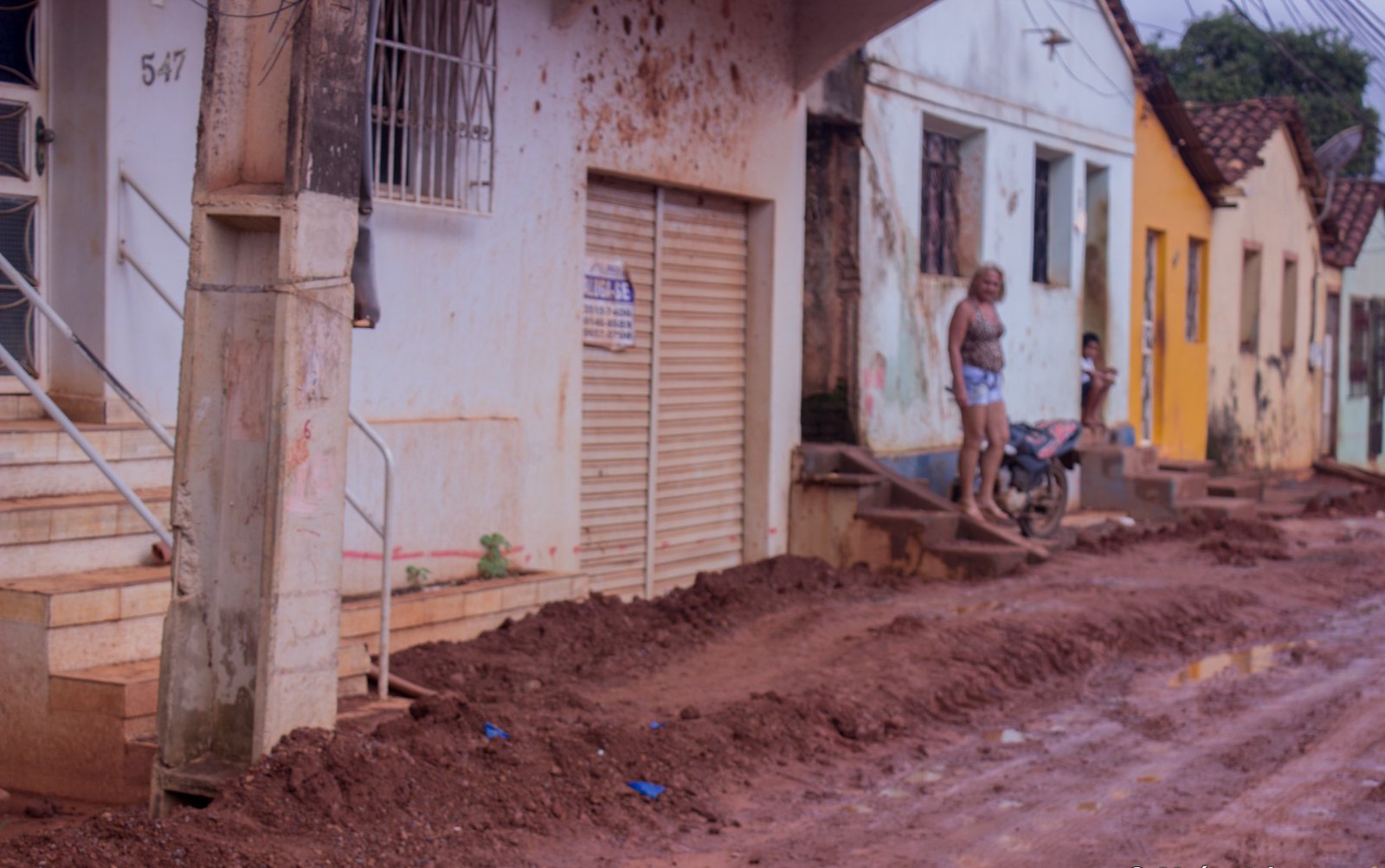
Photo: Amazon Watch / Maíra Irigaray.
Current situation
The protective measures granted by the IACHR remain in effect, but the Brazilian government has not fully complied with them, reporting only on general actions. The communities have documented the ongoing violations of their rights. The situation that prompted the request for these measures—the risk to the lives, physical integrity, and ways of life of the communities—persists and has worsened with the hydroelectric plant operating at full capacity and the recent extreme droughts in the Amazon.
In addition to the impacts of Belo Monte, there is a risk of further social and environmental impacts from the implementation of another mining megaproject in the Volta Grande do Xingu. There, the Canadian company Belo Sun plans to build Brazil’s largest open-pit gold mine.
The combined and cumulative impacts of the dam and the mine were not assessed. The government excluded Indigenous peoples, riverine and peasant communities from the project’s environmental permitting process. Despite protests by Indigenous communities and other irregularities surrounding the project, the government of Pará formally authorized the mine in April 2026.
Like other hydroelectric dams, Belo Monte exacerbates the climate emergency by generating greenhouse gas emissions in its reservoir. And it is inefficient amid the longer, more intense droughts caused by the crisis, as it loses its ability to generate power.
The case before the Inter-American Commission
In October 2017, the IACHR announced that it would rule jointly on the admissibility (whether the case meets the requirements for admission) and the merits (whether a human rights violation actually occurred) of the international complaint against the Brazilian State.
Fifteen years after the complaint was filed, the affected communities and the organizations representing them are still awaiting this decision. If the IACHR concludes that human rights violations occurred and issues recommendations that the Brazilian State fails to comply with, it may refer the case to the Inter-American Court of Human Rights, whose rulings are binding.
A potential ruling by the international court in this case would set a regional legal precedent regarding the rights of indigenous and riverine peoples, public participation in megaprojects, and state responsibility in the context of the climate crisis—a precedent that is particularly relevant in light of the Court’s Advisory Opinion No. 32, which reaffirmed the obligations of States to protect the people and communities of the continent from the climate emergency.
Partners:
Related projects

Clean air and climate justice: the best gifts for our children
Today Mexico celebrates Children’s Day. The best gift we can give to millions of boy and girls is clean air and climate justice. It’s the only thing I want to give to my children that, sadly, I can’t, at least not this year. Mexico City, where we live, has had bad air quality 112 of the 120 days of 2019, thus far. Those of us who live in this city have suffered from contamination, particularly over the last month; three “environmental contingencies” (air pollution alerts) for ozone were declared for a total of seven days. In recent years, contingencies have occurred during peak ozone season—February 15 to June 15—a period in which tropospheric ozone (present in the air we breathe) exceed the maximum levels allowed by Official Mexican Law. This gas, present throughout the year, rises when the burning of fossil fuels by vehicles and industries is compounded by changing weather conditions: less rain and winds, and more solar radiation. This prevents the air pollution that we produce from dispersing into nearby areas. Increased ozone causes serious damages to the environment and public health, particularly to children. According to the Pan American Health Organization, ozone in the air can affect lung function, making breathing difficult. Thus, the group most vulnerable to contamination also includes people with respiratory diseases, older adults and athletes. Authorities recommend that the people, particularly vulnerable groups, abstain from outdoor activities during the contingencies, particularly between 1:00 and 7:00 p.m. Other measures include increasing vehicle restrictions and reducing the consumption of liquefied petroleum gas. Despite its harsh realities, ozone season is not a new or surprising phenomenon, nor is it normal. It shouldn’t be normal for parents to resign ourselves to its presence, to birthday parties indoors and not letting our children go to the park with their friends. I understand the impossibility of controlling the rain, sun and wind; but ozone is another story. There are clear measures that could and should have been implemented years ago to prevent the ozone season from being unavoidable in Mexico City. Already fully identified, they include: improving the quality of gasoline, vehicular technology and fixed sources; ensuring safe and adequate public transportation and bicycle infrastructure; and effectively controlling fleets of private and public transport. Until now, these actions have been incomplete, inefficient and unable to solve the underlying problem. But the improvement of air quality during gasoline shortages has demonstrated that such solutions are possible. What’s more, actions aimed at reducing air pollution could have a double benefit. Tropospheric ozone is a greenhouse gas that aggravates climate change. It is a short-lived climate pollutant that stays in the atmosphere for only a few weeks, meaning that actions to control it have an almost immediate effect on public health, ecosystems and the climate. Therefore, in addition to improving the health of millions of people living in cities, Mexico has the opportunity to fulfill its international obligations on climate change. Diminishing ozone season requires the urgent and structural change of public policies, laws and their application. New standards must include a human rights perspective that prioritizes public interest and the health of children, and others, above vehicular mobility. While the development and implementation of these measures may not be easy, it’s essential we take the first steps toward the results we want to achieve. Government efforts require the support of our entire society. Companies must contribute to the implementation of solutions, acting with due diligence. Academics, civil society organizations, trade unions and other sectors must contribute with our knowledge and participation to ensure that the plans and programs are ambitious and effective, and that they promote a just transition. Every resident of the city has a duty to contribute. A few weeks ago, Professor David Boyd, the United Nations Special Rapporteur for Human Rights and the Environment, published a report reiterating the obligation of States to guarantee the right to clean air, and the duty of companies to contribute. The report has recommendations related to tropospheric ozone that could be very useful for Mexican authorities. The enjoyment of clean air is a right that has yet to be met. Today almost two million children (from 0 to 14 years old) live in Mexico City, including mine. They and a large part of the more than 35 million children across the country could enjoy clean air; most live in cities and towns with air quality problems. According to organized trade, the celebration of Children's Day in Mexico involves an expenditure of 17 billion pesos ($900 million dollars) in gifts, an amount that could be used for authorities, companies and individuals to implement actions to ensure that the children of the country have something much more valuable: the ability to breathe air that does not endanger their health. This would be aligned with the goal of those who instituted the celebration of Children's Day in Mexico in 1924, and with the intention of the United Nations to establish one day a year to honor the importance of children's rights. Air pollution is, unfortunately, a regional and a global problem. Peru and Colombia also celebrate their children this month. Since their cities are among the most polluted in Latin America, what is reflected here can also be applied to those countries, and the continent as a whole. My gift for my children this year will be to continue working for better air quality in Mexico City, and to collaboratively build a future—hopefully a not-so-distant one—in which climate justice is a reality.
Read more
Listening to indigenous peoples to save the planet
More than 400 indigenous groups live throughout Latin America, many at home in the region’s protected areas, according to the United Nations Food and Agriculture Organization. Their ancestral knowledge of and connection to the natural world has been recognized as a way to guarantee a healthy environment and cope with climate change. Yet society seldom listens to them to learn how to best protect our natural resources. Pu’amé is a Cora expression that means “you first.” It’s used to give way to someone, but also as an expression of respect when someone is talking; it’s a way of saying, “Continue, I’m listening.” Julián López, a Náyeri indigenous leader who speaks Cora, explains this to me in a meeting with members of rural communities in Nayarit, México. I’ve come to listen. During the meeting, pu’amé becomes a way of helping us pay attention and understand. To listen to representatives of indigenous communities is to confront a different worldview, particularly for those of us who exist in the urban, western world. While our way of life is focused on consumption and dependent on exploitation, indigenous communities see the Earth as a source of bounty that requires care and gratitude; it provides them with food and health. These conflicting visions have resulted in the incessant violation of indigenous rights, putting at risk not only their cultural integrity, but also their very lives. To achieve real dialogue with indigenous peoples, you must understand them, Julián tells me, while teaching me a few words in Cora. Opposing visions of development Representatives of rural Mexicanero and Cora communities from the upper and lower regions of the San Pedro Mezquital river basin have come to this meeting to discuss the Las Cruces hydroelectric project. Their concerns are many: if the dam, or any other sacred site, is constructed, what will be the fate of their children and their sacred sites? What will happen to the life of the river, the quality of the fish, and the natural balance? Odilión de Jesús López, also Náyeri, expresses his concern that authorities “don’t value that caring for nature is for the good of all.” He questions the pushback he has received for defending the river and his community’s sacred sites. “How do we use sacred sites? We bring offerings, and give thanks for the good in life.” Julián raises his hand and questions the conflicting ways of seeing development. “Development at what cost? We can’t compete with the way they see development, because what they see is money. We need to ask, what do we want in our villages?” Julián reminds us all that real wealth can be found in clean air, in a river full of fish. But he also speaks of something else: poverty. While it’s true that indigenous people want to protect their land and culture, Julián admits that inaction is not an option. There are families that can’t even fulfill their children’s basic needs: health, education and a balanced diet. But he also knows that won’t be achieved by destroying the world around them. “What if we were trained to use forests sustainably?” he suggests. The representatives of the lower basin, almost all Mexicaneros, agree with him. They want to learn how to use the resources available downstream to ensure steady work. Julián mentions something else that concerns us all: instability. He himself has been the victim of threats and harassment since he began opposing the dam. During a visit to Mexico, the United Nations Special Rapporteur on the situation of human rights defenders pointed out that indigenous activists and environmentalists are the most criminalized defenders. Their work is often related to large-scale mining, energy and infrastructure projects. Julián understands the situation of defenders throughout the region. He says that he doesn’t feel alone in the fight to protect the rivers, and he understands that risks are everywhere. “If they kill a defender in Colombia,” he says, “it harms us too.” Women and Mother Earth If the situation is complicated for indigenous men who seek to make their voices heard, it’s even more so for women who speak out in defense of their territory. Marcelina López, a Náyeri leader, speaks softly, glances down at her hands, and shares how difficult it’s been to fight for her community. Then, with a clear and strong voice, she explains, “The authorities treat me badly because I am indigenous and a woman. Of course, we are poor and indigenous; but we are rich because of Mother Earth.” Marcelina speaks of the little they have been consulted for development projects, of the purchase of consent through municipal services, and of the constant discourse that indigenous people don’t know how to see “beyond,” to see progress. “What they don’t understand is that we choose not to exploit some things because we are afraid of contaminating, and the river always comes first,” she explains. Gila de la Cruz, also Náyeri, timidly agrees with Marcelina. She tells us that, as a woman, she’s only been consulted on issues related to children. She says she has an opinion about the river, the services in her community, and the production of food; she mentions a drainage project that she and a large portion of her community disapprove of. She asks us not to misunderstand her, but she believes things shouldn’t happen just because they’ve always been done that way. She’s worried that they haven’t explained everything. “What happens after they put the tubes in? Where does the water go, to the river? Why can’t we reuse the water?” Gila’s complaint makes sense: the river could be at risk, the authorities don’t explain what they're doing, and then they scold her for questioning them. “There are other options, I've seen them,” she says. “There are ways to be more sustainable and not contaminate the water. " Angry now, she says that her opinions have not been heard because she is a woman. Why we must listen to indigenous voices All the representatives agree on one thing: they do not want to be seen as a closed opposition, without the desire to have a better life. They’re merely asking for dialogue. Among their activities as peasants, artisans and fishermen, they’ve made time to organize themselves, to learn about their rights, to master a language that is not their own, and take their concerns to the relevant institutions. They all agree that there are sustainable ways to better their quality of life without affecting the environment. Julián hopes that, ultimately, indigenous groups and authorities can reach a mutual understanding. “Can we all work together—organizations, governments and indigenous peoples? I think so,” he says. Julián asks for training; he wants to learn about infrastructure, and about a socially responsible economy. Gila and Marcelina have dedicated themselves to seeking more sustainable options to produce their food, to build something, to be healthy. "We just need to be taught," Gila says. Humanity is going through a period in which it's become necessary to question all our schemes: our ways of consumption, of using resources, of seeking comfort. Indigenous peoples have lived for centuries in a much more sustainable way than societies constructed under the ethos of the industrial revolution. They offer us, in many ways, examples and opportunities to learn again, to change and to improve. "One day there will be a public space where there is no fear, where I can say anything," Gila says. She speaks about progress made in recent years, noting that they’ve been slowly gaining space. "They should start listening to women,” she says. “They think we should be at home, but we’re here, organizing." Marcelina adds, with satisfaction, "This is how you feel when you’re fighting for your life.”
Read more
How Brazil is threatening indigenous and environmental rights
With the new presidency, Brazil has entered an unfortunate period of changes—to legislation, governmental structure, and foreign and public policy—that will set the nation back decades on the issues of climate, the environment and human rights. The new administration has made a host of extremely questionable decisions that signal the weakening of guarantees for indigenous peoples in Brazil, the Amazon, and the environment as a whole. Some of the reforms that most stand out include: The transfer of the Ministry of the Environment’s most important functions to the Ministry of Agriculture. The weakening of governmental entities responsible for monitoring cases of environmental crimes. The transfer of responsibility for demarcating indigenous lands from the National Indian Foundation (FUNAI) to the Ministry of Agriculture. The suspension of contracts signed between state entities and civil society organizations. The weakening of the process for granting environmental permits. Continuous threats to withdraw Brazil from international agreements on the protection of the environment and indigenous peoples, including the recent threat to leave ILO Convention 169. These changes seem to be just the beginning, and the outlook could worsen at any moment. The latest move to undermine environmental protection in Brazil is the apparent opening of indigenous lands to large-scale mining projects. In March, Brazil’s Minister of Mines and Energy announced to attendees of one of the largest global mining events (the annual convention of the Prospectors & Developers Association of Canada) that he would seek authorization for mining activities in indigenous and border areas. He stated that indigenous peoples would not have the autonomy to prevent the installation of mines in their territory. The State’s priority, this move implies, will be to promote irresponsible development over the protection of human rights. How mining threatens indigenous lands Last year, a government decree (Decree 9406) established drastic changes and new flexibility for mining activities, including successive extensions for permits in the event of lack of access, lack of consent or permission of the environmental agency, and the consideration that mining's foundations are the national interest and public utility. But mining itself is not in the national interest, since it implies great environmental damage and throws ecosystems out of balance. It must instead be recognized as a high-risk activity that causes destruction and contamination. Brazil has been incapable of safely regulating mining activities. We need only think of the rupture of two dams of mining waste in less than four years in the state of Minas Gerais. The first case in Mariana is considered the greatest environmental tragedy in Brazil’s history, and the second, earlier this year in Brumadinho, resulted in 197 deaths and 111 missing persons. If the government’s need for mining is undeniable, so is the need for stricter controls, the use of safer techniques, and a serious national assessment of the viability of each and every mine. Given the serious environmental damage associated with mining, its implementation on indigenous lands implies transferring those damages to a minority and vulnerable population that depends directly on the health of the environment for its physical and cultural survival. Indigenous communities have the constitutional right to be heard on projects that may affect them; some communities have even created protocols on how they want to be consulted. To build a mine against the will of a community is to violate their rights to life, to self-determination, to autonomy, to culture, to not being forcibly displaced, to benefit from their native territories, and to a healthy environment, among many others. The statements of the Minister of Mines and Energy represent a complete lack of commitment to the fundamental rights established in the Brazilian Constitution, as well as to internationally recognized human rights. They reveal a singular intention to appease investors, particularly the Canadian company behind the Belo Sun mining project, which seeks to mine indigenous lands already impacted by the construction of the Belo Monte Dam. In defense of indigenous peoples Mining on indigenous lands is not yet adequately regulated in Brazil. What the country needs is for Congress to approve a law that respects the fundamental rights of indigenous communities and protects their lands, while including communities in the process. The setbacks posed by the current administration have only strengthened the resistance of indigenous communities, and those of us who support them. Civil society organizations like AIDA are committed to defending human rights, safeguarding indigenous territory, and holding governments and corporations accountable whenever they pose a threat.
Read more