
Project
Amazon Watch / Maíra Irigaray
The Belo Monte Dam on the Xingu River: 10 years of impacts in the Amazon and the search for reparations
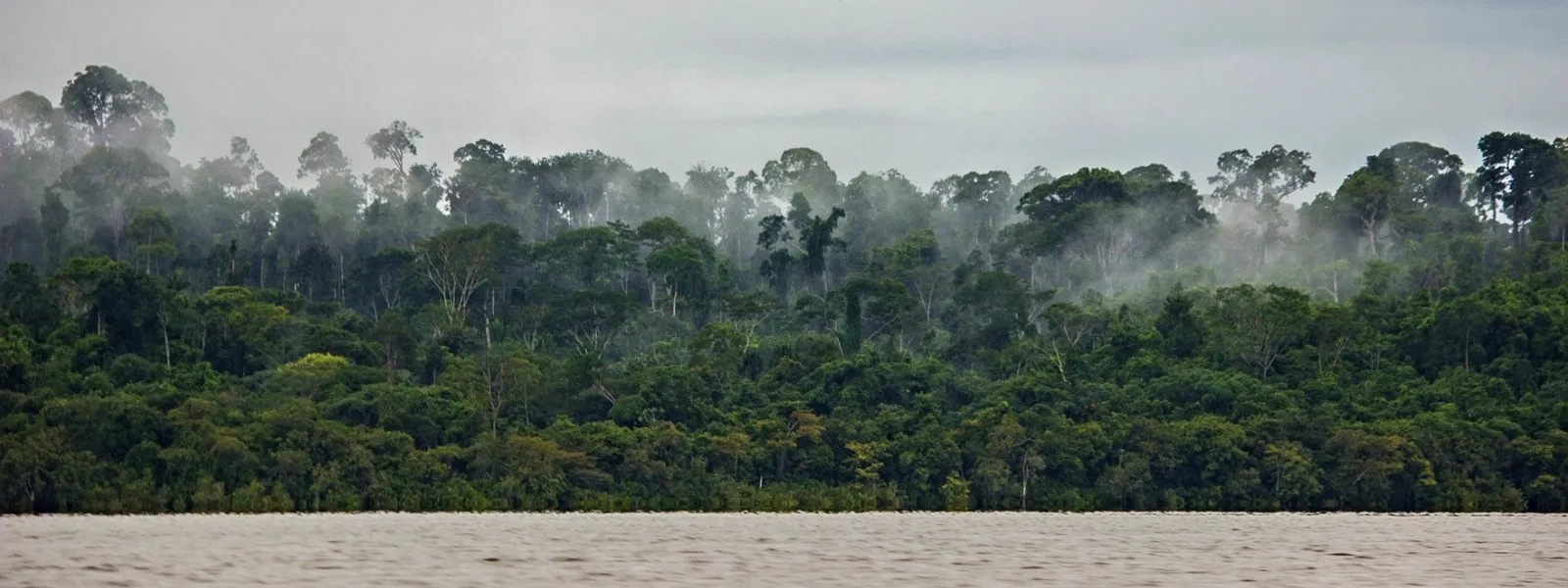
The Belo Monte Dam has caused an environmental and social disaster in the heart of the Amazon—one of the most important ecosystems on the planet.
This situation has only worsened since the hydroelectric plant began operations in 2016. The quest for justice and reparations by the affected indigenous, fishing, and riverine communities continues to this day.
In 2011, the Inter-American Commission on Human Rights (IACHR) granted them protective measures that, to date, have not been fully implemented by the Brazilian State.
Furthermore, since June of that same year, the IACHR has yet to rule on a complaint against the State regarding its international responsibility in the case.
The IACHR may refer the case to the Inter-American Court of Human Rights, which has the authority to issue a ruling condemning the Brazilian State.
After 10 years of the hydroelectric plant's operation and more than 15 years of documented human rights violations, it is time for justice to be served for the affected communities.
Read the open letter from the organizations bringing the case before the IACHR
Background
The Belo Monte hydroelectric plant—the fourth largest in the world by installed capacity (11,233 MW)—was built on the Xingu River in Pará, a state in northern Brazil.
It was inaugurated on May 5, 2016, with a single turbine. At that time, 80% of the river’s course was diverted, flooding 516 km² of land—an area larger than the city of Chicago. Of that area, 400 km² was native forest. The dam began operating at full capacity in November 2019.
Belo Monte was built and is operated by the Norte Energia S.A. consortium, which is composed primarily of state-owned companies. It was financed by the Brazilian Development Bank (BNDES), which provided the consortium with 25.4 billion reais (approximately US$10.16 billion), the largest investment in the bank’s history. Therefore, the BNDES is also legally responsible for the socio-environmental impacts associated with the hydroelectric plant.
Decades of harm to the environment and people
Human rights violations and degradation of the Amazon have been occurring since the project’s inception. In March 2011, Norte Energía began construction of the dam without adequate consultation and without the prior, free, and informed consent of the affected communities.
The construction caused the forced displacement of more than 40,000 people, severing social and cultural ties. The resettlement plan in Altamira—a city directly affected by the hydroelectric dam—involved housing units located on the outskirts, lacking adequate public services and decent living conditions for the relocated families, with no special provisions for those from indigenous communities.
Belo Monte's operations have caused a permanent, man-made drought in the Volta Grande (or "Great Bend") of the Xingu River, exacerbated by the historic droughts in the Amazon in 2023 and 2024. As a result, the deaths of millions of fish eggs were documented for four consecutive years (from 2021 to 2024), and for the past three years, there has been no upstream migration of fish to spawn and reproduce. Thus, artisanal fishing, the main source of protein for indigenous peoples and riverside communities, was severely affected: fish dropped from 50% to 30% of total protein consumed, replaced by processed foods. In summary, there was an environmental and humanitarian collapse that resulted in the breakdown of fishing as a traditional way of life, food insecurity, and access to drinking water for thousands of families, impoverishment, and disease.
Furthermore, the construction of the dam increased deforestation and intensified illegal logging and insecurity on indigenous and tribal lands, putting the survival of these communities at risk. Another consequence was the deepening of poverty and social conflicts, as well as the strain on health, education, and public safety systems in Altamira—a city ranked as the most violent in the country in 2017, where human trafficking and sexual violence increased. Violence was also reported against human rights defenders involved in the case.
In 2025, during the 30th UN Climate Change Conference (COP30), held in Brazil, the Federal Public Prosecutor’s Office labeled the damage caused by the Belo Monte dam as ecocide.
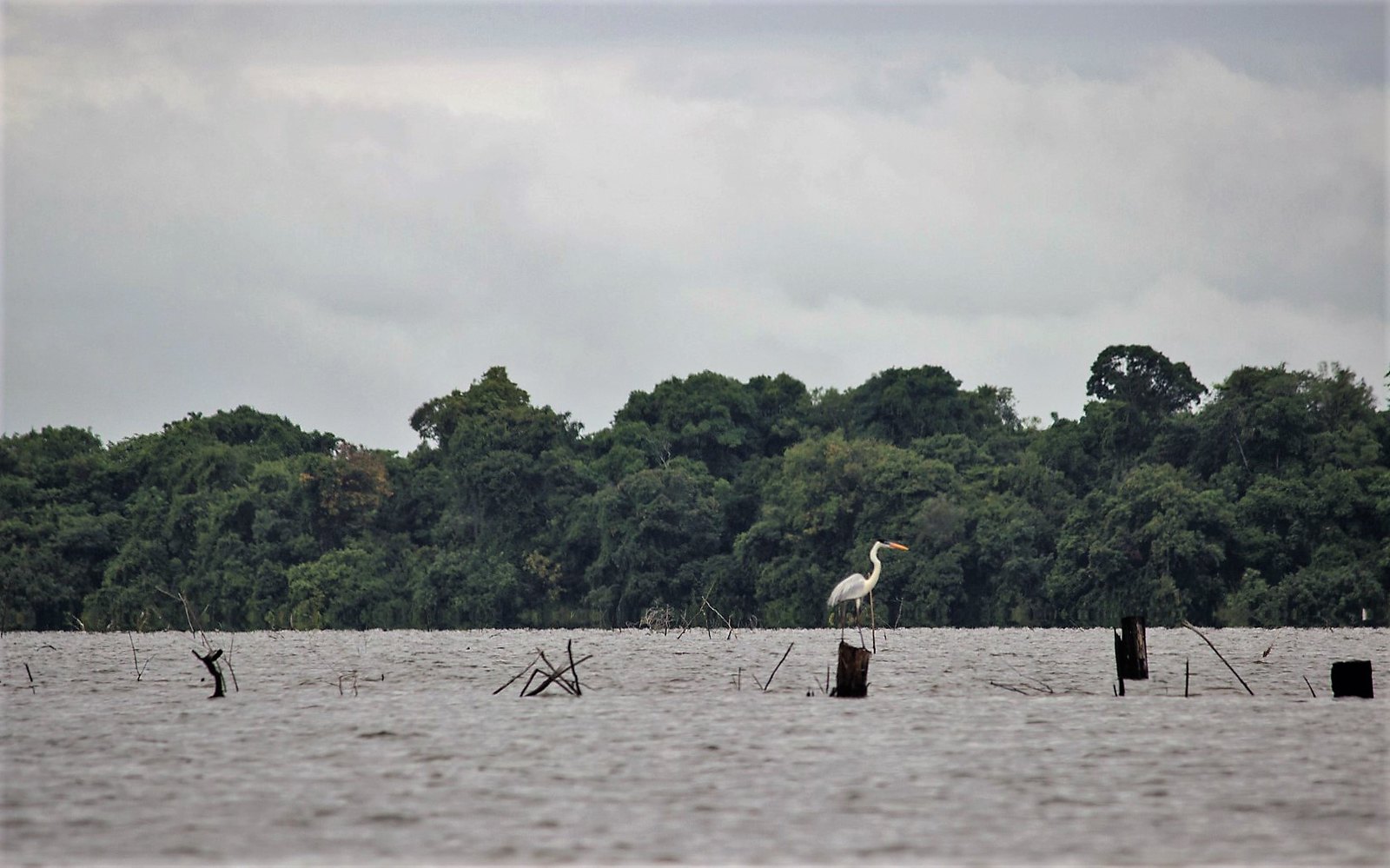
Photo: Amazon Watch / Maíra Irigaray.
The search for justice and reparations
Over the years, the Federal Public Prosecutor’s Office in Pará, the Public Defender’s Office, and civil society organizations have filed dozens of legal actions in Brazilian courts to challenge the project’s various irregularities and its impacts. Most of the claims are still pending resolution, some for more than 10 years.
These efforts have failed because the national government has repeatedly overturned rulings in favor of the affected communities by invoking a mechanism that allowed a court president to suspend a judicial decision based solely on generic arguments such as "the national interest" or "economic order."
In the absence of effective responses at the national level, AIDA, together with a coalition of partner organizations, brought the case before the Inter-American Commission on Human Rights (IACHR) and, in 2010, requested precautionary measures to protect the lives, safety, and health of the affected indigenous communities.
On April 1, 2011, the IACHR granted these measures and requested that the Brazilian government suspend environmental permits and any construction work until the conditions related to prior consultation and the protection of the health and safety of the communities are met.
And on June 16, 2011 —together with the Xingu Vivo Para Sempre Movement, the Coordinating Committee of Indigenous Organizations of the Brazilian Amazon, the Diocese of Altamira, the Indigenous Missionary Council, the Pará Society for the Defense of Human Rights and Global Justice— we filed a formal complaint against the Brazilian State for its international responsibility in the violation of the human rights of the people affected in the case. The case was opened for processing in December 2015.
On August 3, 2011, the IACHR amended the precautionary measures to request, instead of the suspension of permits and construction, the protection of people living in voluntary isolation, the health of indigenous communities, and the regularization and protection of ancestral lands.
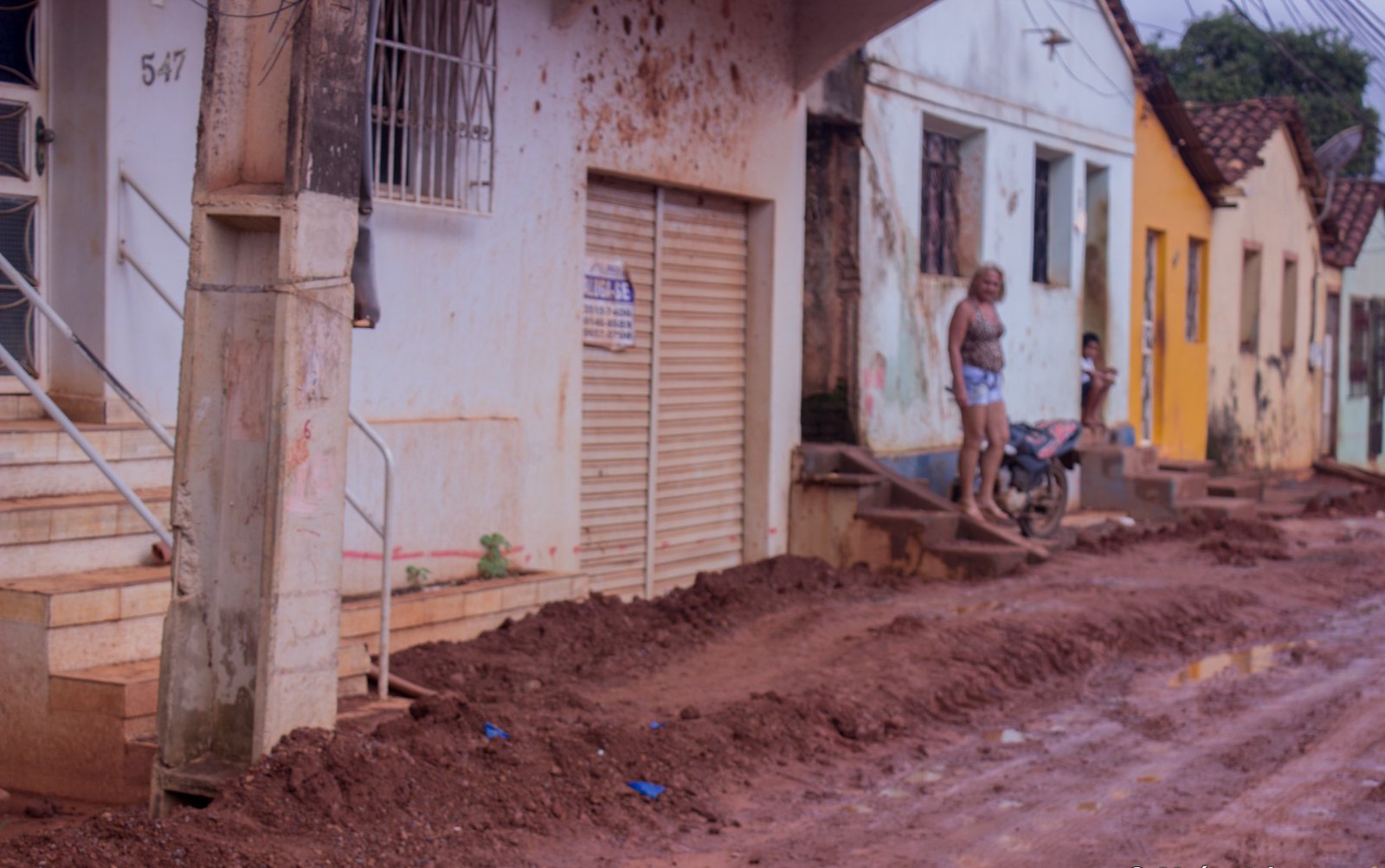
Photo: Amazon Watch / Maíra Irigaray.
Current situation
The protective measures granted by the IACHR remain in effect, but the Brazilian government has not fully complied with them, reporting only on general actions. The communities have documented the ongoing violations of their rights. The situation that prompted the request for these measures—the risk to the lives, physical integrity, and ways of life of the communities—persists and has worsened with the hydroelectric plant operating at full capacity and the recent extreme droughts in the Amazon.
In addition to the impacts of Belo Monte, there is a risk of further social and environmental impacts from the implementation of another mining megaproject in the Volta Grande do Xingu. There, the Canadian company Belo Sun plans to build Brazil’s largest open-pit gold mine.
The combined and cumulative impacts of the dam and the mine were not assessed. The government excluded Indigenous peoples, riverine and peasant communities from the project’s environmental permitting process. Despite protests by Indigenous communities and other irregularities surrounding the project, the government of Pará formally authorized the mine in April 2026.
Like other hydroelectric dams, Belo Monte exacerbates the climate emergency by generating greenhouse gas emissions in its reservoir. And it is inefficient amid the longer, more intense droughts caused by the crisis, as it loses its ability to generate power.
The case before the Inter-American Commission
In October 2017, the IACHR announced that it would rule jointly on the admissibility (whether the case meets the requirements for admission) and the merits (whether a human rights violation actually occurred) of the international complaint against the Brazilian State.
Fifteen years after the complaint was filed, the affected communities and the organizations representing them are still awaiting this decision. If the IACHR concludes that human rights violations occurred and issues recommendations that the Brazilian State fails to comply with, it may refer the case to the Inter-American Court of Human Rights, whose rulings are binding.
A potential ruling by the international court in this case would set a regional legal precedent regarding the rights of indigenous and riverine peoples, public participation in megaprojects, and state responsibility in the context of the climate crisis—a precedent that is particularly relevant in light of the Court’s Advisory Opinion No. 32, which reaffirmed the obligations of States to protect the people and communities of the continent from the climate emergency.
Partners:
Related projects

Moratoriums and bans on fracking: Comparative legislation
Hydraulic fracturing is a technique used to extract nonconventional petroleum products, such as tight gas and shale oil, from deep underground deposits. To release these hydrocarbons, the rock formations in which they are trapped must first be shattered into many small pieces. Hydraulic fracturing, or fracking, thus involves drilling 1000 to 5000 meters into the earth and injecting a high-pressure fluid mix of water, sand and various chemicals to fracture the rock and release the hard-to-reach hydrocarbons. This controversial technique has sparked resistance in many communities, regions, and countries where it is causing serious dangers to public health and the environment. Countries, regions, cities and communities around the world have chosen to prohibit or place moratoriums on fracking through various legal and administrative mechanisms. These fracking bans are driven by a number of concerns surrounding the dangers fracking poses to the environment and public health. We would like to point out the following arguments: Above ground and subterranean water sources, air, and soil in the vicinity of fracking operations are at serious risk of contamination. There remains scientific uncertainty regarding of the magnitude of fracking’s impacts on public health and the environment. Measures put in place by the hydrocarbon industry to prevent the impacts of fracking have not yet been proven effective. Moreover, a “general consensus” among actors in the hydrocarbon industry does not guarantee that fracking operations are safe for humans and the environment. There is a serious risk of contamination of soil and water sources in rural and agricultural areas. Fracking impacts communities’ ways of life, and limits consumer confidence that food and agricultural products grown or produced in areas affected by fracking are safe to consume. Fracking emits significant volumes of greenhouse gases into the atmosphere, exacerbating anthropogenic climate change. Among these gases produced by fracking are large volumes of methane, which traps roughly 30 times more heat in the atmosphere than carbon dioxide. There is a large and growing social opposition to fracking, driven by community organizations and citizen mobilization, demonstrating widespread popular opposition to the technique. Indigenous communities like the Cherokee argue that defending their territories against fracking is essential to their continued survival. Most of the moratoriums and bans on fracking surveyed in this report adopt the precautionary principle, either directly referencing the principle or indirectly alluding to it. For example, most fracking bans are based on the possibility of serious and irreversible harms caused by the extraction technique, or on the scientific uncertainty regarding the magnitude of fracking’s impacts. These measures invoke the precautionary principle, which states that in the event a technique could cause serious or irreversible dangers, or if there is a lack of scientific evidence that a technique is safe, decision makers should adopt proactive measures that protect the health of people and the environment above all. However, various measures to ban or pass moratoriums on fracking did first require exhaustive scientific investigations by government authorities to better understand the risks fracking could cause to public health and the environment. Those studies confirmed the serious risks of hydraulic fracturing, but could not prove with certainty the short and long-term impacts of fracking, nor the efficacy of industry efforts to prevent and mitigate those dangers. In a pair of case studies (in Northern Ireland and Wales) government authorities used the precautionary principle to establish a burden of proof, placing the onus on the hydrocarbon industry to clearly and scientifically demonstrate that the proposed fracking activities would not cause serious or irreversible harm to public health or the health of the environment. If the party pursuing hydraulic fracturing could not show evidence-based proof of the safety of fracking in a particular instance, authorities would maintain precautionary measures (such as prohibitions or moratoriums) in order to protect the health of people and the environment. The measures adopted in these cases were formalized via legislation or through orders issued by the executive branch or other administrative bodies. In two of the cases examined (New York and Maryland in the United States), prohibitions or moratoriums on fracking at the municipal level were key to securing political and legal support at larger, regional jurisdictions. Furthermore, social mobilization by grassroots organizations helped amplify and legitimize anti-fracking movements at the national or regional level. In all cases, anti-fracking measures were passed only after mobilizing social resistance to fracking, which built awareness, generated larger movements, and unified voices against the technique. Civil society organizations have employed a diverse and creative array of methods to build support with political actors. Among them are citizens’ legislative initiatives, petitions, letters and meetings with policymakers, marches, strikes and protests, and other collective action. All have proven effective in generating political support to pass fracking bans. The power of social mobilization against fracking has been a deciding factor in many cases in which authorities have recognized that widespread public opposition to fracking is the principal reason to pass local fracking bans or moratoriums. SEE THE REPORT (IN SPANISH)
Read more
World Bank Arbitration Tribunal Refuses to Listen to Those Affected by Mining in Santurbán, Colombia
The World Bank’s International Center for Settlement of Investment Disputes (ICSID) has declined to accept an Amicus Curiae that was to be presented by the Committee for the Defense of Water and the Páramo of Santurbán and allied international organizations. Bucaramanga, Bogotá, Washington, Ottawa, Amsterdam. National and international civil society organizations rebuffed the International Centre for Settlement of Investment Disputes’ (ICSID) refusal to accept an Amicus Curiae within the process of the ongoing international arbitration brought forth by Canadian mining company Eco Oro Minerals Corp. against Colombia. The arbitration centre is hearing the ongoing international arbitration put forth by the Canadian company in question against the Andean nation. The company is attempting to pursue its Angostura gold mining project in the Santurbán páramo, located in the northeast of the country. The arbitration questions the decisions taken by the Colombian State to protect its páramos, high mountain wetlands that are a natural source of water for 70% of its inhabitants. The arbitration is being heard at the ICSID, an organization dependent on the World Bank that is in charge of the resolution of disputes between investors and States. Colombia could be condemned to pay $746 million US dollars, an unprecedented sanction for the country. “At a time when Latin American countries are embracing the principles of environmental democracy with the adoption of the Escazú Agreement, ICSID is going in the opposite direction. It is regrettable that in the midst of the regional movement for transparency and participation, ICSID has opted to constrict itself even more. In doing so, it is only generating more anger and distrust, not only in the face of this mechanism, but also in the face of the whole system of Investor-State Arbitration worldwide,” stated Carla García Zendejas, Senior Attorney at the Center for International Environmental Law (CIEL). “The communities affected by mining in Santurbán have to be heard and can provide crucial elements for the case,” said Carlos Lozano, Senior AIDA Attorney. The organizations consider that the Committee for the Defense of Water and the Páramo of Santurbán has a significant interest in the outcome of the process and that they could have provided expertise to the arbitration tribunal, which would have been helpful for a better decision in the case. In the same way, they urge ICSID to expand citizen participation and make its decision-making processes more transparent. This is transcendental for the public interest of the countries whose governments are subject to its jurisdiction. Find more information on the case here. PRESS CONTACTS: Alix Mancilla, Comité para la Defensa del Agua y el Páramo de Santurbán, [email protected], +57 311 2439273 Carla García Zendejas, CIEL, [email protected], +1 202 374 2550 Carlos Lozano Acosta, AIDA, [email protected], +57 300 56 40 282 Kirsten Francescone, MiningWatch Canada, [email protected], +14373459881 Kristen Genovese, SOMO, [email protected], +31 65 277 3272, Manuel Perez Rocha, Institute for Policy Studies, [email protected] +1 240 838 6623
Read more
Herbivorous fish and coral reefs: a relationship we must protect
Vibrantly colored herbivorous fish feed on the macroalgae that covers coral reefs. These fish play a fundamental role in the health of marine environments by cleaning the algae that deprive corals of light and oxygen. They are vital for maintaining the ecological equilibrium necessary for the reef’s survival. Recommendations for saving herbivorous fish Targeted measures are urgently needed to maintain and improve the health of coral reefs. Protecting the colonies of herbivorous fish that sustain them would go a long way toward helping reefs recover. In order to do so, AIDA recommends: Establishing and adopting strong fishing management and conservation strategies that will help herbivorous fish (particularly parrotfish) populations recover. This includes fishing management initiatives, establishing temporary or location-based bans, and strict quotas on fishing. Other measures include encouraging fisheries to diversify the species they capture. In the Caribbean, for example, fishing for lionfish—an invasive species—could be promoted as a viable economic alternative in hundreds of fishing communities. Establishing marine protected areas and recovery zones where fishing is prohibited. These areas or zones, which should include at-risk habitats, need urgent protection because they are considered refuges for juvenile and adult fish. Allowing herbivorous fish species to complete their life cycles would contribute to the resilience of key marine environments like coral reefs. Standardize monitoring techniques of fish populations and implement alternative management practices. Encouraging optimal standard practices would allow scientists working in diverse habitats to improve monitoring, as well as fishery and ecosystem management. Among other options, reef restoration is also extremely beneficial, and has already been adopted in several areas of Mexico. Promote comprehensive regional management systems that allow local authorities to share experiences and establish shared management and conservation tools. Create and implement norms and laws that protect reefs and herbivorous fish. These could include laws that promote adequate fishing management practices and effectively combat threats like overfishing and tourism that damage reef habitats. Such laws could also encourage low impact coastal development that incorporates thorough scientific and technical evaluation into the planning process. See THE Fact Sheet (in Spanish)
Read more