
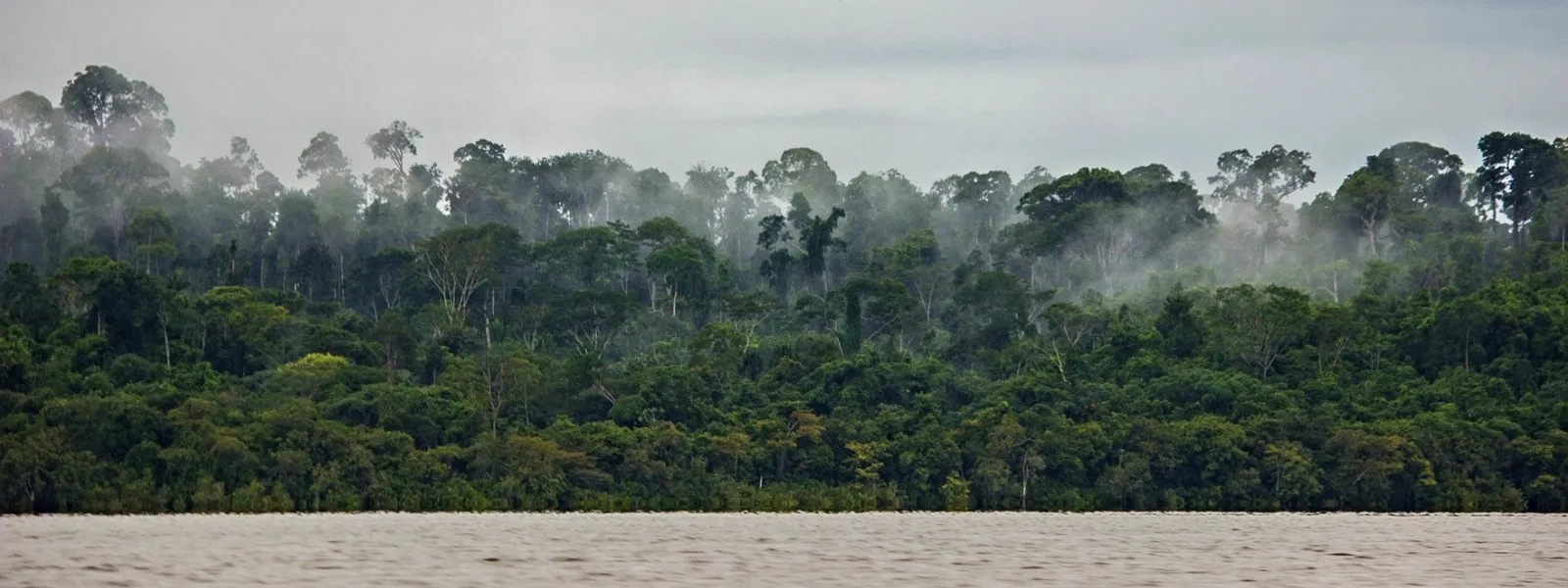
Project
Amazon Watch / Maíra Irigaray
The Belo Monte Dam on the Xingu River: 10 years of impacts in the Amazon and the search for reparations
The Belo Monte Dam has caused an environmental and social disaster in the heart of the Amazon—one of the most important ecosystems on the planet.
This situation has only worsened since the hydroelectric plant began operations in 2016. The quest for justice and reparations by the affected indigenous, fishing, and riverine communities continues to this day.
In 2011, the Inter-American Commission on Human Rights (IACHR) granted them protective measures that, to date, have not been fully implemented by the Brazilian State.
Furthermore, since June of that same year, the IACHR has yet to rule on a complaint against the State regarding its international responsibility in the case.
The IACHR may refer the case to the Inter-American Court of Human Rights, which has the authority to issue a ruling condemning the Brazilian State.
After 10 years of the hydroelectric plant's operation and more than 15 years of documented human rights violations, it is time for justice to be served for the affected communities.
Read the open letter from the organizations bringing the case before the IACHR
Background
The Belo Monte hydroelectric plant—the fourth largest in the world by installed capacity (11,233 MW)—was built on the Xingu River in Pará, a state in northern Brazil.
It was inaugurated on May 5, 2016, with a single turbine. At that time, 80% of the river’s course was diverted, flooding 516 km² of land—an area larger than the city of Chicago. Of that area, 400 km² was native forest. The dam began operating at full capacity in November 2019.
Belo Monte was built and is operated by the Norte Energia S.A. consortium, which is composed primarily of state-owned companies. It was financed by the Brazilian Development Bank (BNDES), which provided the consortium with 25.4 billion reais (approximately US$10.16 billion), the largest investment in the bank’s history. Therefore, the BNDES is also legally responsible for the socio-environmental impacts associated with the hydroelectric plant.
Decades of harm to the environment and people
Human rights violations and degradation of the Amazon have been occurring since the project’s inception. In March 2011, Norte Energía began construction of the dam without adequate consultation and without the prior, free, and informed consent of the affected communities.
The construction caused the forced displacement of more than 40,000 people, severing social and cultural ties. The resettlement plan in Altamira—a city directly affected by the hydroelectric dam—involved housing units located on the outskirts, lacking adequate public services and decent living conditions for the relocated families, with no special provisions for those from indigenous communities.
Belo Monte's operations have caused a permanent, man-made drought in the Volta Grande (or "Great Bend") of the Xingu River, exacerbated by the historic droughts in the Amazon in 2023 and 2024. As a result, the deaths of millions of fish eggs were documented for four consecutive years (from 2021 to 2024), and for the past three years, there has been no upstream migration of fish to spawn and reproduce. Thus, artisanal fishing, the main source of protein for indigenous peoples and riverside communities, was severely affected: fish dropped from 50% to 30% of total protein consumed, replaced by processed foods. In summary, there was an environmental and humanitarian collapse that resulted in the breakdown of fishing as a traditional way of life, food insecurity, and access to drinking water for thousands of families, impoverishment, and disease.
Furthermore, the construction of the dam increased deforestation and intensified illegal logging and insecurity on indigenous and tribal lands, putting the survival of these communities at risk. Another consequence was the deepening of poverty and social conflicts, as well as the strain on health, education, and public safety systems in Altamira—a city ranked as the most violent in the country in 2017, where human trafficking and sexual violence increased. Violence was also reported against human rights defenders involved in the case.
In 2025, during the 30th UN Climate Change Conference (COP30), held in Brazil, the Federal Public Prosecutor’s Office labeled the damage caused by the Belo Monte dam as ecocide.
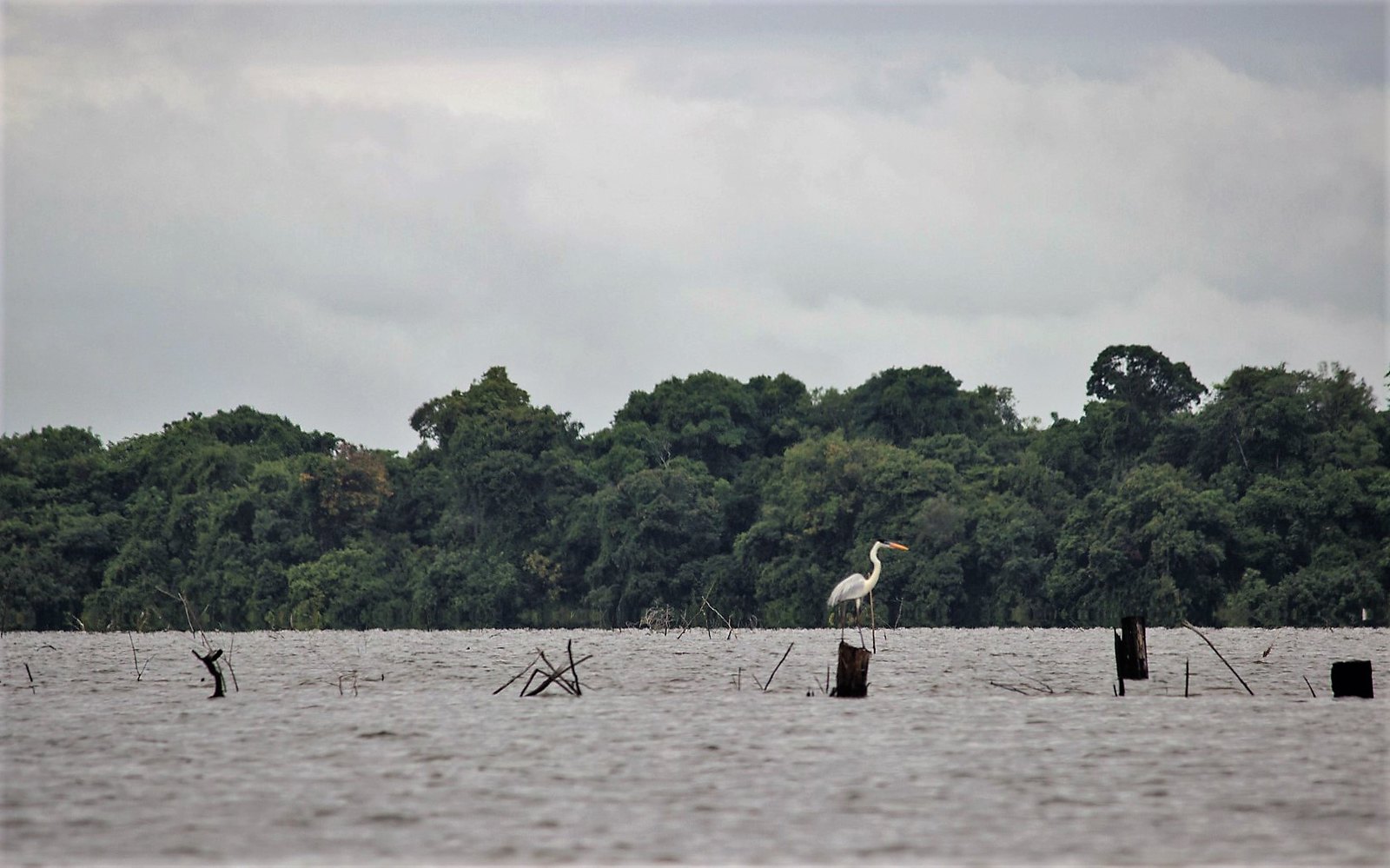
Photo: Amazon Watch / Maíra Irigaray.
The search for justice and reparations
Over the years, the Federal Public Prosecutor’s Office in Pará, the Public Defender’s Office, and civil society organizations have filed dozens of legal actions in Brazilian courts to challenge the project’s various irregularities and its impacts. Most of the claims are still pending resolution, some for more than 10 years.
These efforts have failed because the national government has repeatedly overturned rulings in favor of the affected communities by invoking a mechanism that allowed a court president to suspend a judicial decision based solely on generic arguments such as "the national interest" or "economic order."
In the absence of effective responses at the national level, AIDA, together with a coalition of partner organizations, brought the case before the Inter-American Commission on Human Rights (IACHR) and, in 2010, requested precautionary measures to protect the lives, safety, and health of the affected indigenous communities.
On April 1, 2011, the IACHR granted these measures and requested that the Brazilian government suspend environmental permits and any construction work until the conditions related to prior consultation and the protection of the health and safety of the communities are met.
And on June 16, 2011 —together with the Xingu Vivo Para Sempre Movement, the Coordinating Committee of Indigenous Organizations of the Brazilian Amazon, the Diocese of Altamira, the Indigenous Missionary Council, the Pará Society for the Defense of Human Rights and Global Justice— we filed a formal complaint against the Brazilian State for its international responsibility in the violation of the human rights of the people affected in the case. The case was opened for processing in December 2015.
On August 3, 2011, the IACHR amended the precautionary measures to request, instead of the suspension of permits and construction, the protection of people living in voluntary isolation, the health of indigenous communities, and the regularization and protection of ancestral lands.
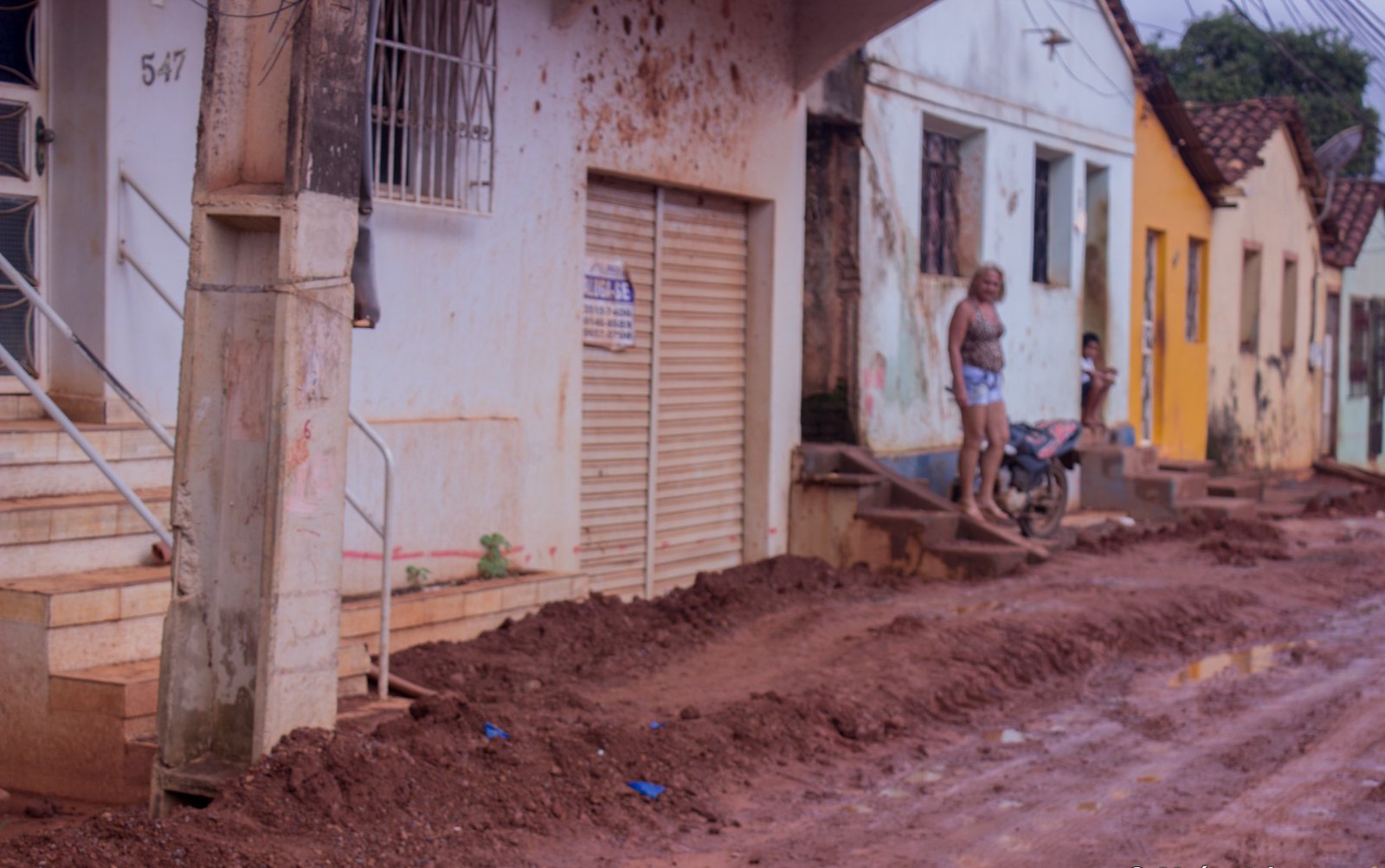
Photo: Amazon Watch / Maíra Irigaray.
Current situation
The protective measures granted by the IACHR remain in effect, but the Brazilian government has not fully complied with them, reporting only on general actions. The communities have documented the ongoing violations of their rights. The situation that prompted the request for these measures—the risk to the lives, physical integrity, and ways of life of the communities—persists and has worsened with the hydroelectric plant operating at full capacity and the recent extreme droughts in the Amazon.
In addition to the impacts of Belo Monte, there is a risk of further social and environmental impacts from the implementation of another mining megaproject in the Volta Grande do Xingu. There, the Canadian company Belo Sun plans to build Brazil’s largest open-pit gold mine.
The combined and cumulative impacts of the dam and the mine were not assessed. The government excluded Indigenous peoples, riverine and peasant communities from the project’s environmental permitting process. Despite protests by Indigenous communities and other irregularities surrounding the project, the government of Pará formally authorized the mine in April 2026.
Like other hydroelectric dams, Belo Monte exacerbates the climate emergency by generating greenhouse gas emissions in its reservoir. And it is inefficient amid the longer, more intense droughts caused by the crisis, as it loses its ability to generate power.
The case before the Inter-American Commission
In October 2017, the IACHR announced that it would rule jointly on the admissibility (whether the case meets the requirements for admission) and the merits (whether a human rights violation actually occurred) of the international complaint against the Brazilian State.
Fifteen years after the complaint was filed, the affected communities and the organizations representing them are still awaiting this decision. If the IACHR concludes that human rights violations occurred and issues recommendations that the Brazilian State fails to comply with, it may refer the case to the Inter-American Court of Human Rights, whose rulings are binding.
A potential ruling by the international court in this case would set a regional legal precedent regarding the rights of indigenous and riverine peoples, public participation in megaprojects, and state responsibility in the context of the climate crisis—a precedent that is particularly relevant in light of the Court’s Advisory Opinion No. 32, which reaffirmed the obligations of States to protect the people and communities of the continent from the climate emergency.
Partners:
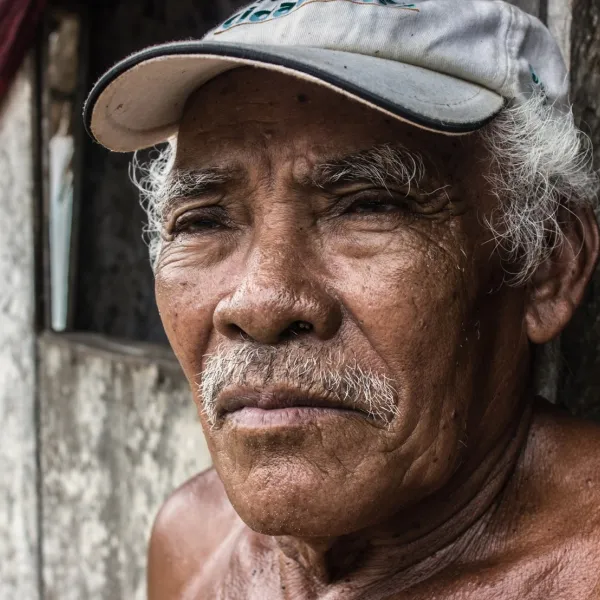
Related projects
Statement on the Assassination of Dilma Ferreira Silva, leader of Brazil’s Movement of Dam-Affected Peoples
In the face of the brutal crime committed on March 22nd against a coordinator of the Movement of Dam-Affected Peoples in Brazil, the undersigned human rights and environmental organizations call on Brazilian authorities and multilateral organizations to ensure that the country’s obligations regarding the protection of human rights and environmental defenders are enforced. With deep sadness and indignation, we received the news that Dilma Ferreira Silva, a regional coordinator of Brazil’s Movement of Dam-Affected Peoples (MAB), together with her husband Claudionor Costa da Silva and Hilton Lopes, a friend of the family, were assassinated on Friday, March 22nd in the Amazonian state of Pará. The bodies of the three victims were found in her residence with signs of torture. Dilma Ferreira Silva was a prominent activist and recognized leader who, for more than three decades, fought for the rights of the people affected by the Tucuruí mega-hydroelectric dam project on the Tocantins River of the Brazilian Amazon, built during the country’s military dictatorship 1964-1985), provoking the displacement of an estimated 32,000 people, along with serious environmental damage. This is not the first case of a brutal murder perpetrated against a human rights defender in the region of the Tucurui dam. In April 2009, Raimundo Nonato do Carmo, a union leader who fought on behalf of those whose lives were ruined by the Tucuruí dam was shot seven times by two men on a motorcycle as he walked out of a supermarket on the street in which he lived in the town of Tucuruí. Dilma dedicated her life to promoting national policies that would effectively take into account the rights of dam-affected peoples, with due attention to gender issues that particularly affect the rights of women. Dilma Ferreira lived in the rural settlement of Salvador Allende, where land titles were issued for family farmers by the federal government in 2012, as a result of a popular mobilization of the Movement of the Landless Workers (MST), with support from MAB. However, the area continued to be coveted by land grabbers (grileiros) that invade and seize control of public and community lands. One such example is Fernando Ferreira Rosa Filho (aka ‘Fernandinho’) arrested by the civil police force of the state of Pará as the principal suspect in the triple homicide of Dilma Ferreira, Claudionor Costa da Silva and Hilton Lopes. The assassination of Dilma Ferreira Silva is evidence of the grave situation faced by human rights and environmental defenders in Brazil, a country that tops the global ranking in violence practiced against defenders, with one person murdered every six days in 2017. The incoming administration of President Jair Bolsonaro has intensified recent attempts to undermine Brazil’s progressive legislation on environmental protection and human rights - especially those of indigenous peoples, quilombolas (descendants of African slaves), family farmers and other traditional populations. Such attempts have often clashed with Brazil’s progressive Federal Constitution, approved in 1988 during a period of redemocratization that followed military rule. Backsliding on public policies, together with public statements that incite violence in conflictive areas, are seriously increasing the risks faced by human rights and environmental defenders such as Dilma Ferreira Silva. The undersigned human rights and environmental organizations express our solidarity with the family of Dilma and the Movement of Dam-Affected Peoples (MAB). Without a doubt, her assassination is a huge loss for the defense of the environment and human rights in the Amazon. We stand with the UN High Commissioner on Human Rights in demanding a complete, independent and imparcial investigation of the assassination of Dilma Ferreira Silva, as well as the exemplary punishment of those that carried out and ordered this horrendous crime. Moreover, we call on Brazilian authorities to ensure that the country’s domestic legislation and international obligations regarding the protection of human rights and environmental defenders are fully implemented, including preventative action to avoid further acts of violence. Signed, 1. 350.org 2. Aborigen-Forum 3. AMAR - Associação de Defesa do Meio Ambiente de Araucária 4. Amazon Watch 5. APREC Ecossistemas Costeiros 6. Arctic Consult 7. Articulação Antinuclear Brasileira 8. Asociación Interamericana para la Defensa del Ambiente - AIDA 9. Associação Mineira de Defesa do Ambiente – Amda 10. Association green alternative Georgia 11. Association of Journalists-Environmentalists of the Russian Union of Journalists 12. BAI Indigenous Women's Network in the Philippines 13. Bank Information Center (BIC) USA 14. Biodiversity Conservation Center 15. Both ENDS 16. Bretton Woods Project 17. Buryat Regional Association for Baikal 18. Business & Human Rights Center 19. Center for International Environmental Law - CIEL 20. CIDSE - International family of Catholic social justice organizations 21. Coalition for Human Rights in Development 22. Colegiado Mar RBMA/Reserva da Biosfera da Mata Atlântica - Grupo Conexão Abrolhos -Trindade 23. Coletivo de Mulheres do Xingu 24. Coletivo de Mulheres Negras de Altamira 25. Comisión Ecumenica de Derechos Humanos 26. Comité Ambiental en Defensa de la Vida 27. Conectas Direitos Humanos 28. Conseil Régional des Organisations Non Gouvernementales de Développement en RDC 29. Conselho Indigenista Missionário - CIMI 30. Corporación SOS Ambiental 31. Crescente Fértil 32. Derecho Ambiente y Recursos Naturales - DAR 33. Derechos Humanos y Medio Ambiente - DHUMA 34. Derechos Humanos y Medio Ambiente de Puno - Perú 35. DKA Austria 36. ECOA - Ecologia e Ação 37. Ecological Center DRONT 38. Ecolur Information NGO 39. Environmental Investigation Agency 40. Fastenopfer Switzerland 41. Focsiv - Federation of Italian Christian NGOs 42. Fórum em Defesa de Altamira 43. Foundation Sami Heritage and Development 44. Frente por uma Nova Política Energética para o Brasil 45. Front Line Defenders 46. Fundação Avina 47. Fundação Grupo ESQUEL 48. Future for Everyone 49. Global Witness 50. Green Dubna 51. Green Peace Brasil 52. ONG Guajiru 53. In Difesa Di - per i Diritti Umani e chi li difende 54. Indigenous Peoples Movement for Self-determination and Liberation (IPMSDL) 55. Instituto Igarapé 56. Instituto Terramar 57. Institutos Ethos 58. International Indigenous Fund for Development and Solidarity "Batani" dos EUA 59. International Land Coalition Secretariat 60. International Rivers 61. Katribu Kalipunan ng Katutubong Mamamayan ng Pilipinas (Katribu national alliance of indigenous peoples in the Philippines) 62. Kazan Federal University 63. Latin America Working Group 64. London Mining Network 65. Lumiere Synergie pour le Developpement 66. MAB - Movimento dos Atingidos por Barragens 67. Maryknoll Office for Global Concerns 68. MISEREOR 69. Movimento Nacional de Luta pela Moradia (MNLM) 70. Movimento Negro 71. Movimento Paulo Jackson - Ética, Justiça, Cidadania 72. Movimento Tapajós Vivo 73. Movimento Xingu Vivo para Sempre 74. Movimiento de Afectados por Represas de America Latina - MAR 75. O Movimento Nacional das Cidadãs Posithivas (MNCP) 76. Oyu Tolgoi Watch 77. Pax Christi - Comisión Solidaridad Un Mundo Alemania 78. Pax Christi Internacional 79. Pax Christi Toronto 80. Projeto Saúde e Alegria 81. Protection International 82. Public Interest law Center (PILC/CHAD) 83. Red de Comités Ambientales del Tolima 84. Red de Género y Medio Ambiente de México 85. REDE GTA 86. Resource Rights Africa da Uganda 87. Rivers without Boundaries International Coalition 88. Rivers without Boundaries - Mongolia 89. SAPÊ - Sociedade Agrense de Proteção Ecológica 90. SCIAF - Scottish Catholic International Aid Fund 91. Serpaj Chile 92. Siberian Environmental Organization 93. Socio-ecological Union International 94. Tatarstan Organization of the All-Russian Society for the Conservation of Nature 95. Terra 1530 96. The Canadian Catholic Organization for Development and Peace/Caritas 97. The Society for Threatened Peoples International STPI - Gesellschaft für bedrohte Völker-International, GfbV-International 98. The Volunteer Movement Save Utrish 99. Toxisphera - Associação de Saúde Ambiental 100. Tutela Legal Maria Julia Hernández 101. Uma Gota no Oceano 102. Uniafro Brasil 103. Washington Office on Latin America - Wola 104. WoMin African Alliance 105. World Wide Fund for Nature – WWF/Brasil
Read more
Conserving our water, drop by drop
Water is powerful. Even the idea of not having it in our daily life disturbs us. Yet we so often take it for granted. Many of us believe it will flow indefinitely, without having to do anything to guarantee its presence. As if to prove how wrong we are, reality has been hitting us harder and more frequently. In 2016, Bolivia suffered its worst drought in 25 years. Water scarcity affected five of the country’s nine departments, and a national emergency was declared. In the city of La Paz, seat of the federal government, the water cut-offs employed to confront the crisis led to some people having to subsist up to two days on only 50 liters of water. Bolivia isn’t an isolated case. Since 2010, central Chile has been experienced a mega-drought that is far from ending. And in 2018, the drought in Central America caused severe crop losses, putting the food of millions of people at risk. The causes of water shortages Water scarcity in Bolivia and other countries have common causes, problems that we must confront with urgency, such as: Climate change. Latin America is one of the world’s most vulnerable regions to climate change, which intensifies the water cycle, meaning the driest regions of the world are becoming even drier. Lack of long-term policies. Population growth has not been accompanied by policies for the more efficient use of water, or the better conservation of its sources. Inadequate water management. The management of water resources has not considered the growing demand on all sectors, the protection of natural sources, or the use of traditional and indigenous knowledge for conservation. Damages from extractive projects. An increase in mining activity in the region is contaminating rivers and using large quantities of water; fracking does as well. Large dams irreversibly damage important water basins. No culture of conservation. The growth of cities and the consequent growth of water consumption have not come accompanied with an increase in responsible citizenry. Best practices for water conservation It’s expected that the gap between water supply and demand in cities will reach 40 percent by 2030, so we must work quickly to implement good water management practices, including the following: Recycling wastewater from sewage systems, agriculture and industry. The reuse of water requires less energy than desalinization (which produces more toxic waste than water); it is also sustainable and profitable. Adopting solutions that take advantage of the natural processes that regulate the water cycle. They could be applied on a personal scale (for example, a dry toilet), at the landscape level (conservation agriculture that minimizes soil disturbance and uses crop rotation), or in urban environments (green walls and rooftop gardens). Harvesting rainwater and implementing better systems to store it would help reduce the impacts of future droughts. Applying appropriate environmental impact assessments would prevent the authorization of projects that threaten to damage natural sources of water supply. Motivating a change of mentality in key actors—those responsible for public policies, the private sector and consumers—would guarantee the availability and sustainable management of water. Humanity needs water, and for this year’s World Water Day, celebrated March 22, we join the focus on “leaving no one behind.” At AIDA we understand that water is a human right. That’s why we work to defend the ecosystems that provide our water from the damages of inadequately implemented mega-projects.
Read more
Organizations ask the UN to intervene in the protection of the Santurbán páramo, at risk from mining
They request that the United Nations Special Rapporteur on the Rights to Drinking Water and Sanitation prepare a report on the case, visit the site, and support the Colombian government in taking the necessary actions to protect the ecosystem, an important source of water for millions of people, from the dangers of mining. Bucaramanga, Colombia. Civil society organizations in Colombia sent a communique to Léo Heller, United Nations Special Rapporteur on the Rights to Drinking Water and Sanitation. In it, they warn that their rights are at serious risk in the face of proposed mining projects in or near the Santurbán páramo, a water source for more than 10 municipalities and 3 large cities. They request that the Rapporteur prepare a report on the case, visit the site, and support the Colombian government in protecting that ecosystem. Actions and omissions by the Colombian government have allowed the development of mining projects that threaten the availability and quality of water provided by the páramo. The government’s protection of the páramo did not include the entire ecosystem, leaving a part of it unprotected, and did not allow for public participation. As a result, the Constitutional Court ordered the government to redo the process of delimiting the páramo. The submission details: the process of defining the boundaries of the Santurbán páramo; the importance of that process for the environment and the enjoyment of the right to water in Colombia; the legal framework for the protection of páramos in the country; and the development of projects in or near the site. It also outlines associated environmental impacts or threats, including a decrease in the quality and quantity of water, contamination due to the use of explosives, a decrease in air quality, an increase in noise level, and the permanent loss of habitats. Likewise, the submission details the impacts of Investor State Dispute Settlement (ISDS) claims on governmental decisions to protect their water sources. Several mining companies have tried for more than 15 years to extract gold from the Santurbán páramo. Some of those are Canadian companies, who are currently using this arbitration process to demand hundreds of millions of dollars from the Colombian government in compensation for their “lost” profits. The organizations ask that the Rapporteur monitor the situation in the Santurbán páramo and urge the Colombian government to comply with its international obligations in relation to the right to water. Find more information on the case here. press contacts: Alix Mancilla, Comité para la Defensa del Agua y el Páramo de Santurbán, [email protected], +57 311 2439273 (Spanish only) Carlos Lozano, AIDA, [email protected], +57 300 56 40 282 Carla García, CIEL, [email protected], +1 202 374 2550 Kirsten Francescone, MiningWatch Canada, [email protected], +14373459881 Kristen Genovese, SOMO, [email protected], +31 65 277 3272
Read more