
Project
Amazon Watch / Maíra Irigaray
The Belo Monte Dam on the Xingu River: 10 years of impacts in the Amazon and the search for reparations
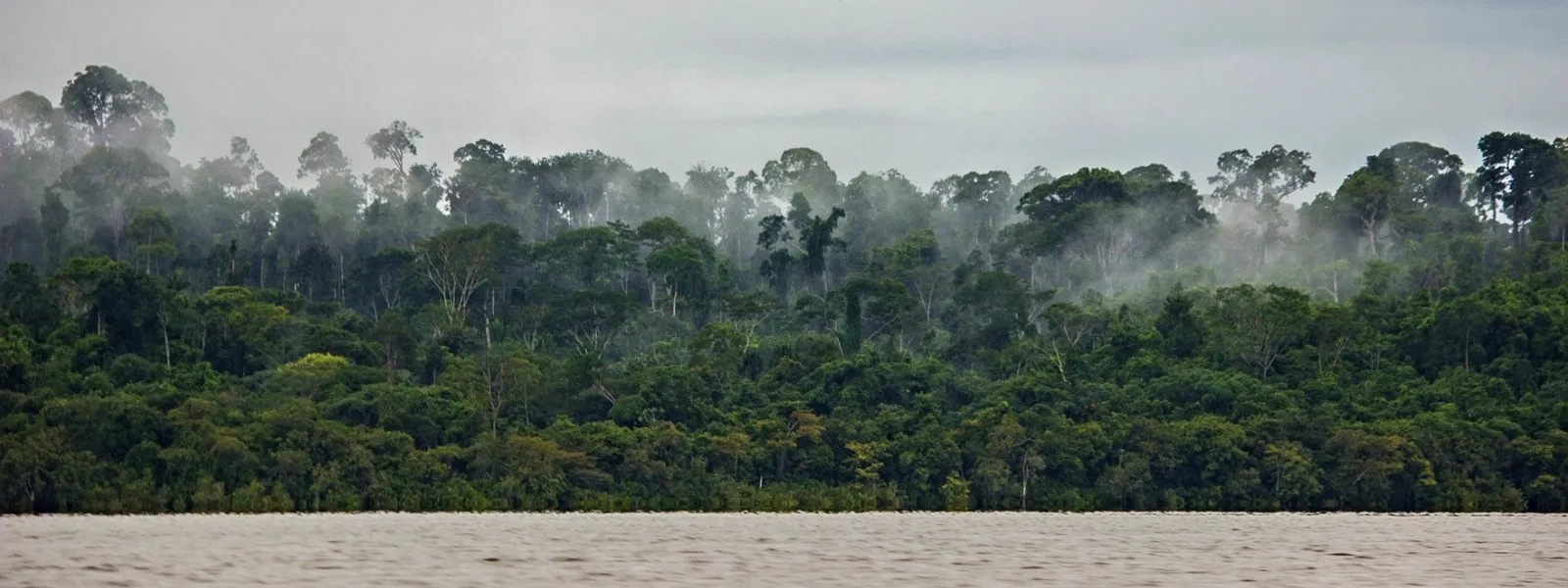
The Belo Monte Dam has caused an environmental and social disaster in the heart of the Amazon—one of the most important ecosystems on the planet.
This situation has only worsened since the hydroelectric plant began operations in 2016. The quest for justice and reparations by the affected indigenous, fishing, and riverine communities continues to this day.
In 2011, the Inter-American Commission on Human Rights (IACHR) granted them protective measures that, to date, have not been fully implemented by the Brazilian State.
Furthermore, since June of that same year, the IACHR has yet to rule on a complaint against the State regarding its international responsibility in the case.
The IACHR may refer the case to the Inter-American Court of Human Rights, which has the authority to issue a ruling condemning the Brazilian State.
After 10 years of the hydroelectric plant's operation and more than 15 years of documented human rights violations, it is time for justice to be served for the affected communities.
Read the open letter from the organizations bringing the case before the IACHR
Background
The Belo Monte hydroelectric plant—the fourth largest in the world by installed capacity (11,233 MW)—was built on the Xingu River in Pará, a state in northern Brazil.
It was inaugurated on May 5, 2016, with a single turbine. At that time, 80% of the river’s course was diverted, flooding 516 km² of land—an area larger than the city of Chicago. Of that area, 400 km² was native forest. The dam began operating at full capacity in November 2019.
Belo Monte was built and is operated by the Norte Energia S.A. consortium, which is composed primarily of state-owned companies. It was financed by the Brazilian Development Bank (BNDES), which provided the consortium with 25.4 billion reais (approximately US$10.16 billion), the largest investment in the bank’s history. Therefore, the BNDES is also legally responsible for the socio-environmental impacts associated with the hydroelectric plant.
Decades of harm to the environment and people
Human rights violations and degradation of the Amazon have been occurring since the project’s inception. In March 2011, Norte Energía began construction of the dam without adequate consultation and without the prior, free, and informed consent of the affected communities.
The construction caused the forced displacement of more than 40,000 people, severing social and cultural ties. The resettlement plan in Altamira—a city directly affected by the hydroelectric dam—involved housing units located on the outskirts, lacking adequate public services and decent living conditions for the relocated families, with no special provisions for those from indigenous communities.
Belo Monte's operations have caused a permanent, man-made drought in the Volta Grande (or "Great Bend") of the Xingu River, exacerbated by the historic droughts in the Amazon in 2023 and 2024. As a result, the deaths of millions of fish eggs were documented for four consecutive years (from 2021 to 2024), and for the past three years, there has been no upstream migration of fish to spawn and reproduce. Thus, artisanal fishing, the main source of protein for indigenous peoples and riverside communities, was severely affected: fish dropped from 50% to 30% of total protein consumed, replaced by processed foods. In summary, there was an environmental and humanitarian collapse that resulted in the breakdown of fishing as a traditional way of life, food insecurity, and access to drinking water for thousands of families, impoverishment, and disease.
Furthermore, the construction of the dam increased deforestation and intensified illegal logging and insecurity on indigenous and tribal lands, putting the survival of these communities at risk. Another consequence was the deepening of poverty and social conflicts, as well as the strain on health, education, and public safety systems in Altamira—a city ranked as the most violent in the country in 2017, where human trafficking and sexual violence increased. Violence was also reported against human rights defenders involved in the case.
In 2025, during the 30th UN Climate Change Conference (COP30), held in Brazil, the Federal Public Prosecutor’s Office labeled the damage caused by the Belo Monte dam as ecocide.
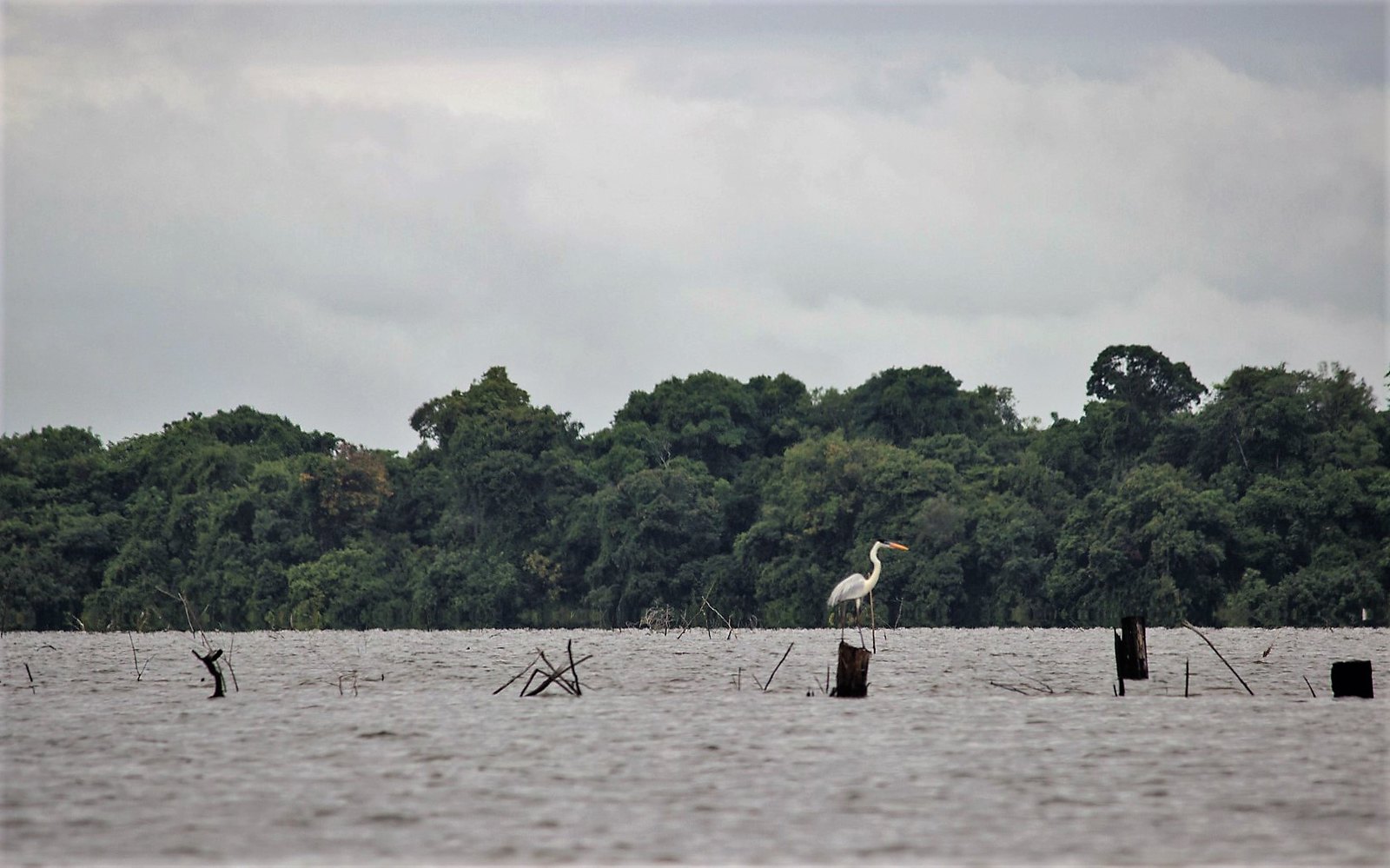
Photo: Amazon Watch / Maíra Irigaray.
The search for justice and reparations
Over the years, the Federal Public Prosecutor’s Office in Pará, the Public Defender’s Office, and civil society organizations have filed dozens of legal actions in Brazilian courts to challenge the project’s various irregularities and its impacts. Most of the claims are still pending resolution, some for more than 10 years.
These efforts have failed because the national government has repeatedly overturned rulings in favor of the affected communities by invoking a mechanism that allowed a court president to suspend a judicial decision based solely on generic arguments such as "the national interest" or "economic order."
In the absence of effective responses at the national level, AIDA, together with a coalition of partner organizations, brought the case before the Inter-American Commission on Human Rights (IACHR) and, in 2010, requested precautionary measures to protect the lives, safety, and health of the affected indigenous communities.
On April 1, 2011, the IACHR granted these measures and requested that the Brazilian government suspend environmental permits and any construction work until the conditions related to prior consultation and the protection of the health and safety of the communities are met.
And on June 16, 2011 —together with the Xingu Vivo Para Sempre Movement, the Coordinating Committee of Indigenous Organizations of the Brazilian Amazon, the Diocese of Altamira, the Indigenous Missionary Council, the Pará Society for the Defense of Human Rights and Global Justice— we filed a formal complaint against the Brazilian State for its international responsibility in the violation of the human rights of the people affected in the case. The case was opened for processing in December 2015.
On August 3, 2011, the IACHR amended the precautionary measures to request, instead of the suspension of permits and construction, the protection of people living in voluntary isolation, the health of indigenous communities, and the regularization and protection of ancestral lands.
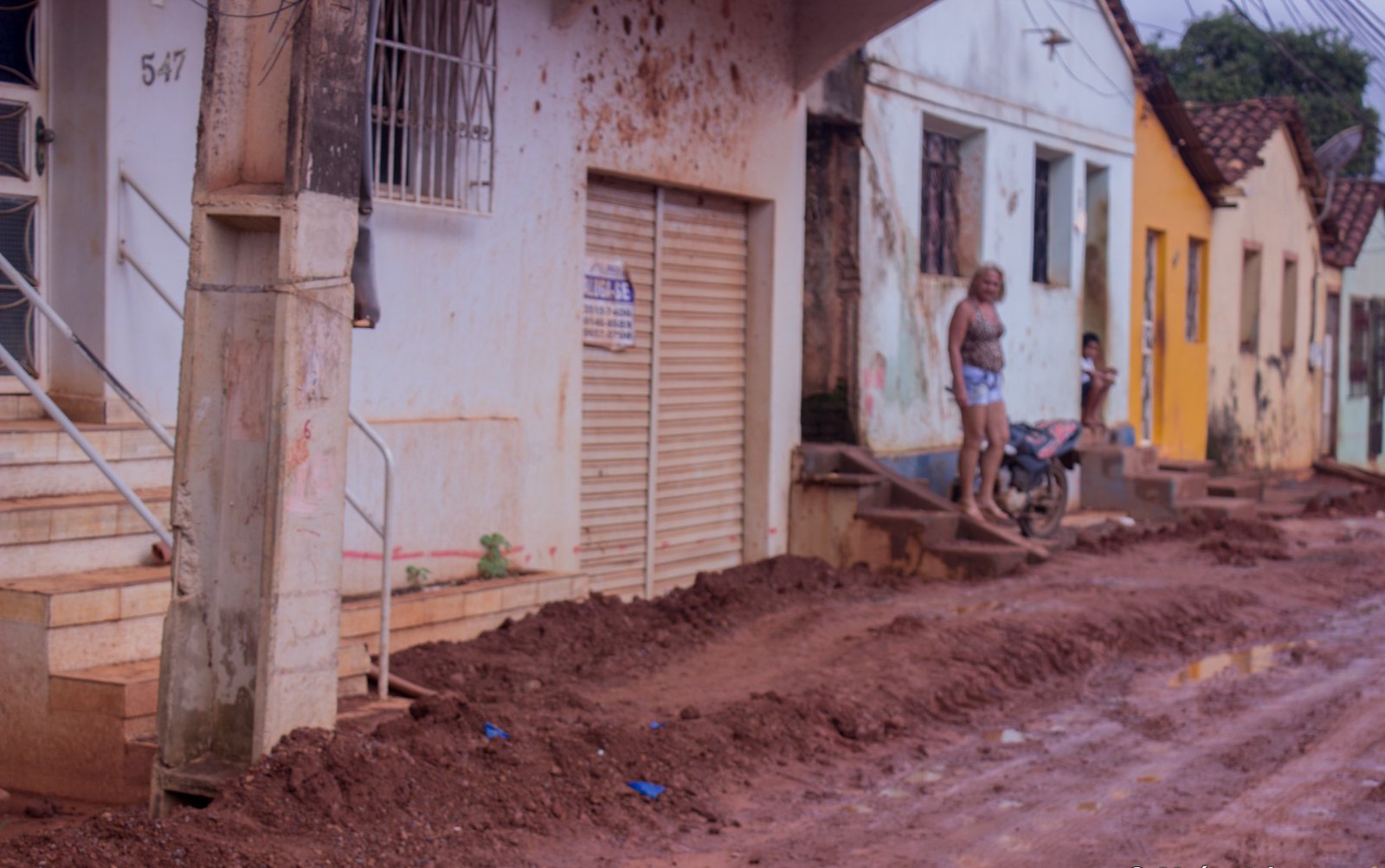
Photo: Amazon Watch / Maíra Irigaray.
Current situation
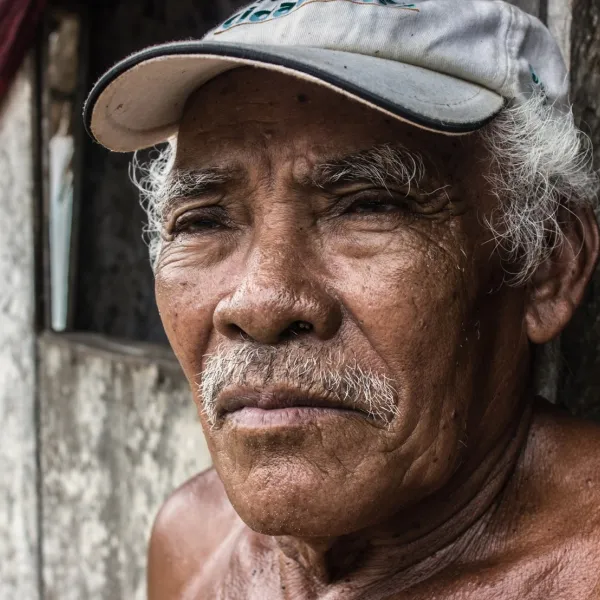
The protective measures granted by the IACHR remain in effect, but the Brazilian government has not fully complied with them, reporting only on general actions. The communities have documented the ongoing violations of their rights. The situation that prompted the request for these measures—the risk to the lives, physical integrity, and ways of life of the communities—persists and has worsened with the hydroelectric plant operating at full capacity and the recent extreme droughts in the Amazon.
In addition to the impacts of Belo Monte, there is a risk of further social and environmental impacts from the implementation of another mining megaproject in the Volta Grande do Xingu. There, the Canadian company Belo Sun plans to build Brazil’s largest open-pit gold mine.
The combined and cumulative impacts of the dam and the mine were not assessed. The government excluded Indigenous peoples, riverine and peasant communities from the project’s environmental permitting process. Despite protests by Indigenous communities and other irregularities surrounding the project, the government of Pará formally authorized the mine in April 2026.
Like other hydroelectric dams, Belo Monte exacerbates the climate emergency by generating greenhouse gas emissions in its reservoir. And it is inefficient amid the longer, more intense droughts caused by the crisis, as it loses its ability to generate power.
The case before the Inter-American Commission
In October 2017, the IACHR announced that it would rule jointly on the admissibility (whether the case meets the requirements for admission) and the merits (whether a human rights violation actually occurred) of the international complaint against the Brazilian State.
Fifteen years after the complaint was filed, the affected communities and the organizations representing them are still awaiting this decision. If the IACHR concludes that human rights violations occurred and issues recommendations that the Brazilian State fails to comply with, it may refer the case to the Inter-American Court of Human Rights, whose rulings are binding.
A potential ruling by the international court in this case would set a regional legal precedent regarding the rights of indigenous and riverine peoples, public participation in megaprojects, and state responsibility in the context of the climate crisis—a precedent that is particularly relevant in light of the Court’s Advisory Opinion No. 32, which reaffirmed the obligations of States to protect the people and communities of the continent from the climate emergency.
Partners:
Related projects
Colombia makes the right move by suspending fracking project
Citing a recent court order, Colombia’s environmental authority has suspended the licensing process for a fracking project in the Middle Magdalena Valley. The decision represents an advance in the movement to stop fracking’s expansion in Latin America. Bogotá. In an advance for the struggle against fracking’s expansion in Latin America, Colombia’s National Environmental Licensing Authority has suspended the licensing process for a fracking project in the Middle Magdalena Valley. With this decision, Colombia joins a growing list of communities, municipalities, and regions across Latin America and the world who have made progress to stop the expansion of fracking in their territories, many through the enactment of bans or moratoriums. "The Environmental Authority’s decision is a positive example for nations across Latin America and the world,” said Astrid Puentes Riaño, co-executive director of AIDA. “It’s the result of an admirable civic movement and of the use of the precautionary principle as a tool to protect human health and ecosystems, and to confront the climate crisis.” The decision to halt the process for Ecopetrol’s "APE Guane A” project is founded on the State Council’s suspension, in November 2018, of the regulatory framework for fracking in the country, citing the precautionary principle. The Interamerican Association for Environmental Defense (AIDA) supports the Council’s decision and considers the Environmental Authority’s enactment of that order to be a step in the right direction. “In the absence of existing regulations on fracking, in Colombia we have a judicial moratorium. This implies that no project may be implemented that seeks to exploit unconventional oil and gas deposits using this technique,” explained Juana Hofman, AIDA attorney. “All activities aimed at the development of fracking activities must be suspended.” In its decision, the Environmental Authority states: “… The temporary suspension of the aforementioned provisions translates to those provisions being temporarily outside the legal system, which consequently means that this Environmental Authority does not have technical regulations that allow it to verify the management measures that should be included in the Environmental Impact Study, to be analyzed within the environmental assessment procedure, and thus could not determine whether or not the granting of the environmental license required for new projects in unconventional deposits was viable.” The suspended project involves the use of hydraulic fracturing in a boggy complex located between the municipalities of Barrancabermeja and Puerto Wilches in Northeast Colombia. Fracking, or hydraulic fracturing, is an extractive technique that proves incredibly damaging for water, air quality, human health and the climate. It emits methane, a pollutant strongly associated with global warming. Due to its negative impacts on the environment and public health, fracking has been prohibited by judicial or legislative means in many municipalities, regions and nations around the world, such as Scotland, the state of New York (USA), and the province of Quebec (Canada). Global efforts to stop fracking’s expansion have largely been citizen-led and driven by concerns for the risks fracking poses to the climate, environment and public health. The Alliance for a Colombia Free from Fracking has been steadfast in their commitment to stopping fracking’s advance in Colombia, and should be congratulated for this important advance. AIDA urges the Colombian government to continue down the path of prevention and to comply with its international environmental obligations to confront the climate crisis, and to protect its land, water and communities. We urge the government to deny authorizations for fracking operations in Colombia. “Fracking is a procedure that furthers us from our climate goals, and from the energy path that all nations should be targeting” Puentes Riaño said. “Decisions like these are an invitation to seek out renewable energies that are better for our planet and our communities, not only in Colombia but around the world.” Press Contacts: Carlos Lozano Acosta (Colombia), AIDA, [email protected], +57 (300) 564 0282 Juana Hofman (Colombia), AIDA, [email protected], +57 (310) 884 6715
Read more
Why these algae-eating fish may be corals’ greatest allies
Numerous studies have shown that herbivorous fish play a fundamental role in the health and survival of coral reefs by removing the algae that robs corals of the light and space they need to grow. But populations of these small algae-eating fish are diminishing rapidly due to human activity, which puts our reefs at greater risk. In the Mexican Caribbean, for example, 60 percent of the reefs are considered in poor or critical health. There exist a diverse array of herbivorous fish in our oceans; they’re grouped into various families that are, in turn, divided into groups according to their feeding habits and roles in controlling algae growth. Parrotfish are among the most important species, as their strong beaks allow them to clean large amounts of macroalgae. Herbivorous fish live in tropical and subtropical waters, including many Latin American and Caribbean nations—Belize, Colombia, Guatemala, and Mexico, to name a few. These fish contribute to the health of key coral ecosystems like the Mesoamerican Reef System. Despite serving as fish hatcheries and natural barriers against hurricanes, coral reefs are extremely fragile and vulnerable to the global climate crisis, which is driving ocean acidification, sea level rise, and increased algae growth. Experts say that, when faced with the reduced presence of herbivorous fish, reef systems lose their capacity to recover from extreme weather events like hurricanes, which are becoming more and more powerful. But the relationship between herbivorous fish and coral reefs is at increasing risk. Dwindling herbivorous fish populations are evident in the Caribbean, where fishing communities have begun to capture parrotfish after overfishing commercial species. The destruction of mangroves and marine grassland habitats put these fish at risk, since many species of parrotfish rely on them during their life cycle. Environmental degradation also increases sedimentation and the concentration of nutrients, causing an increase in macroalgae. Algae growth and an increase in coral diseases are the result of pollution caused by inadequate wastewater management and runoff from commercial agriculture. These problems require the implementation of urgent measures aimed at preserving herbivorous fish populations and, with them, maintaining the health and regenerative capacity of coral reefs. Such measures should include the establishment and adoption of clear fisheries management and conservation strategies to ensure the recuperation of herbivorous fish, particularly parrotfish, populations. Protected marine areas or regeneration zones that prohibit fishing in key areas should also be created. To adequately protect these fish, States must also: standardize the monitoring of fish populations in the region and implement alternative management strategies; promote comprehensive, regional management that enables local authorities to share experiences and establish common conservation tools; and create and implement regulations and laws to combat overfishing and bad tourism practices, and promote low-impact coastal development. In nature, symbiotic relationships, like that of herbivorous fish and corals, are abundant. We must learn to recognize and value them. Likewise, if we take care of nature, nature will take care of us.
Read more
Putting people’s fundamental rights at the core of solutions to the climate emergency
Announcing the First Ever Global Summit on Human Rights and Climate Change The People’s Summit on Climate, Rights and Human Survival – the first ever global summit on human rights and climate change – will be hosted by leading civil society groups and the UN Human Rights Office in New York on 18-19 September. The People’s Summit aims to galvanize the human rights community to urgently scale-up its efforts on climate justice, creating the most diverse movement ever assembled to tackle the climate crisis. The People’s Summit was announced in an open-letter below, which was published on the Thomson Reuters Foundation. The human rights and environmental communities must seek solutions together. It’s time for all of us to come forward as one to face the climate crisis. Our organisations seek a world where people thrive in a safe and healthy environment, where human rights come before corporate profits. To make it happen, we need to face the climate crisis united in the strongest and most diverse movement ever assembled. Only together can we make world leaders take this emergency seriously. Real solutions to the climate breakdown must place people and our fundamental rights at the core. This is an invitation to all those who value human dignity and wellbeing to fully throw their weight behind the call for global climate justice. And to those working to protect our planet to center their efforts in communities, particularly the people most impacted and least responsible for the climate crisis. The human rights community can bring key constituencies, power and skills to the fight for climate justice. The strength of a collective movement to overcome the climate crisis needs to match the gravity of the problem. Our organisations are coming together to make it happen, and we are urging the environmental and human rights communities to join us. To meet the challenge we, the people, must be more connected with each other and more committed to our planet than ever before. This is a matter of survival. Rampant carbon emissions have triggered unprecedented, dangerous and destabilising changes in our climate. Corporate and governmental neglect has already exposed millions to increasingly extreme weather disasters. We must reverse course now; the window of opportunity to act is closing. Make no mistake. The impacts of climate change already hinder our rights to health, food, water, housing, work and even life itself. These impacts are even more severe for people already in vulnerable situations in places impacted by severe weather, poverty or oppression. Our societies cannot keep on like this. People need access to justice, governments must work for the people and corporations need to be accountable for their actions. Now is the time to act. The signs of a shared will to do so are everywhere. Students are taking to the streets to call for a safe future. Indigenous Peoples are speaking up for the defense of land, water and communities’ rights. Workers are demanding safe and well-paying jobs in better, cleaner industries. Women’s rights activists are putting forward a wealth of feminist solutions. Religious leaders are calling on us to protect communities and nature. Scientists are gathering and sharing evidence to guide us out of the crisis. We know the challenge, and the answers are there. Solutions are available now, including renewable energy sources, respect for fundamental rights and traditional knowledge, and a true focus on the needs of the people over corporate greed. All of our organisations work on climate change already, some more explicitly than others. But now is the moment for us to connect the dots between our causes and join forces. A climate emergency is upon us, and we must act now. Environmental human rights defenders, Indigenous Peoples and local activists have long risked everything to fight environmental degradation. They are now joined in their struggle by growing mass movements such as the school climate strikes, Extinction Rebellion and campaigners calling for a Green New Deal. In this new era of climate activism, the human rights community cannot remain on the sidelines. It is more urgent than ever that we step up by working together to protect the communities and individuals on the frontlines of the climate struggle. That is why 150 non-governmental leaders and activists from different communities are coming together on September 18 and 19 for the ‘People’s Summit on Climate, Rights and Human Survival’. Our organisations will be there along with the United Nations Human Rights Office to support people demanding immediate and ambitious climate action from their governments to protect communities. We believe in unleashing the potential of a diverse movement to safeguard present and future generations. We are united to demand climate justice. Confirmed signers: Astrid Puentes, Co-Executive Director, Interamerican Association for Environmental Defense (AIDA) Bridget Burns, Director, Women’s Environment and Development Organization Carroll Muffett, President and CEO, Center for International Environmental Law Chris Grove, Executive Director, ESCR-Net Ellen Dorsey, Executive Director, Wallace Global Fund Gillian Caldwell, CEO, Global Witness Iago Hairon Souza, Coordinator, Engajamundo Jennifer Morgan, International Executive Director, Greenpeace International Kumi Naidoo, Secretary General, Amnesty International May Boeve, Executive Director, 350.org Phil Bloomer, Executive Director, Business & Human Rights Resource Centre Philip Alston, Center for Human Rights and Global Justice Chair, New York University Sharan Burrow, General Secretary, International Trade Union Confederation Sofia Monsalve, Secretary General, FIAN International Steve Trent, Executive Director, Environmental Justice Foundation Thalita Silva e Silva, Coordinator, Engajamundo
Read more