
Project
Amazon Watch / Maíra Irigaray
The Belo Monte Dam on the Xingu River: 10 years of impacts in the Amazon and the search for reparations
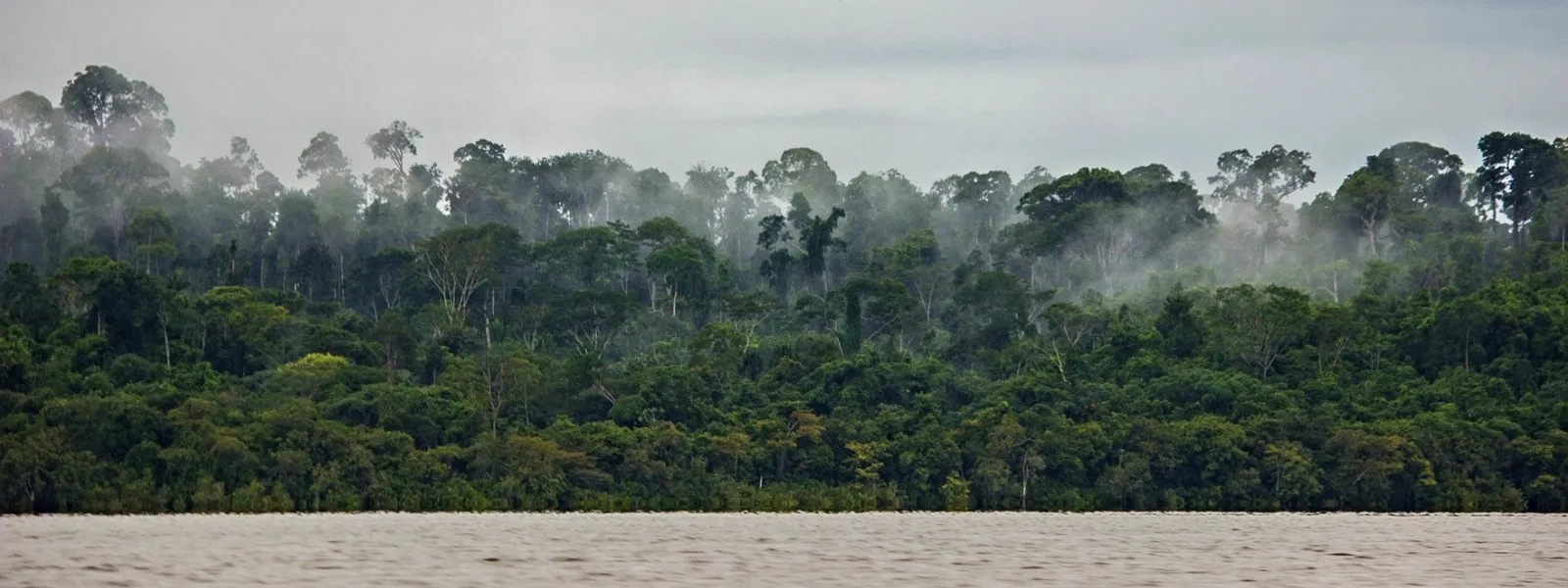
The Belo Monte Dam has caused an environmental and social disaster in the heart of the Amazon—one of the most important ecosystems on the planet.
This situation has only worsened since the hydroelectric plant began operations in 2016. The quest for justice and reparations by the affected indigenous, fishing, and riverine communities continues to this day.
In 2011, the Inter-American Commission on Human Rights (IACHR) granted them protective measures that, to date, have not been fully implemented by the Brazilian State.
Furthermore, since June of that same year, the IACHR has yet to rule on a complaint against the State regarding its international responsibility in the case.
The IACHR may refer the case to the Inter-American Court of Human Rights, which has the authority to issue a ruling condemning the Brazilian State.
After 10 years of the hydroelectric plant's operation and more than 15 years of documented human rights violations, it is time for justice to be served for the affected communities.
Read the open letter from the organizations bringing the case before the IACHR
Background
The Belo Monte hydroelectric plant—the fourth largest in the world by installed capacity (11,233 MW)—was built on the Xingu River in Pará, a state in northern Brazil.
It was inaugurated on May 5, 2016, with a single turbine. At that time, 80% of the river’s course was diverted, flooding 516 km² of land—an area larger than the city of Chicago. Of that area, 400 km² was native forest. The dam began operating at full capacity in November 2019.
Belo Monte was built and is operated by the Norte Energia S.A. consortium, which is composed primarily of state-owned companies. It was financed by the Brazilian Development Bank (BNDES), which provided the consortium with 25.4 billion reais (approximately US$10.16 billion), the largest investment in the bank’s history. Therefore, the BNDES is also legally responsible for the socio-environmental impacts associated with the hydroelectric plant.
Decades of harm to the environment and people
Human rights violations and degradation of the Amazon have been occurring since the project’s inception. In March 2011, Norte Energía began construction of the dam without adequate consultation and without the prior, free, and informed consent of the affected communities.
The construction caused the forced displacement of more than 40,000 people, severing social and cultural ties. The resettlement plan in Altamira—a city directly affected by the hydroelectric dam—involved housing units located on the outskirts, lacking adequate public services and decent living conditions for the relocated families, with no special provisions for those from indigenous communities.
Belo Monte's operations have caused a permanent, man-made drought in the Volta Grande (or "Great Bend") of the Xingu River, exacerbated by the historic droughts in the Amazon in 2023 and 2024. As a result, the deaths of millions of fish eggs were documented for four consecutive years (from 2021 to 2024), and for the past three years, there has been no upstream migration of fish to spawn and reproduce. Thus, artisanal fishing, the main source of protein for indigenous peoples and riverside communities, was severely affected: fish dropped from 50% to 30% of total protein consumed, replaced by processed foods. In summary, there was an environmental and humanitarian collapse that resulted in the breakdown of fishing as a traditional way of life, food insecurity, and access to drinking water for thousands of families, impoverishment, and disease.
Furthermore, the construction of the dam increased deforestation and intensified illegal logging and insecurity on indigenous and tribal lands, putting the survival of these communities at risk. Another consequence was the deepening of poverty and social conflicts, as well as the strain on health, education, and public safety systems in Altamira—a city ranked as the most violent in the country in 2017, where human trafficking and sexual violence increased. Violence was also reported against human rights defenders involved in the case.
In 2025, during the 30th UN Climate Change Conference (COP30), held in Brazil, the Federal Public Prosecutor’s Office labeled the damage caused by the Belo Monte dam as ecocide.
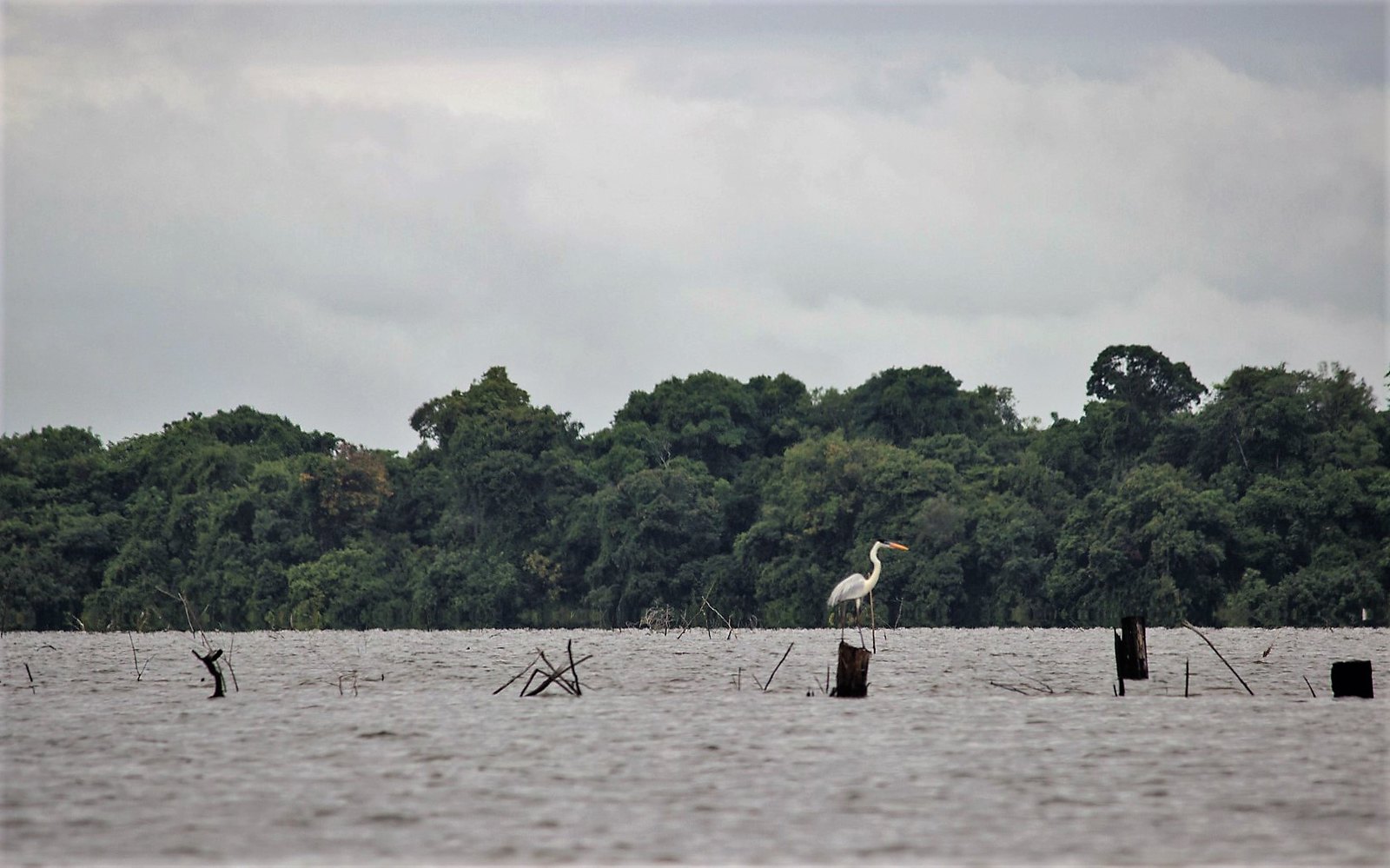
Photo: Amazon Watch / Maíra Irigaray.
The search for justice and reparations
Over the years, the Federal Public Prosecutor’s Office in Pará, the Public Defender’s Office, and civil society organizations have filed dozens of legal actions in Brazilian courts to challenge the project’s various irregularities and its impacts. Most of the claims are still pending resolution, some for more than 10 years.
These efforts have failed because the national government has repeatedly overturned rulings in favor of the affected communities by invoking a mechanism that allowed a court president to suspend a judicial decision based solely on generic arguments such as "the national interest" or "economic order."
In the absence of effective responses at the national level, AIDA, together with a coalition of partner organizations, brought the case before the Inter-American Commission on Human Rights (IACHR) and, in 2010, requested precautionary measures to protect the lives, safety, and health of the affected indigenous communities.
On April 1, 2011, the IACHR granted these measures and requested that the Brazilian government suspend environmental permits and any construction work until the conditions related to prior consultation and the protection of the health and safety of the communities are met.
And on June 16, 2011 —together with the Xingu Vivo Para Sempre Movement, the Coordinating Committee of Indigenous Organizations of the Brazilian Amazon, the Diocese of Altamira, the Indigenous Missionary Council, the Pará Society for the Defense of Human Rights and Global Justice— we filed a formal complaint against the Brazilian State for its international responsibility in the violation of the human rights of the people affected in the case. The case was opened for processing in December 2015.
On August 3, 2011, the IACHR amended the precautionary measures to request, instead of the suspension of permits and construction, the protection of people living in voluntary isolation, the health of indigenous communities, and the regularization and protection of ancestral lands.
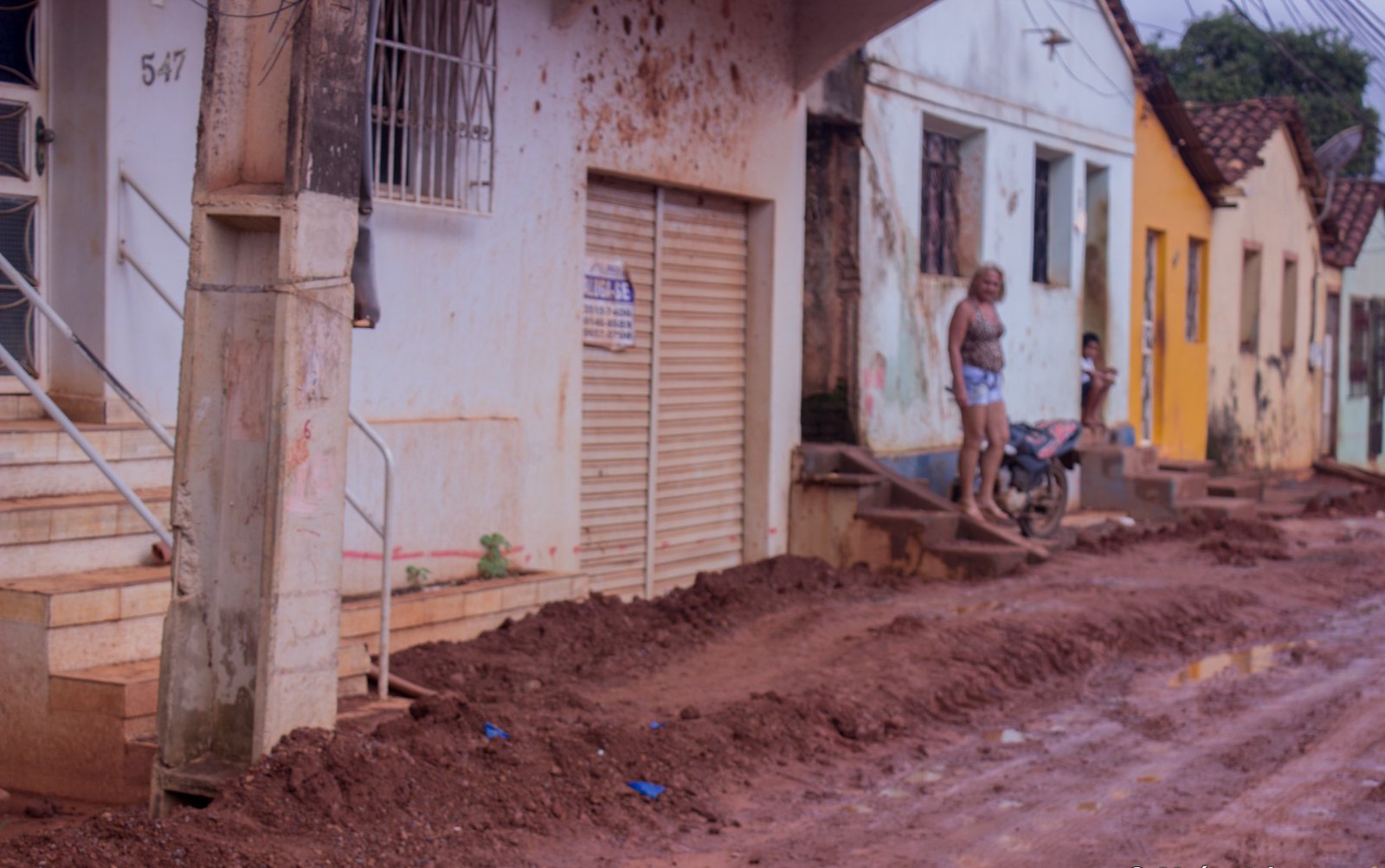
Photo: Amazon Watch / Maíra Irigaray.
Current situation
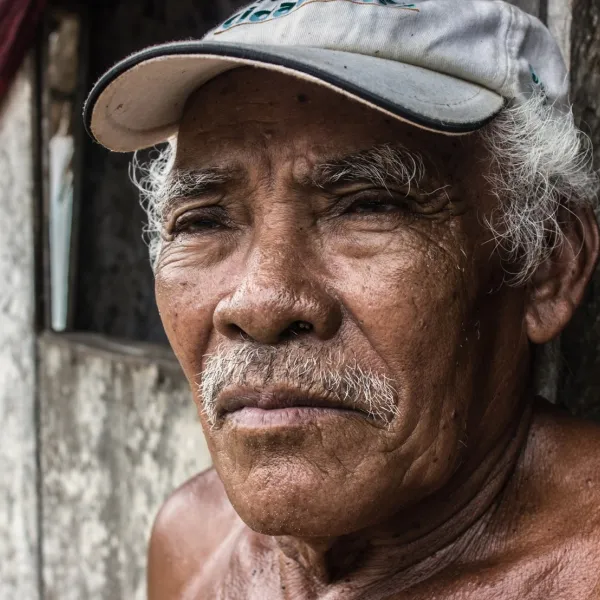
The protective measures granted by the IACHR remain in effect, but the Brazilian government has not fully complied with them, reporting only on general actions. The communities have documented the ongoing violations of their rights. The situation that prompted the request for these measures—the risk to the lives, physical integrity, and ways of life of the communities—persists and has worsened with the hydroelectric plant operating at full capacity and the recent extreme droughts in the Amazon.
In addition to the impacts of Belo Monte, there is a risk of further social and environmental impacts from the implementation of another mining megaproject in the Volta Grande do Xingu. There, the Canadian company Belo Sun plans to build Brazil’s largest open-pit gold mine.
The combined and cumulative impacts of the dam and the mine were not assessed. The government excluded Indigenous peoples, riverine and peasant communities from the project’s environmental permitting process. Despite protests by Indigenous communities and other irregularities surrounding the project, the government of Pará formally authorized the mine in April 2026.
Like other hydroelectric dams, Belo Monte exacerbates the climate emergency by generating greenhouse gas emissions in its reservoir. And it is inefficient amid the longer, more intense droughts caused by the crisis, as it loses its ability to generate power.
The case before the Inter-American Commission
In October 2017, the IACHR announced that it would rule jointly on the admissibility (whether the case meets the requirements for admission) and the merits (whether a human rights violation actually occurred) of the international complaint against the Brazilian State.
Fifteen years after the complaint was filed, the affected communities and the organizations representing them are still awaiting this decision. If the IACHR concludes that human rights violations occurred and issues recommendations that the Brazilian State fails to comply with, it may refer the case to the Inter-American Court of Human Rights, whose rulings are binding.
A potential ruling by the international court in this case would set a regional legal precedent regarding the rights of indigenous and riverine peoples, public participation in megaprojects, and state responsibility in the context of the climate crisis—a precedent that is particularly relevant in light of the Court’s Advisory Opinion No. 32, which reaffirmed the obligations of States to protect the people and communities of the continent from the climate emergency.
Partners:
Related projects
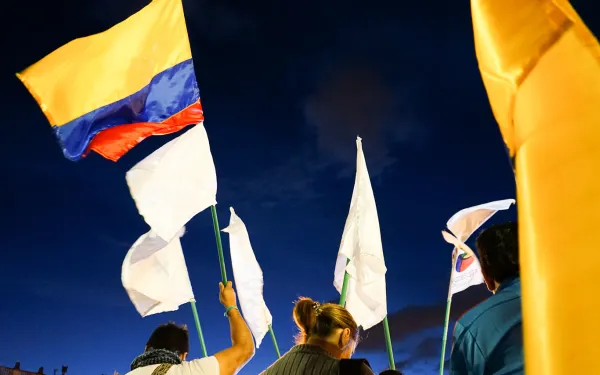
We Too Demand Peace: International Civil Society Organizations Join with Colombians Marching for Peace
Washington, D.C. Colombians march for peace in their country on July 26, we echo their call for a permanent end to the war that claimed 260,000 lives and forced 8 million people, the majority from Afro-descendant and indigenous communities, and mostly women and children, to flee their homes. We join their call for the Colombian government to protect the social leaders building peace in their communities. Hundreds have been killed since the peace accords were signed in 2016, while many more live under the constant pressure of daily threats and attacks. This tragedy must end. We vigorously support their demand that the Colombian government fully and faithfully implement the peace accords signed between the government and the FARC guerrillas—or this once-in-a-lifetime chance for peace will be lost. Finally, we call on the United States and the international community at large to back the effective implementation of the peace accords wholeheartedly. We stand in solidarity with the millions of Colombians who are struggling to build a just, complete, and lasting peace and who tomorrow say #26deJulioElGrito. Signed, 350.org Abogadas y Abogados para la Justicia y los Derechos Humanos Acción Solidaria ActionAid USA AFL-CIO ÁGORA Espacio Civil Paraguay Amazon Watch Asistencia Legal por los Derechos Humanos A.C. (ASILEGAL) Asociación Interamericana para la Defensa del Ambiente (AIDA) Center for Justice and International Law (CEJIL) Center for Reproductive Rights Centro de Derechos Humanos Fray Bartolomé de Las Casas, A.C. - México Centro de Derechos Humanos y Ambiente (CEDHA) Centro de Documentación en Derechos Humanos "Segundo Montes Mozo S.J." (CSMM) Chicago Religious Leadership Network on Latin America (CRLN) Christian Peacemaker Teams Ciudadanos en Apoyo a los Derechos Humanos, A.C. (CADHAC) CIVICUS - World Alliance for Citizen Participation Colombia Grassroot Support, New Jersey Colombia Human Rights Committee, Washington DC Comisión Ecuménica de Derechos Humanos Comisión Mexicana de Defensa y Promoción de los Derechos Humanos Comité de América Latina y el Caribe para la Defensa de los Derechos de las Mujeres Convergencia por los Derechos Humanos Coordinadora Nacional de Derechos Humanos Corporación Humanas Chile CSW Defensor de derechos humanos en México Equipo de Reflexión, Investigación y Comunicación de la Compañía de Jesús en Honduras (ERIC-SJ) Global Witness International Institute on Race, Equality and Human Rights (Race and Equality) International Labor Rights Forum International Rivers InterReligious Task Force On Central America and Colombia Latin America Working Group (LAWG) Movimiento Autónomo de Mujeres, Nicaragua Mujeres Libres COLEM, A.C. Grupo de Mujeres de San Cristóbal Las Casas, A.C. NJ Peace Council Not1More Oxfam Paz y Esperanza Presbyterian Church USA Presbyterian Peace Fellowship Red Para la Infancia y la Adolescencia de El Salvador (RIA) Redes por los Derechos de la Infancia (REDIM) Robert F. Kennedy Human Rights Servicio Internacional para los Derechos Humanos (ISHR) United Church of Christ, Justice and Witness Ministries Washington Office on Latin America (WOLA) Witness for Peace Solidarity Collective
Read more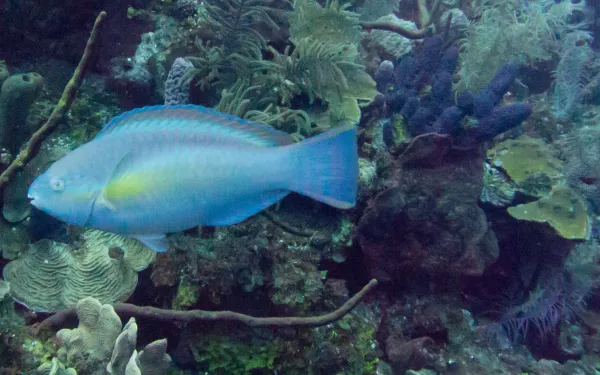
Resolution provides measures to protect corals in the Colombia Caribbean
Setting a positive precedent in Colombia and an important region of the Greater Caribbean, CORALINA has prohibited the fishing and commercialization of several species of herbivorous and omnivorous fish, a measure aimed at conserving the area’s coral reef ecosystems. San Andrés, Colombia. With the objective of conserving the coral reef and beach ecosystems of the Archipelago of San Andrés, Providencia and Santa Catalina, Colombia, the region’s autonomous corporation authority emitted a resolution prohibiting the capture and commercialization of several species of herbivorous and omnivorous fish. The waters around these Caribbean islands host the greatest marine and coastal biodiversity in Colombia, with more than 2,354 marine species registered to date. “This progress towards the conservation of corals and beaches occurs after a process of more than 20 years that included environmental education, research and monitoring,” said Nacor Bolaños, coordinator of protected areas for the Corporation for the Sustainable Development of the Archipelago of San Andrés, Providencia and Santa Catalina (CORALINA). “The need to protect parrotfish and other species of herbivorous and omnivorous fish was supported by artisanal fishermen themselves and by local communities, with whom we met.” The resolution issued by the decentralized public entity protects 14 species of parrotfish, four of surgeonfish, five of butterfly fish and six species of angelfish. It completely prohibits commercial, industrial, sport, or recreational fishing of these species. It also prohibits commercial fishing using harpoons and/or similar fishing gears. It also completely restricts their commercialization, possession and storage, as well as their transfer to other areas of the country. “The resolution is of great importance because it recognizes the benefits of corals for fishing, tourism, pharmaceutical resources, and protection against the impacts of the climate crisis,” said Maria José Gonzalez-Bernat, scientific advisor to AIDA. “It also recognizes the vital role several species of fish play in keeping these ecosystems healthy.” By feeding on algae that take away light and space from corals, herbivorous fish support the survival of these fragile environments. Numerous studies have demonstrated that parrotfish contribute to the growth of corals and the creation of sand for beaches. Some omnivorous species like angelfish also help to clean algae from corals. AIDA has supported CORALINA’s initiative since its inception, providing technical, scientific and legal information; and has advocated for the inclusion in the resolution of international and regional commitments that protect these fish. The Archipelago of San Andrés, Providencia and Santa Catalina concentrates 77 percent of the surface coral areas of Colombia and houses the third largest coral reef in the world. The area was declared a UNESCO Biosphere Reserve in 2000, and borders eight nations of the Greater Caribbean: Venezuela, the Dominican Republic, Haiti, Jamaica, Honduras, Nicaragua, Costa Rica and Panama. Yet its coral coverage has deteriorated over time due to natural phenomenon and human activities, as have populations of herbivorous fish like the parrotfish. “In this sense, this regulation is an example for other countries with coral reefs along their coasts,” said Gonzalez-Bernat. “The resolution is based on scientific information and emphasizes the international legal framework that recommends the protection of corals and the fish that support their conservation.” Press contacts: Victor Quintanilla (Mexico), AIDA, [email protected], +52 155 70522107 Claudia Marcela Delgado (Colombia), CORALINA, [email protected], +57 313 8517300
Read more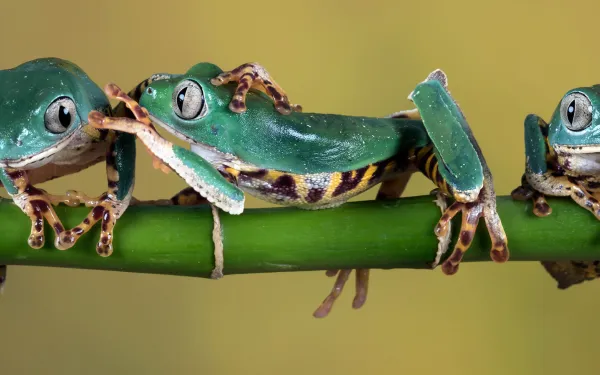
What we must do to preserve the planet’s biodiversity and natural heritage
Society is at serious risk of losing our natural world and all that sustains us. Our actions are provoking mass extinction and accelerating the loss of natural resources, plants and animals. Among these actions are the growth of agriculture and livestock production, the destruction of habitats, the introduction of invasive species, the expansion of urban areas, poaching and overfishing, overpopulation and pollution. That’s according to the most complete global evaluation of biodiversity yet, recently published by scientists at the United Nations’ Intergovernmental Science-Policy Platform on Biodiversity and Ecosystem Services (IPBES). The report shows that the capacity of Earth’s ecosystems to provide benefits to people has diminished drastically over the last 70 years. That’s because, on average: global resources have diminished by 47 percent; 25 percent of flora and fauna species are in danger of extinction; and the climate crisis is driving higher temperatures and increased acidification of the ocean, which is causing coral reef coverage worldwide to shrink. What’s more, a third of all species in the ocean are being overfished. Despite these alarming statistics, we can still take the planet out of the grave situation we’ve put it in. But it will require radical changes to our approach. The diagnosis for Latin America Historically, the world has passed through five mass extinctions that have caused the loss of more than 70 percent of the Earth’s life forms. Currently, we seem to be living through the sixth. Although species extinction occurs naturally, it generally does so at a rate of about one species per million each year. The current rate far exceeds that, as at least 100 species per million are going extinct each year—and that rate is rising. Another way to visualize this global threat is by listing the countries with the most species in danger of extinction. Five countries in Latin America are in the top 10 for species loss, with Mexico topping the list at 665 threatened species (71 species of birds, 96 mammals, 98 reptiles, 181 types of fish and 219 amphibians). Mexico’s situation is largely being driven by high rates of deforestation, a practice aimed at increasing agricultural area to cover the country’s growing demand for food. In fact, Latin America and Southeast Asia have lost millions of hectares of terrestrial ecosystems and fresh water through increased livestock production and agriculture (which includes the use of fertilizers). Other countries in the region with high rates of species loss include Colombia (540 species), Ecuador (436), Brazil (413), and Peru (385). Species extinction alters and impedes the proper functioning of ecosystems, which rely on interactions between varied forms of life to produce food, manage water supply, regulate climate, and more. Big changes to ensure a better future Although life on our planet has existed for some 4 billion years, humanity has only been around 200 thousand of those; yet we’ve managed to disrupt the Earth’s natural balance. Although our actions have negatively affected the earth, this shows that we, as humans, have the ability to transform our environment. The IPBES report mentions the Aichi Biodiversity Targets as transformative actions that can protect biodiversity. One of those is the creation of natural protected areas, which have helped reduce the risk of extinction for species like mammals and amphibians. Nevertheless, the report emphasizes the need for a drastic change in the values and objectives of our governments so that decisions at the local, national, and international levels are aligned to combat the causes behind the planet’s degradation. To that end, and taking into account the UN’s Sustainable Development Goals, nations must: Expand and coordinate the global network of natural protected areas. Invest in green infrastructure. Produce food, materials, and energy in sustainable ways. Conserve and use water efficiently. Support indigenous and traditional communities, who protect many of the planet’s remaining natural resources. Adequately approach population growth and global consumption levels. Create new environmental laws and better compliance with existing ones. Slow pollution and the overexploitation of our natural resources. “People shouldn’t panic, but they should begin to make drastic changes,” said Josef Settele, an IPBES co-chair and entomologist at the Helmholtz Center for Environmental Research in Germany. “Business as usual with small adjustments won’t be enough.” Our air, water, and food depend on biodiversity—the varied forms of life on our planet and the interaction between them. Caring for this natural heritage is a shared task; it is now more important than ever.
Read more