
Project
Amazon Watch / Maíra Irigaray
The Belo Monte Dam on the Xingu River: 10 years of impacts in the Amazon and the search for reparations
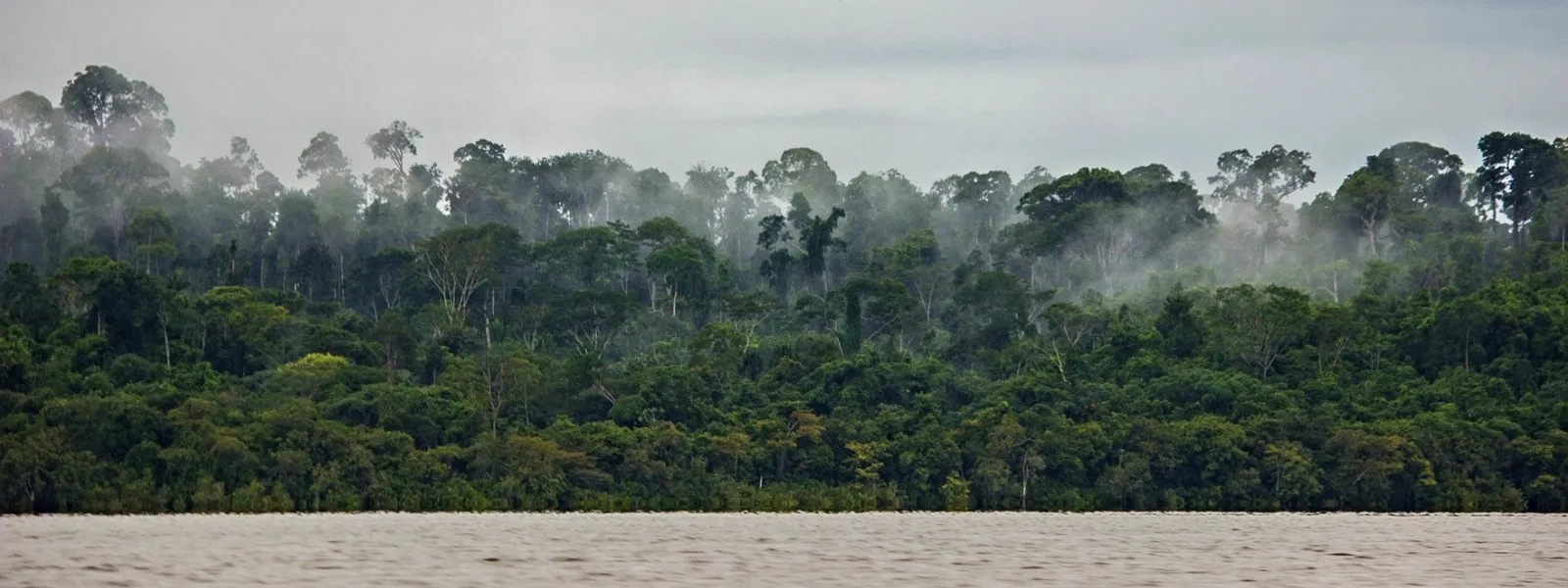
The Belo Monte Dam has caused an environmental and social disaster in the heart of the Amazon—one of the most important ecosystems on the planet.
This situation has only worsened since the hydroelectric plant began operations in 2016. The quest for justice and reparations by the affected indigenous, fishing, and riverine communities continues to this day.
In 2011, the Inter-American Commission on Human Rights (IACHR) granted them protective measures that, to date, have not been fully implemented by the Brazilian State.
Furthermore, since June of that same year, the IACHR has yet to rule on a complaint against the State regarding its international responsibility in the case.
The IACHR may refer the case to the Inter-American Court of Human Rights, which has the authority to issue a ruling condemning the Brazilian State.
After 10 years of the hydroelectric plant's operation and more than 15 years of documented human rights violations, it is time for justice to be served for the affected communities.
Read the open letter from the organizations bringing the case before the IACHR
Background
The Belo Monte hydroelectric plant—the fourth largest in the world by installed capacity (11,233 MW)—was built on the Xingu River in Pará, a state in northern Brazil.
It was inaugurated on May 5, 2016, with a single turbine. At that time, 80% of the river’s course was diverted, flooding 516 km² of land—an area larger than the city of Chicago. Of that area, 400 km² was native forest. The dam began operating at full capacity in November 2019.
Belo Monte was built and is operated by the Norte Energia S.A. consortium, which is composed primarily of state-owned companies. It was financed by the Brazilian Development Bank (BNDES), which provided the consortium with 25.4 billion reais (approximately US$10.16 billion), the largest investment in the bank’s history. Therefore, the BNDES is also legally responsible for the socio-environmental impacts associated with the hydroelectric plant.
Decades of harm to the environment and people
Human rights violations and degradation of the Amazon have been occurring since the project’s inception. In March 2011, Norte Energía began construction of the dam without adequate consultation and without the prior, free, and informed consent of the affected communities.
The construction caused the forced displacement of more than 40,000 people, severing social and cultural ties. The resettlement plan in Altamira—a city directly affected by the hydroelectric dam—involved housing units located on the outskirts, lacking adequate public services and decent living conditions for the relocated families, with no special provisions for those from indigenous communities.
Belo Monte's operations have caused a permanent, man-made drought in the Volta Grande (or "Great Bend") of the Xingu River, exacerbated by the historic droughts in the Amazon in 2023 and 2024. As a result, the deaths of millions of fish eggs were documented for four consecutive years (from 2021 to 2024), and for the past three years, there has been no upstream migration of fish to spawn and reproduce. Thus, artisanal fishing, the main source of protein for indigenous peoples and riverside communities, was severely affected: fish dropped from 50% to 30% of total protein consumed, replaced by processed foods. In summary, there was an environmental and humanitarian collapse that resulted in the breakdown of fishing as a traditional way of life, food insecurity, and access to drinking water for thousands of families, impoverishment, and disease.
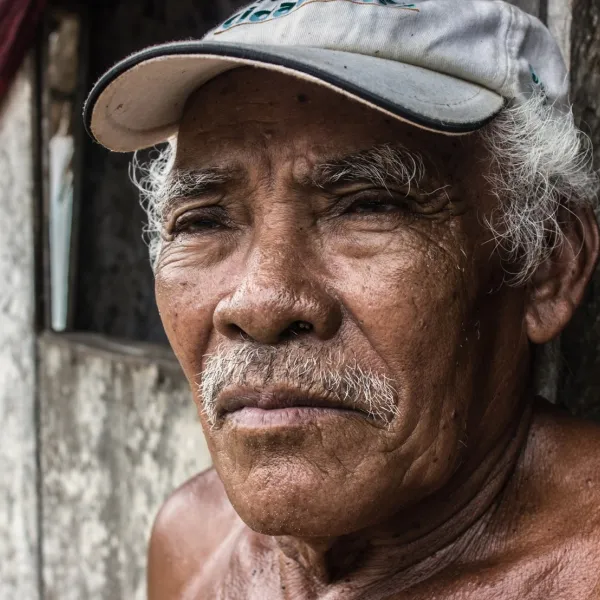
Furthermore, the construction of the dam increased deforestation and intensified illegal logging and insecurity on indigenous and tribal lands, putting the survival of these communities at risk. Another consequence was the deepening of poverty and social conflicts, as well as the strain on health, education, and public safety systems in Altamira—a city ranked as the most violent in the country in 2017, where human trafficking and sexual violence increased. Violence was also reported against human rights defenders involved in the case.
In 2025, during the 30th UN Climate Change Conference (COP30), held in Brazil, the Federal Public Prosecutor’s Office labeled the damage caused by the Belo Monte dam as ecocide.
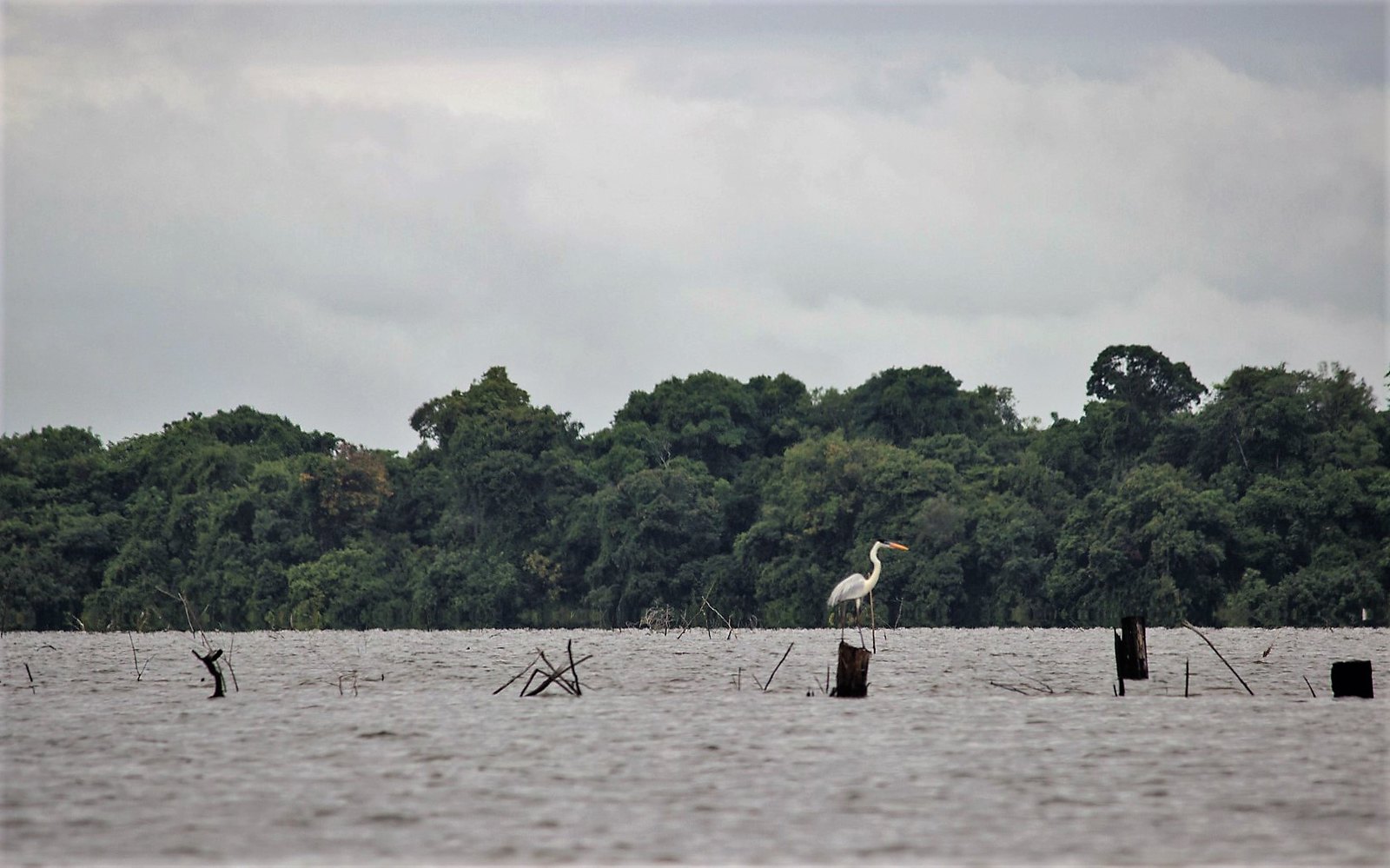
Photo: Amazon Watch / Maíra Irigaray.
The search for justice and reparations
Over the years, the Federal Public Prosecutor’s Office in Pará, the Public Defender’s Office, and civil society organizations have filed dozens of legal actions in Brazilian courts to challenge the project’s various irregularities and its impacts. Most of the claims are still pending resolution, some for more than 10 years.
These efforts have failed because the national government has repeatedly overturned rulings in favor of the affected communities by invoking a mechanism that allowed a court president to suspend a judicial decision based solely on generic arguments such as "the national interest" or "economic order."
In the absence of effective responses at the national level, AIDA, together with a coalition of partner organizations, brought the case before the Inter-American Commission on Human Rights (IACHR) and, in 2010, requested precautionary measures to protect the lives, safety, and health of the affected indigenous communities.
On April 1, 2011, the IACHR granted these measures and requested that the Brazilian government suspend environmental permits and any construction work until the conditions related to prior consultation and the protection of the health and safety of the communities are met.
And on June 16, 2011 —together with the Xingu Vivo Para Sempre Movement, the Coordinating Committee of Indigenous Organizations of the Brazilian Amazon, the Diocese of Altamira, the Indigenous Missionary Council, the Pará Society for the Defense of Human Rights and Global Justice— we filed a formal complaint against the Brazilian State for its international responsibility in the violation of the human rights of the people affected in the case. The case was opened for processing in December 2015.
On August 3, 2011, the IACHR amended the precautionary measures to request, instead of the suspension of permits and construction, the protection of people living in voluntary isolation, the health of indigenous communities, and the regularization and protection of ancestral lands.
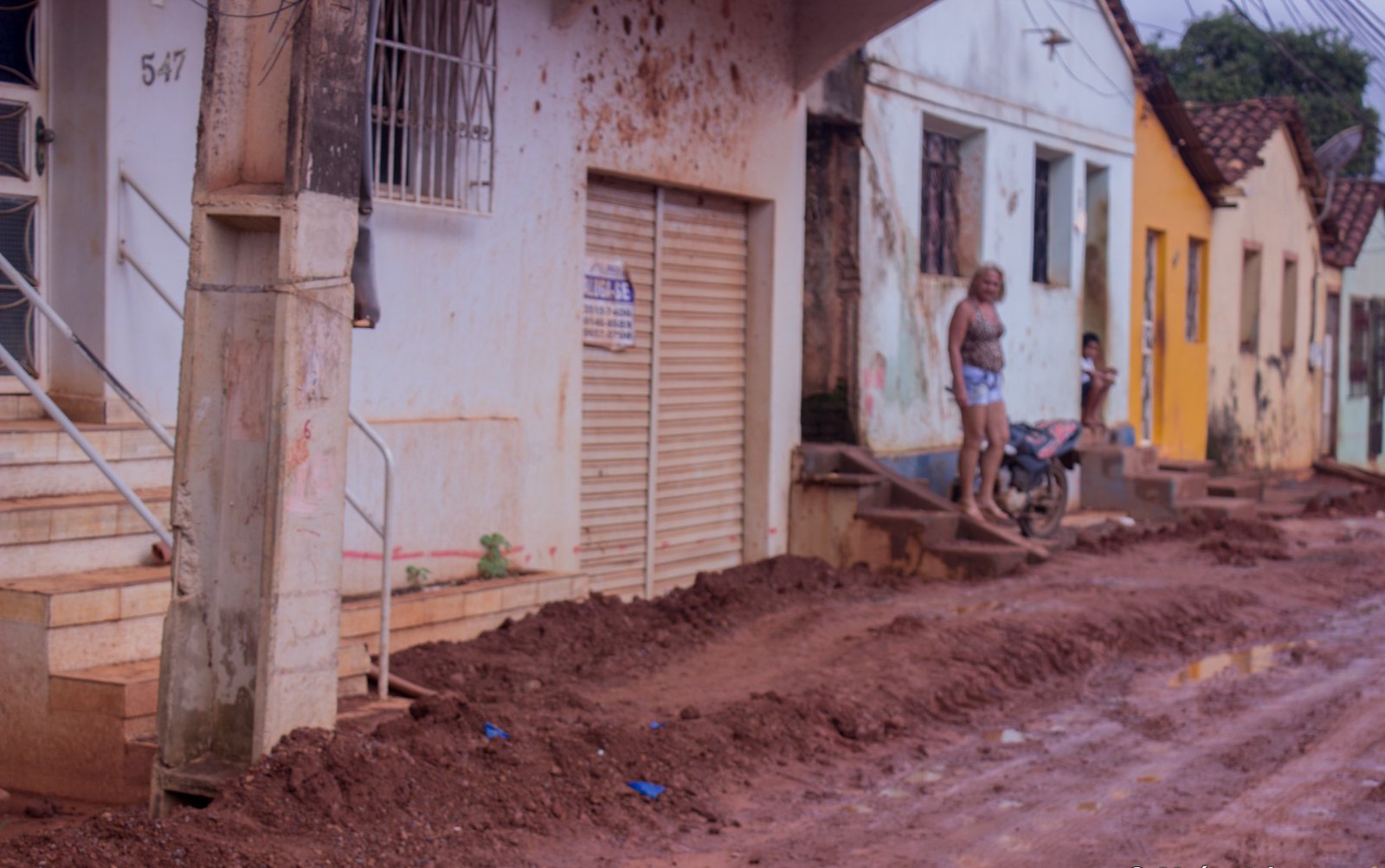
Photo: Amazon Watch / Maíra Irigaray.
Current situation
The protective measures granted by the IACHR remain in effect, but the Brazilian government has not fully complied with them, reporting only on general actions. The communities have documented the ongoing violations of their rights. The situation that prompted the request for these measures—the risk to the lives, physical integrity, and ways of life of the communities—persists and has worsened with the hydroelectric plant operating at full capacity and the recent extreme droughts in the Amazon.
In addition to the impacts of Belo Monte, there is a risk of further social and environmental impacts from the implementation of another mining megaproject in the Volta Grande do Xingu. There, the Canadian company Belo Sun plans to build Brazil’s largest open-pit gold mine.
The combined and cumulative impacts of the dam and the mine were not assessed. The government excluded Indigenous peoples, riverine and peasant communities from the project’s environmental permitting process. Despite protests by Indigenous communities and other irregularities surrounding the project, the government of Pará formally authorized the mine in April 2026.
Like other hydroelectric dams, Belo Monte exacerbates the climate emergency by generating greenhouse gas emissions in its reservoir. And it is inefficient amid the longer, more intense droughts caused by the crisis, as it loses its ability to generate power.
The case before the Inter-American Commission
In October 2017, the IACHR announced that it would rule jointly on the admissibility (whether the case meets the requirements for admission) and the merits (whether a human rights violation actually occurred) of the international complaint against the Brazilian State.
Fifteen years after the complaint was filed, the affected communities and the organizations representing them are still awaiting this decision. If the IACHR concludes that human rights violations occurred and issues recommendations that the Brazilian State fails to comply with, it may refer the case to the Inter-American Court of Human Rights, whose rulings are binding.
A potential ruling by the international court in this case would set a regional legal precedent regarding the rights of indigenous and riverine peoples, public participation in megaprojects, and state responsibility in the context of the climate crisis—a precedent that is particularly relevant in light of the Court’s Advisory Opinion No. 32, which reaffirmed the obligations of States to protect the people and communities of the continent from the climate emergency.
Partners:
Related projects
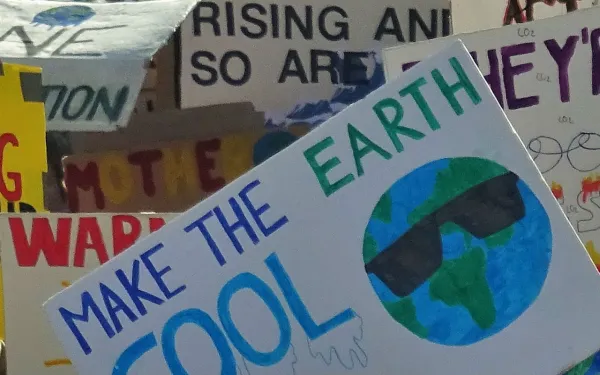
Declaration: Peoples’ Summit on Climate, Rights and Human Survival
We envisage a world where people thrive as part of nature and where human rights – including the rights of Indigenous Peoples – and the environment come before corporate profit, in an era in which people are more connected with each other and with the planet. We want to live in safe, equal, peaceful and just societies. In societies where every individual and all communities enjoy fair, secure and sustainable livelihoods; participate in decision-making on matters that affect their lives; and have access to information and justice. In a world where the commons are protected and sustainably managed by communities, and where governments and corporations act responsibly and are accountable for the consequences of their actions. We see the opportunity and urgent need to transform our economic, social, legal and political systems to ensure equity and the protection of human rights, to halt the climate crisis and mass extinctions, to protect our children’s future, to hold polluters accountable for their actions, and to make fossil fuels and all unsustainable business practices a relic of the past. We believe that this vision requires protecting, supporting and being in solidarity with those who are suffering from the violence of the climate crisis and those fighting for climate justice.The climate crisis can and must be addressed. An array of effective policy and technical solutions are already known, available and immediately deployable. Governments and corporations bear the primary responsibility for taking the actions that could address and reverse the drivers of climate change and build resilient, adaptable and sustainable communities. We will invigorate our existing efforts around mobilizing the most powerful, united and diverse Peoples’ movement ever assembled. Real and transformative climate action will not be possible without a fully-engaged civil society and population.To achieve climate justice, we, the undersigned, agree to the following:We will increase our efforts to place human rights at the core of climate activism. We will do so by following the lead of Indigenous Peoples, youth, women, people living in poverty, persons with disabilities, fisherfolk, peasants, pastoralcists, local communities, workers, and other disproportionately-affected groups, who are leading the call for climate justice and against activities that destroy the planet. We will demand immediate, bold, people-powered and human rights-consistent action of unprecedented scale to reduce greenhouse gas emissions, in order to protect people, ecosystems, and biodiversity from the climate breakdown. Such actions require transformative change of our economic, social and political systems, to address inequalities in all aspects of life. This transformative change includes the equitable distribution of resources, particularly reducing the unnecessary consumption of resources by privileged groups. It is essential that we achieve drastic and rapid reductions in emissions globally and a fossil-free future, to keep the temperature rise as low as possible and no higher than 1.5°C degrees, as current levels of warming are already resulting in human rights violations. We will demand that all government climate policies, measures, and actions respect, protect and fulfil human rights – including the right of people to be fully informed and empowered to participate in a meaningful way in climate decision- making – and that corporations fulfil their responsibilities to respect human rights across their supply chains. We will oppose any policy or action taken to combat climate change or support adaptation that comes at the cost of human rights, and those that would deepen inequalities and cause impoverishment, hunger, dispossession, and economic, social and political exclusion. We will increase the pressure on those countries and corporations most responsible for climate change and with the most resources available. We demand that all countries urgently establish and enforce science-based emission reduction targets compatible with the protection of human rights, and that they meet these targets on or ahead of schedule. We will oppose attempts to transfer the burden and responsibility for change from high-emitting countries to countries with fewer resources and lower historical emissions, and from corporations and privileged groups to less-privileged groups. We will compel those bearing more responsibility for the crisis to own their actions and take measures accordingly. We will call upon those States with the greatest responsibility for climate damage and with the most resources to provide the necessary financial and technological resources to countries in the global south to facilitate their ambitious actions for climate change mitigation and adaptation. We demand that those States also provide adequate means – including compensation – to affected communities and individuals to address the loss and damage caused by the climate crisis, in full consultation with them and respecting their individual and collective customs and rights. We will promote transparency and adequate use of those resources and will oppose the creation of additional financial burdens and debts as a result of this support. We will relentlessly challenge corporate capture of policies and institutions, and we will hold accountable climate destructive industries and their financial backers. We will demand a just, fair and inclusive transition away from fossil fuels and towards sustainable agriculture and renewable energy that empower Indigenous Peoples, workers, peasant farmers, pastoralists, fisherfolk, and communities, rather than disenfranchise them. We will seek measures to ensure that all people, particularly those facing discrimination, have access to climate education and to the resources, training, knowledge, and decent jobs required for a people-powered transition to a decarbonized and resilient society. We will work for the protection, respect, and fulfilment of the rights of Indigenous Peoples, including to their ancestral lands and territories. We will seek the protection, recognition, and promotion of local and traditional knowledge that has proven effective and appropriate in addressing the climate crisis as well as enabling the transition and resilience so urgently needed in our food systems, always with the consent of, and for the benefit of, Indigenous Peoples. We will demand effective and adequate access to justice for individuals and communities whose rights are impacted by the climate crisis or lack of climate action – including those facing climate-induced loss and damage and those whose rights are threatened due to climate-related displacement. We will work to ensure that they are able to enjoy access to justice and effective remedies and that those responsible for climate harms are held to account. We will proactively use national, regional and international human rights bodies and legal instruments to ensure that human rights and obligations are effectively upheld to promote climate justice. We will support all environmental human rights defenders, in particular those who individually and collectively protect their territory, access to land, livelihoods, and the environment, and those campaigning to defend the people and the planet from destructive activities and climate breakdown. We will demand a safe and enabling environment in which all human rights defenders, particularly those facing multiple and intersecting forms of discrimination and inequality, are effectively protected and able to defend and promote human rights without fear of punishment, reprisal, or intimidation. Read the full declarationRead the declaration in SpanishRead the declaration in Portuguese
Read more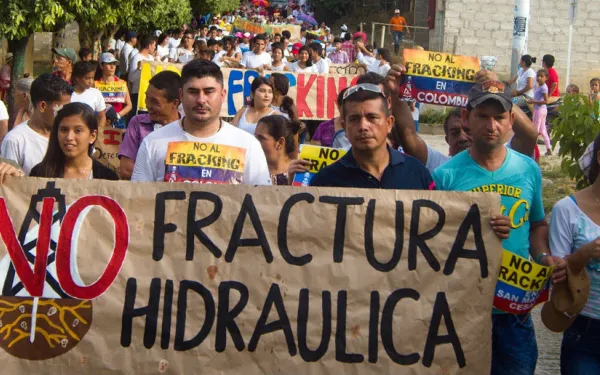
State Council maintains suspension of fracking in Colombia
We are proud to be part of the litigation in which this decision occured and hope that the high court will continue to prioritize the precautionary principle and consider the risks of harm that fracking poses to the environment and human health. Bogotá, Colombia. In response to an action filed by the Public Interest Legal Clinic of the Universidad del Norte, Colombia's State Council maintained the provisional suspension of the exploration and exploitation of non-conventional hydrocarbon deposits through hydraulic fracturing. This means that fracking continues to be suspended in Colombia, that it is currently illegal to carry it out, and that Colombia is in the midst of a moratorium on fracking by court order. With its decision, the State Council, a Colombian High Court, rejected the government's request, which sought to lift the suspension that has been in force since last November and give free rein to fracking in the country. AIDA celebrates the State Council's decision and we feel very honored to be part of this litigation. It is undoubtedly a step in the right direction given the high degree of uncertainty about the risks associated with fracking. These include: air pollution, the contamination of surface and groundwater sources, damages to human health, and emissions of methane—a potent greenhouse gas and one of the main aggravators of the climate crisis facing the world. In this scenario, the urgency of moving towards clean energy is evident. The high court concluded that the precautionary principle should be applied because, even without absolute scientific certainty, there is minimal evidence of potential damage resulting from an apparent deficiency in the measures contemplated in the regulation of fracking. Colombia today aims to be an example for Latin America. The provisional suspension of the regulation corresponds to a precautionary measure while the case is definitively resolved. It is essential that the State Council continue to give priority to the precautionary principle, taking into account the lack of full certainty about the risks of irreversible damage that fracking implies for the environment, the climate and for people. At AIDA, we welcome judicial independence, because it is fundamental for the legal protection of the environment. We hope that the ongoing judicial process will properly consider the evidence and arguments presented, including those related to an increasingly urgent task: the fight against the climate crisis. PRESS CONTACT: Victor Quintanilla (Mexico), AIDA, [email protected], +5215570522107
Read more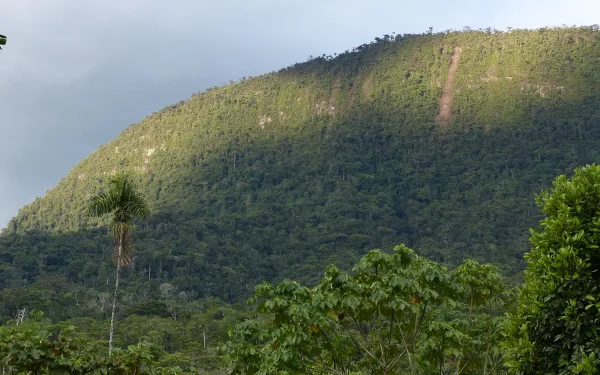
Ecuador bets on a mining boom, at the expense of nature
In southeast Ecuador, in the heart of its Amazon, stands an imposing mountain massif that stretches more than 160 kilometers in length: the Condor Mountain Range, which, once largely unknown, retains an expansive intact and unexplored territory. In this area of vital importance for life, science and conservation, an open-pit copper mine known as the Mirador project, with an expected lifespan of 30 years, began operating in July. The launch of the project marks the beginning of large-scale mining in Ecuador, with which the government intends to sustain the economy and leave behind its dependence on oil. This is a sad novelty because large-scale mining involves the risk of enormous environmental damages, which are most serious in ecosystems of great biodiversity and proximity to water sources such as the Condor Range, where indigenous and peasant communities also live. This impulse toward extractive activity contradicts the progress made in 2008, when Ecuador was the first country in the world to recognize the rights of nature in its Constitution. As the Amazon burns in flames, and takes our future with it, Ecuador has a responsibility to change course. The nation must serve as an example for other countries of the Amazon Basin, and the world, of the effective protection of the rainforest and those who depend on it. The resources we must conserve "This country lacks resources." Based on these words, the Mirador project and the presence of the mining industry in Ecuador has been intensified without precedent. They were said by spokespersons of the Chinese company Ecuacorriente (in charge of the mining concession) and echoed, in turn, by government representatives. But what will happen to the biodiversity and environmental services of the priceless Condor Range? These Amazonian mountains protect cloud forests and páramos (high mountain wetlands), both natural carbon sinks. They are home to more than 2,000 species of flora, including one of the few carnivorous plants in Ecuador, and hosts 613 species of birds. According to studies, there are another 2,000 plant species to be discovered in this unique environment. It is there that excavations of 300 to 500 meters deep will be carried out to access subsoil minerals, and where risky dams will be built to deposit tons of waste. The damages are already occurring. The company confirmed that 1,422 hectares of forest have been cleared for the project. And local organizations have denounced serious legal and constitutional violations surrounding the project. The discourse of large profits in store for the country from the exploitation and sale of subsoil resources has gained strength in recent months. Official data shows that currently 7.5% of the territory is concessioned for mineral exploration, and the government is analyzing the granting of new concessions. By 2020, the government plans to have a map of the new areas where mining will be permitted. These plans ignore the perpetual impacts of large-scale mining, including impacts on the landscape and damage to water quality. In the case of Mirador, the project has already caused the diversion of the Tundayme River, just to name one of its impacts, recognized as irreversible by the company itself. "Be coherent, stop using cell phones and bicycles and other objects made from materials extracted from the mines," challenged Vice President Otto Sonnenholzner, one of mining's biggest promoters, to those who oppose the projects. "I propose another challenge: you stop using water and food," replied Yaku Perez, a defender of water and prefect of the province of Azuay. The above is the clearest metaphor of what is at stake with the blind advance of open-pit mining in Ecuador. The climate crisis demands a new vision of development The accelerated move towards large-scale mining in Ecuador means acting negligently in the face of the global climate crisis, which forces us to change our development model this decade in order to achieve the goals of mitigation and adaptation. The international scientific community warned in 2018 that we only have a dozen years to maintain global warming at a maximum of 1.5°C (with respect to the pre-industrial era) and that exceeding that limit would make the risks of droughts, floods and extreme heat worse. This requires unprecedented transitions in sectors such as energy and industrial systems. Boosting large-scale mining is reversing and deepening the development model that has caused the climate emergency. It means destroying natural carbon sinks such as those in the Condor Mountain Range and the Amazon as a whole. Ecuador can and must take a new step forward. It must, as it did in 2008 with the recognition of the rights of nature, find a development model that effectively respects its obligations to the climate and to human rights. Ecuador cannot continue to mortgage the present and future of entire communities and ecosystems under the pretext of the immediate and ephemeral profits of mining. New paths are possible and, above all, urgent.
Read more