
Project
Amazon Watch / Maíra Irigaray
The Belo Monte Dam on the Xingu River: 10 years of impacts in the Amazon and the search for reparations
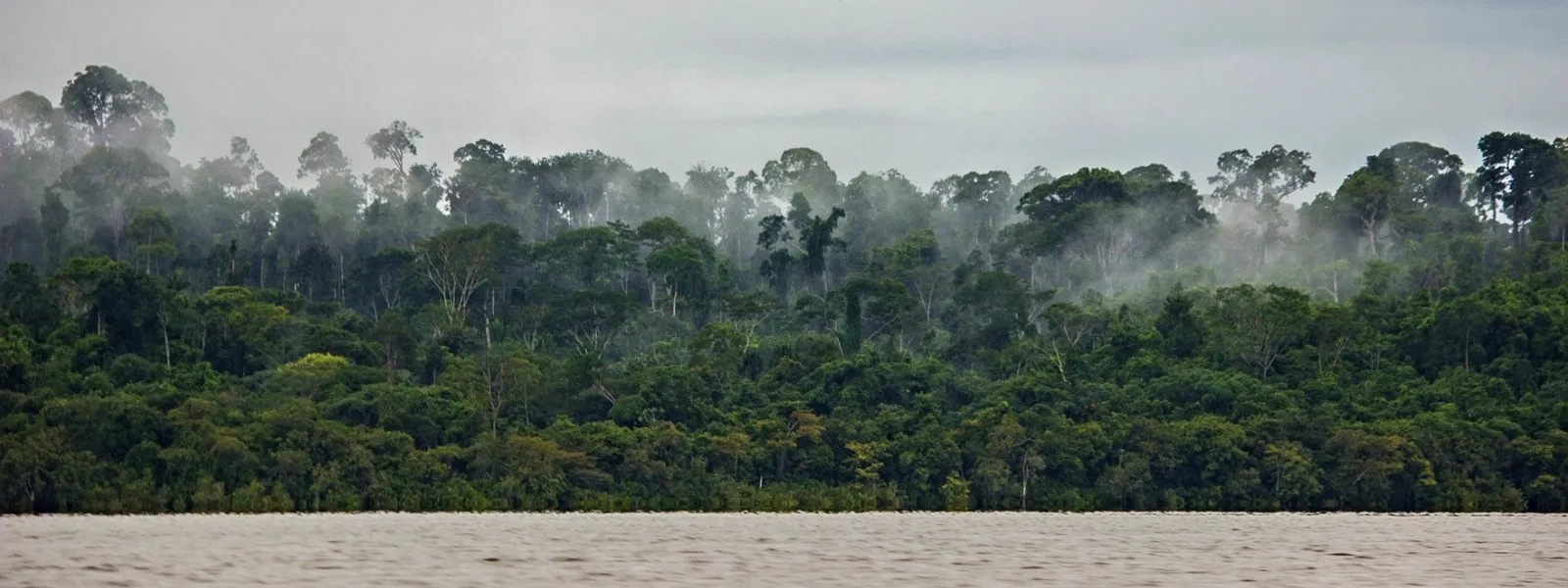
The Belo Monte Dam has caused an environmental and social disaster in the heart of the Amazon—one of the most important ecosystems on the planet.
This situation has only worsened since the hydroelectric plant began operations in 2016. The quest for justice and reparations by the affected indigenous, fishing, and riverine communities continues to this day.
In 2011, the Inter-American Commission on Human Rights (IACHR) granted them protective measures that, to date, have not been fully implemented by the Brazilian State.
Furthermore, since June of that same year, the IACHR has yet to rule on a complaint against the State regarding its international responsibility in the case.
The IACHR may refer the case to the Inter-American Court of Human Rights, which has the authority to issue a ruling condemning the Brazilian State.
After 10 years of the hydroelectric plant's operation and more than 15 years of documented human rights violations, it is time for justice to be served for the affected communities.
Read the open letter from the organizations bringing the case before the IACHR
Background
The Belo Monte hydroelectric plant—the fourth largest in the world by installed capacity (11,233 MW)—was built on the Xingu River in Pará, a state in northern Brazil.
It was inaugurated on May 5, 2016, with a single turbine. At that time, 80% of the river’s course was diverted, flooding 516 km² of land—an area larger than the city of Chicago. Of that area, 400 km² was native forest. The dam began operating at full capacity in November 2019.
Belo Monte was built and is operated by the Norte Energia S.A. consortium, which is composed primarily of state-owned companies. It was financed by the Brazilian Development Bank (BNDES), which provided the consortium with 25.4 billion reais (approximately US$10.16 billion), the largest investment in the bank’s history. Therefore, the BNDES is also legally responsible for the socio-environmental impacts associated with the hydroelectric plant.
Decades of harm to the environment and people
Human rights violations and degradation of the Amazon have been occurring since the project’s inception. In March 2011, Norte Energía began construction of the dam without adequate consultation and without the prior, free, and informed consent of the affected communities.
The construction caused the forced displacement of more than 40,000 people, severing social and cultural ties. The resettlement plan in Altamira—a city directly affected by the hydroelectric dam—involved housing units located on the outskirts, lacking adequate public services and decent living conditions for the relocated families, with no special provisions for those from indigenous communities.
Belo Monte's operations have caused a permanent, man-made drought in the Volta Grande (or "Great Bend") of the Xingu River, exacerbated by the historic droughts in the Amazon in 2023 and 2024. As a result, the deaths of millions of fish eggs were documented for four consecutive years (from 2021 to 2024), and for the past three years, there has been no upstream migration of fish to spawn and reproduce. Thus, artisanal fishing, the main source of protein for indigenous peoples and riverside communities, was severely affected: fish dropped from 50% to 30% of total protein consumed, replaced by processed foods. In summary, there was an environmental and humanitarian collapse that resulted in the breakdown of fishing as a traditional way of life, food insecurity, and access to drinking water for thousands of families, impoverishment, and disease.
Furthermore, the construction of the dam increased deforestation and intensified illegal logging and insecurity on indigenous and tribal lands, putting the survival of these communities at risk. Another consequence was the deepening of poverty and social conflicts, as well as the strain on health, education, and public safety systems in Altamira—a city ranked as the most violent in the country in 2017, where human trafficking and sexual violence increased. Violence was also reported against human rights defenders involved in the case.
In 2025, during the 30th UN Climate Change Conference (COP30), held in Brazil, the Federal Public Prosecutor’s Office labeled the damage caused by the Belo Monte dam as ecocide.
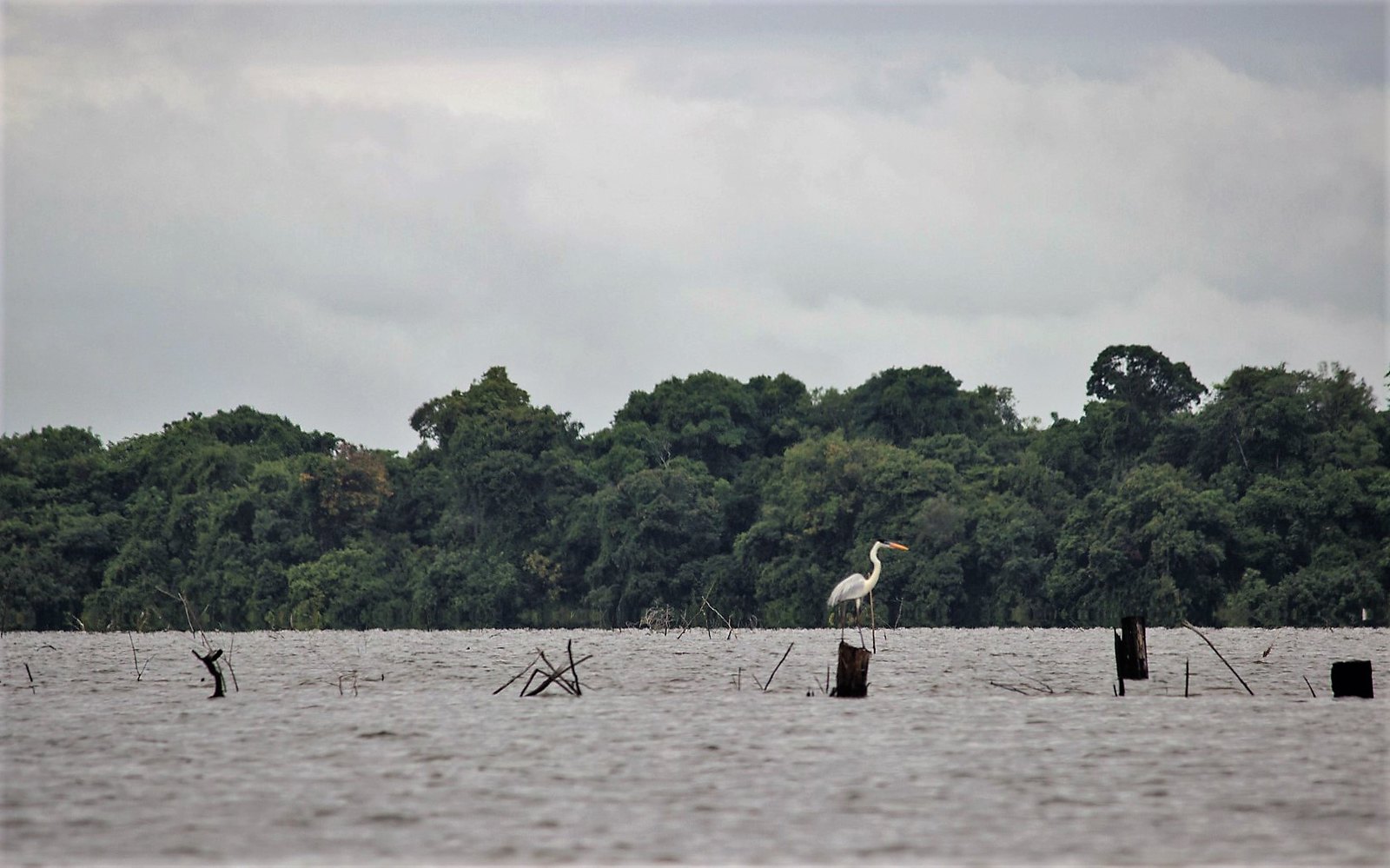
Photo: Amazon Watch / Maíra Irigaray.
The search for justice and reparations
Over the years, the Federal Public Prosecutor’s Office in Pará, the Public Defender’s Office, and civil society organizations have filed dozens of legal actions in Brazilian courts to challenge the project’s various irregularities and its impacts. Most of the claims are still pending resolution, some for more than 10 years.
These efforts have failed because the national government has repeatedly overturned rulings in favor of the affected communities by invoking a mechanism that allowed a court president to suspend a judicial decision based solely on generic arguments such as "the national interest" or "economic order."
In the absence of effective responses at the national level, AIDA, together with a coalition of partner organizations, brought the case before the Inter-American Commission on Human Rights (IACHR) and, in 2010, requested precautionary measures to protect the lives, safety, and health of the affected indigenous communities.
On April 1, 2011, the IACHR granted these measures and requested that the Brazilian government suspend environmental permits and any construction work until the conditions related to prior consultation and the protection of the health and safety of the communities are met.
And on June 16, 2011 —together with the Xingu Vivo Para Sempre Movement, the Coordinating Committee of Indigenous Organizations of the Brazilian Amazon, the Diocese of Altamira, the Indigenous Missionary Council, the Pará Society for the Defense of Human Rights and Global Justice— we filed a formal complaint against the Brazilian State for its international responsibility in the violation of the human rights of the people affected in the case. The case was opened for processing in December 2015.
On August 3, 2011, the IACHR amended the precautionary measures to request, instead of the suspension of permits and construction, the protection of people living in voluntary isolation, the health of indigenous communities, and the regularization and protection of ancestral lands.
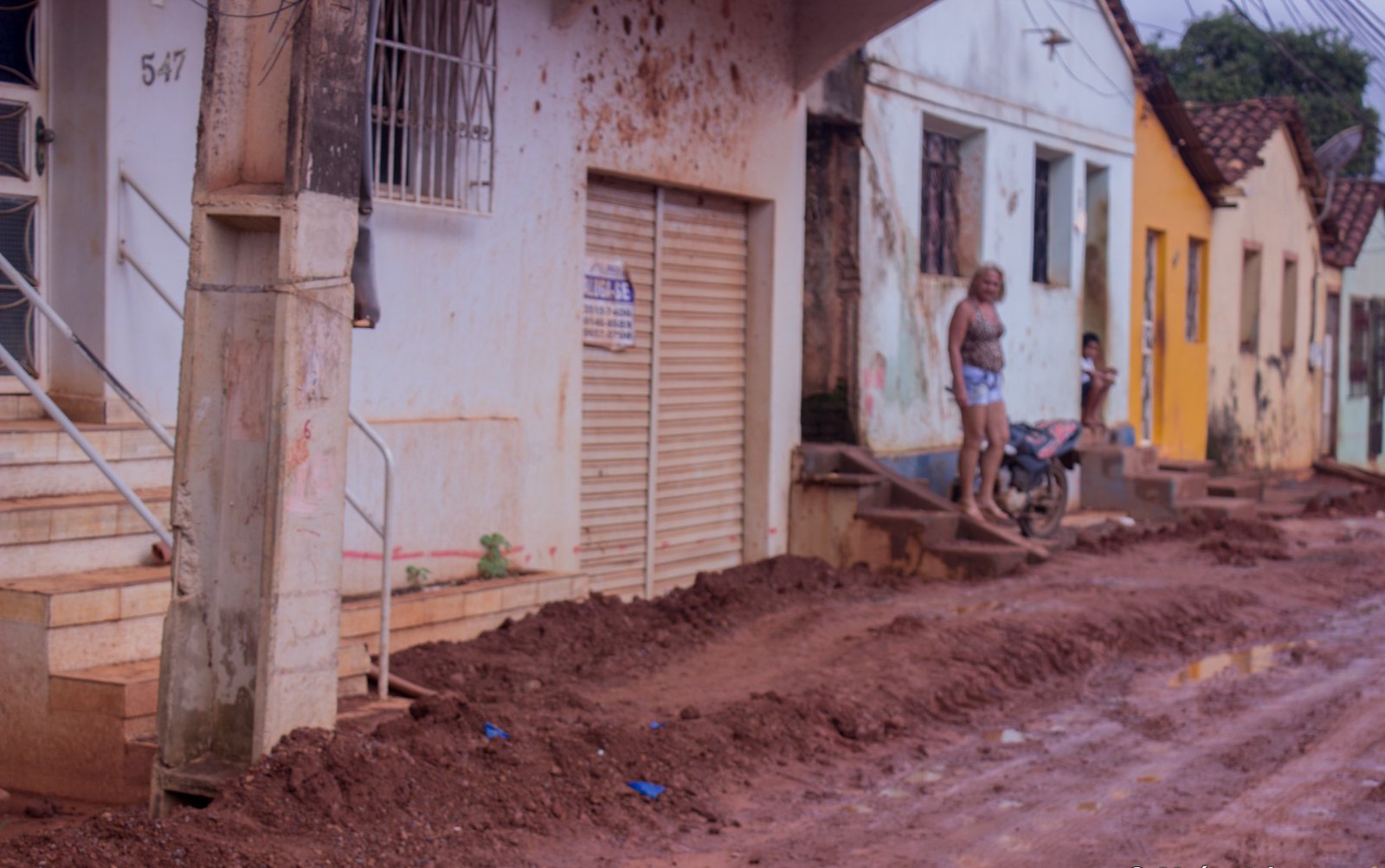
Photo: Amazon Watch / Maíra Irigaray.
Current situation
The protective measures granted by the IACHR remain in effect, but the Brazilian government has not fully complied with them, reporting only on general actions. The communities have documented the ongoing violations of their rights. The situation that prompted the request for these measures—the risk to the lives, physical integrity, and ways of life of the communities—persists and has worsened with the hydroelectric plant operating at full capacity and the recent extreme droughts in the Amazon.
In addition to the impacts of Belo Monte, there is a risk of further social and environmental impacts from the implementation of another mining megaproject in the Volta Grande do Xingu. There, the Canadian company Belo Sun plans to build Brazil’s largest open-pit gold mine.
The combined and cumulative impacts of the dam and the mine were not assessed. The government excluded Indigenous peoples, riverine and peasant communities from the project’s environmental permitting process. Despite protests by Indigenous communities and other irregularities surrounding the project, the government of Pará formally authorized the mine in April 2026.
Like other hydroelectric dams, Belo Monte exacerbates the climate emergency by generating greenhouse gas emissions in its reservoir. And it is inefficient amid the longer, more intense droughts caused by the crisis, as it loses its ability to generate power.
The case before the Inter-American Commission
In October 2017, the IACHR announced that it would rule jointly on the admissibility (whether the case meets the requirements for admission) and the merits (whether a human rights violation actually occurred) of the international complaint against the Brazilian State.
Fifteen years after the complaint was filed, the affected communities and the organizations representing them are still awaiting this decision. If the IACHR concludes that human rights violations occurred and issues recommendations that the Brazilian State fails to comply with, it may refer the case to the Inter-American Court of Human Rights, whose rulings are binding.
A potential ruling by the international court in this case would set a regional legal precedent regarding the rights of indigenous and riverine peoples, public participation in megaprojects, and state responsibility in the context of the climate crisis—a precedent that is particularly relevant in light of the Court’s Advisory Opinion No. 32, which reaffirmed the obligations of States to protect the people and communities of the continent from the climate emergency.
Partners:
Related projects
Human rights, the great absentees at the UN Climate Summit
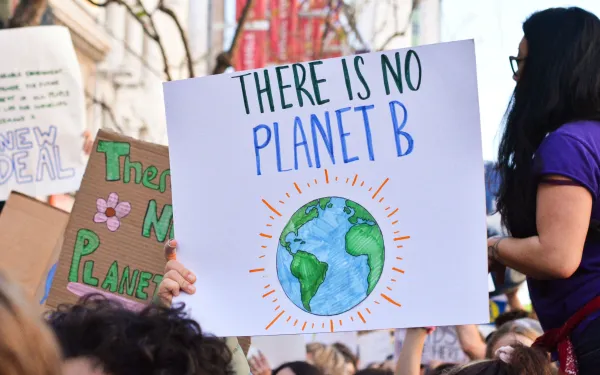
The United Nations Climate Action Summit on September 23rd was an interesting step toward the future. Some commitments were announced to confront the climate crisis. But one key aspect was absent: the express, transversal and decisive inclusion of human rights. Goals of the global meeting included preventing the development of new coal projects, achieving zero net emissions by 2050, ending fossil fuel subsidies, and making those who pollute pay. To this end, 19 states—supported by various organizations—worked in coalition to achieve goals on mitigation, social and political drivers, youth and public mobilization, energy transition, industrial transition, nature-based solutions, adaptation and resilience, climate finance and carbon pricing, as well as infrastructure, cities and local action. Although previous meetings were held with indigenous peoples, and some coalitions recognized that solutions shouldn’t increase inequality—but be fair and include a gender perspective—what we needed was an explicit reference to human rights. It was conspicuous for its absence. This is not a minor need. It’s enough to see those who suffer first and worst the impacts of the climate emergency: families in Central America who, after losing their crops, leave everything behind to migrate to the United States; residents of the Bahamas, devastated by Hurricane Dorian; and those who live in the Amazon, partially destroyed by fires. The climate crisis is already affecting human rights. Michelle Bachelet, UN High Commissioner for Human Rights, called it their greatest threat. Some measures to address the climate emergency actually aggravate it, while ignoring human rights. This is the case with wind projects and large hydroelectric dams in Brazil, Mexico, Colombia and Honduras, which have been implemented without consulting local communities, some of them indigenous. It was therefore essential that world leaders use Summit to expressly include in their commitments a respect for human rights, a recognition already found in the Paris Agreement. That did not happen. Nevertheless, hope is fuelled by growing awareness, which increases pressure on governments, companies and other sectors to contribute more. Millions of students around the world are on strike and dropping out of school on Fridays. Mobilizations have multiplied and so have their supporters. Having true ambition for climate justice means putting human rights at the center of our solutions, not least because indigenous and traditional communities have knowledge essential to preserving the planet.
Read more
Ocean scientists and NGOs call time on government neglect of earth’s life support system
The Intergovernmental Panel on Climate Change (IPCC) Special Report on the Ocean and Crysophere in a Changing Climate reveals the extent of the crisis facing humanity as the ocean and its services begin to show signs of collapse. Although the ocean is inextricably linked with the climate, the two working together to make planet Earth habitable, this is the first time that the IPCC has turned its attention to the marine realm. The resulting report conveys what marine scientists and NGOs have been saying for years, that the ocean is beginning to crumble under an onslaught of needless stressors from overfishing to pollution, compounded by climate breakdown. The effect of climate breakdown is the most serious, creating acidification, heating and deoxygenation. These three factors have been present in every mass extinction event in Earth’s history; all three are active in the ocean now. Professor Dan Laffoley of the IUCN World Commission on Protected Areas: “We are an ocean world, run and regulated by a single ocean and we are pushing that life support system to its very limits through heating, deoxygenation and acidification. We are well past 'wake up calls' - what we need now is enlightened self-interest to deliver the actions that protect the ocean and climate and which in turn protect and support humanity.” The timescales at work within the ocean mean that changes already put into its system – such as warming – will remain at work for hundreds of years, consequently, even with immediate action to curb temperature rise and cut CO2 emissions, ocean services to the planet could still be at risk. This is why it is so important that all extraneous stressors on the ocean which can be controlled, are. Overfishing, pollution, destruction of habitats, ecosystems and biodiversity are all stressors which can be stopped to support the resilience of the ocean to withstand the climate crisis. Gladys Martínez, senior attorney of the Interamerican Association for Environmental Defense (AIDA): “The IPCC report makes it crystal clear that time is running out for ocean action. We have a small window of opportunity to achieve a strong High Seas Treaty by 2020 and to protect at least 30% of the ocean by 2030, two measures that will help defend the resilience of the ocean. The treaty is being negotiated before the United Nations and states must complete it by 2020, in line with the UN General Assembly resolution and demonstrating high ambitions.” Although the picture painted by the IPCC is undeniably bleak, there are measures which can be taken now to help bolster the resilience of the ocean and which governments need to finally and robustly take action on. State parties to the legally binding Convention on Biological Diversity will negotiate new targets to protect biodiversity at a meeting in 2020. The target for marine biodiversity should be to protect at least 30% of the ocean through implemented highly and fully protected areas, with the remaining 70% of the ocean sustainably managed. Bringing an end to overfishing and pollution in all its forms and preventing further biodiversity, ecosystem and habitat loss are essential measures within our reach. Tackling climate breakdown and holding warming at or as close to 1.5 degrees Celsius as possible is essential if the ecosystem services of the ocean are to survive. All states need to commit to new and more ambitious plans (NDCs) in 2020 to achieve this. Press contacts: Victor Quintanilla in Mexico - [email protected], +521 5570522107 Patricia Roy in Paris - [email protected], +34 696 905 907 Mirella von Lindenfels in London - [email protected], +44 7717 844 352 Karen Rausch in Santiago - [email protected], +56 967354769 Sophie Hulme in NYC - [email protected], +44 7973 712869
Read more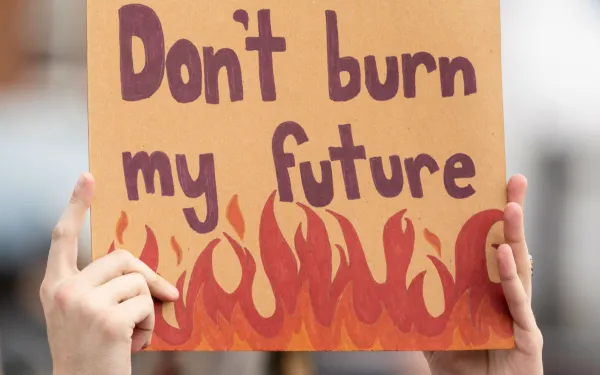
200 environmental and human rights leaders pledge to tackle climate emergency together
New York – In an unprecedented move, more than 200 representatives of Indigenous Peoples, workers, academia, environmental and human rights groups adopted a landmark declaration calling on governments and corporations to urgently tackle the climate emergency in order to ensure the survival of humanity. Gathered for the Peoples’ Summit on Climate, Rights and Human Survival, their goal is to unleash new power, energy, and resources to supercharge a connected, diverse, and action-oriented mass movement to overcome the climate crisis, by putting people and human rights at the core of its solutions. These leaders and their groups seek to put pressure on governments and corporations to ramp up climate commitments. Among other initiatives, they plan to pursue more concerted climate litigation efforts, target the financial sector’s funding of fossil fuels, make more effective use of human rights accountability mechanisms, and coordinate more mass mobilization campaigns at national and regional levels. They also expect to agree on the implementation of a set of related action plans in the following months. The Peoples’ Summit was organized by the United Nations Human Rights Office, Greenpeace International, Amnesty International, Center for International Environmental Law, Wallace Global Fund, and the New York University School of Law Center for Human Rights and Global Justice. The event is taking place on September 18 and 19, ahead of the United Nations Secretary General’s Climate Action Summit. Craig Mokhiber, New York Office Director at the United Nations Human Rights Office, said: “For those on the frontlines, climate change is already eroding the rights to food, water and sanitation, decent shelter, health, personal security, and even life itself. Many on small island states, in coastal communities, and in areas subject to creeping desertification are watching their right to self-determination slip away. Large-scale climate displacement threatens to force millions to undertake journeys of vulnerability and uncertainty. Ultimately, the adverse effects of climate change tear at the very fabric of human society. Every country must take urgent and meaningful action to address this threat to human rights. By bringing together the many strands of the climate justice movement, we seek to mobilize transformative, rights-based and inclusive climate action now.” Jennifer Morgan, International Executive Director at Greenpeace International, said: "The climate crisis is a human rights crisis. The human consequences of extreme weather disasters can be staggering, as we can see by the profound devastation and destruction left in the wake of Hurricane Dorian. This declaration marks a new era of climate activism. Lead by the youth and together with our allies, we will all take action and confront those responsible. Weak governments and toxic corporate power will have nowhere to hide as we put people at the center of our demands, and seek climate justice for the communities least responsible but most vulnerable to this climate emergency.” Kumi Naidoo, Secretary General at Amnesty International, said: “The world’s most urgent struggle needs the power and diversity that the global people’s movement for human rights can bring. We come with key constituencies, energy, and skills to the fight for climate justice. But we have been punching way below our weight so far. “Amnesty intends to do its part to change this. We want the Summit to help unleash the potential of the global human rights movement to protect present and future generations. United, we win.” Carroll Muffett, President and CEO at the Center for International Environmental Law, said: “The costs of continued inaction in the face of the climate crisis are measured in human rights, human livelihoods, and human lives. As Hurricane Dorian reminds us all too painfully, those costs are real and they are rising. Today’s declaration reflects a common commitment within the human rights community to put human rights at the center of the climate crisis, to phase out the fossil fuels that are driving that crisis, and to hold governments and companies accountable when they stand in the way.” Ellen Dorsey, Executive Director at Wallace Global Fund, said: “The human rights sector and movements from around the world are bringing new resources, a powerful global constituency of supporters, and unique human rights advocacy to the climate movement, calling for actions by governments and corporations commensurate with the scale and rapid pace of climate change to ensure the survival of humanity.” Philip Alston, Center for Human Rights and Global Justice Chair at New York University School of Law, said: “Climate change has been called a ‘false alarm’, but it is an alarm that will end up killing many of our children, and at least some of us. We read daily about large numbers of people dying of heat exposure, being drowned in floods or burned in wildfires, or just forced to flee their homes, but we fool ourselves that it won’t happen to us. While many of us are distracted on social media or determined to get on with normal life, the future disasters flowing from climate change are moving from possibilities to certainties. Human rights as we know them will be rendered increasingly meaningless unless we act immediately.” Link to the online declaration. Press contacts in New York: Amanda Kistler, [email protected], +1 202-742-5832 Kharunya Paramaguru, [email protected], +44 7508-394415 Lauren Stackpoole, [email protected], +1 212-998-6069 Rodrigo Estrada, [email protected], +1 202-344-9292
Read more