

Project
Amazon Watch / Maíra Irigaray
The Belo Monte Dam on the Xingu River: 10 years of impacts in the Amazon and the search for reparations
The Belo Monte Dam has caused an environmental and social disaster in the heart of the Amazon—one of the most important ecosystems on the planet.
This situation has only worsened since the hydroelectric plant began operations in 2016. The quest for justice and reparations by the affected indigenous, fishing, and riverine communities continues to this day.
In 2011, the Inter-American Commission on Human Rights (IACHR) granted them protective measures that, to date, have not been fully implemented by the Brazilian State.
Furthermore, since June of that same year, the IACHR has yet to rule on a complaint against the State regarding its international responsibility in the case.
The IACHR may refer the case to the Inter-American Court of Human Rights, which has the authority to issue a ruling condemning the Brazilian State.
After 10 years of the hydroelectric plant's operation and more than 15 years of documented human rights violations, it is time for justice to be served for the affected communities.
Read the open letter from the organizations bringing the case before the IACHR
Background
The Belo Monte hydroelectric plant—the fourth largest in the world by installed capacity (11,233 MW)—was built on the Xingu River in Pará, a state in northern Brazil.
It was inaugurated on May 5, 2016, with a single turbine. At that time, 80% of the river’s course was diverted, flooding 516 km² of land—an area larger than the city of Chicago. Of that area, 400 km² was native forest. The dam began operating at full capacity in November 2019.
Belo Monte was built and is operated by the Norte Energia S.A. consortium, which is composed primarily of state-owned companies. It was financed by the Brazilian Development Bank (BNDES), which provided the consortium with 25.4 billion reais (approximately US$10.16 billion), the largest investment in the bank’s history. Therefore, the BNDES is also legally responsible for the socio-environmental impacts associated with the hydroelectric plant.
Decades of harm to the environment and people
Human rights violations and degradation of the Amazon have been occurring since the project’s inception. In March 2011, Norte Energía began construction of the dam without adequate consultation and without the prior, free, and informed consent of the affected communities.
The construction caused the forced displacement of more than 40,000 people, severing social and cultural ties. The resettlement plan in Altamira—a city directly affected by the hydroelectric dam—involved housing units located on the outskirts, lacking adequate public services and decent living conditions for the relocated families, with no special provisions for those from indigenous communities.
Belo Monte's operations have caused a permanent, man-made drought in the Volta Grande (or "Great Bend") of the Xingu River, exacerbated by the historic droughts in the Amazon in 2023 and 2024. As a result, the deaths of millions of fish eggs were documented for four consecutive years (from 2021 to 2024), and for the past three years, there has been no upstream migration of fish to spawn and reproduce. Thus, artisanal fishing, the main source of protein for indigenous peoples and riverside communities, was severely affected: fish dropped from 50% to 30% of total protein consumed, replaced by processed foods. In summary, there was an environmental and humanitarian collapse that resulted in the breakdown of fishing as a traditional way of life, food insecurity, and access to drinking water for thousands of families, impoverishment, and disease.
Furthermore, the construction of the dam increased deforestation and intensified illegal logging and insecurity on indigenous and tribal lands, putting the survival of these communities at risk. Another consequence was the deepening of poverty and social conflicts, as well as the strain on health, education, and public safety systems in Altamira—a city ranked as the most violent in the country in 2017, where human trafficking and sexual violence increased. Violence was also reported against human rights defenders involved in the case.
In 2025, during the 30th UN Climate Change Conference (COP30), held in Brazil, the Federal Public Prosecutor’s Office labeled the damage caused by the Belo Monte dam as ecocide.
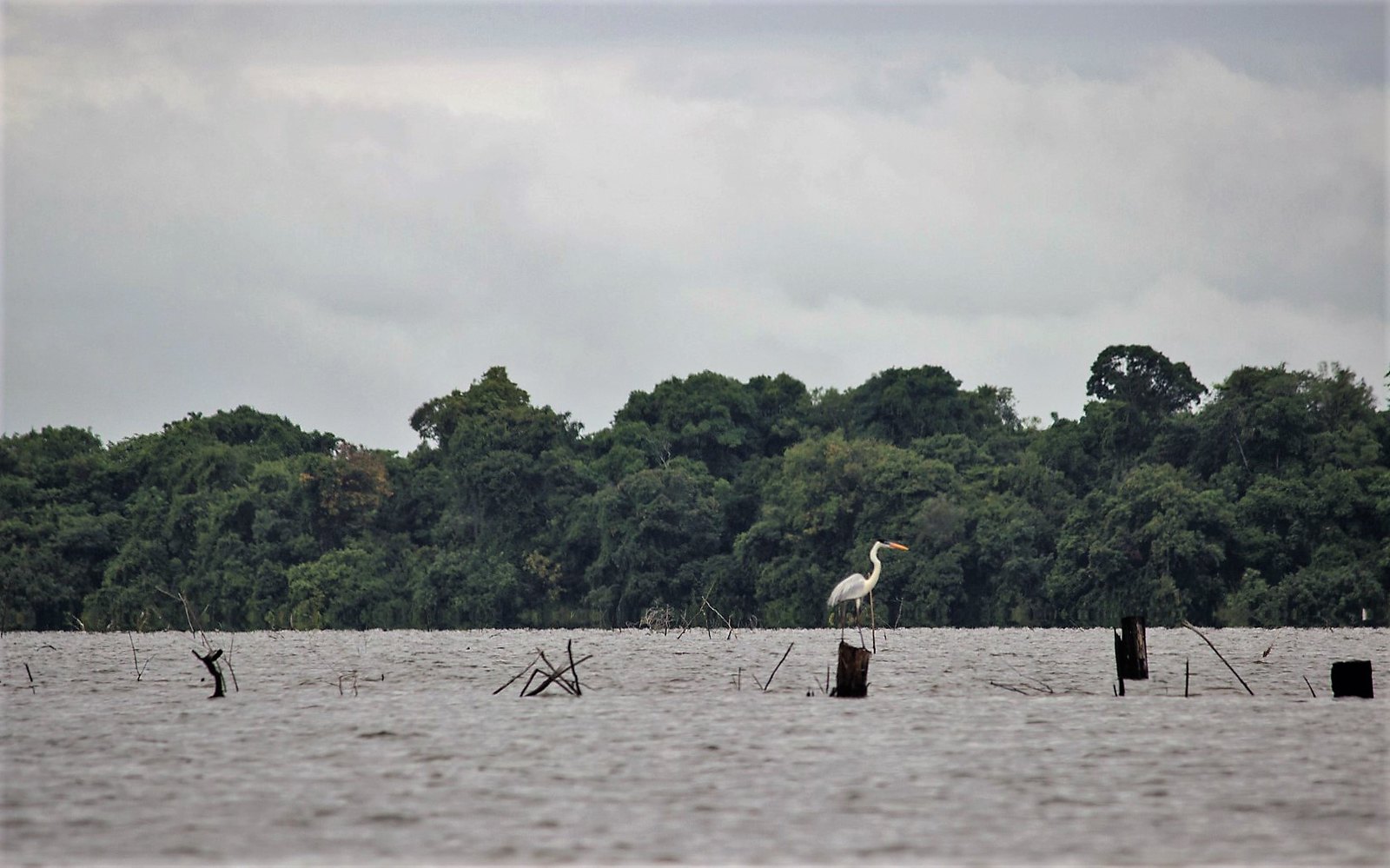
Photo: Amazon Watch / Maíra Irigaray.
The search for justice and reparations
Over the years, the Federal Public Prosecutor’s Office in Pará, the Public Defender’s Office, and civil society organizations have filed dozens of legal actions in Brazilian courts to challenge the project’s various irregularities and its impacts. Most of the claims are still pending resolution, some for more than 10 years.
These efforts have failed because the national government has repeatedly overturned rulings in favor of the affected communities by invoking a mechanism that allowed a court president to suspend a judicial decision based solely on generic arguments such as "the national interest" or "economic order."
In the absence of effective responses at the national level, AIDA, together with a coalition of partner organizations, brought the case before the Inter-American Commission on Human Rights (IACHR) and, in 2010, requested precautionary measures to protect the lives, safety, and health of the affected indigenous communities.
On April 1, 2011, the IACHR granted these measures and requested that the Brazilian government suspend environmental permits and any construction work until the conditions related to prior consultation and the protection of the health and safety of the communities are met.
And on June 16, 2011 —together with the Xingu Vivo Para Sempre Movement, the Coordinating Committee of Indigenous Organizations of the Brazilian Amazon, the Diocese of Altamira, the Indigenous Missionary Council, the Pará Society for the Defense of Human Rights and Global Justice— we filed a formal complaint against the Brazilian State for its international responsibility in the violation of the human rights of the people affected in the case. The case was opened for processing in December 2015.
On August 3, 2011, the IACHR amended the precautionary measures to request, instead of the suspension of permits and construction, the protection of people living in voluntary isolation, the health of indigenous communities, and the regularization and protection of ancestral lands.
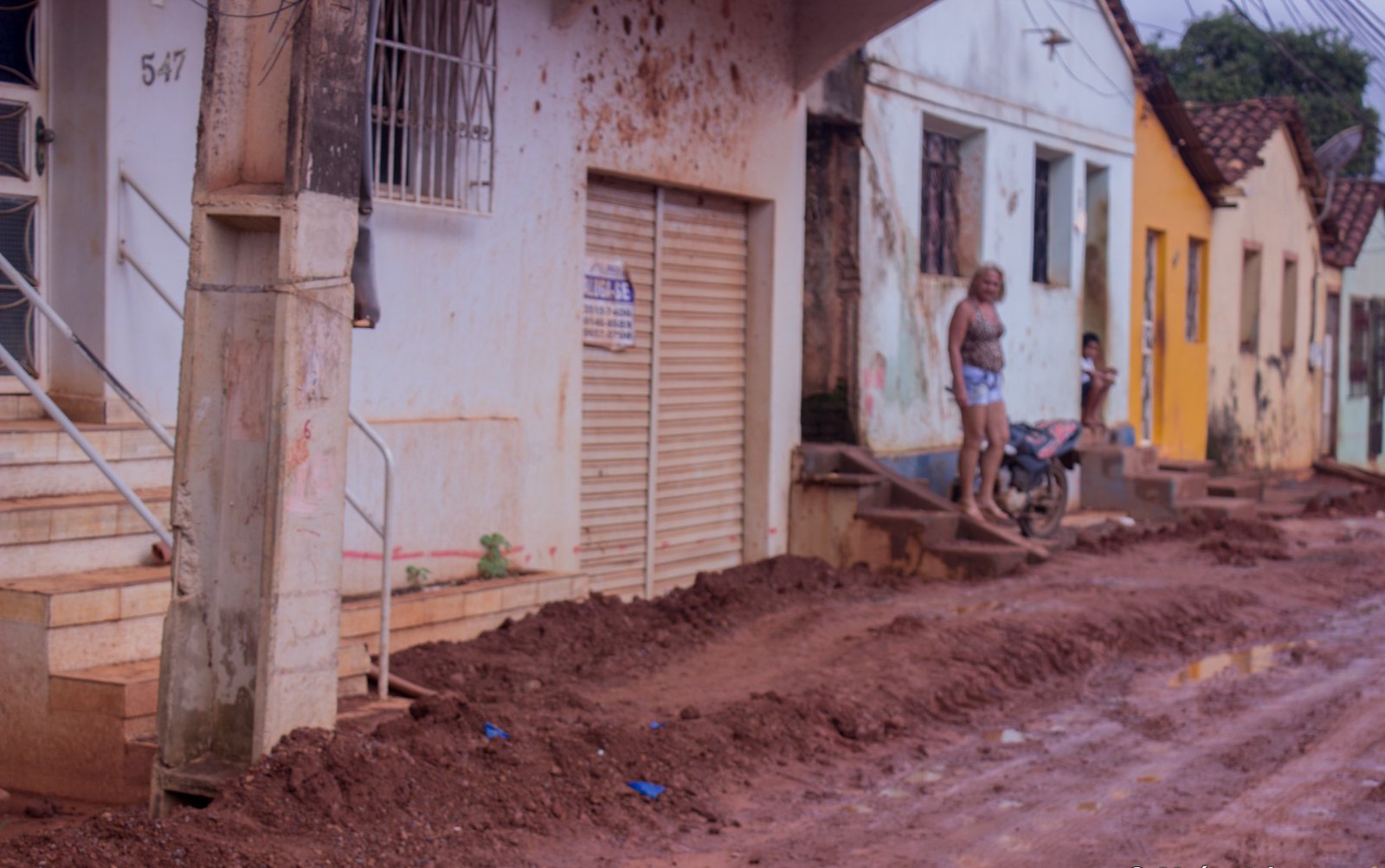
Photo: Amazon Watch / Maíra Irigaray.
Current situation
The protective measures granted by the IACHR remain in effect, but the Brazilian government has not fully complied with them, reporting only on general actions. The communities have documented the ongoing violations of their rights. The situation that prompted the request for these measures—the risk to the lives, physical integrity, and ways of life of the communities—persists and has worsened with the hydroelectric plant operating at full capacity and the recent extreme droughts in the Amazon.
In addition to the impacts of Belo Monte, there is a risk of further social and environmental impacts from the implementation of another mining megaproject in the Volta Grande do Xingu. There, the Canadian company Belo Sun plans to build Brazil’s largest open-pit gold mine.
The combined and cumulative impacts of the dam and the mine were not assessed. The government excluded Indigenous peoples, riverine and peasant communities from the project’s environmental permitting process. Despite protests by Indigenous communities and other irregularities surrounding the project, the government of Pará formally authorized the mine in April 2026.
Like other hydroelectric dams, Belo Monte exacerbates the climate emergency by generating greenhouse gas emissions in its reservoir. And it is inefficient amid the longer, more intense droughts caused by the crisis, as it loses its ability to generate power.
The case before the Inter-American Commission
In October 2017, the IACHR announced that it would rule jointly on the admissibility (whether the case meets the requirements for admission) and the merits (whether a human rights violation actually occurred) of the international complaint against the Brazilian State.
Fifteen years after the complaint was filed, the affected communities and the organizations representing them are still awaiting this decision. If the IACHR concludes that human rights violations occurred and issues recommendations that the Brazilian State fails to comply with, it may refer the case to the Inter-American Court of Human Rights, whose rulings are binding.
A potential ruling by the international court in this case would set a regional legal precedent regarding the rights of indigenous and riverine peoples, public participation in megaprojects, and state responsibility in the context of the climate crisis—a precedent that is particularly relevant in light of the Court’s Advisory Opinion No. 32, which reaffirmed the obligations of States to protect the people and communities of the continent from the climate emergency.
Partners:
Related projects
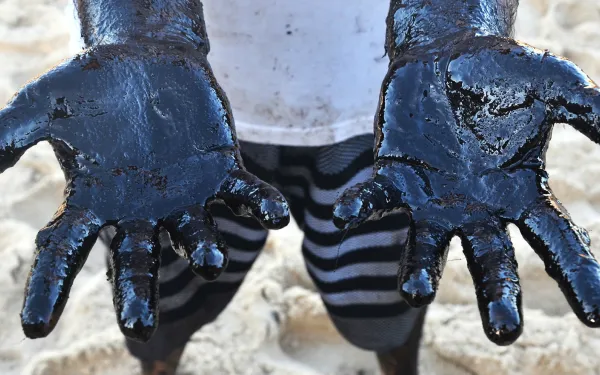
The oil spill devouring life on Brazil’s beaches
Photos: Marcela Cintra / Text: Laura Yaniz Since late August, oil has been registered at more than 500 points along 2,500 kilometers of coastline in northeastern Brazil. What began with the appearance of small black spots on some beaches quickly became huge stains that changed the color of the sand itself. The spill’s origin remains unknown, as local organizations and communities organize to clean up their beaches. Far from being resolved, the problem is getting worse every day. The oil’s advance is threatening the marine life in mangroves and coral reefs, both key ecosystems for the survival of species. In addition, residents of the affected communities, who depend on tourism and fishing, have seen their lifestyles and economies threatened. Their health is also at risk due to the consumption of contaminated seafood and direct exposure to the spill. Faced with the inaction of government authorities, the people have been cleaning the beaches and sea with their own hands. The spill itself, coupled with state neglect, violates the human rights of the inhabitants of the hundreds of affected beaches. AIDA—together with the Projeto Publico Institute, Salve Maracaipe, Projeto Caribessa and Rede Minha Jampa—denounced these violations before the Inter-American Commission on Human Rights in an effort to urge the Brazilian government to respond to this social and environmental crisis. Soledad García Muñoz, the Commission's Special Rapporteur on Economic, Social, Cultural and Environmental Rights expressed her solidarity with the Brazilian people and authorities in the face of the tragedy and called on the State to "take the necessary measures to avoid a bigger deterioration of the affected ecosystems, considering that the time, the resources and the way of acting focused on human rights are the key factors for the effectiveness of a contingency plan that the present situation deserves.” She added: “the slower and partial are the measures adopted, more irreparable will be the damages for the Brazilian coast and its biodiversity, as well as for the quality of life of the people that live in these affected regions. It is necessary an urgent and sensible response in face of these serious events generated by the contamination, because that could also accelerate the effects of the climate change in the coast, mangroves, swamps and other ecologically vulnerable habitats.”
Read more
Air pollution: it damages your health from day one
Although they occur seasonally each year, respiratory diseases are becoming increasingly severe, said pediatrician Gina Pinilla, who works in Bogotá. As air quality decreases, health complications increase for children who come to the emergency department. What Dr. Pinilla has observed in more than a decade of experience as a doctor is no mere impression. A study conducted by a multidisciplinary team of researchers in Colombia shows that health damage from poor air quality is noticeable from day one. Hospital admissions increase over the first 24 to 72 hours and can extend for almost two weeks. It’s the first multi-city study conducted in Colombia and Latin America to determine the relationship between air pollution and respiratory and circulatory diseases in the population, explained lead researcher Dr. Laura Rodriguez of the Industrial University of Santander. Each contaminant affects us differently One of the findings that most caught the researchers' attention is that harms caused by pollutants are different for children and adults. Children suffer from respiratory diseases, while adults face cardiovascular complications. "Children between 5 and 9 years old face greater impacts and are more likely to have an episode that takes them to the emergency room,” explained Dr. Rodriguez. “But this doesn't mean that the younger ones are unaffected. When a child has respiratory complications, he or she may stay hospitalized for up to a week and be connected to respiratory support. "There are children who need prolonged hospitalizations. For a week, they are dependent on oxygen, whether from a nasal cannula or oxygen machines,” Dr. Pinilla added. “Then they are left with side effects and get sick often." The particular mixture of pollutants found in the air also affects each age group differently. "Pollution in every city has its own behavior: interaction, quantity and the change in makeup between cities," said Dr. Rodriguez. In Bogotá, for example, pollution by sulfur dioxide and particulate matter (PM10 and PM2.5) are related to circulatory diseases in people over 60. Pollution by nitrogen dioxide, sulfur dioxide and PM2.5 particles significantly increases the risk of hospitalization in people under the age of 15. The researcher says that the damage caused by nitrogen dioxide is not given much importance, despite being associated with cardiovascular disease in adults. And, when that pollutant is combined with sulfur dioxide and particulate matter, its effects are enhanced. Pollution harms, even in small quantities An important takeaway from this study is that contaminants can begin to damage public health even before they reach maximum allowable limits. Nitrogen dioxide, for example, is considered harmful, yet regulations have set very high emission limits. "Reaching these limits is very difficult. The city has to be in absurdly high pollution for the alerts to sound," explained Dr. Rodriguez. “The health effects are not related to whether you are exposed to the limits or not, but to the type of mixture you are breathing, because the pollutants are potentiating each other.” In several Latin American cities, regulations allow pollution limits that exceed the recommendations of the World Health Organization (WHO). For example, the WHO recommends a maximum average of 20 µg/m3 (micrograms per cubic meter) of PM10 (solid particles such as ash, soot and dust), but Bogotá has an average of 38 µg/m3. Other cities in the region have even higher annual averages: 40 (Monterrey), 55 (Mexico City), 62 (Lima) and 69 (Santiago). What does this information mean for your city? When poor air quality reaches its most critical levels, hospitals are left without beds and many children with respiratory illnesses remain in the emergency area, explained Dr. Pinilla. It's a common situation because there are no action plans for environmental contingencies. For Dr. Laura Rodriguez, the most important result of her research would be that it helps institutions take action to confront the issue. She recommends local governments and health institutions: Control and regulate the air quality parameters of industrial emissions, and consider monitoring other pollutants. Increase efforts to communicate to the public about the risks of pollution levels in their cities. Prepare hospitals, especially in the first months of the year when pollution reaches its highest level, aggravated by changes in the climate. She emphasized the importance of making intersectoral and multidisciplinary plans and investigations to understand the panorama of air pollution, and to ensure that this information gets into the hands of the appropriate authorities. The study was also conducted by Julián Alfredo Fernández-Niño (U. del Norte, Barranquilla), Néstor Rojas (U. Nacional), Luis Camilo Blanco (U. Santo Tomás) and Víctor Herrera, U. Autónoma de Bucaramanga). Consult it here.
Read moreAir pollution: it damages your health from day one
Although they occur seasonally each year, respiratory diseases are becoming increasingly severe, said pediatrician Gina Pinilla, who works in Bogotá. As air quality decreases, health complications increase for children who come to the emergency department. What Dr. Pinilla has observed in more than a decade of experience as a doctor is no mere impression. A study conducted by a multidisciplinary team of researchers in Colombia shows that health damage from poor air quality is noticeable from day one. Hospital admissions increase over the first 24 to 72 hours and can extend for almost two weeks. It’s the first multi-city study conducted in Colombia and Latin America to determine the relationship between air pollution and respiratory and circulatory diseases in the population, explained lead researcher Dr. Laura Rodriguez of the Industrial University of Santander. Each contaminant affects us differently One of the findings that most caught the researchers' attention is that harms caused by pollutants are different for children and adults. Children suffer from respiratory diseases, while adults face cardiovascular complications. "Children between 5 and 9 years old face greater impacts and are more likely to have an episode that takes them to the emergency room,” explained Dr. Rodriguez. “But this doesn't mean that the younger ones are unaffected. When a child has respiratory complications, he or she may stay hospitalized for up to a week and be connected to respiratory support. "There are children who need prolonged hospitalizations. For a week, they are dependent on oxygen, whether from a nasal cannula or oxygen machines,” Dr. Pinilla added. “Then they are left with side effects and get sick often." The particular mixture of pollutants found in the air also affects each age group differently. "Pollution in every city has its own behavior: interaction, quantity and the change in makeup between cities," said Dr. Rodriguez. In Bogotá, for example, pollution by sulfur dioxide and particulate matter (PM10 and PM2.5) are related to circulatory diseases in people over 60. Pollution by nitrogen dioxide, sulfur dioxide and PM2.5 particles significantly increases the risk of hospitalization in people under the age of 15. The researcher says that the damage caused by nitrogen dioxide is not given much importance, despite being associated with cardiovascular disease in adults. And, when that pollutant is combined with sulfur dioxide and particulate matter, its effects are enhanced. Pollution harms, even in small quantities An important takeaway from this study is that contaminants can begin to damage public health even before they reach maximum allowable limits. Nitrogen dioxide, for example, is considered harmful, yet regulations have set very high emission limits. "Reaching these limits is very difficult. The city has to be in absurdly high pollution for the alerts to sound," explained Dr. Rodriguez. “The health effects are not related to whether you are exposed to the limits or not, but to the type of mixture you are breathing, because the pollutants are potentiating each other.” In several Latin American cities, regulations allow pollution limits that exceed the recommendations of the World Health Organization (WHO). For example, the WHO recommends a maximum average of 20 µg/m3 (micrograms per cubic meter) of PM10 (solid particles such as ash, soot and dust), but Bogotá has an average of 38 µg/m3. Other cities in the region have even higher annual averages: 40 (Monterrey), 55 (Mexico City), 62 (Lima) and 69 (Santiago). What does this information mean for your city? When poor air quality reaches its most critical levels, hospitals are left without beds and many children with respiratory illnesses remain in the emergency area, explained Dr. Pinilla. It's a common situation because there are no action plans for environmental contingencies. For Dr. Laura Rodriguez, the most important result of her research would be that it helps institutions take action to confront the issue. She recommends local governments and health institutions: Control and regulate the air quality parameters of industrial emissions, and consider monitoring other pollutants. Increase efforts to communicate to the public about the risks of pollution levels in their cities. Prepare hospitals, especially in the first months of the year when pollution reaches its highest level, aggravated by changes in the climate. She emphasized the importance of making intersectoral and multidisciplinary plans and investigations to understand the panorama of air pollution, and to ensure that this information gets into the hands of the appropriate authorities. The study was also conducted by Julián Alfredo Fernández-Niño (U. del Norte, Barranquilla), Néstor Rojas (U. Nacional), Luis Camilo Blanco (U. Santo Tomás) and Víctor Herrera, U. Autónoma de Bucaramanga). Consult it here.
Read more