
Project
Amazon Watch / Maíra Irigaray
The Belo Monte Dam on the Xingu River: 10 years of impacts in the Amazon and the search for reparations
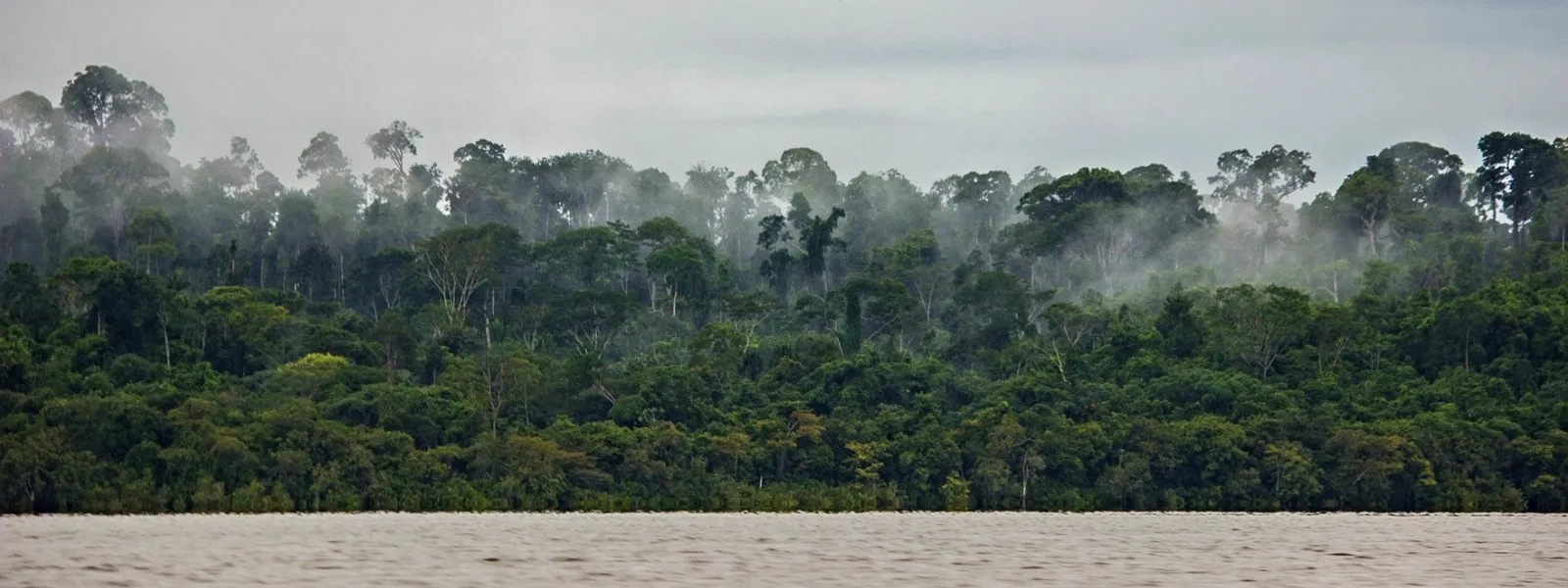
The Belo Monte Dam has caused an environmental and social disaster in the heart of the Amazon—one of the most important ecosystems on the planet.
This situation has only worsened since the hydroelectric plant began operations in 2016. The quest for justice and reparations by the affected indigenous, fishing, and riverine communities continues to this day.
In 2011, the Inter-American Commission on Human Rights (IACHR) granted them protective measures that, to date, have not been fully implemented by the Brazilian State.
Furthermore, since June of that same year, the IACHR has yet to rule on a complaint against the State regarding its international responsibility in the case.
The IACHR may refer the case to the Inter-American Court of Human Rights, which has the authority to issue a ruling condemning the Brazilian State.
After 10 years of the hydroelectric plant's operation and more than 15 years of documented human rights violations, it is time for justice to be served for the affected communities.
Read the open letter from the organizations bringing the case before the IACHR
Background
The Belo Monte hydroelectric plant—the fourth largest in the world by installed capacity (11,233 MW)—was built on the Xingu River in Pará, a state in northern Brazil.
It was inaugurated on May 5, 2016, with a single turbine. At that time, 80% of the river’s course was diverted, flooding 516 km² of land—an area larger than the city of Chicago. Of that area, 400 km² was native forest. The dam began operating at full capacity in November 2019.
Belo Monte was built and is operated by the Norte Energia S.A. consortium, which is composed primarily of state-owned companies. It was financed by the Brazilian Development Bank (BNDES), which provided the consortium with 25.4 billion reais (approximately US$10.16 billion), the largest investment in the bank’s history. Therefore, the BNDES is also legally responsible for the socio-environmental impacts associated with the hydroelectric plant.
Decades of harm to the environment and people
Human rights violations and degradation of the Amazon have been occurring since the project’s inception. In March 2011, Norte Energía began construction of the dam without adequate consultation and without the prior, free, and informed consent of the affected communities.
The construction caused the forced displacement of more than 40,000 people, severing social and cultural ties. The resettlement plan in Altamira—a city directly affected by the hydroelectric dam—involved housing units located on the outskirts, lacking adequate public services and decent living conditions for the relocated families, with no special provisions for those from indigenous communities.
Belo Monte's operations have caused a permanent, man-made drought in the Volta Grande (or "Great Bend") of the Xingu River, exacerbated by the historic droughts in the Amazon in 2023 and 2024. As a result, the deaths of millions of fish eggs were documented for four consecutive years (from 2021 to 2024), and for the past three years, there has been no upstream migration of fish to spawn and reproduce. Thus, artisanal fishing, the main source of protein for indigenous peoples and riverside communities, was severely affected: fish dropped from 50% to 30% of total protein consumed, replaced by processed foods. In summary, there was an environmental and humanitarian collapse that resulted in the breakdown of fishing as a traditional way of life, food insecurity, and access to drinking water for thousands of families, impoverishment, and disease.
Furthermore, the construction of the dam increased deforestation and intensified illegal logging and insecurity on indigenous and tribal lands, putting the survival of these communities at risk. Another consequence was the deepening of poverty and social conflicts, as well as the strain on health, education, and public safety systems in Altamira—a city ranked as the most violent in the country in 2017, where human trafficking and sexual violence increased. Violence was also reported against human rights defenders involved in the case.
In 2025, during the 30th UN Climate Change Conference (COP30), held in Brazil, the Federal Public Prosecutor’s Office labeled the damage caused by the Belo Monte dam as ecocide.
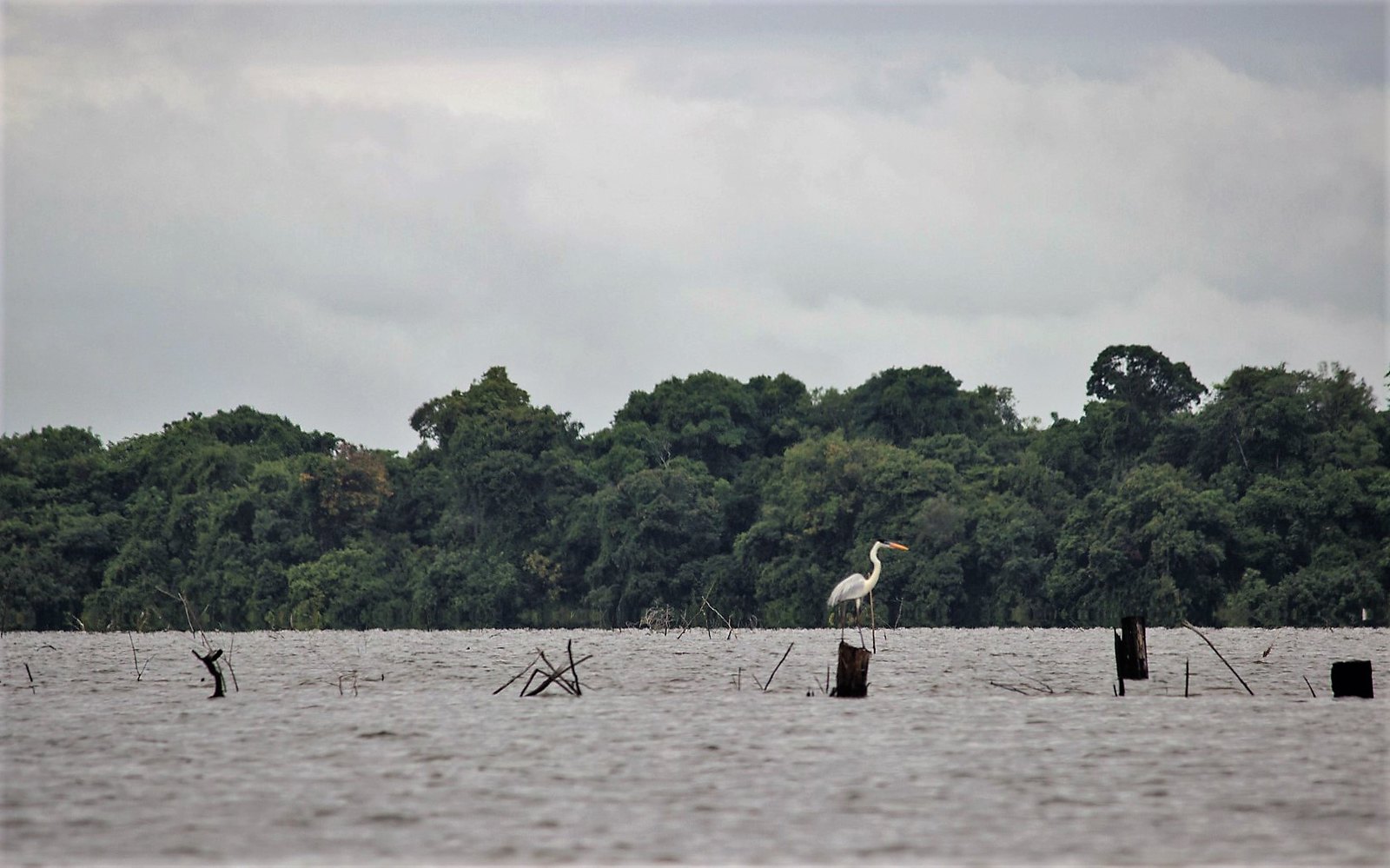
Photo: Amazon Watch / Maíra Irigaray.
The search for justice and reparations
Over the years, the Federal Public Prosecutor’s Office in Pará, the Public Defender’s Office, and civil society organizations have filed dozens of legal actions in Brazilian courts to challenge the project’s various irregularities and its impacts. Most of the claims are still pending resolution, some for more than 10 years.
These efforts have failed because the national government has repeatedly overturned rulings in favor of the affected communities by invoking a mechanism that allowed a court president to suspend a judicial decision based solely on generic arguments such as "the national interest" or "economic order."
In the absence of effective responses at the national level, AIDA, together with a coalition of partner organizations, brought the case before the Inter-American Commission on Human Rights (IACHR) and, in 2010, requested precautionary measures to protect the lives, safety, and health of the affected indigenous communities.
On April 1, 2011, the IACHR granted these measures and requested that the Brazilian government suspend environmental permits and any construction work until the conditions related to prior consultation and the protection of the health and safety of the communities are met.
And on June 16, 2011 —together with the Xingu Vivo Para Sempre Movement, the Coordinating Committee of Indigenous Organizations of the Brazilian Amazon, the Diocese of Altamira, the Indigenous Missionary Council, the Pará Society for the Defense of Human Rights and Global Justice— we filed a formal complaint against the Brazilian State for its international responsibility in the violation of the human rights of the people affected in the case. The case was opened for processing in December 2015.
On August 3, 2011, the IACHR amended the precautionary measures to request, instead of the suspension of permits and construction, the protection of people living in voluntary isolation, the health of indigenous communities, and the regularization and protection of ancestral lands.
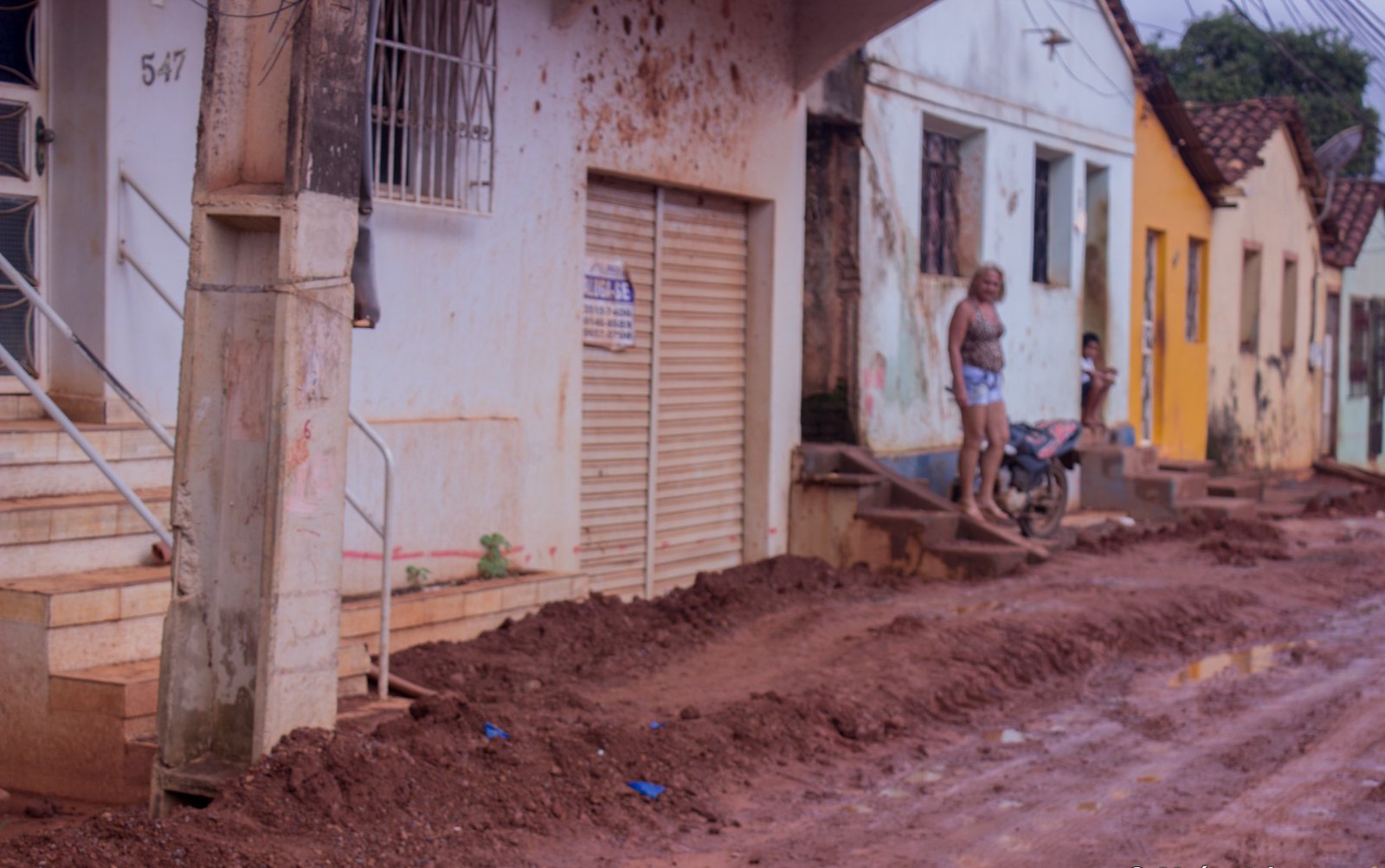
Photo: Amazon Watch / Maíra Irigaray.
Current situation
The protective measures granted by the IACHR remain in effect, but the Brazilian government has not fully complied with them, reporting only on general actions. The communities have documented the ongoing violations of their rights. The situation that prompted the request for these measures—the risk to the lives, physical integrity, and ways of life of the communities—persists and has worsened with the hydroelectric plant operating at full capacity and the recent extreme droughts in the Amazon.
In addition to the impacts of Belo Monte, there is a risk of further social and environmental impacts from the implementation of another mining megaproject in the Volta Grande do Xingu. There, the Canadian company Belo Sun plans to build Brazil’s largest open-pit gold mine.
The combined and cumulative impacts of the dam and the mine were not assessed. The government excluded Indigenous peoples, riverine and peasant communities from the project’s environmental permitting process. Despite protests by Indigenous communities and other irregularities surrounding the project, the government of Pará formally authorized the mine in April 2026.
Like other hydroelectric dams, Belo Monte exacerbates the climate emergency by generating greenhouse gas emissions in its reservoir. And it is inefficient amid the longer, more intense droughts caused by the crisis, as it loses its ability to generate power.
The case before the Inter-American Commission
In October 2017, the IACHR announced that it would rule jointly on the admissibility (whether the case meets the requirements for admission) and the merits (whether a human rights violation actually occurred) of the international complaint against the Brazilian State.
Fifteen years after the complaint was filed, the affected communities and the organizations representing them are still awaiting this decision. If the IACHR concludes that human rights violations occurred and issues recommendations that the Brazilian State fails to comply with, it may refer the case to the Inter-American Court of Human Rights, whose rulings are binding.
A potential ruling by the international court in this case would set a regional legal precedent regarding the rights of indigenous and riverine peoples, public participation in megaprojects, and state responsibility in the context of the climate crisis—a precedent that is particularly relevant in light of the Court’s Advisory Opinion No. 32, which reaffirmed the obligations of States to protect the people and communities of the continent from the climate emergency.
Partners:
Related projects
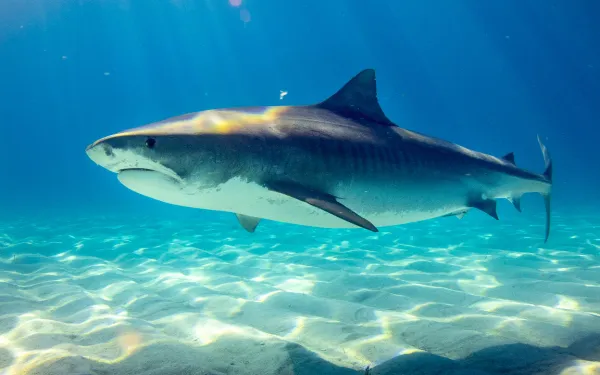
Sharks in Colombia: The risks of weak regulation
Sharks have inhabited the planet for more than 400 million years, one of the oldest and most diverse classes of animals. They’re considered apex predators because they’re at the top of the oceanic food chain. Due to their position, sharks play a fundamental role in marine ecosystems: controlling populations of fish, marine mammals, and some invertebrates. Their contribution, however, has been eclipsed by bad publicity. Sharks have been stigmatized as frightening beasts that are perpetually prepared to attack humans with their razor-sharp teeth. This reputation went viral due to Steven Spielberg’s 1975 classic film, Jaws. Scientific experts say that these types of films inspired dozens of tournaments in which sharks were fished mercilessly, and indiscriminate fishing has diminished the numbers of most species of sharks. According to an article by the magazine Marine Policy, more than 100 million sharks are killed each year. And 17 of the 39 pelagic shark species are threatened with extinction, according to the International Union for Conservation of Nature (IUCN). Of the 400 that exist worldwide, Colombia is home 76 species of sharks, which are distributed through 18 families in the Caribbean (57) and the Pacific Ocean (36). These statistics rank Colombia as the third most diverse country in terms of sharks in Latin America, after Mexico and Brazil. Many of these species, however, are considered vulnerable or at risk of extinction on the Red List of Marine Fishes. Colombian regulations allow small-scale artisanal shark fishing by communities on both coasts, but prohibit industrial scale shark fishing. The reality on the water, however, is that weak enforcement fails to adequately protect these magnificent creatures within Colombia’s boundaries. An ineffective tool Since 1990, the Ministry of Agriculture and Rural Development has produced annual resolutions regulating artisanal shark fishing. The resolution passed this year—known as Resolution 350 and published on October 25, 2019—was widely rejected by environmental and citizens groups across the country. One of the main reasons for this rejection is that the resolution maintains high fishing quotas (quantity of tons allowed) that date from 2011 and include vulnerable or at-risk species. Establishing quotas without scientific evidence on the current state of shark populations encourages overfishing and does not contribute to the conservation of these animals. Sharks have long gestation periods and give birth to few young, making it difficult for their populations to rebound in the face of overexploitation. Furthermore, Resolution 350 establishes a specific quota for shark fins, despite the fact that a prior resolution (Resolution 1743 from 2017) specifically prohibited the practice of fishing for shark fins in Colombia. Thus the new resolution could be misinterpreted and lead to an increase in the illegal market for shark fins in the country. Not only is harvesting fins illegal but it is also a cruel practice that involves cutting the fins off of a captured shark and throwing the still-living animal back into the sea. To meet the quota for shark fins without resorting to the illegal practice, it would be necessary to catch approximately 110,000 sharks. Although not eaten in Colombia, shark fins are highly prized on the international market, particularly in Asian countries. Between 2012 and 2016, more than 800 tons of shark fins were illegally exported from Colombia to Taiwan, China and Hong Kong, according to Fundación MarViva. Fishermen are able to sell sharks to the Asian market without breaking any law by claiming them as bycatch, experts at Colombia’s Fundación Malpelo have pointed out. Towards Effective Protection Colombia has many international obligations to conserve its biodiversity, of which sharks are a part. Some of these are the Convention on Biological Diversity, the Convention on International Trade in Endangered Species of Wild Fauna and Flora, and the Convention for the Protection and Development of the Marine Environment in the Wider Caribbean Region. The National Action Plan for the Conservation and Management of Sharks highlights the responsibility to sustainably manage Colombia’s marine resources, prioritizing the management and conservation of various species. The government must act accordingly. Thanks to recent popular action, Resolution 350 will be modified to eliminate the term “shark fin” and therefore avoid its exploitation. Nevertheless, the Resolution contains other loopholes and weaknesses that must be corrected. It fundamentally important that scientific studies be taken into consideration during the creation of future resolutions. This will allow for fishing, as it is currently practiced, to become a truly sustainable practice. Also, where scientific data is lacking, it is essential that decisions be based on the Precautionary Principle, so as to avoid causing irreversible harm to species and ecosystems. The effective protection of sharks in Colombia requires more than legal measures. It’s also necessary to educate the people about the importance of protecting shark populations and maintaining the health of marine ecosystems, and to share with local communities fishing methods and management strategies that support sustainable fisheries. Sharks are key to the health of our oceans, and the debate brought about by th fishing regulations creates an opportunity to rethink and improve our decisions.
Read more
3 ways to maintain hope in the face of the climate crisis
Those of us who work on environmental issues are bombarded on a daily basis with headlines repeating the message: “Time is up, our days are numbered.” And, to tell the truth, rarely do they seem exaggerated: the IPCC reports, fires in Australia, the disillusionment of COP25, the mocking of the youth movement, assassinations and threats to environmental defenders. During dinner parties and casual get-togethers, people who know I work on environmental issues ask me what they can do for our planet. We start by talking about garbage: produce less of it. This, although seemingly basic, leads to long and heated conversations. Why? Because it questions our means of consumption, how we transport ourselves, feed ourselves, and dress. It makes us analyze our lifestyle and ask ourselves what “quality of life” means for us. Our garbage, after all, is the result of a long chain of emissions, which include the exploitation of land, species, and people. The truth is, everything is connected and it’s impossible to detach ourselves from our impact on the Earth. It’s through this chain of thoughts that many of us fall into episodes of “eco-anxiety.” It’s an increasingly common condition that, if left untreated, can be detrimental to our health. In 2017 the American Psychological Association (APA) described eco-anxiety as “a chronic fear of environmental doom… Watching the slow and seemingly irrevocable impacts of climate change unfold, and worrying about the future for oneself, children and later generations.” The strange thing about this condition is that it can stop us from acting. We might begin to believe there’s nothing we can do and, then, stop paying attention. We might become more lax with our consumption habits and end up aggravating the problem. So what can we do? From what I’ve gathered, our actions can be divided into three areas: the individual, the community, and the citizen-consumer. First things first: Be good to yourself A general rule for helping others is to first help yourself. The climate crisis affects our physical health, food security, human rights, and mental health. According to the APA, emotional responses are normal and negative emotions are necessary for making decisions and living a full life. But extreme emotions and the lack of a plan to resolve the problem can interfere with our ability to think rationally and behave appropriately. Not to mention the fact that those suffering losses due to environmental catastrophes (hurricanes, droughts, and floods) may develop post-traumatic stress. To confront these emotions, the APA suggests that we: Believe in our own resilience and know that we can overcome obstacles. Practice optimism and learn from our experiences. Cultivate self-regulation and emotional self-awareness in order to develop long-term strategies; knowing how to detect them prevents episodes from worsening. Find meaning in your life. Faith or religion work for some; for others it’s meditation or building community. The point is to find something that gives you a sense of peace. Individual actions do help, and people united for a cause can make a difference. Rather than punish ourselves for everything that we can’t do, let’s begin to talk about what we can. How many emissions can we cut back on by riding a bicycle? How many plastic bags can we divert from the sea? How does our consumption help the local economy and our environment? And always, always, take a daily dose of nature to inspire yourself. Second: Your immediate circle Recently, single-use plastic bags were banned in Mexico City. More than one person said that it violated their right to shop as they please; others complained they didn’t know how to shop anymore. I’ve used cloth bags for years. I could have just rejoiced in my own environmental righteousness and bragged on Twitter. Instead I asked myself, “Why not share some recommendations?” Practices that I had already applied to my house were well received by friends and neighbors because they were practical. Building relationships, however brief, is a step toward strengthening our community. Also, it helps to maintain perspective and a sense of humor. Get together with neighborhood groups, volunteer with organizations whose cause you support. Donating time, money, or materials is taking a step beyond your individual actions. Have a friend who wants to eat less meat? Offer them your best vegetarian recipes! Do you know how to program or do graphic design? Do you have a pick up truck? Surely there are groups who would appreciate your help. At AIDA, for instance, we’re often looking for volunteers and interns. The APA recognizes the impacts of the climate crisis on the mental health of certain communities; they are not the same in a city as they are in an area at risk of environmental disaster, or in an indigenous community. Affected communities confront a loss of social cohesion and the loss of important spiritual or recreational places. They also witness an increase in violence, including racial violence, as certain groups become increasingly persecuted. Furthermore, a loss of identity ruptures the unity of these communities, as is happening with the Inuit of Greenland or as we at AIDA have seen in displaced indigenous and riverine populations in the Amazon. Third (I’m sorry): We have to talk about politics and civic engagement This may be a subject you don’t particularly enjoy, but you’re needed here too. The wastewater produced in your home is but a drop compared to untreated industrial waste being dumped into a river. You could ride your bike everyday, but you would still be living in a country that permits industries to emit volatile carcinogenic and greenhouse gases into the atmosphere without accountability. While our goodwill does matter, it just doesn’t have as large an impact as the will (and obligations) of governments and industries to do things right and work for the health of all living things. In Latin America, the election of our local representatives may work differently than it does in the United States. But that doesn’t free us from the responsibility to elect representatives that will work for a cleaner and more resilient future. Indeed, we must demonstrate our interest in that future and demand that they work toward it. Environmental writer Emma Marris explained it well in her New York Times column: “The climate crisis is not going to be solved by personal sacrifice. It will be solved by electing the right people, passing the right laws, drafting the right regulations, signing the right treaties—and respecting those treaties already signed, particularly with indigenous nations. It will be solved by holding the companies and people who have made billions off our shared atmosphere to account.” The balance we’re seeking in AIDA We are proud to be an organization made up of professionals who are deeply passionate about the environment. On a personal level, we share our ideas with each other about how to create a better planet. On a community level, we all support the organization, and there are also those of us that organize civic and neighborhood events. On the level of public policy and participation, AIDA works for environmental justice. We empower communities with the knowledge and tools they need to safeguard and monitor their rights. We take emblematic cases to court and before international bodies to ensure that companies and governments live up to their obligations. We believe that a healthy and equitable future is possible.
Read more3 ways to maintain hope in the face of the climate crisis
Those of us who work on environmental issues are bombarded on a daily basis with headlines repeating the message: “Time is up, our days are numbered.” And, to tell the truth, rarely do they seem exaggerated: the IPCC reports, fires in Australia, the disillusionment of COP25, the mocking of the youth movement, assassinations and threats to environmental defenders. During dinner parties and casual get-togethers, people who know I work on environmental issues ask me what they can do for our planet. We start by talking about garbage: produce less of it. This, although seemingly basic, leads to long and heated conversations. Why? Because it questions our means of consumption, how we transport ourselves, feed ourselves, and dress. It makes us analyze our lifestyle and ask ourselves what “quality of life” means for us. Our garbage, after all, is the result of a long chain of emissions, which include the exploitation of land, species, and people. The truth is, everything is connected and it’s impossible to detach ourselves from our impact on the Earth. It’s through this chain of thoughts that many of us fall into episodes of “eco-anxiety.” It’s an increasingly common condition that, if left untreated, can be detrimental to our health. In 2017 the American Psychological Association (APA) described eco-anxiety as “a chronic fear of environmental doom… Watching the slow and seemingly irrevocable impacts of climate change unfold, and worrying about the future for oneself, children and later generations.” The strange thing about this condition is that it can stop us from acting. We might begin to believe there’s nothing we can do and, then, stop paying attention. We might become more lax with our consumption habits and end up aggravating the problem. So what can we do? From what I’ve gathered, our actions can be divided into three areas: the individual, the community, and the citizen-consumer. First things first: Be good to yourself A general rule for helping others is to first help yourself. The climate crisis affects our physical health, food security, human rights, and mental health. According to the APA, emotional responses are normal and negative emotions are necessary for making decisions and living a full life. But extreme emotions and the lack of a plan to resolve the problem can interfere with our ability to think rationally and behave appropriately. Not to mention the fact that those suffering losses due to environmental catastrophes (hurricanes, droughts, and floods) may develop post-traumatic stress. To confront these emotions, the APA suggests that we: Believe in our own resilience and know that we can overcome obstacles. Practice optimism and learn from our experiences. Cultivate self-regulation and emotional self-awareness in order to develop long-term strategies; knowing how to detect them prevents episodes from worsening. Find meaning in your life. Faith or religion work for some; for others it’s meditation or building community. The point is to find something that gives you a sense of peace. Individual actions do help, and people united for a cause can make a difference. Rather than punish ourselves for everything that we can’t do, let’s begin to talk about what we can. How many emissions can we cut back on by riding a bicycle? How many plastic bags can we divert from the sea? How does our consumption help the local economy and our environment? And always, always, take a daily dose of nature to inspire yourself. Second: Your immediate circle Recently, single-use plastic bags were banned in Mexico City. More than one person said that it violated their right to shop as they please; others complained they didn’t know how to shop anymore. I’ve used cloth bags for years. I could have just rejoiced in my own environmental righteousness and bragged on Twitter. Instead I asked myself, “Why not share some recommendations?” Practices that I had already applied to my house were well received by friends and neighbors because they were practical. Building relationships, however brief, is a step toward strengthening our community. Also, it helps to maintain perspective and a sense of humor. Get together with neighborhood groups, volunteer with organizations whose cause you support. Donating time, money, or materials is taking a step beyond your individual actions. Have a friend who wants to eat less meat? Offer them your best vegetarian recipes! Do you know how to program or do graphic design? Do you have a pick up truck? Surely there are groups who would appreciate your help. At AIDA, for instance, we’re often looking for volunteers and interns. The APA recognizes the impacts of the climate crisis on the mental health of certain communities; they are not the same in a city as they are in an area at risk of environmental disaster, or in an indigenous community. Affected communities confront a loss of social cohesion and the loss of important spiritual or recreational places. They also witness an increase in violence, including racial violence, as certain groups become increasingly persecuted. Furthermore, a loss of identity ruptures the unity of these communities, as is happening with the Inuit of Greenland or as we at AIDA have seen in displaced indigenous and riverine populations in the Amazon. Third (I’m sorry): We have to talk about politics and civic engagement This may be a subject you don’t particularly enjoy, but you’re needed here too. The wastewater produced in your home is but a drop compared to untreated industrial waste being dumped into a river. You could ride your bike everyday, but you would still be living in a country that permits industries to emit volatile carcinogenic and greenhouse gases into the atmosphere without accountability. While our goodwill does matter, it just doesn’t have as large an impact as the will (and obligations) of governments and industries to do things right and work for the health of all living things. In Latin America, the election of our local representatives may work differently than it does in the United States. But that doesn’t free us from the responsibility to elect representatives that will work for a cleaner and more resilient future. Indeed, we must demonstrate our interest in that future and demand that they work toward it. Environmental writer Emma Marris explained it well in her New York Times column: “The climate crisis is not going to be solved by personal sacrifice. It will be solved by electing the right people, passing the right laws, drafting the right regulations, signing the right treaties—and respecting those treaties already signed, particularly with indigenous nations. It will be solved by holding the companies and people who have made billions off our shared atmosphere to account.” The balance we’re seeking in AIDA We are proud to be an organization made up of professionals who are deeply passionate about the environment. On a personal level, we share our ideas with each other about how to create a better planet. On a community level, we all support the organization, and there are also those of us that organize civic and neighborhood events. On the level of public policy and participation, AIDA works for environmental justice. We empower communities with the knowledge and tools they need to safeguard and monitor their rights. We take emblematic cases to court and before international bodies to ensure that companies and governments live up to their obligations. We believe that a healthy and equitable future is possible.
Read more