
Project
Amazon Watch / Maíra Irigaray
The Belo Monte Dam on the Xingu River: 10 years of impacts in the Amazon and the search for reparations
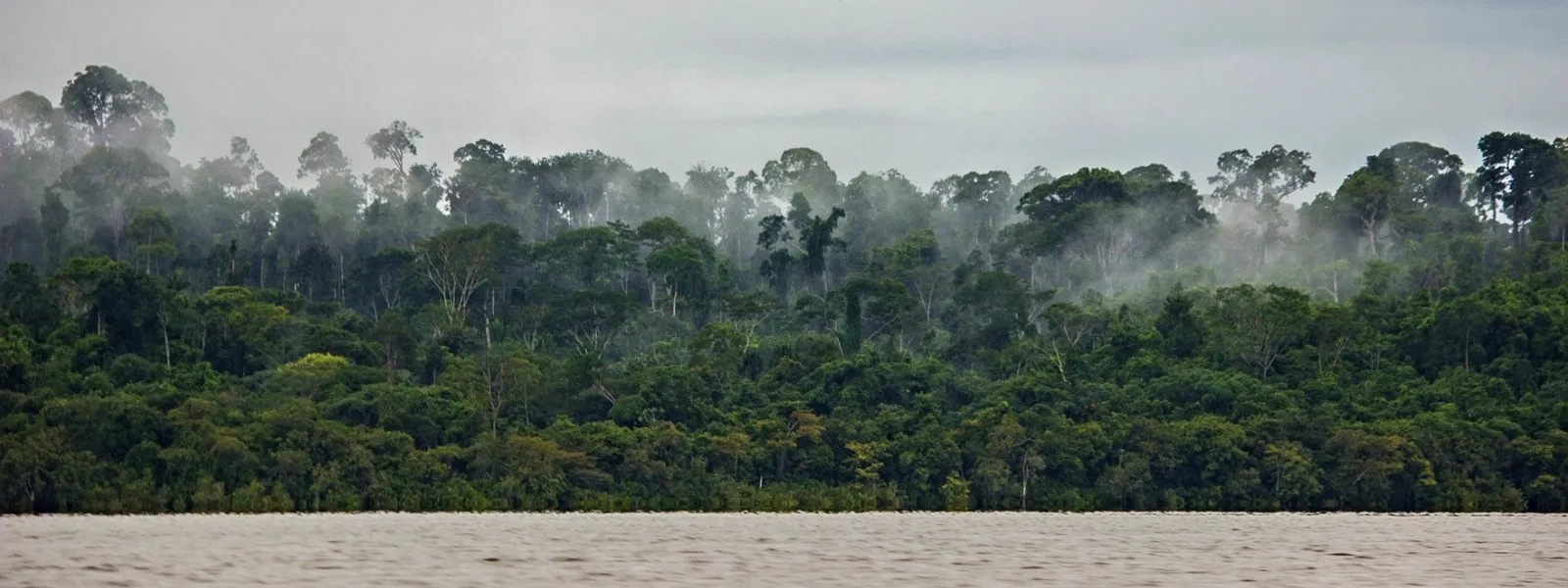
The Belo Monte Dam has caused an environmental and social disaster in the heart of the Amazon—one of the most important ecosystems on the planet.
This situation has only worsened since the hydroelectric plant began operations in 2016. The quest for justice and reparations by the affected indigenous, fishing, and riverine communities continues to this day.
In 2011, the Inter-American Commission on Human Rights (IACHR) granted them protective measures that, to date, have not been fully implemented by the Brazilian State.
Furthermore, since June of that same year, the IACHR has yet to rule on a complaint against the State regarding its international responsibility in the case.
The IACHR may refer the case to the Inter-American Court of Human Rights, which has the authority to issue a ruling condemning the Brazilian State.
After 10 years of the hydroelectric plant's operation and more than 15 years of documented human rights violations, it is time for justice to be served for the affected communities.
Read the open letter from the organizations bringing the case before the IACHR
Background
The Belo Monte hydroelectric plant—the fourth largest in the world by installed capacity (11,233 MW)—was built on the Xingu River in Pará, a state in northern Brazil.
It was inaugurated on May 5, 2016, with a single turbine. At that time, 80% of the river’s course was diverted, flooding 516 km² of land—an area larger than the city of Chicago. Of that area, 400 km² was native forest. The dam began operating at full capacity in November 2019.
Belo Monte was built and is operated by the Norte Energia S.A. consortium, which is composed primarily of state-owned companies. It was financed by the Brazilian Development Bank (BNDES), which provided the consortium with 25.4 billion reais (approximately US$10.16 billion), the largest investment in the bank’s history. Therefore, the BNDES is also legally responsible for the socio-environmental impacts associated with the hydroelectric plant.
Decades of harm to the environment and people
Human rights violations and degradation of the Amazon have been occurring since the project’s inception. In March 2011, Norte Energía began construction of the dam without adequate consultation and without the prior, free, and informed consent of the affected communities.
The construction caused the forced displacement of more than 40,000 people, severing social and cultural ties. The resettlement plan in Altamira—a city directly affected by the hydroelectric dam—involved housing units located on the outskirts, lacking adequate public services and decent living conditions for the relocated families, with no special provisions for those from indigenous communities.
Belo Monte's operations have caused a permanent, man-made drought in the Volta Grande (or "Great Bend") of the Xingu River, exacerbated by the historic droughts in the Amazon in 2023 and 2024. As a result, the deaths of millions of fish eggs were documented for four consecutive years (from 2021 to 2024), and for the past three years, there has been no upstream migration of fish to spawn and reproduce. Thus, artisanal fishing, the main source of protein for indigenous peoples and riverside communities, was severely affected: fish dropped from 50% to 30% of total protein consumed, replaced by processed foods. In summary, there was an environmental and humanitarian collapse that resulted in the breakdown of fishing as a traditional way of life, food insecurity, and access to drinking water for thousands of families, impoverishment, and disease.
Furthermore, the construction of the dam increased deforestation and intensified illegal logging and insecurity on indigenous and tribal lands, putting the survival of these communities at risk. Another consequence was the deepening of poverty and social conflicts, as well as the strain on health, education, and public safety systems in Altamira—a city ranked as the most violent in the country in 2017, where human trafficking and sexual violence increased. Violence was also reported against human rights defenders involved in the case.
In 2025, during the 30th UN Climate Change Conference (COP30), held in Brazil, the Federal Public Prosecutor’s Office labeled the damage caused by the Belo Monte dam as ecocide.
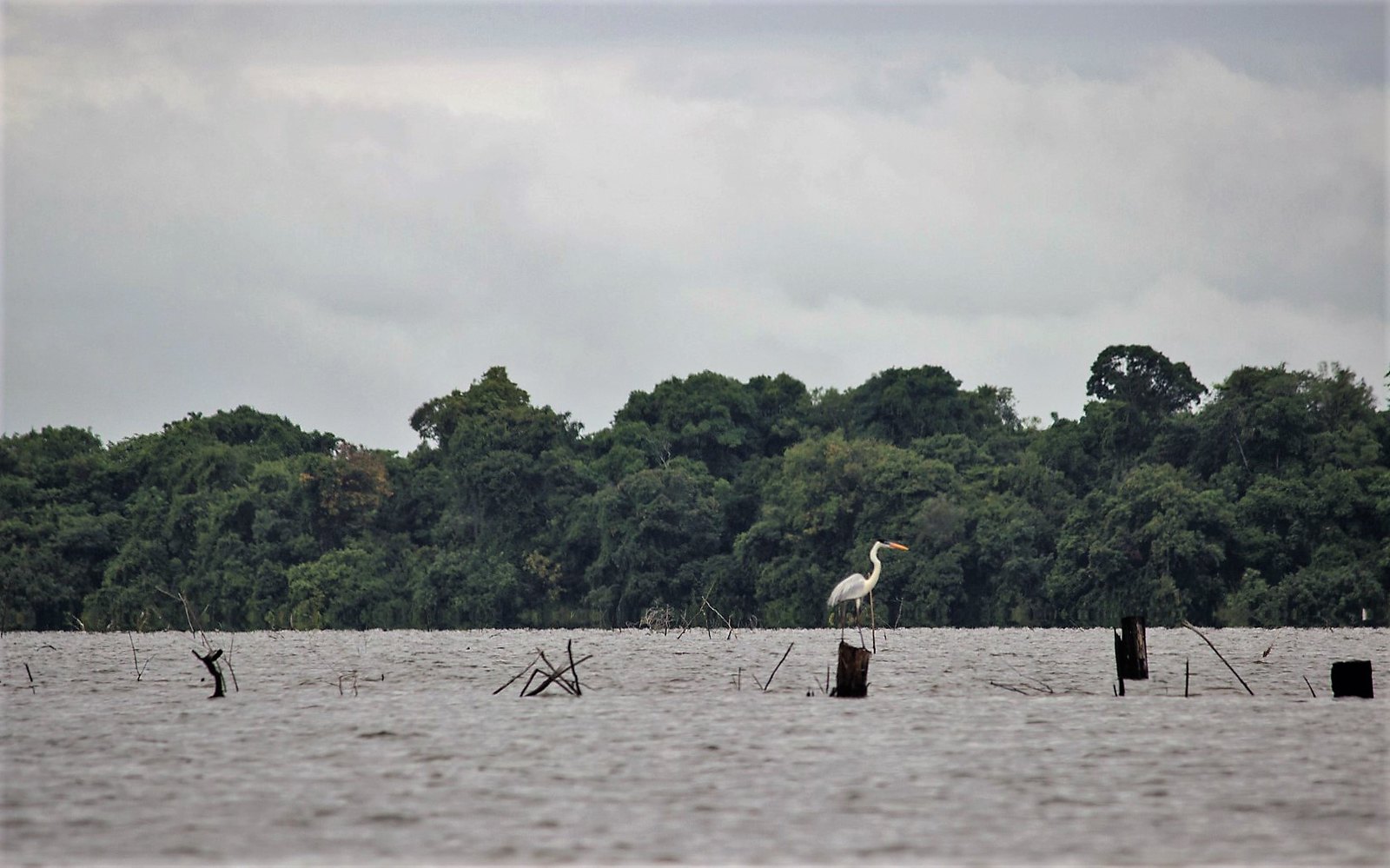
Photo: Amazon Watch / Maíra Irigaray.
The search for justice and reparations
Over the years, the Federal Public Prosecutor’s Office in Pará, the Public Defender’s Office, and civil society organizations have filed dozens of legal actions in Brazilian courts to challenge the project’s various irregularities and its impacts. Most of the claims are still pending resolution, some for more than 10 years.
These efforts have failed because the national government has repeatedly overturned rulings in favor of the affected communities by invoking a mechanism that allowed a court president to suspend a judicial decision based solely on generic arguments such as "the national interest" or "economic order."
In the absence of effective responses at the national level, AIDA, together with a coalition of partner organizations, brought the case before the Inter-American Commission on Human Rights (IACHR) and, in 2010, requested precautionary measures to protect the lives, safety, and health of the affected indigenous communities.
On April 1, 2011, the IACHR granted these measures and requested that the Brazilian government suspend environmental permits and any construction work until the conditions related to prior consultation and the protection of the health and safety of the communities are met.
And on June 16, 2011 —together with the Xingu Vivo Para Sempre Movement, the Coordinating Committee of Indigenous Organizations of the Brazilian Amazon, the Diocese of Altamira, the Indigenous Missionary Council, the Pará Society for the Defense of Human Rights and Global Justice— we filed a formal complaint against the Brazilian State for its international responsibility in the violation of the human rights of the people affected in the case. The case was opened for processing in December 2015.
On August 3, 2011, the IACHR amended the precautionary measures to request, instead of the suspension of permits and construction, the protection of people living in voluntary isolation, the health of indigenous communities, and the regularization and protection of ancestral lands.
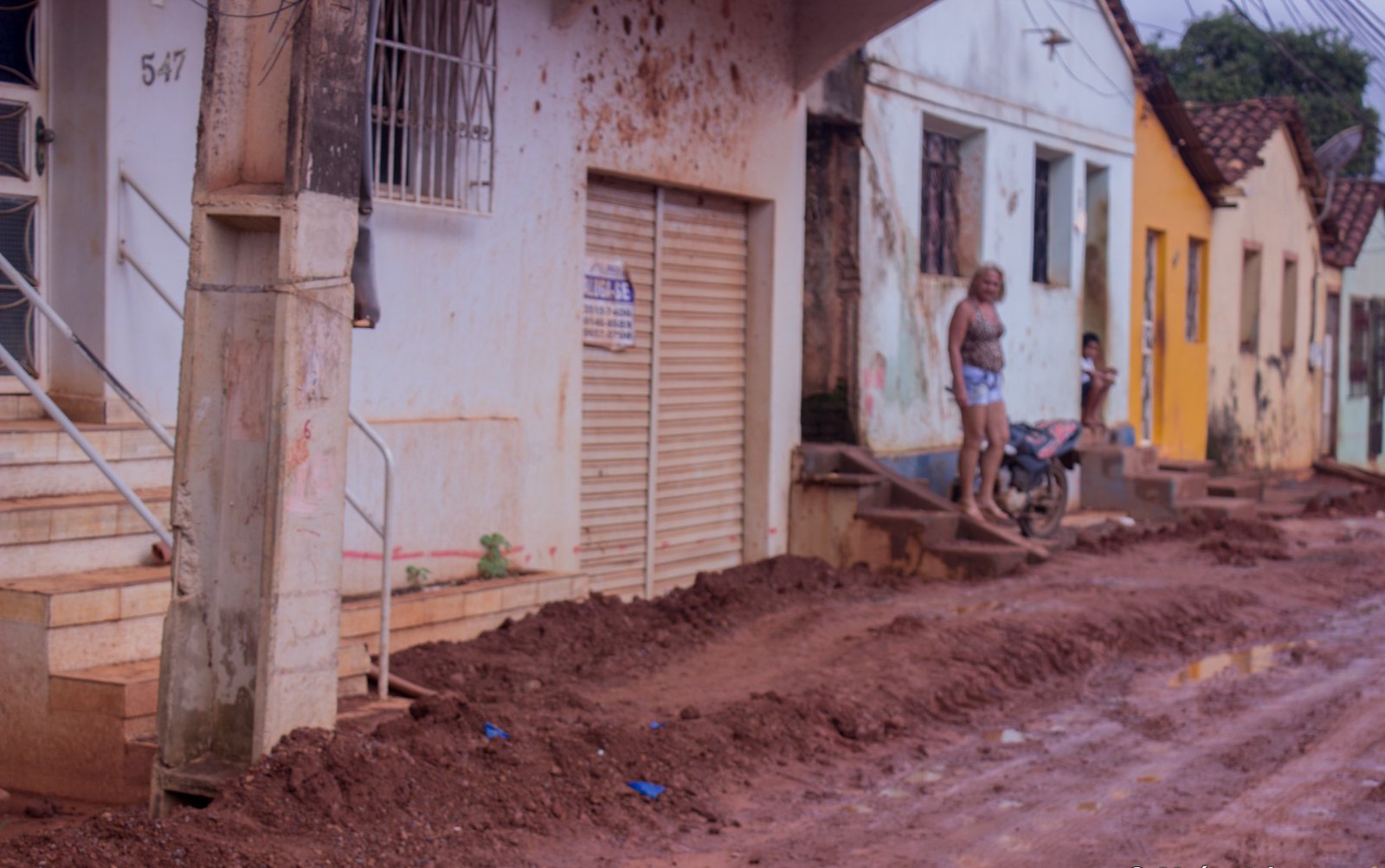
Photo: Amazon Watch / Maíra Irigaray.
Current situation
The protective measures granted by the IACHR remain in effect, but the Brazilian government has not fully complied with them, reporting only on general actions. The communities have documented the ongoing violations of their rights. The situation that prompted the request for these measures—the risk to the lives, physical integrity, and ways of life of the communities—persists and has worsened with the hydroelectric plant operating at full capacity and the recent extreme droughts in the Amazon.
In addition to the impacts of Belo Monte, there is a risk of further social and environmental impacts from the implementation of another mining megaproject in the Volta Grande do Xingu. There, the Canadian company Belo Sun plans to build Brazil’s largest open-pit gold mine.
The combined and cumulative impacts of the dam and the mine were not assessed. The government excluded Indigenous peoples, riverine and peasant communities from the project’s environmental permitting process. Despite protests by Indigenous communities and other irregularities surrounding the project, the government of Pará formally authorized the mine in April 2026.
Like other hydroelectric dams, Belo Monte exacerbates the climate emergency by generating greenhouse gas emissions in its reservoir. And it is inefficient amid the longer, more intense droughts caused by the crisis, as it loses its ability to generate power.
The case before the Inter-American Commission
In October 2017, the IACHR announced that it would rule jointly on the admissibility (whether the case meets the requirements for admission) and the merits (whether a human rights violation actually occurred) of the international complaint against the Brazilian State.
Fifteen years after the complaint was filed, the affected communities and the organizations representing them are still awaiting this decision. If the IACHR concludes that human rights violations occurred and issues recommendations that the Brazilian State fails to comply with, it may refer the case to the Inter-American Court of Human Rights, whose rulings are binding.
A potential ruling by the international court in this case would set a regional legal precedent regarding the rights of indigenous and riverine peoples, public participation in megaprojects, and state responsibility in the context of the climate crisis—a precedent that is particularly relevant in light of the Court’s Advisory Opinion No. 32, which reaffirmed the obligations of States to protect the people and communities of the continent from the climate emergency.
Partners:
Related projects

A Plan to Decontaminate Our Cities and Contain the Climate Crisis
In an open letter made public at COP25, more than 100 organizations from Latin America and around the world urged governments to include ambitious and measurable targets for confronting air pollution in their new climate commitments, which must be submitted to the United Nations by March 2020.Join the Global Call for Clean Air! SIGN NOW!Read it in Spanish In Portuguese Poor air quality is the environmental problem that claims the most lives worldwide.Each year, more than four million people die from the health damages caused by air pollution. Official data shows that, globally, nine out of ten people breathe polluted air, and that the problem affects more than 80 percent of urban residents. The majority of those affected are in developing countries and the damages most severely impact the most vulnerable sectors of the population: children, pregnant women and the elderly.At the same time, humanity is seriously threatened by a climatic emergency whose impacts are also suffered with greater force by the most vulnerable segments of the population.Both problems, the climate crisis and poor air quality, are related to the atmosphere around us and are a matter of human rights. In this sense, there is an efficient way forward on both fronts. It’s an opportunity we must seize, and it has to do with reducing emissions of short-lived climate pollutants (SLCPs).Short-lived climate pollutants are atmospheric agents that contribute to the climate crisis with much more intensity than carbon dioxide (CO2) and, as their name indicates, remain in the atmosphere a relatively short time, from days to decades—unlike CO2, which can last millennia in the atmosphere. In addition, these pollutants degrade air quality, affect glacial areas and reduce crop yields. They include black carbon, methane, tropospheric ozone and hydrofluorocarbons (HFCs).Aiming to mitigate them implies reducing global warming in the short term and, at the same time, advancing in the decontamination of cities.This opportunity has already been supported by science.The United Nations Intergovernmental Panel on Climate Change (IPCC), which brings together experts on the subject, stressed in its Special Report on 1.5°C that, in order to confront global warming, we must incorporate into our efforts the mitigation of pollutants other than CO2, specifically black carbon and methane.Recently, more than 11 thousand scientists from around the world joined the call. In a public declaration recognizing the climate emergency, they identified among the measures necessary to solve it the prompt reduction of short-lived climate pollutants, noting that this would reduce warming by more than 50 percent in the coming decades.The forthcoming update of Nationally Determined Contributions (NDCs)— containing the climate commitments that governments must submit to the United Nations Framework Convention on Climate Change (UNFCCC)—opens the possibility of betting on the mitigation of these pollutants and contributing effectively to the fight against the climate crisis and poor air quality.The deadline for governments to submit new and more ambitious Nationally Determined Contributions is March 2020.For all of the reasons stated above, the undersigned organizations consider that the States that are part of the UNFCCC must respect human rights, protect them with the highest standards, and consider them in their climate commitments.In this sense, we ask that governments:Include ambitious and measurable targets for the reduction of short-lived climate pollutants in the update of their NDCs by March 2020.Detail in their commitments the means of implementation, which must ensure compliance with the targets they set.Frame the fulfillment of commitments in comprehensive policies that recognize the different levels of impact among the population, with special emphasis on the protection of children and other vulnerable groups.Specify the monitoring, reporting and verification procedures that will accompany the implementation of their commitments.Ensure that local governments and companies respect the policies established and adapt their actions to the urgent need to improve air quality. Download the letter
Read more
Six measures to ensure our actions achieve climate justice
On December 2, the twenty-fifth Conference of the Parties (COP25) to the United Nations Framework Convention on Climate Change opened in Madrid. It’s a vital meeting for the planet, during which governments must drastically increase their ambitions and climate commitments if we hope to preserve life, as we know it today. So far, there have been more announcements than actions. That’s why I’d like to highlight six measures that will help us move towards the results the planet needs. The outlook is not encouraging. Change remains urgent. Every day, the climate crisis causes greater harm, particularly for the most vulnerable among us. According to the United Nations Emissions Gap report, emissions continue to rise and current actions are insufficient to achieving the necessary reductions. In an evident political and financial weakening, nations that once led climate actions are now withdrawing or refusing to comply with the agreements. Added to this are emerging social protests, particularly in Latin America. The governments of Ecuador, Chile and Colombia have declared curfews in recent weeks to deal with the serious situations in their countries; COP25 was moved from Santiago de Chile to Madrid. In some instances, abuse of force caused several deaths and hundreds of other injuries. All this demonstrates the urgency of heeding the social call, of acknowledging and dealing with inequality, of finding solutions and building countries where all have a place. One thing is clear: we’ve been moving in the wrong direction and we must change course. We need profound changes in energy, transportation and food systems, as well as in the negotiation, decision-making and implementation of climate actions. This is essential if we are to arrive at peak global emissions as soon as possible, cut them in half by 2030, and reach zero emissions by 2050. Significant efforts are undoubtedly being made. There are billion-dollar investments by governments, businesses, organizations and individuals. But it’s not enough. We must stop and assess what is serving us and what is not; what we should continue to do and what we must do differently. These six measures could make climate action more effective and help us achieve climate justice: 1. Include human rights as a transversal element (seriously). Although it’s been a petition of social movements, indigenous peoples and organizations for decades, official recognition of human rights has yet to materialize. Responding to this call is vital to increasing the ambition and responsibility that is so needed. While the Cancun and Paris Agreements refer to the importance of respecting human rights, their implementation has failed to include this perspective. This, despite the fact that human rights bodies have reminded States of their obligation to do so; and IPCC scientists have highlighted the importance of addressing social inequality and including the wisdom of indigenous communities as a fundamental element in resolving the climate crisis. 2. Ensure the effective participation of affected people and communities in the planning, discussion, decision-making and monitoring of climate actions. Indigenous peoples, rural communities, Afro-descendants, and youth are among the groups most affected by the climate crisis. In addition, local communities have protected millions of hectares of forests and other natural areas, essential for climate resilience. Yet spaces for the participation for these actors remain scarce and spaces for decision-making, in COPs and other instances, are almost non-existent. Ensuring that discussions and decisions are truly diverse is an essential step towards increasing climate ambition and effectiveness. Communities should be considered subjects of rights, not simply objects of protection projects and actions. 3. Secure the equitable distribution of funds We live in the midst of immense inequality, where wealth, property and privileges belong to a few, while the majority assume the negative impacts. The climate crisis is partly a result of this situation. Although Latin America is the most unequal region on the planet, inequality is underestimated, according to ECLAC. That’s why the distribution of economic and human resources must address this reality, ensuring that the Global South has access to opportunities to participate on equal footing towards true climate justice. This would increase the possibility of finding alternative solutions and replicating those already in place. 4. Hold accountable those responsible for the climate crisis Those causing the climate crisis should be held accountable for it, instead of attacking those who seek accountability and climate justice. This is one of the great obstacles to moving forward. It’s time to name those responsible and demand that they take charge and repair the damages, rather than accepting false solutions and ineffective voluntary actions. 5. Incorporate a feminine perspective, based in maternal love By this I mean the need to rescue a perspective of collaboration and serious dialogue in order to reach consensus, assuming responsibilities over differences and competition. Let us include a perspective that prioritizes the care of the Earth, of nature and of people. Let's stop putting economic interests and short-term vision above the health of our planet. Let's focus our efforts on agreeing how we can achieve climate justice, coming out of denial, and leaving behind excuses about why it can't be done. 6. Acknowledge the true costs of the climate crisis: social, economic, environmental and human. So far most economic assessments have focused on calculating the costs of the transition to a zero-emission economy. While there are estimates of the costs involved in not implementing the transition, these ignore the social, environmental and cultural impacts. This is particularly significant for regions such as Latin America, which, in addition to suffering human and cultural losses, are losing their natural wealth. Scientists have concluded that the changes will be more costly the longer they take to be implemented. COP25 could be an opportunity to incorporate these and many other measures in the battle against the climate emergency. At this point, insisting on the same thing will only bring more frustration and failures. Not taking action will condemn millions more people to suffer the consequences of the climate crisis, and of inadequate solutions that violate their rights. The reality is indisputable, which makes it imperative to include human rights as the crosscutting axis of our climate actions. If we do not, the actions resulting from the Conference of the Parties will resemble the emperor of the Brothers Grimm’s story. They will come out to the parade naked, proudly wearing a costly suit made with climate ambition, yet insufficient for what the planet needs. We must instead cover climate actions with a suit of climate justice—a visible one that we must weave together. We have no time to spare.
Read more
Sacrifice Zones: The injustice of living in an unhealthy environment
Forty percent of the energy produced and consumed in Chile comes from burning coal. Just 28 thermoelectric plants, concentrated in five locations across the country, generate that enormous amount of energy. In these so-called Sacrifice Zones, inhabitants live immersed in pollution. The result is severe health damages, children with learning disabilities, and poisoned seas. The serious detriment of living in one of these areas has been amply documented. A recent report from the Catholic University of Chile, commissioned by the NGO Sustainable Chile, shows that living in a Sacrifice Zone translates into greater risks of illness and premature death. The country’s current social unrest represents a historic opportunity for transformation. Pushed by the voice of its people, and in the Presidency of this year’s international climate negotiations, Chile can lead a structural change focused on the redistribution of burdens and benefits, both social and environmental. The result would be a cleaner and fairer country. The road to decarbonization In June, after a year of discussions with industry and other stakeholders, President Sebastian Piñera announced a schedule for the decarbonization of Chile. In the agreement, industry leaders pledged to close all coal-fired power plants by 2040. As positive as it may seem, an in-depth analysis of the proposal leads to the conclusion that the government’s goal is not ambitious enough to achieve the prompt justice that affected communities deserve. The timetable sets the nation’s eight oldest plants up for the closure by 2024, but fails to give dates or details on the closure of the remaining 20 plants, leaving it to the goodwill of future administrations. Under those terms, there is no way to guarantee that the plan will be implemented. Moreover, waiting 20 more years is not an acceptable deal for those who have already carried too much of the burden for far too long. Nor is it a move toward maintaining our planet’s climate equilibrium, a battle in which we have no time to spare. Another criticism of the government's proposal is that shortly after it was announced, the energy company Engie inaugurated a new coal-fired power plant in Mejillones, a Sacrifice Zone in the north of the country. The new plant has more than double the operating capacity of two thermoelectric plants in Tocopilla, which the same company would have closed after signing the decarbonization plan. But it's not all bad news. A month before social protests broke out in Chile, the government signaled a more ambitious decarbonization goal. In September, the Chamber of Deputies approved an initiative asking the President to move the closure of coal-fired power plants up by ten years, to 2030. The request is based on a study commissioned by the NGO Sustainable Chile and completed by the consulting firm Kas Engineers. Their research shows the technical and economic feasibility of reaching decarbonization by 2030. Chile’s current social crisis erupted in the midst of the search for a binding agreement to achieve decarbonization. Social unrest in Chile Chile is in the midst of a historic moment. Social discontent—generated by the injustices, inequality and lack of equity endured for years by the most vulnerable segments of the population—triggered ongoing protests, which have yet to abate. What’s happening in Chile is a mirror of what could happen in many countries of the world, particularly in Latin America. The metaphorical grass is dry and any spark could surely ignite social mobilization, uncovering chambers that have for years accumulated injustice and discontent. The figures confirm that Chile has grown and there is less poverty, but neither the benefits nor the burdens have been equitably distributed. Authorities have failed. Confidence is running out and disillusionment is increasing. The Sacrifice Zones are a very clear example of the structural problems afflicting our society: certain communities bear all the costs and enjoy none of the benefits. This is unacceptable. A new direction is possible Fires, floods and other extreme weather events, which uproot people’s lives, show us that nature will not stop protesting until we respect her. Society is also calling for respect, with an urgency that has gained the attention of decision-makers. Changes that once seemed impossible are within reach. It’s not that social demands are more important than environmental demands, or vice versa. Environmental demands are also social demands. Although the climate crisis and pollution affect us all, the damage is much greater for the most vulnerable populations. Changes that favor our planet can and must be made with a social justice perspective, and in harmony with nature. In the case of Chile, decarbonization—and with it, an end to Sacrifice Zones—is the change that will make us a better country. Because one of life’s greatest injustices is being forced to live in an unhealthy environment.
Read more