
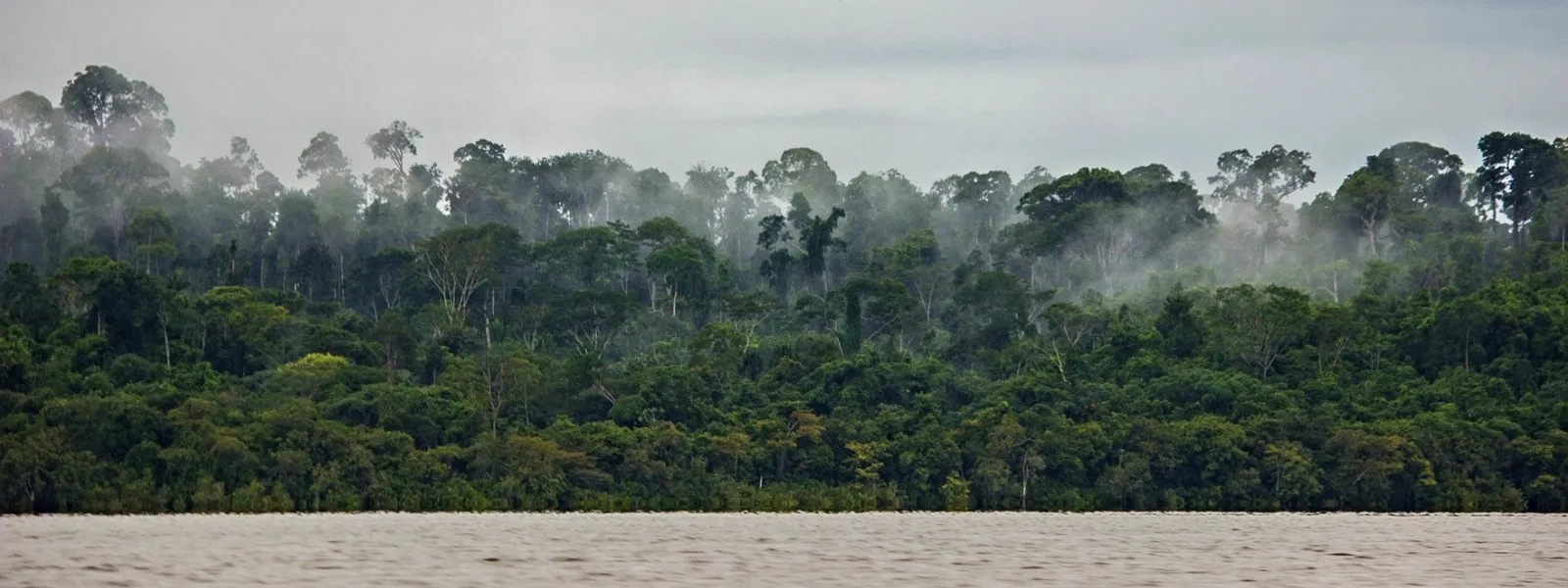
Project
Amazon Watch / Maíra Irigaray
The Belo Monte Dam on the Xingu River: 10 years of impacts in the Amazon and the search for reparations
The Belo Monte Dam has caused an environmental and social disaster in the heart of the Amazon—one of the most important ecosystems on the planet.
This situation has only worsened since the hydroelectric plant began operations in 2016. The quest for justice and reparations by the affected indigenous, fishing, and riverine communities continues to this day.
In 2011, the Inter-American Commission on Human Rights (IACHR) granted them protective measures that, to date, have not been fully implemented by the Brazilian State.
Furthermore, since June of that same year, the IACHR has yet to rule on a complaint against the State regarding its international responsibility in the case.
The IACHR may refer the case to the Inter-American Court of Human Rights, which has the authority to issue a ruling condemning the Brazilian State.
After 10 years of the hydroelectric plant's operation and more than 15 years of documented human rights violations, it is time for justice to be served for the affected communities.
Read the open letter from the organizations bringing the case before the IACHR
Background
The Belo Monte hydroelectric plant—the fourth largest in the world by installed capacity (11,233 MW)—was built on the Xingu River in Pará, a state in northern Brazil.
It was inaugurated on May 5, 2016, with a single turbine. At that time, 80% of the river’s course was diverted, flooding 516 km² of land—an area larger than the city of Chicago. Of that area, 400 km² was native forest. The dam began operating at full capacity in November 2019.
Belo Monte was built and is operated by the Norte Energia S.A. consortium, which is composed primarily of state-owned companies. It was financed by the Brazilian Development Bank (BNDES), which provided the consortium with 25.4 billion reais (approximately US$10.16 billion), the largest investment in the bank’s history. Therefore, the BNDES is also legally responsible for the socio-environmental impacts associated with the hydroelectric plant.
Decades of harm to the environment and people
Human rights violations and degradation of the Amazon have been occurring since the project’s inception. In March 2011, Norte Energía began construction of the dam without adequate consultation and without the prior, free, and informed consent of the affected communities.
The construction caused the forced displacement of more than 40,000 people, severing social and cultural ties. The resettlement plan in Altamira—a city directly affected by the hydroelectric dam—involved housing units located on the outskirts, lacking adequate public services and decent living conditions for the relocated families, with no special provisions for those from indigenous communities.
Belo Monte's operations have caused a permanent, man-made drought in the Volta Grande (or "Great Bend") of the Xingu River, exacerbated by the historic droughts in the Amazon in 2023 and 2024. As a result, the deaths of millions of fish eggs were documented for four consecutive years (from 2021 to 2024), and for the past three years, there has been no upstream migration of fish to spawn and reproduce. Thus, artisanal fishing, the main source of protein for indigenous peoples and riverside communities, was severely affected: fish dropped from 50% to 30% of total protein consumed, replaced by processed foods. In summary, there was an environmental and humanitarian collapse that resulted in the breakdown of fishing as a traditional way of life, food insecurity, and access to drinking water for thousands of families, impoverishment, and disease.
Furthermore, the construction of the dam increased deforestation and intensified illegal logging and insecurity on indigenous and tribal lands, putting the survival of these communities at risk. Another consequence was the deepening of poverty and social conflicts, as well as the strain on health, education, and public safety systems in Altamira—a city ranked as the most violent in the country in 2017, where human trafficking and sexual violence increased. Violence was also reported against human rights defenders involved in the case.
In 2025, during the 30th UN Climate Change Conference (COP30), held in Brazil, the Federal Public Prosecutor’s Office labeled the damage caused by the Belo Monte dam as ecocide.
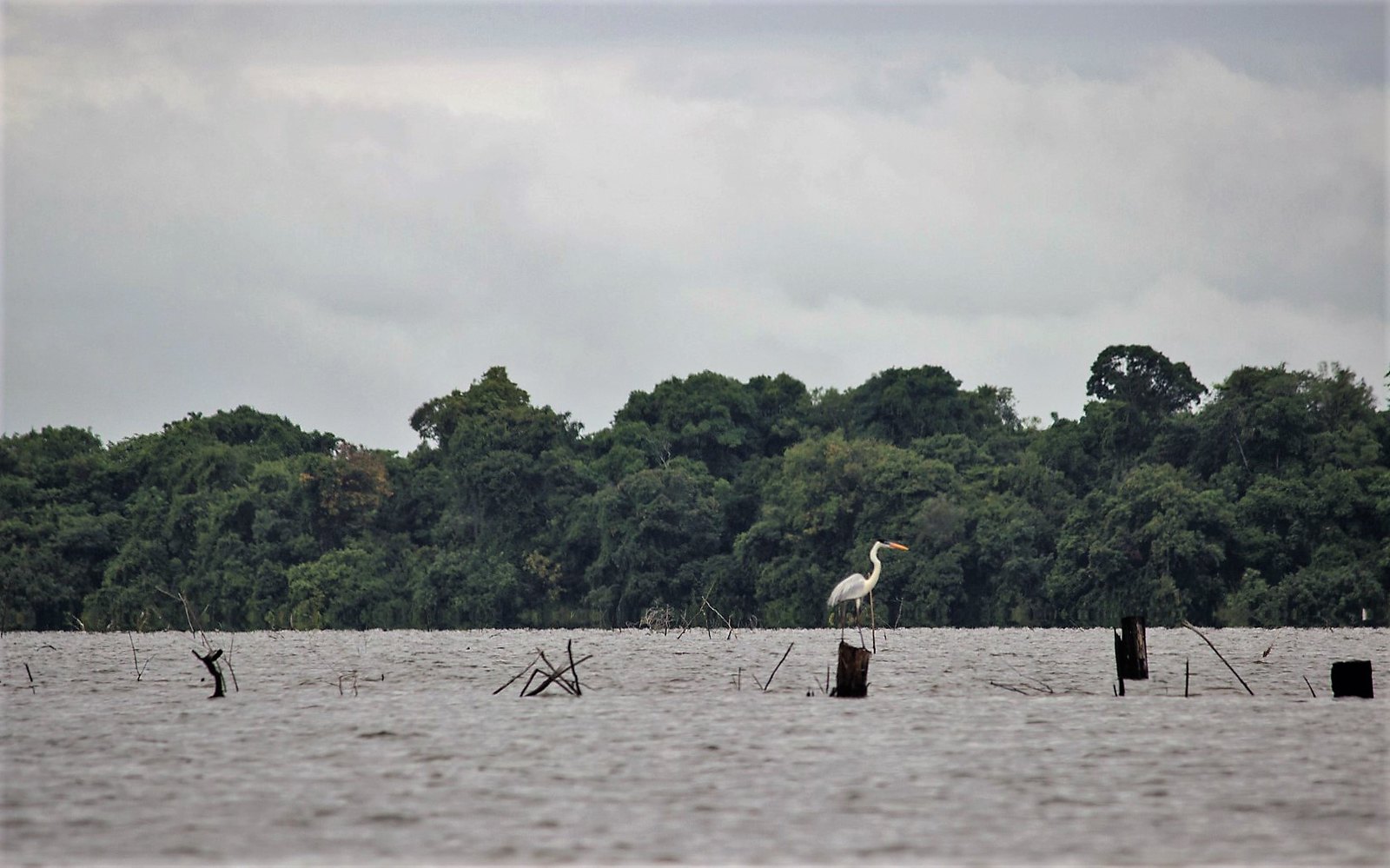
Photo: Amazon Watch / Maíra Irigaray.
The search for justice and reparations
Over the years, the Federal Public Prosecutor’s Office in Pará, the Public Defender’s Office, and civil society organizations have filed dozens of legal actions in Brazilian courts to challenge the project’s various irregularities and its impacts. Most of the claims are still pending resolution, some for more than 10 years.
These efforts have failed because the national government has repeatedly overturned rulings in favor of the affected communities by invoking a mechanism that allowed a court president to suspend a judicial decision based solely on generic arguments such as "the national interest" or "economic order."
In the absence of effective responses at the national level, AIDA, together with a coalition of partner organizations, brought the case before the Inter-American Commission on Human Rights (IACHR) and, in 2010, requested precautionary measures to protect the lives, safety, and health of the affected indigenous communities.
On April 1, 2011, the IACHR granted these measures and requested that the Brazilian government suspend environmental permits and any construction work until the conditions related to prior consultation and the protection of the health and safety of the communities are met.
And on June 16, 2011 —together with the Xingu Vivo Para Sempre Movement, the Coordinating Committee of Indigenous Organizations of the Brazilian Amazon, the Diocese of Altamira, the Indigenous Missionary Council, the Pará Society for the Defense of Human Rights and Global Justice— we filed a formal complaint against the Brazilian State for its international responsibility in the violation of the human rights of the people affected in the case. The case was opened for processing in December 2015.
On August 3, 2011, the IACHR amended the precautionary measures to request, instead of the suspension of permits and construction, the protection of people living in voluntary isolation, the health of indigenous communities, and the regularization and protection of ancestral lands.
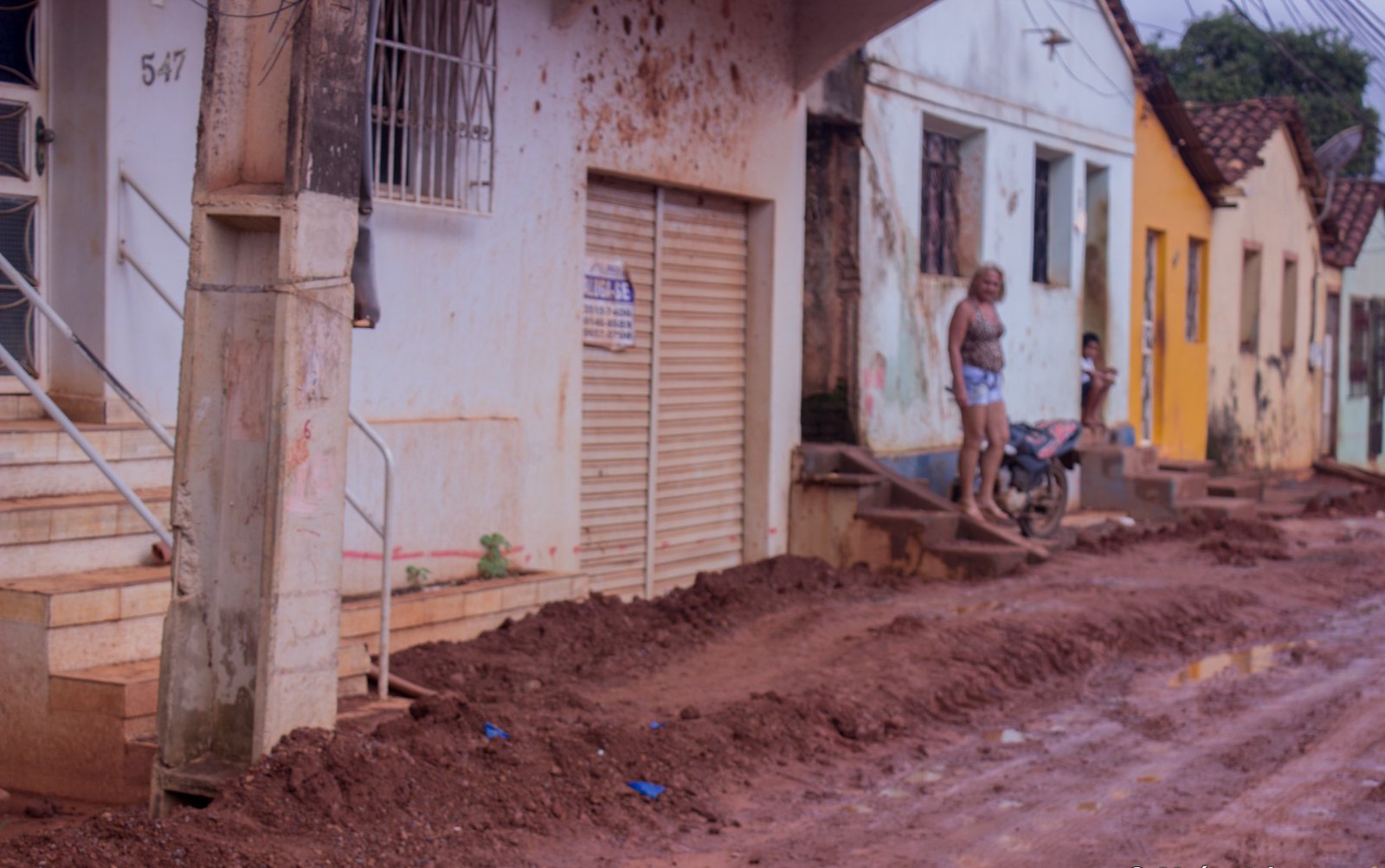
Photo: Amazon Watch / Maíra Irigaray.
Current situation
The protective measures granted by the IACHR remain in effect, but the Brazilian government has not fully complied with them, reporting only on general actions. The communities have documented the ongoing violations of their rights. The situation that prompted the request for these measures—the risk to the lives, physical integrity, and ways of life of the communities—persists and has worsened with the hydroelectric plant operating at full capacity and the recent extreme droughts in the Amazon.
In addition to the impacts of Belo Monte, there is a risk of further social and environmental impacts from the implementation of another mining megaproject in the Volta Grande do Xingu. There, the Canadian company Belo Sun plans to build Brazil’s largest open-pit gold mine.
The combined and cumulative impacts of the dam and the mine were not assessed. The government excluded Indigenous peoples, riverine and peasant communities from the project’s environmental permitting process. Despite protests by Indigenous communities and other irregularities surrounding the project, the government of Pará formally authorized the mine in April 2026.
Like other hydroelectric dams, Belo Monte exacerbates the climate emergency by generating greenhouse gas emissions in its reservoir. And it is inefficient amid the longer, more intense droughts caused by the crisis, as it loses its ability to generate power.
The case before the Inter-American Commission
In October 2017, the IACHR announced that it would rule jointly on the admissibility (whether the case meets the requirements for admission) and the merits (whether a human rights violation actually occurred) of the international complaint against the Brazilian State.
Fifteen years after the complaint was filed, the affected communities and the organizations representing them are still awaiting this decision. If the IACHR concludes that human rights violations occurred and issues recommendations that the Brazilian State fails to comply with, it may refer the case to the Inter-American Court of Human Rights, whose rulings are binding.
A potential ruling by the international court in this case would set a regional legal precedent regarding the rights of indigenous and riverine peoples, public participation in megaprojects, and state responsibility in the context of the climate crisis—a precedent that is particularly relevant in light of the Court’s Advisory Opinion No. 32, which reaffirmed the obligations of States to protect the people and communities of the continent from the climate emergency.
Partners:
Related projects
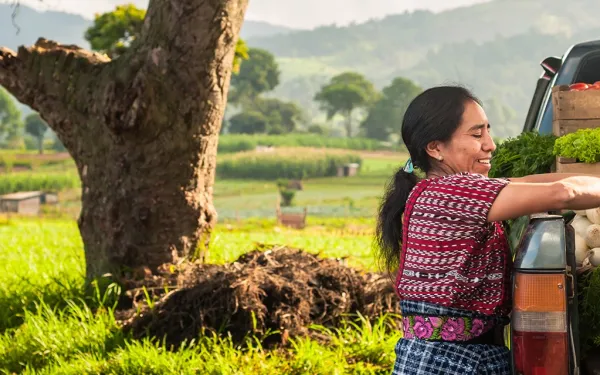
Why are women so important to the pursuit of environmental justice?
Women have long played a fundamental role in the conservation and defense of the planet. Past and present struggles for environmental justice and the defense of animals have been, to a large extent, led by women. Yet the close relationship between women and the environment has not escaped the inequalities that characterize today’s societies. Poverty, exclusion, and inequality are intertwined with environmental degradation and the climate crisis. Women, in general, suffer these plagues in a differential and aggravated manner. In natural disasters, for example, women often experience higher mortality rates than men. Due to the role women play in their communities, they are often less equipped with mechanisms to help them respond to emergencies that result from disasters. They are less likely to know how to swim or climb trees. They are more likely to be responsible for young children or older members of the family. They are more likely to wear clothing that makes it difficult to quickly react to a crisis situation. Furthermore, for historical and cultural reasons, women are less likely to have access to information or be able to participate in situations that affect their right to a healthy environment. They also are less likely to have access to the mechanisms for addressing injustices or repairing damages from catastrophes. Women who do take on roles in the public sphere, participating in public issues, are more likely to take on additional responsibilities that, generally, a man in the same situation would not have to assume. And, at the same time, they confront more intense risks and greater obstacles to the development of their leadership. In this context, the gender focus—defined as the mechanism developed to guarantee holistically valuing the impact any action has on men, women, and those who identify between those categories—is fundamental to making asymmetries visible, overcoming barriers of discrimination, and removing scenarios of exclusion that impede women’s ability to enjoy their right to equality. The gender focus seeks to ensure that those challenges are included in the design, implementation, monitoring, and evaluation of each intervention on a political, economic, and social level. The gender perspective is indispensable to empowering the leadership of women, which is proving increasingly vital in the struggle for environmental justice. In effect, the development of ecofeminist theories offers the world new and transformative alternatives to the ways of thinking that are bringing about the destruction of our environment and negatively affecting the lives of men, women, and other living things. Women are more than simply the most affected by the climate crisis. They also are active participants with a vital role to play in preserving nature and seeking solutions for the health of our planet.
Read more
Learning from Mendoza, Argentina: “Water is not negotiable
Near the end of 2019, the citizens of Mendoza, Argentina united in one of the province’s most important social manifestations. Their objective was clear: to defend their water. People of all ages—members of NGOs, environmental assemblies, anti-mining movements, scientists and academics—took to the streets to demand that the local government reverse the modification of Law 7722, known as "guardian of the water" or "the people’s law." The law is fundamental for the protection of water in Mendoza because it prohibits the use of cyanide, mercury, sulfuric acid and other toxic chemicals in mining activities—all of which seriously contaminate rivers, lakes and other natural water sources. Enacted on June 21, 2007, this law resulted from a long struggle by civil society. A step back in environmental protection The government intended to modify Law 7722 with another regulation, Law 9209, which allowed for "the use of chemical substances [including cyanide], mixtures or dissolutions of them, to ensure the sustainability of the [mining] project.” The justification for eliminating the prohibition on the use of cyanide and other toxic elements was "to guarantee the sustainability of the use of natural resources, with special emphasis on the protection of water resources and to ensure compliance with mining activities.” The use of cyanide in legal mining is becoming less frequent due to the risks involved in its manufacture, transport and use. Cyanide compounds are highly toxic in their gaseous form or when dissolved in water. Considering that the limit of cyanide in drinking water for safe human consumption is four drops per liter, the concentrations used in mining present high risks. In addition, there is abundant evidence of cyanide spills and losses from mining facilities during transport, and multiple cases of mass fatalities of wildlife near mining facilities, particularly migratory birds. The legislative amendment sought to make the procedures for environmental control and monitoring more flexible, by establishing that it was no longer obligatory for the Environmental Impact Statement of a mining project to be ratified by law. This undermined the effectiveness of Law 7722. These changes, promoted by the government of Mendoza, violated environmental protection principles contained in Argentina’s Constitution, among them sustainability and other national regulations that the provinces are obliged to comply with and enrich. For example, article 41 of the Constitution states that "all inhabitants have the right to a healthy, balanced environment, suitable for human development and for productive activities to satisfy present needs without compromising those of future generations; and they have the duty to preserve it." The citizen's response The social response to this modification—which intended to give free rein to the use of substances with a high environmental impact—surpassed all precedents. By successfully reversing an initiative already approved by Mendoza's legislators, it became an example for the entire region. The largest demonstrations in Mendoza's history began on December 22. Under the slogans "water is not negotiable" and "water is worth more than gold," the people of Mendoza organized to express their disapproval of the new law. The following day, 50,000 people gathered in front of the Provincial Government House after a journey of more than 100 kilometers, which began in the town of San Carlos, in the Uco Valley. They demanded: Law 7722 is not to be touched. Despite this widespread popular rejection, the Governor of Mendoza enacted the reform. Then, thousands of self-convoked neighbors gathered at kilometer zero—between San Martín and Garibaldi Streets—in the provincial capital to demand the law’s repeal. On December 26, faced with constant and growing social pressure, the Governor announced that he would not enact the new law. That palliative measure was deemed unconvincing and mobilizations intensified. The Governor then decided to reverse the amendment to Law 7722. On Friday the 27th, he announced the reform’s repeal, which finally happened on Monday the 30th. The case of Mendoza teaches a valuable lesson to all Latin American countries: When citizens are aware of the importance of nature and the scale of the dangers it faces, they will not yield. Socio-environmental conflicts are not only a response to those who have control over natural resources, but also to their effects on a complex social network. For humans and also for other beings, nature is a formative part of our identity, culture and customs. We are part of it and it is part of us. It is a living and interconnected network. That is why we must be its main defenders. The prompt and necessary updating of the concept of "sustainable development" is one of the challenges of Environmental Law in the 21st century. We mustn’t promote development that attacks nature and ignores human rights. Learn more about the use of cyanide in mining (in Spanish).
Read more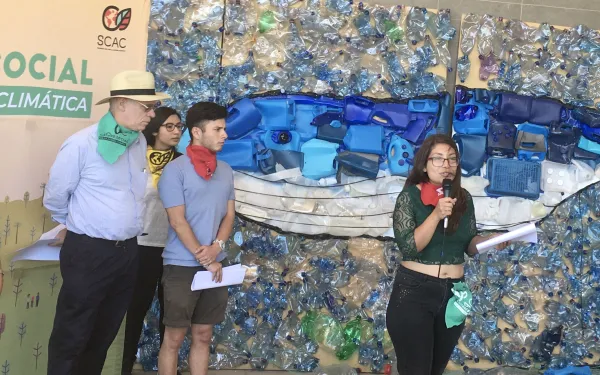
Strengthening society’s call for climate action
When Cristina Briseño learned that the twenty-fifth United Nations Conference on Climate Change (COP25) would be moved from Santiago, Chile to Madrid, Spain she felt like crying. "I had a lot of faith in the pressure that an event as big as this would create for urgent environmental issues in Chile," she told me. At 46 years old, Cristina, a Chilean citizen who has always supported environmental causes, signed up to volunteer at the Social Summit for Climate Action, planned as a parallel event to COP25. When the Conference was move to Madrid, the People’s Summit stayed in Santiago. "The opportunity to discuss climate change issues in a country as vulnerable as Chile was missed," Ingrid Wehr, director of the Heinrich Böll Foundation's Southern Cone Regional Office, said during the Summit. But all was not lost. COP25 was moved due to social unrest in Chile—the result of a historic movement in which the society’s most vulnerable are making their voices heard. In this context, the Social Summit further demonstrated that citizens have a lot to say on environmental issues, and much to contribute to confronting the climate crisis. "In the end, you have to keep fighting with the tools you have," Cristina told me. The Summit that persisted The Summit was organized by Civil Society for Climate Action (SCAC), a platform that brings together more than 130 organizations from different sectors in Chile. It took place at the Tío Lalo Parra Cultural Center in the municipality of Cerrillos, located in southwest Santiago, where the official COP25 was to be held. Characterized by a large amount of waste and unused land, Cerrillos has a desert-like appearance and eroded terrain. "Holding the Summit there meant decentralizing a problem that tends to be discussed in big cities or in the most central spaces of the capitals," Cristina explained. Over 10 days, from December 2 to 11, the Summit hosted hundreds of activities on issues related to the climate crisis, emphasizing the need for more ambitious actions to address it. There were talks, conferences, workshops, art exhibitions, plays, and interactive activities. Participants discussed many issues. While one group focused on socio-environmental activism and conflict, or the role of young people as agents of change, another delved into the impacts of the climate crisis on the ocean and fisheries. Citizens, researchers, activists and community representatives reflected together. From their shared experiences, they demonstrated that the social crisis in Chile is also an environmental crisis reflecting the inequality that plagues the region. "SCAC, which was born with the intention of celebrating the Summit alongside COP25, achieved something very important for the country's environmental movement," said Florencia Ortúzar, an AIDA attorney who participated in an event on decarbonization and just transition. “It achieved the union of Chile’s environmental groups, from the smallest and youngest to the largest and most consolidated. Now we are all connected.” The voice of Latin America Historically, international climate negotiations have failed to respond to the demands of Latin American civil society. That’s why efforts to include the region and the voice of its citizens in climate conversations are so valuable. The Latin American Climate Manifesto embodies this spirit of inclusion. It was jointly developed by hundreds of individuals and organizations from across the region, and launched simultaneously at the Social Summit in Chile and a parallel event in Madrid. The document calls for a better world and outlines the actions necessary to achieve it, focusing on nine water; nature; energy transition; new development models; women; native, indigenous, afro-descendants, and ethnic and tribal peoples; human rights and climate change;climate justice; and climate governance. If anything characterized 2019, it was increased global awareness about the seriousness of the climate crisis and the urgency of facing it together. Last year also saw the awakening of a new social consciousness, and with it the rising voices of the most vulnerable among us, demanding justice. These awakenings are not coincidence, but two sides of the same coin. The call for social justice and environmental justice is being heard around the world, opening up a window of opportunity for change. That’s why it’s essential that human rights be recognized as a central element in all climate action.
Read more