
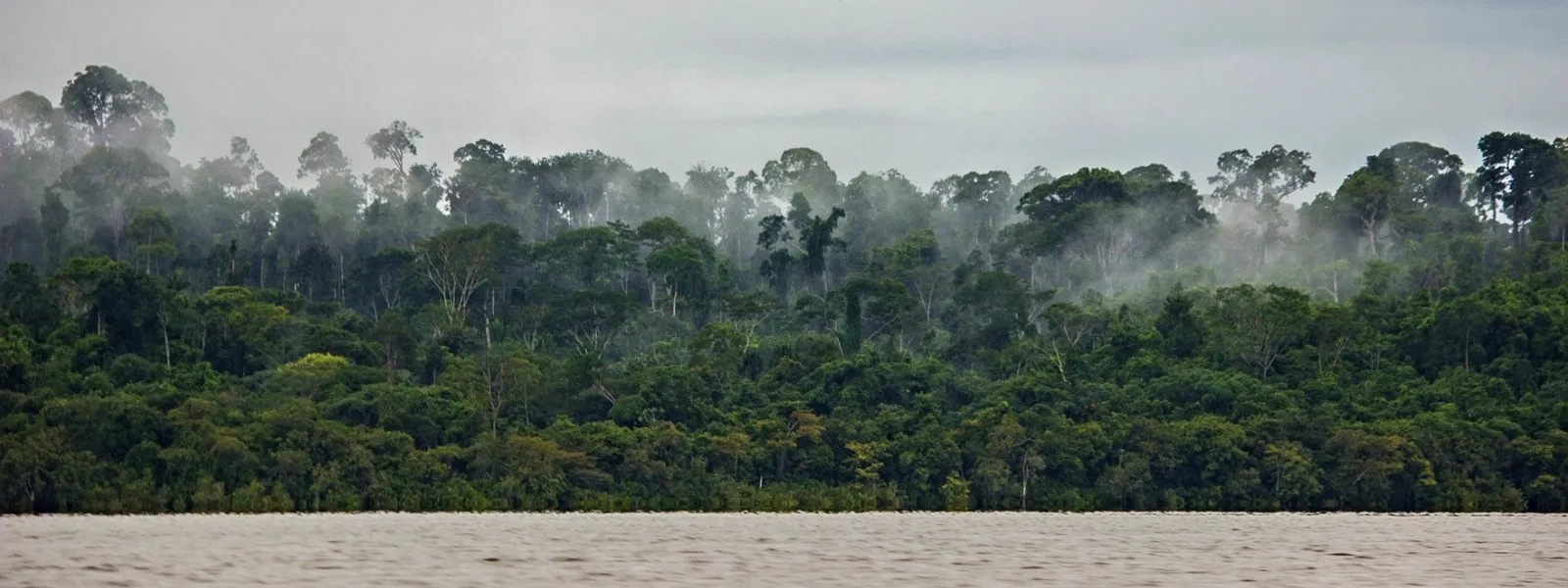
Project
Amazon Watch / Maíra Irigaray
The Belo Monte Dam on the Xingu River: 10 years of impacts in the Amazon and the search for reparations
The Belo Monte Dam has caused an environmental and social disaster in the heart of the Amazon—one of the most important ecosystems on the planet.
This situation has only worsened since the hydroelectric plant began operations in 2016. The quest for justice and reparations by the affected indigenous, fishing, and riverine communities continues to this day.
In 2011, the Inter-American Commission on Human Rights (IACHR) granted them protective measures that, to date, have not been fully implemented by the Brazilian State.
Furthermore, since June of that same year, the IACHR has yet to rule on a complaint against the State regarding its international responsibility in the case.
The IACHR may refer the case to the Inter-American Court of Human Rights, which has the authority to issue a ruling condemning the Brazilian State.
After 10 years of the hydroelectric plant's operation and more than 15 years of documented human rights violations, it is time for justice to be served for the affected communities.
Read the open letter from the organizations bringing the case before the IACHR
Background
The Belo Monte hydroelectric plant—the fourth largest in the world by installed capacity (11,233 MW)—was built on the Xingu River in Pará, a state in northern Brazil.
It was inaugurated on May 5, 2016, with a single turbine. At that time, 80% of the river’s course was diverted, flooding 516 km² of land—an area larger than the city of Chicago. Of that area, 400 km² was native forest. The dam began operating at full capacity in November 2019.
Belo Monte was built and is operated by the Norte Energia S.A. consortium, which is composed primarily of state-owned companies. It was financed by the Brazilian Development Bank (BNDES), which provided the consortium with 25.4 billion reais (approximately US$10.16 billion), the largest investment in the bank’s history. Therefore, the BNDES is also legally responsible for the socio-environmental impacts associated with the hydroelectric plant.
Decades of harm to the environment and people
Human rights violations and degradation of the Amazon have been occurring since the project’s inception. In March 2011, Norte Energía began construction of the dam without adequate consultation and without the prior, free, and informed consent of the affected communities.
The construction caused the forced displacement of more than 40,000 people, severing social and cultural ties. The resettlement plan in Altamira—a city directly affected by the hydroelectric dam—involved housing units located on the outskirts, lacking adequate public services and decent living conditions for the relocated families, with no special provisions for those from indigenous communities.
Belo Monte's operations have caused a permanent, man-made drought in the Volta Grande (or "Great Bend") of the Xingu River, exacerbated by the historic droughts in the Amazon in 2023 and 2024. As a result, the deaths of millions of fish eggs were documented for four consecutive years (from 2021 to 2024), and for the past three years, there has been no upstream migration of fish to spawn and reproduce. Thus, artisanal fishing, the main source of protein for indigenous peoples and riverside communities, was severely affected: fish dropped from 50% to 30% of total protein consumed, replaced by processed foods. In summary, there was an environmental and humanitarian collapse that resulted in the breakdown of fishing as a traditional way of life, food insecurity, and access to drinking water for thousands of families, impoverishment, and disease.
Furthermore, the construction of the dam increased deforestation and intensified illegal logging and insecurity on indigenous and tribal lands, putting the survival of these communities at risk. Another consequence was the deepening of poverty and social conflicts, as well as the strain on health, education, and public safety systems in Altamira—a city ranked as the most violent in the country in 2017, where human trafficking and sexual violence increased. Violence was also reported against human rights defenders involved in the case.
In 2025, during the 30th UN Climate Change Conference (COP30), held in Brazil, the Federal Public Prosecutor’s Office labeled the damage caused by the Belo Monte dam as ecocide.
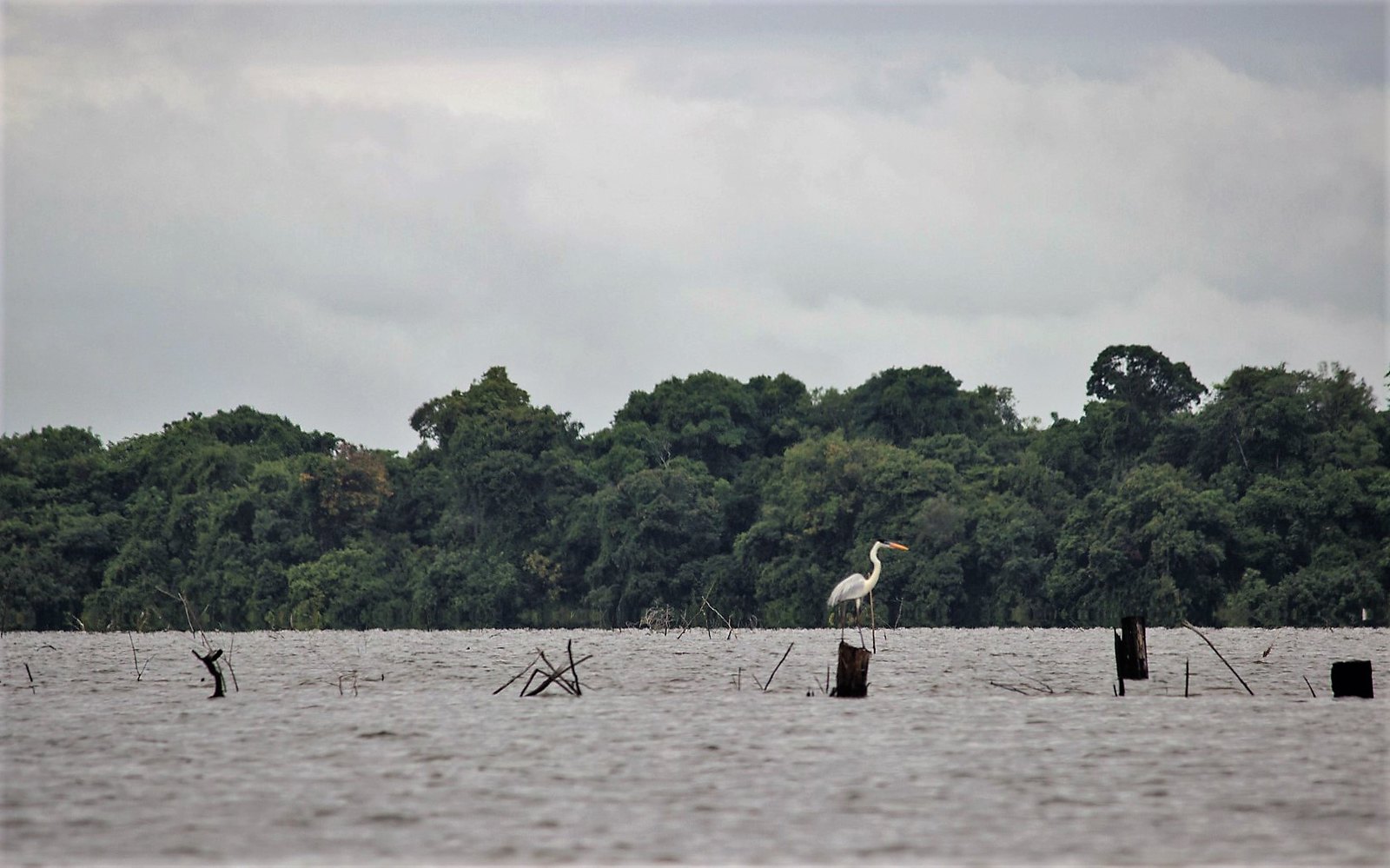
Photo: Amazon Watch / Maíra Irigaray.
The search for justice and reparations
Over the years, the Federal Public Prosecutor’s Office in Pará, the Public Defender’s Office, and civil society organizations have filed dozens of legal actions in Brazilian courts to challenge the project’s various irregularities and its impacts. Most of the claims are still pending resolution, some for more than 10 years.
These efforts have failed because the national government has repeatedly overturned rulings in favor of the affected communities by invoking a mechanism that allowed a court president to suspend a judicial decision based solely on generic arguments such as "the national interest" or "economic order."
In the absence of effective responses at the national level, AIDA, together with a coalition of partner organizations, brought the case before the Inter-American Commission on Human Rights (IACHR) and, in 2010, requested precautionary measures to protect the lives, safety, and health of the affected indigenous communities.
On April 1, 2011, the IACHR granted these measures and requested that the Brazilian government suspend environmental permits and any construction work until the conditions related to prior consultation and the protection of the health and safety of the communities are met.
And on June 16, 2011 —together with the Xingu Vivo Para Sempre Movement, the Coordinating Committee of Indigenous Organizations of the Brazilian Amazon, the Diocese of Altamira, the Indigenous Missionary Council, the Pará Society for the Defense of Human Rights and Global Justice— we filed a formal complaint against the Brazilian State for its international responsibility in the violation of the human rights of the people affected in the case. The case was opened for processing in December 2015.
On August 3, 2011, the IACHR amended the precautionary measures to request, instead of the suspension of permits and construction, the protection of people living in voluntary isolation, the health of indigenous communities, and the regularization and protection of ancestral lands.
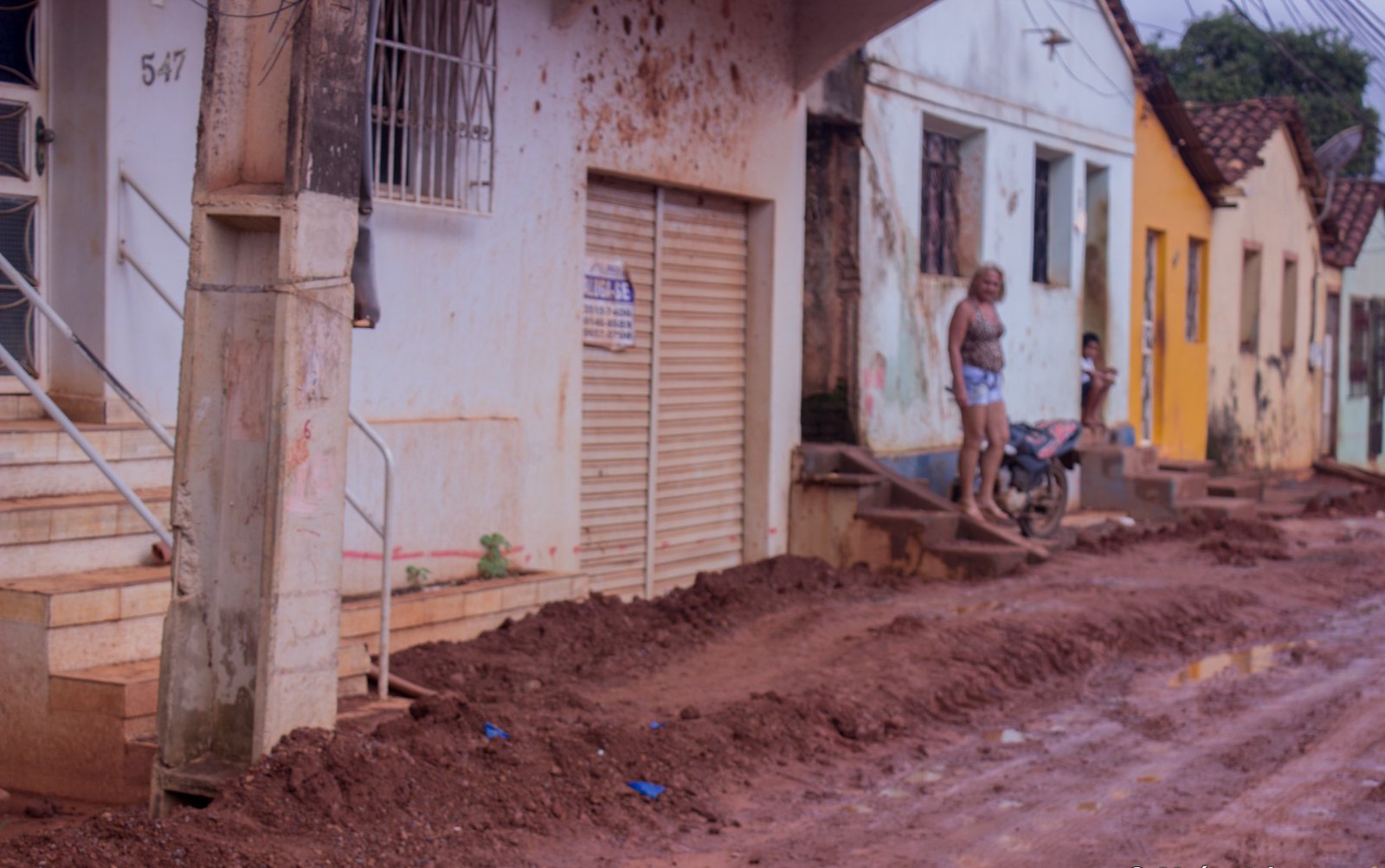
Photo: Amazon Watch / Maíra Irigaray.
Current situation
The protective measures granted by the IACHR remain in effect, but the Brazilian government has not fully complied with them, reporting only on general actions. The communities have documented the ongoing violations of their rights. The situation that prompted the request for these measures—the risk to the lives, physical integrity, and ways of life of the communities—persists and has worsened with the hydroelectric plant operating at full capacity and the recent extreme droughts in the Amazon.
In addition to the impacts of Belo Monte, there is a risk of further social and environmental impacts from the implementation of another mining megaproject in the Volta Grande do Xingu. There, the Canadian company Belo Sun plans to build Brazil’s largest open-pit gold mine.
The combined and cumulative impacts of the dam and the mine were not assessed. The government excluded Indigenous peoples, riverine and peasant communities from the project’s environmental permitting process. Despite protests by Indigenous communities and other irregularities surrounding the project, the government of Pará formally authorized the mine in April 2026.
Like other hydroelectric dams, Belo Monte exacerbates the climate emergency by generating greenhouse gas emissions in its reservoir. And it is inefficient amid the longer, more intense droughts caused by the crisis, as it loses its ability to generate power.
The case before the Inter-American Commission
In October 2017, the IACHR announced that it would rule jointly on the admissibility (whether the case meets the requirements for admission) and the merits (whether a human rights violation actually occurred) of the international complaint against the Brazilian State.
Fifteen years after the complaint was filed, the affected communities and the organizations representing them are still awaiting this decision. If the IACHR concludes that human rights violations occurred and issues recommendations that the Brazilian State fails to comply with, it may refer the case to the Inter-American Court of Human Rights, whose rulings are binding.
A potential ruling by the international court in this case would set a regional legal precedent regarding the rights of indigenous and riverine peoples, public participation in megaprojects, and state responsibility in the context of the climate crisis—a precedent that is particularly relevant in light of the Court’s Advisory Opinion No. 32, which reaffirmed the obligations of States to protect the people and communities of the continent from the climate emergency.
Partners:
Related projects
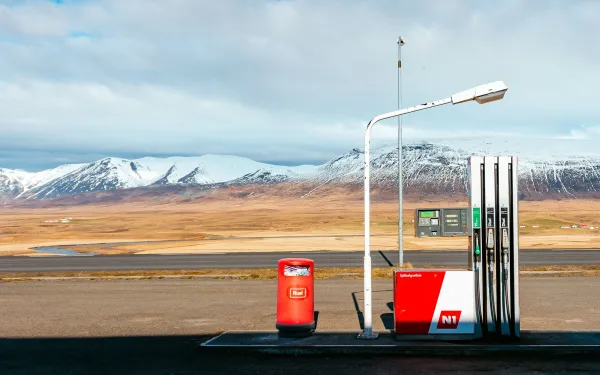
Lessons for moving into a world without fossil fuels
By Javier Dávalos and Florencia Ortúzar Recent social conflict in Ecuador, triggered by the abrupt suspension of diesel and gasoline subsidies, has demonstrated the need for a just energy transition that takes people into account. Measures aimed at ending government support for the production and use of fossil fuels must be progressive and consensual. The extraction of coal, oil and gas produces significant emissions of carbon dioxide and methane, contaminants that cause global warming. Burning these fuels to produce energy also contributes greatly to air pollution, which kills millions of people annually. Nevertheless, governments worldwide spend between 160 and 400 billion dollars each year to subsidize the fossil fuel industry, according to information from the United Nations Environment Program. Total financial support for renewable energy reaches only 121 billion. If we really want to combat the climate crisis and improve our air quality, we much change this situation. Understanding subsidies Public incentives to producers and consumers of coal, oil and natural gas include payments to consumers or businesses and tax deductions. Therefore, even if fuel prices rise steadily, subsidies keep them artificially low. As a result, transportation and trade costs are contained and remain internationally competitive. These subsidies weigh heavily on national economies, which are left without resources that could well be allocated to sectors such as health and education. Support for the industry deepens our dependence on fossil fuels and ties us to a crippling economic system that the planet desperately needs us to escape. It’s important to understand that this dependence is much more acute for the most vulnerable among us, for whom each dollar counts toward quality of life. A just energy transition The events in Ecuador have taught us a valuable lesson: a desirable result does not necessarily justify the way it is carried out. There, the subsidies for diesel and gasoline were eliminated by decree, unilaterally and without prior national dialogue, hitting the poorest sectors of society hardest. This provoked an intense and violent social conflict that forced the government to revoke its decree, which had not even considered the fight against the climate crisis (let alone a just energy transition). Actions of this type, which imply important changes in the basic needs of the population, like the fuel needed for transportation, must be accompanied by protective measures for society’s most vulnerable. It’s time to leave fossil fuel subsidies behind. But their elimination must be framed in serious plans that seek a real transition to a low-carbon way of life. And must be accompanied by supportive actions such as the promotion of local economies, the protection of ecosystems that naturally regulate the climate, the effective improvement of public transport systems, and investment in renewable energy sources. Only in this way will we begin walking in the direction of climate justice. A new social pact to tackle inequality Chile has also erupted in protests in recent weeks. Events there confirm that forgotten segments of society will no longer bear the burden of inequality, and that the time has come to change course. The Chilean crisis is not directly related to fossil fuels subsidies, but it is related to a fundamental problem in Latin America: abysmal social inequality that has for too reigned in our region. Deep social discontent erupted after the government increased the price of public transportation without considering the social consequences it would have. When commodity prices rise, the most vulnerable will always be the hardest hit. Therefore, these changes must incorporate actions that close social gaps rather than aggravate them. Like Ecuador, Chile has shown us that it is time to aim further, beyond palliative measures that affect the pockets of the poorest, in search of a new social pact. The current social and environmental crisis can be taken as a unique opportunity to begin building a more just society, putting an end to the serious inequalities that have long afflicted our countries, our region and the world.
Read more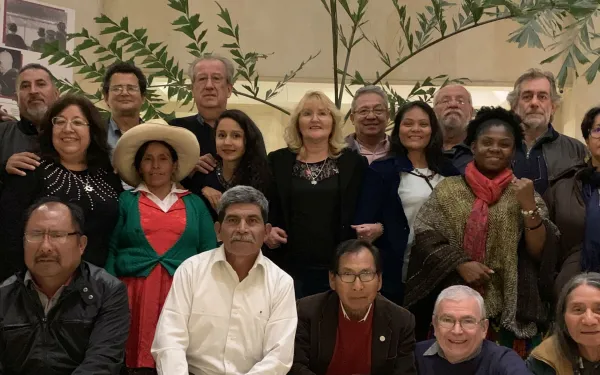
Bogota Declaration for the protection of environmental defenders
As people from 10 different countries who have been awarded the Goldman Environmental Prize, in addition to other environmental defenders, who are contributing to the protection of the environment and the struggle for life, who have come together today in Bogotá with colleagues from throughout our region, we express our solidarity with advocates and communities in Colombia and throughout Latin America and the Caribbean that are currently facing the highest level of risk for their work to protect life on Earth. Therefore, we call on governments, companies, financial institutions, investors, and entities to actively and effectively protect and respect the life and rights of advocates, those of their families, and their communities. We are aware of the serious human rights violations of vulnerable populations, especially of local communities and indigenous people, communities of African descent and farmers, which we face in Latin America and throughout the world. We demand an end to legal persecution and criminalization of our brothers and sisters who defend life and justice, and justice for those whose lives have been forcibly taken from them in this struggle. We hope that our work inspires many young people and others, whose work in turn inspires many more globally. We are convinced that, together, we can address the climate crisis—through collaborative work focused around knowledge and respect for the rights and diverse communities of the world. We call on humanity to stand in solidarity and act in accordance with the work of advocates, and to use peaceful means, art, and motherly love to continue achieving the transformation that the planet and humanity require to protect both people and life. We urge Colombia to continue promoting the dream of achieving peace between Colombians and nature. Turning the page on violence is the path for the next generations to inherit: a better Colombia, Latin America, Caribbean and world. Signatories Francia Márquez (Colombia) Goldman Environmental Prize, 2018 Bertha Zuñiga Cáceres (Honduras), daughter of Bertha Cáceres, Goldman Environmental Prize, 2015 Ruth Buendía (Peru), Goldman Environmental Prize, 2014 Nohra Padilla (Colombia) Goldman Environmental Prize, 2013 Sofía Gatica (Argentina) Goldman Environmental Prize, 2012 Francisco Pineda (El Salvador) Goldman Environmental Prize, 2011 Humbero Ríos Labrada (Cuba) Goldman Environmental Prize, 2010 Jesús León Santos (Mexico) Goldman Environmental Prize, 2008 María Elena Foronda Farro (Peru) Goldman Environmental Prize, 2003 Jean La Rose (Guyana) Goldman Environmental Prize, 2002 Elías Díaz Peña (Paraguay) Goldman Environmental Prize, 2000 Oscar Rivas (Paraguay) Goldman Environmental Prize, 2000 Jorge Varela (Honduras) Goldman Environmental Prize, 1999 Berito Kuwaruwa (Colombia) Goldman Environmental Prize, 1998 Juan Pablo Orrego (Chile) Goldman Environmental Prize, 1997 Evaristo Nugkuag (Peru) Goldman Environmental Prize, 1991 Stiefen Petrust (Suriname) Eliana Torrico Tejada (Bolivia) Danielle Duarte Gomes (Brazil) Antonia Melo Da Silva (Brazil) Liliana Ávila (Colombia) Juana Hofman (Colombia) Javier Ibarraga Ospina (Colombia) Alix Mancilla (Colombia) Blanca Inés Pérez (Colombia) Rosa Peña (Colombia) Astrid Puentes Riaño (Colombia, Mexico) Andrea Cerami (Mexico) Jorge García Lucas (Guatemala) Severina Morales Pérez (Guatemala) Joaquín Raymundo González (Guatemala) Jovita Tzul (Guatemala) Julián López (Mexico) Marcelina López (Mexico) Leydy Aracely Pech Martín (Mexico) Elena Villafuerte (Mexico) Liliana Caruhuaz (Peru) Eddy Peña (Peru) Katherine Sánchez (Peru)
Read more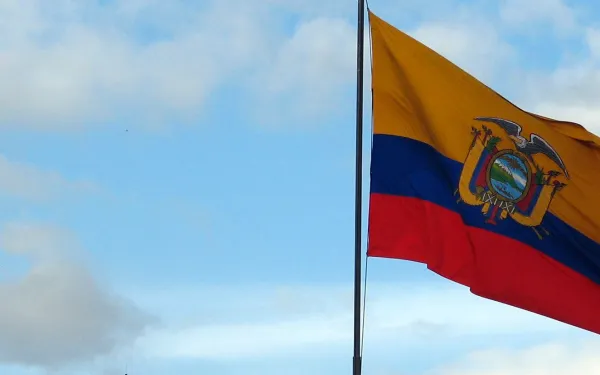
AIDA Statement on the Situation in Ecuador
The Interamerican Association for Environmental Defense (AIDA) recognizes the positive steps made in Ecuador through the United Nations-mediated dialogue between the government and the indigenous movement. The mediation follows weeks of conflict stemming from the government’s elimination of diesel and gas subsidies through decree 883. In a context of global climate emergency, it is necessary to eliminate subsidies for fossil fuels and any other market distortion that promotes their continued exploitation and use. However, no measure will be successful if it is not done with full awareness of the impacts it implies for the most vulnerable segments of the population, directly affected by increased prices of transportation and consumer goods. The energy transition must be progressive and respectful of human rights. Only in this way will we be able to move towards true climate justice. Measures such as those adopted in Ecuador must also be framed within proper planning, aimed at moving towards a low-carbon economy, as well as reducing dependence on oil, large-scale mining and other sectors that contribute to the climate crisis. AIDA commends the commitment of the government and the indigenous movement to developing a new decree in a joint and participatory manner. The recent conflict demonstrates the need to strengthen a plurinational and multicultural State, where decisions are discussed and agreed upon with indigenous peoples and all national actors. Ecuador now has the opportunity to set a key precedent at the global level by designing comprehensive policies that support the fulfillment of its climate commitments and at the same time respect and protect its people, especially vulnerable groups. We hope that the dialogue will be successful and will serve as an example of the collective construction of climate solutions to ensure participation, respect for human rights, gender equity and, in short, the well-being of present and future generations. press contact: Victor Quintanilla (Mexico), [email protected], +5215570522107
Read more