
Project
Amazon Watch / Maíra Irigaray
The Belo Monte Dam on the Xingu River: 10 years of impacts in the Amazon and the search for reparations
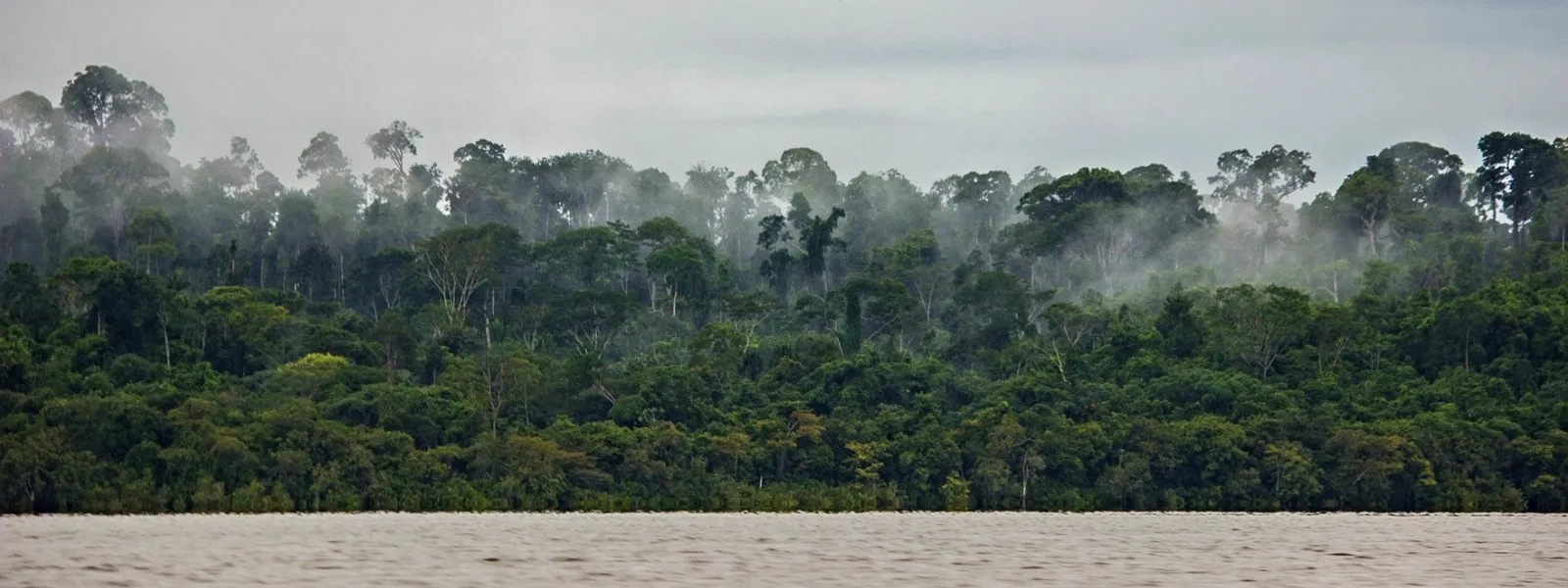
The Belo Monte Dam has caused an environmental and social disaster in the heart of the Amazon—one of the most important ecosystems on the planet.
This situation has only worsened since the hydroelectric plant began operations in 2016. The quest for justice and reparations by the affected indigenous, fishing, and riverine communities continues to this day.
In 2011, the Inter-American Commission on Human Rights (IACHR) granted them protective measures that, to date, have not been fully implemented by the Brazilian State.
Furthermore, since June of that same year, the IACHR has yet to rule on a complaint against the State regarding its international responsibility in the case.
The IACHR may refer the case to the Inter-American Court of Human Rights, which has the authority to issue a ruling condemning the Brazilian State.
Background
The Belo Monte hydroelectric plant—the fourth largest in the world by installed capacity (11,233 MW)—was built on the Xingu River in Pará, a state in northern Brazil.
It was inaugurated on May 5, 2016, with a single turbine. At that time, 80% of the river’s course was diverted, flooding 516 km² of land—an area larger than the city of Chicago. Of that area, 400 km² was native forest. The dam began operating at full capacity in November 2019.
Belo Monte was built and is operated by the Norte Energia S.A. consortium, which is composed primarily of state-owned companies. It was financed by the Brazilian Development Bank (BNDES), which provided the consortium with 25.4 billion reais (approximately US$10.16 billion), the largest investment in the bank’s history. Therefore, the BNDES is also legally responsible for the socio-environmental impacts associated with the hydroelectric plant.
Decades of harm to the environment and people
Human rights violations and degradation of the Amazon have been occurring since the project’s inception. In March 2011, Norte Energía began construction of the dam without adequate consultation and without the prior, free, and informed consent of the affected communities.
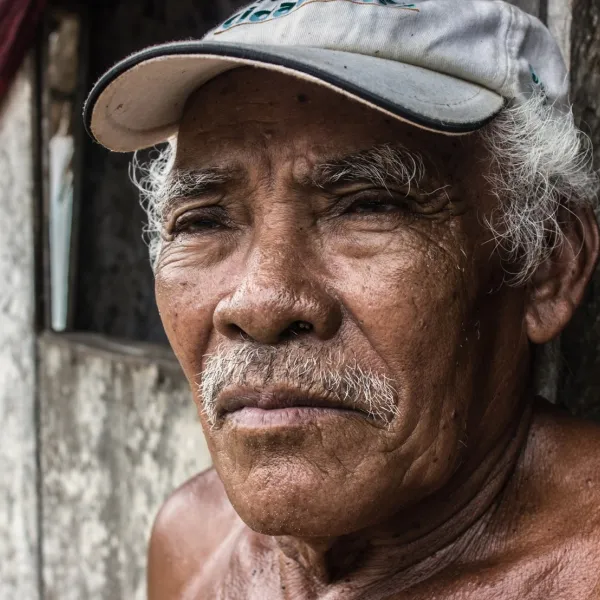
The construction caused the forced displacement of more than 40,000 people, severing social and cultural ties. The resettlement plan in Altamira—a city directly affected by the hydroelectric dam—involved housing units located on the outskirts, lacking adequate public services and decent living conditions for the relocated families, with no special provisions for those from indigenous communities.
Belo Monte's operations have caused a permanent, man-made drought in the Volta Grande (or "Great Bend") of the Xingu River, exacerbated by the historic droughts in the Amazon in 2023 and 2024. As a result, the deaths of millions of fish eggs were documented for four consecutive years (from 2021 to 2024), and for the past three years, there has been no upstream migration of fish to spawn and reproduce. Thus, artisanal fishing, the main source of protein for indigenous peoples and riverside communities, was severely affected: fish dropped from 50% to 30% of total protein consumed, replaced by processed foods. In summary, there was an environmental and humanitarian collapse that resulted in the breakdown of fishing as a traditional way of life, food insecurity, and access to drinking water for thousands of families, impoverishment, and disease.
Furthermore, the construction of the dam increased deforestation and intensified illegal logging and insecurity on indigenous and tribal lands, putting the survival of these communities at risk. Another consequence was the deepening of poverty and social conflicts, as well as the strain on health, education, and public safety systems in Altamira—a city ranked as the most violent in the country in 2017, where human trafficking and sexual violence increased. Violence was also reported against human rights defenders involved in the case.
In 2025, during the 30th UN Climate Change Conference (COP30), held in Brazil, the Federal Public Prosecutor’s Office labeled the damage caused by the Belo Monte dam as ecocide.
The search for justice and reparations
Over the years, the Federal Public Prosecutor’s Office in Pará, the Public Defender’s Office, and civil society organizations have filed dozens of legal actions in Brazilian courts to challenge the project’s various irregularities and its impacts. Most of the claims are still pending resolution, some for more than 10 years.
These efforts have failed because the national government has repeatedly overturned rulings in favor of the affected communities by invoking a mechanism that allowed a court president to suspend a judicial decision based solely on generic arguments such as "the national interest" or "economic order."
In the absence of effective responses at the national level, AIDA, together with a coalition of partner organizations, brought the case before the Inter-American Commission on Human Rights (IACHR) and, in 2010, requested precautionary measures to protect the lives, safety, and health of the affected indigenous communities.
On April 1, 2011, the IACHR granted these measures and requested that the Brazilian government suspend environmental permits and any construction work until the conditions related to prior consultation and the protection of the health and safety of the communities are met.
And on June 16, 2011 —together with the Xingu Vivo Para Sempre Movement, the Coordinating Committee of Indigenous Organizations of the Brazilian Amazon, the Diocese of Altamira, the Indigenous Missionary Council, the Pará Society for the Defense of Human Rights and Global Justice— we filed a formal complaint against the Brazilian State for its international responsibility in the violation of the human rights of the people affected in the case. The case was opened for processing in December 2015.
On August 3, 2011, the IACHR amended the precautionary measures to request, instead of the suspension of permits and construction, the protection of people living in voluntary isolation, the health of indigenous communities, and the regularization and protection of ancestral lands.
Current situation
The protective measures granted by the IACHR remain in effect, but the Brazilian government has not fully complied with them, reporting only on general actions. The communities have documented the ongoing violations of their rights. The situation that prompted the request for these measures—the risk to the lives, physical integrity, and ways of life of the communities—persists and has worsened with the hydroelectric plant operating at full capacity and the recent extreme droughts in the Amazon.
In addition to the impacts of Belo Monte, there is a risk of further social and environmental impacts from the implementation of another mining megaproject in the Volta Grande do Xingu. There, the Canadian company Belo Sun plans to build Brazil’s largest open-pit gold mine.
The combined and cumulative impacts of the dam and the mine were not assessed. The government excluded Indigenous peoples, riverine and peasant communities from the project’s environmental permitting process. Despite protests by Indigenous communities and other irregularities surrounding the project, the government of Pará formally authorized the mine in April 2026.
Like other hydroelectric dams, Belo Monte exacerbates the climate emergency by generating greenhouse gas emissions in its reservoir. And it is inefficient amid the longer, more intense droughts caused by the crisis, as it loses its ability to generate power.
The case before the Inter-American Commission
In October 2017, the IACHR announced that it would rule jointly on the admissibility (whether the case meets the requirements for admission) and the merits (whether a human rights violation actually occurred) of the international complaint against the Brazilian State.
Fifteen years after the complaint was filed, the affected communities and the organizations representing them are still awaiting this decision. If the IACHR concludes that human rights violations occurred and issues recommendations that the Brazilian State fails to comply with, it may refer the case to the Inter-American Court of Human Rights, whose rulings are binding.
A potential ruling by the international court in this case would set a regional legal precedent regarding the rights of indigenous and riverine peoples, public participation in megaprojects, and state responsibility in the context of the climate crisis—a precedent that is particularly relevant in light of the Court’s Advisory Opinion No. 32, which reaffirmed the obligations of States to protect the people and communities of the continent from the climate emergency.
Partners:
Related projects
Clear accounting for dams and climate change
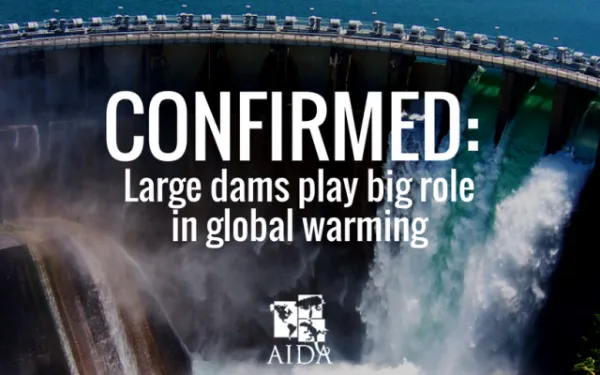
By Astrid Puentes Riaño (column originally published in El País) “Our climate is warming at an alarming, unprecedented rate and we have an urgent duty to respond,” world leaders concluded at the 22nd United Nations Climate Conference (COP22). Representatives from more than 200 nations gathered in Morocco from November 7 to 18 for the first global meeting since the Paris Agreement on climate change entered into force. We should respond with urgency, but also with intelligence. Today, thousands of large dams are being planned and built around the world. More than a million dams already block half the rivers on the planet. Hundreds of hydropower projects are planned or under construction in the Amazon alone. Many are promoted as clean energy and as solutions to climate change. But that’s just not true. Researchers at Washington State University recently concluded that dams are an important source of greenhouse gas emissions. In addition to carbon dioxide and nitrous oxide, dams release large amounts of methane, a gas that traps 34 times more heat than carbon dioxide. The findings were published in the scientific journal Bioscience. Far from being a solution, dams actually aggravate climate change. Until now, scientific evidence had suggested that dams in tropical areas emit greenhouse gases. The WSU study, however, concluded that reservoirs emit greenhouse gases regardless of their latitude or their purpose (power generation, flood control, navigation or irrigation). The researchers concluded that, globally, reservoirs emit approximately 1.3 percent of all greenhouse gas emissions generated by mankind. That’s greater than the total annual emissions of Canada. Further studies are required to quantify exactly how much dams emit and to understand how they vary according to the particular conditions of each reservoir. For now, it seems that variables such as temperature and eutrophication (increased nutrients in water that increase algae and decrease oxygen) may be the most relevant. Currently, greenhouse gas emissions from dams aren’t monitored. Yet every day, they’re released into the atmosphere, contributing to climate change. Globally, our climate accounts aren’t complete. The WSU study marks a milestone in our understanding of the true role dams play in creating climate change. It’s essential that scientific policies, programs, standards, and analyses take these emissions into account. National and international bodies—including the Intergovernmental Panel on Climate Change, the World Bank, the Inter-American Development Bank, the Green Climate Fund, and private companies—must incorporate current and future dam emissions in their assessments. Only then will be have clear accounts. Only then can we avoid, by ignoring clear evidence, continuing to make climate change worse—particularly for the most vulnerable among us. It’s worth noting that dams have severe impacts on human rights. They’re also very expensive and take decades to plan and complete. What’s more, viable alternatives to dams have already been found—cheaper, more efficient, and quicker to build. To respond to climate change with urgency, intelligence, and effectiveness, we have to be clear on its causes. We have to account for all significant contributors, including dams. We have this opportunity today. And we have no more time to lose.
Read more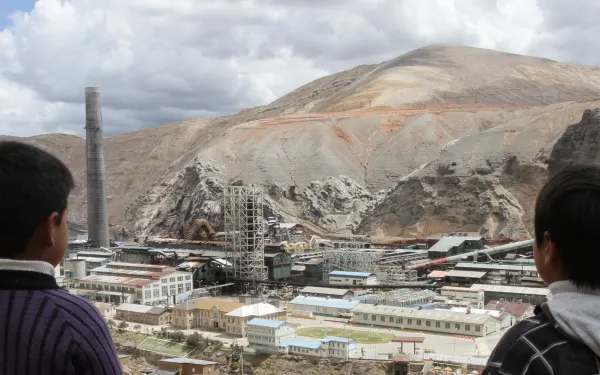
La Oroya: Over a decade’s wait for justice
From the time Isabel* was born, she has breathed toxic air.She’s had heavy metals in her blood for all 13 years of her young life.Her hometown, La Oroya, a small city in the Peruvian Andes, was labeled in 2007 as one of the world’s most polluted places. A metal smelter has been operating there for nearly a century, with little regulation and no attention to human health.Children like Isabel suffer most from toxic pollution. Their developing brains and bodies are terribly vulnerable to lead and other heavy metals, which inhibit growth and often cause permanent damage.Nearly all of La Oroya’s children have heavy metals in their blood, at concentrations many times limits established by the World Health Organization. And many residents suffer from chronic respiratory illness.Their health issues result directly from corporate leaders’ disregard for the environment and for the people who live near the smelter. The State of Peru also bears responsibility for its inaction.That’s why a group of residents joined together to fight for the their children’s health and their city’s future.Isabel’s father, Pablo, has been a vocal leader in the community’s struggle against the government and the US-owned corporation responsible for contaminating their air, their land, even their water. He sees no other way forward.“What kind of world will we leave for our children if we don’t defend our land, if we don’t defend our biodiversity?” he said in a recent interview. A group of 65 residents joined as petitioners in a case AIDA and other organizations brought before the Inter-American Commission on Human Rights 10 years ago. Since then 14 more have added their names to the complaint; four have died. Today, they still wait for justice.In 2007 the Commission recommended precautionary measures that urged the State to adopt adequate measures to diagnose the beneficiaries and treat those at risk of irreparable damage. Since then, air quality in La Oroya has improved somewhat, but the recommended health system is still woefully inadequate.The Commission has yet to file its report on the merits of the case. A finding of merit would include more forceful recommendations. If the State still doesn’t respond, AIDA will take the case to trial before the Inter-American Court of Human Rights.For now, all the petitioners can do is wait some more.Despite the years gone by, we won’t stop fighting until the people of La Oroya see justice.We believe their courage and struggle will have an impact beyond their community, setting a precedent for future cases across the Americas. Because a victory would establish in international law that damages from toxic contamination are human rights violations.And that would mean a brighter future not just for Isabel and La Oroya, but also for communities wherever shortsighted corporations dump their toxic by-products. __* Name changed to protect privacy.
Read more
Letter to Green Climate Fund Board: Improve Decision Making
Letter signed by 70 international civil society organizations: As members of civil society following the Green Climate Fund (GCF), we are writing to express our concern about the way the Board reached some of its most important decisions during the 14th Board Meeting (B.14). We would also like to share some thoughts on how to improve upon this process in the future. We are especially referring to the practice of “package approval” that was used to approve funding proposals and new accredited entities. Weak process. The Board approved 10 proposals worth $745 million without discussing each one separately. The Board’s assessment of each of the funding proposals should be made individually and with the utmost care, to ensure that the objectives, principles, policies, and operational modalities of the Fund are respected and complied with. Furthermore, there was no opportunity for active observers to highlight individual comments for each of the funding proposals (they could merely air some concerns during the overarching discussion of all funding proposals). The same can be said with regard to the package approval of eight accredited entities. There was no public discussion of the merits and/or shortcomings of each approved applicant entity and no possibility of civil society input. Civil society has vital contributions to make, and for our engagement to be meaningful, active observers must be given the opportunity to share important points regarding each proposal and accreditation application during Board meetings. Indeed, the Board’s way of working has actually been in conflict with the GCF’s own Governing Instrument, which states that “the Fund will operate in a transparent and accountable manner”. Approval despite clear failures of GCF policy compliance. The Board repeatedly overlooked the failure of a number of proposals to comply with GCF policies and procedures. For example, public notification for a number of projects was out of compliance with the Fund’s information disclosure policy, which requires a 120-day notification period for proposals with high social and environmental risk. Mandatory gender action plans were missing from several projects, and stakeholder consultations in some cases were highly inadequate. Yet the Board approved all of the projects with one package decision. The Board even pushed through proposals without the requisite guiding policy in place. For example, programs to be implemented via sub-projects were approved, yet the GCF does not have a policy regarding whether or not high risk sub-projects must come back to the Board for approval. We believe they should, to ensure the GCF’s accountability, and to preempt some of the serious environmental, development, and social shortcomings widely seen at other multilateral institutions that finance sub-projects via financial intermediaries. Precedent-setting. While the Board stated that “the approach taken to approving funding proposals at B.14 does not constitute a precedent,” we are concerned that, at this point, the Board has taken such an approach multiple times. Steps to put a stop to these modalities becoming the de facto modus operandi must be taken in the lead up to B.15, including: Timely public disclosure on the GCF’s own website that, at minimum, follows GCF rules (i.e. 120 days for ESIAs for high risk funding proposals, 30 days for medium risk, and three weeks prior to board meetings for all other materials). All annexes and the Secretariat’s due diligence should also be disclosed for funding proposals; Publication of applications for accreditation as soon as they are filed, as well as operationalization of formal mechanisms for third party input (from affected communities, indigenous peoples, civil society, etc.); Individual consideration of each funding proposal and each applicant for accreditation during public sessions of the Board; Opportunities to consider civil society interventions during the debate on each individual proposal, rather than at the end of agenda items; Where formal (or informal) working groups are established to consider conditions to be placed on proposals, there should be a clear process to allow the consideration of civil society feedback, at a minimum in writing, but preferably through the direct participation of the CSO active observers or their alternates; Discussions on more complex and/or controversial proposals require several rounds of debate. In these cases, civil society observers should be given the opportunity to make further interventions responding to new proposals, conditions and amendments. Civil society observers are committed to working with the Board to improve the accountability and transparency of Board decisions, in particular on funding and accreditation approvals. As a learning institution, the GCF needs to take the time to look at the merits of individual proposals and applicants in order to clearly elaborate how they can support the paradigm shift in recipient countries. We therefore urge the Board to better prioritize valuable time during the upcoming Board meetings to allow for meaningful discussions.
Read more