
Project
Amazon Watch / Maíra Irigaray
The Belo Monte Dam on the Xingu River: 10 years of impacts in the Amazon and the search for reparations
The Belo Monte Dam has caused an environmental and social disaster in the heart of the Amazon—one of the most important ecosystems on the planet.
This situation has only worsened since the hydroelectric plant began operations in 2016. The quest for justice and reparations by the affected indigenous, fishing, and riverine communities continues to this day.
In 2011, the Inter-American Commission on Human Rights (IACHR) granted them protective measures that, to date, have not been fully implemented by the Brazilian State.
Furthermore, since June of that same year, the IACHR has yet to rule on a complaint against the State regarding its international responsibility in the case.
The IACHR may refer the case to the Inter-American Court of Human Rights, which has the authority to issue a ruling condemning the Brazilian State.
Background
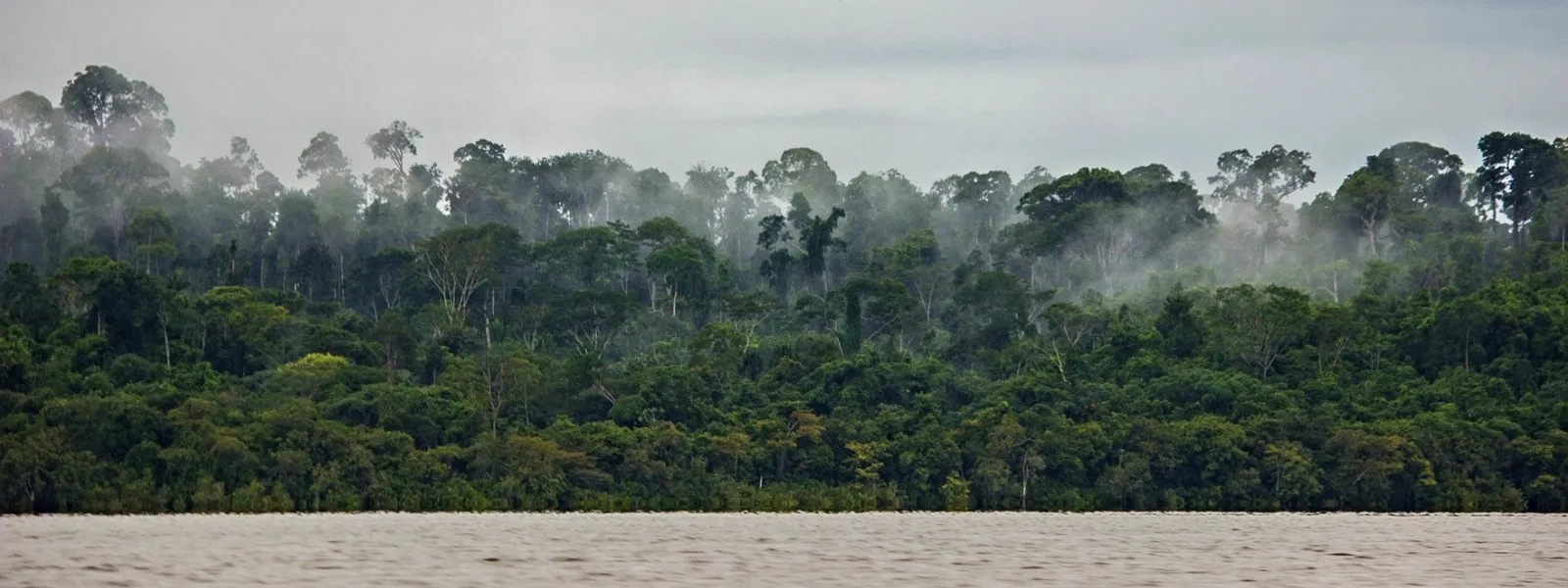
The Belo Monte hydroelectric plant—the fourth largest in the world by installed capacity (11,233 MW)—was built on the Xingu River in Pará, a state in northern Brazil.
It was inaugurated on May 5, 2016, with a single turbine. At that time, 80% of the river’s course was diverted, flooding 516 km² of land—an area larger than the city of Chicago. Of that area, 400 km² was native forest. The dam began operating at full capacity in November 2019.
Belo Monte was built and is operated by the Norte Energia S.A. consortium, which is composed primarily of state-owned companies. It was financed by the Brazilian Development Bank (BNDES), which provided the consortium with 25.4 billion reais (approximately US$10.16 billion), the largest investment in the bank’s history. Therefore, the BNDES is also legally responsible for the socio-environmental impacts associated with the hydroelectric plant.
Decades of harm to the environment and people
Human rights violations and degradation of the Amazon have been occurring since the project’s inception. In March 2011, Norte Energía began construction of the dam without adequate consultation and without the prior, free, and informed consent of the affected communities.
The construction caused the forced displacement of more than 40,000 people, severing social and cultural ties. The resettlement plan in Altamira—a city directly affected by the hydroelectric dam—involved housing units located on the outskirts, lacking adequate public services and decent living conditions for the relocated families, with no special provisions for those from indigenous communities.
Belo Monte's operations have caused a permanent, man-made drought in the Volta Grande (or "Great Bend") of the Xingu River, exacerbated by the historic droughts in the Amazon in 2023 and 2024. As a result, the deaths of millions of fish eggs were documented for four consecutive years (from 2021 to 2024), and for the past three years, there has been no upstream migration of fish to spawn and reproduce. Thus, artisanal fishing, the main source of protein for indigenous peoples and riverside communities, was severely affected: fish dropped from 50% to 30% of total protein consumed, replaced by processed foods. In summary, there was an environmental and humanitarian collapse that resulted in the breakdown of fishing as a traditional way of life, food insecurity, and access to drinking water for thousands of families, impoverishment, and disease.
Furthermore, the construction of the dam increased deforestation and intensified illegal logging and insecurity on indigenous and tribal lands, putting the survival of these communities at risk. Another consequence was the deepening of poverty and social conflicts, as well as the strain on health, education, and public safety systems in Altamira—a city ranked as the most violent in the country in 2017, where human trafficking and sexual violence increased. Violence was also reported against human rights defenders involved in the case.
In 2025, during the 30th UN Climate Change Conference (COP30), held in Brazil, the Federal Public Prosecutor’s Office labeled the damage caused by the Belo Monte dam as ecocide.
The search for justice and reparations
Over the years, the Federal Public Prosecutor’s Office in Pará, the Public Defender’s Office, and civil society organizations have filed dozens of legal actions in Brazilian courts to challenge the project’s various irregularities and its impacts. Most of the claims are still pending resolution, some for more than 10 years.
These efforts have failed because the national government has repeatedly overturned rulings in favor of the affected communities by invoking a mechanism that allowed a court president to suspend a judicial decision based solely on generic arguments such as "the national interest" or "economic order."
In the absence of effective responses at the national level, AIDA, together with a coalition of partner organizations, brought the case before the Inter-American Commission on Human Rights (IACHR) and, in 2010, requested precautionary measures to protect the lives, safety, and health of the affected indigenous communities.
On April 1, 2011, the IACHR granted these measures and requested that the Brazilian government suspend environmental permits and any construction work until the conditions related to prior consultation and the protection of the health and safety of the communities are met.
And on June 16, 2011 —together with the Xingu Vivo Para Sempre Movement, the Coordinating Committee of Indigenous Organizations of the Brazilian Amazon, the Diocese of Altamira, the Indigenous Missionary Council, the Pará Society for the Defense of Human Rights and Global Justice— we filed a formal complaint against the Brazilian State for its international responsibility in the violation of the human rights of the people affected in the case. The case was opened for processing in December 2015.
On August 3, 2011, the IACHR amended the precautionary measures to request, instead of the suspension of permits and construction, the protection of people living in voluntary isolation, the health of indigenous communities, and the regularization and protection of ancestral lands.
Current situation
The protective measures granted by the IACHR remain in effect, but the Brazilian government has not fully complied with them, reporting only on general actions. The communities have documented the ongoing violations of their rights. The situation that prompted the request for these measures—the risk to the lives, physical integrity, and ways of life of the communities—persists and has worsened with the hydroelectric plant operating at full capacity and the recent extreme droughts in the Amazon.
In addition to the impacts of Belo Monte, there is a risk of further social and environmental impacts from the implementation of another mining megaproject in the Volta Grande do Xingu. There, the Canadian company Belo Sun plans to build Brazil’s largest open-pit gold mine.
The combined and cumulative impacts of the dam and the mine were not assessed. The government excluded Indigenous peoples, riverine and peasant communities from the project’s environmental permitting process. Despite protests by Indigenous communities and other irregularities surrounding the project, the government of Pará formally authorized the mine in April 2026.
Like other hydroelectric dams, Belo Monte exacerbates the climate emergency by generating greenhouse gas emissions in its reservoir. And it is inefficient amid the longer, more intense droughts caused by the crisis, as it loses its ability to generate power.
The case before the Inter-American Commission
In October 2017, the IACHR announced that it would rule jointly on the admissibility (whether the case meets the requirements for admission) and the merits (whether a human rights violation actually occurred) of the international complaint against the Brazilian State.
Fifteen years after the complaint was filed, the affected communities and the organizations representing them are still awaiting this decision. If the IACHR concludes that human rights violations occurred and issues recommendations that the Brazilian State fails to comply with, it may refer the case to the Inter-American Court of Human Rights, whose rulings are binding.
A potential ruling by the international court in this case would set a regional legal precedent regarding the rights of indigenous and riverine peoples, public participation in megaprojects, and state responsibility in the context of the climate crisis—a precedent that is particularly relevant in light of the Court’s Advisory Opinion No. 32, which reaffirmed the obligations of States to protect the people and communities of the continent from the climate emergency.
Partners:
Related projects

Costa Rican court issues first criminal sanction against shark finning
In a historic decision, a Puntarenas court convicted a businesswoman for shark finning. The woman had brought shark fins to port separated from the body, a practice illegal in Costa Rica, with intentions of selling them abroad. The Public Prosecutor’s indictment was supported by civil society organizations that argued her actions violated national and international laws protecting marine life. Puntarenas, Costa Rica. On February 7, the Trial Court of Puntarenas imposed a six-month prison sentence on a Taiwanese businesswoman for illegally trading in shark fins. The woman had brought to port shark fins detached from the animals body and gathered together with a wire, a process know as finning. She had intended to sell the fins abroad. This ruling is the first time the practice, illegal under national and international law, has been punished in Costa Rica. “We are pleased that, from the power of the Judiciary, Costa Rica has sent a clear signal that its priority is to protect the country’s sustainability. The response to the finning was appropriate, and responsible fishermen and environmental authorities will applaud it as such. At Conservation International, we reiterate our commitment to sustainable fisheries, transparent management of marine resources, and control of the country’s environmental regulations,” said Marco Quesada, director of the Costa Rica Program of Conservation International (CI). In 2011, justice failed in favor of the businesswoman. That decision was rebutted by the Public Prosecutor’s Office, which obtained a second trial in which the crime was finally punished. The final sentence indicates that the businesswoman is responsible “for the crime of ordering the removal of the shark fin without the respective body, to the detriment of the natural resources” of Costa Rica. “This is a truly historic sentence, as it’s the first time there has been a criminal conviction for shark finning. We applaud the efforts of the Public Prosecutor’s Office to enforce the national laws and international commitments of Costa Rica. We hope this case will be a precedent that helps prevent this practice from happening again,” said Gladys Martínez, attorney with the Interamerican Association for Environmental Defense (AIDA). AIDA and CI assisted in the resolution of the case, which dates from 2011, by advising the Public Prosecutor’s Office on arguments of international law. According to Costa Rican law, shark fins must arrive to port naturally attached to the shark’s body. In cases such as this one, the fins are removed and the body tossed back to sea so the fishing boats can hold as many fins as possible. “Shark finning is a crime punishable in Costa Rica by articles 139 and 40 of the Fisheries and Aquaculture Law. In addition, Costa Rica has ratified various international treaties that oblige it to protect the environment. These obligations include the protection, conservation and sustainable use of marine resources,” reads the document provided by both organizations to the Public Prosecutor’s Office for use during the trial. Press contacts: Gladys Martínez, AIDA, [email protected], +506 8321 4263 Marco Quesada, CI, [email protected] +506 2253-0500 ext. 129/IP 5484
Read more
Why Chile is burning and what we can do about it
Uncontrollable wildfires in Chile have burned more than 500,000 hectares, an area three times the size of Mexico City. With each day that passes, the figure grows. It’s the worst environmental catastrophe the country has seen. Eleven people have died and nearly 4,000 have been affected. The flames have engulfed at least six of Chile’s 15 regions. Causes of the tragedy Much has been said about what could have started these voracious fires. Below is a compilation of the various causes, in hopes that understanding them may help us avoid and better control such fires in the future: Climate change. With the extreme changes in climate, temperatures have risen, causing an eight-year-old drought in the center of the country. This reality has enabled the fulfillment of the so-called “30-30-30” rule, which facilitates the perfect scenario for wildfires: a temperature of 30 degrees Celsius, 30 percent humidity, and winds of 30 kilometers per hour. The human factor. According to the National Forestry Corporation (CONAF), the organization responsible for fighting wildfires in Chile, the vast majority of fires are actually caused by human neglect. In this case, there have been indications that some of the fires were started intentionally. Forest plantations. This cause has the deepest roots. In the central and southern regions of the country, forest plantations have been replacing native forest. That means heterogeneous and biodiverse forests have been transformed into thousands of hectares of one single species, eliminating the natural barriers against fire. These monocultures, mostly pine and eucalyptus, quickly absorb large amounts of water, drying the soil around them and stifling most other life. In addition, both of these trees contain flammable elements that contribute to the spread of fire. Inadequate legislation. Decree Law 701, issued in 1974, sought to boost forestry development through economic incentives, leading to the explosion of large-scale pine and eucalyptus plantations in Chile. By financing up to 75 percent of monocultures, the decree most benefited those who already owned large tracts of land. It promoted the felling and burning of native forest to replace it with monocultures of exotic species. High voltage cables. When passing over forests, these cables generate high-temperature heat waves. If a branch falls on a cable, it can easily cause a fire. Lack of prevention and preparedness. The factors mentioned above were all known realities; the risk of the current fires was latent. More should have been done to prevent them, and to have been better prepared to face them. Chile has no public policy to address the issue. There is no law on fighting wildfires or confronting other such emergencies. Prevention would involve actions ranging from regulating the activities of forest companies, to implementing effective firefighting, to avoiding the accumulation of garbage in places where fires may emerge. What we can do about it Institutional and forestry planning appropriate for a changing climate. Changes in weather patterns have made wildfires far more likely to occur. For this reason, adequate plans and policies must be developed to deal with such situations, which will continue to be an underlying threat. Planning should be geared towards building a forest landscape resilient to a drier and hotter future. Strengthening firefighting capacities. The budget afforded to CONAF and the firefighting companies must be sufficient to cover the necessary equipment and human capacity needed to effectively battle such blazes. Regulations to prevent and protect. Legal measures must be taken to ensure that reforestation incorporates firebreaks and ample buffer zones around sensitive areas (villages, water sources and productive areas, among others). This reduces the ability of wildfires to progress and protects local biodiversity and ecosystem services. Impose responsibilities. The owners of forest plantations must be responsible for setting up firewalls and other safeguards, as well as for having emergency plans. Stop promoting monocultures and reestablish native forest. Because they are harmful to the environment and propagate wildfires, the State must stop encouraging monocultures and instead encourage the cultivation of diverse and native forests. Plan reforestation after the fire. Local development must be ensured throughout the process of reforestation, involving affected communities and stakeholders. Education and training of residents and local authorities. Those who live and keep watch over high-risk areas should know how to respond in the case of an emergency, and they must know how to prevent it. How YOU can help now The platform “movidos x Chile” has information on how to help those affected by the fires (donations, volunteering, etc.). The following organizations are receiving money to help victims: Desafío Levantemos Chile (includes information on how to donate from abroad). Un Techo para Chile. Hogar de Cristo. Ministry of the Interior (includes information on how to donate from abroad). The Red Cross (receives in-kind and monetary donations). There are also organizations focused on helping affected animals: Veterinary Medical College of Chile (receives in-kind and monetary donations). The website abandonados.cl (contains information on various organizations that offer help to the animals affected by the fires). Also, on this page you can find information about all the organizations and institutions that are receiving donations for both victims and animals, including locations across the country where material support can be provided.
Read more
The Santurbán páramo: Closer to the sky
By Laura Yaniz The International Finance Corporation, part of the World Bank Group, said “No” to the Angostura mining project in Colombia’s Santurbán páramo. What does this decision mean? It’s one step closer to the protection of this priceless ecosytem. In Santurbán, the rocks become guardians of mirrors of water that reflect the sky. Frailejones stand watch over the remains of glaciers. Condors gaze down upon tiny visitors. The world sits closer to the sky. Santurbán is a páramo, an ecosystem only found high in the Andes Mountains. The Canadian company Eco Oro Mineral has set their sights on these lands because, as rich as they are in water, they are rich too in minerals. The IFC had invested in the company’s Angostura mining project but, at the end of 2016, they made the wise decision to withdraw that investment. It was an important victory in the ongoing fight to save Santurbán, the water source of millions of Colombians. But what exactly would be saved? And what is the allure of Santurbán? Alberto Peña Kay, a local hiker and photographer, speaks through the images he captures of the many reasons this unique ecosystem must be protected: Frailejones (espeletias) are endemic plants that, because of the extreme conditions of the high-Andean climate, have uniquely adapted to protect themselves from the cold, the high levels of UV radiation, and the lack of nutrients. Their succulent leaves absorb water from the clouds, which they then store in their trunk. Some of these plants grow just one centimeter a year. “When I first came to this páramo and photographed it, I knew I had to keep coming back. This place inspired my passion for photography.” “Many don’t see this place as I do; they look upon it with economic eyes, eyes set on mining and extraction.” “At our best, we see the potential here, and recognize that it’s something we can’t lose. There are so many reasons to conserve these lands.” Why? "First, it’s my department, the great Santander. Second, the biodiversity: here live icons like the condor, the puma and the frailejone. Third, this páramo supplies water to more than half of the people who live in Santander and Northern Santander.” "[In Santurbán], I realized I could get closer to the sky." Really, Santurbán speaks for itself. We must save this piece of heaven on Earth, it's well worth the fight!
Read more