
Project
Amazon Watch / Maíra Irigaray
The Belo Monte Dam on the Xingu River: 10 years of impacts in the Amazon and the search for reparations
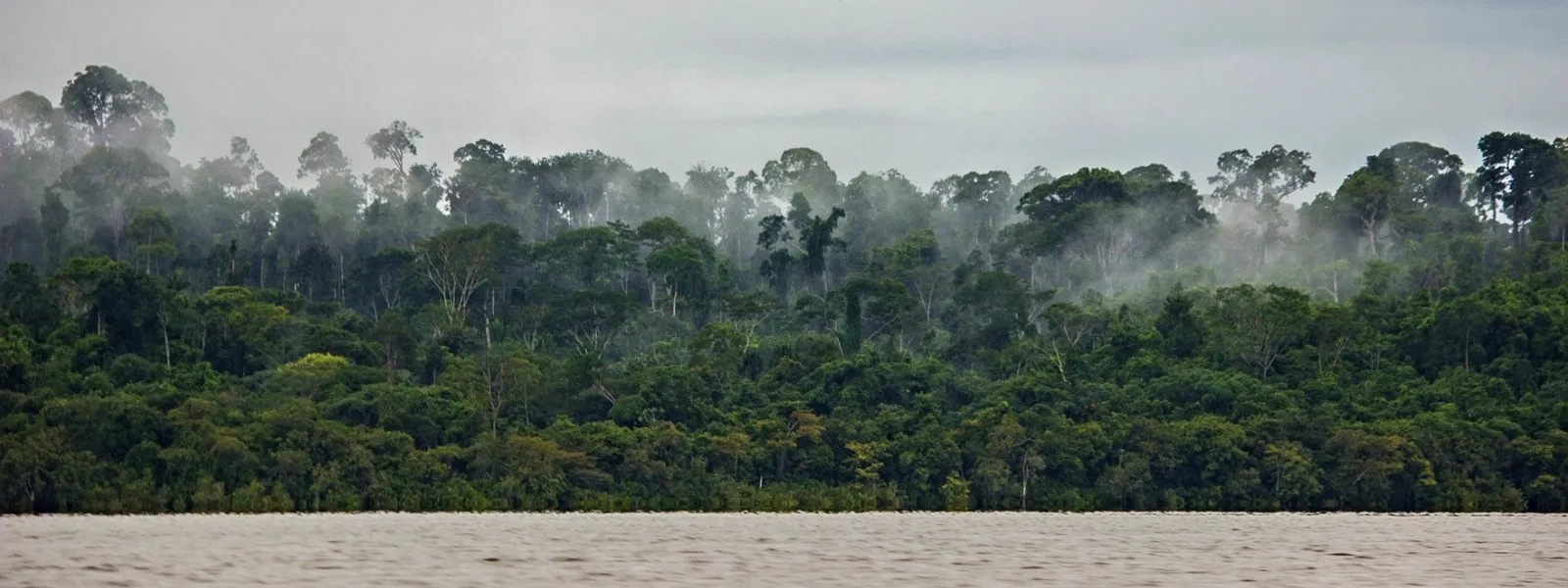
The Belo Monte Dam has caused an environmental and social disaster in the heart of the Amazon—one of the most important ecosystems on the planet.
This situation has only worsened since the hydroelectric plant began operations in 2016. The quest for justice and reparations by the affected indigenous, fishing, and riverine communities continues to this day.
In 2011, the Inter-American Commission on Human Rights (IACHR) granted them protective measures that, to date, have not been fully implemented by the Brazilian State.
Furthermore, since June of that same year, the IACHR has yet to rule on a complaint against the State regarding its international responsibility in the case.
The IACHR may refer the case to the Inter-American Court of Human Rights, which has the authority to issue a ruling condemning the Brazilian State.
Background
The Belo Monte hydroelectric plant—the fourth largest in the world by installed capacity (11,233 MW)—was built on the Xingu River in Pará, a state in northern Brazil.
It was inaugurated on May 5, 2016, with a single turbine. At that time, 80% of the river’s course was diverted, flooding 516 km² of land—an area larger than the city of Chicago. Of that area, 400 km² was native forest. The dam began operating at full capacity in November 2019.
Belo Monte was built and is operated by the Norte Energia S.A. consortium, which is composed primarily of state-owned companies. It was financed by the Brazilian Development Bank (BNDES), which provided the consortium with 25.4 billion reais (approximately US$10.16 billion), the largest investment in the bank’s history. Therefore, the BNDES is also legally responsible for the socio-environmental impacts associated with the hydroelectric plant.
Decades of harm to the environment and people
Human rights violations and degradation of the Amazon have been occurring since the project’s inception. In March 2011, Norte Energía began construction of the dam without adequate consultation and without the prior, free, and informed consent of the affected communities.
The construction caused the forced displacement of more than 40,000 people, severing social and cultural ties. The resettlement plan in Altamira—a city directly affected by the hydroelectric dam—involved housing units located on the outskirts, lacking adequate public services and decent living conditions for the relocated families, with no special provisions for those from indigenous communities.
Belo Monte's operations have caused a permanent, man-made drought in the Volta Grande (or "Great Bend") of the Xingu River, exacerbated by the historic droughts in the Amazon in 2023 and 2024. As a result, the deaths of millions of fish eggs were documented for four consecutive years (from 2021 to 2024), and for the past three years, there has been no upstream migration of fish to spawn and reproduce. Thus, artisanal fishing, the main source of protein for indigenous peoples and riverside communities, was severely affected: fish dropped from 50% to 30% of total protein consumed, replaced by processed foods. In summary, there was an environmental and humanitarian collapse that resulted in the breakdown of fishing as a traditional way of life, food insecurity, and access to drinking water for thousands of families, impoverishment, and disease.
Furthermore, the construction of the dam increased deforestation and intensified illegal logging and insecurity on indigenous and tribal lands, putting the survival of these communities at risk. Another consequence was the deepening of poverty and social conflicts, as well as the strain on health, education, and public safety systems in Altamira—a city ranked as the most violent in the country in 2017, where human trafficking and sexual violence increased. Violence was also reported against human rights defenders involved in the case.
In 2025, during the 30th UN Climate Change Conference (COP30), held in Brazil, the Federal Public Prosecutor’s Office labeled the damage caused by the Belo Monte dam as ecocide.
The search for justice and reparations
Over the years, the Federal Public Prosecutor’s Office in Pará, the Public Defender’s Office, and civil society organizations have filed dozens of legal actions in Brazilian courts to challenge the project’s various irregularities and its impacts. Most of the claims are still pending resolution, some for more than 10 years.
These efforts have failed because the national government has repeatedly overturned rulings in favor of the affected communities by invoking a mechanism that allowed a court president to suspend a judicial decision based solely on generic arguments such as "the national interest" or "economic order."
In the absence of effective responses at the national level, AIDA, together with a coalition of partner organizations, brought the case before the Inter-American Commission on Human Rights (IACHR) and, in 2010, requested precautionary measures to protect the lives, safety, and health of the affected indigenous communities.
On April 1, 2011, the IACHR granted these measures and requested that the Brazilian government suspend environmental permits and any construction work until the conditions related to prior consultation and the protection of the health and safety of the communities are met.
And on June 16, 2011 —together with the Xingu Vivo Para Sempre Movement, the Coordinating Committee of Indigenous Organizations of the Brazilian Amazon, the Diocese of Altamira, the Indigenous Missionary Council, the Pará Society for the Defense of Human Rights and Global Justice— we filed a formal complaint against the Brazilian State for its international responsibility in the violation of the human rights of the people affected in the case. The case was opened for processing in December 2015.
On August 3, 2011, the IACHR amended the precautionary measures to request, instead of the suspension of permits and construction, the protection of people living in voluntary isolation, the health of indigenous communities, and the regularization and protection of ancestral lands.
Current situation
The protective measures granted by the IACHR remain in effect, but the Brazilian government has not fully complied with them, reporting only on general actions. The communities have documented the ongoing violations of their rights. The situation that prompted the request for these measures—the risk to the lives, physical integrity, and ways of life of the communities—persists and has worsened with the hydroelectric plant operating at full capacity and the recent extreme droughts in the Amazon.
In addition to the impacts of Belo Monte, there is a risk of further social and environmental impacts from the implementation of another mining megaproject in the Volta Grande do Xingu. There, the Canadian company Belo Sun plans to build Brazil’s largest open-pit gold mine.
The combined and cumulative impacts of the dam and the mine were not assessed. The government excluded Indigenous peoples, riverine and peasant communities from the project’s environmental permitting process. Despite protests by Indigenous communities and other irregularities surrounding the project, the government of Pará formally authorized the mine in April 2026.
Like other hydroelectric dams, Belo Monte exacerbates the climate emergency by generating greenhouse gas emissions in its reservoir. And it is inefficient amid the longer, more intense droughts caused by the crisis, as it loses its ability to generate power.
The case before the Inter-American Commission
In October 2017, the IACHR announced that it would rule jointly on the admissibility (whether the case meets the requirements for admission) and the merits (whether a human rights violation actually occurred) of the international complaint against the Brazilian State.
Fifteen years after the complaint was filed, the affected communities and the organizations representing them are still awaiting this decision. If the IACHR concludes that human rights violations occurred and issues recommendations that the Brazilian State fails to comply with, it may refer the case to the Inter-American Court of Human Rights, whose rulings are binding.
A potential ruling by the international court in this case would set a regional legal precedent regarding the rights of indigenous and riverine peoples, public participation in megaprojects, and state responsibility in the context of the climate crisis—a precedent that is particularly relevant in light of the Court’s Advisory Opinion No. 32, which reaffirmed the obligations of States to protect the people and communities of the continent from the climate emergency.
Partners:
Related projects
Attacks against Guatemalan human rights defenders denounced
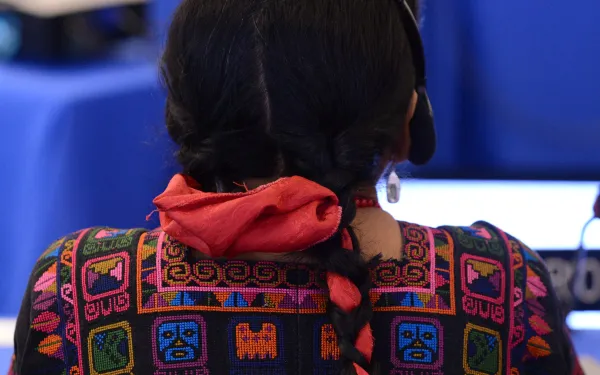
Communities and organizations appealed to the Inter-American Commission on Human Rights, urging the State of Guatemala, private businesses, and investors to guarantee the human rights of people and communities affected by large hydroelectric projects. They presented a report, outlining 10 different cases, which documents 273 incidents of threats, criminalization, and attacks against defenders, traditional authorities, journalists, and communities. Criminalization included 103 arrest warrants, imprisonment of 36 defenders, and the murder of 11. Washington, DC, United States. A coalition of communities and organizations denounced human rights violations against traditional and indigenous communities in Guatemala, at a hearing before the Inter-American Commission on Human Rights. Because of their opposition to large hydroelectric projects, the human rights defenders have been threatened, assaulted, treated as criminals, and assassinated. A report presented before the Commission, featuring 10 different cases, notes that various communities confronting these projects have faced rights abuses including violations of their rights to free, prior, informed, and culturally appropriate consultation; self-determination; due process; and life. The report also outlines how those who defend affected people and communities have been victims of threats and aggressions. The most common attacks include arrest warrants (103), assaults resulting in injuries (56), imprisonment (36), detention (25), criminalization (16), and threats (15). There have been 11 documented murders and three conflict-related deaths in communities that oppose these hydroelectric projects. At least 19 companies are linked to hydroelectric projects in Guatemala, of which 55 percent are national, 40 percent are transnational, and five percent are State-owned. The complaints emphasized that it is the duty of the State to guarantee the rights of communities, and of the people who defend them. The obligation to respect human rights also extends to operating companies and project funders. Therefore, the organizations and communities ask the Guatemalan State to: Comprehensively respect the rights of indigenous people, including the rights to self-determination; consultation; and free, prior, informed, and culturally appropriate consent. Ensure the safety of human rights defenders. Include the participation of indigenous communities in the design and implementation of their energy-development policies. They also request the companies involved to: Comply with due diligence in matters of business and human rights. Refrain from taking actions, such as filing lawsuits, that result in criminalization of and attacks on human rights defenders. Publicly recognize the positive and fundamental role of human rights defenders in democracy. The complete report (in Spanish) is available here. Authors Include: Acompañamiento de Austria (ADA); Asamblea Departamental de Pueblos de Huehuetenango (ADH); Asociación de Abogados Mayas de Guatemala; Asociación Indígena Ch`Orti` Nuevo Día; Interamerican Association for Environmental Defense (AIDA); Business and Human Rights Resource Center; Consejo del Pueblo Maya (CPO) Consejo Mam; Guatemala Human Rights Commission, USA (GHRC); Guatemala Solidarity Network; Microregión de Ixquisis, San Mateo Ixtatán; The Swedish Fellowship of Reconciliation (SweFOR); PAYXAIL YAJAW KONOB (Gobierno Ancestral Plurinacional) AKATEKA, CHUJ, POPTI’, Q’ANJOB’AL; International Platform Against Impunity; Protection International; Proyecto Acompañamiento Quebec Guatemala Montréal, Canadá; Resistencia Río Dolores and Unidad de Protección a Defensoras y Defensores de Derechos Humanos (UDEFEGUA). Press contacts: Karen Hudlet, Business and Human Rights Resource Center, [email protected] Rodrigo da Costa Sales, Interamerican Association for Environmental Defense (AIDA), [email protected]
Read more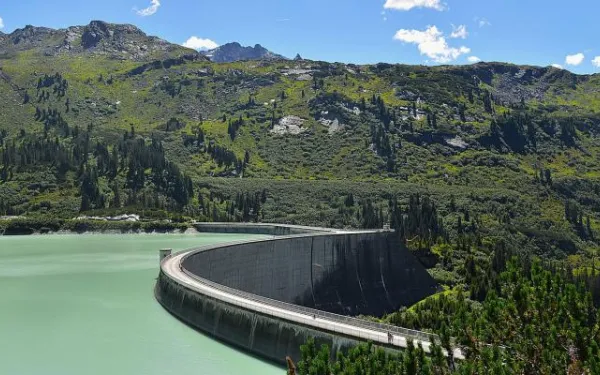
Changing the way we approach large dams
Cigarettes once served to cure cough; lead-based makeup was fashionable; and DDT, a highly toxic insecticide, was used in gardens where children played. At the time, little was known of their grave impacts on health and the environment. These facts may shock us now, but once they were normal. Cigarettes, lead, and DDT were widely believed to be more beneficial than harmful to humanity. Thanks to science, we learned of their serious health and environmental impacts. We’re learning the same now about large dams. A photograph of a dam surrounded by trees is as misleading as the doctor-approved cigarette ads once were. In the last decade, we’ve seen that the damage dams do to communities and ecosystems is far greater than the benefits they provide. Recently, an academic study confirmed something even more worrying: large dams aggravate climate change. At the end of 2016, researchers from Washington State University (WSU) concluded that reservoirs around the world, not just those in tropical areas, generate 1.3 percent of the total greenhouse gases produced by mankind. Dams, they found, are an “underestimated” source of contaminating emissions, particularly methane, a pollutant 34 times more effective at trapping heat than carbon dioxide. These findings have not yet been properly absorbed. Large dams continue to be funded and promoted as clean energy. Some countries boast nearly 100 percent renewable energy, yet reports show that at least half of that is hydroelectric energy, produced primarily by large dams. Violating human rights Even before WSU’s study was made public, the damage large dams do to communities and the environment was well documented. Dams disrupt traditional lifestyles, and affected communities are forced to adapt to new environmental conditions, such as altered river flow and species migration. Many communities have also been victims of forced displacement and fall into poverty as a result. In the Brazilian Amazon, the Belo Monte Dam provides a prime example of the ways dams cause negative impacts on both people and the environment. At AIDA, we’ve worked hand-in-hand with the indigenous and river communities of the Xingu River Basin, who have seen the trees fall around them, the red earth spread like a stain across their forest, the fish disappear from their rivers, and their small islands submerged. For those living in Altamira, the city nearest the dam, living conditions also worsened significantly, with increased violence, substance abuse, and prostitution. This story has been repeated thousands of times around the world. According to International Rivers, 57 thousand large dams had been built by 2015, disrupting more than half of the world’s rivers and causing the displacement of at least 40 million people. What can we do? Although the WSU study may surprise governments and corporations that promote the construction of large dams, for the health of the planet the trend must be stopped. Environmentally friendly alternatives exist, which do not imply the same social, economic and climatic impacts as dams. Hope can be found in the Brazilian Amazon with the Munduruku tribe. Last year, their long fight paid off with the cancellation of a large dam project on the Tapajós River, the sacred waterway on which their lifestyle depends. The decision to cancel the dam was backed with evidence of the impacts dams have on communities and ecosystems, exemplified by the case of Belo Monte. Recently, the Munduruku gathered to discuss and find solutions for the threats they continue to face as development rages in the Amazon. Solutions include the decentralization of energy sources, the promotion of small-scale projects, and solar and geothermal energy, all of which must be accompanied by adequate community-consultation processes. But they must be studied on a case-by-case basis and according to available resources, as what’s best for one community may not be best for another. Funding must carefully evaluate which projects to support, analyzing in detail the potential socio-environmental impacts. It may sound like people are making all the wrong decisions, but now is no time to be discouraged. We have the scientific information we need to care for our planet. Societal changes prove that we can change our actions to prioritize our health. Why can’t we do the same for the health of our planet? In the last several decades, the number of smokers has drastically decreased, we’ve stopped lacing makeup and other products with lead, and DDT has been regulated. In terms of large dams, the solution lies in re-thinking the way we produce energy and prioritizing the preservation of our free-flowing rivers.
Read more
Letter to Green Climate Fund Board and Advisors: Concern regarding the use of GCF resources to support large hydropower
We write to express our concern regarding the use of GCF resources to support large hydropower in general, and in particular the following proposals in the GCF pipeline: Qairokkum Hydropower Rehabilitation, Tajikistan Upper Trishuli-1, Nepal Tina River Hydro Project, Solomon Islands Large hydropower is a non-innovative, last-century technology with dubious climate mitigation benefits and a long track record of exceedingly high financial, environmental, and social costs. Supporting such proposals would not be consistent with the Fund’s goal, to promote a paradigm shift toward lowemission, climate resilient development, in the context of sustainable development. Further, large hydropower projects would not meet the GCF’s selection criteria related to impact, paradigm shift potential, sustainable development, and efficiency and effectiveness. The reasons why the GCF should not support large hydropower are described in the annex, and briefly summarized here: Large dams are vulnerable to climate change: more frequent droughts make them inefficient and increased rainfall reduces their lifespan. Large dams exacerbate climate change: considerable amounts of greenhouse gasses, notably methane (30 times more potent than CO2), are emitted from reservoirs; and their construction damages carbon sinks, including forests and rivers. Large dams harm biodiversity, which in turn impairs communities’ capacity to adapt to a changing climate. Large dams can negatively affect local communities by impoverishing them, breaking social networks, and negatively affecting livelihoods and cultures. Large dams can become dangerous: climate change-related extreme weather events and earthquakes can cause dams to fail, jeopardizing lives and property downstream. Large dams are not economical and are ill suited to address urgent energy needs: recent studies clearly demonstrate that large dams typically suffer significant cost and time overruns. Better energy options are widely available and the GCF should play a fundamental role in promoting them.
Read more