
Project
Amazon Watch / Maíra Irigaray
The Belo Monte Dam on the Xingu River: 10 years of impacts in the Amazon and the search for reparations
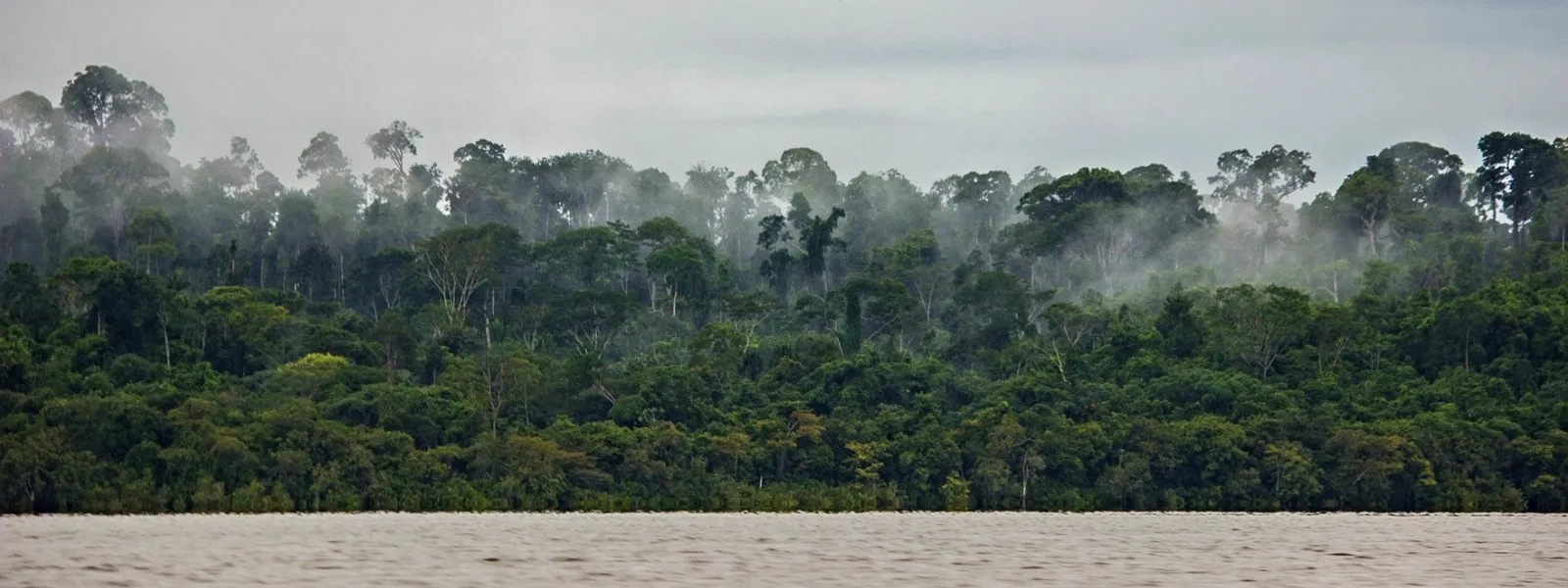
The Belo Monte Dam has caused an environmental and social disaster in the heart of the Amazon—one of the most important ecosystems on the planet.
This situation has only worsened since the hydroelectric plant began operations in 2016. The quest for justice and reparations by the affected indigenous, fishing, and riverine communities continues to this day.
In 2011, the Inter-American Commission on Human Rights (IACHR) granted them protective measures that, to date, have not been fully implemented by the Brazilian State.
Furthermore, since June of that same year, the IACHR has yet to rule on a complaint against the State regarding its international responsibility in the case.
The IACHR may refer the case to the Inter-American Court of Human Rights, which has the authority to issue a ruling condemning the Brazilian State.
Background
The Belo Monte hydroelectric plant—the fourth largest in the world by installed capacity (11,233 MW)—was built on the Xingu River in Pará, a state in northern Brazil.
It was inaugurated on May 5, 2016, with a single turbine. At that time, 80% of the river’s course was diverted, flooding 516 km² of land—an area larger than the city of Chicago. Of that area, 400 km² was native forest. The dam began operating at full capacity in November 2019.
Belo Monte was built and is operated by the Norte Energia S.A. consortium, which is composed primarily of state-owned companies. It was financed by the Brazilian Development Bank (BNDES), which provided the consortium with 25.4 billion reais (approximately US$10.16 billion), the largest investment in the bank’s history. Therefore, the BNDES is also legally responsible for the socio-environmental impacts associated with the hydroelectric plant.
Decades of harm to the environment and people
Human rights violations and degradation of the Amazon have been occurring since the project’s inception. In March 2011, Norte Energía began construction of the dam without adequate consultation and without the prior, free, and informed consent of the affected communities.
The construction caused the forced displacement of more than 40,000 people, severing social and cultural ties. The resettlement plan in Altamira—a city directly affected by the hydroelectric dam—involved housing units located on the outskirts, lacking adequate public services and decent living conditions for the relocated families, with no special provisions for those from indigenous communities.
Belo Monte's operations have caused a permanent, man-made drought in the Volta Grande (or "Great Bend") of the Xingu River, exacerbated by the historic droughts in the Amazon in 2023 and 2024. As a result, the deaths of millions of fish eggs were documented for four consecutive years (from 2021 to 2024), and for the past three years, there has been no upstream migration of fish to spawn and reproduce. Thus, artisanal fishing, the main source of protein for indigenous peoples and riverside communities, was severely affected: fish dropped from 50% to 30% of total protein consumed, replaced by processed foods. In summary, there was an environmental and humanitarian collapse that resulted in the breakdown of fishing as a traditional way of life, food insecurity, and access to drinking water for thousands of families, impoverishment, and disease.
Furthermore, the construction of the dam increased deforestation and intensified illegal logging and insecurity on indigenous and tribal lands, putting the survival of these communities at risk. Another consequence was the deepening of poverty and social conflicts, as well as the strain on health, education, and public safety systems in Altamira—a city ranked as the most violent in the country in 2017, where human trafficking and sexual violence increased. Violence was also reported against human rights defenders involved in the case.
In 2025, during the 30th UN Climate Change Conference (COP30), held in Brazil, the Federal Public Prosecutor’s Office labeled the damage caused by the Belo Monte dam as ecocide.
The search for justice and reparations
Over the years, the Federal Public Prosecutor’s Office in Pará, the Public Defender’s Office, and civil society organizations have filed dozens of legal actions in Brazilian courts to challenge the project’s various irregularities and its impacts. Most of the claims are still pending resolution, some for more than 10 years.
These efforts have failed because the national government has repeatedly overturned rulings in favor of the affected communities by invoking a mechanism that allowed a court president to suspend a judicial decision based solely on generic arguments such as "the national interest" or "economic order."
In the absence of effective responses at the national level, AIDA, together with a coalition of partner organizations, brought the case before the Inter-American Commission on Human Rights (IACHR) and, in 2010, requested precautionary measures to protect the lives, safety, and health of the affected indigenous communities.
On April 1, 2011, the IACHR granted these measures and requested that the Brazilian government suspend environmental permits and any construction work until the conditions related to prior consultation and the protection of the health and safety of the communities are met.
And on June 16, 2011 —together with the Xingu Vivo Para Sempre Movement, the Coordinating Committee of Indigenous Organizations of the Brazilian Amazon, the Diocese of Altamira, the Indigenous Missionary Council, the Pará Society for the Defense of Human Rights and Global Justice— we filed a formal complaint against the Brazilian State for its international responsibility in the violation of the human rights of the people affected in the case. The case was opened for processing in December 2015.
On August 3, 2011, the IACHR amended the precautionary measures to request, instead of the suspension of permits and construction, the protection of people living in voluntary isolation, the health of indigenous communities, and the regularization and protection of ancestral lands.
Current situation
The protective measures granted by the IACHR remain in effect, but the Brazilian government has not fully complied with them, reporting only on general actions. The communities have documented the ongoing violations of their rights. The situation that prompted the request for these measures—the risk to the lives, physical integrity, and ways of life of the communities—persists and has worsened with the hydroelectric plant operating at full capacity and the recent extreme droughts in the Amazon.
In addition to the impacts of Belo Monte, there is a risk of further social and environmental impacts from the implementation of another mining megaproject in the Volta Grande do Xingu. There, the Canadian company Belo Sun plans to build Brazil’s largest open-pit gold mine.
The combined and cumulative impacts of the dam and the mine were not assessed. The government excluded Indigenous peoples, riverine and peasant communities from the project’s environmental permitting process. Despite protests by Indigenous communities and other irregularities surrounding the project, the government of Pará formally authorized the mine in April 2026.
Like other hydroelectric dams, Belo Monte exacerbates the climate emergency by generating greenhouse gas emissions in its reservoir. And it is inefficient amid the longer, more intense droughts caused by the crisis, as it loses its ability to generate power.
The case before the Inter-American Commission
In October 2017, the IACHR announced that it would rule jointly on the admissibility (whether the case meets the requirements for admission) and the merits (whether a human rights violation actually occurred) of the international complaint against the Brazilian State.
Fifteen years after the complaint was filed, the affected communities and the organizations representing them are still awaiting this decision. If the IACHR concludes that human rights violations occurred and issues recommendations that the Brazilian State fails to comply with, it may refer the case to the Inter-American Court of Human Rights, whose rulings are binding.
A potential ruling by the international court in this case would set a regional legal precedent regarding the rights of indigenous and riverine peoples, public participation in megaprojects, and state responsibility in the context of the climate crisis—a precedent that is particularly relevant in light of the Court’s Advisory Opinion No. 32, which reaffirmed the obligations of States to protect the people and communities of the continent from the climate emergency.
Partners:
Related projects
Meeting the Munduruku, sharing the lessons of Belo Monte
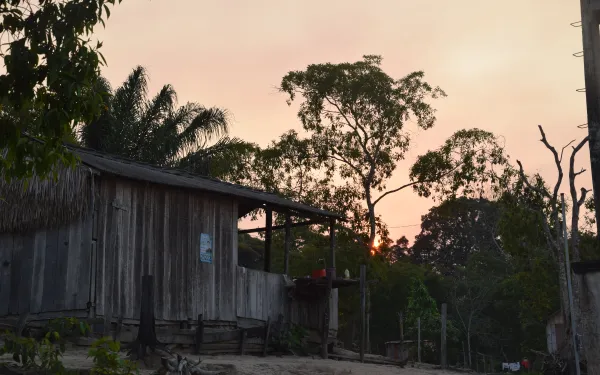
Beneath a thatched-roof hut along the Tapajós River, Munduruku people from communities across this region of pristine Amazon rainforest gathered for a general assembly. There were tribal elders and children, mothers and fathers, representatives from NGOs and government bodies. They came together to discuss problems, and to find solutions. They came to chart a course forward that would enable them to continue to live and grow in harmony with the natural world. October’s assembly was their first meeting since the announcement of the cancellation of the Tapajós Dam; its license was denied due to the severe environmental impacts it would cause. The rejection was a triumphant victory for the movement to protect Brazil’s Amazon, after years of disappointment and defeat caused by the nearby Belo Monte Dam. Yet, touting energy and economic gains, the Brazilian government plans to build dozens more large dams in the region. I was there because of Belo Monte: to share stories, strategies, and lessons learned from our advocacy for the people of the Xingú River who have been impacted by the dam. With me I brought a team from Climate Reality who produced a short documentary to share these stories with the world. While the fight for the people of the Xingú has been long, we remain committed to achieving justice for them. By taking their case before the Inter-American Commission on Human Rights, we intend to influence decision-making in Brazil and discourage the implementation of more large dams in the Amazon, including those planned for the Tapajós River basin. The devastation caused by Belo Monte has become a cautionary tale for neighboring tribes like the Munduruku. Because of the harm done to the people and life of the Xingú, the Munduruku understand exactly what they have to lose if the dam on the Tapajós were to happen. They would lose their homes, their sacred sites, and their connection to their ancestors. They would lose their river. Like the Xingú is to the Kayapo and Juruna people, the Tapajós is to the Munduruku. It is their highway and their supermarket; a sacred waterway, and a divine gift. They thank their gods for the bounty provided by their healthy jungle home, for the tinguejada (fish), and for all that the river gives them. It was an honor to be present to witness the strength and unity of the Munduruku people. It was humbling to join my voice with theirs. I hope that the voices of the Munduruku are heard. I hope their territory is respected, and the dam and other development projects stopped for good. And I hope the Brazilian government learns the lesson that countless indigenous people already have—large dams must stay out of the Amazon!
Read more
2016: 6 reasons to maintain hope for the environment
By Laura Yaniz 2016 was not an easy year. It was especially trying for the fight to protect the environment in Latin America. The loss of brave defenders broke our hearts. The international political environment became so tense after the US presidential election that we learned to take nothing for granted. The effects of climate change hit us hard, and then harder. But it has not all been grim. This year has also given us important reasons to keep the hope alive. Progress, good news and important victories lay a path to a brighter new year. Here are six pieces of good news to help you recharge and have hope for our natural world: 1. The World Bank said “No” to mining in the Santurbán páramo Just ten days before the end of the year, the International Finance Corporation, part of the World Bank Group, decided to divest from Canadian company Eco Oro Minerals. Their funding withdrawal includes the Angostura mining project, which has for years threatened the Santurbán páramo, a water source for millions of people in Colombia. It is a victory to which AIDA and our allies have contributed greatly. Now it’s the government’s turn—in accordance with national laws, they must deny all environmental permits for mining projects in Santurbán, and all other Colombian páramos. The fight for Santurbán isn’t over. Next year we’ll continue to closely monitor Eco Oro, who has filed an international arbitration suit against Colombia for measures the nation has taken to protect its páramos, among them, the high court decision to ban all mining in these sensitive ecosystems. 2. The Indigenous struggle gains strength, and wins! The struggle of the Sioux tribe against the Dakota Access pipeline became a global movement. The largest gathering of Native Americans in history inspired solidarity from artists, veterans, activists, and indigenous groups around the world. They won an important victory when the project was suspended. In Brazil, after years of perseverance, the Munduruku people of the Amazon also emerged victorious when the government denied the environmental license for a dam on the Tapajós River that would have threatened their culture and way of life. These important achievements give us hope. They highlight the need to uplift the voices and support the struggles of the world’s indigenous peoples who, according to the World Bank, protect 80 percent of our planet’s biodiversity. 3. A new climate accord is underway On November 4, the Paris Agreement on climate change entered into force. It happened years sooner than anticipated. The global political achievement was propelled by the ratification of the accord by Latin American and European nations, as well as by China and the United States (the two largest emitters of greenhouse gases). The validity of the agreement impels all nations, developed and developing, to make their commitments a reality. During the 22nd UN Climate Convention in Morocco, as a civil society observer, AIDA contributed to ensuring progress was made on securing funding to help developing countries confront the impacts of climate change. The additional news that the ozone is recovering—a fact made possible by the Montreal Protocol—gives us hope that global commitments like this one can actually bear fruit. 4. Our oceans are protected Important steps were made, nationally and internationally, to protect our world’s oceans and the many incredible creatures that call them home. Mexico created the largest expanse of natural protected areas in its history; the nation’s protected oceans are now nearly half the size of its landmass. In the United States, the expansion of a Hawaiian marine reserve made it one of the largest protected areas on Earth. In Ecuador, the Galapagos Islands reserve was also expanded to protect the sensitive marine life it shelters. Beyond national borders, the global community made important progress on protecting our common waters through the development of a new treaty to protect the high seas. AIDA has brought the voice of Latin America into that discussion. 5. Dam-free rivers In Chile, after decades of strong opposition, one company announced it was giving up on building large dams on five virgin rivers. In Peru, the new government announced that Amazon dams are not on their agenda. In Brazil, the government denied a dam that would have altered the course of the Tapajós River. In the United States, dam removal is well underway, enabling the return of native species and the restoration of ecosystems. Additionally, a recent scientific study confirmed that dam reservoirs are a major source of greenhouse gases, worsening climate change. The findings strengthen arguments we’ve been making for years—large dams are not a solution to climate change; they are part of the problem. 6. Your support Our work this year on behalf of Latin America’s environment would not have been possible without your support. When you write to us, donate photographs, join our team of volunteers and interns, or make a donation, you encourage us to keep fighting. These are messages of hope that remind us how important it is to keeping working for a better future for our children, for yours, and for those of the communities we support. We know that you don’t just follow our work, but bring it home and do all you can, in your daily life, to care for the planet, our collective home. Thank you for giving us hope! Happy 2017!
Read more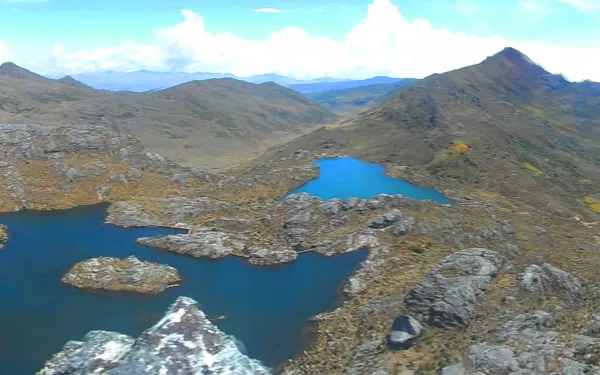
World Bank divests from Eco Oro Minerals and mining project in Colombian Páramo
In an important step for the protection of Colombia’s páramos, the International Finance Corporation (IFC) – the private lending arm of the World Bank – has decided to divest from Canadian mining company Eco Oro Minerals. The company’s Angostura gold mining project is located in the Santurbán Páramo, a protected ecosystem that provides water to millions of people. Bogota, Washington, Ottawa, Amsterdam. The International Finance Corporation (IFC), private lending arm of the World Bank Group, has decided to divest from Canadian company Eco Oro Minerals. The company’s Angostura mine is located in Colombia’s Santurbán Páramo, a protected high-altitude ecosystem that provides water to millions of people. Colombian law prohibits mining in páramos. "We applaud the Bank’s decision to side with the Committee for the Defense of Water and the Santurbán Páramo regarding the inviability of mining in the páramo," said Alix Mancilla, representative of the Committee. "We now call on the Colombian government to abstain from issuing environmental permits to any mining project which may affect Santurbán." "The IFC’s divestment is a serious political and financial blow to mining in the Santurbán páramo," said Carlos Lozano Acosta of the Interamerican Association for Environmental Defense (AIDA). "The Colombian government must now reflect on its lenient approach to large scale mining in páramos, which is illegal under national law." The IFC’s decision comes after a report issued by the Office of the Compliance Advisor Ombudsman (CAO), an independent accountability mechanism, which found that the IFC's investment did not adequately consider the environmental and social impacts of the project, breaching the financial institution's internal policies. The report was developed in response to a complaint the Committee filed before the CAO in 2012, with support from the international organizations included herein. "After intense public pressure, the IFC finally got the message and, by divesting, amplifies it further. The decision to divest strengthens the Colombian State’s ability to protect water and regulate in the public interest. We applaud this decision by the IFC, which will have an impact on Colombians everywhere," affirmed Carla Garcia Zendejas of the Center for International Environmental Law (CIEL). The IFC's decision occurs in the context of Eco Oro’s announcement that it has initiated international arbitration against Colombia, under the terms of the Canada-Colombia Free Trade Agreement at the International Centre for Settlement of Investment Disputes (ICSID), part of the World Bank. The company is filing the suit over the State’s measures to protect Colombia’s páramos. "Eco Oro Minerals' interest in Colombia is no longer about mining. Rather, it is about extorting a sovereign government for millions in taxpayer dollars and exerting pressure to weaken protections for water in Colombia. The IFC’s divestment not only extricates the Bank from a clear conflict of interest, but also highlights the presence of ill-advised mining projects in the Colombian páramo and the illegitimacy of the suit," added Garcia Zendejas of CIEL.
Read more