
Project
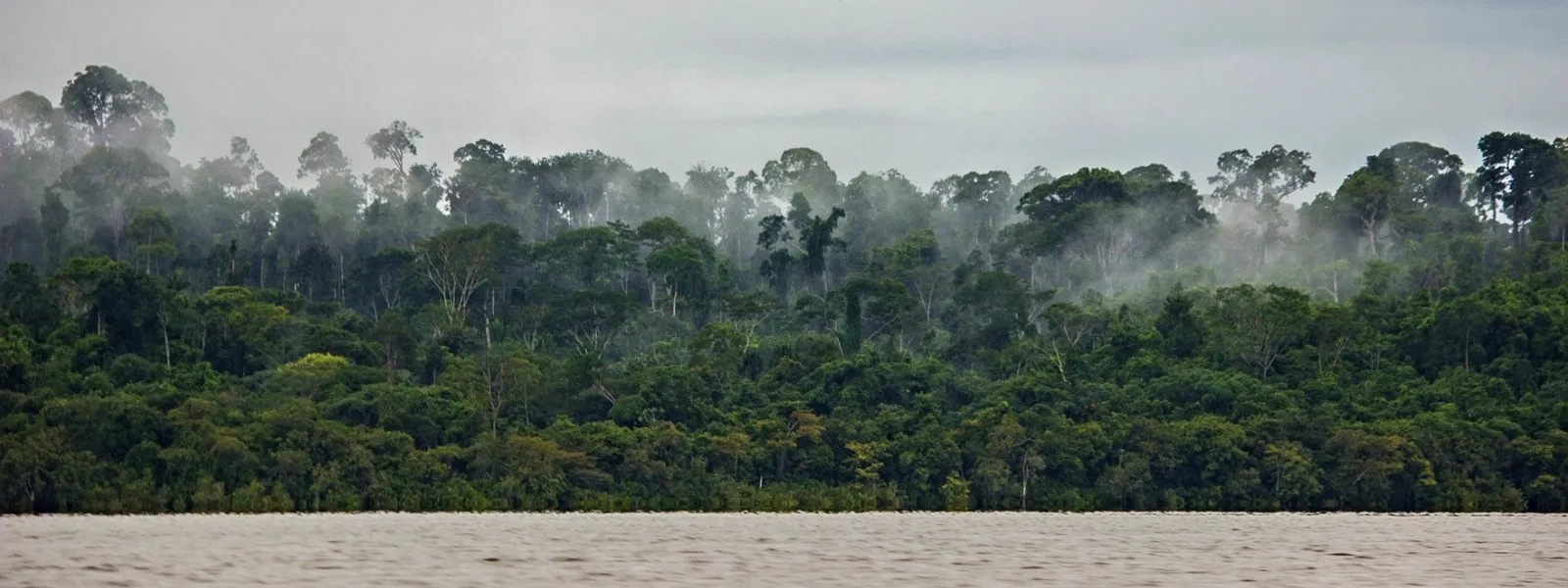
Amazon Watch / Maíra Irigaray
The Belo Monte Dam on the Xingu River: 10 years of impacts in the Amazon and the search for reparations
The Belo Monte Dam has caused an environmental and social disaster in the heart of the Amazon—one of the most important ecosystems on the planet.
This situation has only worsened since the hydroelectric plant began operations in 2016. The quest for justice and reparations by the affected indigenous, fishing, and riverine communities continues to this day.
In 2011, the Inter-American Commission on Human Rights (IACHR) granted them protective measures that, to date, have not been fully implemented by the Brazilian State.
Furthermore, since June of that same year, the IACHR has yet to rule on a complaint against the State regarding its international responsibility in the case.
The IACHR may refer the case to the Inter-American Court of Human Rights, which has the authority to issue a ruling condemning the Brazilian State.
Background
The Belo Monte hydroelectric plant—the fourth largest in the world by installed capacity (11,233 MW)—was built on the Xingu River in Pará, a state in northern Brazil.
It was inaugurated on May 5, 2016, with a single turbine. At that time, 80% of the river’s course was diverted, flooding 516 km² of land—an area larger than the city of Chicago. Of that area, 400 km² was native forest. The dam began operating at full capacity in November 2019.
Belo Monte was built and is operated by the Norte Energia S.A. consortium, which is composed primarily of state-owned companies. It was financed by the Brazilian Development Bank (BNDES), which provided the consortium with 25.4 billion reais (approximately US$10.16 billion), the largest investment in the bank’s history. Therefore, the BNDES is also legally responsible for the socio-environmental impacts associated with the hydroelectric plant.
Decades of harm to the environment and people
Human rights violations and degradation of the Amazon have been occurring since the project’s inception. In March 2011, Norte Energía began construction of the dam without adequate consultation and without the prior, free, and informed consent of the affected communities.
The construction caused the forced displacement of more than 40,000 people, severing social and cultural ties. The resettlement plan in Altamira—a city directly affected by the hydroelectric dam—involved housing units located on the outskirts, lacking adequate public services and decent living conditions for the relocated families, with no special provisions for those from indigenous communities.
Belo Monte's operations have caused a permanent, man-made drought in the Volta Grande (or "Great Bend") of the Xingu River, exacerbated by the historic droughts in the Amazon in 2023 and 2024. As a result, the deaths of millions of fish eggs were documented for four consecutive years (from 2021 to 2024), and for the past three years, there has been no upstream migration of fish to spawn and reproduce. Thus, artisanal fishing, the main source of protein for indigenous peoples and riverside communities, was severely affected: fish dropped from 50% to 30% of total protein consumed, replaced by processed foods. In summary, there was an environmental and humanitarian collapse that resulted in the breakdown of fishing as a traditional way of life, food insecurity, and access to drinking water for thousands of families, impoverishment, and disease.
Furthermore, the construction of the dam increased deforestation and intensified illegal logging and insecurity on indigenous and tribal lands, putting the survival of these communities at risk. Another consequence was the deepening of poverty and social conflicts, as well as the strain on health, education, and public safety systems in Altamira—a city ranked as the most violent in the country in 2017, where human trafficking and sexual violence increased. Violence was also reported against human rights defenders involved in the case.
In 2025, during the 30th UN Climate Change Conference (COP30), held in Brazil, the Federal Public Prosecutor’s Office labeled the damage caused by the Belo Monte dam as ecocide.
The search for justice and reparations
Over the years, the Federal Public Prosecutor’s Office in Pará, the Public Defender’s Office, and civil society organizations have filed dozens of legal actions in Brazilian courts to challenge the project’s various irregularities and its impacts. Most of the claims are still pending resolution, some for more than 10 years.
These efforts have failed because the national government has repeatedly overturned rulings in favor of the affected communities by invoking a mechanism that allowed a court president to suspend a judicial decision based solely on generic arguments such as "the national interest" or "economic order."
In the absence of effective responses at the national level, AIDA, together with a coalition of partner organizations, brought the case before the Inter-American Commission on Human Rights (IACHR) and, in 2010, requested precautionary measures to protect the lives, safety, and health of the affected indigenous communities.
On April 1, 2011, the IACHR granted these measures and requested that the Brazilian government suspend environmental permits and any construction work until the conditions related to prior consultation and the protection of the health and safety of the communities are met.
And on June 16, 2011 —together with the Xingu Vivo Para Sempre Movement, the Coordinating Committee of Indigenous Organizations of the Brazilian Amazon, the Diocese of Altamira, the Indigenous Missionary Council, the Pará Society for the Defense of Human Rights and Global Justice— we filed a formal complaint against the Brazilian State for its international responsibility in the violation of the human rights of the people affected in the case. The case was opened for processing in December 2015.
On August 3, 2011, the IACHR amended the precautionary measures to request, instead of the suspension of permits and construction, the protection of people living in voluntary isolation, the health of indigenous communities, and the regularization and protection of ancestral lands.
Current situation
The protective measures granted by the IACHR remain in effect, but the Brazilian government has not fully complied with them, reporting only on general actions. The communities have documented the ongoing violations of their rights. The situation that prompted the request for these measures—the risk to the lives, physical integrity, and ways of life of the communities—persists and has worsened with the hydroelectric plant operating at full capacity and the recent extreme droughts in the Amazon.
In addition to the impacts of Belo Monte, there is a risk of further social and environmental impacts from the implementation of another mining megaproject in the Volta Grande do Xingu. There, the Canadian company Belo Sun plans to build Brazil’s largest open-pit gold mine.
The combined and cumulative impacts of the dam and the mine were not assessed. The government excluded Indigenous peoples, riverine and peasant communities from the project’s environmental permitting process. Despite protests by Indigenous communities and other irregularities surrounding the project, the government of Pará formally authorized the mine in April 2026.
Like other hydroelectric dams, Belo Monte exacerbates the climate emergency by generating greenhouse gas emissions in its reservoir. And it is inefficient amid the longer, more intense droughts caused by the crisis, as it loses its ability to generate power.
The case before the Inter-American Commission
In October 2017, the IACHR announced that it would rule jointly on the admissibility (whether the case meets the requirements for admission) and the merits (whether a human rights violation actually occurred) of the international complaint against the Brazilian State.
Fifteen years after the complaint was filed, the affected communities and the organizations representing them are still awaiting this decision. If the IACHR concludes that human rights violations occurred and issues recommendations that the Brazilian State fails to comply with, it may refer the case to the Inter-American Court of Human Rights, whose rulings are binding.
A potential ruling by the international court in this case would set a regional legal precedent regarding the rights of indigenous and riverine peoples, public participation in megaprojects, and state responsibility in the context of the climate crisis—a precedent that is particularly relevant in light of the Court’s Advisory Opinion No. 32, which reaffirmed the obligations of States to protect the people and communities of the continent from the climate emergency.
Partners:
Related projects

Celebrating hope for oceans
By Gladys Martínez This month I’m celebrating my tenth anniversary with AIDA. For a decade now, I’ve been working for environmental justice and realizing one of my lifelong dreams: defending that which has no voice. In all this time, my best clients have been the oceans and their coasts. Experience has taught me that life depends on the oceans. That’s why I was happy to spend my anniversary working to create a new treaty to protect life in the high seas. The high seas are considered international waters, and because they belong to no country, there is no legal protection for the plants and animals that call them home. A treaty that provided that protection would give a second chance to the oceans and to those who most depend on them: all of us. Time for reflection Throughout my career as an environmental attorney, I’ve worked to limit the negative impacts of illegal and excessive fishing. On behalf of AIDA, and in alliance with our partner organizations, I’ve used international law to promote sustainable fishing and the conservation of wetlands, mangroves, and coral reefs. During the last several years I’ve had the honor of working beside Sandra Moguel, AIDA’s marine attorney in Mexico. Because of Sandra’s dedication and leadership, we’ve been able to preserve Mexico’s ocean, coastline and the communites threatened by short-sighted development. Sandra recently moved on from AIDA to work with our partners at the Mexican Center for Environmental Law (CEMDA), as Director of their Southeast Regional Office. Though I, and all of us at AIDA, will miss having her by our side, her new position fills me with great hope for Mexico, and the fight to defend the country’s rich environmental heritage. Sandra’s work to protect Mexico’s coastal wetlands, rivers, and oceans will not soon be forgotten. We will build upon her successes and continue the fight to preserve our region’s waters and defend the communities that depend upon them. A new hope That fight took me most recently to New York City, with the High Seas Alliance, to assist in the development of the high seas treaty. This year I’ve participated in two sessions of the treaty’s Preparatory Committee, alongside State representatives and civil society. We aim to complete the agreement within two years. It will be implemented under the United Nations Convention on the Law of the Sea. As a representative of AIDA, the only Latin American organization involved in the treaty’s planning meetings, I’m working to ensure the high seas recieve the same protections as the national waters we’ve fought so long to defend. The high seas treaty is a truly collaborative effort that holds great hope for the protection of our planet’s international waters. Responsible to my region As a Costa Rican, I feel a responsibility to care for the natural heritage of Latin America. I also believe in the importance of creating marine reserves in international waters. Doing so would reduce the pressure of fishing on marine resources, create a more balanced environment, and ease the stress ecosystems and their inhabitants face when adapting to climate change. The international waters that surround our region are blessed with many areas of great importance to the high seas, known as “ecologically significant areas.” They are: The Costa Rican Dome. Located in the Pacific Ocean, the Dome is constantly changing location depending on the wind and ocean currents. It houses breeding, feeding, and birthing zones for tuna, blue whales, sharks, dolphins, sea turtles, and many other species. The White Shark Café. Located in the international waters of the Pacific Ocean, between the Baja California Peninsula and Hawaii, the area is a key meeting place for white sharks, a species in great danger, which gather there after leaving the coasts of Mexico and Florida. The Sala y Gomez and Nazca Ridges. Stretching for more than 3,000 kilometers through the southeast Pacific, the ridges extend beyond Chilean waters, where they are protected by the State. Offshore sections remain unprotected, despite the fact that they contain some of the highest levels of marine biodiversity in the world. The ridges shelter blue whales, leatherback sea turtles, swordfish, and Chilean mackerel, among other species. Most of the underwater mountains are still found in their natural state, making protection paramount. The Atlantic Equatorial Fracture Zone. Located between Brazil and the Guinea Basin, this fracture zone belongs to no country. It is a source of food and energy for different species of fish (among them yellowfin tuna, bigeye tuna, and swordfish), as well as for green and leatherback sea turtles. Protecting the high seas is vital to providing a safe space for the feeding, breeding, and growth of many important marine species. As I look forward to another 10 years, my dream remains the same as it ever was: working to protect these great creatures and the waters they call home; giving them a voice; and advocating for the preservation of our region’s greatest natural treasures.
Read more
Latin American environmental defender attacked, hospitalized
Goldman Prize winner Máxima Acuña de Chaupe reportedly attacked by mining company security guards. Washington, D.C. Goldman Environmental Prize winner Máxima Acuña de Chaupe was hospitalized after being attacked, allegedly by security forces hired by Minera Yanacocha, a subsidiary of Denver-based Newmont Mining, according to information provided by the Chaupe family. The attack took place on Máxima’s property in northern Peru that the mining company has been trying to obtain for its Conga gold mine project. “Minera Yanacocha must immediately stop their harassment of Máxima and her family, denounce attacks like this one, and call on its employees, agents and all others to ensure her safety,” said Earthworks’ Executive Director Jennifer Krill. The attack against Máxima is an alarming reminder of the murder earlier this year of Honduran activist Berta Cáceres. Berta was the 2015 Goldman Environmental Prize Winner from South and Central America. Both Berta and Máxima put their lives at risk by publicly denouncing multinational corporations threatening their communities. “Environmental defenders like Máxima, and the late Berta Cáceres before her, should not have to risk their lives to protect their homes and communities,” said Martin Wagner, managing attorney at Earthjustice. Máxima, who has lived in Tragadero Grande since the early 1990s, has been beaten, intimidated, and even sued by Minera Yanacocha. In 2014, Peruvian courts ruled in Máxima’s favor in an ongoing criminal complaint by the company. In April, prominent civil society groups including Global Witness, Sierra Club, Earthjustice, Earthworks, SumOfUs and others wrote to Newmont calling on the company to drop its lawsuits against the Chaupe family and end their harassment. The company failed to respond. "The Chaupe family has been harassed and beaten by Yanacocha for years," said Katie Redford, Founder and Director at EarthRights International, which has been supporting and advising the Chaupe family. "They are prepared to pursue all legal options to obtain justice." This most recent attack highlights the failures of both Newmont and the Peruvian government to uphold security, human rights and the consent of local communities. Newmont has ignored multiple calls from civil society to stop the physical and legal harassment of the Chaupe family, and the Peruvian government has failed to provide security for the Chaupe family as ordered by the Inter-American Commission on Human Rights (IACHR). “Everyone involved in the mine project – the companies, the government, the security forces – is responsible for ensuring Máxima’s safety,” said Martin Wagner of Earthjustice. “By failing to speak and act against it, they are condoning this kind of attack and creating further risk to Máxima, not to mention their own reputations.” In February, Newmont filed a statement with the Securities and Exchange Commission indicating that they were no longer pursuing the proposed Conga mine that threatens the Chaupe home. “Newmont needs to immediately address the alleged involvement of its subsidiary Yanacocha in the criminal harassment of Máxima and her husband. Newmont has reported to investors that it isn’t pursuing the Conga mine, but these attacks on poor subsistence farmers indicate that further plans are in development. What's happened is shocking, and shareholders need to know the potential risk of such an unethical venture,” said Glen Berman, Interim Executive Director of SumOfUs. For more information: Goldman Prize profile of Máxima Acuña de Chaupe: http://www.goldmanprize.org/recipient/maxima-acuna/ Blog about the Conga project cancellation: https://www.earthworksaction.org/earthblog/detail/conga_no_va#.V-BPtJMrK-4 Civil society letter to Newmont, April 2016: https://www.earthworksaction.org/library/detail/letter_to_newmont_re_maxima_acuna Grufides website: www.grufides.org
Read more
Ombudsman finds the IFC failed to comply with its investment standards in Colombia
The office of the Compliance Advisor Ombudsman found that the International Finance Corporation cannot guarantee that the Angostura mine will not have impacts on the environment. Washington/Ottawa/Bogotá/Ámsterdam. The office of the Compliance Advisor Ombudsman (CAO) has issued its final report on the complaint brought against the International Finance Corporation's (IFC) investment in Eco Oro Minerals’ Angostura mine in the high-altitude wetlands – known as páramos – of Santurbán, Colombia. The office warned that the corporation has not met all the standards required of its investments, including an assessment of potential impacts on biodiversity. The investigation was triggered by a complaint filed by the Comité por la Defensa del Agua y el Páramo de Santurbán (Committee for the Defense of Water and the Paramo de Santurban), with the support of the Center for International Environmental Law (CIEL), the Center for Research on Multinational Corporations (SOMO), the Interamerican Association for Environmental Defense (AIDA) and MiningWatch Canada. "The biodiversity of Santurbán is critical to ensuring our water supply. Therefore, any threat to its biodiversity affects the water resources of the entire metropolitan area of Bucaramanga," said Alix Mancilla, of the Santurbán Committee. The report also states that the IFC failed to assess the impacts of the entire mining project, and instead only concentrated on the impacts of the exploration stage, despite the fact that it justifies its investment on the basis of the supposed benefits that the eventual mine would bring. The CAO found that the "potential to comply with IFC’s environmental and social standards was uncertain and potentially challenging" during the extraction phase. In its conclusion, the Ombudsman points out that "one of the stated purposes of the IFC's investment was to develop the studies necessary to determine whether the project could comply with IFC's [performance standards]. " However, the company did not complete the required studies, including an Environmental and Social Impact Assessment, a biodiversity baseline study, and critical habitat assessments. Despite repeated lack of compliance by the client, the CAO found that the "IFC has not pursued a remedy, but has made subsequent investments in the company." "If the purpose of IFC's investment was to determine the viability of the project, there is no justification for the lack of studies – studies that are required to make an investment decision. You cannot greenlight a project in such a critical region for the population of Bucaramanga without assessing its actual consequences," declared Carla Garcia Zendejas of CIEL. The IFC's response to the Ombudsman’s report did not acknowledge any wrongdoing or make commitments to address its findings. Instead, the IFC merely reiterated its justification for investing in the project, claiming that the eventual mine will bring employment and revenue. The response is silent regarding its client's intent to file an investment dispute under the Canada-Colombia Free Trade Agreement. "It is very serious that despite failures in the risk assessment, the IFC has continued to invest in the Angostura mining project," added Kris Genovese, from SOMO. “It is disappointing, but not surprising, that the IFC has failed once again to respond to the findings of a CAO investigation.” AIDA attorney Carlos Lozano Acosta explained that “the project is illegal; that’s why its license was denied in 2011, and why the Constitutional Court ratified the prohibition of mining in páramos. It worries us that the IFC invested in a company whose project, from the beginning, was not viable, and who would file an international lawsuit against Colombia, one of the member states of the World Bank.” The report reveals that the IFC has an explicit policy of investing in junior mining companies with limited capacity to manage environmental and social issues, in countries where the regulatory framework is weak or not enforced. "It is time for the IFC to withdraw its investment in Eco Oro and stop investing in junior mining companies, as has been done in Colombia and elsewhere, knowing the serious social and environmental damage this entails and the context of impunity in which these companies are operating," stated Jen Moore of MiningWatch. "As communities affected by the mine, we will continue challenging the project in court, and we will use all legal means at our disposal to stop it, as we have done so far," affirmed Elizabeth Martinez from the Committee for Santurban. Currently, Colombia's Constitutional Court is considering a legal action filed by the Santurbán Committee with support from AIDA, concerning the lack of citizen participation in the demarcation of the wetland. A decision is expected soon. The IFC is the private-sector lending arm of the World Bank Group. The CAO is an independent accountability mechanism that receives complaints from people who may be affected by IFC investment projects. The CAO’s report and communiqué, including the IFC’s response can be found here: Communiqué: http://www.cao-ombudsman.org/cases/document-links/documents/CAOCommuniqueEcoOroSummaryofFindingsAugust252016.pdf Report: http://www.cao-ombudsman.org/cases/document-links/documents/CAOComplianceInvestigationReportonIFCinvestmentinEcoOroMinerals-English.pdf Response by the IFC: http://www.cao-ombudsman.org/cases/document-links/documents/EcoOro-IFCManagementResponsetoCAOInvestigationReport-5August2016.pdf
Read more