
Project
Amazon Watch / Maíra Irigaray
The Belo Monte Dam on the Xingu River: 10 years of impacts in the Amazon and the search for reparations
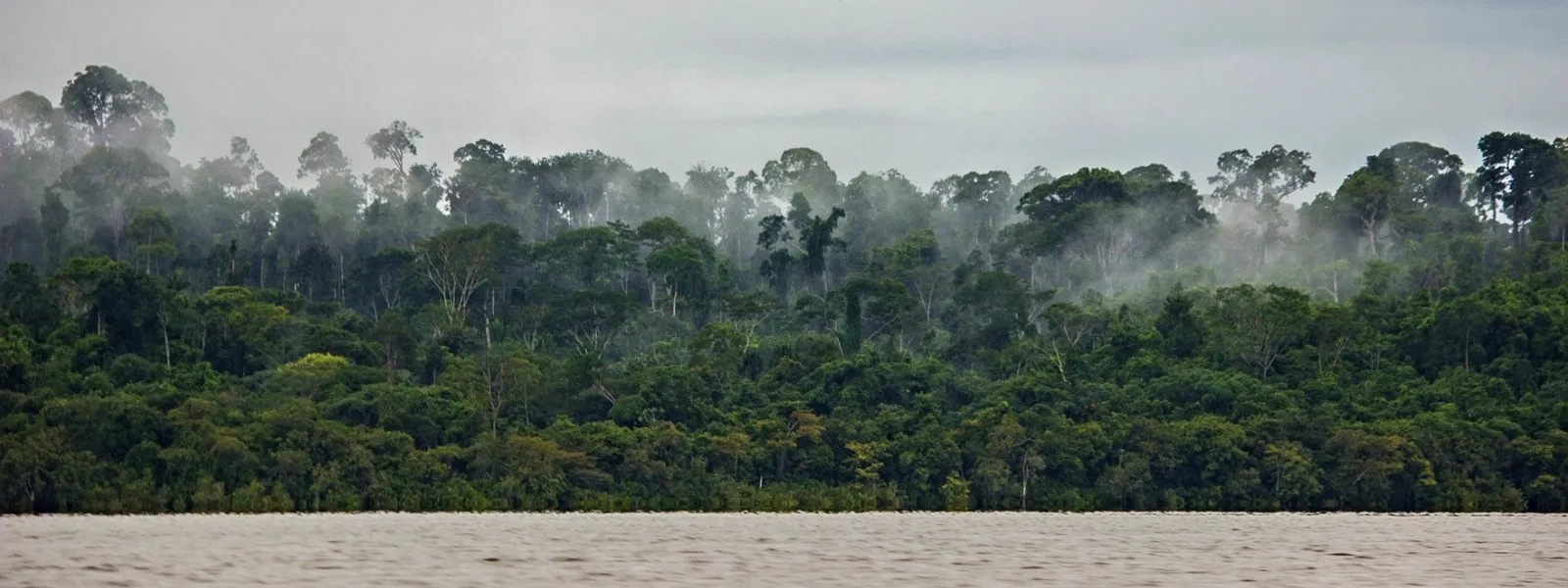
The Belo Monte Dam has caused an environmental and social disaster in the heart of the Amazon—one of the most important ecosystems on the planet.
This situation has only worsened since the hydroelectric plant began operations in 2016. The quest for justice and reparations by the affected indigenous, fishing, and riverine communities continues to this day.
In 2011, the Inter-American Commission on Human Rights (IACHR) granted them protective measures that, to date, have not been fully implemented by the Brazilian State.
Furthermore, since June of that same year, the IACHR has yet to rule on a complaint against the State regarding its international responsibility in the case.
The IACHR may refer the case to the Inter-American Court of Human Rights, which has the authority to issue a ruling condemning the Brazilian State.
After 10 years of the hydroelectric plant's operation and more than 15 years of documented human rights violations, it is time for justice to be served for the affected communities.
Read the open letter from the organizations bringing the case before the IACHR
Background
The Belo Monte hydroelectric plant—the fourth largest in the world by installed capacity (11,233 MW)—was built on the Xingu River in Pará, a state in northern Brazil.
It was inaugurated on May 5, 2016, with a single turbine. At that time, 80% of the river’s course was diverted, flooding 516 km² of land—an area larger than the city of Chicago. Of that area, 400 km² was native forest. The dam began operating at full capacity in November 2019.
Belo Monte was built and is operated by the Norte Energia S.A. consortium, which is composed primarily of state-owned companies. It was financed by the Brazilian Development Bank (BNDES), which provided the consortium with 25.4 billion reais (approximately US$10.16 billion), the largest investment in the bank’s history. Therefore, the BNDES is also legally responsible for the socio-environmental impacts associated with the hydroelectric plant.
Decades of harm to the environment and people
Human rights violations and degradation of the Amazon have been occurring since the project’s inception. In March 2011, Norte Energía began construction of the dam without adequate consultation and without the prior, free, and informed consent of the affected communities.
The construction caused the forced displacement of more than 40,000 people, severing social and cultural ties. The resettlement plan in Altamira—a city directly affected by the hydroelectric dam—involved housing units located on the outskirts, lacking adequate public services and decent living conditions for the relocated families, with no special provisions for those from indigenous communities.
Belo Monte's operations have caused a permanent, man-made drought in the Volta Grande (or "Great Bend") of the Xingu River, exacerbated by the historic droughts in the Amazon in 2023 and 2024. As a result, the deaths of millions of fish eggs were documented for four consecutive years (from 2021 to 2024), and for the past three years, there has been no upstream migration of fish to spawn and reproduce. Thus, artisanal fishing, the main source of protein for indigenous peoples and riverside communities, was severely affected: fish dropped from 50% to 30% of total protein consumed, replaced by processed foods. In summary, there was an environmental and humanitarian collapse that resulted in the breakdown of fishing as a traditional way of life, food insecurity, and access to drinking water for thousands of families, impoverishment, and disease.
Furthermore, the construction of the dam increased deforestation and intensified illegal logging and insecurity on indigenous and tribal lands, putting the survival of these communities at risk. Another consequence was the deepening of poverty and social conflicts, as well as the strain on health, education, and public safety systems in Altamira—a city ranked as the most violent in the country in 2017, where human trafficking and sexual violence increased. Violence was also reported against human rights defenders involved in the case.
In 2025, during the 30th UN Climate Change Conference (COP30), held in Brazil, the Federal Public Prosecutor’s Office labeled the damage caused by the Belo Monte dam as ecocide.
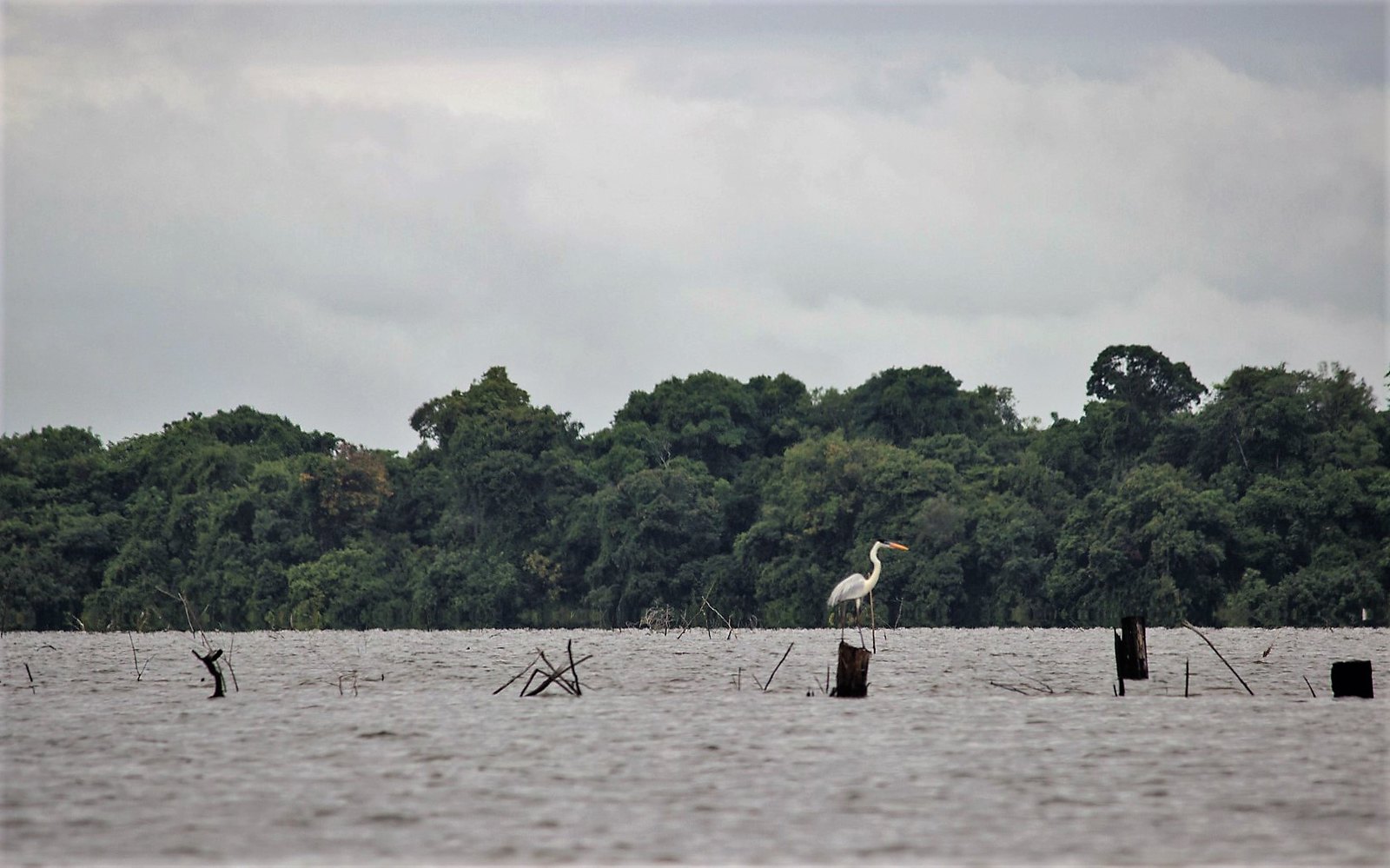
Photo: Amazon Watch / Maíra Irigaray.
The search for justice and reparations
Over the years, the Federal Public Prosecutor’s Office in Pará, the Public Defender’s Office, and civil society organizations have filed dozens of legal actions in Brazilian courts to challenge the project’s various irregularities and its impacts. Most of the claims are still pending resolution, some for more than 10 years.
These efforts have failed because the national government has repeatedly overturned rulings in favor of the affected communities by invoking a mechanism that allowed a court president to suspend a judicial decision based solely on generic arguments such as "the national interest" or "economic order."
In the absence of effective responses at the national level, AIDA, together with a coalition of partner organizations, brought the case before the Inter-American Commission on Human Rights (IACHR) and, in 2010, requested precautionary measures to protect the lives, safety, and health of the affected indigenous communities.
On April 1, 2011, the IACHR granted these measures and requested that the Brazilian government suspend environmental permits and any construction work until the conditions related to prior consultation and the protection of the health and safety of the communities are met.
And on June 16, 2011 —together with the Xingu Vivo Para Sempre Movement, the Coordinating Committee of Indigenous Organizations of the Brazilian Amazon, the Diocese of Altamira, the Indigenous Missionary Council, the Pará Society for the Defense of Human Rights and Global Justice— we filed a formal complaint against the Brazilian State for its international responsibility in the violation of the human rights of the people affected in the case. The case was opened for processing in December 2015.
On August 3, 2011, the IACHR amended the precautionary measures to request, instead of the suspension of permits and construction, the protection of people living in voluntary isolation, the health of indigenous communities, and the regularization and protection of ancestral lands.
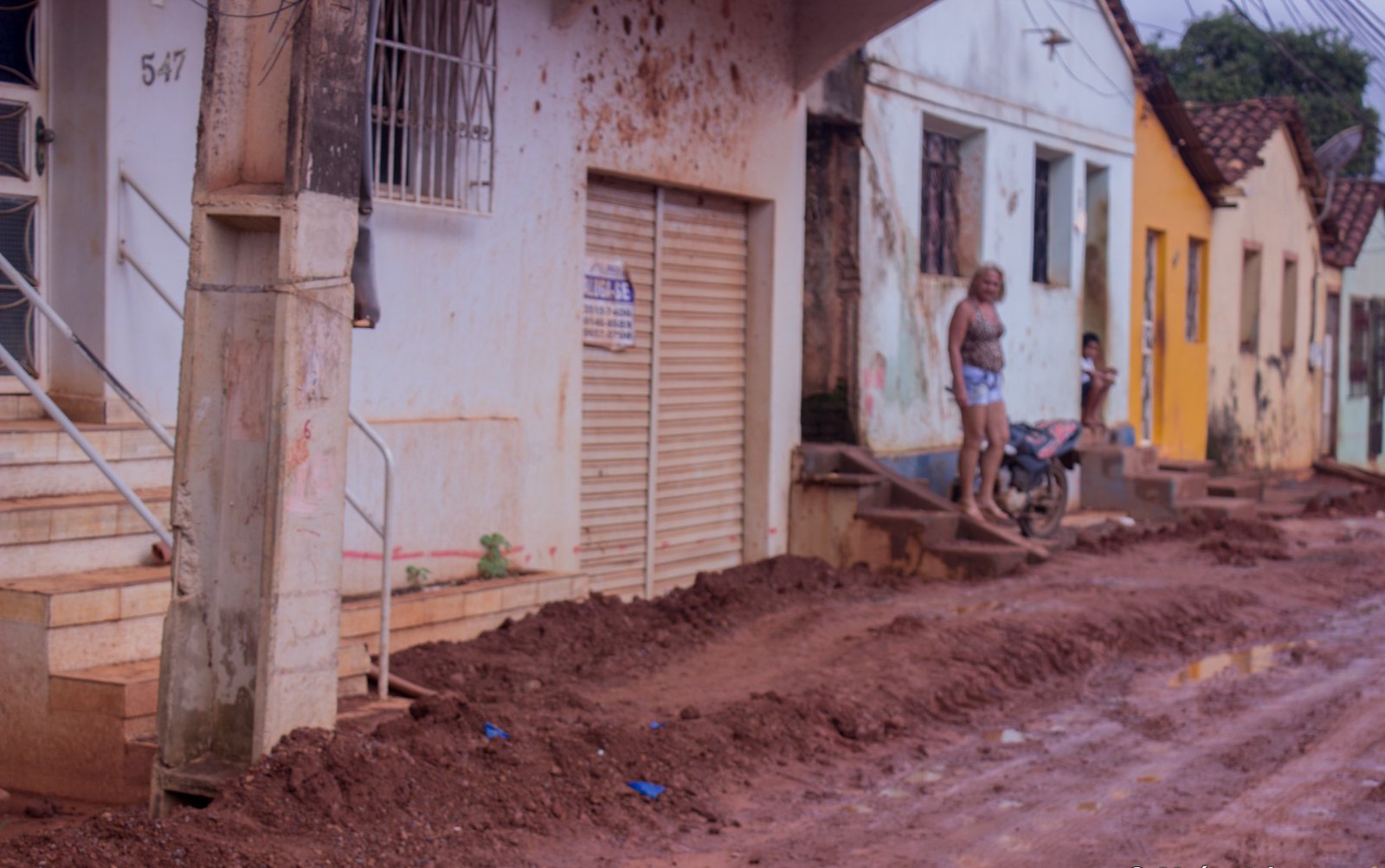
Photo: Amazon Watch / Maíra Irigaray.
Current situation
The protective measures granted by the IACHR remain in effect, but the Brazilian government has not fully complied with them, reporting only on general actions. The communities have documented the ongoing violations of their rights. The situation that prompted the request for these measures—the risk to the lives, physical integrity, and ways of life of the communities—persists and has worsened with the hydroelectric plant operating at full capacity and the recent extreme droughts in the Amazon.
In addition to the impacts of Belo Monte, there is a risk of further social and environmental impacts from the implementation of another mining megaproject in the Volta Grande do Xingu. There, the Canadian company Belo Sun plans to build Brazil’s largest open-pit gold mine.
The combined and cumulative impacts of the dam and the mine were not assessed. The government excluded Indigenous peoples, riverine and peasant communities from the project’s environmental permitting process. Despite protests by Indigenous communities and other irregularities surrounding the project, the government of Pará formally authorized the mine in April 2026.
Like other hydroelectric dams, Belo Monte exacerbates the climate emergency by generating greenhouse gas emissions in its reservoir. And it is inefficient amid the longer, more intense droughts caused by the crisis, as it loses its ability to generate power.
The case before the Inter-American Commission
In October 2017, the IACHR announced that it would rule jointly on the admissibility (whether the case meets the requirements for admission) and the merits (whether a human rights violation actually occurred) of the international complaint against the Brazilian State.
Fifteen years after the complaint was filed, the affected communities and the organizations representing them are still awaiting this decision. If the IACHR concludes that human rights violations occurred and issues recommendations that the Brazilian State fails to comply with, it may refer the case to the Inter-American Court of Human Rights, whose rulings are binding.
A potential ruling by the international court in this case would set a regional legal precedent regarding the rights of indigenous and riverine peoples, public participation in megaprojects, and state responsibility in the context of the climate crisis—a precedent that is particularly relevant in light of the Court’s Advisory Opinion No. 32, which reaffirmed the obligations of States to protect the people and communities of the continent from the climate emergency.
Partners:
Related projects

Bleeding Green Hearts: The constant state of danger for environmental activists in Latin America
“Wake up humanity, there is no time left!” Berta Cáceres, Goldman Prize acceptance speech, 2015 By María José Veramendi Villa (originally published in Disrupt&Innovate) Being an environmental human rights defender in Latin America is not an easy task. On the contrary, it is one of the most dangerous jobs you can have. Whether you belong to an indigenous, afro-descendant, or peasant community, whether you are an independent activist or affiliated with a civil society organisation, you are at risk. In its most recent report, On Dangerous Ground, Global Witness documented 2015 as the worst year on record for killings of land and environmental activists.[1] The report documented 185 killings in 16 countries, making Brazil (50 killings), Colombia (26 killings), Peru (12 killings), and Nicaragua (12 killings) the most dangerous in Latin America.[2] Unfortunately, the murder of environmental defenders represents a tragic end of the road of a larger problem. We, as a society, all want economic and social progress and governments are mostly elected on this promise. However, increasingly States and various private actors are routinely complicit in actions that aim to silence legitimate voices and the work of environmental defenders. Threats, harassment, and campaigns to discredit or criminalize take a toll on the work of environmental defenders, who end up spending significant time defending themselves before often-complicit criminal justice systems, or even physically protecting themselves from attempts on their lives. Several United Nations Special Rapporteurs and the Inter-American Commission on Human Rights have recognised the important role that environmental defenders play in our societies and, as such, have recommended that States protect them. Nevertheless, the level of danger has continued to rise. Environmental defenders such as Berta Cáceres, whose lives should be protected by precautionary measures recommended by the Commission, continue being threatened or murdered in plain view of authorities — often with the complicity of a State. The Yanacocha mining company keeps harassing Máxima Acuña with the intent of forcing her out of her house to make way for the Conga Mining project, even after a Peruvian Court determined that she had not violated the company’s property rights. In La Oroya, a Peruvian Andean city, a metallurgical complex has operated since 1922. Dozens of victims of toxic pollution have been struggling for years to defend their health and environment, and keep seeking remedy in national and international courts. Their struggle has been plagued by attacks and campaigns to discredit them and the organizations that have assumed their legal representation. They have been labeled “anti-mining” and “anti-development,” harassed in the streets, and intimidated with hanging dead dogs in front of their houses. The list of such incidents in Latin America just keeps getting longer. Poorly planned and developed mines, dams, and other infrastructure projects are linked to them. As members of societies that strive for economic and social development, we need to stop pretending that these and other countless attacks against environmental defenders do not happen or have no impact on the financial, political and social costs that we all end up paying eventually. The costs will come and they will be high. Governments need to wake up now and take action to defend the defenders. There is no time left! To the memory of those who have died defending something that should be precious to all but somehow is cared for by a few: our earth. [1] Global Witness. On Dangerous Ground, June 2016, p. 4. [2] Global Witness. On Dangerous Ground, June 2016, pp. 8 -9.
Read more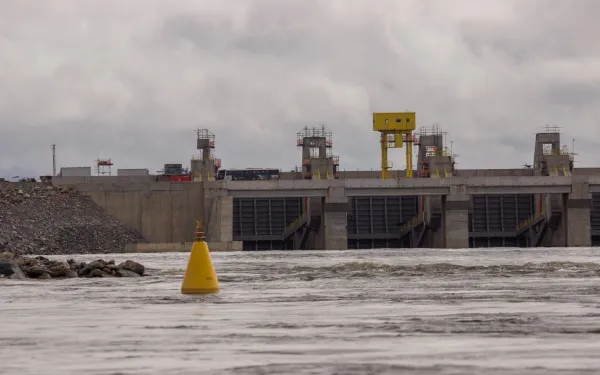
New study confirms large dams to be a principle source of greenhouse gas emissions
Researchers from the Washington State University found that the world’s reservoirs generate 1.3 percent of all greenhouse gases produced by humankind. The finding confirms once more than large dams are unsustainable energy sources that cause great harm to the climate. Seattle, United States. An important new study by researchers at the Washington State University found that large dams are an “underestimated” source of greenhouse gas. The findings show that all reservoirs, not only those built in tropical zones, release far greater quantities of emissions into the atmosphere than previously believed. According to the study, gases are released from the decomposition of organic matter after artificial reservoirs flood natural areas. In fact, over the course of a year reservoirs were found to generate 1.3 percent of the world’s greenhouse gases (more than all of Canada). Eighty percent of those emissions were methane, a pollutant 34 times stronger than carbon dioxide. “Across the Americas, governments are pushing for the construction of hundreds of new large dams, arguing that dams are clean energy and will help to mitigate climate change,” explained Astrid Puentes Riaño, co-director of the Interamerican Association for Environmental Defense (AIDA). “It’s become increasingly clear that large dams are more of a problem than a solution. World leaders must urgently start to plan and implement alternative energy solutions in order to achieve real progress in the fight against climate change.” Along with a coaltion of civil society organizations, AIDA, Amazon Watch and International Rivers have been insisting for years that operating large hydroelectric projects—such as the Belo Monte Dam in Brazil—causes severe damage to the environment, the climate, and the rights of affected communities. “Large dams are one of the most significant causes of environmental destruction in the Amazon,” said Leila Salazar-López, executive director of Amazon Watch. “In addition to emiting methane, they destroy biodiversity and the ancestral forest of thousands of indigenous and traditional communities that have lived for centuries from river ecosystems. It is imperative to calculate the true costs of large dams to understand all their impacts, and avoid causing more harm than good.” As organizations working to promote real solutions to climate change, we are committed to sharing scientific evidence about the harms of large dams to governments, international bodies, and financial institutions. "The new findings lay to rest the myth of hydropower as a clean source of electricity and underline why large hydropower should not receive climate finance," said Kate Horner, executive director of International Rivers. The results of Washington State University's study must be considered in the inventory of emissions that contribute to climate change, as well as in the execution of program and plans aimed at solving energy needs. For more information consult: Washington State University's study. Washington State University’s press release on the study. Short video from Astrid Puentes Riaño, AIDA co-director, with a brief explanation of the research and why it is important. Our Manifesto on 10 reasons why climate initiatives should not include large dams. An open letter to governments, international institutions and financial mechanisms to stop considering large dams as clean energy and to implement real solutions to climate change.
Read more
Chile’s Salmon Farms: Sustainability is Impossible
By Florencia Ortúzar Chile is the second largest producer of salmon in the world. For more than 20 years, the industry has put profit above environmental protection. In the absence of government regulation, large-scale salmon farms release contaminating chemicals and create oceanic dead zones. They hurt other species and harm the people and communities that depend on the ocean for sustenance. The situation is bad, but it could get worse as the industry looks to expand into new areas of pristine waters. Bad Practices Salmon farming in Chile will never be sustainable because it requires much more protein to operate than it generates. Salmon are carnivorous. To produce one kilo of salmon you need about five kilos of wild fish for feed. Years of bad business practices and lack of government regulation have resulted in serious environmental damage, which has, in turn, brought grave social consequences to those who depend on seafood for their livelihoods. On the Big Island of Chiloé, for example, seaweed and shellfish gatherers, artisanal fishermen and people who work in plants that process wild-caught fish are experiencing massive unemployment. This social crisis is a direct result of the environmental catastrophe caused in large part by the salmon industry, which has extensive operations in the area. In Chile, developers must present declarations or environmental impact studies that examine their project’s potential to harm nature. Despite the great risk to ecosystems, salmon farms are supported by mere affidavits, and not by studies that would allow for the identification and proper handling of potential negative impacts. The result is thousands of salmon hatcheries. Each one consists of floating cages that, without sufficient spacing or adequate sanitation, house thousands of salmon crammed into small spaces (half the space allowed in Europe). Although it seems difficult to believe, and despite the law saying otherwise, in Chile no studies have been done on the ability of the ocean, lakes, and rivers to accommodate the number of salmon that are grown. These captive salmon are fed pellets that contain a mix of wild fishmeal, pesticides, dyes, fungicides, and chemicals used to speed growth. A majority of these pellets are not consumed and simply fall to the seabed. Additionally, each salmon is injected with an exorbitant quantity of antibiotics (up to 5,000 times more than used in Norway). Finally, the waste generated by the fish, which contains chemicals, also accumulates on the ocean floor. More than 20 years of these practices have caused dead zones in the ocean where life is no longer possible. Another serious problem with the industry is that salmon often escape from their cages. According to a report by the NGO Terram, escaped salmon in Chile represent 1.5 percent of the total production, equivalent to more than 9,000 tons per year. Some studies report that this percentage could reach as high as five percent. Although by law farms must have recapture plans, they rarely succeed. Salmon are an aggressive fish. When free, they compete with native fish for food and shelter, and transmit disease. Crisis in the Sea In May, Chile’s coasts were devastated by an unprecedented red tide, believed to be the country’s worst recent environmental crisis. The natural phenomenon, characterized by an excessive increase in microalgae, resulted in the beaching of whales, squid, sardines and even birds. Captive salmon were also affected and the industry suffered huge losses: thousands of tons of salmon carcasses rotted in floating cages. The death rate was such that the national maritime authority authorized the release of 9,000 tons of dead salmon into the sea. According to the salmon industry and the government, the red tide was caused by El Niño, which was aggravated by global warming. However, some scientists have said that the salmon industry is largely to blame for submitting the ocean to their bad practices for so many years. Patagonia Without Salmon Farming! Not only has the salmon industry not learned from its mistakes, but it is also looking to expand into new, uncontaminated waters. It’s happening in the Patagonia regions of Magallanes and Aysen, where approximately 3,100 applications for salmon farms are awaiting approval. Farms were even proposed for places declared as priority conservation sites. Together with our allies, AIDA is working to ensure salmon farming and other industries comply with environmental standards. But there’s something you can do too, as citizens and consumers. Vote with your pocketbook. By purchasing only sustainable seafood products, you can help prevent the creation of more dead zones in our oceans.
Read more