
Project
Amazon Watch / Maíra Irigaray
The Belo Monte Dam on the Xingu River: 10 years of impacts in the Amazon and the search for reparations
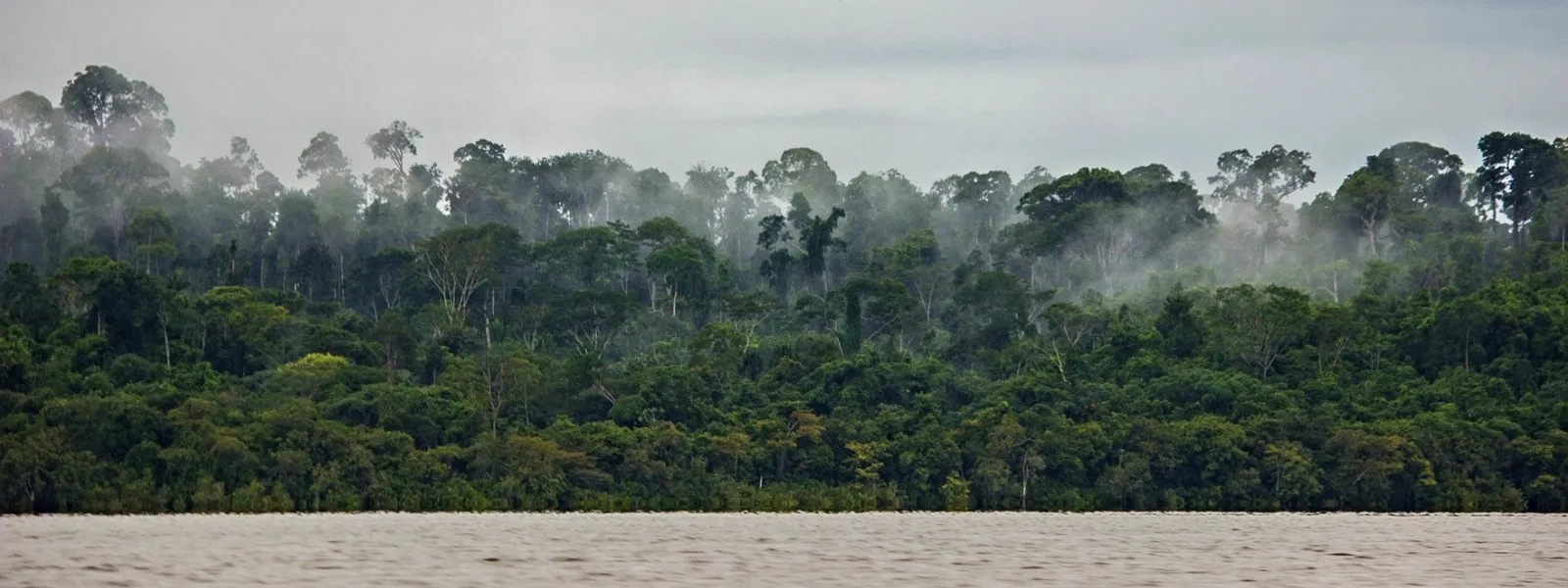
The Belo Monte Dam has caused an environmental and social disaster in the heart of the Amazon—one of the most important ecosystems on the planet.
This situation has only worsened since the hydroelectric plant began operations in 2016. The quest for justice and reparations by the affected indigenous, fishing, and riverine communities continues to this day.
In 2011, the Inter-American Commission on Human Rights (IACHR) granted them protective measures that, to date, have not been fully implemented by the Brazilian State.
Furthermore, since June of that same year, the IACHR has yet to rule on a complaint against the State regarding its international responsibility in the case.
The IACHR may refer the case to the Inter-American Court of Human Rights, which has the authority to issue a ruling condemning the Brazilian State.
After 10 years of the hydroelectric plant's operation and more than 15 years of documented human rights violations, it is time for justice to be served for the affected communities.
Read the open letter from the organizations bringing the case before the IACHR
Background
The Belo Monte hydroelectric plant—the fourth largest in the world by installed capacity (11,233 MW)—was built on the Xingu River in Pará, a state in northern Brazil.
It was inaugurated on May 5, 2016, with a single turbine. At that time, 80% of the river’s course was diverted, flooding 516 km² of land—an area larger than the city of Chicago. Of that area, 400 km² was native forest. The dam began operating at full capacity in November 2019.
Belo Monte was built and is operated by the Norte Energia S.A. consortium, which is composed primarily of state-owned companies. It was financed by the Brazilian Development Bank (BNDES), which provided the consortium with 25.4 billion reais (approximately US$10.16 billion), the largest investment in the bank’s history. Therefore, the BNDES is also legally responsible for the socio-environmental impacts associated with the hydroelectric plant.
Decades of harm to the environment and people
Human rights violations and degradation of the Amazon have been occurring since the project’s inception. In March 2011, Norte Energía began construction of the dam without adequate consultation and without the prior, free, and informed consent of the affected communities.
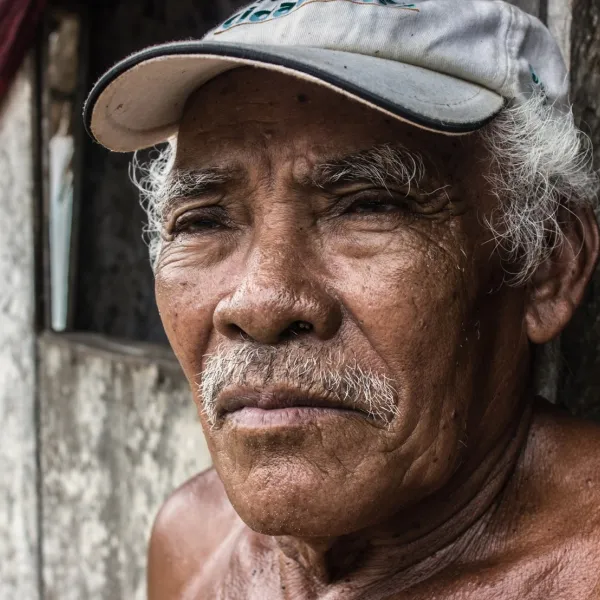
The construction caused the forced displacement of more than 40,000 people, severing social and cultural ties. The resettlement plan in Altamira—a city directly affected by the hydroelectric dam—involved housing units located on the outskirts, lacking adequate public services and decent living conditions for the relocated families, with no special provisions for those from indigenous communities.
Belo Monte's operations have caused a permanent, man-made drought in the Volta Grande (or "Great Bend") of the Xingu River, exacerbated by the historic droughts in the Amazon in 2023 and 2024. As a result, the deaths of millions of fish eggs were documented for four consecutive years (from 2021 to 2024), and for the past three years, there has been no upstream migration of fish to spawn and reproduce. Thus, artisanal fishing, the main source of protein for indigenous peoples and riverside communities, was severely affected: fish dropped from 50% to 30% of total protein consumed, replaced by processed foods. In summary, there was an environmental and humanitarian collapse that resulted in the breakdown of fishing as a traditional way of life, food insecurity, and access to drinking water for thousands of families, impoverishment, and disease.
Furthermore, the construction of the dam increased deforestation and intensified illegal logging and insecurity on indigenous and tribal lands, putting the survival of these communities at risk. Another consequence was the deepening of poverty and social conflicts, as well as the strain on health, education, and public safety systems in Altamira—a city ranked as the most violent in the country in 2017, where human trafficking and sexual violence increased. Violence was also reported against human rights defenders involved in the case.
In 2025, during the 30th UN Climate Change Conference (COP30), held in Brazil, the Federal Public Prosecutor’s Office labeled the damage caused by the Belo Monte dam as ecocide.
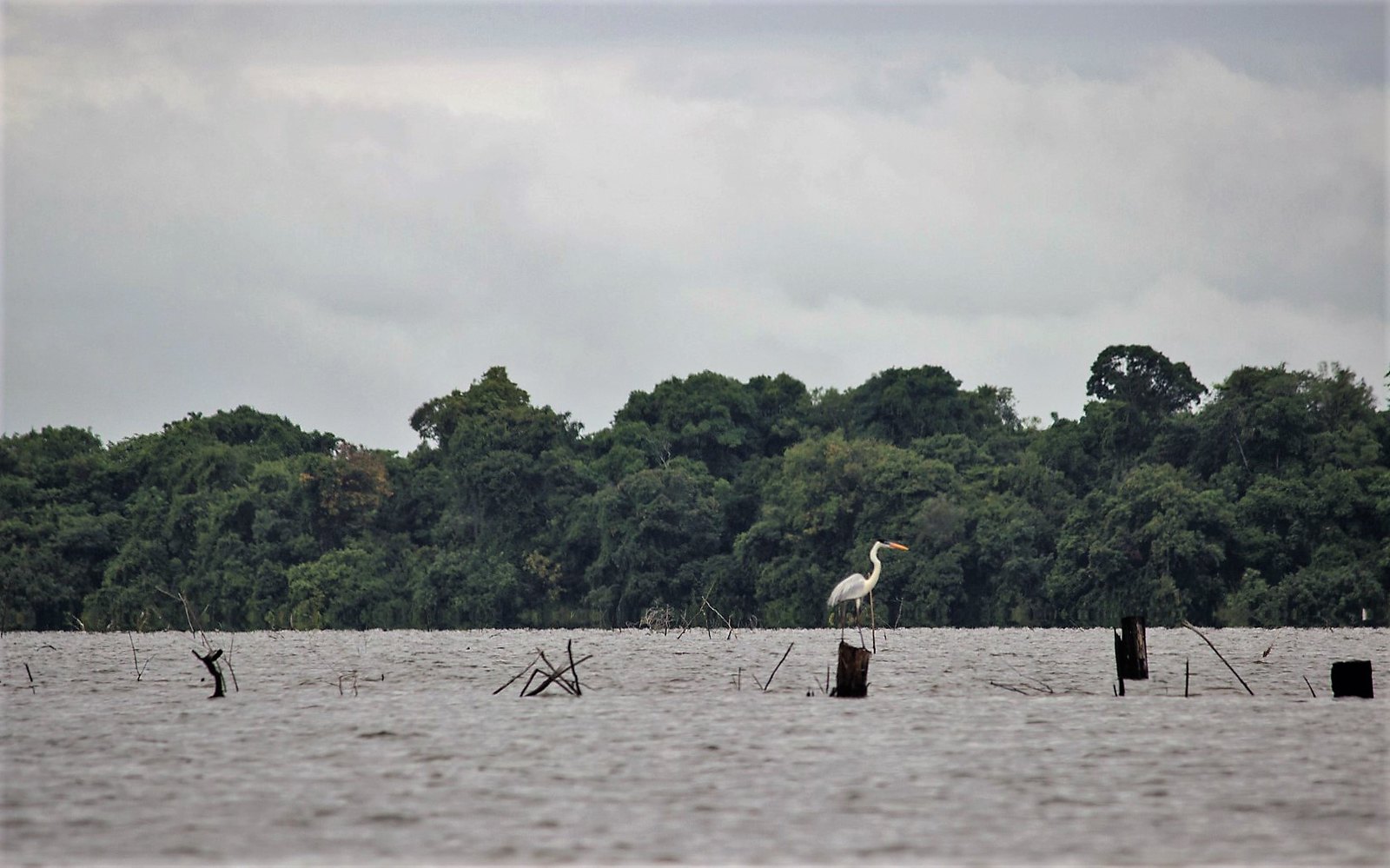
Photo: Amazon Watch / Maíra Irigaray.
The search for justice and reparations
Over the years, the Federal Public Prosecutor’s Office in Pará, the Public Defender’s Office, and civil society organizations have filed dozens of legal actions in Brazilian courts to challenge the project’s various irregularities and its impacts. Most of the claims are still pending resolution, some for more than 10 years.
These efforts have failed because the national government has repeatedly overturned rulings in favor of the affected communities by invoking a mechanism that allowed a court president to suspend a judicial decision based solely on generic arguments such as "the national interest" or "economic order."
In the absence of effective responses at the national level, AIDA, together with a coalition of partner organizations, brought the case before the Inter-American Commission on Human Rights (IACHR) and, in 2010, requested precautionary measures to protect the lives, safety, and health of the affected indigenous communities.
On April 1, 2011, the IACHR granted these measures and requested that the Brazilian government suspend environmental permits and any construction work until the conditions related to prior consultation and the protection of the health and safety of the communities are met.
And on June 16, 2011 —together with the Xingu Vivo Para Sempre Movement, the Coordinating Committee of Indigenous Organizations of the Brazilian Amazon, the Diocese of Altamira, the Indigenous Missionary Council, the Pará Society for the Defense of Human Rights and Global Justice— we filed a formal complaint against the Brazilian State for its international responsibility in the violation of the human rights of the people affected in the case. The case was opened for processing in December 2015.
On August 3, 2011, the IACHR amended the precautionary measures to request, instead of the suspension of permits and construction, the protection of people living in voluntary isolation, the health of indigenous communities, and the regularization and protection of ancestral lands.
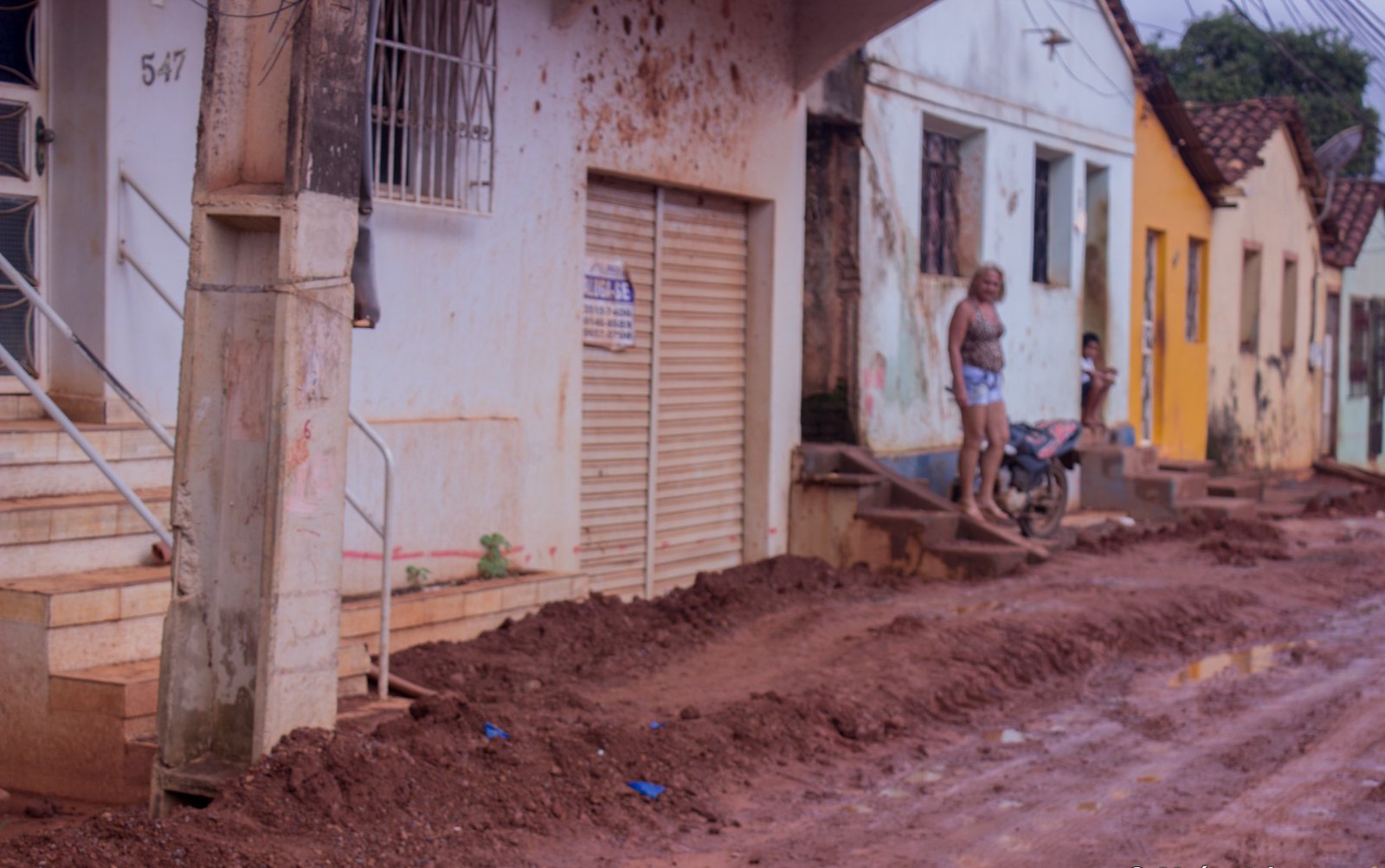
Photo: Amazon Watch / Maíra Irigaray.
Current situation
The protective measures granted by the IACHR remain in effect, but the Brazilian government has not fully complied with them, reporting only on general actions. The communities have documented the ongoing violations of their rights. The situation that prompted the request for these measures—the risk to the lives, physical integrity, and ways of life of the communities—persists and has worsened with the hydroelectric plant operating at full capacity and the recent extreme droughts in the Amazon.
In addition to the impacts of Belo Monte, there is a risk of further social and environmental impacts from the implementation of another mining megaproject in the Volta Grande do Xingu. There, the Canadian company Belo Sun plans to build Brazil’s largest open-pit gold mine.
The combined and cumulative impacts of the dam and the mine were not assessed. The government excluded Indigenous peoples, riverine and peasant communities from the project’s environmental permitting process. Despite protests by Indigenous communities and other irregularities surrounding the project, the government of Pará formally authorized the mine in April 2026.
Like other hydroelectric dams, Belo Monte exacerbates the climate emergency by generating greenhouse gas emissions in its reservoir. And it is inefficient amid the longer, more intense droughts caused by the crisis, as it loses its ability to generate power.
The case before the Inter-American Commission
In October 2017, the IACHR announced that it would rule jointly on the admissibility (whether the case meets the requirements for admission) and the merits (whether a human rights violation actually occurred) of the international complaint against the Brazilian State.
Fifteen years after the complaint was filed, the affected communities and the organizations representing them are still awaiting this decision. If the IACHR concludes that human rights violations occurred and issues recommendations that the Brazilian State fails to comply with, it may refer the case to the Inter-American Court of Human Rights, whose rulings are binding.
A potential ruling by the international court in this case would set a regional legal precedent regarding the rights of indigenous and riverine peoples, public participation in megaprojects, and state responsibility in the context of the climate crisis—a precedent that is particularly relevant in light of the Court’s Advisory Opinion No. 32, which reaffirmed the obligations of States to protect the people and communities of the continent from the climate emergency.
Partners:
Related projects
Civil society urges the United Nations to document human rights violations committed by businesses in Mexico
A group of organizations delivered their report highlighting more than 60 cases of violations across the country. Mining, infrastructure and energy projects—including hydroelectric and wind—were responsible for the greatest number of human rights violations. Mexico City, Mexico. On the occasion of the United Nations Working Group on Business and Human Rights’ official visit to Mexico, a coalition of more than 100 civil society organizations, movements and networks prepared a report outlining cases of human rights violations perpetrated by corporations in Mexico. The report highlights Mexico’s current human rights crisis, which has been recognized by various UN agencies[1] and the Inter-American Commission on Human Rights.[2] It lays out the clear dangers facing those who protect human rights, the land and their own territory.[3] Documented cases of human rights abuses involve 50 foreign, 41 national, and eight public companies. More than half the cases involved intimidation and/or attacks against human rights defenders. The most frequent violations were to the rights to: land and territory; access to information; health; a healthy environment; and consultation and free, prior and informed consent. During the Working Group’s regional visits, affected communities will show the experts the negative impacts caused by companies linked to mining, wind power, hydroelectric dams, agribusiness, infrastructure, oil and gas exploitation, real estate, tourism and maquilas (manufacturing facilities), among others. At the suggestion of civil society, the Working Group will meet with companies including: Grupo México, Grupo Higa, Grupo BAL, Bimbo, Goldcorp, TransCanada, Eólica del Sur, and CEMEX. They will also meet with the state-run production companies, Petróleos Mexicanos (Pemex) and the Federal Electricity Commission (CFE). Situations in Mexico that systematically hinder compliance with the UN Guiding Principles on Business and Human Rights include: State Capture: complicity, corruption and impunity. In many documented cases, the Mexican State, at all levels (federal, state and municipal), has served business interests above public interest. This has been evident in: the promotion of rules and regulations that benefit business interests over human rights; the use of public force against peaceful social mobilization; the support of extractive projects against community interests; the lack of inquiry and sanction by the judiciary regarding allegations of human rights abuses; and the criminalization of environmental advocates. Structural reforms that weaken the protection of human rights and support companies, such as the energy reform, which does not always consider its impacts on human rights, and does not guarantee the participation and right of access to information of affected communities. Lack of consultation and the free, prior, informed, culturally appropriate, and in good faith consent of affected communities; lack of due diligence on the part of companies; and the proliferation of megaprojects with severe impacts on human rights. Lack of access to justice and non-compliance with rules and judgments, by companies as well as the Mexican State. On multiple occasions, affected people who have reported rights violations have later been the victim of attacks. And, even if a court—including the Mexican Supreme Court— ruled in their favor, the fulfillment of that ruling was not observed. Reduction of participation mechanisms and an increase in abuses against human rights defenders. The cases illustrate an increase in murders, criminalization, threats and attacks on human rights defenders who have spoken out against mega-projects and business activities. In 2011, the United Nations Human Rights Council issued the "Guiding Principles on Business and Human Rights" in order to empower States to exercise control over business activities, ensure due diligence, and guarantee access to effective and appropriate remedial measures. In order to monitor the application of these principles, the Council established the Working Group on Business and Human Rights, whose visit Mexico from August 29th to September 7th 2016 will be their second visit to Latin America. On behalf of the organizations and communities that prepared this report, we hope that the conclusions reached by the Working Group at the close of their visit will reflect what Mexico truly needs. We urge companies operating in Mexico, as well as the Mexican State, to consider the recommendations seriously and implement them in current and future operations. For more information in social media, following along: #ONUenMX The report was created with the participation of the following organizations and human rights groups (in alphabetical order): Alianza de la Costa Verde Ambiente y Desarrollo Humano Asociación Interamericana para la Defensa del Ambiente (AIDA) Bios Iguana Campaña Nacional Sin Maíz No Hay País Cartocrítica Casa del Migrante Saltillo Centro de Derechos Humanos “Fray Bartolomé de Las Casas” Centro de Derechos Humanos “Fray Francisco de Vitoria” Centro de Derechos Humanos “Miguel Agustín Pro Juárez” (Centro Prodh) Centro de Derechos Humanos de la Montaña, Tlachinollan Centro de Derechos Humanos Toaltepeyolo Centro de Derechos Humanos Zeferino Ladrillero (CDHZL) Centro “Fray Julián Garcés” Derechos Humanos Centro de Información sobre Empresas y Derechos Humanos (CIEDH) Centro de Reflexión y Acción Laboral (CEREAL) Centro Diocesano para los Derechos Humanos “Fray Juan de Larios” Centro Mexicano de Derecho Ambiental (CEMDA) Colectivo sí a la vida No al basurero tóxico en Noria de la Sabina Comités de Cuenca Río Sonora (CCRS) Comité de Defensa Integral de Derechos Humanos Gobixha (CODIGODH) Comité de Derechos Humanos de Tabasco (CODEHUTAB) Comisión Mexicana para la Defensa y Promoción de los Derechos Humanos (CMDPDH) Consejo en Defensa de la Vida y el Territorio TiyatTlali DECA Equipo Pueblo DH Rayoactivo El Barzón Chihuahua EcoRed Feminista la Lechuza Buza Enfoque DH Estancia del Migrante en Querétaro Frente de Pueblos en Defensa de la Tierra y el Agua (FPDTA) Fundar, Centro de Análisis e Investigación Foro de Derechos Humanos y Resistencias de la Sierra de Puebla Greenpeace México Grupo de Estudios Ambientales Grupo Focal sobre Empresas y Derechos Humanos Indignación, Promoción y Defensa de los Derechos Humanos Instituto Mexicano para el Desarrollo Comunitario (IMDEC) Movimiento Ciudadano en Defensa de la Loma Movimiento Mexicano de Afectados por las Presas y en Defensa de los Ríos (MAPDER) Movimiento Mesoamericano contra el Modelo Extractivo Minero (M4) OrganicConsumersAssociation (México) Oxfam México Programa Universitario de Derechos Humanos, Programa de Incidencia, Programa de Medio Ambiente, UIA Proyecto de Derechos Económicos, Sociales y Culturales (ProDESC) Proyecto sobre Organización, Desarrollo, Educación e Investigación (PODER) Red Mexicana de Afectados por la Minería (REMA) Semillas de Vida SMR, Scalabrinianas: misión con Migrantes y Refugiados Serapaz, Servicios y Asesoría para la Paz Y la Red Nacional de Organismos Civiles de Derechos Humanos “Todos los Derechos para Todas y Todos” (conformada por 80 organizaciones en 21 estados de la República mexicana). The information was collected based on the baseline questionnaire for documenting abuses of companies prepared by the Business Information Center and Human Rights(CIEDH) and the network(DESC) https://goo.gl/YLhbSM [1] Declaration of the United Nations High Commissioner for Human Rights, ZeidRa’ad Al Hussein, done in his visit to Mexico in October 7, 2015: http://www.ohchr.org/en/NewsEvents/Pages/DisplayNews.aspx?NewsID=16578&LangID=E [2] Inter-American Commission on Human Rights. Human Rights situation in Mexico, (OAS.Official Documentation; OEA/Ser.L) ISBN I. Title. II. Series. OAS. Official Documentation; OEA/Ser.L. OEA/Ser.L/V/II.Doc. 44/15 p. 11 http://www.oas.org/es/cidh/informes/pdfs/Mexico2016-es.pdf [3] Institute for Economics & Peace, Global Peace Index 2015 Measuring peace, its causes and its economic value p. 8 http://economicsandpeace.org/wp-content/uploads/2015/06/Global-Peace-Index-Report-2015_0.pdf Mexico´s Rank 140 out of 163 http://www.visionofhumanity.org/#page/indexes/global-peace-index/2016/MEX/OVER
Read moreCivil society urges the United Nations to document human rights violations committed by businesses in Mexico
A group of organizations delivered their report highlighting more than 60 cases of violations across the country. Mining, infrastructure and energy projects—including hydroelectric and wind—were responsible for the greatest number of human rights violations. Mexico City, Mexico. On the occasion of the United Nations Working Group on Business and Human Rights’ official visit to Mexico, a coalition of more than 100 civil society organizations, movements and networks prepared a report outlining cases of human rights violations perpetrated by corporations in Mexico. The report highlights Mexico’s current human rights crisis, which has been recognized by various UN agencies[1] and the Inter-American Commission on Human Rights.[2] It lays out the clear dangers facing those who protect human rights, the land and their own territory.[3] Documented cases of human rights abuses involve 50 foreign, 41 national, and eight public companies. More than half the cases involved intimidation and/or attacks against human rights defenders. The most frequent violations were to the rights to: land and territory; access to information; health; a healthy environment; and consultation and free, prior and informed consent. During the Working Group’s regional visits, affected communities will show the experts the negative impacts caused by companies linked to mining, wind power, hydroelectric dams, agribusiness, infrastructure, oil and gas exploitation, real estate, tourism and maquilas (manufacturing facilities), among others. At the suggestion of civil society, the Working Group will meet with companies including: Grupo México, Grupo Higa, Grupo BAL, Bimbo, Goldcorp, TransCanada, Eólica del Sur, and CEMEX. They will also meet with the state-run production companies, Petróleos Mexicanos (Pemex) and the Federal Electricity Commission (CFE). Situations in Mexico that systematically hinder compliance with the UN Guiding Principles on Business and Human Rights include: State Capture: complicity, corruption and impunity. In many documented cases, the Mexican State, at all levels (federal, state and municipal), has served business interests above public interest. This has been evident in: the promotion of rules and regulations that benefit business interests over human rights; the use of public force against peaceful social mobilization; the support of extractive projects against community interests; the lack of inquiry and sanction by the judiciary regarding allegations of human rights abuses; and the criminalization of environmental advocates. Structural reforms that weaken the protection of human rights and support companies, such as the energy reform, which does not always consider its impacts on human rights, and does not guarantee the participation and right of access to information of affected communities. Lack of consultation and the free, prior, informed, culturally appropriate, and in good faith consent of affected communities; lack of due diligence on the part of companies; and the proliferation of megaprojects with severe impacts on human rights. Lack of access to justice and non-compliance with rules and judgments, by companies as well as the Mexican State. On multiple occasions, affected people who have reported rights violations have later been the victim of attacks. And, even if a court—including the Mexican Supreme Court— ruled in their favor, the fulfillment of that ruling was not observed. Reduction of participation mechanisms and an increase in abuses against human rights defenders. The cases illustrate an increase in murders, criminalization, threats and attacks on human rights defenders who have spoken out against mega-projects and business activities. In 2011, the United Nations Human Rights Council issued the "Guiding Principles on Business and Human Rights" in order to empower States to exercise control over business activities, ensure due diligence, and guarantee access to effective and appropriate remedial measures. In order to monitor the application of these principles, the Council established the Working Group on Business and Human Rights, whose visit Mexico from August 29th to September 7th 2016 will be their second visit to Latin America. On behalf of the organizations and communities that prepared this report, we hope that the conclusions reached by the Working Group at the close of their visit will reflect what Mexico truly needs. We urge companies operating in Mexico, as well as the Mexican State, to consider the recommendations seriously and implement them in current and future operations. For more information in social media, following along: #ONUenMX The report was created with the participation of the following organizations and human rights groups (in alphabetical order): Alianza de la Costa Verde Ambiente y Desarrollo Humano Asociación Interamericana para la Defensa del Ambiente (AIDA) Bios Iguana Campaña Nacional Sin Maíz No Hay País Cartocrítica Casa del Migrante Saltillo Centro de Derechos Humanos “Fray Bartolomé de Las Casas” Centro de Derechos Humanos “Fray Francisco de Vitoria” Centro de Derechos Humanos “Miguel Agustín Pro Juárez” (Centro Prodh) Centro de Derechos Humanos de la Montaña, Tlachinollan Centro de Derechos Humanos Toaltepeyolo Centro de Derechos Humanos Zeferino Ladrillero (CDHZL) Centro “Fray Julián Garcés” Derechos Humanos Centro de Información sobre Empresas y Derechos Humanos (CIEDH) Centro de Reflexión y Acción Laboral (CEREAL) Centro Diocesano para los Derechos Humanos “Fray Juan de Larios” Centro Mexicano de Derecho Ambiental (CEMDA) Colectivo sí a la vida No al basurero tóxico en Noria de la Sabina Comités de Cuenca Río Sonora (CCRS) Comité de Defensa Integral de Derechos Humanos Gobixha (CODIGODH) Comité de Derechos Humanos de Tabasco (CODEHUTAB) Comisión Mexicana para la Defensa y Promoción de los Derechos Humanos (CMDPDH) Consejo en Defensa de la Vida y el Territorio TiyatTlali DECA Equipo Pueblo DH Rayoactivo El Barzón Chihuahua EcoRed Feminista la Lechuza Buza Enfoque DH Estancia del Migrante en Querétaro Frente de Pueblos en Defensa de la Tierra y el Agua (FPDTA) Fundar, Centro de Análisis e Investigación Foro de Derechos Humanos y Resistencias de la Sierra de Puebla Greenpeace México Grupo de Estudios Ambientales Grupo Focal sobre Empresas y Derechos Humanos Indignación, Promoción y Defensa de los Derechos Humanos Instituto Mexicano para el Desarrollo Comunitario (IMDEC) Movimiento Ciudadano en Defensa de la Loma Movimiento Mexicano de Afectados por las Presas y en Defensa de los Ríos (MAPDER) Movimiento Mesoamericano contra el Modelo Extractivo Minero (M4) OrganicConsumersAssociation (México) Oxfam México Programa Universitario de Derechos Humanos, Programa de Incidencia, Programa de Medio Ambiente, UIA Proyecto de Derechos Económicos, Sociales y Culturales (ProDESC) Proyecto sobre Organización, Desarrollo, Educación e Investigación (PODER) Red Mexicana de Afectados por la Minería (REMA) Semillas de Vida SMR, Scalabrinianas: misión con Migrantes y Refugiados Serapaz, Servicios y Asesoría para la Paz Y la Red Nacional de Organismos Civiles de Derechos Humanos “Todos los Derechos para Todas y Todos” (conformada por 80 organizaciones en 21 estados de la República mexicana). The information was collected based on the baseline questionnaire for documenting abuses of companies prepared by the Business Information Center and Human Rights(CIEDH) and the network(DESC) https://goo.gl/YLhbSM [1] Declaration of the United Nations High Commissioner for Human Rights, ZeidRa’ad Al Hussein, done in his visit to Mexico in October 7, 2015: http://www.ohchr.org/en/NewsEvents/Pages/DisplayNews.aspx?NewsID=16578&LangID=E [2] Inter-American Commission on Human Rights. Human Rights situation in Mexico, (OAS.Official Documentation; OEA/Ser.L) ISBN I. Title. II. Series. OAS. Official Documentation; OEA/Ser.L. OEA/Ser.L/V/II.Doc. 44/15 p. 11 http://www.oas.org/es/cidh/informes/pdfs/Mexico2016-es.pdf [3] Institute for Economics & Peace, Global Peace Index 2015 Measuring peace, its causes and its economic value p. 8 http://economicsandpeace.org/wp-content/uploads/2015/06/Global-Peace-Index-Report-2015_0.pdf Mexico´s Rank 140 out of 163 http://www.visionofhumanity.org/#page/indexes/global-peace-index/2016/MEX/OVER
Read more
The Olympics and the Record We Mustn't Break
By Florencia Ortúzar Greene, AIDA attorney The 2016 Río Olympics have come to an end. Over the last few weeks, the world has once again borne witness to the greatest achievements of the human body, to the forging of new world records. But, amid high levels of air and water pollution, the thousands of competitors that met in Brazil affirmed that one record must not be broken: 1.5 degrees Celsius. The Earth has been warming steadily in recent years, causing the melting of permafrost, rising oceans, increasingly dangerous storms and floods, and more intense and frequent droughts. Exceeding a global temperature increase of 1.5 °C would trigger a global catastrophe with unknown consequences. The opening message The Olympics put the issue of climate change on the table once again. Athletes from around the world called on us all to do something about it. During the opening ceremony on August 5, images of clouds of pollution filled Maracaná Stadium in Río de Janeiro. Alarming projections showed cities and regions of the world being flooded. The peace symbol, altered to resemble a tree, was projected on the ground while a voice warned that our planet’s ice caps are melting quickly. Athletes from around the world joined in a campaign to ask the world not to break the record of 1.5 degrees, implying that the union of all nations is necessary to control global warming. Each Olympian received a tree seed, which will grow into the Athlete’s Forest, cementing their legacy in Río’s Deodoro Olympic Park. Bad air and water quality In a report on water quality in Río, the World Health Organization (WHO) made recommendations to athletes competing in aquatic events. The organization told them to cover cuts and scrapes with waterproof bandages; to avoid ingesting the water; to wash as soon as possible after exposure; to stay in it as briefly as possible; and to avoid contact with all water after it rains. Clearly, water in Río carries significant health risks. Air pollution in Río has also reached dangerous levels, authorities have warned. Promises to improve air quality before the big event were not fulfilled. According to government data, since 2008 the city’s air has contained airborne particles that cause respiratory illnesses at a concentration three times higher than annual WHO-recommended limits. Another key to the planet’s health is the Amazon rainforest, of which Brazil is the principle guardian. The Amazon stores huge amounts of carbon, taking up some of what we release into the atmosphere. But this natural treasure is at risk. According to the World Wildlife Fund, over the last several years the Amazon has lost at least 17 percent of its vegetation, and deforestation has released large amounts of carbon into the atmosphere. The protection of this treasure is a responsibility humanity is failing to live up to. The fight we must win This month, nearly 11 thousand competitors from all around the world united in the world’s most important athletic competition. It was a unique occasion to reflect on the urgent challenges facing humanity. AIDA helps the nations of Latin America tackle these challenges. We work to improve air quality, and mitigate short-lived climate pollutants, which remain in the air for a relatively short time, yet generate extreme changes in climate, degrade air quality, and damage crop yields. We believe the fight against climate change is the most critical of all fights. To truly achieve victory, we must ensure we don’t break the 1.5 °C record. Our ability to win it requires us all to work as one global team.
Read more