
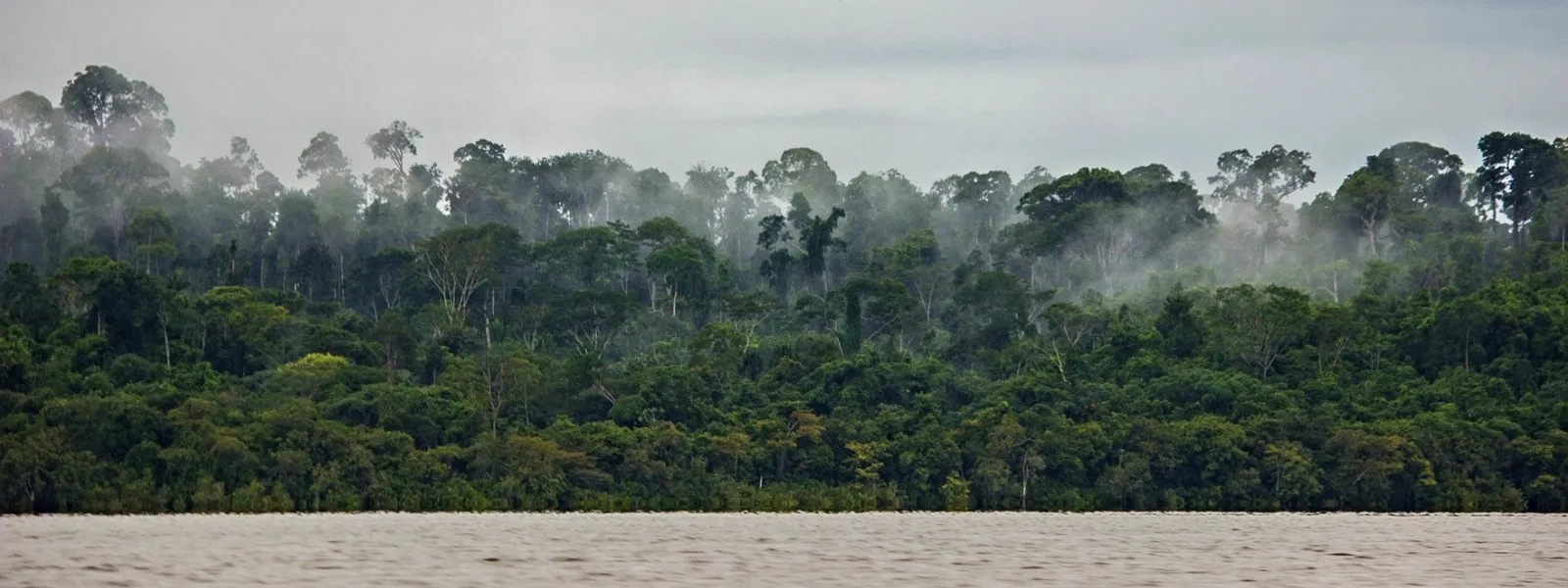
Project
Amazon Watch / Maíra Irigaray
The Belo Monte Dam on the Xingu River: 10 years of impacts in the Amazon and the search for reparations
The Belo Monte Dam has caused an environmental and social disaster in the heart of the Amazon—one of the most important ecosystems on the planet.
This situation has only worsened since the hydroelectric plant began operations in 2016. The quest for justice and reparations by the affected indigenous, fishing, and riverine communities continues to this day.
In 2011, the Inter-American Commission on Human Rights (IACHR) granted them protective measures that, to date, have not been fully implemented by the Brazilian State.
Furthermore, since June of that same year, the IACHR has yet to rule on a complaint against the State regarding its international responsibility in the case.
The IACHR may refer the case to the Inter-American Court of Human Rights, which has the authority to issue a ruling condemning the Brazilian State.
After 10 years of the hydroelectric plant's operation and more than 15 years of documented human rights violations, it is time for justice to be served for the affected communities.
Read the open letter from the organizations bringing the case before the IACHR
Background
The Belo Monte hydroelectric plant—the fourth largest in the world by installed capacity (11,233 MW)—was built on the Xingu River in Pará, a state in northern Brazil.
It was inaugurated on May 5, 2016, with a single turbine. At that time, 80% of the river’s course was diverted, flooding 516 km² of land—an area larger than the city of Chicago. Of that area, 400 km² was native forest. The dam began operating at full capacity in November 2019.
Belo Monte was built and is operated by the Norte Energia S.A. consortium, which is composed primarily of state-owned companies. It was financed by the Brazilian Development Bank (BNDES), which provided the consortium with 25.4 billion reais (approximately US$10.16 billion), the largest investment in the bank’s history. Therefore, the BNDES is also legally responsible for the socio-environmental impacts associated with the hydroelectric plant.
Decades of harm to the environment and people
Human rights violations and degradation of the Amazon have been occurring since the project’s inception. In March 2011, Norte Energía began construction of the dam without adequate consultation and without the prior, free, and informed consent of the affected communities.
The construction caused the forced displacement of more than 40,000 people, severing social and cultural ties. The resettlement plan in Altamira—a city directly affected by the hydroelectric dam—involved housing units located on the outskirts, lacking adequate public services and decent living conditions for the relocated families, with no special provisions for those from indigenous communities.
Belo Monte's operations have caused a permanent, man-made drought in the Volta Grande (or "Great Bend") of the Xingu River, exacerbated by the historic droughts in the Amazon in 2023 and 2024. As a result, the deaths of millions of fish eggs were documented for four consecutive years (from 2021 to 2024), and for the past three years, there has been no upstream migration of fish to spawn and reproduce. Thus, artisanal fishing, the main source of protein for indigenous peoples and riverside communities, was severely affected: fish dropped from 50% to 30% of total protein consumed, replaced by processed foods. In summary, there was an environmental and humanitarian collapse that resulted in the breakdown of fishing as a traditional way of life, food insecurity, and access to drinking water for thousands of families, impoverishment, and disease.
Furthermore, the construction of the dam increased deforestation and intensified illegal logging and insecurity on indigenous and tribal lands, putting the survival of these communities at risk. Another consequence was the deepening of poverty and social conflicts, as well as the strain on health, education, and public safety systems in Altamira—a city ranked as the most violent in the country in 2017, where human trafficking and sexual violence increased. Violence was also reported against human rights defenders involved in the case.
In 2025, during the 30th UN Climate Change Conference (COP30), held in Brazil, the Federal Public Prosecutor’s Office labeled the damage caused by the Belo Monte dam as ecocide.
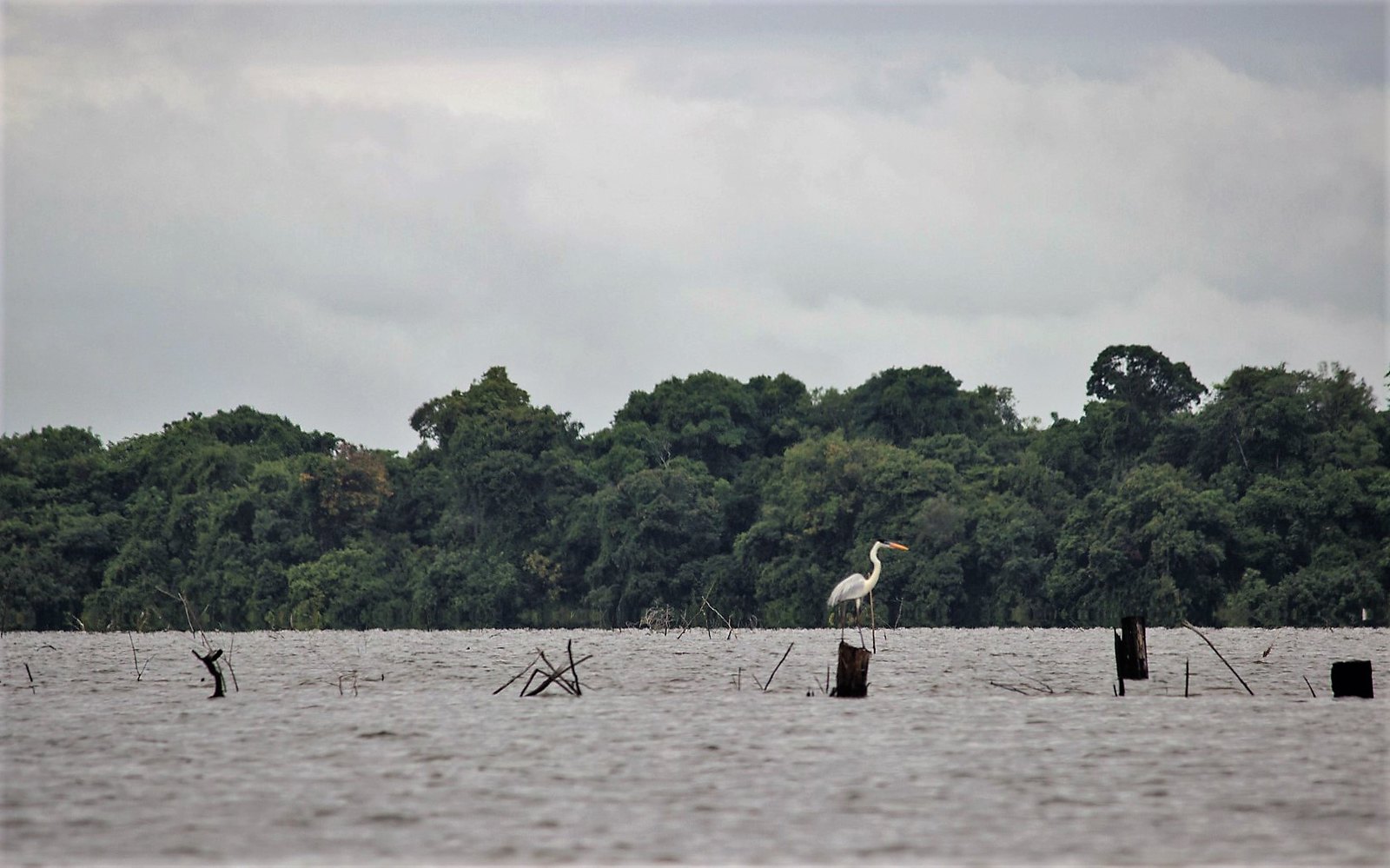
Photo: Amazon Watch / Maíra Irigaray.
The search for justice and reparations
Over the years, the Federal Public Prosecutor’s Office in Pará, the Public Defender’s Office, and civil society organizations have filed dozens of legal actions in Brazilian courts to challenge the project’s various irregularities and its impacts. Most of the claims are still pending resolution, some for more than 10 years.
These efforts have failed because the national government has repeatedly overturned rulings in favor of the affected communities by invoking a mechanism that allowed a court president to suspend a judicial decision based solely on generic arguments such as "the national interest" or "economic order."
In the absence of effective responses at the national level, AIDA, together with a coalition of partner organizations, brought the case before the Inter-American Commission on Human Rights (IACHR) and, in 2010, requested precautionary measures to protect the lives, safety, and health of the affected indigenous communities.
On April 1, 2011, the IACHR granted these measures and requested that the Brazilian government suspend environmental permits and any construction work until the conditions related to prior consultation and the protection of the health and safety of the communities are met.
And on June 16, 2011 —together with the Xingu Vivo Para Sempre Movement, the Coordinating Committee of Indigenous Organizations of the Brazilian Amazon, the Diocese of Altamira, the Indigenous Missionary Council, the Pará Society for the Defense of Human Rights and Global Justice— we filed a formal complaint against the Brazilian State for its international responsibility in the violation of the human rights of the people affected in the case. The case was opened for processing in December 2015.
On August 3, 2011, the IACHR amended the precautionary measures to request, instead of the suspension of permits and construction, the protection of people living in voluntary isolation, the health of indigenous communities, and the regularization and protection of ancestral lands.
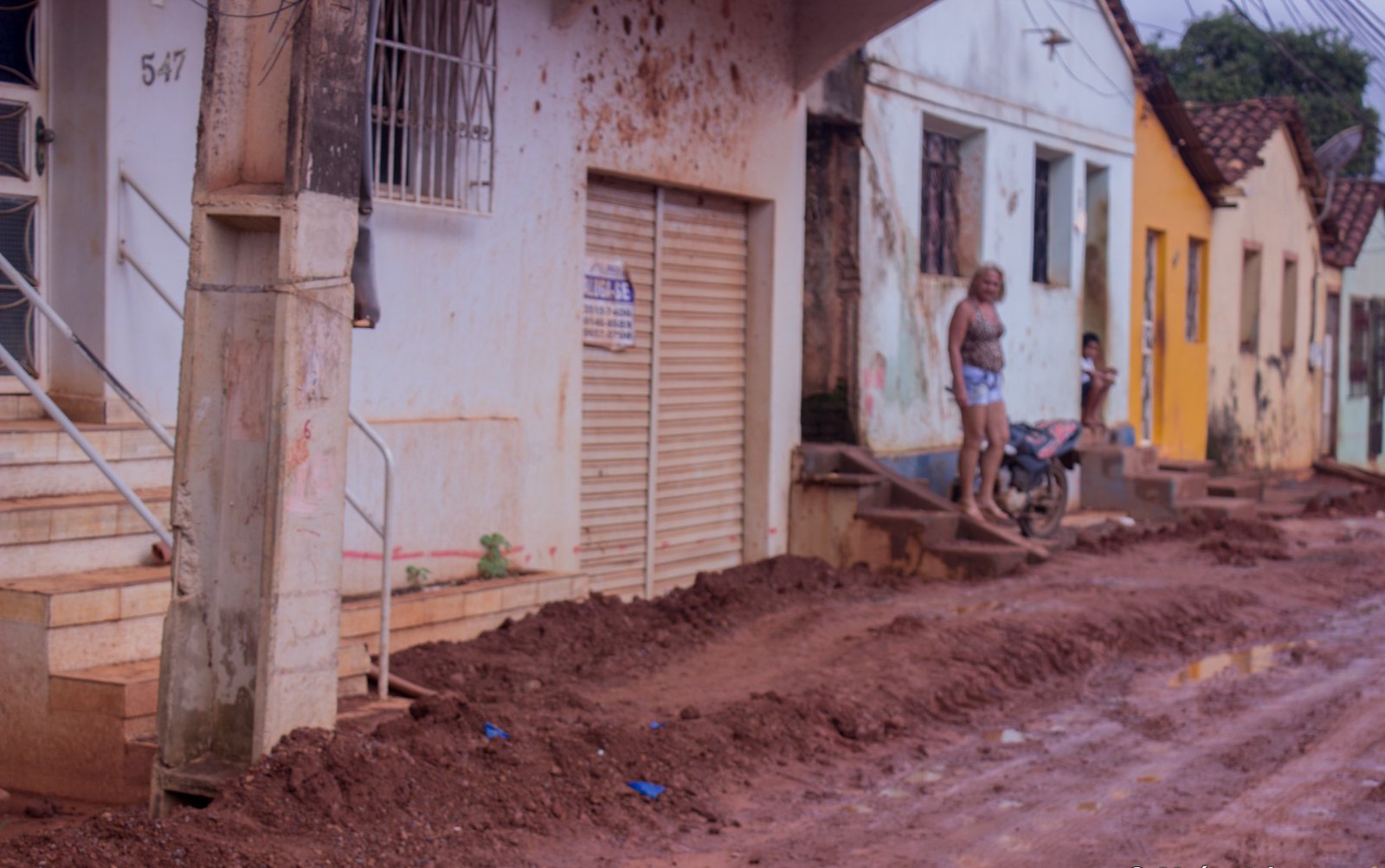
Photo: Amazon Watch / Maíra Irigaray.
Current situation
The protective measures granted by the IACHR remain in effect, but the Brazilian government has not fully complied with them, reporting only on general actions. The communities have documented the ongoing violations of their rights. The situation that prompted the request for these measures—the risk to the lives, physical integrity, and ways of life of the communities—persists and has worsened with the hydroelectric plant operating at full capacity and the recent extreme droughts in the Amazon.
In addition to the impacts of Belo Monte, there is a risk of further social and environmental impacts from the implementation of another mining megaproject in the Volta Grande do Xingu. There, the Canadian company Belo Sun plans to build Brazil’s largest open-pit gold mine.
The combined and cumulative impacts of the dam and the mine were not assessed. The government excluded Indigenous peoples, riverine and peasant communities from the project’s environmental permitting process. Despite protests by Indigenous communities and other irregularities surrounding the project, the government of Pará formally authorized the mine in April 2026.
Like other hydroelectric dams, Belo Monte exacerbates the climate emergency by generating greenhouse gas emissions in its reservoir. And it is inefficient amid the longer, more intense droughts caused by the crisis, as it loses its ability to generate power.
The case before the Inter-American Commission
In October 2017, the IACHR announced that it would rule jointly on the admissibility (whether the case meets the requirements for admission) and the merits (whether a human rights violation actually occurred) of the international complaint against the Brazilian State.
Fifteen years after the complaint was filed, the affected communities and the organizations representing them are still awaiting this decision. If the IACHR concludes that human rights violations occurred and issues recommendations that the Brazilian State fails to comply with, it may refer the case to the Inter-American Court of Human Rights, whose rulings are binding.
A potential ruling by the international court in this case would set a regional legal precedent regarding the rights of indigenous and riverine peoples, public participation in megaprojects, and state responsibility in the context of the climate crisis—a precedent that is particularly relevant in light of the Court’s Advisory Opinion No. 32, which reaffirmed the obligations of States to protect the people and communities of the continent from the climate emergency.
Partners:
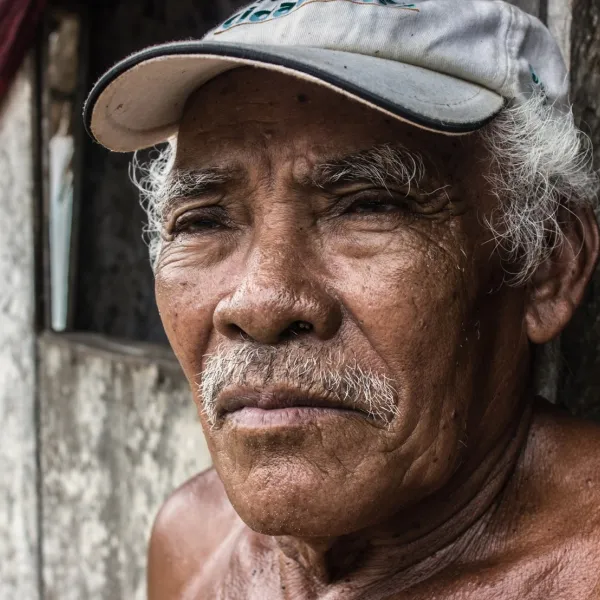
Related projects
Activist Deaths Demand Accountability
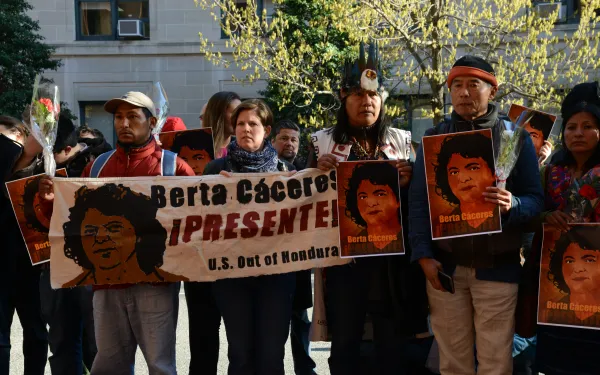
Last year 185 environmental activists were murdered world-wide, two-thirds from Latin America, according to Global Witness. Of the ten most dangerous countries in the world for environmental defenders, seven are in Latin America. The brave activists we lost were killed for resisting mines, dams, and other destructive industrial projects. Now, more than ever, we must demand accountability. For the loss to the environment, the loss of indigenous cultures, the loss of human rights. That just got harder. On May 23 the Inter-American Commission on Human Rights announced a severe financial crisis leading to “suspension of [scheduled] hearings and imminent layoff of nearly half of its staff.” While the Commission has long been short on funds, this is the worst financial crisis it has ever seen. The Commission depends on funding from the Organization of American States (OAS), governments in the Americas and Europe, organizations, and foundations. Nearly all governments have decreased or failed to honor their financial commitments. The financial crisis demonstrates that our work, and the work of colleagues, communities, and movements, is having an impact. The Commission has produced important decisions in cases involving indigenous and community rights, land and environmental protection, and destructive development projects. For a few years countries have complained that the Commission is going beyond its mandate in cases involving development projects. But of course, when development projects violate human rights, they clearly fall within the purview of the Inter-American Human Rights System. The Belo Monte Dam case provides clear evidence that this manufactured crisis is a result of our effectiveness. In 2011 the Commission granted the precautionary measures our colleagues and we requested on behalf of affected indigenous communities. Brazil reacted by immediately withdrawing its ambassador to the OAS and by withholding funding for the rest of the year. A new ambassador did not return until 2015 and Brazil’s payments haven’t normalized since. In addition, after the precautionary measures were issued Brazil started an aggressive process to “reform” the Commission that ended by weakening its power. At AIDA we have analyzed how the crisis affects our cases before the Commission; how it affects future cases that need international attention; and how it affects human rights protection in the Americas. Current cases will likely be delayed. Our case on toxic poisoning in La Oroya, Peru is already seriously delayed. The Commission has promised to release a report on the merits so the case can be taken to the next level, the Inter-American Court of Human Rights. We have been told the Commission will approve the report, which has been completed, this year—despite losing 40% of its staff. This remains to be seen. Of course, we have contacted the Commission and stressed the importance of advancing the case. Informally, some judges from the Inter-American Court have indicated their eagerness to receive the case. Processing the Belo Monte case has only just started, after pending four years at the Commission. Strong political pressure from Brazil will likely delay it further. But political pressure on Brazil and the Commission can help the case move faster. As Belo Monte is linked to the biggest corruption scandal in Brazil, maybe the Commission will understand how relevant it is to advance the case. We will continue advocating for priority processing. New cases require further evaluation. We plan to bring at least one new case to the Commission soon, because unless we meet a deadline in a few weeks, the statute of limitations will prevent its consideration. All domestic remedies have been pursued; the Commission represents the last chance for justice. Despite the uncertainties of the current situation, it is important to preserve our clients’ rights in case the Commission’s funding is brought back to an adequate level. In other cases, we are looking for different ways to achieve justice. For example, we are exploring more than ever the use of national courts and national authorities. In addition, we are looking for new ways to engage financial institutions to prevent funding of projects that harm the environment and human rights. We are working with other organizations to develop response strategies. One of our attorneys, Rodrigo Sales, a Brazilian lawyer, recently represented AIDA at the General Assembly of the OAS. He advocated for human rights solutions in the region, among other issues. We consider collaboration and cooperation among the human rights and environmental communities to be essential. We need to stand together, showing governments and the public that human rights and the Commission are of vital importance. The financial crisis of the Commission—an international entity for hearing and resolving hemispheric human rights concerns—is an urgent issue that requires common understanding, thinking, strategizing, and acting. AIDA is working to make this happen.
Read more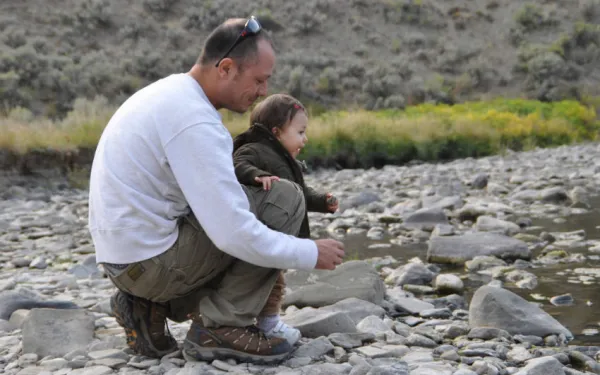
The love of nature, a lesson from father to daughter
By Aida Navarro, AIDA Communications and Human Resources Advisor On Father’s Day, I’d like to share the vision that my daughter Constanza has of her father. At AIDA we celebrate all the fathers who instill in their children a profound love for nature. We share your desire for all children to inherit a healthy planet on which environmental justice thrives. We also celebrate all the lawyers, like those on our team, who fight daily to defend the environment and human rights. We firmly believe that the love of our natural world begins in the cradle. I was barely a year old when my dad took me to one of the most magical places on Earth: Yellowstone National Park, the world’s first protected area. Nature and all the special creatures that live in it have enveloped my childhood ever since. When my teachers at school asked me what my father did for a living, I proudly told him that he is a defender of the planet. In his office, the walls are lined with photos of animals. My favorite is the white shark, which he took in a place called Guadalupe Island, where he’ll take me when I’m older. Every night I choose a book about sharks to read at bedtime. I already know the names of most species of sharks and I know what I must do to protect them. My dad Fernando says that being an environmental attorney is hard sometimes because he has to fight against people that do things to destroy the planet. Attorneys, he said, have to study a lot, know a lot of laws and use their brains to find ways to avoid damage to people and the environment. My mom knows a lot of lawyers who do the same work as my dad. She works with them in an organization that shares her name: AIDA. She helps them so that other people know what the organization does and can help them to defend nature. A Passing Dream I’m not sure if my memories of Yellowstone are real or if they’re all mixed up with photographs and the stories I’ve heard. I remember seeing a huge herd of buffalo out of the car window. They were so close I could smell them. I remember how patient my dad was when we was waiting to take a photo of a group of wolves that looked just like the tattoo on his arm. I can almost still smell the forest and hear the funny sounds that the squirrels make. I remember how amazing it was to discover, beneath the bark of trees, entire worlds so hidden from the gaze of us giants. Among so many other things, on that trip I learned to climb trees and throw stones, important skills for a young girl like me. I remember a mama bear with her two cubs crossing the road right in front of us. All of us in cars smiled an unforgettable smile and waited patiently for the animals to pass. My dad waited for me to grow a little bigger before he took me to meet the giants he had told me so much about: the grey whales. We drove for many hours. On the way, we stopped to walk among giant cactuses that grew up among the rocks. It was very hot and my dad told me about all the animals that lived in the desert. When we finally arrived to where we were going, we got on a small boat. We shouted with joy and excitement when a whale swam up and played with us as if we were a little toy boat in a bathtub. My dad held me tight in his arms as I stretched out to touch the whale. Her skin felt thick and airy, like those inflatable castles I love to jump in. I didn’t like it when the whale blew into my face; it smelled like fish! Living with Nature Even though he grew up in Mexico City, one of the biggest cities in the world, my parents chose to live in a much quieter place, on the Baja California peninsula. The view of the ocean delights every sunrise. We breathe clean air. In the mornings, my dad takes me to school down a long dirt road. On the way there, I like to greet a honey-colored horse that rests beneath a tree. At school, we have chickens and guinea pigs. We make compost, plant vegetables, run between trees and listen to birdsongs. It’s so much fun. When my dad travels, I miss him a lot, but I’m so happy that he’s out there saving the whales, dolphins and turtles. “Save so many dolphins,” I tell him when we talk on the phone. I imagine him as a super hero sailing in distant seas to rescue animals trapped in nets that fishermen forgot, or animals that would die from eating plastic they confused with food. I don’t want them to kill the animals. I think that when I’m older, I’ll be a veterinarian, or maybe a lawyer like my dad. That way I can defend the bears, sharks, trees and rivers; and also the children who have lost their homes to floods, or don’t have clean water to drink. Now that I’m almost five years old, I want my cake to have animals in danger of extinction on it... or maybe reptiles! I have so many unforgettable memories of Yellowstone, and even more photos, but the best memory, the one that still floods his face with happiness, is that on this trip I learned to say, “dad.”
Read more
Victims of business-influenced human rights violations face obstacles to achieving justice
The asymmetry of power between companies and affected people, among other factors, makes access to justice difficult in the Americas. Organizations provided detailed information on this problem during a hearing before the Inter-American Commission on Human Rights (IACHR). Santiago, Chile. Across the Americas, people and communities whose human rights have been violated by business activities face obstacles when exercising their right to access justice and achieve reparations for damages done. They are often confronted with criminalization, harassment and threats. Among other reasons, the situation reflects the reality that, in many countries, businesses are not properly controlled and may even receive government incentives to continue operations, despite the fact that they violate human rights. In a hearing before the Inter-American Commission on Human Rights, civil society organizations[1] demonstrated, through emblematic cases in South America, that this is a problem that happens throughout the region. One of these cases occurred in Brazil on November 5, 2015, when a dam of mining waste owned by Samarco burst in the Río Doce basin. The rupture caused the worst socio-environmental disaster in the country’s history: tons of toxic sludge moved down the river, destroying homes, schools, crops and livestock on its slow and deadly path to the Atlantic Ocean. The government and the company have since closed the case on the disaster, after reaching a settlement in which the victims were not even able to participate. “I lived a quiet life. I never would have expected to see what I saw, to witness families destroyed. We need employment, but we need it responsibly, not in a way that ends up killing people. We are asking for help now, because we can’t let these companies do whatever they want. If this Commission can help us, we would be grateful,” said Antonio Gregorio Santos, a victim of the case in Brazil. In the hearing, the organizations also referred to the case of Southern Peaks Mining, financed by the British-owned Barclays Bank, in which they are accused of breaching agreements with Mala communities in Peru. Here the victims found persecution and illegal detention in their search for justice. “We have identified various barriers to access to justice for the victims. Some—such as socio-economic, cultural and linguistic barriers—were identified in the Commission’s Report on indigenous peoples, afro-descendent communities and extractive industries,” said María José Veramendi Villa, attorney at the Inter-American Association for Environmental Defense, one of the petitioning organizations at the hearing. “Many obstacles are exacerbated in disputes with companies due, in large part, to the sharp asymmetry that exists in this relationship, expressed, for example, in political interference on the part of companies and in the lack of adequate independent safeguards for judicial power in many countries of South America.” The organizations requested that the Commission remind the States of their obligation to guarantee access to justice for those who have suffered human rights violations at the hands of companies, and urge them to strengthen domestic legislation accordingly. They also requested that the Commission develop binding standards regarding business and human rights in its rulings on petitions and individual cases—as well as in its thematic reports—in particular with regards to access to redress mechanisms. Finally, they highlighted the work of those who defend human rights against the actions of companies and reminded States that they must provide adequate conditions for their operation. [1] Interamerican Association for Environmental Defense (AIDA, regional); Centro de Información sobre Empresas y Derechos Humanos (CIEDH, regional); Centro por la Justicia y el Derecho Internacional (CEJIL, regional); Centro de Derechos Humanos y Ambiente (CEDHA, Argentina); Campanha para parar o poder das Corporações (Brasil); Justiça Global (Brasil); Pensamiento y Acción Social (PAS, Colombia); Project on Organizing, Development, Education, and Research (PODER, México); Fundar Centro de Análisis e Investigación A.C (México); Proyecto de Derechos Económicos, Sociales y Culturales (ProDESC, México); Centro Mexicano de Derecho Ambiental (CEMDA, México); Código DH - Comité de Defensa Integral de Derechos Humanos Gobixha (México) y Asociación Pro Derechos Humanos (Perú).
Read more