
Project
Amazon Watch / Maíra Irigaray
The Belo Monte Dam on the Xingu River: 10 years of impacts in the Amazon and the search for reparations
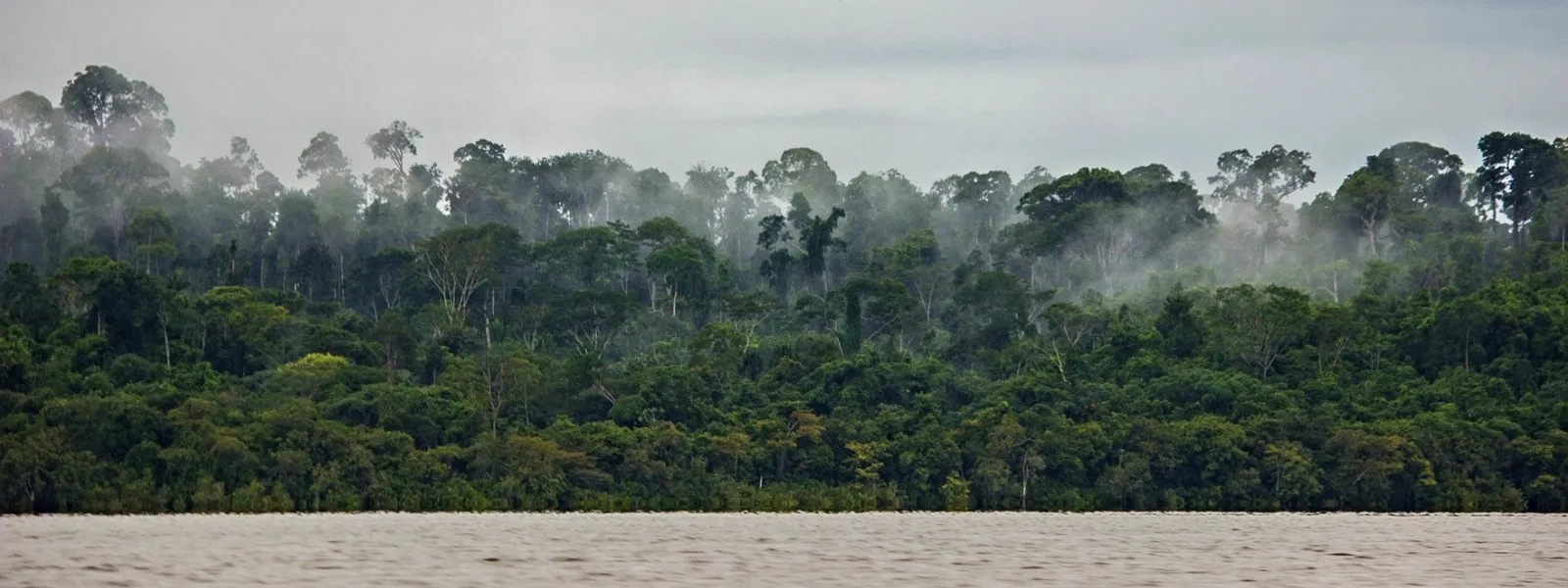
The Belo Monte Dam has caused an environmental and social disaster in the heart of the Amazon—one of the most important ecosystems on the planet.
This situation has only worsened since the hydroelectric plant began operations in 2016. The quest for justice and reparations by the affected indigenous, fishing, and riverine communities continues to this day.
In 2011, the Inter-American Commission on Human Rights (IACHR) granted them protective measures that, to date, have not been fully implemented by the Brazilian State.
Furthermore, since June of that same year, the IACHR has yet to rule on a complaint against the State regarding its international responsibility in the case.
The IACHR may refer the case to the Inter-American Court of Human Rights, which has the authority to issue a ruling condemning the Brazilian State.
After 10 years of the hydroelectric plant's operation and more than 15 years of documented human rights violations, it is time for justice to be served for the affected communities.
Read the open letter from the organizations bringing the case before the IACHR
Background
The Belo Monte hydroelectric plant—the fourth largest in the world by installed capacity (11,233 MW)—was built on the Xingu River in Pará, a state in northern Brazil.
It was inaugurated on May 5, 2016, with a single turbine. At that time, 80% of the river’s course was diverted, flooding 516 km² of land—an area larger than the city of Chicago. Of that area, 400 km² was native forest. The dam began operating at full capacity in November 2019.
Belo Monte was built and is operated by the Norte Energia S.A. consortium, which is composed primarily of state-owned companies. It was financed by the Brazilian Development Bank (BNDES), which provided the consortium with 25.4 billion reais (approximately US$10.16 billion), the largest investment in the bank’s history. Therefore, the BNDES is also legally responsible for the socio-environmental impacts associated with the hydroelectric plant.
Decades of harm to the environment and people
Human rights violations and degradation of the Amazon have been occurring since the project’s inception. In March 2011, Norte Energía began construction of the dam without adequate consultation and without the prior, free, and informed consent of the affected communities.
The construction caused the forced displacement of more than 40,000 people, severing social and cultural ties. The resettlement plan in Altamira—a city directly affected by the hydroelectric dam—involved housing units located on the outskirts, lacking adequate public services and decent living conditions for the relocated families, with no special provisions for those from indigenous communities.
Belo Monte's operations have caused a permanent, man-made drought in the Volta Grande (or "Great Bend") of the Xingu River, exacerbated by the historic droughts in the Amazon in 2023 and 2024. As a result, the deaths of millions of fish eggs were documented for four consecutive years (from 2021 to 2024), and for the past three years, there has been no upstream migration of fish to spawn and reproduce. Thus, artisanal fishing, the main source of protein for indigenous peoples and riverside communities, was severely affected: fish dropped from 50% to 30% of total protein consumed, replaced by processed foods. In summary, there was an environmental and humanitarian collapse that resulted in the breakdown of fishing as a traditional way of life, food insecurity, and access to drinking water for thousands of families, impoverishment, and disease.
Furthermore, the construction of the dam increased deforestation and intensified illegal logging and insecurity on indigenous and tribal lands, putting the survival of these communities at risk. Another consequence was the deepening of poverty and social conflicts, as well as the strain on health, education, and public safety systems in Altamira—a city ranked as the most violent in the country in 2017, where human trafficking and sexual violence increased. Violence was also reported against human rights defenders involved in the case.
In 2025, during the 30th UN Climate Change Conference (COP30), held in Brazil, the Federal Public Prosecutor’s Office labeled the damage caused by the Belo Monte dam as ecocide.
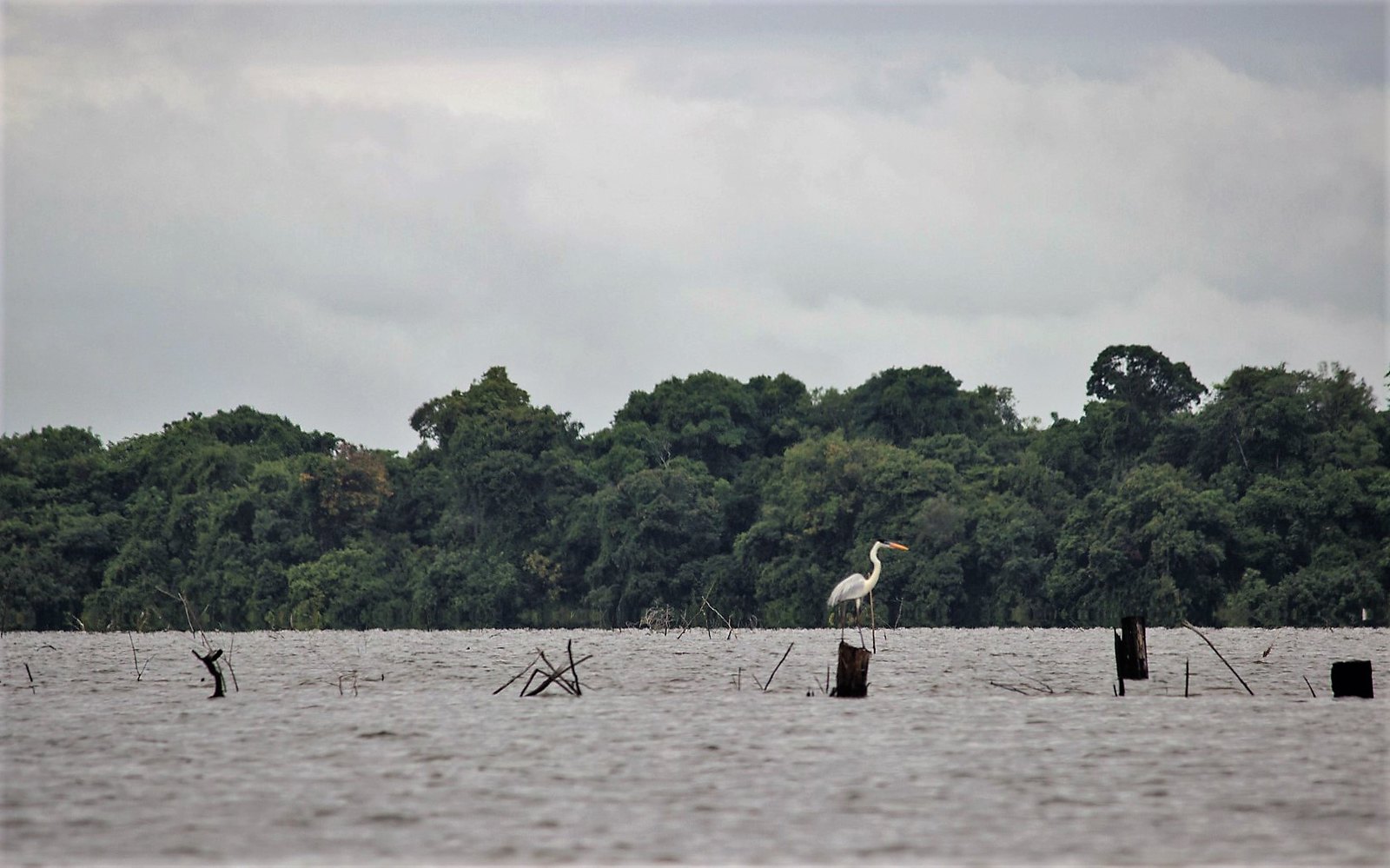
Photo: Amazon Watch / Maíra Irigaray.
The search for justice and reparations
Over the years, the Federal Public Prosecutor’s Office in Pará, the Public Defender’s Office, and civil society organizations have filed dozens of legal actions in Brazilian courts to challenge the project’s various irregularities and its impacts. Most of the claims are still pending resolution, some for more than 10 years.
These efforts have failed because the national government has repeatedly overturned rulings in favor of the affected communities by invoking a mechanism that allowed a court president to suspend a judicial decision based solely on generic arguments such as "the national interest" or "economic order."
In the absence of effective responses at the national level, AIDA, together with a coalition of partner organizations, brought the case before the Inter-American Commission on Human Rights (IACHR) and, in 2010, requested precautionary measures to protect the lives, safety, and health of the affected indigenous communities.
On April 1, 2011, the IACHR granted these measures and requested that the Brazilian government suspend environmental permits and any construction work until the conditions related to prior consultation and the protection of the health and safety of the communities are met.
And on June 16, 2011 —together with the Xingu Vivo Para Sempre Movement, the Coordinating Committee of Indigenous Organizations of the Brazilian Amazon, the Diocese of Altamira, the Indigenous Missionary Council, the Pará Society for the Defense of Human Rights and Global Justice— we filed a formal complaint against the Brazilian State for its international responsibility in the violation of the human rights of the people affected in the case. The case was opened for processing in December 2015.
On August 3, 2011, the IACHR amended the precautionary measures to request, instead of the suspension of permits and construction, the protection of people living in voluntary isolation, the health of indigenous communities, and the regularization and protection of ancestral lands.
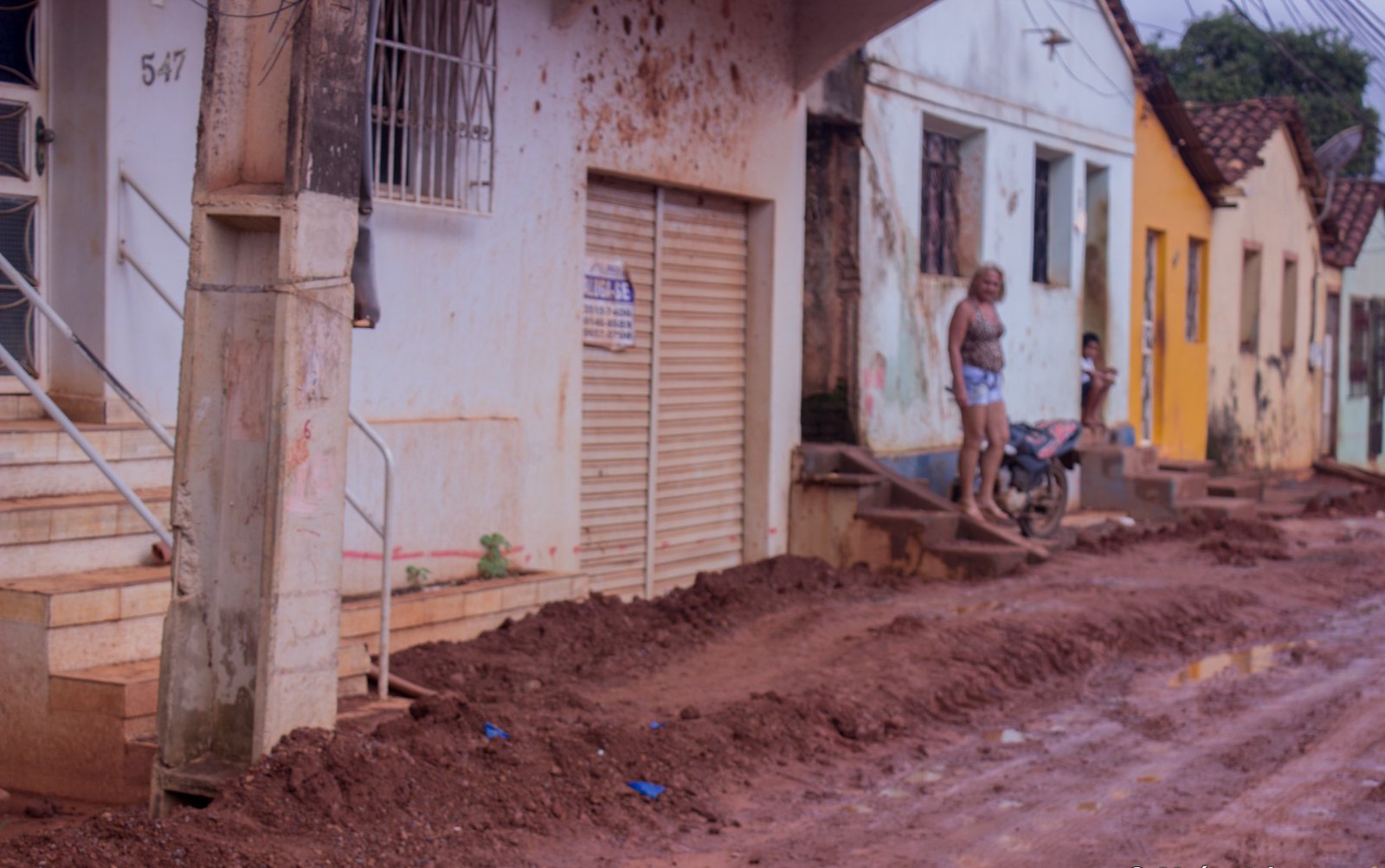
Photo: Amazon Watch / Maíra Irigaray.
Current situation
The protective measures granted by the IACHR remain in effect, but the Brazilian government has not fully complied with them, reporting only on general actions. The communities have documented the ongoing violations of their rights. The situation that prompted the request for these measures—the risk to the lives, physical integrity, and ways of life of the communities—persists and has worsened with the hydroelectric plant operating at full capacity and the recent extreme droughts in the Amazon.
In addition to the impacts of Belo Monte, there is a risk of further social and environmental impacts from the implementation of another mining megaproject in the Volta Grande do Xingu. There, the Canadian company Belo Sun plans to build Brazil’s largest open-pit gold mine.
The combined and cumulative impacts of the dam and the mine were not assessed. The government excluded Indigenous peoples, riverine and peasant communities from the project’s environmental permitting process. Despite protests by Indigenous communities and other irregularities surrounding the project, the government of Pará formally authorized the mine in April 2026.
Like other hydroelectric dams, Belo Monte exacerbates the climate emergency by generating greenhouse gas emissions in its reservoir. And it is inefficient amid the longer, more intense droughts caused by the crisis, as it loses its ability to generate power.
The case before the Inter-American Commission
In October 2017, the IACHR announced that it would rule jointly on the admissibility (whether the case meets the requirements for admission) and the merits (whether a human rights violation actually occurred) of the international complaint against the Brazilian State.
Fifteen years after the complaint was filed, the affected communities and the organizations representing them are still awaiting this decision. If the IACHR concludes that human rights violations occurred and issues recommendations that the Brazilian State fails to comply with, it may refer the case to the Inter-American Court of Human Rights, whose rulings are binding.
A potential ruling by the international court in this case would set a regional legal precedent regarding the rights of indigenous and riverine peoples, public participation in megaprojects, and state responsibility in the context of the climate crisis—a precedent that is particularly relevant in light of the Court’s Advisory Opinion No. 32, which reaffirmed the obligations of States to protect the people and communities of the continent from the climate emergency.
Partners:
Related projects

Photo Essay: Life in the shadow of Belo Monte
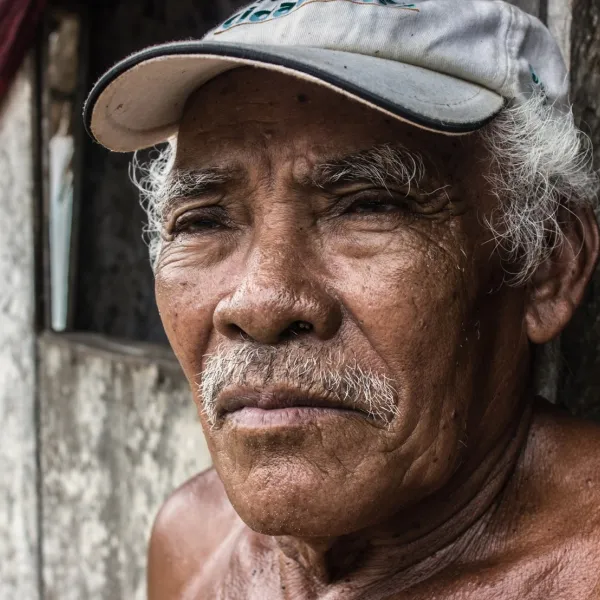
By Anna Miller, AIDA writer Deep in the Amazon in north Brazil, the world’s third largest dam towers over a once lush jungle landscape. In its far-reaching shadow live the indigenous and riverine communities who have long called the region home. They are people who have lived and grown by the bounty of the forest and the Xingu River. For most, the natural world that surrounds them is inseparable from their definition of home. But that home is changing rapidly. As the Belo Monte Dam begins operations, and its floodgates open, their world is looking and feeling very different. Large stretches of jungle have been flooded, islands completely submerged. The fish are dying, the wildlife scared away. Families have been separated, and entire communities forced from their land. The shadow cast by Belo Monte is long, and it is dark. The lifestyle of the people of the Xingu river basin has been drastically changed without their consent. Their basic human rights have been violated time and time again. The operating company’s attempts at compensation would be laughable, if they weren’t so heartbreaking. The photos that follow depict people and communities who are living amid the volatile realities of this once peaceful patch of rainforest. They are victims of the corruption, violence and abuse that have come to envelop the largest engineering project in Brazil’s history. The Xingu River is dying. Arapujá Island, visible from Altamira, has been completely stripped of life, causing radical change in river currents. Smaller islands where fishermen lived surrounded by fruit trees have been submerged by rising water levels, as the dam’s reservoirs are filled. On one day in January, the Belo Monte dam opened its floodgates without warning; the river is said to have risen more than 20 feet in an hour. Massive amounts of fish have been dying off; locals say Norte Energía even has cleanup crews that bury them, to hide the scale of the daily devastation. Downstream from the dam, the flow of the river at the Big Bend is reducing drastically; the water is becoming muddy and deoxygenated. Communities near and far—from indigenous people to riverine fishermen—are suffering the impacts, as their lives are torn from the river they know so well. As the Xingu dies, they too lose their lives—for the river itself has long been their home, their source of food and livelihood. The construction of Belo Monte has had severe impacts on the natural world, which has long been the primary food source for jungle communities. Tribes who have lived a subsistence lifestyle are finding the river and the jungle they rely on aren’t producing enough, or are too contaminated, to feed their families. Indigenous people have been driven into the nearest city, Altamira, to meet their basic needs. Some go to buy food or go to the doctor; others have succumbed to the struggle and left their village entirely. Many who come to Altamira stay at Casa Do Indio, a house built as a shelter for the recent influx of indigenous peoples. There, they stay in overcrowded rooms, lacking proper sanitation and endangering their health. Far from their homes, stripped of their dignity, they are confronted with the harsh realities of a violent and overcrowded city. As the city closest to Belo Monte, Altamira has undergone drastic changes due to the dam’s construction. Since the project began, the city’s population has grown by nearly 75 percent; 170,000 people are currently living in a city designed for far fewer. Violence has skyrocketed and entire neighborhoods have been destroyed, displacing residents and demolishing longtime family homes. Even neighborhoods Norte Energía claimed would be unaffected by the dam are experiencing its impacts. The rapid growth has wreaked havoc on the city’s sewage system. Belo Monte’s operators have implemented no water or sewage treatment solutions whatsoever, and the entire city is suffering from a lack of basic sanitation. As a result, muddied and flooded streets are widespread. People are demanding answers from Brazil’s Environmental Authority, and from Norte Energía. But they’re left with only questions. The impacts of Belo Monte are not just forcing people from their land; they are tearing people away from each other. As homes are destroyed, and entire villages relocated, the individuals ripped from their lives are struggling to adapt. Communities are losing touch with their traditions; daughters are losing touch with their mothers. Karoline grew up in a rural community surrounded by her family and the rich natural world she remembers so fondly. When her family had to leave their land behind, they didn’t have many options, and were forced to split up. Her parents went to stay with relatives, and Karoline and her sister left for Altamira. Seeking opportunities, education, employment, they too have since parted ways. As a teenager, Karoline is on her own now, far from home. As a requirement of the project’s implementation, Norte Energía must comply with certain conditions, designed to benefit affected communities. They have been implemented in different forms for different situations, none of which could be described as full, adequate or culturally respectful. The Arara da Volta Grande is one of the communities that will be most impacted by Belo Monte. They live on the Big Bend of the Xingu, where the flow of the river has been substantially reduced. To compensate the community for changes to their way of life, Norte Energía is building them “better” houses. Though still within their territory, the structures are located away from the river. They are made of cement and have thick roofs that trap the jungle heat inside each little box. They are a far cry from the wooden, open, thatch-roofed homes traditional to the Arara’s culture and community. Instead of providing the Arara people with a functioning well to provide clean water, Norte Energía has given the community houses they don’t know how to live in; houses that, each and every day, would pull them further away from where they’ve always been. When we talk to members of the indigenous and riverine communities surrounding Belo Monte, we listen to the same answers to many of our questions. The dam is disrupting their way of life. It’s cutting them off from the natural world around them. It’s threatening their culture, their traditional knowledge and the very structure of their communities. Leoncio Arara, a traditional healer from the Arara da Volta Grande, says he now lives in fear. Fear of the dam breaking, of the water rushing down and flooding his home and his community; fear of the fish dying, of the clean water drying up; fear of the dissipation of his culture and the disappearance of his people, who have lived on and with this land for generations. In the once-lush jungle surrounding the massive Belo Monte dam, we see injustice everywhere we look. We see displacement and environmental devastation. What we don’t see is accountability. That’s why we've taken the case to the Inter-American System of Human Rights to have Brazil respond on an international level to the allegations of human rights violations stemming from the construction of the Belo Monte Dam. We’re dedicated to this struggle and we won’t rest until the people we represent, and all those whose lives have been affected by Belo Monte, see justice.
Read more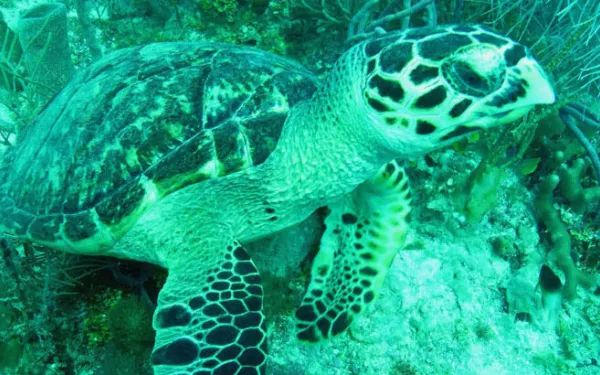
Mexico protects loggerhead turtles from the Don Diego mine
AIDA celebrates SEMARNAT’s decision to deny the environmental authorization of a marine phosphate mine proposed for Ulloa Bay, Baja California Sur. They found the measures the operating company presented to safeguard sea turtles are based on inconsistent information. Mexico City, Mexico. The Secretary of Environment and Natural Resources (SEMARNAT) placed the protection of the loggerhead turtle, a threatened species, above the economic benefit of the Don Diego marine phosphate mine, proposed for Ulloa Bay in Baja California Sur. The environmental authority denied the authorization of the project proposed by Exploraciones Oceánicas after finding that the measures presented by the company for protecting loggerheads are based on inconsistent information. The Interamerican Association for Environmental Defense (AIDA) applauds SEMARNAT’s decision, which states that the economic benefits of the project “cannot prevail over the protection of the natural resources of Ulloa Bay,” especially when some of those, like the loggerhead turtle (Caretta Caretta), “are threatened species subject to strict standards of protection.” According to the Secretariat, it’s not easy to harmonize the safeguarding of sea turtle populations with an activity “that adds to existing anthropogenic pressure (resulting from human activity) in the area and increases the risk of extinction of the species, which is internationally recognized” (pg. 232 of SEMARNAT’s decision). AIDA presented arguments to SEMARNAT about the international obligations that Mexico would breach upon authorizing the project, as well as the insufficient information with which the company evaluated the environmental impact of the mine on marine ecosystems, and on which mitigation measures were based. According to the Secretariat, Exploraciones Oceánicas proposed a program for the monitoring of sea turtles that could better be described as one of “rescue,” which is not based on quantitative data of the loggerhead habitat. In addition, the company did not present prevention and mitigation measures to guarantee the availability of sufficient food, and its model for restoration of the seabed—which it seeks to dredge to extract phosphate—does not take into account the particular characteristics of Ulloa Bay (pgs. 225 and 226). SEMARNAT relied upon international standards to deny Don Diego’s environmental authorization. They drew upon Mexico’s obligations to protect its marine environment and to use the best possible scientific information in the protection of sea turtles, contained, respectively, in the United Nations Convention on the Law of the Sea (CONVEMAR) and the Inter- American Convention for the Protection and Conservation of Sea Turtles (CIT). More information 10 Things You Should Know About Don Diego
Read more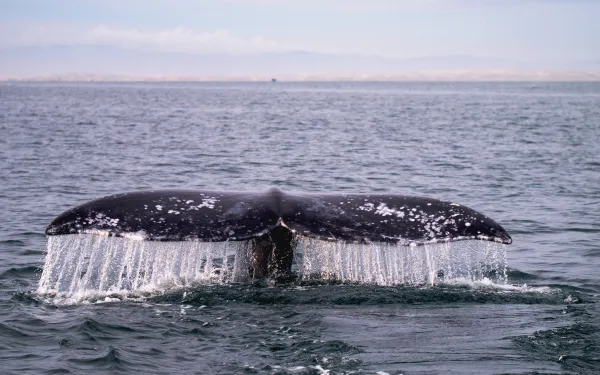
10 Things You Should Know About Don Diego
1. Don Diego is a proposed marine mining project in Mexico. Marine mining is a process used to extract metals or minerals from the seabed. The Don Diego proposal calls for dredging seven million tons of phosphate sand from the seabed 19 kilometers off the coast of Baja California Sur.[1] Leftover materials – excess or waste – that are not of interest would be returned to the sea.[2] 2. If created, it would be the first phosphate mine of its type, using this technique, in the region. This makes it impossible to accurately predict the damage that it could do or the measures that could be taken to protect against it.[3] Other countries, such as Namibia and New Zealand, [4] have rejected similar projects due to the severity of their potential impacts. Exploraciones Oceánicas, the company in charge of the project, does not have adequate experience in this area,[5] nor does the Mexican government have the experience to implement and monitor it properly. Even with this uncertainty, the company has not provided a financial guarantee to ensure compliance with the plan for managing, monitoring and supervising Don Diego. 3. It would alter the marine ecosystem. The collection of phosphate sand from the sea, and the deposition of waste, would create sediment that blocks light from entering, in turn affecting marine photosynthesis.[6] Dredging would destroy the health and habitat of benthic species such as oysters and clams, damaging the food chain and the natural equilibrium of the area.[7] The ecosystem could take years to recover. 4. The mine will not necessarily create greater food security in Mexico. Phosphate is used in fertilizer, which helps to produce food. The project’s proponents say a marine mine is needed to make up for reduced global phosphate reserves on land.[8] But beginning an operation of this type, without necessarily understanding the technique and its impacts, could cause more harm than good. In addition, extracting phosphate from Mexico’s waters does not guarantee that the phosphate will then be used to meet the demands of agriculture in Mexico, or in the Americas at all. 5. It would put at risk fisheries and the families that depend upon them. The location of the mining project would overlap with fishing concessions.[9] Ulloa Bay produces nearly 8,450 tons per year of commercial species including abalone, clams, squid, shrimp, snail, dogfish, crab, lobster, oyters, octopus, sharks and rays.[10] Fisheries would decline considerably due to the impacts of dredging the seabed.[11] 6. It would impact an ecologically rich and vulnerable area. Ulloa Bay is a unique marine region characterized by its biodiversity and high productivity. The bay is home to a great number of species of interest both to fisheries and to conservationists. In addition, a portion of the project would spread over 20 percent of the Magdalena Bay Region of Marine Importance,[12] a mangrove ecosystem that provides essential environmental services to coastal communities, including mitigation of climate change. 7. It would further endanger the habitat of the loggerhead turtle. Ulloa Bay is a critical habitat for the endangered loggerhead turtle, so much so that the Mexican government previously named it a refuge for the protection of the species.[13] Studies show that heavy noise, such as the mine would generate, would cause drastic changes in behavior and displace turtles from their habitat.[14] In addition, the Interamerican Convention for the Protection and Conservation of Sea Turtles has recently included mining as one of the listed activities threatening the health and habitat of sea turtles.[15] 8. It would destroy a refuge for the grey whale. Each year, the grey whale travels from Alaska to the warm waters of Baja California Sur to give birth to and raise its young.[16] Whales use sound to identify and locate their pod, and to find and capture their food.[17] Don Diego would generate noise, increase traffic and change the marine ecosystem, forever altering what has been for centuries a refuge for migrating whales.[18] 9. Approval of the project would involve a breach of international obligations on the part of the Mexican government. Mexico has obligations under international law to protect its marine ecosystem and the vulnerable species that depend on its health. The precautionary principle should be applied to this case, as there is no scientific certainty about the magnitude and intensity of the environmental damage that could occur. The Mexican government is required to take measures to avoid such damage, including evaluating a no-project alternative, until it proves that harm can be avoided or minimized. 10. The details of the project are confusing and available public information is incomplete. The duration and specific location of the project remain unclear. For example, the project is proposed to last 50 years, but under the Mining Law it could be extended 50 additional years.[19] [1] Environmental Impact Assessment, Executive Summary of the project “Dragado de arenas fosfáticas negras en el yacimiento de Don Diego”, pp. 4, 5 y 7. Available in Spanish at: http://apps1.semarnat.gob.mx/dgiraDocs/documentos/bcs/resumenes/2015/03BS2015M0008.pdf [2] Todo el proceso es descrito por el promovente, con mayor énfasis en el Capítulo II de la Manifestación de Impacto Ambiental, pp. 23-42. [3] Rofomex was a phosphate project in San Juan de la Costa, close to the city of La Paz, Baja California; the mine produced two million tons of phosphate annually, information available at http://www.dredge.com/dred2-10.html , http://defiendelasierra.org/wp-content/uploads/San-Juan-de-la-Costa.pdf y http://mrdata.usgs.gov/mrds/show-mrds.php?dep_id=10048963; however, the project was located on land and was not in Ulloa Bay, see the extact location here. [4] The first marine phosphate mine was proposed in Namibia in 2013, however the project was not approved and a moratorium was subsequently announced on this activity. See: http://www.scoop.co.nz/stories/WO1307/S00188/marine-phosphate-mining-cannot-be-sustained-by-namibia.htm and http://www.worldfuturecouncil.org/sandpiper-project.html; New Zealand used the precautionary principle to negate permission of an underwater phosphate mine, see: http://www.stuff.co.nz/business/industries/66038589/Chatham-Rock-Phosphate-aghast-mining-consent-refused [5] Website of Exploraciones Océanicas and activity on the NASDAQ stock exchange, which shows the company has never before undertaken a marine phosphate mining project. [6] The phosphate mining industry is considered of the potential sources of nuclear contamination, stemming from elements like Uranium (238U) and Thorium (232Th). The sediments that would be returned to the sea may contain high levels of toxic chemicals, including the presences of these two elements, which would be exposed during the phosphate separation process. Al-Masri, M., Mamish, S. et al. (2002). “The impact of phosphate loading activities on near marine environment: The Syrian Coast.” Journal of Environmental Radioactivity 58 (2002) 35-44. P. 1. [7] Environmental Impact Assessment, Executive Summary of the project “Dragado de arenas fosfáticas negras en el yacimiento de Don Diego,” Chapter VIII, Table VI.3, p. 64, y Chapter V, p. 48. Available in Spanish at: http://apps1.semarnat.gob.mx/dgiraDocs/documentos/bcs/estudios/2015/03BS2015M0008.pdf [8] U.S Geological Survey, Mineral Commodity Summaries, January 2015. Available at: http://minerals.usgs.gov/minerals/pubs/commodity/phosphate_rock/mcs-2015-phosp.pdf [9] Instituto Nacional de la Pesca Oficio RJL/INAPESACA/DGAIPP/978/2014 [10] CONABIO. Estudio sobre la caracterización socioeconómica y pesquera del Área Golfo de Ulloa, BCS (2010). Available in Spanish at: http://goo.gl/7An5o5 [11] Environmental Impact Assessment, Executive Summary of the project: “Dragado de arenas fosfáticas negras en el yacimiento de Don Diego,” Chapter VIII, Table VI.3, p. 64. Available in Spanish at: http://apps1.semarnat.gob.mx/dgiraDocs/documentos/bcs/estudios/2015/03BS2015M0008.pdf [12] Instituto Nacional de la Pesca. Oficio RJL/INAPESCA/DGAIPP/757/2014 [13] The Agreement that establishes the Area of Refuge for the Loggerhead Turtle (Caretta Caretta) in Ulloa Bay in Baja California Sur was before the Federal Regulatory Improvement Commission to obtain an approving opinion, December 9, 2014. 2014. Available in Spanish at: http://www.cofemermir.gob.mx/mir/crLecAnte.asp?submitid=33808 [14] Convention on Biological Diversity. “Sea turtle hearing and sensitivity to acoustic impacts.” Available at: https://www.cbd.int/doc/meetings/mar/mcbem-2014-01/other/mcbem-2014-01-submission-boem-03-en.pdf, pgs. 3 and 4. [15] Interamerican Convention on the Protection and Conservation of Sea Turtles, Seventh Conference of Parties, June 24-26, 2015, Mexico City. Resolution CIT-COP7-2015-R3. Available at: http://www.iacseaturtle.org/docs/resolucionesCOP7CIT/CIT-COP7-2015-R3_Cabezona_ Resolucion_ESP_7.15.15_ADOPTADA.pdf [16] Guerrero Ruiz, M., Urbán Ramírez, J. y Rojas Bracho, L. 2006. Las ballenas del golfo de California. Secretaría de Medio Ambiente y Recursos Naturales (SEMARNAT). Instituto Nacional de Ecología (INE). 537 pp. [17] Baker C. S. y C. M. Herman. 1984. Aggressive behavior between Humpback whales (Megaptera novaeangliae) wintering in Hawaiian waters. Can. J. Zool. 62(10): 1,922-1,937.; Croll, D. A., C. W. Clark, A. Acevedo, B. R. Tershy, S. Flores, J. Gedamke y J. Urbán. 2002. Only male fin whales sing loud songs. Nature 417: 809. [18] Annex 13 is a three page document that does not support the conclusions of the company in the environmental impact assessment. [19] Environmental Impact Assessment, Executive Summary of the project “Dragado de arenas fosfáticas negras en el yacimiento de Don Diego,” Chapter II, p. 4. Available in Spanish at: http://apps1.semarnat.gob.mx/dgiraDocs/documentos/bcs/estudios/2015/03BS2015M0008.pdf
Read more