
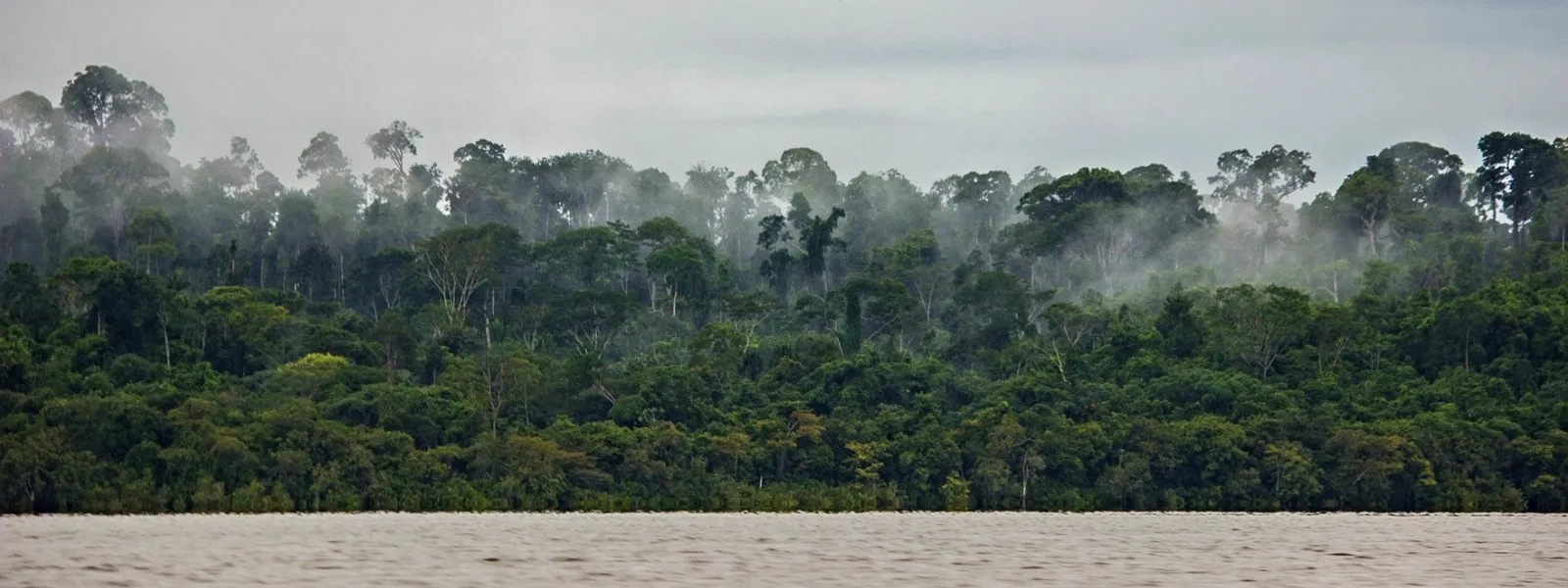
Project
Amazon Watch / Maíra Irigaray
The Belo Monte Dam on the Xingu River: 10 years of impacts in the Amazon and the search for reparations
The Belo Monte Dam has caused an environmental and social disaster in the heart of the Amazon—one of the most important ecosystems on the planet.
This situation has only worsened since the hydroelectric plant began operations in 2016. The quest for justice and reparations by the affected indigenous, fishing, and riverine communities continues to this day.
In 2011, the Inter-American Commission on Human Rights (IACHR) granted them protective measures that, to date, have not been fully implemented by the Brazilian State.
Furthermore, since June of that same year, the IACHR has yet to rule on a complaint against the State regarding its international responsibility in the case.
The IACHR may refer the case to the Inter-American Court of Human Rights, which has the authority to issue a ruling condemning the Brazilian State.
After 10 years of the hydroelectric plant's operation and more than 15 years of documented human rights violations, it is time for justice to be served for the affected communities.
Read the open letter from the organizations bringing the case before the IACHR
Background
The Belo Monte hydroelectric plant—the fourth largest in the world by installed capacity (11,233 MW)—was built on the Xingu River in Pará, a state in northern Brazil.
It was inaugurated on May 5, 2016, with a single turbine. At that time, 80% of the river’s course was diverted, flooding 516 km² of land—an area larger than the city of Chicago. Of that area, 400 km² was native forest. The dam began operating at full capacity in November 2019.
Belo Monte was built and is operated by the Norte Energia S.A. consortium, which is composed primarily of state-owned companies. It was financed by the Brazilian Development Bank (BNDES), which provided the consortium with 25.4 billion reais (approximately US$10.16 billion), the largest investment in the bank’s history. Therefore, the BNDES is also legally responsible for the socio-environmental impacts associated with the hydroelectric plant.
Decades of harm to the environment and people
Human rights violations and degradation of the Amazon have been occurring since the project’s inception. In March 2011, Norte Energía began construction of the dam without adequate consultation and without the prior, free, and informed consent of the affected communities.
The construction caused the forced displacement of more than 40,000 people, severing social and cultural ties. The resettlement plan in Altamira—a city directly affected by the hydroelectric dam—involved housing units located on the outskirts, lacking adequate public services and decent living conditions for the relocated families, with no special provisions for those from indigenous communities.
Belo Monte's operations have caused a permanent, man-made drought in the Volta Grande (or "Great Bend") of the Xingu River, exacerbated by the historic droughts in the Amazon in 2023 and 2024. As a result, the deaths of millions of fish eggs were documented for four consecutive years (from 2021 to 2024), and for the past three years, there has been no upstream migration of fish to spawn and reproduce. Thus, artisanal fishing, the main source of protein for indigenous peoples and riverside communities, was severely affected: fish dropped from 50% to 30% of total protein consumed, replaced by processed foods. In summary, there was an environmental and humanitarian collapse that resulted in the breakdown of fishing as a traditional way of life, food insecurity, and access to drinking water for thousands of families, impoverishment, and disease.
Furthermore, the construction of the dam increased deforestation and intensified illegal logging and insecurity on indigenous and tribal lands, putting the survival of these communities at risk. Another consequence was the deepening of poverty and social conflicts, as well as the strain on health, education, and public safety systems in Altamira—a city ranked as the most violent in the country in 2017, where human trafficking and sexual violence increased. Violence was also reported against human rights defenders involved in the case.
In 2025, during the 30th UN Climate Change Conference (COP30), held in Brazil, the Federal Public Prosecutor’s Office labeled the damage caused by the Belo Monte dam as ecocide.
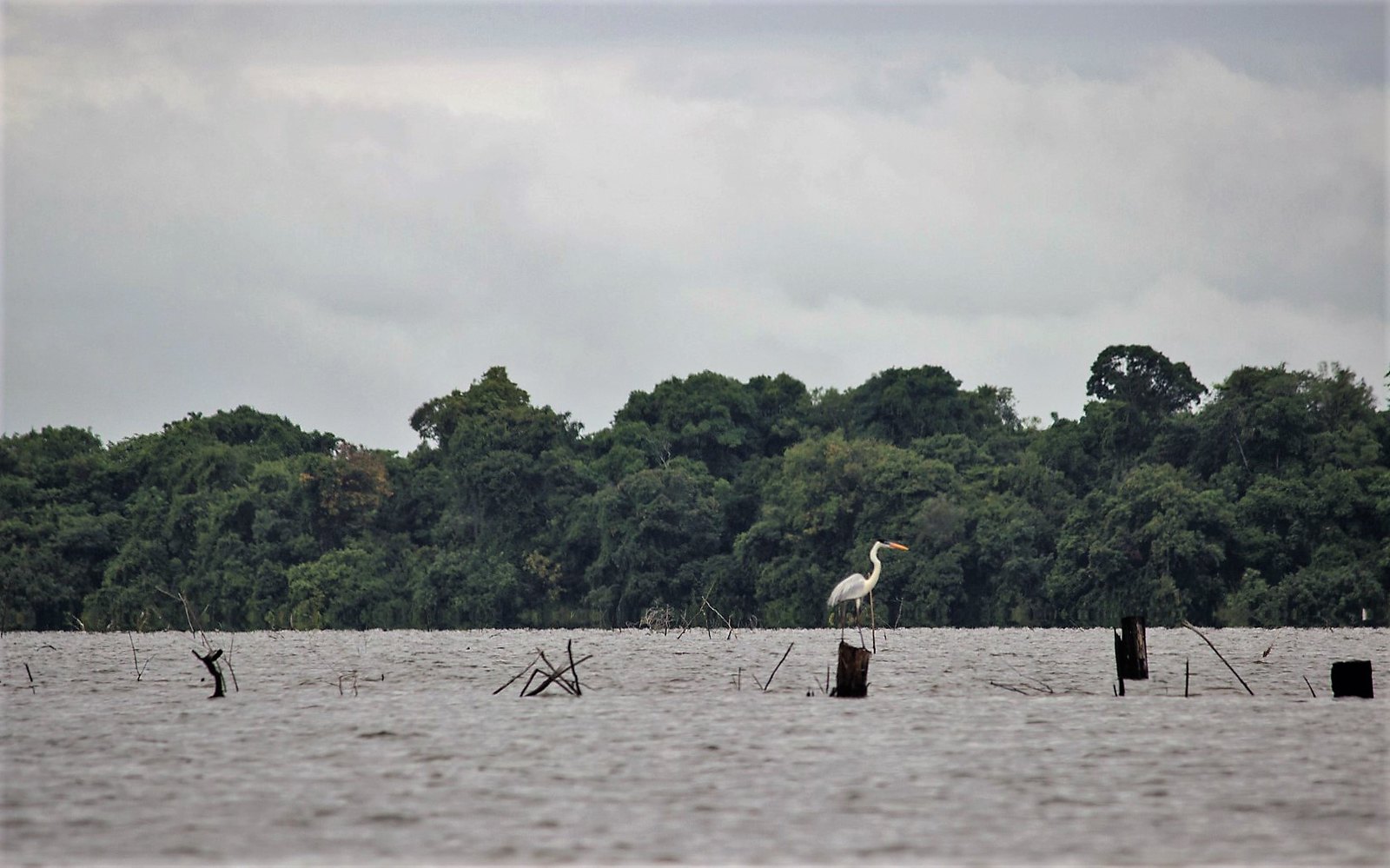
Photo: Amazon Watch / Maíra Irigaray.
The search for justice and reparations
Over the years, the Federal Public Prosecutor’s Office in Pará, the Public Defender’s Office, and civil society organizations have filed dozens of legal actions in Brazilian courts to challenge the project’s various irregularities and its impacts. Most of the claims are still pending resolution, some for more than 10 years.
These efforts have failed because the national government has repeatedly overturned rulings in favor of the affected communities by invoking a mechanism that allowed a court president to suspend a judicial decision based solely on generic arguments such as "the national interest" or "economic order."
In the absence of effective responses at the national level, AIDA, together with a coalition of partner organizations, brought the case before the Inter-American Commission on Human Rights (IACHR) and, in 2010, requested precautionary measures to protect the lives, safety, and health of the affected indigenous communities.
On April 1, 2011, the IACHR granted these measures and requested that the Brazilian government suspend environmental permits and any construction work until the conditions related to prior consultation and the protection of the health and safety of the communities are met.
And on June 16, 2011 —together with the Xingu Vivo Para Sempre Movement, the Coordinating Committee of Indigenous Organizations of the Brazilian Amazon, the Diocese of Altamira, the Indigenous Missionary Council, the Pará Society for the Defense of Human Rights and Global Justice— we filed a formal complaint against the Brazilian State for its international responsibility in the violation of the human rights of the people affected in the case. The case was opened for processing in December 2015.
On August 3, 2011, the IACHR amended the precautionary measures to request, instead of the suspension of permits and construction, the protection of people living in voluntary isolation, the health of indigenous communities, and the regularization and protection of ancestral lands.
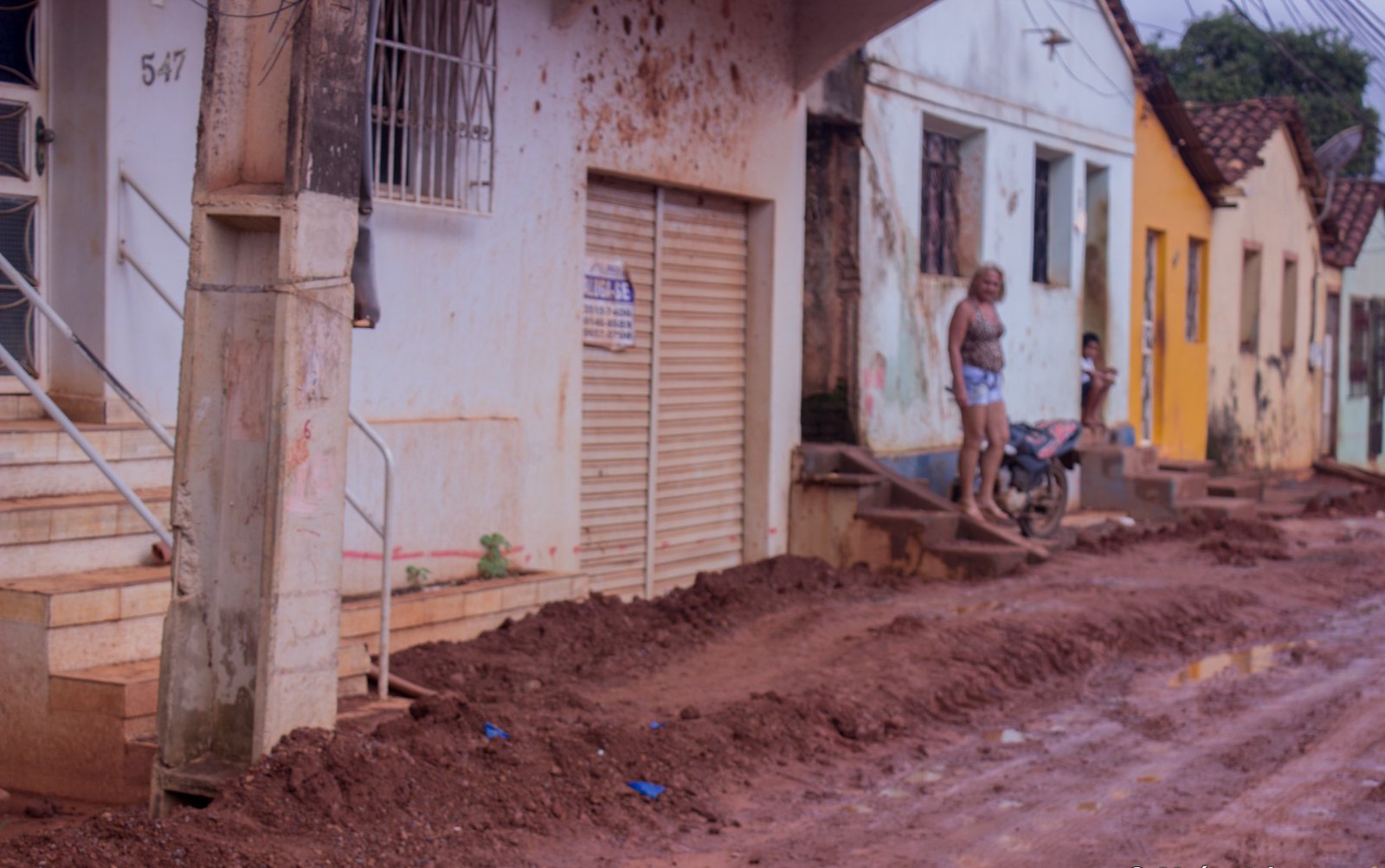
Photo: Amazon Watch / Maíra Irigaray.
Current situation
The protective measures granted by the IACHR remain in effect, but the Brazilian government has not fully complied with them, reporting only on general actions. The communities have documented the ongoing violations of their rights. The situation that prompted the request for these measures—the risk to the lives, physical integrity, and ways of life of the communities—persists and has worsened with the hydroelectric plant operating at full capacity and the recent extreme droughts in the Amazon.
In addition to the impacts of Belo Monte, there is a risk of further social and environmental impacts from the implementation of another mining megaproject in the Volta Grande do Xingu. There, the Canadian company Belo Sun plans to build Brazil’s largest open-pit gold mine.
The combined and cumulative impacts of the dam and the mine were not assessed. The government excluded Indigenous peoples, riverine and peasant communities from the project’s environmental permitting process. Despite protests by Indigenous communities and other irregularities surrounding the project, the government of Pará formally authorized the mine in April 2026.
Like other hydroelectric dams, Belo Monte exacerbates the climate emergency by generating greenhouse gas emissions in its reservoir. And it is inefficient amid the longer, more intense droughts caused by the crisis, as it loses its ability to generate power.
The case before the Inter-American Commission
In October 2017, the IACHR announced that it would rule jointly on the admissibility (whether the case meets the requirements for admission) and the merits (whether a human rights violation actually occurred) of the international complaint against the Brazilian State.
Fifteen years after the complaint was filed, the affected communities and the organizations representing them are still awaiting this decision. If the IACHR concludes that human rights violations occurred and issues recommendations that the Brazilian State fails to comply with, it may refer the case to the Inter-American Court of Human Rights, whose rulings are binding.
A potential ruling by the international court in this case would set a regional legal precedent regarding the rights of indigenous and riverine peoples, public participation in megaprojects, and state responsibility in the context of the climate crisis—a precedent that is particularly relevant in light of the Court’s Advisory Opinion No. 32, which reaffirmed the obligations of States to protect the people and communities of the continent from the climate emergency.
Partners:
Related projects
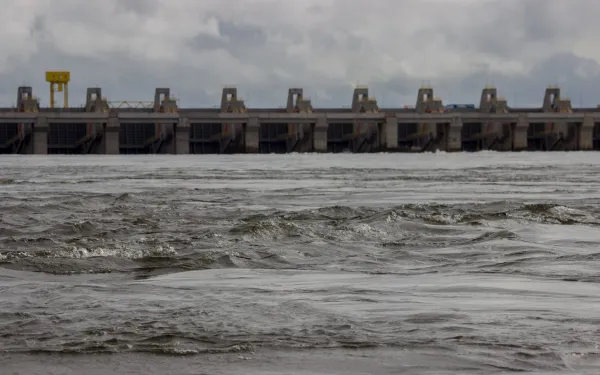
Belo Monte: the river may be dying but the search for justice never will
“The river is dead!” exclaimed Raimundo as we navigated in his motorboat from Altamira toward the big bend of the Xingu River. From my perch in Raimundo’s boat, it was easy to see how bleak the landscape surrounding Altamira—the northern Brazilian city closest to the construction of the Belo Monte Dam—has become. The big island of Arapujá, located across from Altamira, has been completely deforested, causing a radical change in the currents of the river. Many of the smaller islands, previously inhabited by fishermen, are now completely submerged, only the tops of trees visible above the rising water. I visited Altamira, and the indigenous and riverine communities nearby, with colleagues from Justiça Global. We came to update our case, and to inform those affected by Belo Monte of a new hope for justice: in December, the Inter-American Commission on Human Rights opened the case against Brazil for human rights violations caused by the dam. In January, Norte Energía, the company charged with the construction and operation of Belo Monte, opened the dam’s floodgates without warning communities living downstream. They say the Xingu grew seven meters in just an hour. In some communities, the rising water flooded their riverside land, taking with it canoes, boats and items of clothing. Destroying lives The boat took us to a spot in the river where a large island once stood with a house in the middle. Raimundo Nonato had lived there. He raised animals and dedicated his life to fishing. It had been the perfect place to bathe in the river. It was there, in 2013, that Antonia Melo, leader of Movimento Xingu Vivo Para Siempre, baptized me as a defender of these waters. Now the island is under water, and all that remains to be seen are the tops of some fruit trees. Leoncio Arara, an indigenous man from the community Arara da Volta Grande, says his community lives in fear of the river’s expected growth, the loss of their culture and way of life, and from the recent death of 16 tons of fish. They have seen cracks in the dike of the dam’s bypass channel and fear it will break, as the Fundão mining waste dam did in Minas Gerais. On our tour of the area, we also noticed discolored patches on the dike, which should certainly be a sign of alarm. Leoncio said the fear keeps him up at night. On the indigenous lands of the Arara da Volta Grande and Paquiçamba, the life of inhabitants has changed radically. They must now travel to the city (Altamira) to sell their harvest and to buy food. The changing environment has drastrically reduced opportunities for fishing and hunting, rendering their traditional subsistence lifestyle inadequate. Leoncio says that his peoples’ traditional knowledge and community life are being lost. Their homes are different, as is the formation of their village. Norte Energía has carelessly constructed houses that conflict with their culture, because of the location and materials used. Their community lacks even a well from which to retrieve drinking water, a condition that should have been met more than five years ago. Pain, injustice and struggle On our trip, we spent nine days in the area around the Belo Monte dam. We listened to so many stories of pain and injustice: of indigenous children that died from bad medical care in villages without access to the city; of indigenous people who left their villages to seek shelter in the city and now live in the overcrowded Casa del Indio, surrounded by filth and, often, conflicting ethnic groups. We relived the stories of tireless struggle, like that of Socorro Arara, an indigenous woman whose home was destroyed, along with those of her relatives. Socorro and her family all had to haggle with the company, as if their basic human rights were negotiable. Some received very little money in compensation, others the option of a prefabricated house in a neighborhood far from the river. Socorro’s parents live in one of those neighborhoods. Behind their new cement house, they built a small home with the wood they were able to save from their destroyed home. It is there that they really live, by the light of small kerosene lamps, sleeping in hammocks. Electricity is not part of their lives. Residents of Altamira live surrounded by the ironies of the third largest dam in the world. On February 28, Altamira and various cities in the state of Para were left without electricity. The cutoff, described by the receptionist at our hotel as routine, was due to testing on one of the dam’s turbines. There’s not much time now until the Belo Monte begins operation. If, for the countries of the region, Belo Monte represents the cherished dream of development, for me it represents a nightmare from which I’m dying to awake. It’s a nightmare of pain and human rights violations, in which a beautiful, living river is quickly fading away. Going with it are the lives and the dreams of those who have long depended upon its clean and healthy waters. Human rights are not negotiable. The victims of Belo Monte need justice now! It is that dream of justice that I hope, one day soon, becomes reality. -- I wrote these lines in honor of all the people who have dedicated their lives to defending our rivers and our life.
Read more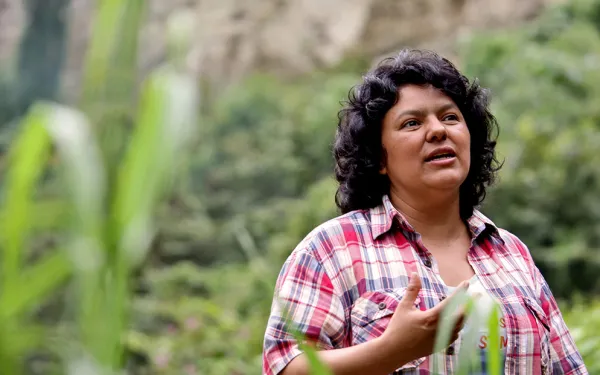
Remembering Berta Cáceres before the Green Climate Fund
On March 3, Berta Cáceres, an indigenous rights defender in Honduras, was assassinated. As a leader of COPINH, Berta was fighting against the implementation of an internationally funded large dam project. She was fighting for the health of the Gualarque River, and for the lives and livelihoods of the indigenous communities that depend upon it. Her death is a glimpse at the real life impacts that megaprojects may have. That’s why, at the closing of the 12th Meeting of the Board of the Green Climate Fund, I presented a message to the Board on behalf of the civil society organizations monitoring the development and decision making process of the mechanism. The message was intended as a reminder of the care with which financing decisions must be made, as the board prepares to review and approve more projects: “We would like to ask for a moment to remember Berta Cáceres, the indigenous environmental justice and human rights defender brutally murdered last week in Honduras. She was leading a fight against an internationally financed large dam that threatened her water, her land, and her people. We would like to ask all of you to do whatever you can to secure justice for Berta, and the immediate safe return of Gustavo Castro, head of Friends of the Earth Mexico, who was injured during the assassination and whose life is now in danger. Berta’s murder serves as a tragic reminder to the GCF of the incredible risks faced by rights defenders, and the deep need to safeguard their rights and the rights of the people and land they fight for. The GCF must not support questionable projects like the one that claimed her life and must obtain in all of its projects and programmes the free, prior and informed consent of people and communities to protect their livelihoods and survival.”
Read more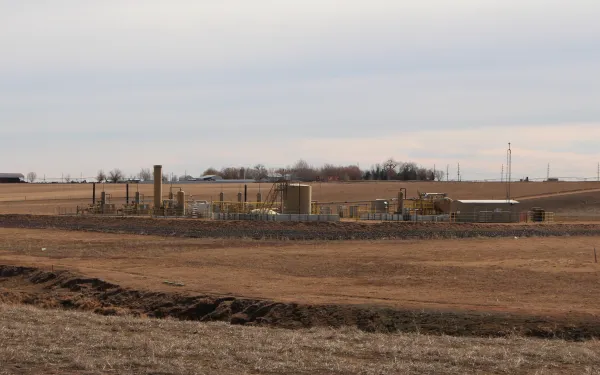
The Precautionary Principle: A legal tool against the impacts of fracking
This report analyzes the viability of using the precautionary principle to prevent, avoid or stop fracking operations in Latin America. These measures can result in prohibitions or moratoriums, as has occurred in various states, provinces and cities across America and Europe. Fracking is a technique that enables the exploration of historically inaccessible reservoirs of natural gas or petroleum. Governments and businesses across the world have pushed for the exploration of these reservoirs due to declining global reserves of conventional hydrocarbons, thanks to 150 years of overexploitation. The exploitation of unconventional hydrocarbons is technically more difficult, has a higher economic cost, and implies greater risks to the environment and public health.Promoting fracking to extract unconventional hydrocarbons is a bad decision on climatic, political, social and environmental levels. It deepens our dependence on fossil fuels and wastes energy and resources that should be directed at developing renewable energies.That's why we felt it important to examine the viability of applying the precautionary principle as a legal tool to avoid or slow down the risks and damages caused by fracking, particularly in countries that have begun or are planning to begin fracking in coming years. Read and download the report (in Spanish)
Read more