

Project
Amazon Watch / Maíra Irigaray
The Belo Monte Dam on the Xingu River: 10 years of impacts in the Amazon and the search for reparations
The Belo Monte Dam has caused an environmental and social disaster in the heart of the Amazon—one of the most important ecosystems on the planet.
This situation has only worsened since the hydroelectric plant began operations in 2016. The quest for justice and reparations by the affected indigenous, fishing, and riverine communities continues to this day.
In 2011, the Inter-American Commission on Human Rights (IACHR) granted them protective measures that, to date, have not been fully implemented by the Brazilian State.
Furthermore, since June of that same year, the IACHR has yet to rule on a complaint against the State regarding its international responsibility in the case.
The IACHR may refer the case to the Inter-American Court of Human Rights, which has the authority to issue a ruling condemning the Brazilian State.
After 10 years of the hydroelectric plant's operation and more than 15 years of documented human rights violations, it is time for justice to be served for the affected communities.
Read the open letter from the organizations bringing the case before the IACHR
Background
The Belo Monte hydroelectric plant—the fourth largest in the world by installed capacity (11,233 MW)—was built on the Xingu River in Pará, a state in northern Brazil.
It was inaugurated on May 5, 2016, with a single turbine. At that time, 80% of the river’s course was diverted, flooding 516 km² of land—an area larger than the city of Chicago. Of that area, 400 km² was native forest. The dam began operating at full capacity in November 2019.
Belo Monte was built and is operated by the Norte Energia S.A. consortium, which is composed primarily of state-owned companies. It was financed by the Brazilian Development Bank (BNDES), which provided the consortium with 25.4 billion reais (approximately US$10.16 billion), the largest investment in the bank’s history. Therefore, the BNDES is also legally responsible for the socio-environmental impacts associated with the hydroelectric plant.
Decades of harm to the environment and people
Human rights violations and degradation of the Amazon have been occurring since the project’s inception. In March 2011, Norte Energía began construction of the dam without adequate consultation and without the prior, free, and informed consent of the affected communities.
The construction caused the forced displacement of more than 40,000 people, severing social and cultural ties. The resettlement plan in Altamira—a city directly affected by the hydroelectric dam—involved housing units located on the outskirts, lacking adequate public services and decent living conditions for the relocated families, with no special provisions for those from indigenous communities.
Belo Monte's operations have caused a permanent, man-made drought in the Volta Grande (or "Great Bend") of the Xingu River, exacerbated by the historic droughts in the Amazon in 2023 and 2024. As a result, the deaths of millions of fish eggs were documented for four consecutive years (from 2021 to 2024), and for the past three years, there has been no upstream migration of fish to spawn and reproduce. Thus, artisanal fishing, the main source of protein for indigenous peoples and riverside communities, was severely affected: fish dropped from 50% to 30% of total protein consumed, replaced by processed foods. In summary, there was an environmental and humanitarian collapse that resulted in the breakdown of fishing as a traditional way of life, food insecurity, and access to drinking water for thousands of families, impoverishment, and disease.
Furthermore, the construction of the dam increased deforestation and intensified illegal logging and insecurity on indigenous and tribal lands, putting the survival of these communities at risk. Another consequence was the deepening of poverty and social conflicts, as well as the strain on health, education, and public safety systems in Altamira—a city ranked as the most violent in the country in 2017, where human trafficking and sexual violence increased. Violence was also reported against human rights defenders involved in the case.
In 2025, during the 30th UN Climate Change Conference (COP30), held in Brazil, the Federal Public Prosecutor’s Office labeled the damage caused by the Belo Monte dam as ecocide.
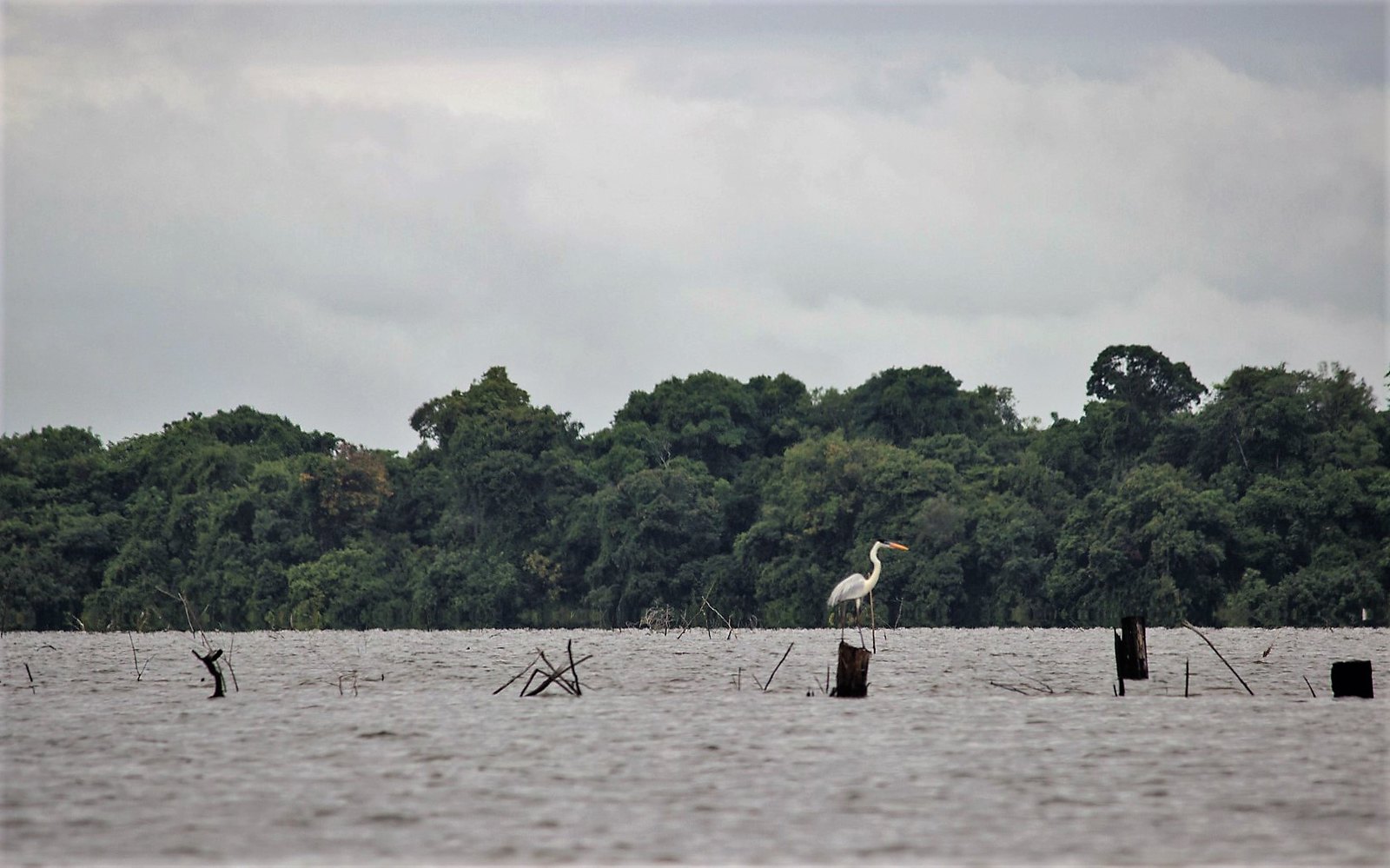
Photo: Amazon Watch / Maíra Irigaray.
The search for justice and reparations
Over the years, the Federal Public Prosecutor’s Office in Pará, the Public Defender’s Office, and civil society organizations have filed dozens of legal actions in Brazilian courts to challenge the project’s various irregularities and its impacts. Most of the claims are still pending resolution, some for more than 10 years.
These efforts have failed because the national government has repeatedly overturned rulings in favor of the affected communities by invoking a mechanism that allowed a court president to suspend a judicial decision based solely on generic arguments such as "the national interest" or "economic order."
In the absence of effective responses at the national level, AIDA, together with a coalition of partner organizations, brought the case before the Inter-American Commission on Human Rights (IACHR) and, in 2010, requested precautionary measures to protect the lives, safety, and health of the affected indigenous communities.
On April 1, 2011, the IACHR granted these measures and requested that the Brazilian government suspend environmental permits and any construction work until the conditions related to prior consultation and the protection of the health and safety of the communities are met.
And on June 16, 2011 —together with the Xingu Vivo Para Sempre Movement, the Coordinating Committee of Indigenous Organizations of the Brazilian Amazon, the Diocese of Altamira, the Indigenous Missionary Council, the Pará Society for the Defense of Human Rights and Global Justice— we filed a formal complaint against the Brazilian State for its international responsibility in the violation of the human rights of the people affected in the case. The case was opened for processing in December 2015.
On August 3, 2011, the IACHR amended the precautionary measures to request, instead of the suspension of permits and construction, the protection of people living in voluntary isolation, the health of indigenous communities, and the regularization and protection of ancestral lands.
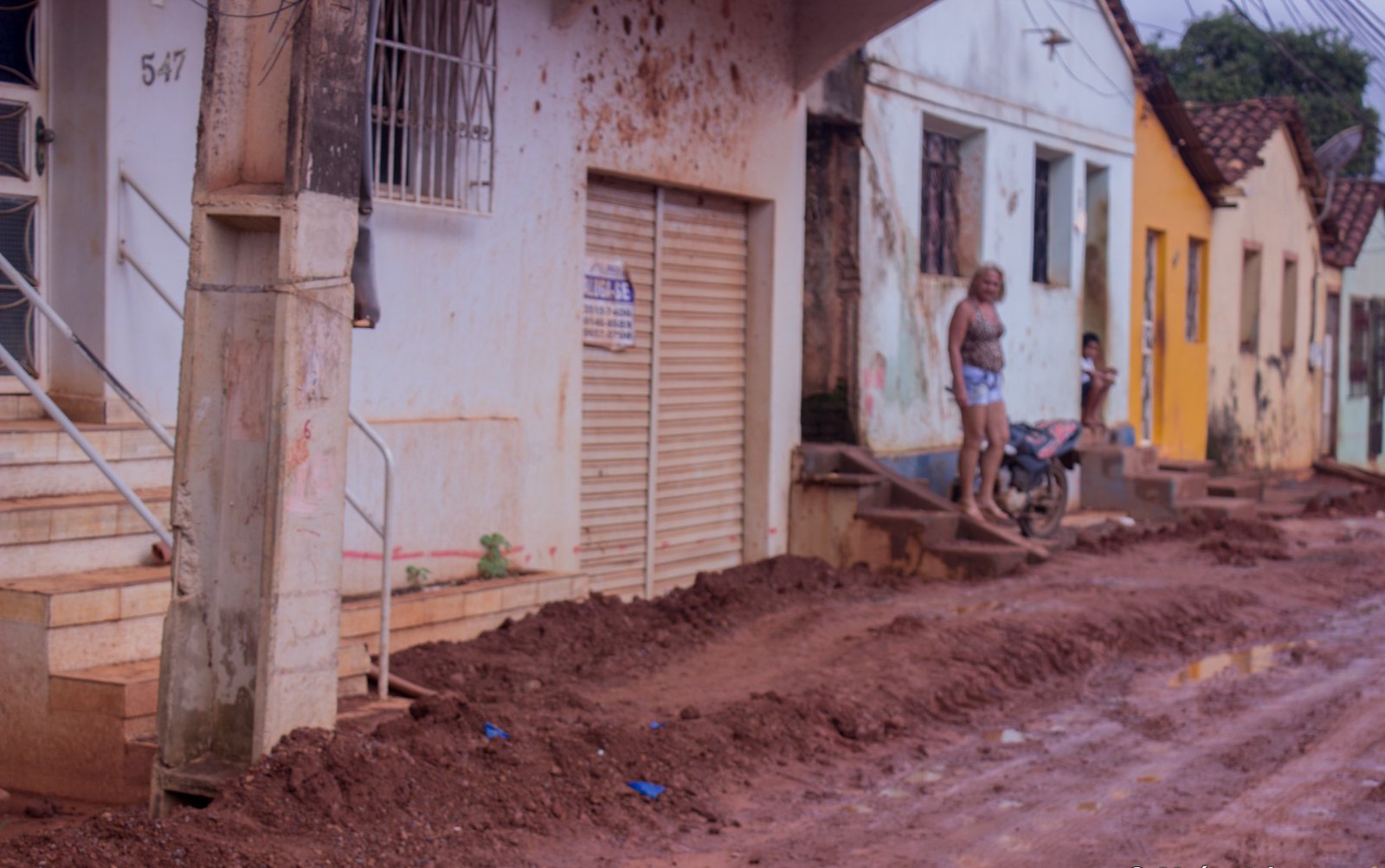
Photo: Amazon Watch / Maíra Irigaray.
Current situation
The protective measures granted by the IACHR remain in effect, but the Brazilian government has not fully complied with them, reporting only on general actions. The communities have documented the ongoing violations of their rights. The situation that prompted the request for these measures—the risk to the lives, physical integrity, and ways of life of the communities—persists and has worsened with the hydroelectric plant operating at full capacity and the recent extreme droughts in the Amazon.
In addition to the impacts of Belo Monte, there is a risk of further social and environmental impacts from the implementation of another mining megaproject in the Volta Grande do Xingu. There, the Canadian company Belo Sun plans to build Brazil’s largest open-pit gold mine.
The combined and cumulative impacts of the dam and the mine were not assessed. The government excluded Indigenous peoples, riverine and peasant communities from the project’s environmental permitting process. Despite protests by Indigenous communities and other irregularities surrounding the project, the government of Pará formally authorized the mine in April 2026.
Like other hydroelectric dams, Belo Monte exacerbates the climate emergency by generating greenhouse gas emissions in its reservoir. And it is inefficient amid the longer, more intense droughts caused by the crisis, as it loses its ability to generate power.
The case before the Inter-American Commission
In October 2017, the IACHR announced that it would rule jointly on the admissibility (whether the case meets the requirements for admission) and the merits (whether a human rights violation actually occurred) of the international complaint against the Brazilian State.
Fifteen years after the complaint was filed, the affected communities and the organizations representing them are still awaiting this decision. If the IACHR concludes that human rights violations occurred and issues recommendations that the Brazilian State fails to comply with, it may refer the case to the Inter-American Court of Human Rights, whose rulings are binding.
A potential ruling by the international court in this case would set a regional legal precedent regarding the rights of indigenous and riverine peoples, public participation in megaprojects, and state responsibility in the context of the climate crisis—a precedent that is particularly relevant in light of the Court’s Advisory Opinion No. 32, which reaffirmed the obligations of States to protect the people and communities of the continent from the climate emergency.
Partners:
Related projects
Organizations condemn Eco Oro’ threat to sue Colombia over efforts to protect páramos
The Canadian company developing the Angostura gold mine in the high-altitude wetlands, or páramo, of Santurbán, has announced that it could file an international arbitration suit against Colombia over measures to protect the páramo, which is an important source of water in the country. Washington/Ottawa/Bogotá/Bucaramanga/Ámsterdam – Civil society organizations condemn Eco Oro Minerals’ announcement that it will initiate international arbitration against the Colombian state. Eco Oro has stated its intention to sue Colombia under the investment chapter of the Canada Colombia Free Trade Agreement over measures that the Andean state has taken to protect the Santurbán páramo and páramos around the country from harmful activities such as large-scale mining. Eco Oro Minerals’ Angostura proposed gold mine in Santurbán has financial backing from the World Bank’s International Finance Corporation. The company argues that it will lose money because of the demarcation of the páramo and the recent decision from the Constitutional Court of Colombia reaffirming the prohibition against mining in all Colombian páramos. The company stated in a news release that it could bring the dispute to international arbitration and seek “monetary compensation for the damages suffered.” “Since the Angostura project got underway, it has been clear that páramos are constitutionally and legally protected and that this project could affect Santurbán, such that it might not be authorized. States should not be sanctioned for protecting their water sources, given that they are doing so in accordance with national and internacional obligations,” remarked Carlos Lozano Acosta from the Interamerican Association for Environmental Defense (AIDA). The páramos are the source of 70% of the fresh water that is consumed in Colombia and are essential for mitigating climate change. The proposed gold mine was already the subject of a complaint to the Compliance Advisor Ombudsman of the International Finance Corporation (IFC). The Committee in Defense of the Water and Páramo of Santurbán filed the complaint in 2012. The IFC is the part of the World Bank Group exclusively focused on the private sector. A report based on this investigation is expected in the coming months. “The implication and the irony of Eco Oro’s statement is that the IFC’s investment in the company could be used to litigate against member states of the World Bank. It’s time for the IFC to withdraw its investment from this company,” stated Carla García Zendejas from CIEL. “In 2011, the Colombian Ministry of the Environment denied an environmental permit for the Angostura project, demonstrating its inviability. The Constitutional Court’s decision reaffirmed this, finding that the right to water and the protection of the páramos takes precedent over the economic interests of companies trying to develop mining projects in these ecosystems,” commented Miguel Ramos from the Santurbán Committee. “Just as has we have seen in El Salvador, where the state is being sued for US$250 million for not having granted a Canadian company a mining permit when the company did not even fulfill local regulations, the international arbitration system enshrined in neoliberal investment agreements is a real threat to the sovereignty of states and peoples to decide over highly important issues, such as water,” said Jen Moore from MiningWatch Canada. The organizations call on the company to abstain from arbitration against the Colombian state and note the risk that other companies with projects in the Santurbán páramo could follow Eco Oro’s example. Find additional information here.
Read more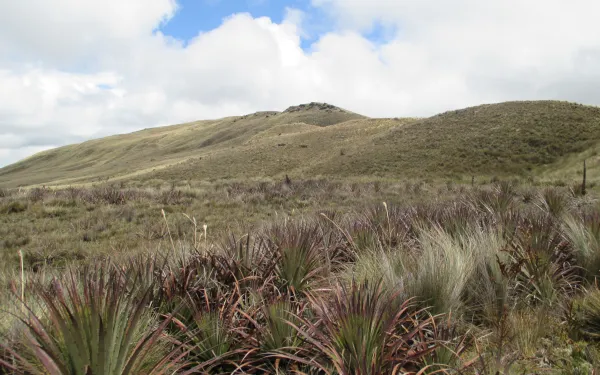
Facts on Financing the Climate Fight
The impacts of climate change are already being felt by many millions of people and communities around the world – but the burden weighs most heavily on the poor and marginalised in developing countries. That’s why 195 countries came together to create the Green Climate Fund (GCF) under the United Nations Framework Convention on Climate Change (UNFCCC). The GCF is expected to play a central role in financing efforts to combat climate change » (mitigation) and to help developing countries cope with its effects (adaptation). LEARN MORE ABOUT IT:
Read more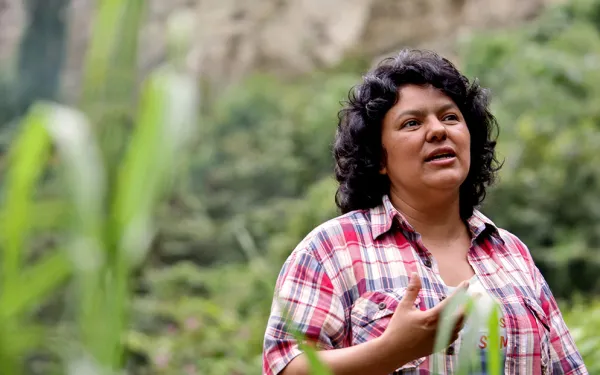
Public letter to President of Honduras on the killing of Berta Cáceres
Dear President Juan Orlando Hernández, We, a group of 50+ international organisations, write to express our shock and concern over the recent killing of Berta Cáceres, environmental activist and head of the indigenous rights group COPINH. As you will know, Mrs Cáceres was shot dead by gunmen in the late hours of 2 March 2016. Over the years she had received multiple death threats and attempted kidnappings because of her work defending indigenous Lenca land against the Agua Zarca dam project in Río Blanco. These threats had escalated in recent weeks since construction of the dam had restarted. We demand an independent international investigation into the circumstances around Mrs Cáceres’ death, and guaranteed protection for her family and colleagues. Mrs Cáceres was granted emergency protection measures by the Inter-American Commission on Human Rights because of her acute vulnerability, but she claimed the Honduran state did not fully implement them. We also demand urgent action to protect Gustavo Castro Soto, a Mexican activist who witnessed her assassination, and to ensure his safe passage back to Mexico. Mrs Cáceres’ case is the most high-profile killing within a growing trend in the murder, violence and intimidation of people defending their indigenous land rights in Honduras. Honduras is the world’s most dangerous country per capita to be an environmental or land defender, with at least 109 people killed between 2010 and 2015. Mrs Cáceres’ case has not escaped international attention. In a statement issued in response to her death U.S. Senator Patrick Leahy called on you to find and punish those responsible for “this despicable crime.” Last year, US Senator Barbara Boxer wrote a letter to US Secretary of State John Kerry urging for better protection of environmental defenders in Honduras. This was in direct response to Mrs Cáceres winning the 2015 Goldman Environment Prize – a prestigious award recognizing grassroots environmental activists from around the world. News of her death has generated substantial international media attention. The 50+ international organisations listed below call on the Honduran state to ensure indigenous peoples’ right to their land is respected and that they are able to carry out their legitimate work without fear for their safety.
Read more