
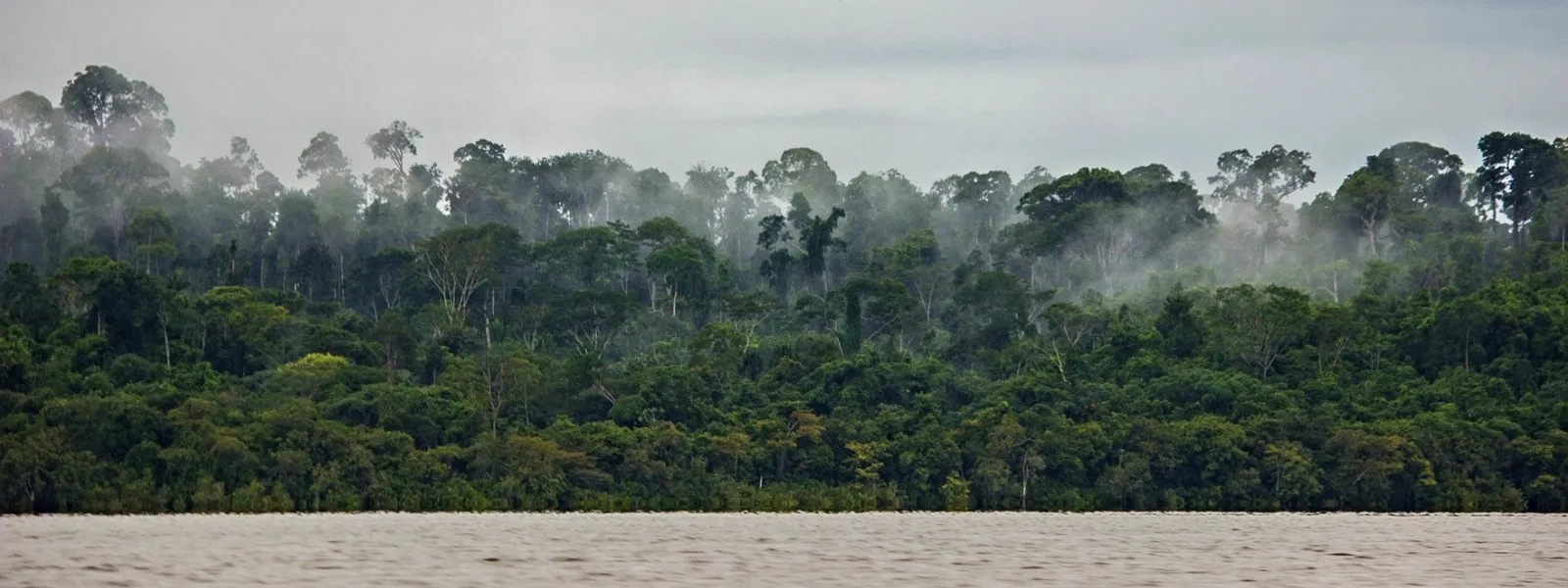
Project
Amazon Watch / Maíra Irigaray
The Belo Monte Dam on the Xingu River: 10 years of impacts in the Amazon and the search for reparations
The Belo Monte Dam has caused an environmental and social disaster in the heart of the Amazon—one of the most important ecosystems on the planet.
This situation has only worsened since the hydroelectric plant began operations in 2016. The quest for justice and reparations by the affected indigenous, fishing, and riverine communities continues to this day.
In 2011, the Inter-American Commission on Human Rights (IACHR) granted them protective measures that, to date, have not been fully implemented by the Brazilian State.
Furthermore, since June of that same year, the IACHR has yet to rule on a complaint against the State regarding its international responsibility in the case.
The IACHR may refer the case to the Inter-American Court of Human Rights, which has the authority to issue a ruling condemning the Brazilian State.
After 10 years of the hydroelectric plant's operation and more than 15 years of documented human rights violations, it is time for justice to be served for the affected communities.
Read the open letter from the organizations bringing the case before the IACHR
Background
The Belo Monte hydroelectric plant—the fourth largest in the world by installed capacity (11,233 MW)—was built on the Xingu River in Pará, a state in northern Brazil.
It was inaugurated on May 5, 2016, with a single turbine. At that time, 80% of the river’s course was diverted, flooding 516 km² of land—an area larger than the city of Chicago. Of that area, 400 km² was native forest. The dam began operating at full capacity in November 2019.
Belo Monte was built and is operated by the Norte Energia S.A. consortium, which is composed primarily of state-owned companies. It was financed by the Brazilian Development Bank (BNDES), which provided the consortium with 25.4 billion reais (approximately US$10.16 billion), the largest investment in the bank’s history. Therefore, the BNDES is also legally responsible for the socio-environmental impacts associated with the hydroelectric plant.
Decades of harm to the environment and people
Human rights violations and degradation of the Amazon have been occurring since the project’s inception. In March 2011, Norte Energía began construction of the dam without adequate consultation and without the prior, free, and informed consent of the affected communities.
The construction caused the forced displacement of more than 40,000 people, severing social and cultural ties. The resettlement plan in Altamira—a city directly affected by the hydroelectric dam—involved housing units located on the outskirts, lacking adequate public services and decent living conditions for the relocated families, with no special provisions for those from indigenous communities.
Belo Monte's operations have caused a permanent, man-made drought in the Volta Grande (or "Great Bend") of the Xingu River, exacerbated by the historic droughts in the Amazon in 2023 and 2024. As a result, the deaths of millions of fish eggs were documented for four consecutive years (from 2021 to 2024), and for the past three years, there has been no upstream migration of fish to spawn and reproduce. Thus, artisanal fishing, the main source of protein for indigenous peoples and riverside communities, was severely affected: fish dropped from 50% to 30% of total protein consumed, replaced by processed foods. In summary, there was an environmental and humanitarian collapse that resulted in the breakdown of fishing as a traditional way of life, food insecurity, and access to drinking water for thousands of families, impoverishment, and disease.
Furthermore, the construction of the dam increased deforestation and intensified illegal logging and insecurity on indigenous and tribal lands, putting the survival of these communities at risk. Another consequence was the deepening of poverty and social conflicts, as well as the strain on health, education, and public safety systems in Altamira—a city ranked as the most violent in the country in 2017, where human trafficking and sexual violence increased. Violence was also reported against human rights defenders involved in the case.
In 2025, during the 30th UN Climate Change Conference (COP30), held in Brazil, the Federal Public Prosecutor’s Office labeled the damage caused by the Belo Monte dam as ecocide.
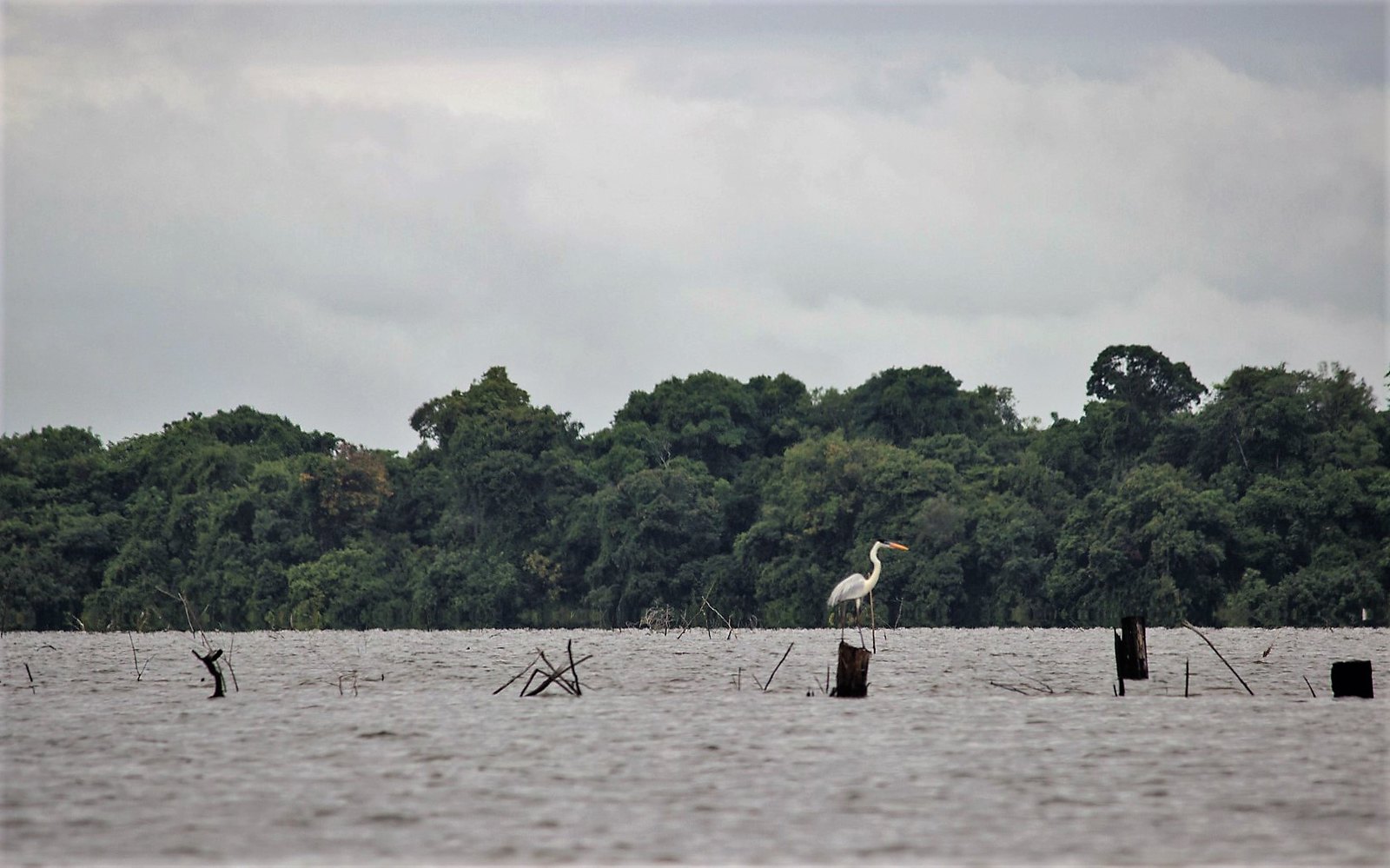
Photo: Amazon Watch / Maíra Irigaray.
The search for justice and reparations
Over the years, the Federal Public Prosecutor’s Office in Pará, the Public Defender’s Office, and civil society organizations have filed dozens of legal actions in Brazilian courts to challenge the project’s various irregularities and its impacts. Most of the claims are still pending resolution, some for more than 10 years.
These efforts have failed because the national government has repeatedly overturned rulings in favor of the affected communities by invoking a mechanism that allowed a court president to suspend a judicial decision based solely on generic arguments such as "the national interest" or "economic order."
In the absence of effective responses at the national level, AIDA, together with a coalition of partner organizations, brought the case before the Inter-American Commission on Human Rights (IACHR) and, in 2010, requested precautionary measures to protect the lives, safety, and health of the affected indigenous communities.
On April 1, 2011, the IACHR granted these measures and requested that the Brazilian government suspend environmental permits and any construction work until the conditions related to prior consultation and the protection of the health and safety of the communities are met.
And on June 16, 2011 —together with the Xingu Vivo Para Sempre Movement, the Coordinating Committee of Indigenous Organizations of the Brazilian Amazon, the Diocese of Altamira, the Indigenous Missionary Council, the Pará Society for the Defense of Human Rights and Global Justice— we filed a formal complaint against the Brazilian State for its international responsibility in the violation of the human rights of the people affected in the case. The case was opened for processing in December 2015.
On August 3, 2011, the IACHR amended the precautionary measures to request, instead of the suspension of permits and construction, the protection of people living in voluntary isolation, the health of indigenous communities, and the regularization and protection of ancestral lands.
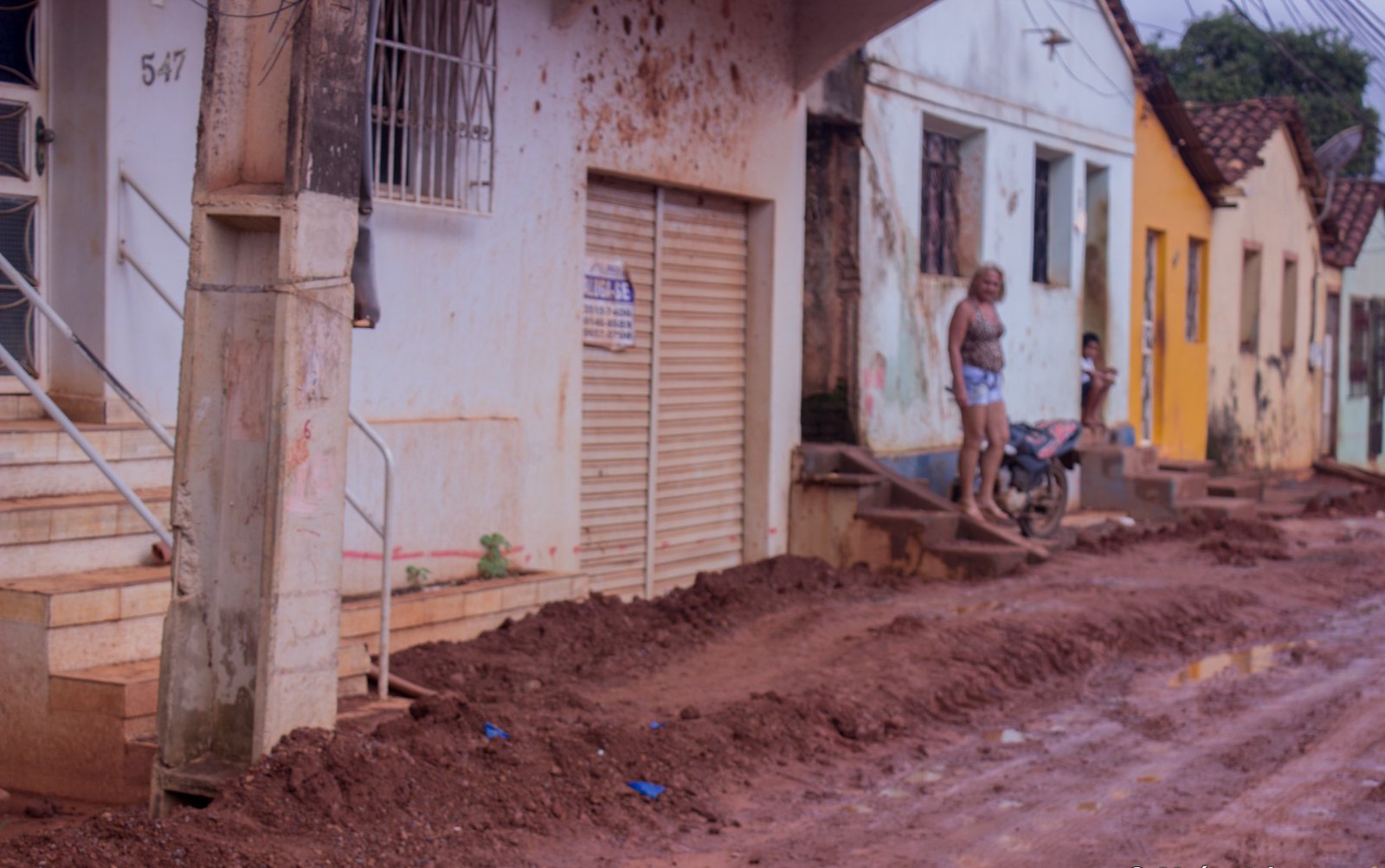
Photo: Amazon Watch / Maíra Irigaray.
Current situation
The protective measures granted by the IACHR remain in effect, but the Brazilian government has not fully complied with them, reporting only on general actions. The communities have documented the ongoing violations of their rights. The situation that prompted the request for these measures—the risk to the lives, physical integrity, and ways of life of the communities—persists and has worsened with the hydroelectric plant operating at full capacity and the recent extreme droughts in the Amazon.
In addition to the impacts of Belo Monte, there is a risk of further social and environmental impacts from the implementation of another mining megaproject in the Volta Grande do Xingu. There, the Canadian company Belo Sun plans to build Brazil’s largest open-pit gold mine.
The combined and cumulative impacts of the dam and the mine were not assessed. The government excluded Indigenous peoples, riverine and peasant communities from the project’s environmental permitting process. Despite protests by Indigenous communities and other irregularities surrounding the project, the government of Pará formally authorized the mine in April 2026.
Like other hydroelectric dams, Belo Monte exacerbates the climate emergency by generating greenhouse gas emissions in its reservoir. And it is inefficient amid the longer, more intense droughts caused by the crisis, as it loses its ability to generate power.
The case before the Inter-American Commission
In October 2017, the IACHR announced that it would rule jointly on the admissibility (whether the case meets the requirements for admission) and the merits (whether a human rights violation actually occurred) of the international complaint against the Brazilian State.
Fifteen years after the complaint was filed, the affected communities and the organizations representing them are still awaiting this decision. If the IACHR concludes that human rights violations occurred and issues recommendations that the Brazilian State fails to comply with, it may refer the case to the Inter-American Court of Human Rights, whose rulings are binding.
A potential ruling by the international court in this case would set a regional legal precedent regarding the rights of indigenous and riverine peoples, public participation in megaprojects, and state responsibility in the context of the climate crisis—a precedent that is particularly relevant in light of the Court’s Advisory Opinion No. 32, which reaffirmed the obligations of States to protect the people and communities of the continent from the climate emergency.
Partners:
Related projects
The Invaluable Legacy of Douglas Tompkins
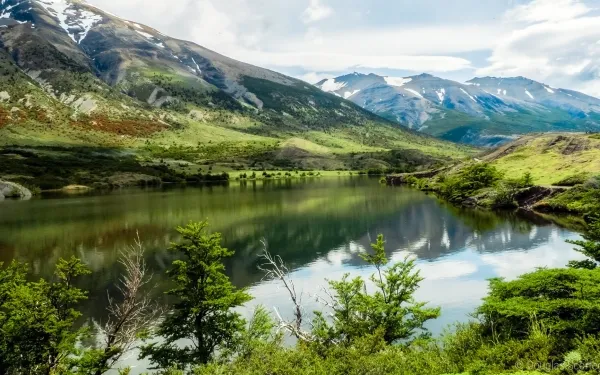
By Florencia Ortúzar, AIDA attorney On December 8th, one of the last pristine places on the planet, Patagonia, lost one of its greatest protectors, Douglas Tompkins. At 72 years old, the conservationist and multimillionaire lost his life in a kayaking accident. Much has been said about the eccentric man who sold the companies that made him rich, and left it all behind to undertake an ambitious conservation project in Chile and Argentina. It was looked on with suspicion when he began frantically buying lands in the Southern Cone for the sole purpose of protecting them. Tompkins thought that effective conservation should be “extensive, wild and connected.” So he decided to create large national parks that would be protected even in his absence. To do so, he acquired large tracts of land and began returning them to their natural state, removing fences and recuperating ecosystems. Without fences, wildlife could move freely, a condition which is fundamental for their prosperity. Donating in exchange for protection Barely more than a month after she was widowed, Kris Tompkins, Doug’s wife for 20 years, met with Chilean President Michelle Bachelet to offer the donation of more than 400 thousand hectares of land in Chilean Patagonia, including millions of dollars in infrastructure. With it, she sought to realize the last of the couple’s major projects in Chile: the creation of Patagonia Park, which together with other lands, donated or in process of being donated, would form a network of parks in Patagonia. In Chile, the Tompkins had already donated land for the creation of Corcovado Park in Patagonia and Yendegaia Park in Tierra del Fuego. The land to create Pumalín Park, also in Patagonia, is in the process of being donated. All together, these land donations equal more than 500 thousand hectares of protected wilderness. But the Tompkins’ gifts come with conditions: for each hectare they receive, governments must protect a certain number more. In exchange for the posthumous donation in Chile, for example, the government is required to create new national parks, expand existing parks and reclassify four natural reserves. Negotiations are expected to conclude in 2018. If the Tompkins’ succeed, the agreement will create the most important network of national parks in the country. Protection in Argentina Tompkins also donated vast stretches of land in Argentina. In the Entre Ríos Province, he started a soil recuperation project, using highly diversified organic crops to overcome the damage of industrial monoculture. The Argentine Patagonia also received protection, through land donations of 66 thousand hectares to Monte Leon National Park and 15 thousand hectares to Perito Moreno National Park. Tompkins’ last project in Argentina was completed last December when the Argentine government met with Kris Tompkins to accept the donation of 150 thousand hectares of land in the Estuaries of Iberá, the second largest wetland on the planet. This area, when added to the 50 thousand hectares previously donated and the 500 thousand that already form Iberá Park, will create one of the largest reserves in the country. ¡Patagonia sin Represas! In addition to contributing to the creation of national parks, Tompkins supported the activism of conservation groups in Patagonia. One of the initiatives he sponsored was the campaign Patagonia sin Represas, which managed to stop the HidroAysén project in its tracks. HydroAysén had aimed to construct five mega-dams on the Baker and Pascua rivers, two of the largest free-flowing rivers in Chile, located in the heart of Patagonia. During Doug’s burial the mantra “Patagonia sin Represas” is said to have been shouted by mourners when the last handful of dirt was thrown upon his grave. At the end of the 1900s, when Tompkins’ land purchasing in Argentina and Chile was at its peak, he was accused of buying the land cheaply and displacing its inhabitants, leaving them without work. Later, the accusations became more sophisticated: they accused him of buying land to create a new Zionist state, of being a CIA spy, and of trying to seize enormous reserves of fresh water to export to places experiencing drought. Many looked upon his work with suspicion. Maybe they found it difficult to believe that someone would invest millions of dollars with the sole objective of preserving the perfect natural harmony that surrounds us. Any accusation was easier than giving credit to his true intention: buying land to prevent it from being exploited, and then giving it back to the government, not for money, but for a commitment of protection. Whatever his detractors may say, here in reality, Douglas Tompkins left an enormous legacy to all of mankind. He has conserved more land than any other person in the history of Chile and Argentina. His work has translated into massive patches of green on the maps of Patagonia. For those pristine and wild places, we are eternally grateful. CONGRATULATIONS DOUG, and THANK YOU!
Read more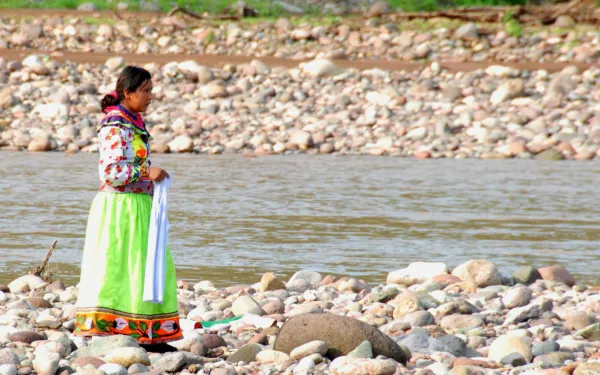
Indigenous groups ask Pope Francis to help stop Las Cruces Dam
In a letter delivered to Vatican representatives, indigenous and riverine communities affected by the construction of a dam on Río San Pedro Mezquital asked that the Pope intercede on their behalf before the Mexican government during his visit to the country. They explained that the hydroelectric project would cause serious harm to the environment and human rights. Mexico City, Mexico. On the occasion of Pope Francis’ visit to Mexico, indigenous and riverine communities from Nayarit state wrote a letter asking the Pope to intercede on their behalf before the Mexican government, in hopes of putting a stop to the Las Cruces Dam project on Río San Pedro Mezquital. The project, they explain, puts at risk their culture and way of life, and also threatens Marismas Nacionales, one of the country’s most important wetlands. The letter was delivered to the local headquarters of the Apostolic Nunciature, a diplomatic mission of the Vatican. It reads: … We respectfully solicit that you, Your Holiness, during your visit to our country, intercede on our behalf before President Enrique Peña Nieto, so that his Government stops the human rights violations of all indigenous communities in the name of development, and that it abandon further advancement of the Las Cruces hydroelectric dam because of the human and environmental impacts it will cause. Mexico’s Secretary of the Environment and Renewable Natural Resources (SEMARNAT) has granted environmental permits and water rights for the construction and operation of the dam. “They did so without having guaranteed the right to prior consultation of the indigenous communities affected by the project, which include the Náyeri, Wixárica, Mexicanero and Tepehuano peoples,” explained Sandra Moguel, AIDA attorney. “SEMARNAT authorized the project with the condition that the Secretariat of Energy realize a process of consultation with the indigenous communities, which should have been done before issuing the authorizations.” In their letter, the indigenous communities honor and celebrate Pope Francis’ encyclical, Laudato Sí, in which he recognizes the important contribution indigenous communities can make towards the promotion and protection of culture and natural resources. “The Río San Pedro is not simply part of our lives, but also fundamental to our spirituality,” explained Julián López Cánare, member of the Náyeri Indigenous Council, who delivered the letter. “All of its territory, from its headwaters to its mouth, is a sacred space where we strengthen our identity and values.” This river also feeds Marismas Nacionales, one of Mexico’s most important wetlands. The area is recognized as a Biosphere Reserve and a Wetland of International Importance under the Ramsar Convention, an intergovernmental treaty for the protection of wetland ecosystems. Finally, the indigenous communities explained in their letter that the pressure put on them to agree to the project has escalated to include harassment and illegal detentions by the government. They also cite instances of acts simulating consultation, which would not be valid considering the project has already been authorized. Citing the visions for the future they share with Pope Francis, the letter finished: Your Holiness, hopeful in the power of your intercession, we part here with the passionate hope that your encyclical letter, Laudato Si’, inspires and propels profound changes in politics, practices, and beliefs of governments, businesses, civil society, and the mentality of our fellow man, with hopes of constructing a more just, more humane, and truly sustainable world.
Read more
AIDA celebrates Court decision to protect Colombia's páramos
Colombia’s Constitutional Court on Monday declared unconstitutional an aspect of the country’s National Development Plan that permitted mining in páramos. Bogota, Colombia. The Interamerican Association for Environmental Defense (AIDA) celebrates the decision of Colombia’s Constitutional Court to ban mining in the country’s páramos. The ruling—which nullified an article of the 2014-2018 National Development Plan protecting previously granted mining licenses—is vital to the preservation of Colombia’s freshwater resources, and should serve as an example for other countries in the region. AIDA and partner organizations presented an amicus brief in support of the corresponding lawsuit, filed by the Cumbre Agraria, Campesina, Étnica y Popular. The court’s ruling brings justice to these important freshwater ecosystems and the many people that depend upon them. Although they occupy just 1.7 percent of the national territory, Colombia’s páramos provide 70 percent of its fresh water. The sensitive ecosystems are also strategic reserves of biodiversity, and act as carbon sinks essential to the mitigation of climate change. The high court’s decision is key to the protection of the Santurbán páramo, on which hundreds of thousands of people in the Bucaramanga metropolitan area depend. AIDA has long been working to defend Santurbán from large-scale mining and to provide support to affected communities. AIDA urges the Ministry of the Environment to promptly enact the court’s ruling and protect all the country's páramos from the impacts of large-scale mining operations.
Read more