
Project
Amazon Watch / Maíra Irigaray
The Belo Monte Dam on the Xingu River: 10 years of impacts in the Amazon and the search for reparations
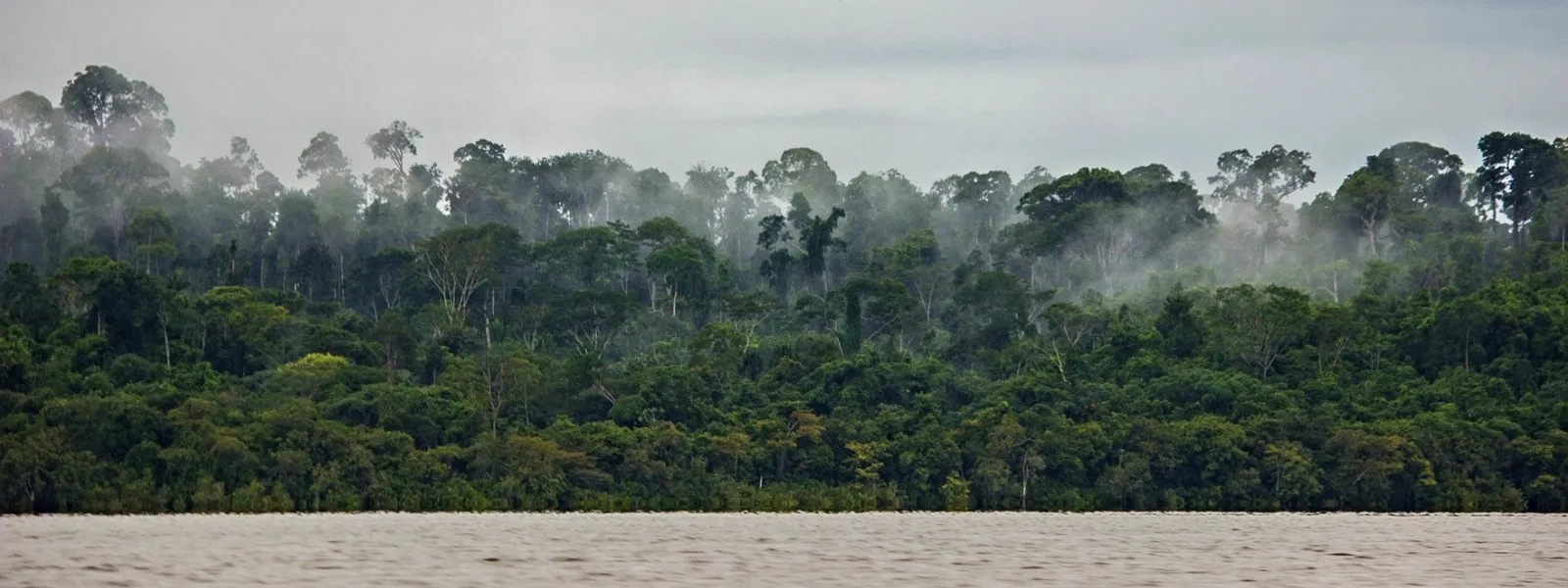
The Belo Monte Dam has caused an environmental and social disaster in the heart of the Amazon—one of the most important ecosystems on the planet.
This situation has only worsened since the hydroelectric plant began operations in 2016. The quest for justice and reparations by the affected indigenous, fishing, and riverine communities continues to this day.
In 2011, the Inter-American Commission on Human Rights (IACHR) granted them protective measures that, to date, have not been fully implemented by the Brazilian State.
Furthermore, since June of that same year, the IACHR has yet to rule on a complaint against the State regarding its international responsibility in the case.
The IACHR may refer the case to the Inter-American Court of Human Rights, which has the authority to issue a ruling condemning the Brazilian State.
After 10 years of the hydroelectric plant's operation and more than 15 years of documented human rights violations, it is time for justice to be served for the affected communities.
Read the open letter from the organizations bringing the case before the IACHR
Background
The Belo Monte hydroelectric plant—the fourth largest in the world by installed capacity (11,233 MW)—was built on the Xingu River in Pará, a state in northern Brazil.
It was inaugurated on May 5, 2016, with a single turbine. At that time, 80% of the river’s course was diverted, flooding 516 km² of land—an area larger than the city of Chicago. Of that area, 400 km² was native forest. The dam began operating at full capacity in November 2019.
Belo Monte was built and is operated by the Norte Energia S.A. consortium, which is composed primarily of state-owned companies. It was financed by the Brazilian Development Bank (BNDES), which provided the consortium with 25.4 billion reais (approximately US$10.16 billion), the largest investment in the bank’s history. Therefore, the BNDES is also legally responsible for the socio-environmental impacts associated with the hydroelectric plant.
Decades of harm to the environment and people
Human rights violations and degradation of the Amazon have been occurring since the project’s inception. In March 2011, Norte Energía began construction of the dam without adequate consultation and without the prior, free, and informed consent of the affected communities.
The construction caused the forced displacement of more than 40,000 people, severing social and cultural ties. The resettlement plan in Altamira—a city directly affected by the hydroelectric dam—involved housing units located on the outskirts, lacking adequate public services and decent living conditions for the relocated families, with no special provisions for those from indigenous communities.
Belo Monte's operations have caused a permanent, man-made drought in the Volta Grande (or "Great Bend") of the Xingu River, exacerbated by the historic droughts in the Amazon in 2023 and 2024. As a result, the deaths of millions of fish eggs were documented for four consecutive years (from 2021 to 2024), and for the past three years, there has been no upstream migration of fish to spawn and reproduce. Thus, artisanal fishing, the main source of protein for indigenous peoples and riverside communities, was severely affected: fish dropped from 50% to 30% of total protein consumed, replaced by processed foods. In summary, there was an environmental and humanitarian collapse that resulted in the breakdown of fishing as a traditional way of life, food insecurity, and access to drinking water for thousands of families, impoverishment, and disease.
Furthermore, the construction of the dam increased deforestation and intensified illegal logging and insecurity on indigenous and tribal lands, putting the survival of these communities at risk. Another consequence was the deepening of poverty and social conflicts, as well as the strain on health, education, and public safety systems in Altamira—a city ranked as the most violent in the country in 2017, where human trafficking and sexual violence increased. Violence was also reported against human rights defenders involved in the case.
In 2025, during the 30th UN Climate Change Conference (COP30), held in Brazil, the Federal Public Prosecutor’s Office labeled the damage caused by the Belo Monte dam as ecocide.
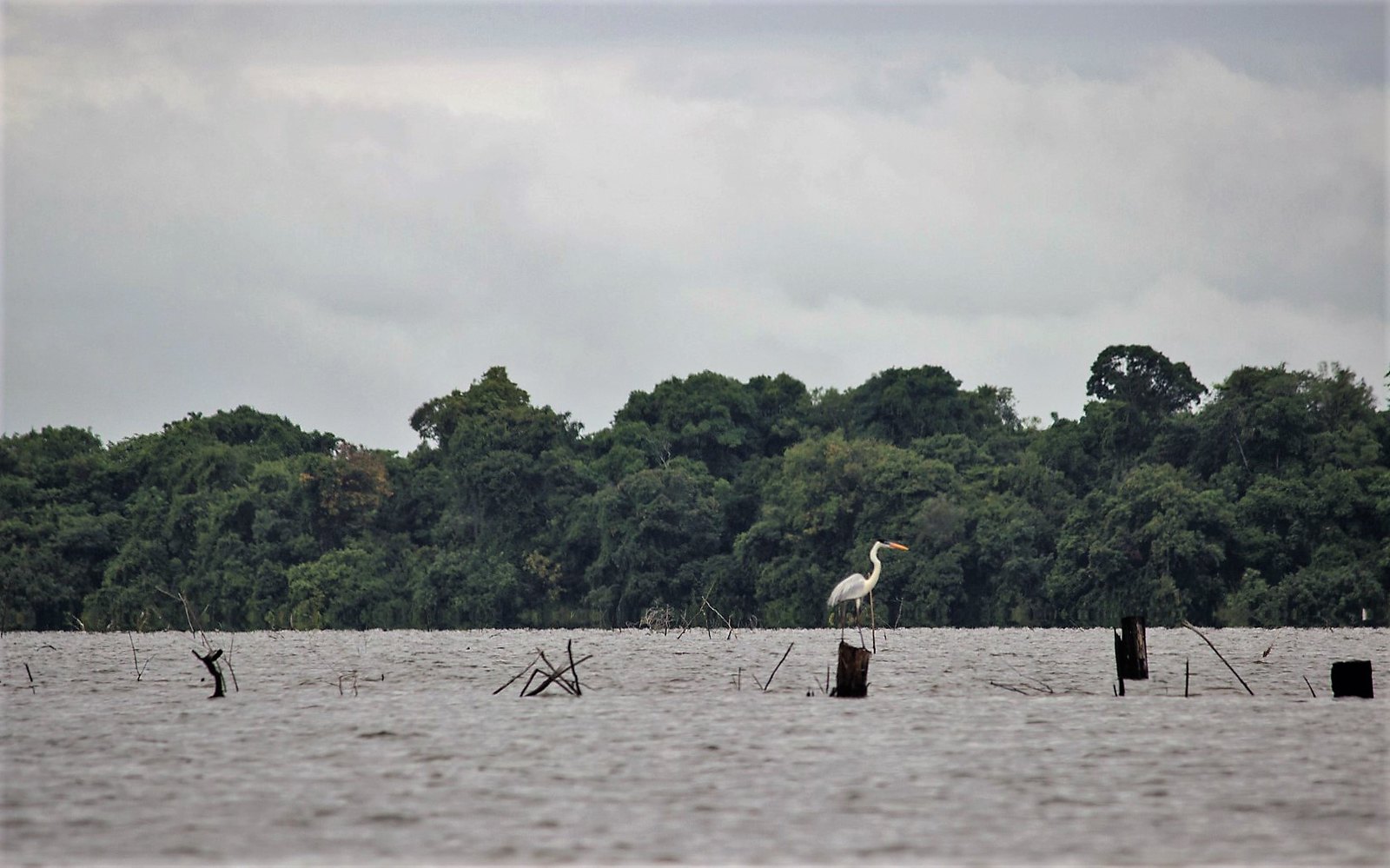
Photo: Amazon Watch / Maíra Irigaray.
The search for justice and reparations
Over the years, the Federal Public Prosecutor’s Office in Pará, the Public Defender’s Office, and civil society organizations have filed dozens of legal actions in Brazilian courts to challenge the project’s various irregularities and its impacts. Most of the claims are still pending resolution, some for more than 10 years.
These efforts have failed because the national government has repeatedly overturned rulings in favor of the affected communities by invoking a mechanism that allowed a court president to suspend a judicial decision based solely on generic arguments such as "the national interest" or "economic order."
In the absence of effective responses at the national level, AIDA, together with a coalition of partner organizations, brought the case before the Inter-American Commission on Human Rights (IACHR) and, in 2010, requested precautionary measures to protect the lives, safety, and health of the affected indigenous communities.
On April 1, 2011, the IACHR granted these measures and requested that the Brazilian government suspend environmental permits and any construction work until the conditions related to prior consultation and the protection of the health and safety of the communities are met.
And on June 16, 2011 —together with the Xingu Vivo Para Sempre Movement, the Coordinating Committee of Indigenous Organizations of the Brazilian Amazon, the Diocese of Altamira, the Indigenous Missionary Council, the Pará Society for the Defense of Human Rights and Global Justice— we filed a formal complaint against the Brazilian State for its international responsibility in the violation of the human rights of the people affected in the case. The case was opened for processing in December 2015.
On August 3, 2011, the IACHR amended the precautionary measures to request, instead of the suspension of permits and construction, the protection of people living in voluntary isolation, the health of indigenous communities, and the regularization and protection of ancestral lands.
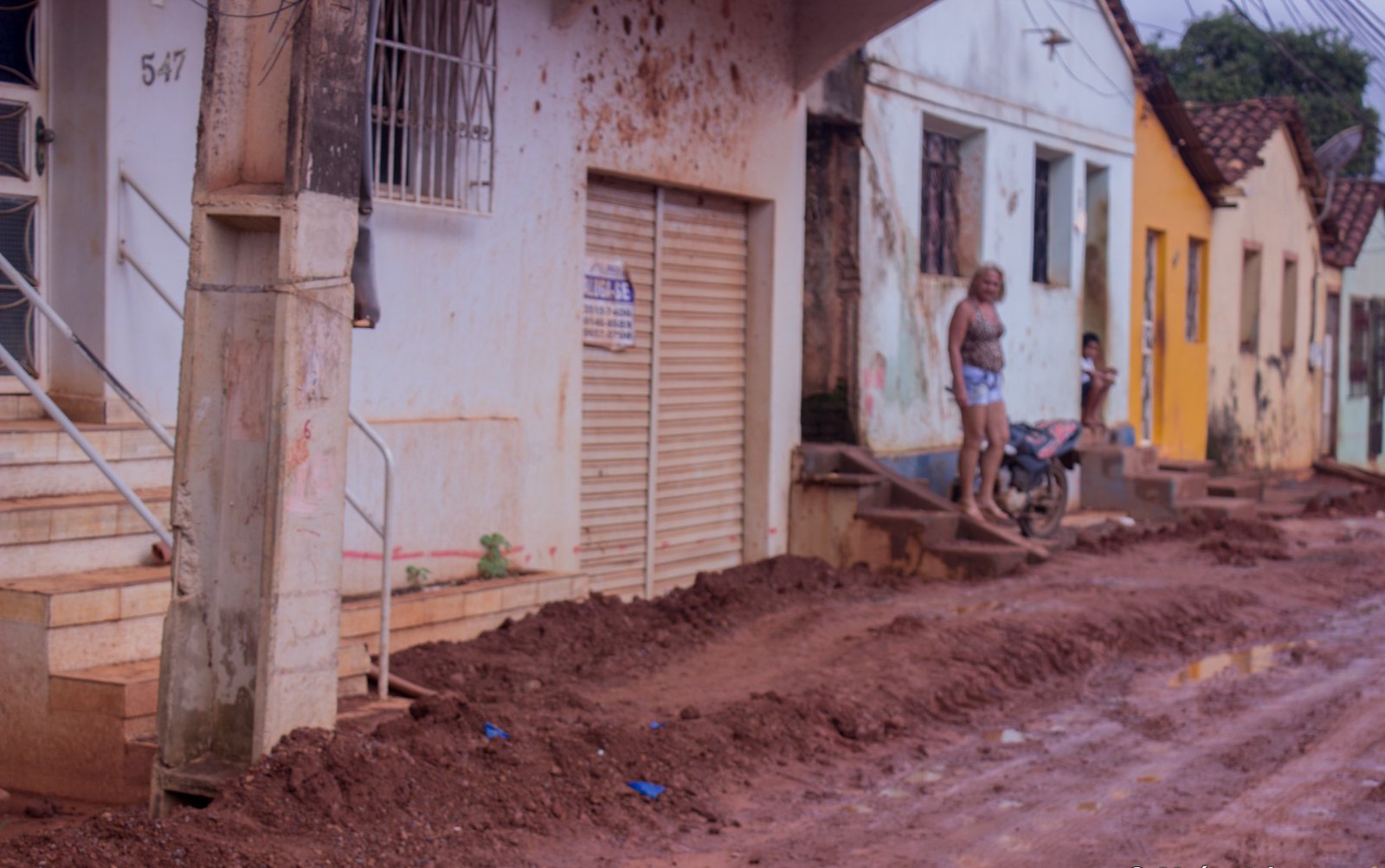
Photo: Amazon Watch / Maíra Irigaray.
Current situation
The protective measures granted by the IACHR remain in effect, but the Brazilian government has not fully complied with them, reporting only on general actions. The communities have documented the ongoing violations of their rights. The situation that prompted the request for these measures—the risk to the lives, physical integrity, and ways of life of the communities—persists and has worsened with the hydroelectric plant operating at full capacity and the recent extreme droughts in the Amazon.
In addition to the impacts of Belo Monte, there is a risk of further social and environmental impacts from the implementation of another mining megaproject in the Volta Grande do Xingu. There, the Canadian company Belo Sun plans to build Brazil’s largest open-pit gold mine.
The combined and cumulative impacts of the dam and the mine were not assessed. The government excluded Indigenous peoples, riverine and peasant communities from the project’s environmental permitting process. Despite protests by Indigenous communities and other irregularities surrounding the project, the government of Pará formally authorized the mine in April 2026.
Like other hydroelectric dams, Belo Monte exacerbates the climate emergency by generating greenhouse gas emissions in its reservoir. And it is inefficient amid the longer, more intense droughts caused by the crisis, as it loses its ability to generate power.
The case before the Inter-American Commission
In October 2017, the IACHR announced that it would rule jointly on the admissibility (whether the case meets the requirements for admission) and the merits (whether a human rights violation actually occurred) of the international complaint against the Brazilian State.
Fifteen years after the complaint was filed, the affected communities and the organizations representing them are still awaiting this decision. If the IACHR concludes that human rights violations occurred and issues recommendations that the Brazilian State fails to comply with, it may refer the case to the Inter-American Court of Human Rights, whose rulings are binding.
A potential ruling by the international court in this case would set a regional legal precedent regarding the rights of indigenous and riverine peoples, public participation in megaprojects, and state responsibility in the context of the climate crisis—a precedent that is particularly relevant in light of the Court’s Advisory Opinion No. 32, which reaffirmed the obligations of States to protect the people and communities of the continent from the climate emergency.
Partners:
Related projects
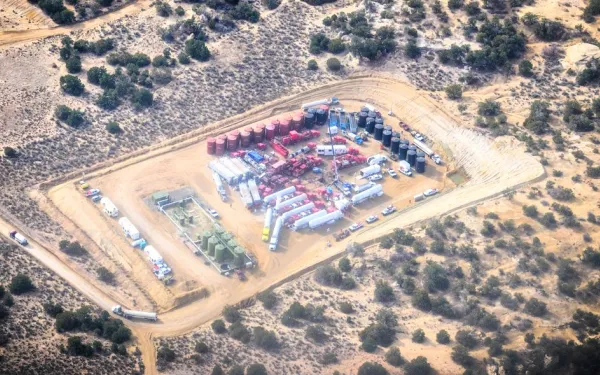
To cool the planet, fracking must be prohibited, organizations say
In the framework of COP21, a coalition of Latin American civil society organizations is urging world leaders meeting in Paris to ban fracking in their countries. By emitting large quantities of greenhouse gases, the process itself goes against the central objective of the climate negotiations: stopping global warming. Paris, France. In a public statement directed at Member States of the United Nations Framework Convention on Climate Change, organizations and allies of the Latin American Alliance On Fracking asked that all fracking activities be banned due to the fact that, among other impacts, hydraulic fracturing emits greenhouse gases that contribute to global warming. During the cycle of extracting, processing, storing, transferring, and distributing unconventional hydrocarbons using fracking, methane gas is released into the atmosphere. Methane is 87 times more powerful than carbon dioxide as an agent of global warming, the group explained in their statement. The document will be presented this Friday December 11 at 10 a.m. (local time) at the Climate Action Zone by: Alianza Mexicana contra el Fracking; Asociación Ambiente y Sociedad; the Inter-American Association for Environmental Defense (AIDA); Food & Water Watch; Freshwater Action Network Mexico; the Heinrich Böll Foundation – Mexico, Central America and the Caribbean; Instituto Brasileiro de Analises Socias e Economicas (IBASE); and Observatorio Petrolero Sur (OpSur). The organizations discuss the current state of hydraulic fracturing in Latin America. Although the use of the experimental technique is contrary to national and international commitments to reduce emissions, several countries in the region – among them Mexico, Colombia, Argentina, Chile and Bolivia – have begun exploration or exploitation of unconventional hydrocarbons through fracking. “Fracking is advancing blindly in Latin America, with no comprehensive long-term studies on the risks and serious damage that it could cause to the health of people and the environment,” said Ariel Pérez Castellón, attorney at AIDA. “Operations of this kind in the region have failed to respect fundamental human rights, including the right to consultation and free, prior and informed consent; the right to participation and social control; and the right to information,” added Milena Bernal, attorney with the Asociación Ambiente y Sociedad. According to the organizations, fracking is advancing quickly into indigenous and rural communities, urban neighborhoods, and even Natural Protected Areas. It has caused the displacement both of people and of productive activities such as farming and agriculture, because their coexistence with this technique is impossible. Rejection of fracking has grown in parallel with its spread in operations. “The proof of this resistance are the national and international networks opposing this technique, including more than 50 municipalities that have banned it in Argentina, Brazil and Uruguay,” said Diego di Risio, researcher at Observatorio Petrolero Sur. “As part of our statement, we urge the Member Parties of the Convention to: sign a binding agreement that quickly and effectively reduces greenhouse gases and incorporates human rights into the legal text; apply the precautionary principle to ban fracking; and promote renewable energies and disincentivize the extraction of fossil fuels,” stated Claudia Campero Arena, researcher at Food & Water Watch, and Moema Miranda, director of Ibase. Read the full statement from the Latin American Alliance on Fracking here. Event “The fight against fracking in Latin America: experiences in Argentina, Bolivia, Colombia, Brazil and Mexico” Simultaneous translation in English and French Friday December 11, 2015 Climate Action Zone Centquatre, 5 rue Curial, Paris (Métro Riquet)
Read more
COP21's International Human Rights Day
Programme of Events - December 10, 2015 10:00 - 10:30 Press Conference (Le Bourget, Hall 5, Press Conf. Room 2). Hosted by Office of the High Commissioner on Human Rights. 11:00 - 12:30 Side Event: Fight Climate Change, Eradicate Poverty and Ensure Access to Rights—The Challenge of a Truly Just Transition (Espace Générations Climat, Room 4). Hosted by Secours Catholique - Caritas France and ATD Quart Monde. 11:30 - 13:00 Side Event: Climate Change: One of the Greatest Human Rights Challenges of Our Time (Le Bourget, Hall 4, Observer Room 12). Hosted by the Human Rights & Climate Change Working Group, Geneva Climate Change Concertation Group, CARE International, Center for International Environmental Law, Earthjustice, Franciscans International, Friedrich-Ebert-Stiftung and Human Rights Watch. 13:00 - 13:30 Civil Society Action: Stand Up for Human Rights (Le Bourget, TBD). 13:00 - 14:30 Side Event: Climate Change and Human Rights: Focus on Urban Life, Human Rights and Adaptation to Climate Change (Espace Générations Climat, Room 4). Hosted by European Association of Geographers. 15:45 - 17:00 Photo Exhibition and Film Screening: There Is No Time Left: Climate Change and Human Rights in Turkana County, Kenya (Espaces Générations Climat, Round House and Stand A28). Hosted by Human Rights Watch. 17:30 - 19:00 Side Event: Agir Contre le Climat et Promouvoir les Droits Humains: Solutions Pratiques (Espace Générations Climat, Room 1). Hosted by the Human Rights & Climate Change Working Group and Réseau Climat & Développement. 18:30 - 21:00 Human Rights Day Celebration (Point Ephemere, 200 quai de Valmy 75010 Paris). Hosted by the Tri-Caucus, Accra Caucus, Geneva Group, Human Rights & Climate Change Working Group, Indigenous Peoples Caucus, and REDD+ Safeguards Working Group.
Read moreA Human Rights Based Approach to Climate in Latin America
By María José Veramendi Villa, AIDA senior attorney, and Camila Bustos, Nivela lead researcher A few days before the beginning of the climate negotiations in Paris, the Office of the High Commissioner for Human Rights submitted an official document to the 21st Conference of the Parties to the United Nations Framework Convention on Climate Change on “Understanding human rights and climate change”. For many, the link between these two remains unclear. Aren’t there already other international agreements that discuss this issue in depth? What is the point of including human rights language in a climate change agreement? The link between human rights and climate change has been recognized long ago by the UN Human Rights Council, which has passed several resolutions to bring attention to this issue. Several countries are already feeling the impacts of climate change: rising sea levels, droughts, extreme weather events and floods among other disasters are becoming increasingly common. Latin America and the Caribbean is one the most vulnerable regions to climate change. People and communities across the region are suffering from devastating impacts such as the melting of glaciers in the Andes, rising sea levels, and ocean acidification. Many face the risk of losing their traditional livelihoods and being displaced. The impacts of climate change on the enjoyment of human rights in Latin America have been thoroughly documented by the Interamerican Association for Environmental Defense in its 2011 report on Climate Change and Human Rights. One of the most shocking impacts includes the drastic reduction to water in the region. By the year 2025, melting glaciers, the degradation of wetlands, intense droughts and erratic meteorological patterns will limit access to water to more than 50 million people in the tropical Andean region. Other anticipated effects include flooding and changing rain patterns. In Colombia, flooding affected more than 2.2 million people and cost $300 million USD in 2010 alone. In the transition to a low-carbon and resilient economy, countries are already working to design and implement projects that reduce greenhouse gas emissions and protect citizens from climate change impacts. A reference to human rights in the operational section of the agreement can ensure that human rights are taken into account in the process of developing and implementing climate policies. This is why: It will raise the ambition and strengthen the agreement promoting an implementation that will ensure that parties comply with their already existing human rights obligations. It will support the goals of the agreement by preventing discrimination, exclusion and inequality. The affected communities have to have a say in the policies and projects designed to help them. It will not create additional obligations, but ensure that there is coherence in the international regime. Parties are already obliged to comply with other human rights instruments, including the Universal Declaration of Human Rights. As the world turns its attention to Paris, we cannot forget to humanize climate change and remember that those who have contributed to the least to the problem are and will continue to be the most affected. If we want to ensure a livable planet for the future generations the new climate agreement must include the respect, protection, promotion and fulfilment of human rights. We call on all State Parties and specially those of our Latin American region to support the inclusion of human rights protections in the agreement.
Read more