
Project
Amazon Watch / Maíra Irigaray
The Belo Monte Dam on the Xingu River: 10 years of impacts in the Amazon and the search for reparations
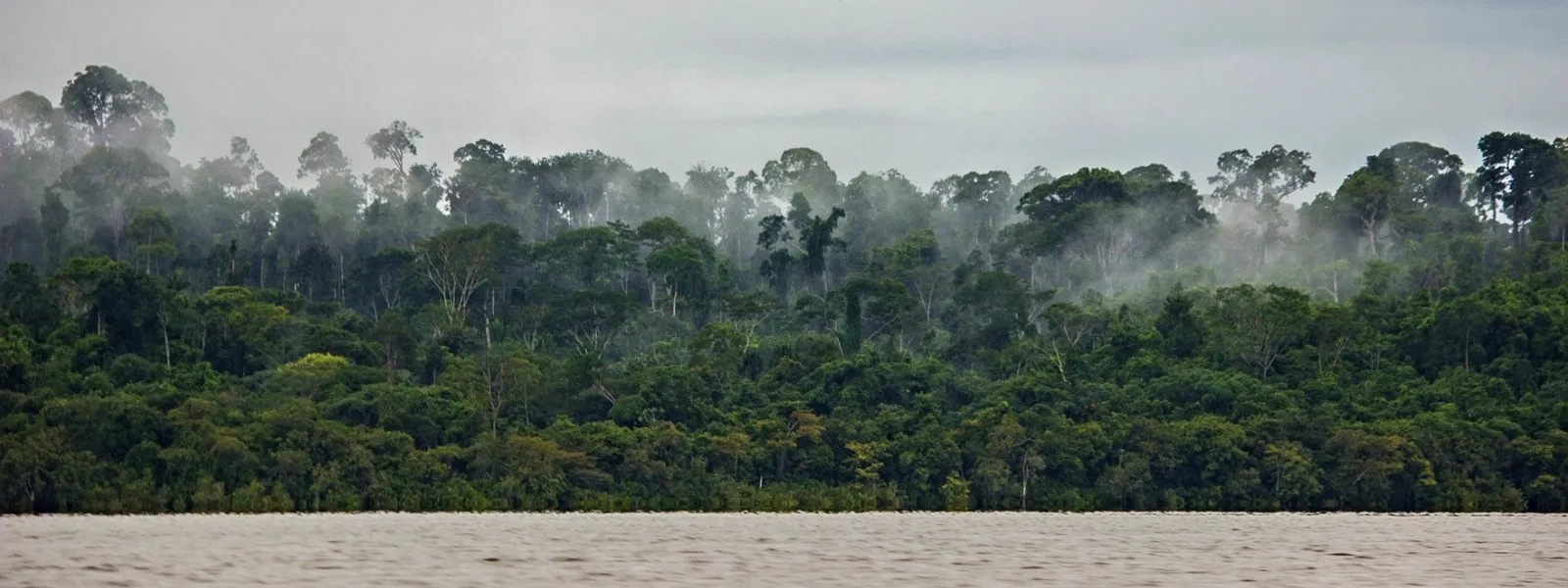
The Belo Monte Dam has caused an environmental and social disaster in the heart of the Amazon—one of the most important ecosystems on the planet.
This situation has only worsened since the hydroelectric plant began operations in 2016. The quest for justice and reparations by the affected indigenous, fishing, and riverine communities continues to this day.
In 2011, the Inter-American Commission on Human Rights (IACHR) granted them protective measures that, to date, have not been fully implemented by the Brazilian State.
Furthermore, since June of that same year, the IACHR has yet to rule on a complaint against the State regarding its international responsibility in the case.
The IACHR may refer the case to the Inter-American Court of Human Rights, which has the authority to issue a ruling condemning the Brazilian State.
After 10 years of the hydroelectric plant's operation and more than 15 years of documented human rights violations, it is time for justice to be served for the affected communities.
Read the open letter from the organizations bringing the case before the IACHR
Background
The Belo Monte hydroelectric plant—the fourth largest in the world by installed capacity (11,233 MW)—was built on the Xingu River in Pará, a state in northern Brazil.
It was inaugurated on May 5, 2016, with a single turbine. At that time, 80% of the river’s course was diverted, flooding 516 km² of land—an area larger than the city of Chicago. Of that area, 400 km² was native forest. The dam began operating at full capacity in November 2019.
Belo Monte was built and is operated by the Norte Energia S.A. consortium, which is composed primarily of state-owned companies. It was financed by the Brazilian Development Bank (BNDES), which provided the consortium with 25.4 billion reais (approximately US$10.16 billion), the largest investment in the bank’s history. Therefore, the BNDES is also legally responsible for the socio-environmental impacts associated with the hydroelectric plant.
Decades of harm to the environment and people
Human rights violations and degradation of the Amazon have been occurring since the project’s inception. In March 2011, Norte Energía began construction of the dam without adequate consultation and without the prior, free, and informed consent of the affected communities.
The construction caused the forced displacement of more than 40,000 people, severing social and cultural ties. The resettlement plan in Altamira—a city directly affected by the hydroelectric dam—involved housing units located on the outskirts, lacking adequate public services and decent living conditions for the relocated families, with no special provisions for those from indigenous communities.
Belo Monte's operations have caused a permanent, man-made drought in the Volta Grande (or "Great Bend") of the Xingu River, exacerbated by the historic droughts in the Amazon in 2023 and 2024. As a result, the deaths of millions of fish eggs were documented for four consecutive years (from 2021 to 2024), and for the past three years, there has been no upstream migration of fish to spawn and reproduce. Thus, artisanal fishing, the main source of protein for indigenous peoples and riverside communities, was severely affected: fish dropped from 50% to 30% of total protein consumed, replaced by processed foods. In summary, there was an environmental and humanitarian collapse that resulted in the breakdown of fishing as a traditional way of life, food insecurity, and access to drinking water for thousands of families, impoverishment, and disease.
Furthermore, the construction of the dam increased deforestation and intensified illegal logging and insecurity on indigenous and tribal lands, putting the survival of these communities at risk. Another consequence was the deepening of poverty and social conflicts, as well as the strain on health, education, and public safety systems in Altamira—a city ranked as the most violent in the country in 2017, where human trafficking and sexual violence increased. Violence was also reported against human rights defenders involved in the case.
In 2025, during the 30th UN Climate Change Conference (COP30), held in Brazil, the Federal Public Prosecutor’s Office labeled the damage caused by the Belo Monte dam as ecocide.
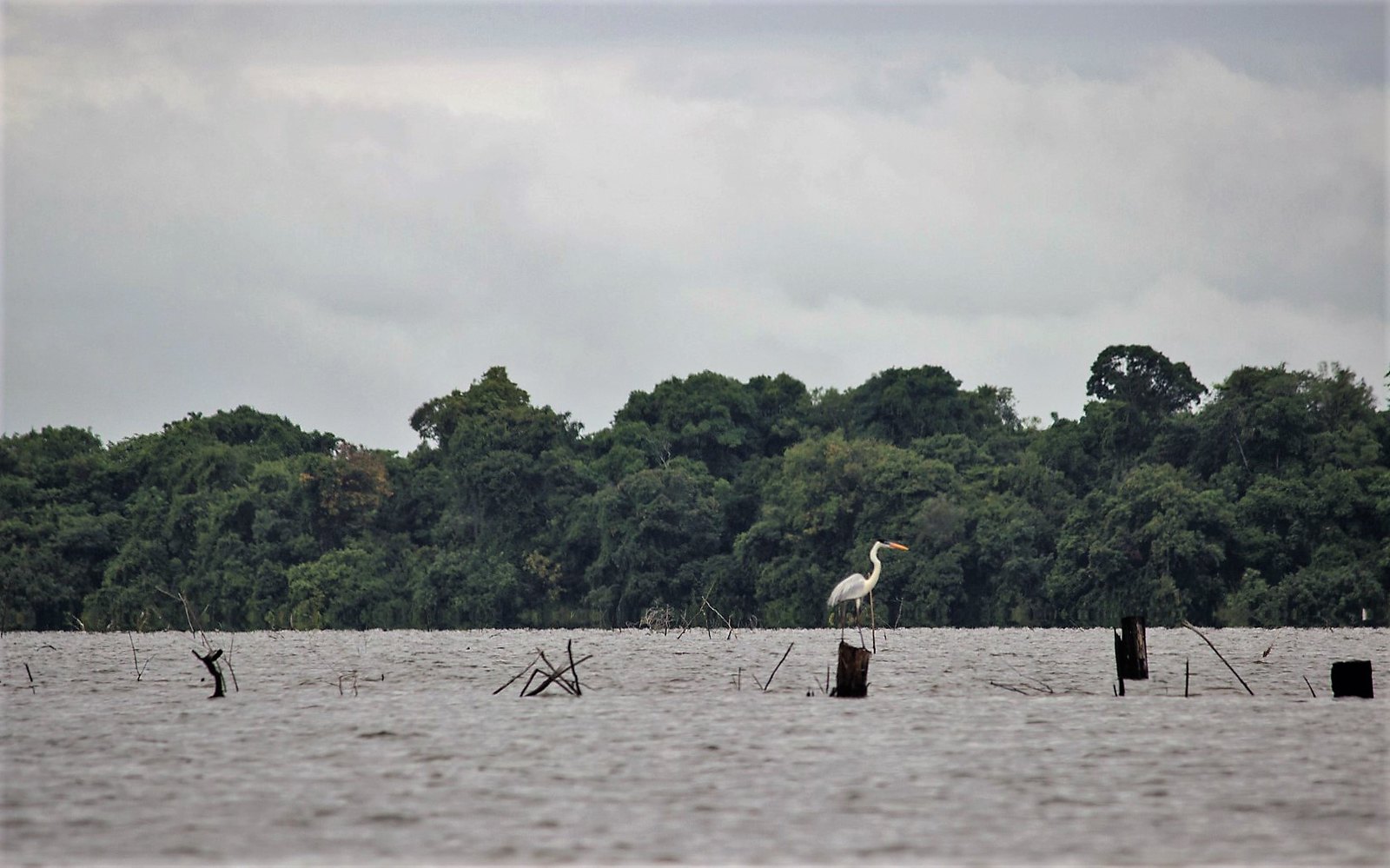
Photo: Amazon Watch / Maíra Irigaray.
The search for justice and reparations
Over the years, the Federal Public Prosecutor’s Office in Pará, the Public Defender’s Office, and civil society organizations have filed dozens of legal actions in Brazilian courts to challenge the project’s various irregularities and its impacts. Most of the claims are still pending resolution, some for more than 10 years.
These efforts have failed because the national government has repeatedly overturned rulings in favor of the affected communities by invoking a mechanism that allowed a court president to suspend a judicial decision based solely on generic arguments such as "the national interest" or "economic order."
In the absence of effective responses at the national level, AIDA, together with a coalition of partner organizations, brought the case before the Inter-American Commission on Human Rights (IACHR) and, in 2010, requested precautionary measures to protect the lives, safety, and health of the affected indigenous communities.
On April 1, 2011, the IACHR granted these measures and requested that the Brazilian government suspend environmental permits and any construction work until the conditions related to prior consultation and the protection of the health and safety of the communities are met.
And on June 16, 2011 —together with the Xingu Vivo Para Sempre Movement, the Coordinating Committee of Indigenous Organizations of the Brazilian Amazon, the Diocese of Altamira, the Indigenous Missionary Council, the Pará Society for the Defense of Human Rights and Global Justice— we filed a formal complaint against the Brazilian State for its international responsibility in the violation of the human rights of the people affected in the case. The case was opened for processing in December 2015.
On August 3, 2011, the IACHR amended the precautionary measures to request, instead of the suspension of permits and construction, the protection of people living in voluntary isolation, the health of indigenous communities, and the regularization and protection of ancestral lands.
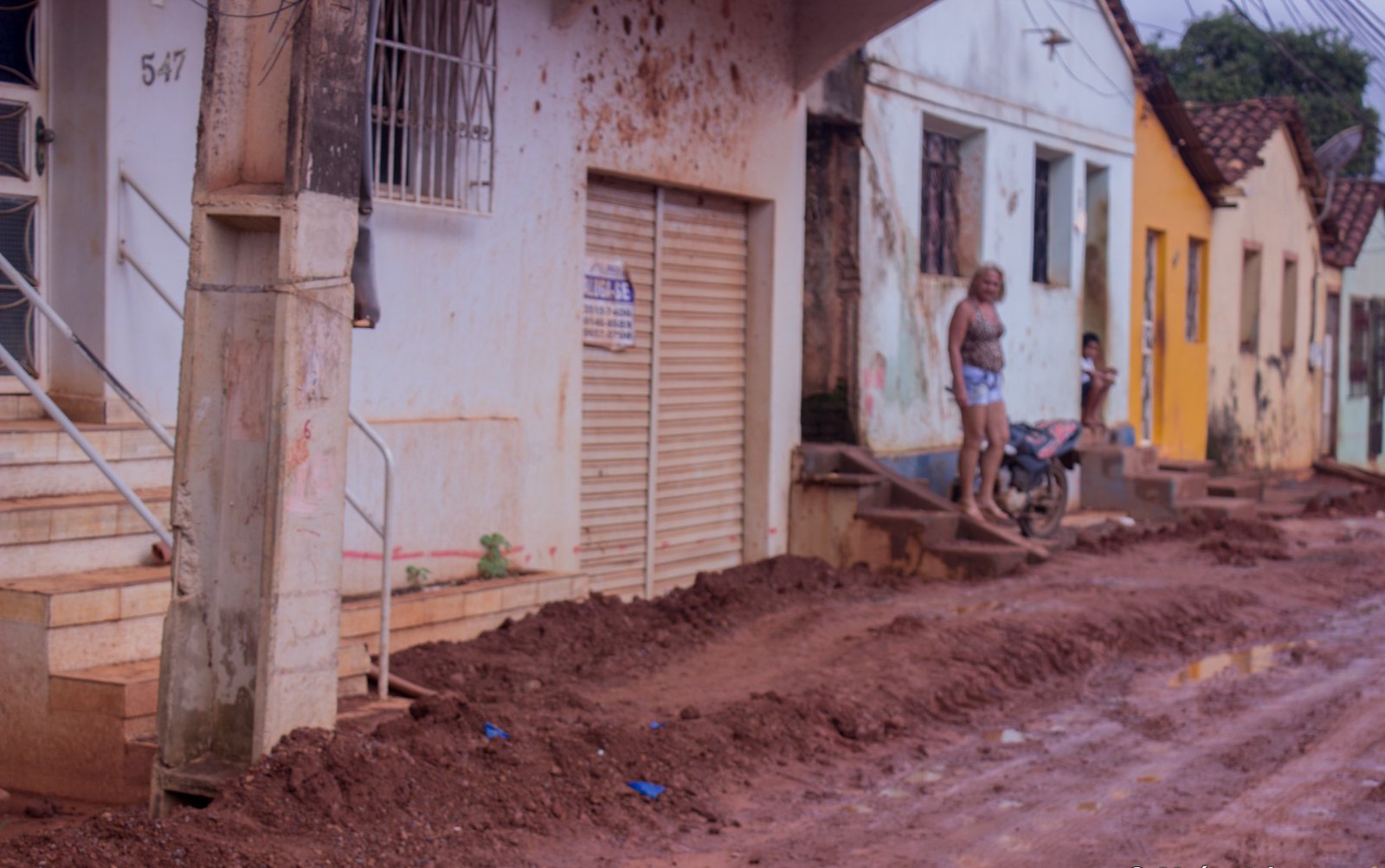
Photo: Amazon Watch / Maíra Irigaray.
Current situation
The protective measures granted by the IACHR remain in effect, but the Brazilian government has not fully complied with them, reporting only on general actions. The communities have documented the ongoing violations of their rights. The situation that prompted the request for these measures—the risk to the lives, physical integrity, and ways of life of the communities—persists and has worsened with the hydroelectric plant operating at full capacity and the recent extreme droughts in the Amazon.
In addition to the impacts of Belo Monte, there is a risk of further social and environmental impacts from the implementation of another mining megaproject in the Volta Grande do Xingu. There, the Canadian company Belo Sun plans to build Brazil’s largest open-pit gold mine.
The combined and cumulative impacts of the dam and the mine were not assessed. The government excluded Indigenous peoples, riverine and peasant communities from the project’s environmental permitting process. Despite protests by Indigenous communities and other irregularities surrounding the project, the government of Pará formally authorized the mine in April 2026.
Like other hydroelectric dams, Belo Monte exacerbates the climate emergency by generating greenhouse gas emissions in its reservoir. And it is inefficient amid the longer, more intense droughts caused by the crisis, as it loses its ability to generate power.
The case before the Inter-American Commission
In October 2017, the IACHR announced that it would rule jointly on the admissibility (whether the case meets the requirements for admission) and the merits (whether a human rights violation actually occurred) of the international complaint against the Brazilian State.
Fifteen years after the complaint was filed, the affected communities and the organizations representing them are still awaiting this decision. If the IACHR concludes that human rights violations occurred and issues recommendations that the Brazilian State fails to comply with, it may refer the case to the Inter-American Court of Human Rights, whose rulings are binding.
A potential ruling by the international court in this case would set a regional legal precedent regarding the rights of indigenous and riverine peoples, public participation in megaprojects, and state responsibility in the context of the climate crisis—a precedent that is particularly relevant in light of the Court’s Advisory Opinion No. 32, which reaffirmed the obligations of States to protect the people and communities of the continent from the climate emergency.
Partners:
Related projects
5 Recommendations for Integrating Climate Action into the Financial Sector
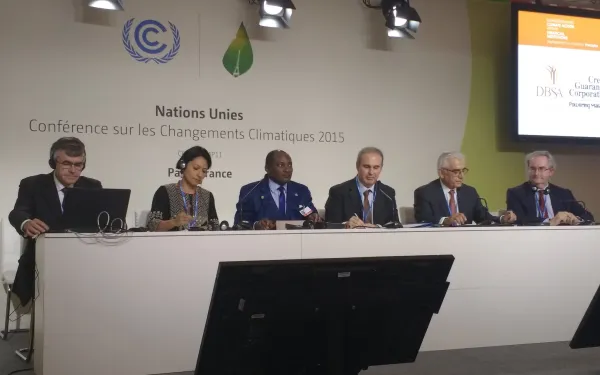
by Astrid Puentes Riaño This blog was produced in collaboration with Andrea Rodriguez, AIDA’s lead climate change attorney. During the Paris climate talks, I had the honor of participating in a panel on climate and the financial sector. We discussed the importance of ensuring that the fight against climate change is consciously integrated into all finance decisions. Financing is one of the primary challenges that has delayed effective worldwide progress on climate change, because many countries do not have the resources they need, and those that do have the resources haven’t contributed as much as they should. Currently, financial institutions are not providing sufficient funding to combat climate change. In fact, the majority of global resources are still invested in fossil fuels or other activities that have negative impacts on the climate. AIDA has been advocating at the highest levels to make climate finance more effective for more than five years. Our focus has been on ensuring that the allocation of climate finance is transparent, participatory, respectful of human rights, and responsive to the needs of the Global South. We have advocated for inclusion of and compliance with these principles before international and national financial institutions, as well as in a new global mechanism, the Green Climate Fund. To advance the discussion, AIDA requested a side event at the climate talks in Paris. As it turns out, a regional financial institution simultaneously requested a side event to present its voluntary principles for integrating climate change into the financial sector. Since there are thousands of requests for side-events and limited space, the Secretariat of the Convention merged the two events. This is how AIDA came to co-organize an event with a coalition of financial institutions. Although the institutions hadn’t planned to include comments from civil society in their presentation, they agreed to collaborate. This twist of fate created a great opportunity for the institutions to present their principles, and for us to provide early feedback from the point of view of civil society. Twenty-six institutions have supported the voluntary principles so far, including the Development Bank of Latin America (CAF), the European Investment Bank, the World Bank Group, and the Inter-American Development Bank. The Five Voluntary Principles, as described by the institutions, are: COMMIT to climate strategies MANAGE climate risks PROMOTE climate smart objectives IMPROVE climate performance ACCOUNT for your climate action An initial assessment Is not my intention to make a thorough analysis of the principles at this point. My goal, for the time being, is simply to ensure the principles are known, and to share with you a preliminary analysis, including our initial observations and the five recommendations that I presented at the panel. As a civil society organization, AIDA welcomes initiatives intended to advance climate action, accountability and participation. We therefore consider the voluntary principles a positive initiative from the financial sector, and a good place from which to start looking for concrete ways to integrate climate change fully into their activities. We consider mainstreaming climate finance an ongoing process, and view these principles as just one element of it. From AIDA’s perspective, the principles will actually benefit the sector, and help to decrease financial and other risks to financial institutions. If effectively implemented, the principles can help to increase climate actions while protecting communities and ecosystems, and fight poverty and inequality, two of the most important challenges facing the world. That said, improving access to information is fundamental to ensuring the principles positively impact climate change. Essential information should be made publicly available, including amounts of resources, types of activities or sectors, and projects in which financial institutions are investing. 5 Recommendations for Better Integration 1. Include a human rights perspective and incorporate social risk in assessments Financial investments that don’t incorporate human rights and social perspectives can contribute to rights violations and have severe impacts on communities. In addition to the consequences such investments have on people, they become a financial risk for the institution. Incorporating a human rights perspective in risk assessments can also help to advance goals related to fighting poverty and inequality, which are particularly applicable to public financial entities. 2. Define common concepts Concepts such as sustainable development, climate change, and climate finance can be interpreted very broadly and generate confusion. Additionally, the lack of agreement on what those concepts mean can lead, for example, to one institution considering an activity as clean or sustainable, when it is not. The definition of renewable energy is a good example. While several major financial institutions agree that large hydropower cannot be considered renewable energy, there are still some institutions that include hydropower, and even nuclear energy, projects in that definition. The inclusion of experts from the non-financial sector—particularly non-state actors—can help increase understanding of what the needs are and where investment should be enhanced or directed. 3. Create a clear, transparent and participatory road map The manner in which the voluntary principles are implemented is crucial. Therefore, a clear and measurable implementation plan is essential. It’s a good thing that the financial institutions highlighted the need to avoid duplication, and incorporate lessons learned. However, to ensure that the principles are as effective as possible, it is also important to at least incorporate experiences from existing accountability mechanisms and applications of safeguards. The current initiative considers a planning group that, as far as we understand, hasn’t been created, although there is a suggestion of how it should be formed. Aligning with the intention of the institutions to include other stakeholders, this planning group should also engage participants outside of the financial sector to increase the impact of investments. The work plan should include effective mechanisms to measure advancement, and be flexible enough to make necessary improvements. It should be seen as a dynamic process that incorporates lessons learned, not as a rigid mandate. 4. Embrace the opportunity in low-carbon economies The financial sector has a unique role to play in encouraging climate actions by helping clients avoid the same old carbon-intensive development. Financial institutions have the power to leapfrog this type of development and implement real, effective solutions for the 21st Century. They can be proactive by enhancing the capacity of other actors interested in fully integrating climate strategies into their operations. The financial sector naturally thrives from risk-taking and innovation. Low-carbon economies represent an important opportunity for growth. 5. Elevate accountability One question posed during the panel was whether or not the principles should be binding. If there is a strong willingness to implement the principles, and adequate mechanisms to measure advances and make adjustments, having a binding agreement isn’t the most important aspect. Accountability is key in this process, thus the importance of Principle Five. Climate change is the most important threat to human kind. It is an urgent matter that most profoundly impacts the world’s most vulnerable populations. There is no more time to lose. Effective actions must continue to be implemented, and the financial sector has an important opportunity to contribute to the solutions, rather than the problem. It’s time for financial institutions worldwide to walk the talk – it’s time for them to seriously commit to fighting climate change, and to start delivering results. The opportunity for us as members of civil society to sit beside representatives when they publically presented their five principles was an interesting start. Now we must follow up so that financial institutions put these principles into practice, especially Principle 5: being accountable. Building upon these comments, and providing recommendations from other stakeholders in the field, will be an important next step.
Read more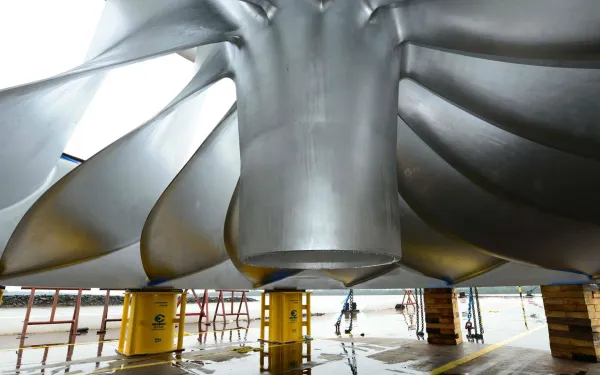
Urging the Brazilian National Development Bank to Invest Responsibly
The flow of the Xingú river in the Brazilian Amazon is diminishing to a trickle, while the rainforest around it disappears. Fish and other animals are scarcely seen, and many residents of the river communities have had to leave their homes and change their way of life forever. This devastating panorama is the result of the construction of Belo Monte dam, slated to be the third-largest dam in the world. Despite the project’s many reported irregularities, construction continues to ravage the surrounding environment. And despite the corruption and seemingly endless questions surrounding the dam, the energy company building it has had no problems obtaining funding, mostly from the Brazilian National Development Bank (BNDES). In Latin America, BNDES is more active than both the Inter-American Development Bank and the World Bank in financing large energy and infrastructure projects. BNDES does not, however, have standards that guarantee its investments do no harm to the environment and vulnerable communities; nor does it have an effective system to process the claims and complaints of those whose human rights are violated as a result. AIDA is working alongside regional organizations in Brazil to draw attention to this unacceptable situation. Too few people know about the problems caused by BNDES-supported projects, which means that society at large is not demanding accountability. To raise awareness, AIDA and allied organizations created an infographic that explains the harmful effects of BNDES investments in the region. Please help us distribute this valuable tool by sharing it with your friends! “Our work aims to influence the Brazilian National Development Bank so it becomes a positive influence in the world of energy investments. We hope they begin to respect the environment and the human rights of the people who depend on it, and enable a shift towards a truly sustainable economy,” said Florencia Ortúzar, AIDA attorney. “We want the Bank to stop funding large dams. As well as displacing entire communities of indigenous and vulnerable people, they actually contribute to climate change, because rotting vegetation in dam reservoirs releases enormous amounts of methane—a very powerful greenhouse gas. Instead of building more dams, the bank should avoid socio-environmental conflicts and positively contribute to regional efforts to adapt to and mitigate the effects of climate change.”
Read more
COP21: Mainstreaming Climate Change within Financial Institutions
Financial institutions are crucial players in the global fight against climate change. In order for countries around the world to successfully pursue low-carbon and climate-resilient development, significant sums of finance will need to be harnessed. The Paris Agreement – set to be finalized this week at the close of COP21 – will surely catalyze climate finance around the world. But climate finance will only represent a small percentage of overall global financial flows. Therefore, the extent to which climate change considerations are more broadly mainstreamed within financial institutions will have an important effect on the speed of the global economy’s transformation in response to climate change. AIDA co-director Astrid Puentes Riaño was part of a panel that addressed this reality on December 7 during a COP21 side event titled Mainstreaming Climate Change Within Financial Institutions. The event began with a presentation unveiling the Five Voluntary Principles that had been agreed to this year by 26 financial institutions on four continents, which collectively manage $11 trillion USD. These voluntary principles included commitments to manage climate risks, improve climate performance, account for climate action, adhere to climate change strategies, and promote climate smart objectives. Following introductory remarks by the CEO of the French Development Agency and the Vice President of the World Bank Group, the main group of five panelists was invited to discuss their actions and views related to the initiative. The importance of Puentes Riaño’s presence on the panel was immediately apparent – she was not only the only woman, but also the only voice representing civil society. Other panelists included representatives from major public and private financial institutions, such as the Development Bank of Latin America, the Vicepresident of the European Investment Bank and the head of the Ministry of the Environment and Tourism in Namibia. The presentations on behalf of the financial institutions were brief, but to a certain extent heartening. Representatives lauded the billions of dollars they were committing to the fight against climate change, as well as other steps they were taking to reduce the climate impact of their investments. The European Investment Bank Representative, for example, highlighted their new emissions performance standard for investment in new energy development, which he said didn’t discriminate against any particular energy source, but effectively excluded coal. There was also discussion about the importance of working together and building information-sharing platforms, such as a website to host information gathered by the financial institutions. The representative from the commercial banking sector said that his company had committed to investing $2 billion USD in green bonds, wouldn’t be funding any new coal plants, and would be increasing investments in renewable energy. The Minister from Namibia stressed the devastating effect climate change is already having, and will continue to have, on his country. He explained that although climate change is a priority for his government, there is a lack of resources available to address the various needs that can arise at any time. Speaking on behalf of civil society, Puentes Riaño welcomed the initiative as a good start, which projected a positive image of the financial sector. Recognizing that the effort was still in its nascent stages, she offered some recommendations regarding its implementation. First, she called for consideration of human rights and social risk to be included in project assessments. This, Puentes Riaño explained, would facilitate the selection of the right kinds of projects to invest in. Secondly, she called for an effort to ensure that there was consideration of, and agreement among financial institutions about key definitions, for example “renewable energy” and “sustainable development”, as well as thought given to which options should be excluded as false solutions. Finally, she called on these funding institutions to focus on how this initiative would be implemented. She recommended having a clear, transparent, and participatory road map that was ambitious enough to put the world on a 1.5 degrees C path. During discussions like these, it’s easy to see how important it is for civil society organizations to be present and doing their best to contribute to the dialogue. In this case, AIDA was able to join the conversation and use our position at the table to help increase awareness about and advocate for access to information, transparency and accountability, public participation, and human rights.
Read more