
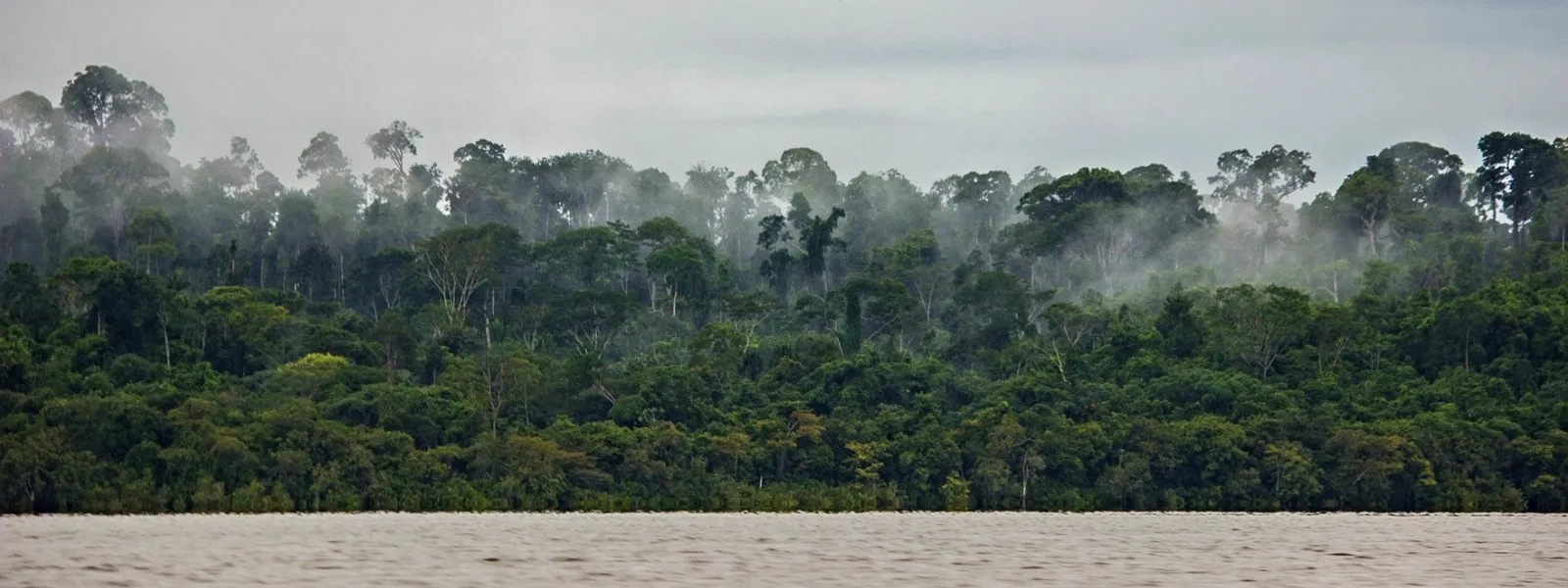
Project
Amazon Watch / Maíra Irigaray
The Belo Monte Dam on the Xingu River: 10 years of impacts in the Amazon and the search for reparations
The Belo Monte Dam has caused an environmental and social disaster in the heart of the Amazon—one of the most important ecosystems on the planet.
This situation has only worsened since the hydroelectric plant began operations in 2016. The quest for justice and reparations by the affected indigenous, fishing, and riverine communities continues to this day.
In 2011, the Inter-American Commission on Human Rights (IACHR) granted them protective measures that, to date, have not been fully implemented by the Brazilian State.
Furthermore, since June of that same year, the IACHR has yet to rule on a complaint against the State regarding its international responsibility in the case.
The IACHR may refer the case to the Inter-American Court of Human Rights, which has the authority to issue a ruling condemning the Brazilian State.
After 10 years of the hydroelectric plant's operation and more than 15 years of documented human rights violations, it is time for justice to be served for the affected communities.
Read the open letter from the organizations bringing the case before the IACHR
Background
The Belo Monte hydroelectric plant—the fourth largest in the world by installed capacity (11,233 MW)—was built on the Xingu River in Pará, a state in northern Brazil.
It was inaugurated on May 5, 2016, with a single turbine. At that time, 80% of the river’s course was diverted, flooding 516 km² of land—an area larger than the city of Chicago. Of that area, 400 km² was native forest. The dam began operating at full capacity in November 2019.
Belo Monte was built and is operated by the Norte Energia S.A. consortium, which is composed primarily of state-owned companies. It was financed by the Brazilian Development Bank (BNDES), which provided the consortium with 25.4 billion reais (approximately US$10.16 billion), the largest investment in the bank’s history. Therefore, the BNDES is also legally responsible for the socio-environmental impacts associated with the hydroelectric plant.
Decades of harm to the environment and people
Human rights violations and degradation of the Amazon have been occurring since the project’s inception. In March 2011, Norte Energía began construction of the dam without adequate consultation and without the prior, free, and informed consent of the affected communities.
The construction caused the forced displacement of more than 40,000 people, severing social and cultural ties. The resettlement plan in Altamira—a city directly affected by the hydroelectric dam—involved housing units located on the outskirts, lacking adequate public services and decent living conditions for the relocated families, with no special provisions for those from indigenous communities.
Belo Monte's operations have caused a permanent, man-made drought in the Volta Grande (or "Great Bend") of the Xingu River, exacerbated by the historic droughts in the Amazon in 2023 and 2024. As a result, the deaths of millions of fish eggs were documented for four consecutive years (from 2021 to 2024), and for the past three years, there has been no upstream migration of fish to spawn and reproduce. Thus, artisanal fishing, the main source of protein for indigenous peoples and riverside communities, was severely affected: fish dropped from 50% to 30% of total protein consumed, replaced by processed foods. In summary, there was an environmental and humanitarian collapse that resulted in the breakdown of fishing as a traditional way of life, food insecurity, and access to drinking water for thousands of families, impoverishment, and disease.
Furthermore, the construction of the dam increased deforestation and intensified illegal logging and insecurity on indigenous and tribal lands, putting the survival of these communities at risk. Another consequence was the deepening of poverty and social conflicts, as well as the strain on health, education, and public safety systems in Altamira—a city ranked as the most violent in the country in 2017, where human trafficking and sexual violence increased. Violence was also reported against human rights defenders involved in the case.
In 2025, during the 30th UN Climate Change Conference (COP30), held in Brazil, the Federal Public Prosecutor’s Office labeled the damage caused by the Belo Monte dam as ecocide.
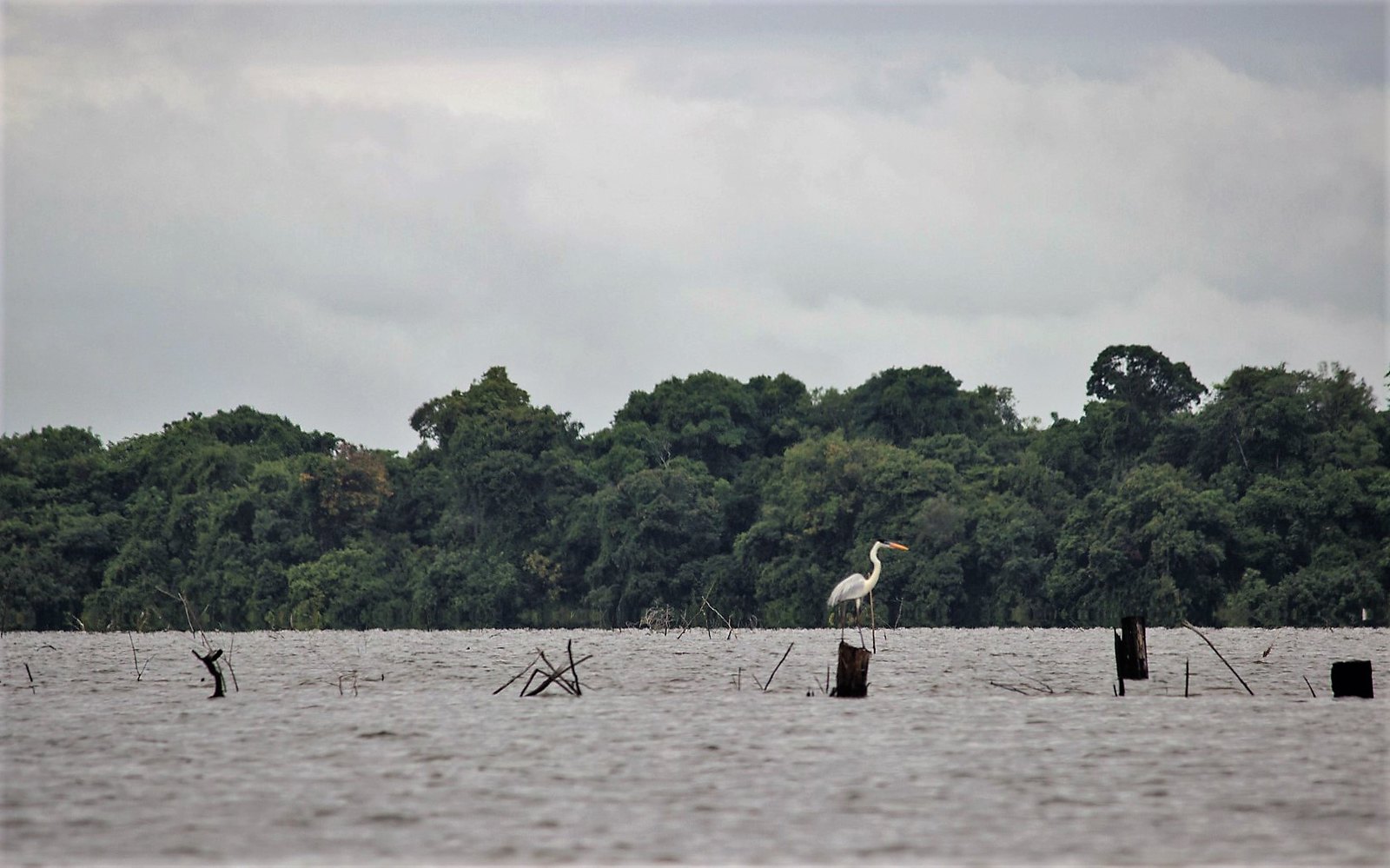
Photo: Amazon Watch / Maíra Irigaray.
The search for justice and reparations
Over the years, the Federal Public Prosecutor’s Office in Pará, the Public Defender’s Office, and civil society organizations have filed dozens of legal actions in Brazilian courts to challenge the project’s various irregularities and its impacts. Most of the claims are still pending resolution, some for more than 10 years.
These efforts have failed because the national government has repeatedly overturned rulings in favor of the affected communities by invoking a mechanism that allowed a court president to suspend a judicial decision based solely on generic arguments such as "the national interest" or "economic order."
In the absence of effective responses at the national level, AIDA, together with a coalition of partner organizations, brought the case before the Inter-American Commission on Human Rights (IACHR) and, in 2010, requested precautionary measures to protect the lives, safety, and health of the affected indigenous communities.
On April 1, 2011, the IACHR granted these measures and requested that the Brazilian government suspend environmental permits and any construction work until the conditions related to prior consultation and the protection of the health and safety of the communities are met.
And on June 16, 2011 —together with the Xingu Vivo Para Sempre Movement, the Coordinating Committee of Indigenous Organizations of the Brazilian Amazon, the Diocese of Altamira, the Indigenous Missionary Council, the Pará Society for the Defense of Human Rights and Global Justice— we filed a formal complaint against the Brazilian State for its international responsibility in the violation of the human rights of the people affected in the case. The case was opened for processing in December 2015.
On August 3, 2011, the IACHR amended the precautionary measures to request, instead of the suspension of permits and construction, the protection of people living in voluntary isolation, the health of indigenous communities, and the regularization and protection of ancestral lands.
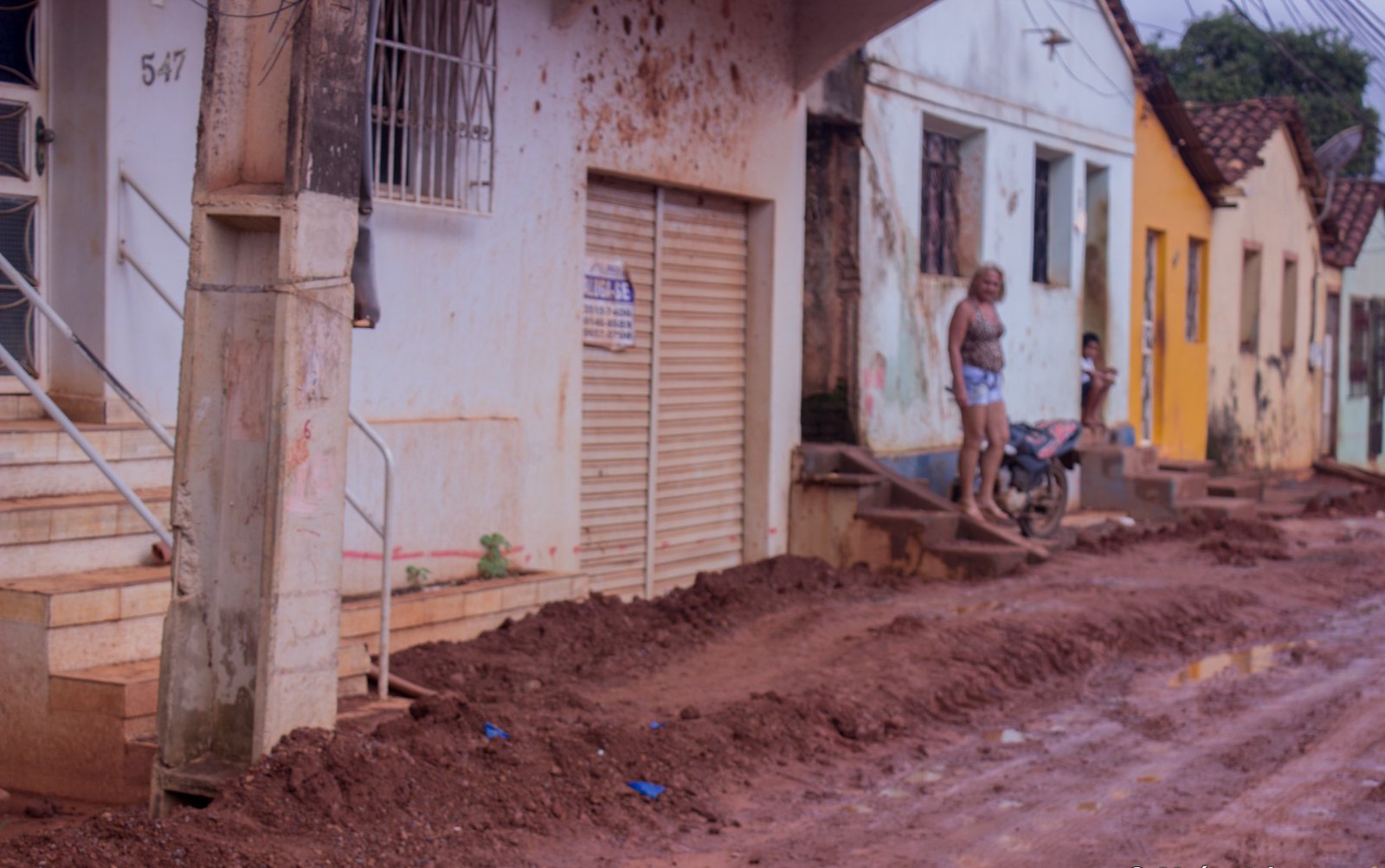
Photo: Amazon Watch / Maíra Irigaray.
Current situation
The protective measures granted by the IACHR remain in effect, but the Brazilian government has not fully complied with them, reporting only on general actions. The communities have documented the ongoing violations of their rights. The situation that prompted the request for these measures—the risk to the lives, physical integrity, and ways of life of the communities—persists and has worsened with the hydroelectric plant operating at full capacity and the recent extreme droughts in the Amazon.
In addition to the impacts of Belo Monte, there is a risk of further social and environmental impacts from the implementation of another mining megaproject in the Volta Grande do Xingu. There, the Canadian company Belo Sun plans to build Brazil’s largest open-pit gold mine.
The combined and cumulative impacts of the dam and the mine were not assessed. The government excluded Indigenous peoples, riverine and peasant communities from the project’s environmental permitting process. Despite protests by Indigenous communities and other irregularities surrounding the project, the government of Pará formally authorized the mine in April 2026.
Like other hydroelectric dams, Belo Monte exacerbates the climate emergency by generating greenhouse gas emissions in its reservoir. And it is inefficient amid the longer, more intense droughts caused by the crisis, as it loses its ability to generate power.
The case before the Inter-American Commission
In October 2017, the IACHR announced that it would rule jointly on the admissibility (whether the case meets the requirements for admission) and the merits (whether a human rights violation actually occurred) of the international complaint against the Brazilian State.
Fifteen years after the complaint was filed, the affected communities and the organizations representing them are still awaiting this decision. If the IACHR concludes that human rights violations occurred and issues recommendations that the Brazilian State fails to comply with, it may refer the case to the Inter-American Court of Human Rights, whose rulings are binding.
A potential ruling by the international court in this case would set a regional legal precedent regarding the rights of indigenous and riverine peoples, public participation in megaprojects, and state responsibility in the context of the climate crisis—a precedent that is particularly relevant in light of the Court’s Advisory Opinion No. 32, which reaffirmed the obligations of States to protect the people and communities of the continent from the climate emergency.
Partners:
Related projects
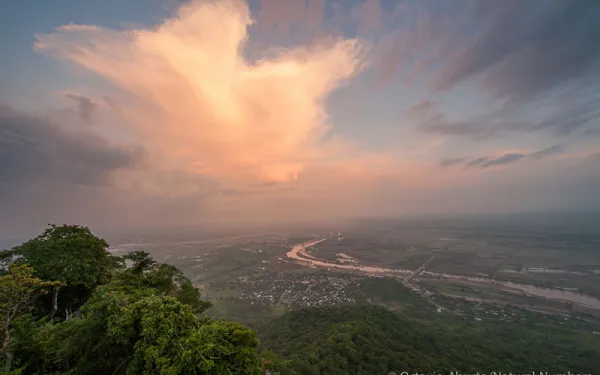
Worth Protecting: Mexico’s Marismas Nacionales
By Anna Miller, AIDA writer On Mexico’s northern Pacific coast, verdant mangroves reach their roots into the shallow soil, drink up the sweet, fresh water flowing from the mountains, and shelter the diverse, abundant life teeming below. Crabs crawl along the muddy ground, fish zig and zag along the root systems, crocodiles wait patiently in the shallows, and sea turtles feed on their way to coastal nesting grounds. This living, breathing community, extending 2,000 square kilometers through Nayarit and Sinaloa states, is the largest mangrove forest on Mexico’s Pacific coast. Despite the importance of this rich environment, the Marismas Nacionales are at risk. Their health and vitality are threatened by the proposed Las Cruces hydropower project, which would dam the Río San Pedro Mezquital, the last free-flowing river in the Sierra Madre Mountains. After the senseless destruction of the Tajamar mangroves in Cancún, Mexico must now, more than ever, live up to its responsibility to preserve vital wetlands like Marismas Nacionales. There is so much worth protecting. The San Pedro Mezquital River is born in the highest peaks of the Sierra Madre, flowing through dense green forests and across valleys before reaching the coastal plains of Nayarit, where its fresh waters feed Marismas Nacionales. Altering the natural flow of the river would increase sedimentation in the wetlands and risk suffocating the sensitive system. The vast coastal wetlands along the Gulf of California are home to as many as 20 percent of Mexico’s mangroves. A sort of biological super system harbors a diverse array fish and birds and insects and amphibians. The Marismas Nacionales are believed to constitute one of the most productive environments in Northwest Mexico. Coastal communities also live in harmony with Marismas Nacionales and depend upon the wetlands for their survival. The coastal marine environment provides a sustainable livelihood for local populations, who fish and harvest shellfish. The communities are therefore linked with the health and wellbeing of the wetlands. An avian paradise, the Marismas Nacionales are home to more than 250 species of birds, nearly half of which are migratory. The Marismas provide a critical wintering habitat for birds from the Pacific coastal region: in parts of the year, 80 percent of Pacific migratory shorebirds take shelter there. Many local species also seek out the mangroves as shelter from surrounding areas during particularly harsh weather. Without a healthy river, the life in these vast mangrove forests and coastal lagoons may be lost for good. With the construction of Las Cruces Dam, Mexico is putting at risk another of its sacred natural places. AIDA is committed to protecting Marismas Nacionales, and the health and way of life of all the living things that depend on them. We hope you’re with us. Learn about our work to stop Las Cruces Dam
Read more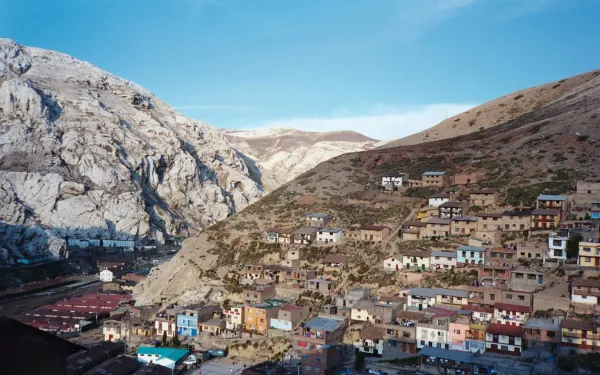
My first visit to La Oroya
By Rodrigo da Costa Sales, AIDA attorney “What do you think of La Oroya?” a local resident asked me the first time we met. Honestly, I wasn’t quite sure how to respond. Quickly sensing my discomfort, he joked, “It’s very beautiful, there’s so much biodiversity, and the sky is so blue...” Relieved, I laughed along with him and, since that moment, I’ve been searching for the words to describe La Oroya. La Oroya is a city of 33,000 people on the Mantaro River in central Peru, at an altitude of nearly 5,000 meters. This was my first time there, and I stayed only two days. The trip from Lima takes five hours, winding along painfully curvy roads with breathtaking views of the mountains all around. In La Oroya, however, the landscape changes drastically. The city is covered in a sheet of grey, with little to no natural life, streets full of trucks transporting iron and other heavy metals... and not much else of note. My greatest wish for my time in La Oroya was to meet the people we are representing in our case before the Inter-American Commission on Human Rights. After working on it for six months, I wanted finally to put faces to the names I had come to know so well on paper. Our meeting was scheduled for the evening, when residents could find time free from work and family commitments. There, we introduced them to students from Yale University, who were developing an important report on the relationship between La Oroya’s air quality and the health of city residents. Although interested in the study, and happy to hear about it, residents quickly peppered us with questions about the case. The main thing they wanted to know—an answer they have been waiting for since our petition was filed seven years ago—was when the Commission will make its decision. They explained the many offensive comments they’ve had to endure, both from workers at the metal-smelting complex and from their own neighbors, during the long wait for a ruling. They’ve suffered threats from fellow residents of La Oroya, who wrongfully believe that the purpose of the case is to close the complex, which would leave many people without jobs. In one especially disturbing instance, a “doctor” spoke on television claiming that lead contamination does not cause any health problems. He claimed the residents of La Oroya as proof that, while contaminated by lead and other heavy metals, people could still lead normal lives. We reminded them that a process before an international organism involves years of waiting, and that we sympathized with them for everything they had been through in the past few years. But the truth is that I felt such intense frustration. It was the first time that I saw, up close, such personal desire for an international decision. I understood then that a decision on paper could actually constitute a form of reparation. The long-awaited Commission report will show the world that the effects of heavy-metal pollution on a population actually violate their personal integrity and right to health. The goal of this case is not to close the metallurgical complex, but instead to force the adoption of measures that guarantee a certain quality of life for the residents of La Oroya. The Commission’s report will be the instrument in this case by which international and human rights law becomes real, effective and transformative. I returned from La Oroya almost a week ago, and I’m still searching for the words to describe such a place. Truthfully, La Oroya didn’t seem very nice at first. But I quickly came to realize that the beauty of a place comes not only from its natural and man-made attractions; it comes also, and perhaps more importantly, from the beauty of its people. In that sense, I’ve never seen a city quite as beautiful as La Oroya. This blog is dedicated all the victims of the case in La Oroya. I hope that they will achieve justice, and that because of them, a case like this is never repeated around the world. It is also dedicated to Astrid Puentes and Maria José, AIDA’s attorneys in charge of the La Oroya case, who inspire me daily to work for a more just world.
Read more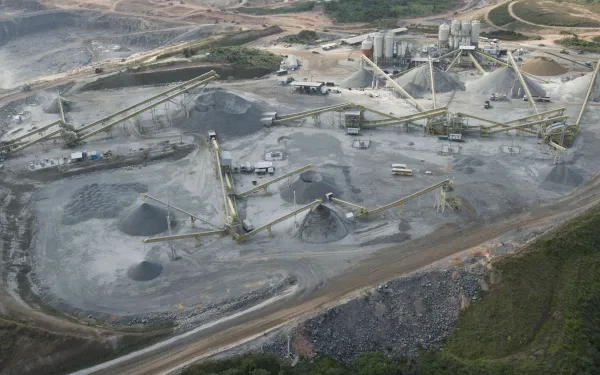
Brazilian Court overturns suspension of Belo Monte’s operating license
Brasilia, Brazil. The Federal Regional Court of the First Region (TRF1) overturned the preliminary decision suspending the operating license of the Belo Monte Dam. On January 11, the Federal Justice of Altamira decided to suspend the license until the federal government and Norte Energia, the company in charge of the dam’s construction, complied with their obligation to restructure the National Indian Foundation (FUNAI) of Altamira. However, a federal judge from TRF1 decided today that this decision disproportionately “affects the public interest, causing grave repercussions on the economy and public order.” Another argument presented was that the suspension would prevent the implementation of various plans designed to benefit indigenous peoples. “This is yet another attack on the rights of the affected indigenous communities. The decision manipulates the arguments of public interest, order, security and the economy, and then uses the plans – which should have been implemented when the previous license was granted in 2010 – to justify why it is not possible to suspend the operating license. The bottom line is that the operating license never should have been granted in the first place without the fulfillment of those plans,” said María José Veramendi, AIDA attorney. For more information, please consult the factual record of the case and the latest news about our case before the IACHR.
Read more