
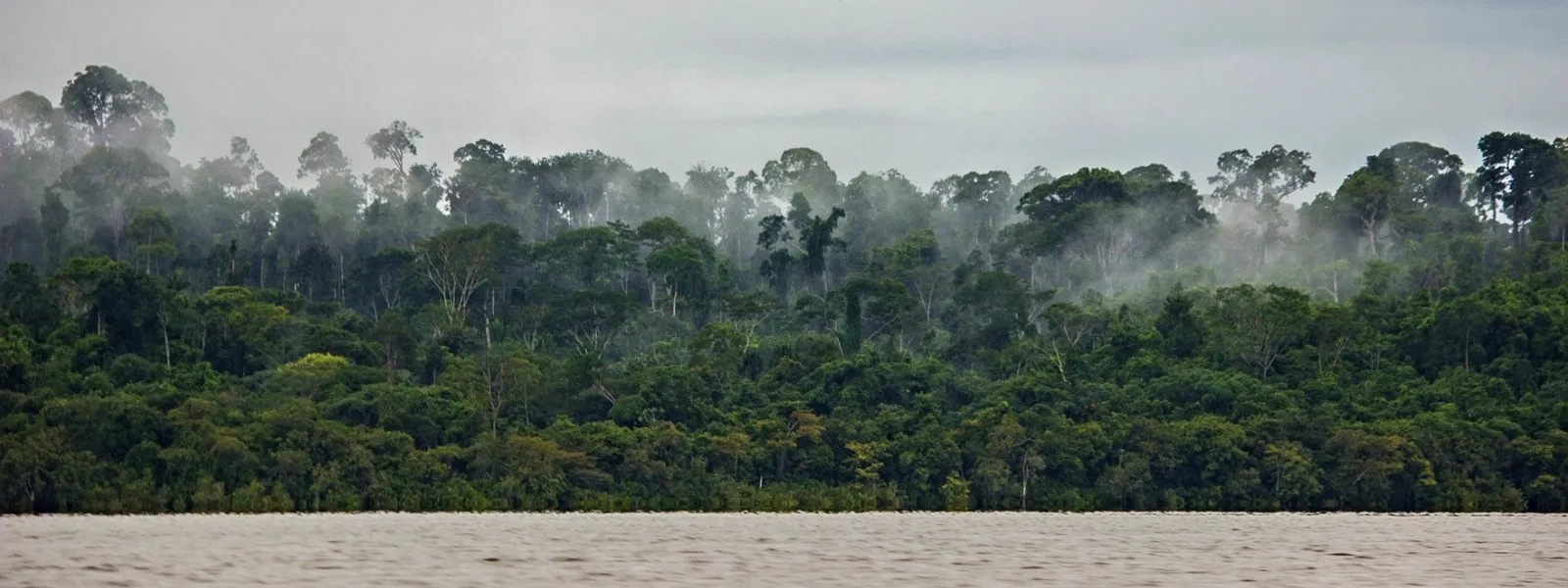
Project
Amazon Watch / Maíra Irigaray
The Belo Monte Dam on the Xingu River: 10 years of impacts in the Amazon and the search for reparations
The Belo Monte Dam has caused an environmental and social disaster in the heart of the Amazon—one of the most important ecosystems on the planet.
This situation has only worsened since the hydroelectric plant began operations in 2016. The quest for justice and reparations by the affected indigenous, fishing, and riverine communities continues to this day.
In 2011, the Inter-American Commission on Human Rights (IACHR) granted them protective measures that, to date, have not been fully implemented by the Brazilian State.
Furthermore, since June of that same year, the IACHR has yet to rule on a complaint against the State regarding its international responsibility in the case.
The IACHR may refer the case to the Inter-American Court of Human Rights, which has the authority to issue a ruling condemning the Brazilian State.
After 10 years of the hydroelectric plant's operation and more than 15 years of documented human rights violations, it is time for justice to be served for the affected communities.
Read the open letter from the organizations bringing the case before the IACHR
Background
The Belo Monte hydroelectric plant—the fourth largest in the world by installed capacity (11,233 MW)—was built on the Xingu River in Pará, a state in northern Brazil.
It was inaugurated on May 5, 2016, with a single turbine. At that time, 80% of the river’s course was diverted, flooding 516 km² of land—an area larger than the city of Chicago. Of that area, 400 km² was native forest. The dam began operating at full capacity in November 2019.
Belo Monte was built and is operated by the Norte Energia S.A. consortium, which is composed primarily of state-owned companies. It was financed by the Brazilian Development Bank (BNDES), which provided the consortium with 25.4 billion reais (approximately US$10.16 billion), the largest investment in the bank’s history. Therefore, the BNDES is also legally responsible for the socio-environmental impacts associated with the hydroelectric plant.
Decades of harm to the environment and people
Human rights violations and degradation of the Amazon have been occurring since the project’s inception. In March 2011, Norte Energía began construction of the dam without adequate consultation and without the prior, free, and informed consent of the affected communities.
The construction caused the forced displacement of more than 40,000 people, severing social and cultural ties. The resettlement plan in Altamira—a city directly affected by the hydroelectric dam—involved housing units located on the outskirts, lacking adequate public services and decent living conditions for the relocated families, with no special provisions for those from indigenous communities.
Belo Monte's operations have caused a permanent, man-made drought in the Volta Grande (or "Great Bend") of the Xingu River, exacerbated by the historic droughts in the Amazon in 2023 and 2024. As a result, the deaths of millions of fish eggs were documented for four consecutive years (from 2021 to 2024), and for the past three years, there has been no upstream migration of fish to spawn and reproduce. Thus, artisanal fishing, the main source of protein for indigenous peoples and riverside communities, was severely affected: fish dropped from 50% to 30% of total protein consumed, replaced by processed foods. In summary, there was an environmental and humanitarian collapse that resulted in the breakdown of fishing as a traditional way of life, food insecurity, and access to drinking water for thousands of families, impoverishment, and disease.
Furthermore, the construction of the dam increased deforestation and intensified illegal logging and insecurity on indigenous and tribal lands, putting the survival of these communities at risk. Another consequence was the deepening of poverty and social conflicts, as well as the strain on health, education, and public safety systems in Altamira—a city ranked as the most violent in the country in 2017, where human trafficking and sexual violence increased. Violence was also reported against human rights defenders involved in the case.
In 2025, during the 30th UN Climate Change Conference (COP30), held in Brazil, the Federal Public Prosecutor’s Office labeled the damage caused by the Belo Monte dam as ecocide.
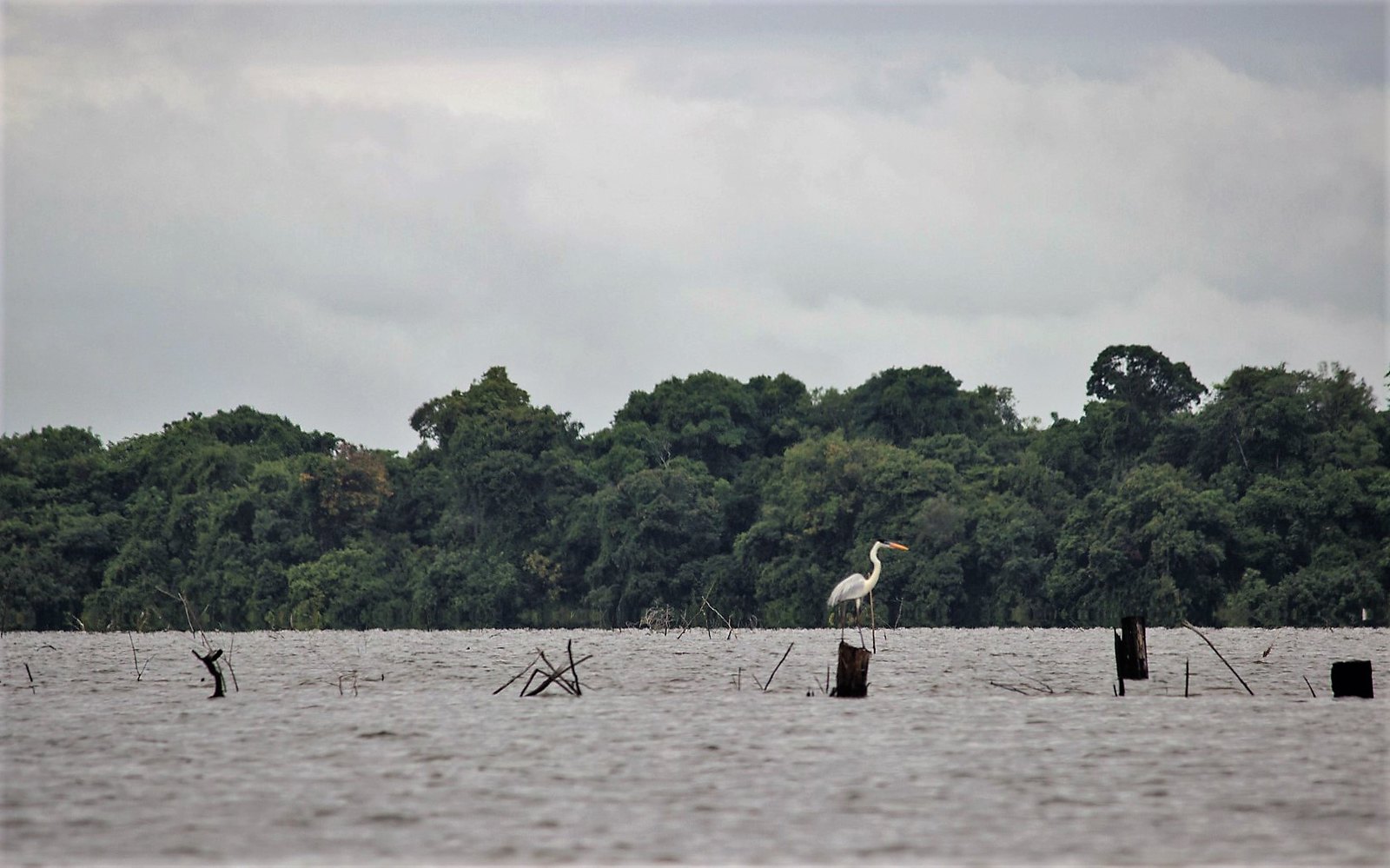
Photo: Amazon Watch / Maíra Irigaray.
The search for justice and reparations
Over the years, the Federal Public Prosecutor’s Office in Pará, the Public Defender’s Office, and civil society organizations have filed dozens of legal actions in Brazilian courts to challenge the project’s various irregularities and its impacts. Most of the claims are still pending resolution, some for more than 10 years.
These efforts have failed because the national government has repeatedly overturned rulings in favor of the affected communities by invoking a mechanism that allowed a court president to suspend a judicial decision based solely on generic arguments such as "the national interest" or "economic order."
In the absence of effective responses at the national level, AIDA, together with a coalition of partner organizations, brought the case before the Inter-American Commission on Human Rights (IACHR) and, in 2010, requested precautionary measures to protect the lives, safety, and health of the affected indigenous communities.
On April 1, 2011, the IACHR granted these measures and requested that the Brazilian government suspend environmental permits and any construction work until the conditions related to prior consultation and the protection of the health and safety of the communities are met.
And on June 16, 2011 —together with the Xingu Vivo Para Sempre Movement, the Coordinating Committee of Indigenous Organizations of the Brazilian Amazon, the Diocese of Altamira, the Indigenous Missionary Council, the Pará Society for the Defense of Human Rights and Global Justice— we filed a formal complaint against the Brazilian State for its international responsibility in the violation of the human rights of the people affected in the case. The case was opened for processing in December 2015.
On August 3, 2011, the IACHR amended the precautionary measures to request, instead of the suspension of permits and construction, the protection of people living in voluntary isolation, the health of indigenous communities, and the regularization and protection of ancestral lands.
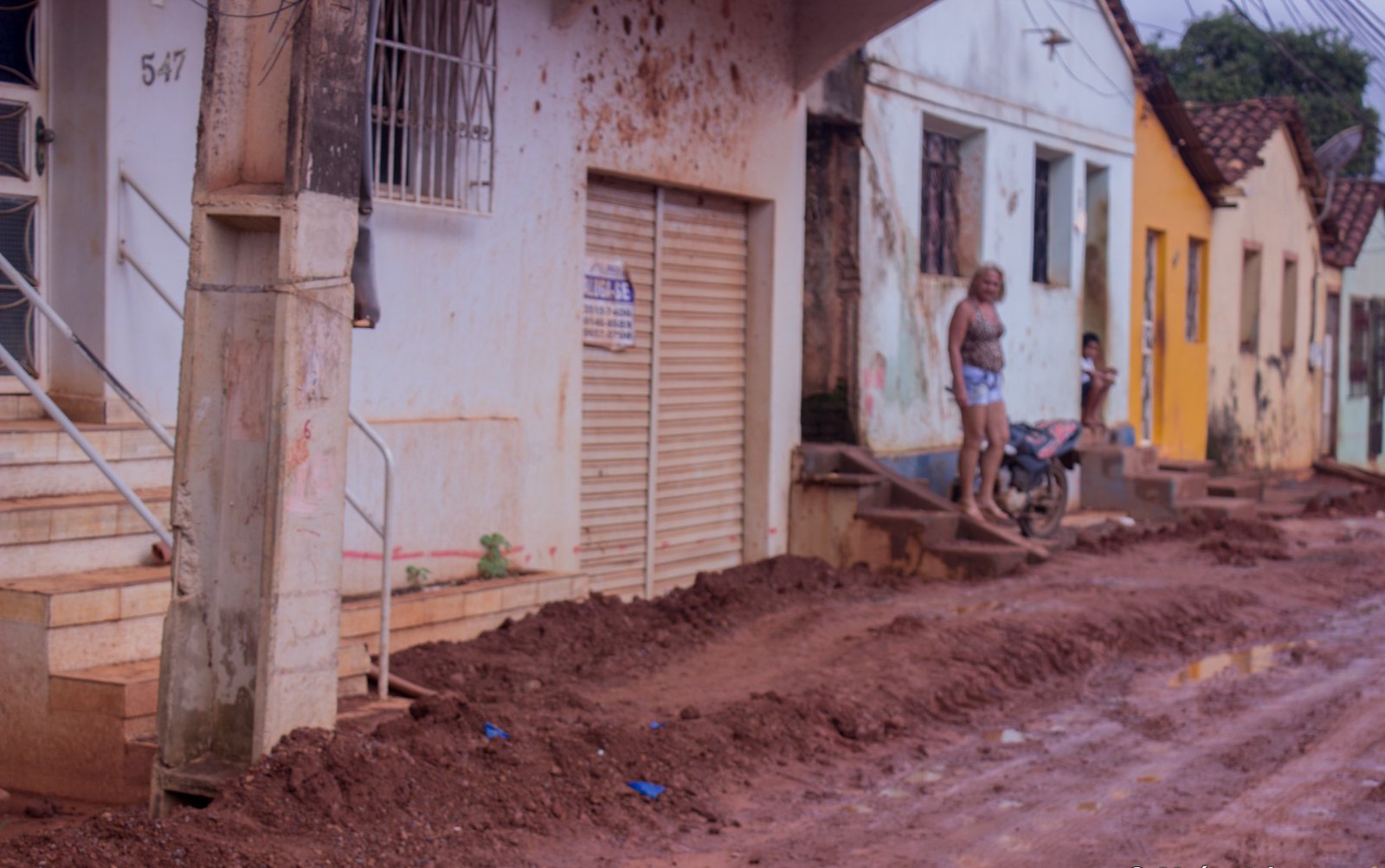
Photo: Amazon Watch / Maíra Irigaray.
Current situation
The protective measures granted by the IACHR remain in effect, but the Brazilian government has not fully complied with them, reporting only on general actions. The communities have documented the ongoing violations of their rights. The situation that prompted the request for these measures—the risk to the lives, physical integrity, and ways of life of the communities—persists and has worsened with the hydroelectric plant operating at full capacity and the recent extreme droughts in the Amazon.
In addition to the impacts of Belo Monte, there is a risk of further social and environmental impacts from the implementation of another mining megaproject in the Volta Grande do Xingu. There, the Canadian company Belo Sun plans to build Brazil’s largest open-pit gold mine.
The combined and cumulative impacts of the dam and the mine were not assessed. The government excluded Indigenous peoples, riverine and peasant communities from the project’s environmental permitting process. Despite protests by Indigenous communities and other irregularities surrounding the project, the government of Pará formally authorized the mine in April 2026.
Like other hydroelectric dams, Belo Monte exacerbates the climate emergency by generating greenhouse gas emissions in its reservoir. And it is inefficient amid the longer, more intense droughts caused by the crisis, as it loses its ability to generate power.
The case before the Inter-American Commission
In October 2017, the IACHR announced that it would rule jointly on the admissibility (whether the case meets the requirements for admission) and the merits (whether a human rights violation actually occurred) of the international complaint against the Brazilian State.
Fifteen years after the complaint was filed, the affected communities and the organizations representing them are still awaiting this decision. If the IACHR concludes that human rights violations occurred and issues recommendations that the Brazilian State fails to comply with, it may refer the case to the Inter-American Court of Human Rights, whose rulings are binding.
A potential ruling by the international court in this case would set a regional legal precedent regarding the rights of indigenous and riverine peoples, public participation in megaprojects, and state responsibility in the context of the climate crisis—a precedent that is particularly relevant in light of the Court’s Advisory Opinion No. 32, which reaffirmed the obligations of States to protect the people and communities of the continent from the climate emergency.
Partners:
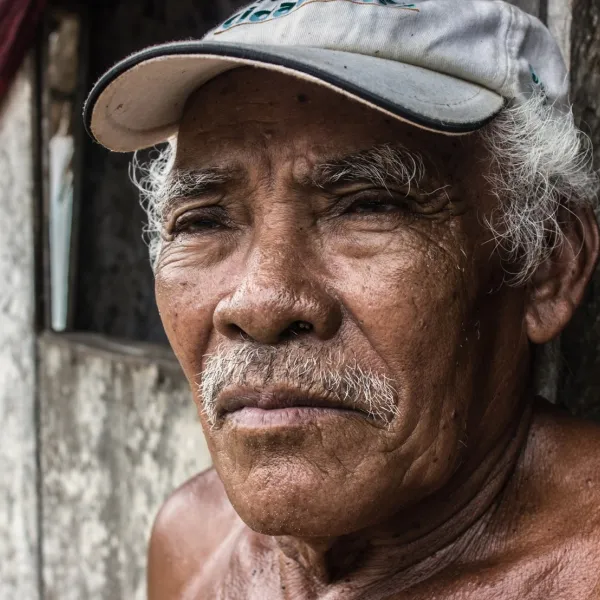
Related projects
Climate initiatives must not include large hydropower projects – NGOs
In a global manifesto released today, a coalition of more than 300 civil society organizations[i] from 53 countries called on governments and financiers at the Paris climate talks to keep large hydropower projects out of climate initiatives such as the Clean Development Mechanism, the World Bank’s Climate Investment Funds, and green bonds. Large hydropower projects emit massive amounts of methane, make water and energy systems more vulnerable to climate change, and cause severe damage to critical ecosystems and local communities. Including them in climate initiatives crowds out support for true climate solutions such as wind and solar power which have become readily available, can be built more quickly than large dams and have a smaller social and environmental footprint. “Particularly in tropical regions, hydropower reservoirs emit significant amounts of greenhouse gases, comparable to the climate impact of the aviation sector”, said Peter Bosshard, interim Executive Director of International Rivers. “For environmental, social and economic reasons, large hydropower projects are a false solution to climate change.” “Large hydropower projects have serious impacts on local communities and often violate the rights of indigenous peoples to their lands, cultural integrity and free, prior informed consent”, said Joan Carling, Secretary General of the Asia Indigenous Peoples Pact (AIPP). “The resistance of dam-affected communities has often been met with egregious human rights violations.” “Hydropower dams make water and energy systems more vulnerable to climate change,” said Himanshu Thakkar, the founder of the South Asia Network on Dams, Rivers and People (SANDRP). “Dam building has exacerbated flood disasters in fragile mountain areas. At the same time more extreme droughts increase the economic risks of hydropower, and have greatly affected countries that depend on hydropower dams for most of their electricity.” “Wind and solar power have become readily available and financially competitive, and have overtaken large hydropower in the addition of new capacity,” said Astrid Puentes, co-Executive Director of the Interamerican Association for Environmental Defense (AIDA). “The countries of the global South should leapfrog obsolete dam projects and promote energy solutions that are gentle to our climate, our environment and the people that depend on it.” Background Large hydropower projects are often propagated as a “clean and green” source of electricity by international financial institutions, national governments and other actors. They greatly benefit from instruments meant to address climate change, including carbon credits under the Clean Development Mechanism (CDM), credits from the World Bank’s Climate Investment Funds, and special financial terms from export credit agencies and green bonds. The dam industry advocates that large hydropower projects be funded by the Green Climate Fund, and many governments boost them as a response to climate change through national initiatives. For example, at least twelve governments with major hydropower sectors have included an expansion of hydropower generation in their reports on Intended Nationally Determined Contributions (INDCs). Support from climate initiatives is one of the main reasons why more than 3,700 hydropower dams are currently planned and under construction around the world. Further information The civil society manifesto, Ten Reasons Why Climate Initiatives Should Not Include Large Hydropower Projects, is available here. The new video, A Wrong Climate for Damming Rivers, is available at https://youtu.be/UnG_b6egjFk. The following launch events for the manifesto and video will be held in Paris this week: Saturday, December 5th, 12 pm: Press Conference with indigenous leaders and human rights defenders at the International Rights of Nature Tribunal (Maison des Métallos, 94 Rue Jean-Pierre Timbaud, 75011). December 5th, 6 pm - The manifesto and video will be presented at event hosted by the Bianca Jagger Human Rights Foundation (Galerie Thaddaeus Ropac Paris Pantin, Salzburg, 69, Avenue Du Géneral Lecler, 93500, Pantin). Journalists interested in attending should send a request via e-mail by end-of-day December 3rd to: [email protected]. [i] Sponsors: Asia Indigenous Peoples Pact, Asociación Interamericana para la Defensa del Ambiente, Amazon Watch, Bianca Jagger Human Rights Foundation, Carbon Market Watch, France Liberte, International Rivers, Jeunes Volontaires pour l'Environnement International, Oxfam International, REDLAR, Ríos Vivos, Rivers Without Boundaries; South Asia Network on Dams, Rivers and People and Urgewald.
Read moreClimate initiatives must not include large hydropower projects – NGOs
In a global manifesto released today, a coalition of more than 300 civil society organizations[i] from 53 countries called on governments and financiers at the Paris climate talks to keep large hydropower projects out of climate initiatives such as the Clean Development Mechanism, the World Bank’s Climate Investment Funds, and green bonds. Large hydropower projects emit massive amounts of methane, make water and energy systems more vulnerable to climate change, and cause severe damage to critical ecosystems and local communities. Including them in climate initiatives crowds out support for true climate solutions such as wind and solar power which have become readily available, can be built more quickly than large dams and have a smaller social and environmental footprint. “Particularly in tropical regions, hydropower reservoirs emit significant amounts of greenhouse gases, comparable to the climate impact of the aviation sector”, said Peter Bosshard, interim Executive Director of International Rivers. “For environmental, social and economic reasons, large hydropower projects are a false solution to climate change.” “Large hydropower projects have serious impacts on local communities and often violate the rights of indigenous peoples to their lands, cultural integrity and free, prior informed consent”, said Joan Carling, Secretary General of the Asia Indigenous Peoples Pact (AIPP). “The resistance of dam-affected communities has often been met with egregious human rights violations.” “Hydropower dams make water and energy systems more vulnerable to climate change,” said Himanshu Thakkar, the founder of the South Asia Network on Dams, Rivers and People (SANDRP). “Dam building has exacerbated flood disasters in fragile mountain areas. At the same time more extreme droughts increase the economic risks of hydropower, and have greatly affected countries that depend on hydropower dams for most of their electricity.” “Wind and solar power have become readily available and financially competitive, and have overtaken large hydropower in the addition of new capacity,” said Astrid Puentes, co-Executive Director of the Interamerican Association for Environmental Defense (AIDA). “The countries of the global South should leapfrog obsolete dam projects and promote energy solutions that are gentle to our climate, our environment and the people that depend on it.” Background Large hydropower projects are often propagated as a “clean and green” source of electricity by international financial institutions, national governments and other actors. They greatly benefit from instruments meant to address climate change, including carbon credits under the Clean Development Mechanism (CDM), credits from the World Bank’s Climate Investment Funds, and special financial terms from export credit agencies and green bonds. The dam industry advocates that large hydropower projects be funded by the Green Climate Fund, and many governments boost them as a response to climate change through national initiatives. For example, at least twelve governments with major hydropower sectors have included an expansion of hydropower generation in their reports on Intended Nationally Determined Contributions (INDCs). Support from climate initiatives is one of the main reasons why more than 3,700 hydropower dams are currently planned and under construction around the world. Further information The civil society manifesto, Ten Reasons Why Climate Initiatives Should Not Include Large Hydropower Projects, is available here. The new video, A Wrong Climate for Damming Rivers, is available at https://youtu.be/UnG_b6egjFk. The following launch events for the manifesto and video will be held in Paris this week: Saturday, December 5th, 12 pm: Press Conference with indigenous leaders and human rights defenders at the International Rights of Nature Tribunal (Maison des Métallos, 94 Rue Jean-Pierre Timbaud, 75011). December 5th, 6 pm - The manifesto and video will be presented at event hosted by the Bianca Jagger Human Rights Foundation (Galerie Thaddaeus Ropac Paris Pantin, Salzburg, 69, Avenue Du Géneral Lecler, 93500, Pantin). Journalists interested in attending should send a request via e-mail by end-of-day December 3rd to: [email protected]. [i] Sponsors: Asia Indigenous Peoples Pact, Asociación Interamericana para la Defensa del Ambiente, Amazon Watch, Bianca Jagger Human Rights Foundation, Carbon Market Watch, France Liberte, International Rivers, Jeunes Volontaires pour l'Environnement International, Oxfam International, REDLAR, Ríos Vivos, Rivers Without Boundaries; South Asia Network on Dams, Rivers and People and Urgewald.
Read moreClimate initiatives must not include large hydropower projects – NGOs
In a global manifesto released today, a coalition of more than 300 civil society organizations[i] from 53 countries called on governments and financiers at the Paris climate talks to keep large hydropower projects out of climate initiatives such as the Clean Development Mechanism, the World Bank’s Climate Investment Funds, and green bonds. Large hydropower projects emit massive amounts of methane, make water and energy systems more vulnerable to climate change, and cause severe damage to critical ecosystems and local communities. Including them in climate initiatives crowds out support for true climate solutions such as wind and solar power which have become readily available, can be built more quickly than large dams and have a smaller social and environmental footprint. “Particularly in tropical regions, hydropower reservoirs emit significant amounts of greenhouse gases, comparable to the climate impact of the aviation sector”, said Peter Bosshard, interim Executive Director of International Rivers. “For environmental, social and economic reasons, large hydropower projects are a false solution to climate change.” “Large hydropower projects have serious impacts on local communities and often violate the rights of indigenous peoples to their lands, cultural integrity and free, prior informed consent”, said Joan Carling, Secretary General of the Asia Indigenous Peoples Pact (AIPP). “The resistance of dam-affected communities has often been met with egregious human rights violations.” “Hydropower dams make water and energy systems more vulnerable to climate change,” said Himanshu Thakkar, the founder of the South Asia Network on Dams, Rivers and People (SANDRP). “Dam building has exacerbated flood disasters in fragile mountain areas. At the same time more extreme droughts increase the economic risks of hydropower, and have greatly affected countries that depend on hydropower dams for most of their electricity.” “Wind and solar power have become readily available and financially competitive, and have overtaken large hydropower in the addition of new capacity,” said Astrid Puentes, co-Executive Director of the Interamerican Association for Environmental Defense (AIDA). “The countries of the global South should leapfrog obsolete dam projects and promote energy solutions that are gentle to our climate, our environment and the people that depend on it.” Background Large hydropower projects are often propagated as a “clean and green” source of electricity by international financial institutions, national governments and other actors. They greatly benefit from instruments meant to address climate change, including carbon credits under the Clean Development Mechanism (CDM), credits from the World Bank’s Climate Investment Funds, and special financial terms from export credit agencies and green bonds. The dam industry advocates that large hydropower projects be funded by the Green Climate Fund, and many governments boost them as a response to climate change through national initiatives. For example, at least twelve governments with major hydropower sectors have included an expansion of hydropower generation in their reports on Intended Nationally Determined Contributions (INDCs). Support from climate initiatives is one of the main reasons why more than 3,700 hydropower dams are currently planned and under construction around the world. Further information The civil society manifesto, Ten Reasons Why Climate Initiatives Should Not Include Large Hydropower Projects, is available here. The new video, A Wrong Climate for Damming Rivers, is available at https://youtu.be/UnG_b6egjFk. The following launch events for the manifesto and video will be held in Paris this week: Saturday, December 5th, 12 pm: Press Conference with indigenous leaders and human rights defenders at the International Rights of Nature Tribunal (Maison des Métallos, 94 Rue Jean-Pierre Timbaud, 75011). December 5th, 6 pm - The manifesto and video will be presented at event hosted by the Bianca Jagger Human Rights Foundation (Galerie Thaddaeus Ropac Paris Pantin, Salzburg, 69, Avenue Du Géneral Lecler, 93500, Pantin). Journalists interested in attending should send a request via e-mail by end-of-day December 3rd to: [email protected]. [i] Sponsors: Asia Indigenous Peoples Pact, Asociación Interamericana para la Defensa del Ambiente, Amazon Watch, Bianca Jagger Human Rights Foundation, Carbon Market Watch, France Liberte, International Rivers, Jeunes Volontaires pour l'Environnement International, Oxfam International, REDLAR, Ríos Vivos, Rivers Without Boundaries; South Asia Network on Dams, Rivers and People and Urgewald.
Read more