
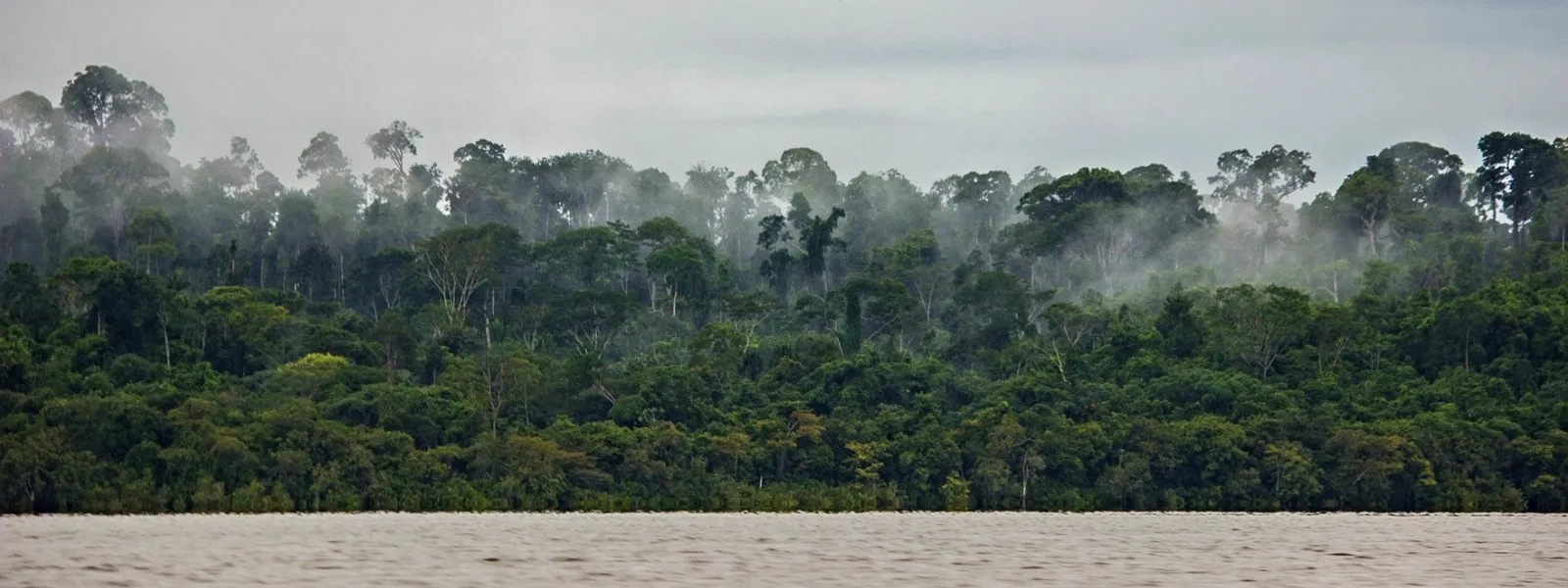
Project
Amazon Watch / Maíra Irigaray
The Belo Monte Dam on the Xingu River: 10 years of impacts in the Amazon and the search for reparations
The Belo Monte Dam has caused an environmental and social disaster in the heart of the Amazon—one of the most important ecosystems on the planet.
This situation has only worsened since the hydroelectric plant began operations in 2016. The quest for justice and reparations by the affected indigenous, fishing, and riverine communities continues to this day.
In 2011, the Inter-American Commission on Human Rights (IACHR) granted them protective measures that, to date, have not been fully implemented by the Brazilian State.
Furthermore, since June of that same year, the IACHR has yet to rule on a complaint against the State regarding its international responsibility in the case.
The IACHR may refer the case to the Inter-American Court of Human Rights, which has the authority to issue a ruling condemning the Brazilian State.
After 10 years of the hydroelectric plant's operation and more than 15 years of documented human rights violations, it is time for justice to be served for the affected communities.
Read the open letter from the organizations bringing the case before the IACHR
Background
The Belo Monte hydroelectric plant—the fourth largest in the world by installed capacity (11,233 MW)—was built on the Xingu River in Pará, a state in northern Brazil.
It was inaugurated on May 5, 2016, with a single turbine. At that time, 80% of the river’s course was diverted, flooding 516 km² of land—an area larger than the city of Chicago. Of that area, 400 km² was native forest. The dam began operating at full capacity in November 2019.
Belo Monte was built and is operated by the Norte Energia S.A. consortium, which is composed primarily of state-owned companies. It was financed by the Brazilian Development Bank (BNDES), which provided the consortium with 25.4 billion reais (approximately US$10.16 billion), the largest investment in the bank’s history. Therefore, the BNDES is also legally responsible for the socio-environmental impacts associated with the hydroelectric plant.
Decades of harm to the environment and people
Human rights violations and degradation of the Amazon have been occurring since the project’s inception. In March 2011, Norte Energía began construction of the dam without adequate consultation and without the prior, free, and informed consent of the affected communities.
The construction caused the forced displacement of more than 40,000 people, severing social and cultural ties. The resettlement plan in Altamira—a city directly affected by the hydroelectric dam—involved housing units located on the outskirts, lacking adequate public services and decent living conditions for the relocated families, with no special provisions for those from indigenous communities.
Belo Monte's operations have caused a permanent, man-made drought in the Volta Grande (or "Great Bend") of the Xingu River, exacerbated by the historic droughts in the Amazon in 2023 and 2024. As a result, the deaths of millions of fish eggs were documented for four consecutive years (from 2021 to 2024), and for the past three years, there has been no upstream migration of fish to spawn and reproduce. Thus, artisanal fishing, the main source of protein for indigenous peoples and riverside communities, was severely affected: fish dropped from 50% to 30% of total protein consumed, replaced by processed foods. In summary, there was an environmental and humanitarian collapse that resulted in the breakdown of fishing as a traditional way of life, food insecurity, and access to drinking water for thousands of families, impoverishment, and disease.
Furthermore, the construction of the dam increased deforestation and intensified illegal logging and insecurity on indigenous and tribal lands, putting the survival of these communities at risk. Another consequence was the deepening of poverty and social conflicts, as well as the strain on health, education, and public safety systems in Altamira—a city ranked as the most violent in the country in 2017, where human trafficking and sexual violence increased. Violence was also reported against human rights defenders involved in the case.
In 2025, during the 30th UN Climate Change Conference (COP30), held in Brazil, the Federal Public Prosecutor’s Office labeled the damage caused by the Belo Monte dam as ecocide.
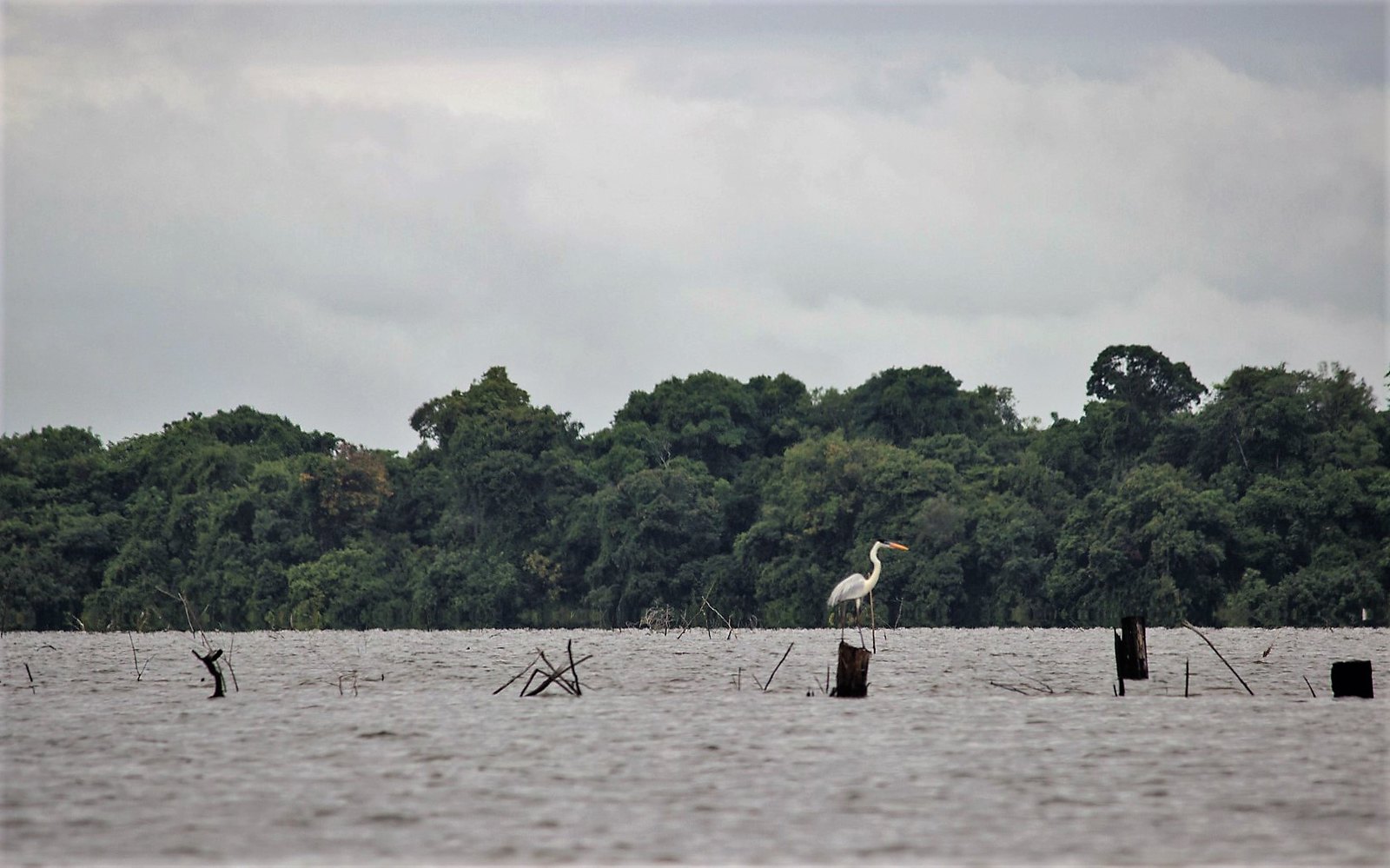
Photo: Amazon Watch / Maíra Irigaray.
The search for justice and reparations
Over the years, the Federal Public Prosecutor’s Office in Pará, the Public Defender’s Office, and civil society organizations have filed dozens of legal actions in Brazilian courts to challenge the project’s various irregularities and its impacts. Most of the claims are still pending resolution, some for more than 10 years.
These efforts have failed because the national government has repeatedly overturned rulings in favor of the affected communities by invoking a mechanism that allowed a court president to suspend a judicial decision based solely on generic arguments such as "the national interest" or "economic order."
In the absence of effective responses at the national level, AIDA, together with a coalition of partner organizations, brought the case before the Inter-American Commission on Human Rights (IACHR) and, in 2010, requested precautionary measures to protect the lives, safety, and health of the affected indigenous communities.
On April 1, 2011, the IACHR granted these measures and requested that the Brazilian government suspend environmental permits and any construction work until the conditions related to prior consultation and the protection of the health and safety of the communities are met.
And on June 16, 2011 —together with the Xingu Vivo Para Sempre Movement, the Coordinating Committee of Indigenous Organizations of the Brazilian Amazon, the Diocese of Altamira, the Indigenous Missionary Council, the Pará Society for the Defense of Human Rights and Global Justice— we filed a formal complaint against the Brazilian State for its international responsibility in the violation of the human rights of the people affected in the case. The case was opened for processing in December 2015.
On August 3, 2011, the IACHR amended the precautionary measures to request, instead of the suspension of permits and construction, the protection of people living in voluntary isolation, the health of indigenous communities, and the regularization and protection of ancestral lands.
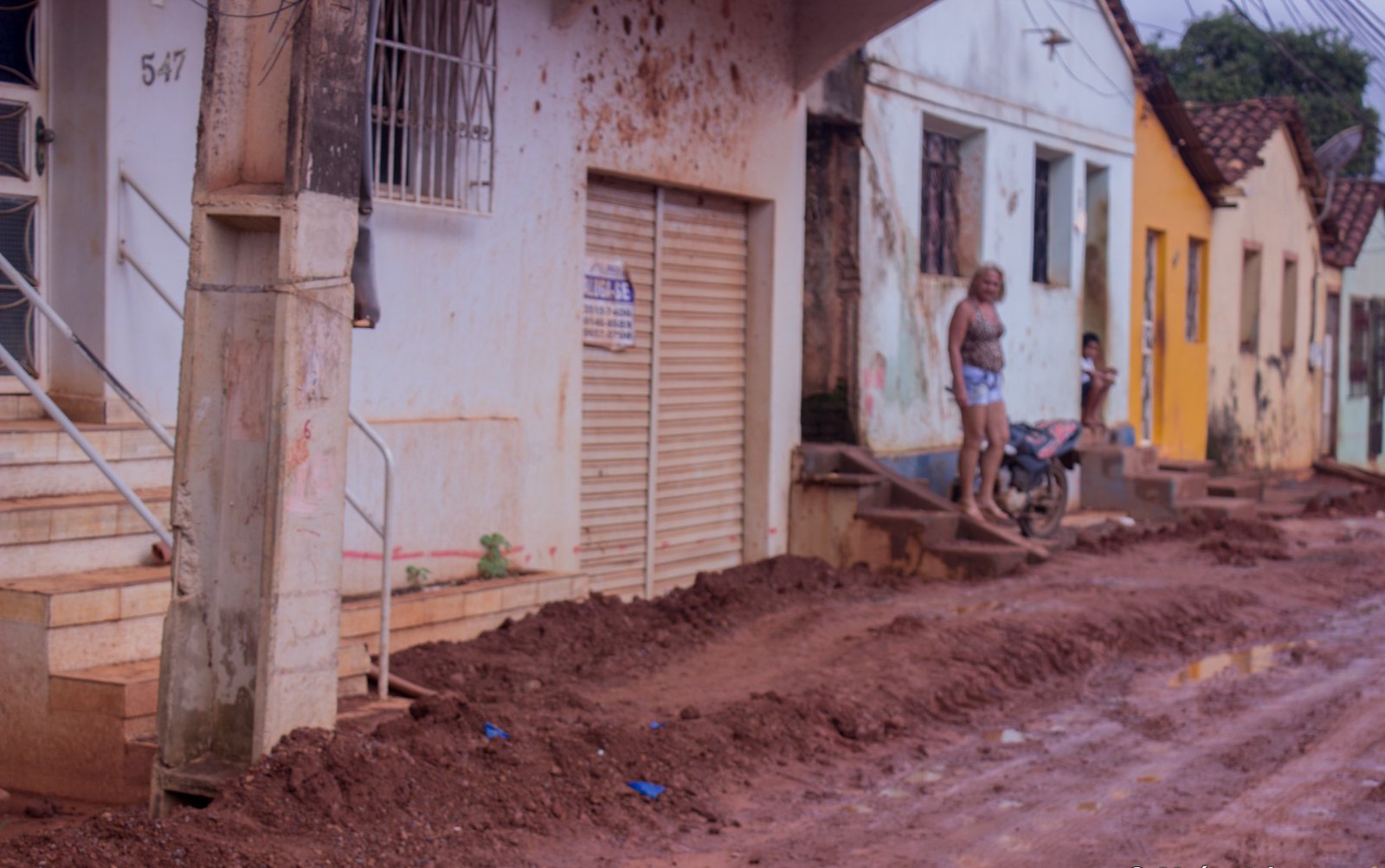
Photo: Amazon Watch / Maíra Irigaray.
Current situation
The protective measures granted by the IACHR remain in effect, but the Brazilian government has not fully complied with them, reporting only on general actions. The communities have documented the ongoing violations of their rights. The situation that prompted the request for these measures—the risk to the lives, physical integrity, and ways of life of the communities—persists and has worsened with the hydroelectric plant operating at full capacity and the recent extreme droughts in the Amazon.
In addition to the impacts of Belo Monte, there is a risk of further social and environmental impacts from the implementation of another mining megaproject in the Volta Grande do Xingu. There, the Canadian company Belo Sun plans to build Brazil’s largest open-pit gold mine.
The combined and cumulative impacts of the dam and the mine were not assessed. The government excluded Indigenous peoples, riverine and peasant communities from the project’s environmental permitting process. Despite protests by Indigenous communities and other irregularities surrounding the project, the government of Pará formally authorized the mine in April 2026.
Like other hydroelectric dams, Belo Monte exacerbates the climate emergency by generating greenhouse gas emissions in its reservoir. And it is inefficient amid the longer, more intense droughts caused by the crisis, as it loses its ability to generate power.
The case before the Inter-American Commission
In October 2017, the IACHR announced that it would rule jointly on the admissibility (whether the case meets the requirements for admission) and the merits (whether a human rights violation actually occurred) of the international complaint against the Brazilian State.
Fifteen years after the complaint was filed, the affected communities and the organizations representing them are still awaiting this decision. If the IACHR concludes that human rights violations occurred and issues recommendations that the Brazilian State fails to comply with, it may refer the case to the Inter-American Court of Human Rights, whose rulings are binding.
A potential ruling by the international court in this case would set a regional legal precedent regarding the rights of indigenous and riverine peoples, public participation in megaprojects, and state responsibility in the context of the climate crisis—a precedent that is particularly relevant in light of the Court’s Advisory Opinion No. 32, which reaffirmed the obligations of States to protect the people and communities of the continent from the climate emergency.
Partners:
Related projects
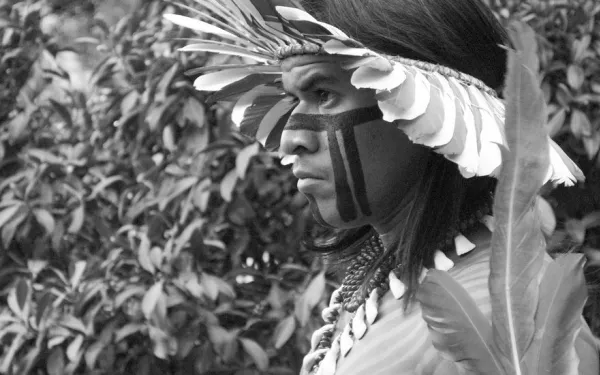
Brazil authorizes operation of the Belo Monte Dam, disregarding the rights of affected communities
The environmental authority granted the project’s operating license, ignoring evidence of noncompliance with conditions necessary to guarantee the life, health and integrity of indigenous and other affected populations. Altamira, Brazil. The Brazilian Institute of Environment and Renewable Natural Resources (IBAMA) today authorized the Belo Monte Dam’s operating license, which allows the dam’s reservoirs to be filled. The authorization was granted despite clear noncompliance with conditions necessary to guarantee the life, health and integrity of affected communities; the same conditions that IBAMA called essential in its technical report of September 22. IBAMA’s decision makes no reference to conditions needed to protect affected indigenous peoples. “We can’t believe it,” said Antonia Melo, leader of Movimiento Xingú Vivo para Siempre, who was displaced by the dam’s construction. “This is a crime. Granting the license for this monster was an irresponsible decision on the part of the government and IBAMA. The president of IBAMA was in Altamira on November 5 and received a large variety of complaints. Everyone – riverside residents, indigenous representatives, fishermen, and members of the movement – talked about the negative impacts we’re living with. And now they grant the license with more conditions, which will only continue to be violated.” In an official letter to IBAMA on November 12, the president of the National Indian Foundation (FUNAI) concluded that conditions necessary for the protection of affected indigenous communities had clearly not been met. However, he gave free reign for the environmental authority to grant the operating license “if deemed appropriate.” “The authorization clearly violates Brazil’s international human rights commitments, especially with respect to the indigenous communities of the Xingú River basin. Those affected populations are protected by precautionary measures granted in 2011 by the Inter-American Commission on Human Rights, which the Brazilian government continues to ignore,” said María José Veramendi, attorney with the Interamerican Association for Environmental Defense (AIDA). The license allows for the filling of two of the dam’s reservoirs on the Xingú River, an Amazon tributary. It is valid for six years and is subject to compliance with certain conditions; progress will be monitored through semiannual reports. Such conditions should have been met before the dam’s license was even considered, let alone granted. “Environmental licensing is a way to mitigate the effects, control damage and minimize the risks that the dam’s operation entails for the community and the environment. By disrespecting and making flexible the licensing procedures, the government is allowing economic interests to prevail and ignoring its duty to protect the public interest,” said Raphaela Lopes, attorney with Justiça Global. AIDA, Justiça Global, and the Para Society of Defense of Human Rights have argued on both national and international levels that the conditions needed for Belo Monte to obtain permission to operate have not been met. The project must still guarantee affected and displaced populations access to essential services such as clean water, sanitation, health services and other basic human rights. “The authorization of Belo Monte, a project involved in widespread corruption scandals, contradicts President Rousseff’s recent statement before the United Nations, in which she declared that Brazil would not tolerate corruption, and would instead aspire to be a country where leaders behave in strict accordance with their duties. We hope that the Brazilian government comes to its senses, and begins to align its actions with its words,” said Astrid Puentes Riaño, co-director of AIDA. The green light for Belo Monte couldn’t have come at a worse moment. On November 5th, two dams impounding mine waste—owned by Samarco, a company jointly overseen by Vale and BHP Billiton—broke in the city of Mariana, Minas Gerais, causing one of the greatest environmental disasters in the country’s history. A slow-moving flood of mud and toxic chemicals wiped out a village, left 11 dead and 12 missing, and affected the water supply of the entire region, destroying flora and fauna for hundreds of miles around. The toxic flood has since reached the sea. The company’s operating licenses had expired two years ago. Approval of Belo Monte’s operating license comes just six days before the start of the Paris climate talks, the most important meeting of the United Nations Framework Convention on Climate Change in recent history. Once in operation, Belo Monte will emit greenhouse gases including carbon dioxide and methane; as the world’s third-largest dam, it will become a significant contributor to climate change. By authorizing Belo Monte, the government of Brazil is sending a terrible message to the world. Ignoring its international commitments to protect human rights and mitigate the effects of climate change, the government is instead providing an example of how energy should not be produced in the 21st Century.
Read more
For the life and health of my children: We MUST include Human Rights in the New Climate Accord
By Astrid Puentes Riaño (@astridpuentes) Originally published by IntLawGrrls We humans have caused climate change, a real threat to humanity thus it requires human solutions. We also have lost precious time on eternal discussions about the existence of climate change, despite imminent evidence. Our efforts to deliver solutions must be inclusive and ambitious if they are to ensure that the lives and livelihoods of all people are protected. If and how to include human rights protections in new climate accord was one of the primary issues discussed during October’s Bonn Climate Conference. These protections were notably left out of the no-text presented by the co-chairs, and then added back in at the insistence of several countries, many from the Global South, and hundreds of civil society organizations. I could write a long list of legal, political, ethical, and economic arguments as to why human rights must be included in the Paris Agreement. In my opinion, however, they can all be distilled into two primary and powerful arguments: my children! At 4 and nearly 2 years old, they are already experiencing the realities of a changing climate. Some days, for example, they cannot go to the park because of increased air and climate pollution levels in Mexico City, be it black carbon or ozone, or both. Unfortunately, the worst is yet to come, as hurricanes, droughts, floods, glacier loss, and fires are all increasing. Now the question for my kids is not whether they will suffer from climate change, but to what extent. Some may say I’m exaggerating, and that my kids aren’t among the most affected. They’re right. Many others are suffering, and will continue to suffer, far worse consequences, such as: the Kunas in Panama, who are loosing their land due to sea-level rise; the 62 million people living on 52 small island states, including Tuvalu and Barbados; the 70 million people in the Andes, all of whom depend on water from glaciers and paramos, which are expected to dissapear within a few decades. Despite the evident urgency, official responses have been shamefully slow. The United Nations recently announced that current national commitments aren’t enough to prevent world temperatures from surpassing 2oC by 2100, when my children will be 89 and 87 years old. How, then, can we speed up agreements, increase ambition, and close the gap between what is needed and what is promised by States? Human Rights are an important part of this answer. If implemented, they can help to: Recognize the realities of climate change and its impact on the enjoyment of human rights of all peoples, particularly those in vulnerable situations. Remind States of their existing obligations to protect and respect human rights, obligations which are fundamentally shared by corporations and other international entities. Incorporating human rights in the climate change agreement will not create new obligations; it will instead allow us to be consistent and comply with preexisting commitments. Avoid increased threats to world stability that have been linked to climate change due to impacts such as: local resource competition, livelihood insecurity, migration, extreme weather events and disasters, volatile food prices, transboundary water management, sea-level rise, coastal degradation, and the unintended effects of climate policies. Spur effective solutions, such as the rethinking of energy. These kinds of solutions haven’t yet been achieved due to a lack of ambition and political will. For my son and daughter, and the millions of children of the world, we must accept that climate change is a human rights issue. For the health of future generations, and that of those already suffering from its impacts, we must do all we can to create effective solutions. The new climate accord, which will be signed in Paris this December, must include human rights protections in its Preamble, as well as in its operative text. Only then, with an overarching respect for the rights of all people, can begin to see the results we need in the fight against climate change. We must take the climate crisis seriously. If not, we will be trapped in short-sighted negotiations that won’t provide my children the hope of a dignified and healthy life. They will be left inside, unable to play in the park, to enjoy the world beyond our doorstep. And those in more vulnerable situations may be left with nowhere at all to find the shelter they seek.
Read more
How can we save coral reefs?
By Haydée Rodríguez When I tell people I live in Costa Rica, they imagine my home on the beach, facing the ocean, waves rolling in from the endless horizon. In reality, I live in a city like any other, one hour from the Pacific coast and three from the Caribbean. Although my life hasn’t exactly been a tropical vision of paradise, I’ve been in love with the ocean since I was a girl. That love has only deepened the more I came to understand the mysteries of the sea, the services it provides and the marvelous creatures that call it home. Of all the species that live in the sea, corals are among my favorites. Thanks to my career at AIDA, I have been able to both learn a lot about these tiny animals, and work to identify effective ways to protect them. Many people don’t know about the incredible connection we have with corals. It’s a connection that exists even for those of us who don’t have the privilege of living by the sea. What are corals and what do they do for us? Although at first glance they look like large rocks, corals are actually living organisms with an exoskeleton. They have a mutualistic relationship with photosynthetic algae called zooxanthellae, which are responsible for their brilliant coloring. The algae use sunlight to produce food and some of the nutrients that the corals need to survive. In exchange, the corals provide the algae with a protected environment. A group of corals forms a reef, a highly biodiverse ecosystem, widely known as the jungle of the sea. Coral reefs provide many benefits to humanity: Reefs are spawning grounds for many varieties of fish—the fish you eat are linked, in one way or another, with a coral reef. Reefs are natural shock absorbers that protect coastal communities from storms and hurricanes. Reefs are tourist destinations that generate important national income: one square kilometer of coral reef provides services valued at up to $600,000 a year, according to the United Nations. The bad news is that these benefits could be lost if we don’t act now to preserve coral reefs. It’s estimated that 60 percent of the world’s coral reefs could disappear by 2030. That would mean that our children may enjoy them for only a brief time, and our grandchildren may know them only from photographs in their science and history books. What are the threats and how can we help fight them? Unsustainable fishing methods, such as trawling, which destroys any coral in its path. Before eating or buying seafood, it’s worth asking how it was fished. Becoming responsible consumers is our right and our obligation. We must demand in restaurants and grocery stores products that have been taken from the sea without harming corals or other species of importance. Inadequate tourism practices harm coral reefs. When exploring the wondrous corals reefs, snorkelers and divers must avoid touching or stepping on them at all costs. We must remember that corals are living creatures, which our weight and the equipment we carry into the sea can harm. When we buy souvenirs like necklaces and crafts, we should reject products that use or incorporate corals. We do not need corals to decorate our homes or bodies, but the ocean needs them to maintain its equilibrium. A recent study found that, when they come into contact with the ocean, sunscreens that contain oxybenzone (a chemical compound) could, even in low concentrations, damage the DNA of corals, deforming them and eventually causing death. We must avoid using this type of product, and instead use safe sunscreens and clothing to protect us from the sun. Here is a list of sunscreens that are safe for corals. The fertilizers used on crops leech into rivers and eventually reach the ocean, severely harming corals by increasing the production of algae, which in large quantities block the sun and prevent corals from receiving nutrients. We must opt for fruits and vegetables grown organically and demand responsible agriculture. Improving legal protection of coral reefs Another important way of saving coral reefs is by seeking change in our countries. We must urge our governments to improve the laws protecting these sensitive creatures. At AIDA, we have recently published A Guide to International Regulatory Best Practices for Coral Reef Protection. The document contains ideas to strengthen laws and promote the conservation of coral reefs around the world. I invite you to share the guide with decision-makers in your country. Or if you prefer, send me ([email protected]) the contact information of people who may be interested in implementing the recommendations contained within, and I will send them the guide directly. Corals play a more important role in our lives than many of us understand, and their future is in our hands. We must save coral reefs to ensure that our children and our grandchildren can enjoy the many benefits of these wondrous creatures.
Read more