
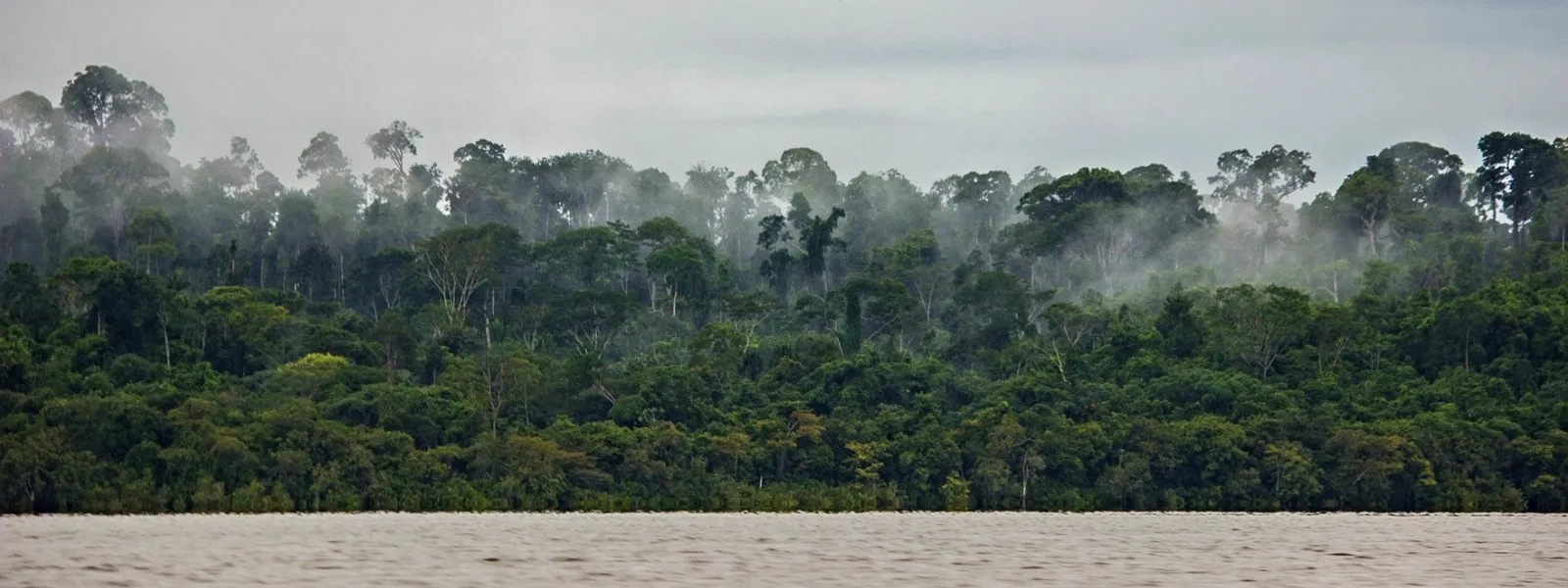
Project
Amazon Watch / Maíra Irigaray
The Belo Monte Dam on the Xingu River: 10 years of impacts in the Amazon and the search for reparations
The Belo Monte Dam has caused an environmental and social disaster in the heart of the Amazon—one of the most important ecosystems on the planet.
This situation has only worsened since the hydroelectric plant began operations in 2016. The quest for justice and reparations by the affected indigenous, fishing, and riverine communities continues to this day.
In 2011, the Inter-American Commission on Human Rights (IACHR) granted them protective measures that, to date, have not been fully implemented by the Brazilian State.
Furthermore, since June of that same year, the IACHR has yet to rule on a complaint against the State regarding its international responsibility in the case.
The IACHR may refer the case to the Inter-American Court of Human Rights, which has the authority to issue a ruling condemning the Brazilian State.
After 10 years of the hydroelectric plant's operation and more than 15 years of documented human rights violations, it is time for justice to be served for the affected communities.
Read the open letter from the organizations bringing the case before the IACHR
Background
The Belo Monte hydroelectric plant—the fourth largest in the world by installed capacity (11,233 MW)—was built on the Xingu River in Pará, a state in northern Brazil.
It was inaugurated on May 5, 2016, with a single turbine. At that time, 80% of the river’s course was diverted, flooding 516 km² of land—an area larger than the city of Chicago. Of that area, 400 km² was native forest. The dam began operating at full capacity in November 2019.
Belo Monte was built and is operated by the Norte Energia S.A. consortium, which is composed primarily of state-owned companies. It was financed by the Brazilian Development Bank (BNDES), which provided the consortium with 25.4 billion reais (approximately US$10.16 billion), the largest investment in the bank’s history. Therefore, the BNDES is also legally responsible for the socio-environmental impacts associated with the hydroelectric plant.
Decades of harm to the environment and people
Human rights violations and degradation of the Amazon have been occurring since the project’s inception. In March 2011, Norte Energía began construction of the dam without adequate consultation and without the prior, free, and informed consent of the affected communities.
The construction caused the forced displacement of more than 40,000 people, severing social and cultural ties. The resettlement plan in Altamira—a city directly affected by the hydroelectric dam—involved housing units located on the outskirts, lacking adequate public services and decent living conditions for the relocated families, with no special provisions for those from indigenous communities.
Belo Monte's operations have caused a permanent, man-made drought in the Volta Grande (or "Great Bend") of the Xingu River, exacerbated by the historic droughts in the Amazon in 2023 and 2024. As a result, the deaths of millions of fish eggs were documented for four consecutive years (from 2021 to 2024), and for the past three years, there has been no upstream migration of fish to spawn and reproduce. Thus, artisanal fishing, the main source of protein for indigenous peoples and riverside communities, was severely affected: fish dropped from 50% to 30% of total protein consumed, replaced by processed foods. In summary, there was an environmental and humanitarian collapse that resulted in the breakdown of fishing as a traditional way of life, food insecurity, and access to drinking water for thousands of families, impoverishment, and disease.
Furthermore, the construction of the dam increased deforestation and intensified illegal logging and insecurity on indigenous and tribal lands, putting the survival of these communities at risk. Another consequence was the deepening of poverty and social conflicts, as well as the strain on health, education, and public safety systems in Altamira—a city ranked as the most violent in the country in 2017, where human trafficking and sexual violence increased. Violence was also reported against human rights defenders involved in the case.
In 2025, during the 30th UN Climate Change Conference (COP30), held in Brazil, the Federal Public Prosecutor’s Office labeled the damage caused by the Belo Monte dam as ecocide.
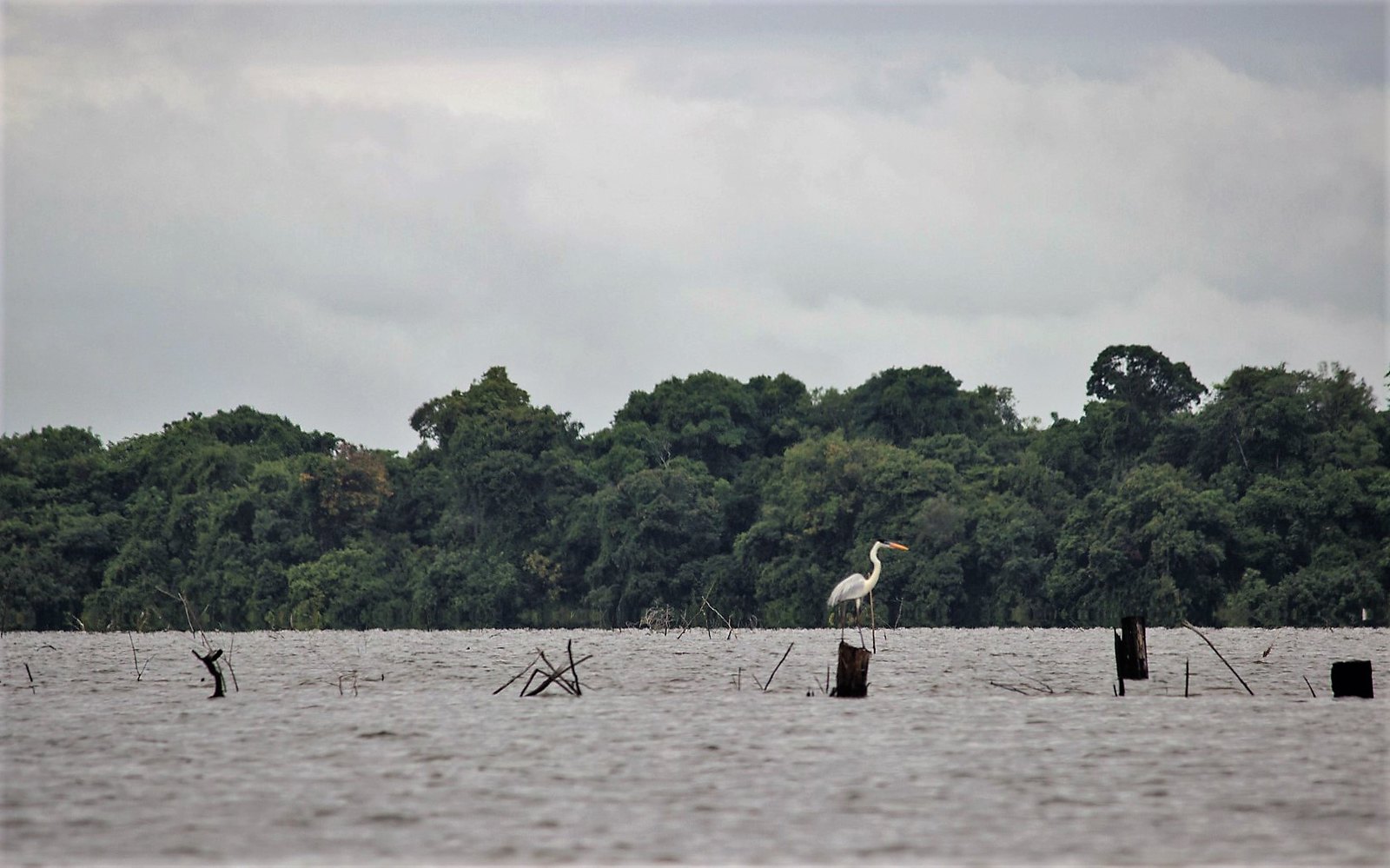
Photo: Amazon Watch / Maíra Irigaray.
The search for justice and reparations
Over the years, the Federal Public Prosecutor’s Office in Pará, the Public Defender’s Office, and civil society organizations have filed dozens of legal actions in Brazilian courts to challenge the project’s various irregularities and its impacts. Most of the claims are still pending resolution, some for more than 10 years.
These efforts have failed because the national government has repeatedly overturned rulings in favor of the affected communities by invoking a mechanism that allowed a court president to suspend a judicial decision based solely on generic arguments such as "the national interest" or "economic order."
In the absence of effective responses at the national level, AIDA, together with a coalition of partner organizations, brought the case before the Inter-American Commission on Human Rights (IACHR) and, in 2010, requested precautionary measures to protect the lives, safety, and health of the affected indigenous communities.
On April 1, 2011, the IACHR granted these measures and requested that the Brazilian government suspend environmental permits and any construction work until the conditions related to prior consultation and the protection of the health and safety of the communities are met.
And on June 16, 2011 —together with the Xingu Vivo Para Sempre Movement, the Coordinating Committee of Indigenous Organizations of the Brazilian Amazon, the Diocese of Altamira, the Indigenous Missionary Council, the Pará Society for the Defense of Human Rights and Global Justice— we filed a formal complaint against the Brazilian State for its international responsibility in the violation of the human rights of the people affected in the case. The case was opened for processing in December 2015.
On August 3, 2011, the IACHR amended the precautionary measures to request, instead of the suspension of permits and construction, the protection of people living in voluntary isolation, the health of indigenous communities, and the regularization and protection of ancestral lands.
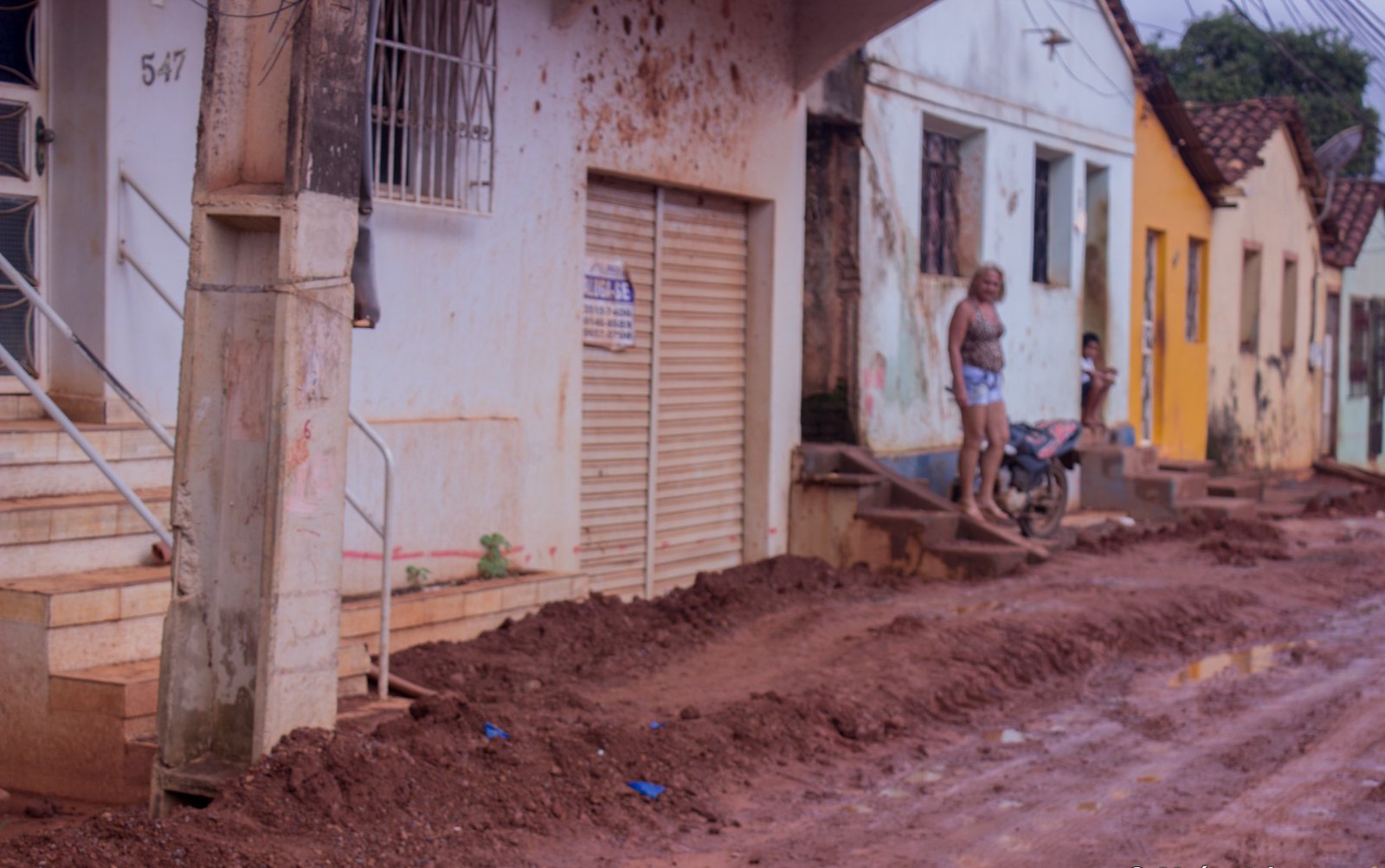
Photo: Amazon Watch / Maíra Irigaray.
Current situation
The protective measures granted by the IACHR remain in effect, but the Brazilian government has not fully complied with them, reporting only on general actions. The communities have documented the ongoing violations of their rights. The situation that prompted the request for these measures—the risk to the lives, physical integrity, and ways of life of the communities—persists and has worsened with the hydroelectric plant operating at full capacity and the recent extreme droughts in the Amazon.
In addition to the impacts of Belo Monte, there is a risk of further social and environmental impacts from the implementation of another mining megaproject in the Volta Grande do Xingu. There, the Canadian company Belo Sun plans to build Brazil’s largest open-pit gold mine.
The combined and cumulative impacts of the dam and the mine were not assessed. The government excluded Indigenous peoples, riverine and peasant communities from the project’s environmental permitting process. Despite protests by Indigenous communities and other irregularities surrounding the project, the government of Pará formally authorized the mine in April 2026.
Like other hydroelectric dams, Belo Monte exacerbates the climate emergency by generating greenhouse gas emissions in its reservoir. And it is inefficient amid the longer, more intense droughts caused by the crisis, as it loses its ability to generate power.
The case before the Inter-American Commission
In October 2017, the IACHR announced that it would rule jointly on the admissibility (whether the case meets the requirements for admission) and the merits (whether a human rights violation actually occurred) of the international complaint against the Brazilian State.
Fifteen years after the complaint was filed, the affected communities and the organizations representing them are still awaiting this decision. If the IACHR concludes that human rights violations occurred and issues recommendations that the Brazilian State fails to comply with, it may refer the case to the Inter-American Court of Human Rights, whose rulings are binding.
A potential ruling by the international court in this case would set a regional legal precedent regarding the rights of indigenous and riverine peoples, public participation in megaprojects, and state responsibility in the context of the climate crisis—a precedent that is particularly relevant in light of the Court’s Advisory Opinion No. 32, which reaffirmed the obligations of States to protect the people and communities of the continent from the climate emergency.
Partners:
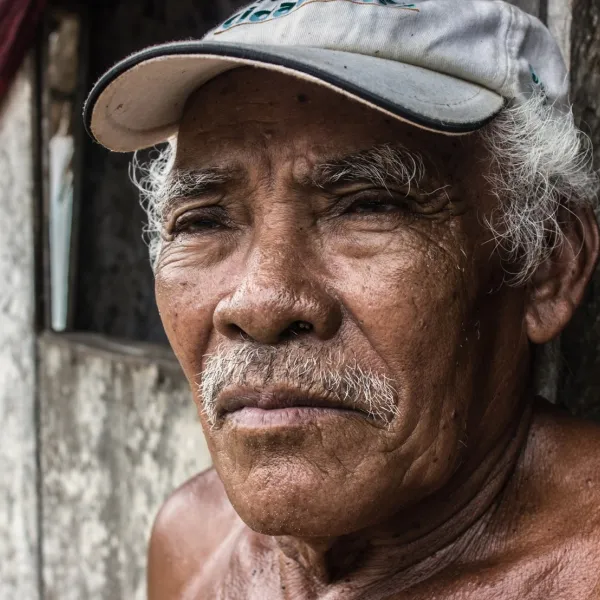
Related projects
If we want to cool the planet, fracking must be banned
Statement from the Latin American Alliance On Fracking at COP21: The goal of the 21st Conference of Parties of the United Nations Framework Convention on Climate Change is to reach an effective agreement that will reduce greenhouse gas emissions to a level consistent with both the rights and opportunities of present and future generations, and the conservation of the environment. This requires national policies and actions consistent with international commitments on climate change and human rights, and which respect the Sustainable Development Goals. Fracking to extract unconventional hydrocarbons is contrary to all of the above commitments, and will actually increase the impacts of climate change – which is why the controversial practice must be banned. During the cycle of extracting, processing, storing, transferring and distributing unconventional hydrocarbons, methane gas – 87 times more powerful than carbon dioxide as an agent of global warming – is released in the atmosphere. The release of methane contributes to global warming at a time when we should be taking any measures necessary to stop it: “within a period of 20 years, the footprint of natural gas released from shale deposits is worse than that of carbon or oil.”[1] If we continue with the concept of development based on the exploitation of fossil fuels, without first taking into account the rights and needs of communities, it will be impossible to conserve a planet that upholds the well being of present and future generations. The unconventional hydrocarbons extracted from the earth by fracking should not be considered transition or clean energies, since both greenhouse gas emissions, and the risks and damages posed to the environment and public health, are very high.[2] Fracking in Latin America We believe that the experience of fracking in Latin America should stimulate global discussion. Despite the particularities with which fracking has advanced on the continent, many similarities have emerged between cases in Mexico, Colombia, Chile, Bolivia and Argentina. Fracking is advancing blindly in Latin America. The basic human rights of affected communities are being ignored, including: the right to consultation and free, prior and informed consent; the right to participation and social control; and the right to information.[3] Governments of the region have failed to apply the precautionary principle, which should be applied considering the serious risks fracking creates for the health of people and the environment, and the uncertainty surrounding the scope and extent of damage it can cause. National laws have been modified based on corporate demands to open the door to the exploitation of unconventional hydrocarbons through fracking. The Mexican energy reform (2013) and the new law on hydrocarbons in Argentina (2014) are clear examples of this. Fracking in the region has developed without any comprehensive, long-term studies on the risks and damages it causes to the health of people and the environment. With the exception of Mexico, the countries of the region lack their own studies of unconventional hydrocarbon reserves that could verify the figures estimated by the U.S. Energy Information Administration. Across the continent, fracking has advanced on indigenous and rural communities, urban neighborhoods and even Natural Protected Areas. It has resulted in the displacement of people and productive activities such a livestock and agriculture, whose coexistence with the technique is impossible.[4] In parallel, complaints and damages have multiplied in response to fires, spills, and explosions; the toxic pollution of water, air and soil; the loss of radioactive substances into wells; and the mismanagement of water.[5] Throughout Latin America, the rejection of fracking has grown. Proof lies in the national and international networks of opposition; the more than 50 communities and municipalities that have banned fracking within their territories in Argentina, Mexico, Brazil and Uruguay;[6] and the suspension of fracking operations through judicial actions in Brazil and Argentina. States should make commitments against fracking In the framework of the Paris Climate Talks, we urge Member States of the Convention to: Sign a binding agreement that efficiently and effectively reduces greenhouse gases to levels compatible with the rights and opportunities of present and future generations, and conservation of the environment. Apply the precautionary principle as a legal and ethical imperative of action to address high-risk situations in a context of scientific uncertainty, in this case banning fracking in countries where it has been initiated or interest in it shown. Conduct objective and independent scientific studies about the risks and impacts of fracking on health, the environment and productive processes, with a long-term goal of ensuring the rights of present and future generations. Where impacts have been confirmed, States should guarantee that companies take responsibility for the damages done and, primarily, for the restoration of the affected environment, even in cases where their contract has ended. Strengthen a policy of energy diversification and the reduced rationalization of energy consumption, which includes the promotion of renewable energies and discourages the extraction of fossil fuels, consistent with principles and rights related to transparency, participation and free, prior and informed consent. On behalf of the Latin American Alliance On Fracking, we warn of the risks and severe damage that the exploration and exploitation of unconventional hydrocarbons can cause to the people and environment of our countries. Fracking is an experimental technique and neither governments nor companies should conduct experiments at such a high risk to the life and health of people and the environment. [1] Food and Water Watch, “The Urgent Case for a Ban on Fracking,” February 2015, http://www.foodandwaterwatch.org/sites/default/files/urgent_case_for_ban_on_fracking.pdf and Robert Howarth and Anthony Ingraffea, “Should fracking stop?” in: Nature, September 15, 2011, vol. 477, p. 272. http://www2.cce.cornell.edu/naturalgasdev/documents/pdfs/howarth%20nature.pdf [2] Robert Howarth “A bridge to nowhere: methane emissions and the greenhouse gas footprint of natural gas,” April 2014, http://onlinelibrary.wiley.com/doi/10.1002/ese3.35/pdf [3]Alianza Latinoamericana frente al Fracking, “Avance ciego del fracking en América Latina” (infographic), September 2015, http://www.opsur.org.ar/blog/2015/09/04/mapa-del-fracking-en-america-latina-2/ [4] OPSur “Alto Valle Perforado” (Ed. Jinete Insomne, 2015) [5] Pablo Bertinat et al; “20 Mitos y Realidades del Fracking,” 2014, http://www.rosalux.org.ec/attachments/article/819/20_Mitos_LIBRO_FRL_PRINT.pdf [6] Alianza Latinoamericana frente al Fracking, “Avance ciego del fracking en América Latina” (infographic), September 2015, http://www.opsur.org.ar/blog/2015/09/04/mapa-del-fracking-en-america-latina-2/
Read more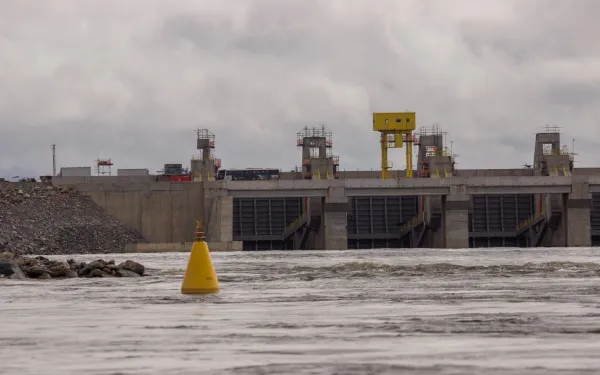
Ten Reasons Why Climate Initiatives Should Not Include Large Hydropower Projects
A Civil Society[i] Manifesto for the Support of Real Climate Solutions Large hydropower projects are often propagated as a “clean and green” source of electricity by international financial institutions, national governments and other actors. They greatly benefit from instruments meant to address climate change, including carbon credits under the Clean Development Mechanism (CDM), credits from the World Bank’s Climate Investment Funds, and special financial terms from export credit agencies and green bonds. The dam industry advocates for large hydropower projects to be funded by the Green Climate Fund, and many governments boost them as a response to climate change through national initiatives. For example, at least twelve governments with major hydropower sectors have included an expansion of hydropower generation in their reports on Intended Nationally Determined Contributions (INDCs). Support from climate initiatives is one of the reasons why more than 3,700 hydropower dams are currently under construction and in the pipeline. Yet large hydropower projects are a false solution to climate change. They should be kept out from national and international climate initiatives for the following reasons: Particularly in tropical regions, hydropower reservoirs emit significant amounts of greenhouse gases. According to a peer-reviewed study, methane from reservoirs accounts for more than 4% of all human-caused climate change – comparable to the climate impact of the aviation sector. In some cases, hydropower projects are producing higher emissions than coal-fired power plants generating the same amount of electricity. Rivers take about 200 million tons of carbon out of the atmosphere every year. In addition, the silt that rivers like the Amazon, Congo, Ganges and Mekong carry to the sea feeds plankton and absorbs large amounts of carbon. Hydropower projects and other dams disrupt the transport of silt and nutrients and impair the role of rivers to act as global carbon sinks. Hydropower dams make water and energy systems more vulnerable to climate change. Unprecedented floods are threatening the safety of dams and alone in the US have caused more than 100 dams to fail since 2010. Dam building has exacerbated flood disasters in fragile mountain areas such as Uttarakhand/India. At the same time more extreme droughts increase the economic risks of hydropower, and have greatly affected countries from Africa to Brazil that depend on hydropower dams for most of their electricity. In contrast to most wind, solar and micro-hydropower projects, dams cause severe and often irreversible damage to critical ecosystems. Due to dam building and other factors, freshwater ecosystems have on average lost 76% of their populations since 1970 – more than marine and land-based ecosystems. Building more dams to protect ecosystems from climate change means sacrificing the planet’s arteries to protect her lungs. Large hydropower projects have serious impacts on local communities and often violate the rights of indigenous peoples to their lands, territories, resources, governance, cultural integrity and free, prior informed consent. Dams have displaced at least 40-80 million people and have negatively affected an estimated 472 million people living downstream. The resistance of dam-affected communities has often been met with egregious human rights violations. Large hydropower projects are not always an effective tool to expand energy access for poor people. In contrast to wind, solar and micro-hydropower, large hydropower dams depend on central electric grids, which are not a cost-effective tool to reach rural populations particularly in Sub-Saharan Africa and the Himalayas. Large hydropower projects are often built to meet the demands of mining and industrial projects even if they are justified by the needs of the poor. Even if they were a good solution in other ways, large hydropower projects would be a costly and time-consuming way to address the climate crisis. On average large dams experience cost overruns of 96% and time overruns of 44%. In comparison, wind and solar projects can be built more quickly and experience average cost overruns of less than 10%. Unlike wind and solar power, hydropower is no longer an innovative technology, and has not seen major technical breakthroughs in several decades. Unlike with solar power, climate funding for large hydropower projects will not bring about further economies of scale, and does not encourage a transfer of new technologies to Southern countries. Wind and solar power have become readily available and financially competitive, and have overtaken large hydropower in the addition of new capacity. As grids become smarter and the cost of battery storage drops, new hydropower projects are no longer needed to balance intermittent sources of renewable energy. Hydropower projects currently make up 26% of all projects registered with the CDM, and absorb significant support from other climate initiatives. Climate finance for large hydropower projects crowds out support for real solutions such as wind, solar and micro hydropower, and creates the illusion of real climate action. Including large hydropower in climate initiatives falsely appears to obliterate the need for additional real climate solutions. For these reasons, the undersigned organizations and individuals call on governments, financiers and other institutions to keep large hydropower projects out of their initiatives to address climate change. All climate and energy solutions need to respect the rights and livelihoods of local communities. [i] Amazon Watch, Asia Indigenous Peoples Pact, Asociación Interamericana para la Defensa del Ambiente, Bianca Jagger Human Rights Foundation, Carbon Market Watch, International Rivers, Jeunes Volontaires pour l'Environnement International, Oxfam International, South Asia Network on Dams, Rivers and People; Urgewald, REDLAR and Movimiento Ríos Vivos.
Read more
COP21 Begins, as Climate Hope Grows Stronger
Hundreds of world leaders gathered in Paris today to officially kick off the highly anticipated global climate talks. This is a critical moment for the future our life here on Earth. The conference is expected to produce a new and binding global climate accord, which could shape the ways in which we live, govern, create energy, and adapt to a changing climate. The expectations are set high for this 21st Conference of Parties (COP21) of the United Nations Framework Convention on Climate Change – because they have to be. In the next two weeks, States will have the opportunity to show their commitment to combating climate change. At the close of the negotiations, if all goes well, governments from around the world will adopt the measures necessary to ensure a better planet for present and future generations. The task at hand for this Conference is finalizing the Paris climate package, which includes a final draft of the new climate agreement and a series of decisions to be adopted by Member Parties. Both are vital to the proper implementation of the Convention. Though it has been successful in elevating climate change in policy discussions worldwide, the Convention still requires States to adopt clear and concrete actions to ensure compliance. What do we hope to achieve in Paris? There are two key tasks that AIDA will press Conference negotiators to achieve: Clarify the commitments related to climate financing after 2020. Include language requiring the respect, guarantee, protection, and promotion of human rights in all climate actions in both the preamble and the operating text of the Paris Agreement. Focus On: Climate Finance Climate finance is fundamental to ensuring that the commitments established in the Paris Agreement, as well as in the Convention itself, become a reality. Concerning climate finance, the new agreement should include the following key elements: Clarity on which countries should mobilize new and additional resources after 2020. It’s also important to reevaluate the role of developing countries that, though they have no obligation to provide financing, may be in a position do to so. Clear commitments to increase climate finance to achieve the desired outcomes. Clarity on sources of financing, ensuring that those sources implement clear and transparent methods that allow for their accounting and effective use. Collective short-term goals that demonstrate clear advances. Clarity on the institutional arrangements needed to channel resources. It will be important to strengthen the Green Climate Fund’s role in ensuring that finance supports projects and programs that are low-carbon and climate-resilient. Cycles of financial contributions, and their corresponding verification periods. Climate finance is a critical component of progress on the climate agenda. Providing clarity on this matter is essential to achieving goals and paradigm shifts in the short, medium, and long term. Focus On: Human Rights The protection and promotion of human rights is vital in the fight against climate change. The very success of the Paris Agreement depends on this element being integrated into the text and, particularly, into its objectives. A climate agreement featuring language to protect human rights will help to: Increase the ambition of the Agreement and strengthen its goals, encouraging better implementation, given that the human rights perspective may remind States of obligations that they already have. Clarify the responsibilities of States and other actors in the fight against climate change, and increase understanding of public policies related to it. This provides us the opportunity to advance and provide lessons learned, avoiding the duplication or creation of new obligations. Define a clear and acceptable pattern to prevent further socioenvironmental conflicts in the future. Having a uniform legal framework for the recognition of human rights would make it possible to improve the management of water, food, and land, which have particular resonance in Latin America. The Paris Conference is a historic opportunity for AIDA to strengthen the substantial progress made to date in the fight against climate change. Follow Along With Us!
Read more