
Project
Amazon Watch / Maíra Irigaray
The Belo Monte Dam on the Xingu River: 10 years of impacts in the Amazon and the search for reparations
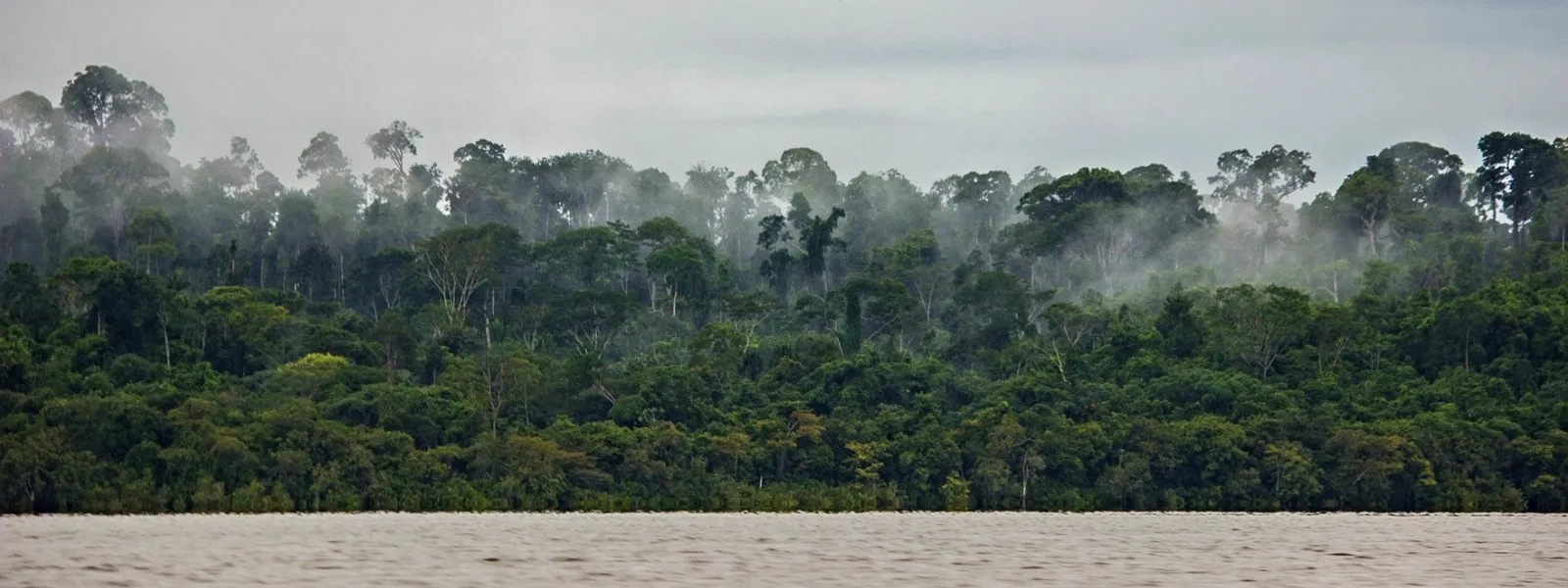
The Belo Monte Dam has caused an environmental and social disaster in the heart of the Amazon—one of the most important ecosystems on the planet.
This situation has only worsened since the hydroelectric plant began operations in 2016. The quest for justice and reparations by the affected indigenous, fishing, and riverine communities continues to this day.
In 2011, the Inter-American Commission on Human Rights (IACHR) granted them protective measures that, to date, have not been fully implemented by the Brazilian State.
Furthermore, since June of that same year, the IACHR has yet to rule on a complaint against the State regarding its international responsibility in the case.
The IACHR may refer the case to the Inter-American Court of Human Rights, which has the authority to issue a ruling condemning the Brazilian State.
After 10 years of the hydroelectric plant's operation and more than 15 years of documented human rights violations, it is time for justice to be served for the affected communities.
Read the open letter from the organizations bringing the case before the IACHR
Background
The Belo Monte hydroelectric plant—the fourth largest in the world by installed capacity (11,233 MW)—was built on the Xingu River in Pará, a state in northern Brazil.
It was inaugurated on May 5, 2016, with a single turbine. At that time, 80% of the river’s course was diverted, flooding 516 km² of land—an area larger than the city of Chicago. Of that area, 400 km² was native forest. The dam began operating at full capacity in November 2019.
Belo Monte was built and is operated by the Norte Energia S.A. consortium, which is composed primarily of state-owned companies. It was financed by the Brazilian Development Bank (BNDES), which provided the consortium with 25.4 billion reais (approximately US$10.16 billion), the largest investment in the bank’s history. Therefore, the BNDES is also legally responsible for the socio-environmental impacts associated with the hydroelectric plant.
Decades of harm to the environment and people
Human rights violations and degradation of the Amazon have been occurring since the project’s inception. In March 2011, Norte Energía began construction of the dam without adequate consultation and without the prior, free, and informed consent of the affected communities.
The construction caused the forced displacement of more than 40,000 people, severing social and cultural ties. The resettlement plan in Altamira—a city directly affected by the hydroelectric dam—involved housing units located on the outskirts, lacking adequate public services and decent living conditions for the relocated families, with no special provisions for those from indigenous communities.
Belo Monte's operations have caused a permanent, man-made drought in the Volta Grande (or "Great Bend") of the Xingu River, exacerbated by the historic droughts in the Amazon in 2023 and 2024. As a result, the deaths of millions of fish eggs were documented for four consecutive years (from 2021 to 2024), and for the past three years, there has been no upstream migration of fish to spawn and reproduce. Thus, artisanal fishing, the main source of protein for indigenous peoples and riverside communities, was severely affected: fish dropped from 50% to 30% of total protein consumed, replaced by processed foods. In summary, there was an environmental and humanitarian collapse that resulted in the breakdown of fishing as a traditional way of life, food insecurity, and access to drinking water for thousands of families, impoverishment, and disease.
Furthermore, the construction of the dam increased deforestation and intensified illegal logging and insecurity on indigenous and tribal lands, putting the survival of these communities at risk. Another consequence was the deepening of poverty and social conflicts, as well as the strain on health, education, and public safety systems in Altamira—a city ranked as the most violent in the country in 2017, where human trafficking and sexual violence increased. Violence was also reported against human rights defenders involved in the case.
In 2025, during the 30th UN Climate Change Conference (COP30), held in Brazil, the Federal Public Prosecutor’s Office labeled the damage caused by the Belo Monte dam as ecocide.
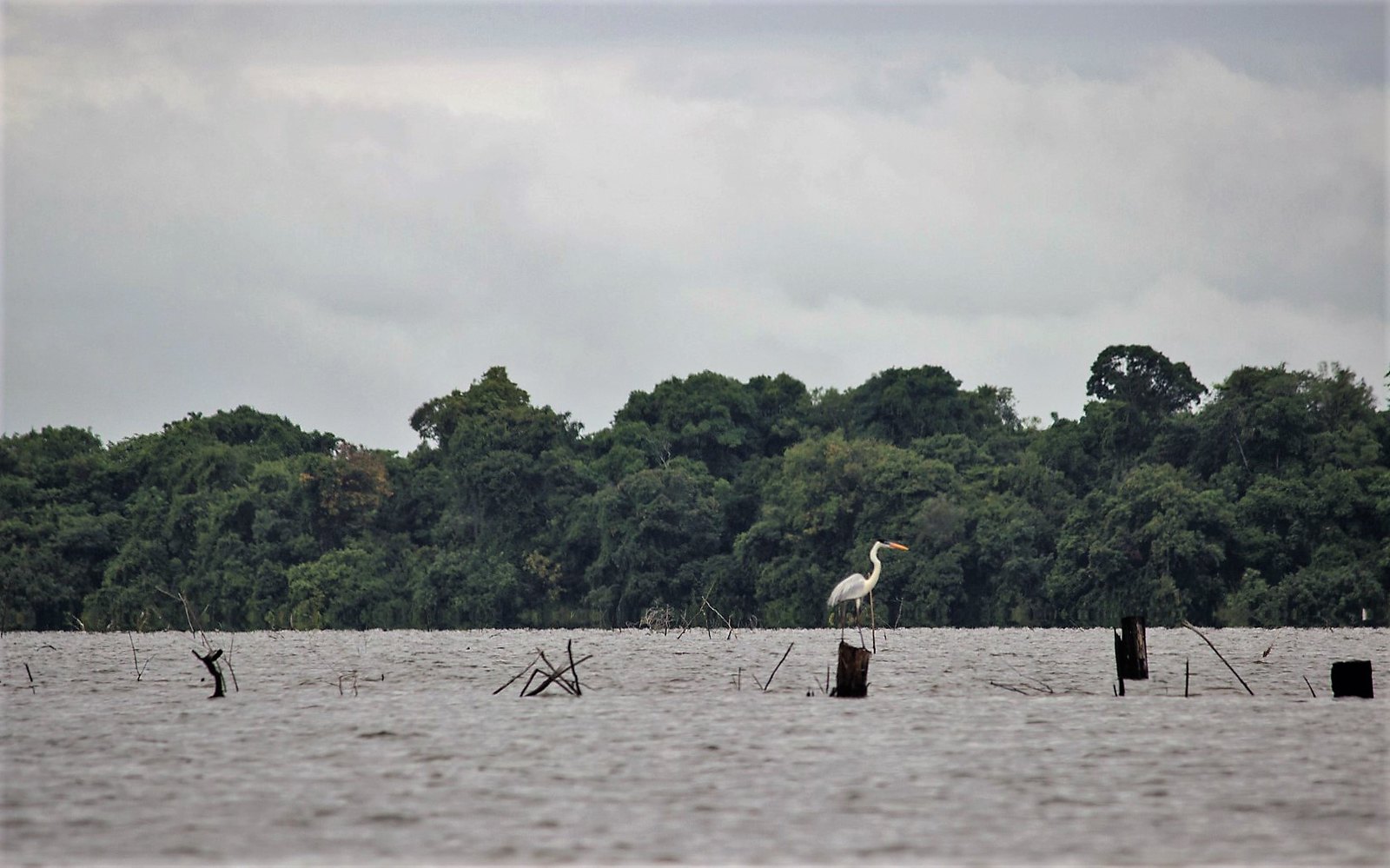
Photo: Amazon Watch / Maíra Irigaray.
The search for justice and reparations
Over the years, the Federal Public Prosecutor’s Office in Pará, the Public Defender’s Office, and civil society organizations have filed dozens of legal actions in Brazilian courts to challenge the project’s various irregularities and its impacts. Most of the claims are still pending resolution, some for more than 10 years.
These efforts have failed because the national government has repeatedly overturned rulings in favor of the affected communities by invoking a mechanism that allowed a court president to suspend a judicial decision based solely on generic arguments such as "the national interest" or "economic order."
In the absence of effective responses at the national level, AIDA, together with a coalition of partner organizations, brought the case before the Inter-American Commission on Human Rights (IACHR) and, in 2010, requested precautionary measures to protect the lives, safety, and health of the affected indigenous communities.
On April 1, 2011, the IACHR granted these measures and requested that the Brazilian government suspend environmental permits and any construction work until the conditions related to prior consultation and the protection of the health and safety of the communities are met.
And on June 16, 2011 —together with the Xingu Vivo Para Sempre Movement, the Coordinating Committee of Indigenous Organizations of the Brazilian Amazon, the Diocese of Altamira, the Indigenous Missionary Council, the Pará Society for the Defense of Human Rights and Global Justice— we filed a formal complaint against the Brazilian State for its international responsibility in the violation of the human rights of the people affected in the case. The case was opened for processing in December 2015.
On August 3, 2011, the IACHR amended the precautionary measures to request, instead of the suspension of permits and construction, the protection of people living in voluntary isolation, the health of indigenous communities, and the regularization and protection of ancestral lands.
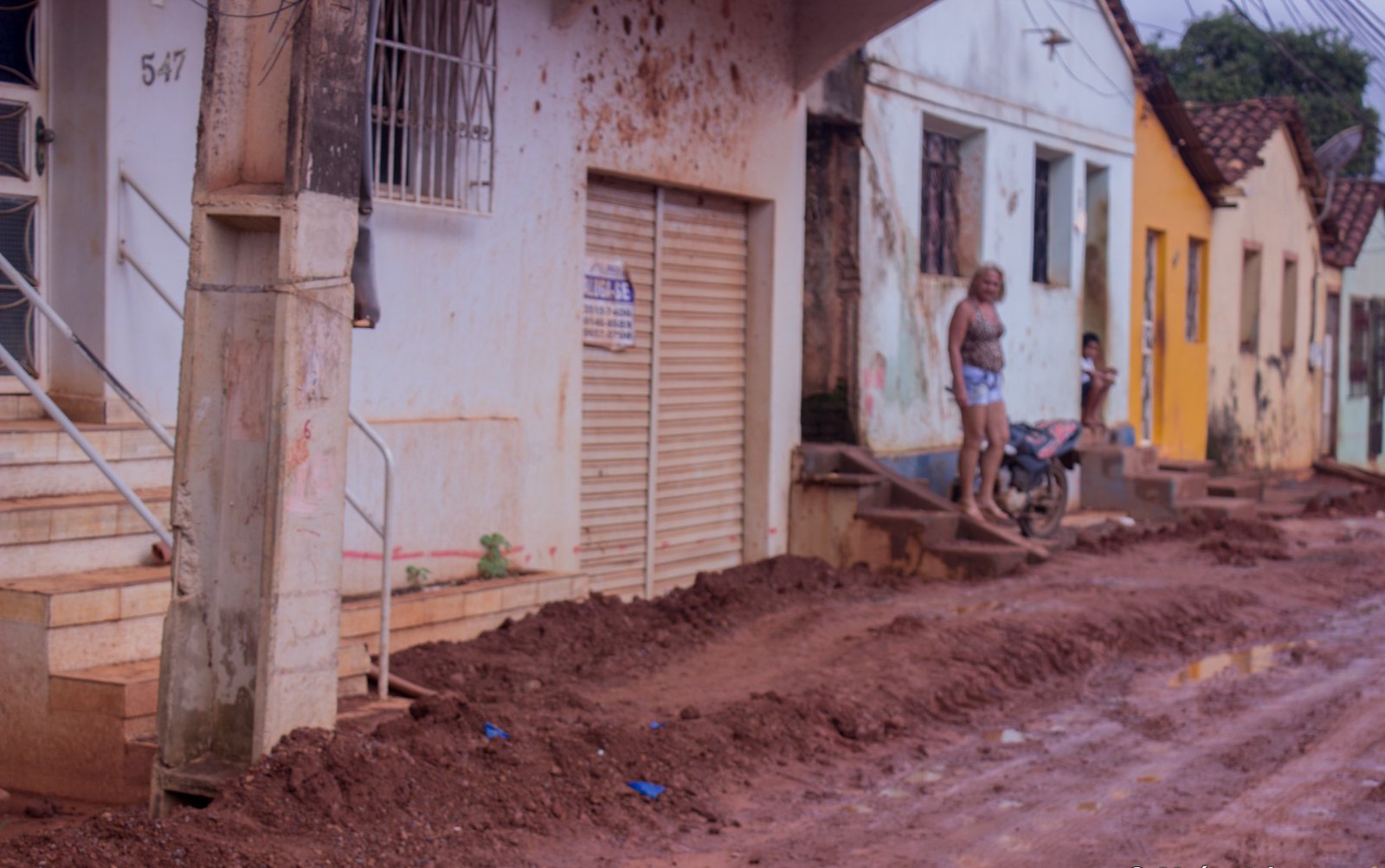
Photo: Amazon Watch / Maíra Irigaray.
Current situation
The protective measures granted by the IACHR remain in effect, but the Brazilian government has not fully complied with them, reporting only on general actions. The communities have documented the ongoing violations of their rights. The situation that prompted the request for these measures—the risk to the lives, physical integrity, and ways of life of the communities—persists and has worsened with the hydroelectric plant operating at full capacity and the recent extreme droughts in the Amazon.
In addition to the impacts of Belo Monte, there is a risk of further social and environmental impacts from the implementation of another mining megaproject in the Volta Grande do Xingu. There, the Canadian company Belo Sun plans to build Brazil’s largest open-pit gold mine.
The combined and cumulative impacts of the dam and the mine were not assessed. The government excluded Indigenous peoples, riverine and peasant communities from the project’s environmental permitting process. Despite protests by Indigenous communities and other irregularities surrounding the project, the government of Pará formally authorized the mine in April 2026.
Like other hydroelectric dams, Belo Monte exacerbates the climate emergency by generating greenhouse gas emissions in its reservoir. And it is inefficient amid the longer, more intense droughts caused by the crisis, as it loses its ability to generate power.
The case before the Inter-American Commission
In October 2017, the IACHR announced that it would rule jointly on the admissibility (whether the case meets the requirements for admission) and the merits (whether a human rights violation actually occurred) of the international complaint against the Brazilian State.
Fifteen years after the complaint was filed, the affected communities and the organizations representing them are still awaiting this decision. If the IACHR concludes that human rights violations occurred and issues recommendations that the Brazilian State fails to comply with, it may refer the case to the Inter-American Court of Human Rights, whose rulings are binding.
A potential ruling by the international court in this case would set a regional legal precedent regarding the rights of indigenous and riverine peoples, public participation in megaprojects, and state responsibility in the context of the climate crisis—a precedent that is particularly relevant in light of the Court’s Advisory Opinion No. 32, which reaffirmed the obligations of States to protect the people and communities of the continent from the climate emergency.
Partners:
Related projects
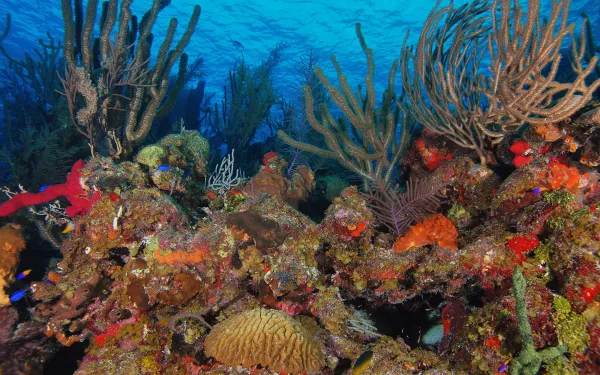
Coral Reefs and the Unintended Impacts of Tourism
By Camila Cossio, former AIDA intern During my internship in AIDA’s San Jose office, I met up one day with a friend from the States for lunch. She told me about her trip visiting the beaches of Costa Rica. Everything she described sounded beautiful: the clear, blue water; hermit crabs that left their shells to eat breakfast in the early morning hours; sweet fruits that fell down onto the smooth sand; and the cool, green trees that provided shade from the hot Costa Rican sun. But her mood changed suddenly, from bliss to concern, when she explained how her co-worker swam too close to a coral reef one afternoon and badly cut his thigh. She was concerned with how unprepared their tour guide was to handle the situation, and how irresponsible it seemed that tourists were allowed – with no diving experience – to swim that close to the reefs. Leaving aside the physical dangers to humans, accidents like his, though they may seem inconsequential, have a severe impact on sensitive marine ecosystems like coral reefs. Coral reefs are a unique and complex ecosystem, vital to the health of oceans. Yet 93 percent of the reefs in Costa Rica are in danger, and tourism is a significant factor in their degradation. Tourism’s threats to corals When tourists accidently touch, pollute, or break parts of the reef, corals experience stress. The coral organisms try to naturally fight off pollutants, but this process often leads to coral bleaching – when corals lose their bright colors and become completely white. Once corals are bleached, they can no longer contribute to the biodiversity of the reef community, which depends upon symbiotic interactions between fish, invertebrates, and their habitats. Additionally, since the disruption of one ocean ecosystem gravely impacts others, sea grass and mangrove communities – shallow-water plant species vital to health of the marine ecosystem – are also severely threatened by coral stress. Another significant problem facing coral reefs is sedimentation. When solid residues are deposited into the depths of water bodies, they pollute marine ecosystems and block light needed for photosynthesis. When light is blocked, immobile coral reefs bleach and die. In Costa Rica, sources of sedimentation include dredging, logging, agriculture and coastal development driven by the tourism sector. A Reef Under Siltation Stress: A Decade of Degradation, a study by Costa Rican biologist Jorge Cortés, documents the negative impacts of tourism on coral reefs in the Cauhita region of Costa Rica. Another case study on the reefs of Bahía Culebra found that coastal development related to the tourism sector was essentially unregulated. Because of this, coral reefs in the Pacific continue to suffer. Sedimentation will continue to destroy reefs if better management principles are not enacted. In 1994 in Bahía Culebra, for example, a reef was burned due to sediments leftover from construction of a tourist center. Eighty percent of the reef was completely destroyed. Scientific literature predicts that 50 percent of all coral reefs in Latin America are at risk of degradation in the next five to 10 years. Studies show that, globally, 30 percent of reefs are already seriously damaged and 70 percent of all coral reefs are expected to disappear by 2030 if corrective measures are not taken to stop the negative anthropogenic impacts on coral reef communities. Building a future for coral reefs Sustainable tourism is a great concept on paper, but hard to enforce in reality. Construction of coastal properties requires waters to be dredged. It creates pollutant runoff from roads and parking lots and airports. Sewage is dumped into the ocean, and more intensive agriculture to support all the people increases sedimentation. Although it’s difficult for an individual to stop massive projects like these, it’s easy to take small but powerful steps: not picking up wildlife for souvenirs (shells, coral rubble, plants); being conscious of what you bring with you – reusable water bottles instead of plastic bottles, a backpack for your trash in case there isn’t an area nearby to dispose of waste properly; taking the bus instead of a car; and – if possible – doing research on the hotels or hostels in which you stay. Many coastal hotels dump their graywater – wastewater from laundry, cooking, and non-toilet related household processes – into the ocean, contributing to sedimentation and contaminating coral reef ecosystems. It’s important to be aware that many land-based activities may directly harm the marine eco-system. Being an environmentally friendly tourist is not about being perfect, but individual actions, though they may seem small, really can have a big impact. AIDA provides much-needed recommendations for effective laws and practices to preserve and protect reefs. Check out our new "Best Practices" guide
Read moreCoral Reefs and the Unintended Impacts of Tourism
By Camila Cossio, former AIDA intern During my internship in AIDA’s San Jose office, I met up one day with a friend from the States for lunch. She told me about her trip visiting the beaches of Costa Rica. Everything she described sounded beautiful: the clear, blue water; hermit crabs that left their shells to eat breakfast in the early morning hours; sweet fruits that fell down onto the smooth sand; and the cool, green trees that provided shade from the hot Costa Rican sun. But her mood changed suddenly, from bliss to concern, when she explained how her co-worker swam too close to a coral reef one afternoon and badly cut his thigh. She was concerned with how unprepared their tour guide was to handle the situation, and how irresponsible it seemed that tourists were allowed – with no diving experience – to swim that close to the reefs. Leaving aside the physical dangers to humans, accidents like his, though they may seem inconsequential, have a severe impact on sensitive marine ecosystems like coral reefs. Coral reefs are a unique and complex ecosystem, vital to the health of oceans. Yet 93 percent of the reefs in Costa Rica are in danger, and tourism is a significant factor in their degradation. Tourism’s threats to corals When tourists accidently touch, pollute, or break parts of the reef, corals experience stress. The coral organisms try to naturally fight off pollutants, but this process often leads to coral bleaching – when corals lose their bright colors and become completely white. Once corals are bleached, they can no longer contribute to the biodiversity of the reef community, which depends upon symbiotic interactions between fish, invertebrates, and their habitats. Additionally, since the disruption of one ocean ecosystem gravely impacts others, sea grass and mangrove communities – shallow-water plant species vital to health of the marine ecosystem – are also severely threatened by coral stress. Another significant problem facing coral reefs is sedimentation. When solid residues are deposited into the depths of water bodies, they pollute marine ecosystems and block light needed for photosynthesis. When light is blocked, immobile coral reefs bleach and die. In Costa Rica, sources of sedimentation include dredging, logging, agriculture and coastal development driven by the tourism sector. A Reef Under Siltation Stress: A Decade of Degradation, a study by Costa Rican biologist Jorge Cortés, documents the negative impacts of tourism on coral reefs in the Cauhita region of Costa Rica. Another case study on the reefs of Bahía Culebra found that coastal development related to the tourism sector was essentially unregulated. Because of this, coral reefs in the Pacific continue to suffer. Sedimentation will continue to destroy reefs if better management principles are not enacted. In 1994 in Bahía Culebra, for example, a reef was burned due to sediments leftover from construction of a tourist center. Eighty percent of the reef was completely destroyed. Scientific literature predicts that 50 percent of all coral reefs in Latin America are at risk of degradation in the next five to 10 years. Studies show that, globally, 30 percent of reefs are already seriously damaged and 70 percent of all coral reefs are expected to disappear by 2030 if corrective measures are not taken to stop the negative anthropogenic impacts on coral reef communities. Building a future for coral reefs Sustainable tourism is a great concept on paper, but hard to enforce in reality. Construction of coastal properties requires waters to be dredged. It creates pollutant runoff from roads and parking lots and airports. Sewage is dumped into the ocean, and more intensive agriculture to support all the people increases sedimentation. Although it’s difficult for an individual to stop massive projects like these, it’s easy to take small but powerful steps: not picking up wildlife for souvenirs (shells, coral rubble, plants); being conscious of what you bring with you – reusable water bottles instead of plastic bottles, a backpack for your trash in case there isn’t an area nearby to dispose of waste properly; taking the bus instead of a car; and – if possible – doing research on the hotels or hostels in which you stay. Many coastal hotels dump their graywater – wastewater from laundry, cooking, and non-toilet related household processes – into the ocean, contributing to sedimentation and contaminating coral reef ecosystems. It’s important to be aware that many land-based activities may directly harm the marine eco-system. Being an environmentally friendly tourist is not about being perfect, but individual actions, though they may seem small, really can have a big impact. AIDA provides much-needed recommendations for effective laws and practices to preserve and protect reefs. Check out our new "Best Practices" guide
Read more
IACHR opens case against Brazil for human rights violations related to Belo Monte Dam
Para português, clique aqui Four years after civil society organizations filed their original petition, the Commission opens the case, asking the Brazilian government to respond to allegations of human rights violations stemming from the hydroelectric project under construction in the Brazilian Amazon. Washington D.C., United States. As the first reservoirs of the Belo Monte Dam are being filled, the Brazilian government is coming under fire from international organizations. On December 21, the Inter-American Commission on Human Rights (IACHR) opened a case against Brazil, which was challenged by affected communities represented by the Interamerican Association for Environmental Defense (AIDA), Justiça Global and the Sociedade Paraense de Defesa de Direitos Humanos (SDDH). After an initial review lasting four years, and several requests for fast tracking the case by the petitioners, the Commission finally determined that the petition contains sufficient grounds to open the case, which means that Brazil must respond to the claims of human rights violations caused by Belo Monte. “We hope and believe that now is the time for Brazil to respond comprehensively to our claims about: the absence of consultation and free, prior and informed consent of affected indigenous communities; the lack of participation and adequate assessment of environmental impact; and the forced displacement and violations of the rights to life, health, integrity and justice of indigenous peoples, riverine communities, and residents of the city of Altamira,” said María José Veramendi Villa, AIDA attorney. Based on Brazil’s response, the Commission will then determine if requirements have been met to have the case admitted and, if so, to establish whether or not the project caused the alleged human rights violations. “The opening of the case is, above all, a victory for the affected communities and local social movements, who have endured for all these years, and remain strong and determined in their search for justice and reparation,” said Raphaela Lopes of Justiça Global. This past November, the Brazilian Institute of the Environment and Renewable Resources (IBAMA) authorized Belo Monte’s operating license, which allowed the dam’s reservoirs to be filled. IBAMA did so despite the fact that Norte Energía, the company in charge of the project, failed to comply with the conditions necessary (potable water and sanitation, among others) to guarantee the life, health and integrity of affected populations. By opening the case for processing, the Commission is using all available tools to monitor the situation surrounding Belo Monte. Indigenous communities affected by the dam have been protected by precautionary measures that the Commission authorized in 2011, which Brazil has yet to meet. In early December, the United Nations Working Group on Business and Human Rights visited Altamira, the city closest to the Belo Monte project and one of the areas most affected by displacement and socio-environmental conflicts caused by the dam’s construction. There, they met with affected groups, among them members of indigenous and riverine communities, listening to their complaints. After their visit, the Working Group issued a statement that, among other things, urged the Brazilian government to respect human rights, not sacrifice them for economic development. The Working Group is expected to present the final report of their visit to the Human Rights Council in June 2016. It is our hope that they conduct an adequate follow-up to their visit, and that the report they produce is explicit regarding both the human rights violations surrounding Belo Monte, and the actions of the Brazilian government and the companies involved. As organizations representing the victims of Belo Monte, we will continue to press Brazil to respond to the human rights violations directly caused by the dam’s construction.
Read more