
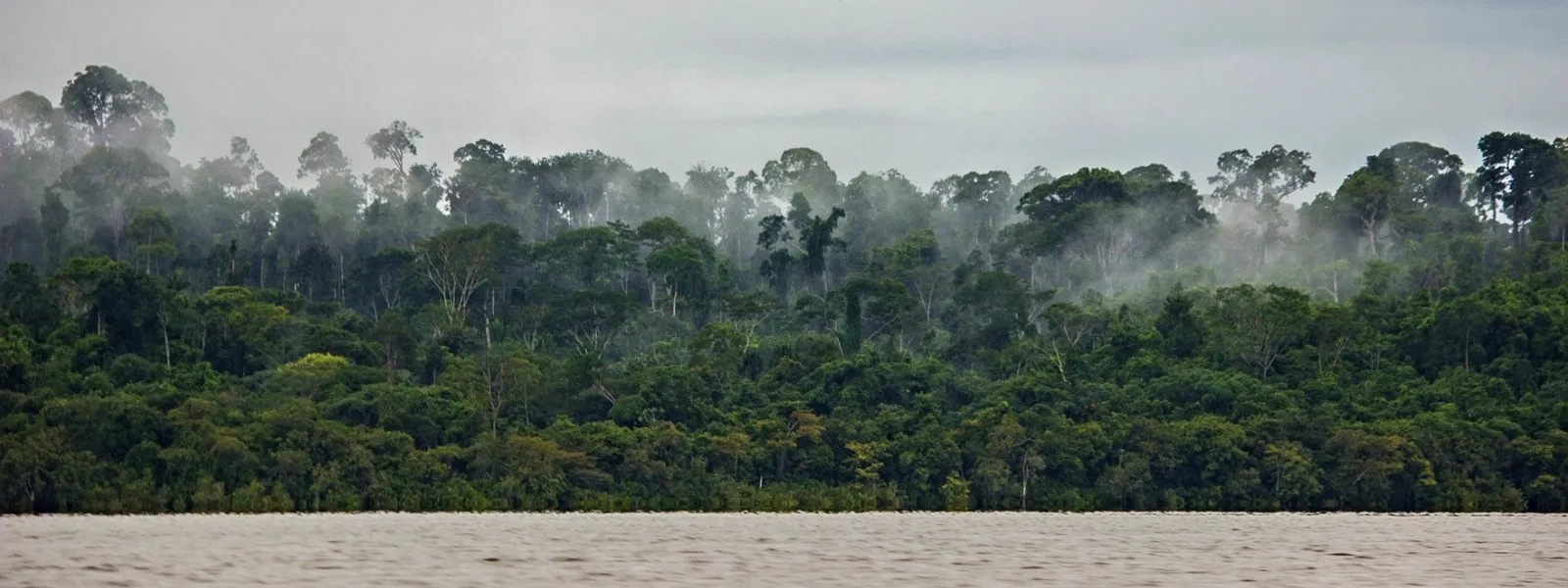
Project
Amazon Watch / Maíra Irigaray
The Belo Monte Dam on the Xingu River: 10 years of impacts in the Amazon and the search for reparations
The Belo Monte Dam has caused an environmental and social disaster in the heart of the Amazon—one of the most important ecosystems on the planet.
This situation has only worsened since the hydroelectric plant began operations in 2016. The quest for justice and reparations by the affected indigenous, fishing, and riverine communities continues to this day.
In 2011, the Inter-American Commission on Human Rights (IACHR) granted them protective measures that, to date, have not been fully implemented by the Brazilian State.
Furthermore, since June of that same year, the IACHR has yet to rule on a complaint against the State regarding its international responsibility in the case.
The IACHR may refer the case to the Inter-American Court of Human Rights, which has the authority to issue a ruling condemning the Brazilian State.
After 10 years of the hydroelectric plant's operation and more than 15 years of documented human rights violations, it is time for justice to be served for the affected communities.
Read the open letter from the organizations bringing the case before the IACHR
Background
The Belo Monte hydroelectric plant—the fourth largest in the world by installed capacity (11,233 MW)—was built on the Xingu River in Pará, a state in northern Brazil.
It was inaugurated on May 5, 2016, with a single turbine. At that time, 80% of the river’s course was diverted, flooding 516 km² of land—an area larger than the city of Chicago. Of that area, 400 km² was native forest. The dam began operating at full capacity in November 2019.
Belo Monte was built and is operated by the Norte Energia S.A. consortium, which is composed primarily of state-owned companies. It was financed by the Brazilian Development Bank (BNDES), which provided the consortium with 25.4 billion reais (approximately US$10.16 billion), the largest investment in the bank’s history. Therefore, the BNDES is also legally responsible for the socio-environmental impacts associated with the hydroelectric plant.
Decades of harm to the environment and people
Human rights violations and degradation of the Amazon have been occurring since the project’s inception. In March 2011, Norte Energía began construction of the dam without adequate consultation and without the prior, free, and informed consent of the affected communities.
The construction caused the forced displacement of more than 40,000 people, severing social and cultural ties. The resettlement plan in Altamira—a city directly affected by the hydroelectric dam—involved housing units located on the outskirts, lacking adequate public services and decent living conditions for the relocated families, with no special provisions for those from indigenous communities.
Belo Monte's operations have caused a permanent, man-made drought in the Volta Grande (or "Great Bend") of the Xingu River, exacerbated by the historic droughts in the Amazon in 2023 and 2024. As a result, the deaths of millions of fish eggs were documented for four consecutive years (from 2021 to 2024), and for the past three years, there has been no upstream migration of fish to spawn and reproduce. Thus, artisanal fishing, the main source of protein for indigenous peoples and riverside communities, was severely affected: fish dropped from 50% to 30% of total protein consumed, replaced by processed foods. In summary, there was an environmental and humanitarian collapse that resulted in the breakdown of fishing as a traditional way of life, food insecurity, and access to drinking water for thousands of families, impoverishment, and disease.
Furthermore, the construction of the dam increased deforestation and intensified illegal logging and insecurity on indigenous and tribal lands, putting the survival of these communities at risk. Another consequence was the deepening of poverty and social conflicts, as well as the strain on health, education, and public safety systems in Altamira—a city ranked as the most violent in the country in 2017, where human trafficking and sexual violence increased. Violence was also reported against human rights defenders involved in the case.
In 2025, during the 30th UN Climate Change Conference (COP30), held in Brazil, the Federal Public Prosecutor’s Office labeled the damage caused by the Belo Monte dam as ecocide.
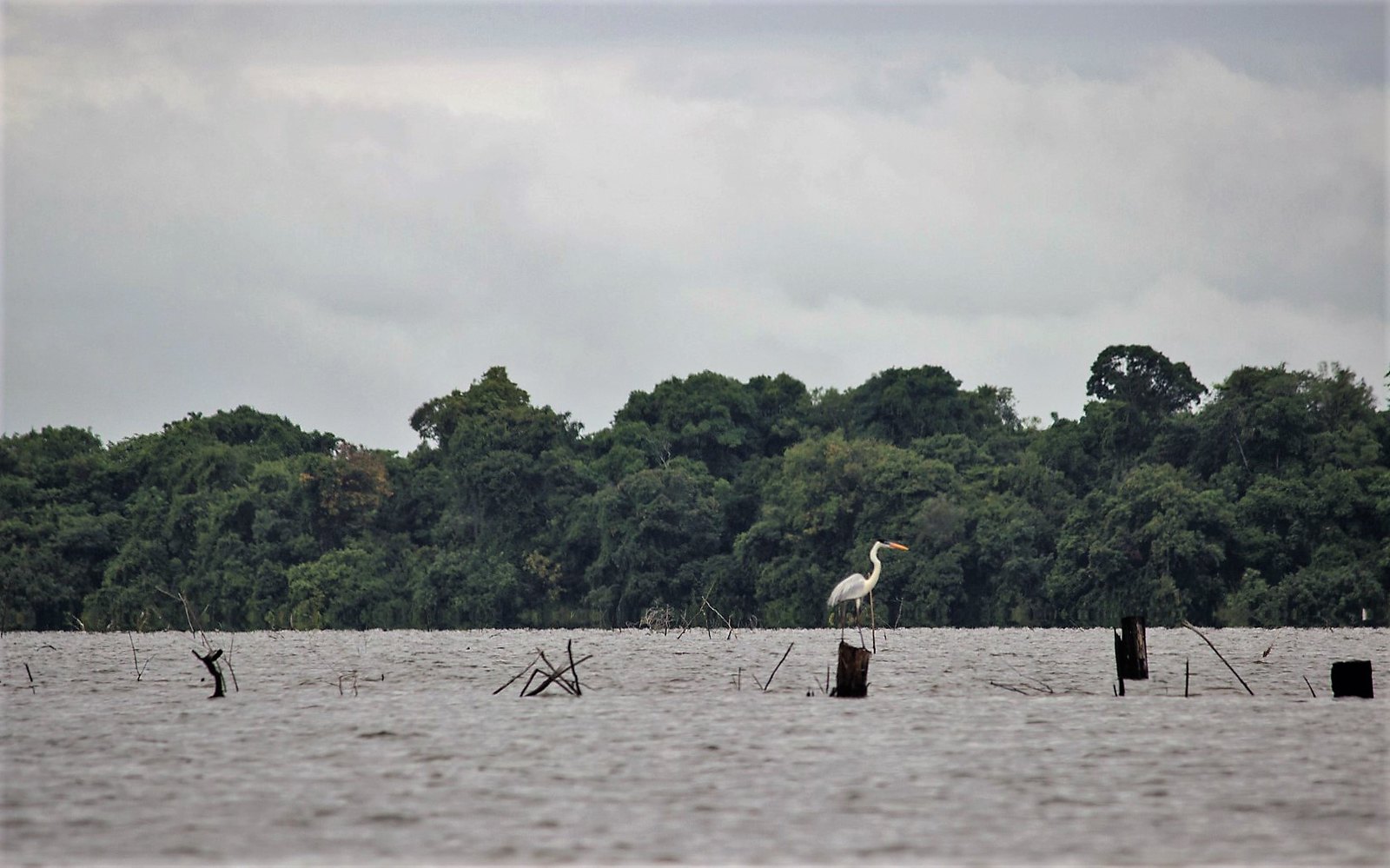
Photo: Amazon Watch / Maíra Irigaray.
The search for justice and reparations
Over the years, the Federal Public Prosecutor’s Office in Pará, the Public Defender’s Office, and civil society organizations have filed dozens of legal actions in Brazilian courts to challenge the project’s various irregularities and its impacts. Most of the claims are still pending resolution, some for more than 10 years.
These efforts have failed because the national government has repeatedly overturned rulings in favor of the affected communities by invoking a mechanism that allowed a court president to suspend a judicial decision based solely on generic arguments such as "the national interest" or "economic order."
In the absence of effective responses at the national level, AIDA, together with a coalition of partner organizations, brought the case before the Inter-American Commission on Human Rights (IACHR) and, in 2010, requested precautionary measures to protect the lives, safety, and health of the affected indigenous communities.
On April 1, 2011, the IACHR granted these measures and requested that the Brazilian government suspend environmental permits and any construction work until the conditions related to prior consultation and the protection of the health and safety of the communities are met.
And on June 16, 2011 —together with the Xingu Vivo Para Sempre Movement, the Coordinating Committee of Indigenous Organizations of the Brazilian Amazon, the Diocese of Altamira, the Indigenous Missionary Council, the Pará Society for the Defense of Human Rights and Global Justice— we filed a formal complaint against the Brazilian State for its international responsibility in the violation of the human rights of the people affected in the case. The case was opened for processing in December 2015.
On August 3, 2011, the IACHR amended the precautionary measures to request, instead of the suspension of permits and construction, the protection of people living in voluntary isolation, the health of indigenous communities, and the regularization and protection of ancestral lands.
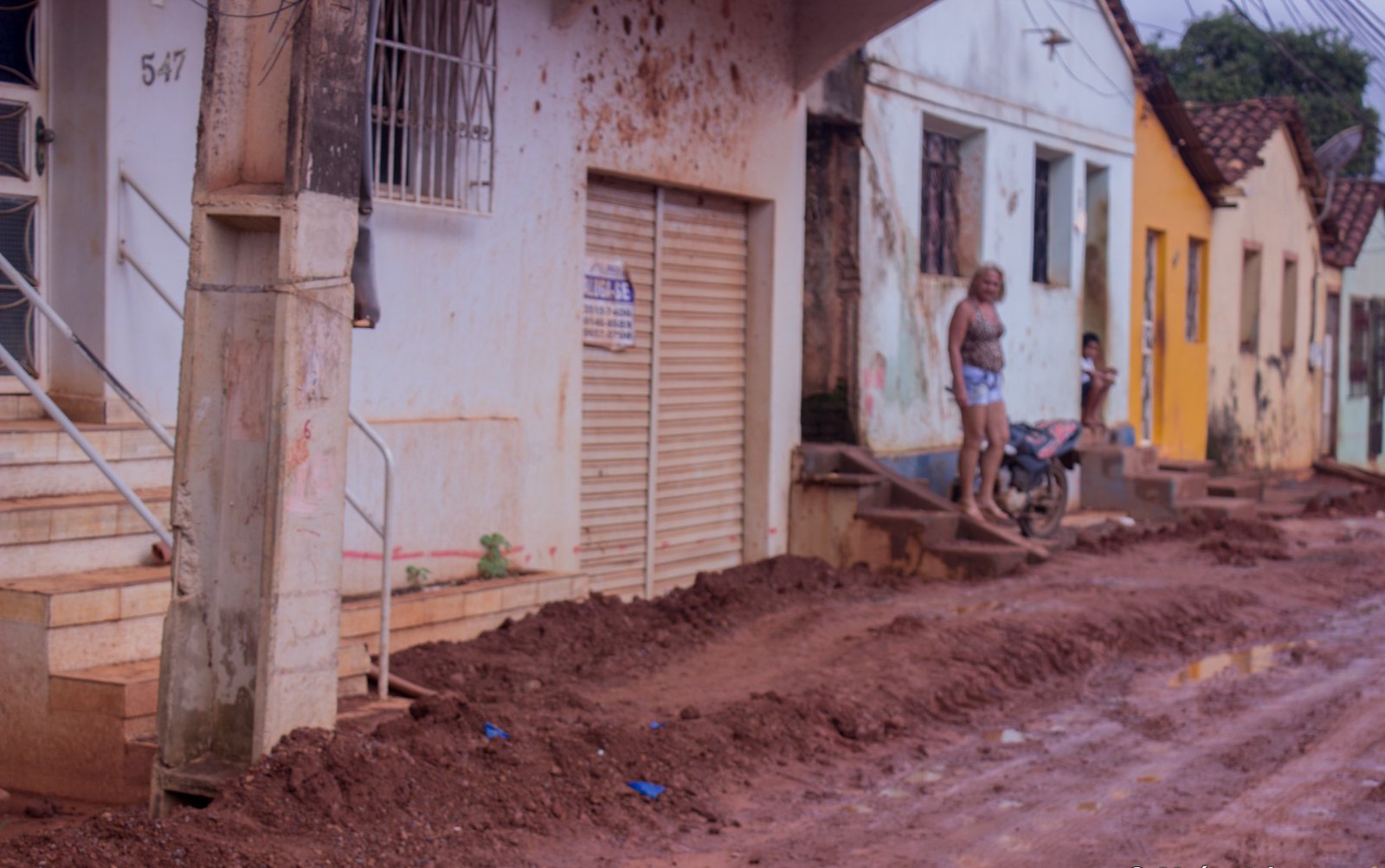
Photo: Amazon Watch / Maíra Irigaray.
Current situation
The protective measures granted by the IACHR remain in effect, but the Brazilian government has not fully complied with them, reporting only on general actions. The communities have documented the ongoing violations of their rights. The situation that prompted the request for these measures—the risk to the lives, physical integrity, and ways of life of the communities—persists and has worsened with the hydroelectric plant operating at full capacity and the recent extreme droughts in the Amazon.
In addition to the impacts of Belo Monte, there is a risk of further social and environmental impacts from the implementation of another mining megaproject in the Volta Grande do Xingu. There, the Canadian company Belo Sun plans to build Brazil’s largest open-pit gold mine.
The combined and cumulative impacts of the dam and the mine were not assessed. The government excluded Indigenous peoples, riverine and peasant communities from the project’s environmental permitting process. Despite protests by Indigenous communities and other irregularities surrounding the project, the government of Pará formally authorized the mine in April 2026.
Like other hydroelectric dams, Belo Monte exacerbates the climate emergency by generating greenhouse gas emissions in its reservoir. And it is inefficient amid the longer, more intense droughts caused by the crisis, as it loses its ability to generate power.
The case before the Inter-American Commission
In October 2017, the IACHR announced that it would rule jointly on the admissibility (whether the case meets the requirements for admission) and the merits (whether a human rights violation actually occurred) of the international complaint against the Brazilian State.
Fifteen years after the complaint was filed, the affected communities and the organizations representing them are still awaiting this decision. If the IACHR concludes that human rights violations occurred and issues recommendations that the Brazilian State fails to comply with, it may refer the case to the Inter-American Court of Human Rights, whose rulings are binding.
A potential ruling by the international court in this case would set a regional legal precedent regarding the rights of indigenous and riverine peoples, public participation in megaprojects, and state responsibility in the context of the climate crisis—a precedent that is particularly relevant in light of the Court’s Advisory Opinion No. 32, which reaffirmed the obligations of States to protect the people and communities of the continent from the climate emergency.
Partners:
Related projects
Brazil mega-dam ‘disaster’ for tribes as it nears completion
Belo Monte hydroelectric plant is flouting agreements to protect indigenous communities as its builder seeks approval to start generating power, environmental lawyers have warned. The US$11 billion dam on an Amazonian tributary – set to be the third-largest producer of hydropower globally – has met just 30% of the social and environmental conditions set by government, said AIDA Americas. “It is clear that the conditions necessary for Norte Energia, the consortium in charge of the project, to receive the licence are not in place,” said a statement on Monday. The dam is 70% built. Brazil’s largest infrastructure work will divert the Xingu River, forcing the relocation of 2,000 families as pristine rainforest is flooded. Federal prosecutors have recommended the relocation be suspended. Environmental groups have petitioned the Inter-American Commission on Human Rights to oppose the government’s granting of a license, on the basis it could destroy tribes’ means of survival. “Giving free rein of operation to the dam at this time would mean completely shutting down the options available to avoid major social and humanitarian disasters in the region,” said Sandy Faidherb of SDDH, a local activist group which filed on behalf of the affected communities. The government has said Belo Monte will supply Brazilians with clean energy and develop the country’s economy. The dam has been designed to minimise damage, and will flood less than half – 478 sq km in 28-mini reservoirs – of the area affected by the Brazil’s largest Itaipu hydroplant, the Guardian reported. That comes at a cost to power output, as not shutting off entirely the river means the plant will work on average at barely 40% of its 11,200 MW capacity. The Xingu River basin in Para state is a “living symbol of Brazil’s cultural and biological diversity,” home to 25,000 indigenous people from 40 ethnic groups,according to Amazon Watch. Wildlife populations have drastically declined at another dam, Balbina, built in the 1980s, after a 3,500-island archipelago slashed habitat to roam and exposed the likes of tortoises and gamebirds to wind and wildfires.
Read more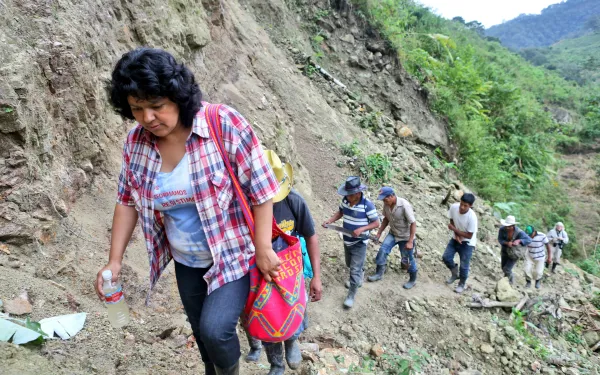
Losing Berta Cáceres: the breaking point in the struggle against impunity
It’s been one month since the assassination of Berta Cáceres, tireless defender of the environment and human rights in Honduras. Her murder quickly gave birth to a global movement calling for justice. It has become a turning point for human rights and environmental defenders and, especially, in the fight for the rights of women and indigenous peoples in Latin America. For that, March 3 will never be forgotten. There aren’t enough words to describe adequately who Berta was, and who she will always be in our memories. She represented what it meant to be a woman, an indigenous person, an environmentalist, a mother, a daughter, a sister, a colleague and a friend. As the BBC said, she’s the Honduran woman who twisted the arm of China and the World Bank; her work led to the withdrawal of their funding for Agua Zarca, the dam Berta was so passionately fighting against. For all that she did, and all that she was, the loss of Berta has severely hurt us all. In a matter of hours, her death caused an unprecedented global outcry. Thousands of organizations, institutions and individuals from around the world have been speaking out against her murder and loudly demanding justice. Point of no return Ironically, the night Berta was murdered, I watched Selma, a film that narrates a key moment in the Civil Rights Movement. Fifty-one years ago, on March 7, 1965, a voting rights march that left Selma toward Montgomery, Alabama was violently repressed. That senseless act of violence became the catalyst for the passage of the Voting Rights Act, which aimed to overcome legal barriers that prevented African Americans from exercising their right to vote. Similarly, we must make Berta’s murder the catalyst that breaks the systematic impunity of cases like this, in Honduras and throughout the region. It’s time to ensure that our indignation, and the demands for justice and investigation made by countless organizations and international authorities, will have an impact. Like Alabama in 1965, Honduras has endured years of systematic human rights violations, linked in large part to infrastructure and mining projects. Just days before her death, Berta and COPINH, the organization she directed, reported threats received for their opposition to the Agua Zarca Dam project. It had been years since the Inter-American Commission on Human Rights first granted precautionary measures to protect Berta’s life, with which the Honduran government failed to comply. After Berta’s murder, on March 5, due to the gravity of the situation the Commission authorized precautionary measures to protect Berta’s family, her colleagues at COPINH, and Gustavo Castro, the sole witness to her death. But days later Néstor García, another member of COPINH, was also assassinated. Then, Gustavo was prevented from returning home to Mexico despite cooperating with the investigation, and despite his ability to continue doing so under the Treaty of Judicial Cooperation between Mexico and Honduras. Members of COPINH and Berta’s relatives continue to report new threats. Many international officials—including the Organization of American States, the Office of the United Nations High Commissioner for Human Rights, UN special rapporteurs, and members of the Congresses of the United States, Costa Rica and the European Union—have also demanded an objective investigation into Berta’s murder. Despite public outcry, little progress has been made thus far, evidenced by the lack of response from the Honduran government and conclusions drawn by an international observation mission. The situation in Honduras reflects the alarming reality of human rights in Latin America, particularly there and in Brazil, Colombia, Mexico and Peru. Multiple reports conclude that the region is under fire. Those who fight to protect their rights, their land, and the environment are risking their freedom, their integrity, and even their lives. Irresponsible businesses and financing Berta’s murder also underscores the responsibility of companies, financial institutions and others involved in the Agua Zarca Dam project. The project’s outright threats to the environment and human rights have been reported for many years. Those threats are the reason the World Bank and Sinohydro pulled out of the project in 2014. The FMO of Holland and Finn Fund of Finland also withdrew their support on March 16, after the assassination of Néstor García. The Central American Bank for Economic Integration (CABEI) froze funding to the project a few days ago. The situation surrounding Berta’s death clearly demonstrates one reason large dams are a bad energy solution—they create severe socioenvironmental impacts. Honduras, like the rest of Latin America, has options to produce energy in ways that truly promote development and reduce poverty. It’s time to learn from the mistakes of the past and move into the 21st century by implementing sustainable energy alternatives. The shocking loss of Berta, the uncertain situation of Gustavo and members of COPINH… it all reminds me of the words of a friend, a journalist who was driven out of his own country for what he wrote. He said that extractive industries, including large dams, are the banana republics of our century. I think he’s right. In Latin America, the uncontrolled extraction of natural resources today is akin to the reign of dictators in the 1960s. We cannot afford to let this happen again. This time will be different. What happened in Honduras must be a watershed moment—a time, finally, to enforce international standards for human rights and the environment. In Berta’s case, there must be an immediate, effective and independent investigation. It should acknowledge the responsibility of the companies involved with Agua Zarca. The hydroelectric project itself should be analyzed to find suitable alternatives. Honduras and all the States involved should implement corrective measures to ensure that what happened to Berta and Néstor does not happen again. Those of us who worked with Berta, who share her passions and principles, will continue to demand justice. Every country in the Americas needs and deserves it.
Read more
Conserving the shared parts of our oceans
By Gladys Martínez, AIDA senior attorney During Semana Santa, my family and I visited the Las Baulas National Marine Park in Guanacaste, Costa Rica. A clearly committed park ranger there told us about the threats sea turtles face when they spawn on the coast, and of the importance of protecting the beaches and avoiding poorly built development projects. But what most caught my attention was the curiosity of my two children, ages three and five, asking how far the turtles had to swim to lay their eggs. “If they get lost, do the baby turtles not get born?” they asked. For most of us, the answer to their question is a mystery. And from that mystery comes the importance of protecting life in the high seas, those international waters that belong to no country and are therefore part of the global commons. What happens in the high seas, far past what we can see and care for from the coast, motivates the 33 NGOS and 193 delegations of the United Nations currently meeting in New York. Over the course of two weeks, they’re working to create a legally binding agreement that conserves marine life in areas beyond any national jurisdiction. The agreement will be implemented under the United Nations Convention on the Law of the Sea (UNCLOS). AIDA is the only NGO from Latin America that is present at the First Session of the Preparatory Committee, which seeks to create the new treaty within two years. As part of the High Seas Alliance, and with support from the Pew Charitable Trusts, we are working to bring the voice of Latin American civil society to the negotiations. Alongside other member organizations of the High Seas Alliance, we are advocating for the new treaty to include the following principles: Protection and preservation of the marine environment of the high seas. Cooperation between States to conserve the living resources of the high seas. Use of the best available scientific information in decision-making. Good management of high seas resources, guaranteeing them for present and future generations. Implementation of the precautionary principle, according to which the absence of information cannot constitute an excuse for the failure to protect the ecosystems of the high seas. Management based on large-scale planning that takes into account the interrelation of marine biodiversity. Sustainability and equity in reference to the possibility of using resources to meet the needs of present generations, while protecting the needs of future generations. Special attention should be given to the interests of and benefits to developing countries. Good governance (transparency, public participation and access to review procedures and resources). “Polluter pays,” a principle that implies that States causing pollution must take responsibility for it. Compliance with and respect for the commitments made under UNCLOS. Additionally, we consider it of vital importance that States establish marine protected areas, beyond national jurisdictions, to guarantee the conservation of marine biodiversity. At AIDA, we look with great hope and enthusiasm for the commitments of the States during this first leg of the long road ahead. We know that after these two years of negotiations, we will successfully emerge with a treaty that protects the marine biodiversity that belongs to us all—that rich life that lives in the greatest part of our seas. Thank you for supporting us as we continue to work towards this goal!
Read more