
Project
Amazon Watch / Maíra Irigaray
The Belo Monte Dam on the Xingu River: 10 years of impacts in the Amazon and the search for reparations
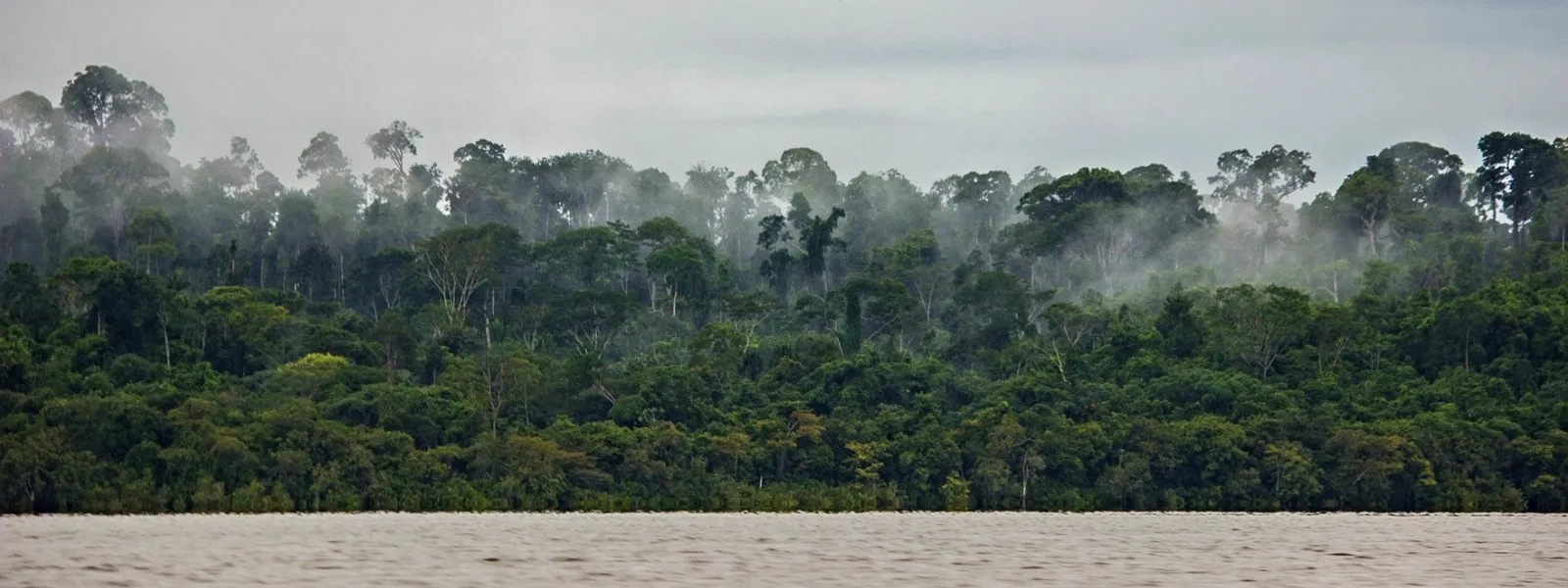
The Belo Monte Dam has caused an environmental and social disaster in the heart of the Amazon—one of the most important ecosystems on the planet.
This situation has only worsened since the hydroelectric plant began operations in 2016. The quest for justice and reparations by the affected indigenous, fishing, and riverine communities continues to this day.
In 2011, the Inter-American Commission on Human Rights (IACHR) granted them protective measures that, to date, have not been fully implemented by the Brazilian State.
Furthermore, since June of that same year, the IACHR has yet to rule on a complaint against the State regarding its international responsibility in the case.
The IACHR may refer the case to the Inter-American Court of Human Rights, which has the authority to issue a ruling condemning the Brazilian State.
After 10 years of the hydroelectric plant's operation and more than 15 years of documented human rights violations, it is time for justice to be served for the affected communities.
Read the open letter from the organizations bringing the case before the IACHR
Background
The Belo Monte hydroelectric plant—the fourth largest in the world by installed capacity (11,233 MW)—was built on the Xingu River in Pará, a state in northern Brazil.
It was inaugurated on May 5, 2016, with a single turbine. At that time, 80% of the river’s course was diverted, flooding 516 km² of land—an area larger than the city of Chicago. Of that area, 400 km² was native forest. The dam began operating at full capacity in November 2019.
Belo Monte was built and is operated by the Norte Energia S.A. consortium, which is composed primarily of state-owned companies. It was financed by the Brazilian Development Bank (BNDES), which provided the consortium with 25.4 billion reais (approximately US$10.16 billion), the largest investment in the bank’s history. Therefore, the BNDES is also legally responsible for the socio-environmental impacts associated with the hydroelectric plant.
Decades of harm to the environment and people
Human rights violations and degradation of the Amazon have been occurring since the project’s inception. In March 2011, Norte Energía began construction of the dam without adequate consultation and without the prior, free, and informed consent of the affected communities.
The construction caused the forced displacement of more than 40,000 people, severing social and cultural ties. The resettlement plan in Altamira—a city directly affected by the hydroelectric dam—involved housing units located on the outskirts, lacking adequate public services and decent living conditions for the relocated families, with no special provisions for those from indigenous communities.
Belo Monte's operations have caused a permanent, man-made drought in the Volta Grande (or "Great Bend") of the Xingu River, exacerbated by the historic droughts in the Amazon in 2023 and 2024. As a result, the deaths of millions of fish eggs were documented for four consecutive years (from 2021 to 2024), and for the past three years, there has been no upstream migration of fish to spawn and reproduce. Thus, artisanal fishing, the main source of protein for indigenous peoples and riverside communities, was severely affected: fish dropped from 50% to 30% of total protein consumed, replaced by processed foods. In summary, there was an environmental and humanitarian collapse that resulted in the breakdown of fishing as a traditional way of life, food insecurity, and access to drinking water for thousands of families, impoverishment, and disease.
Furthermore, the construction of the dam increased deforestation and intensified illegal logging and insecurity on indigenous and tribal lands, putting the survival of these communities at risk. Another consequence was the deepening of poverty and social conflicts, as well as the strain on health, education, and public safety systems in Altamira—a city ranked as the most violent in the country in 2017, where human trafficking and sexual violence increased. Violence was also reported against human rights defenders involved in the case.
In 2025, during the 30th UN Climate Change Conference (COP30), held in Brazil, the Federal Public Prosecutor’s Office labeled the damage caused by the Belo Monte dam as ecocide.
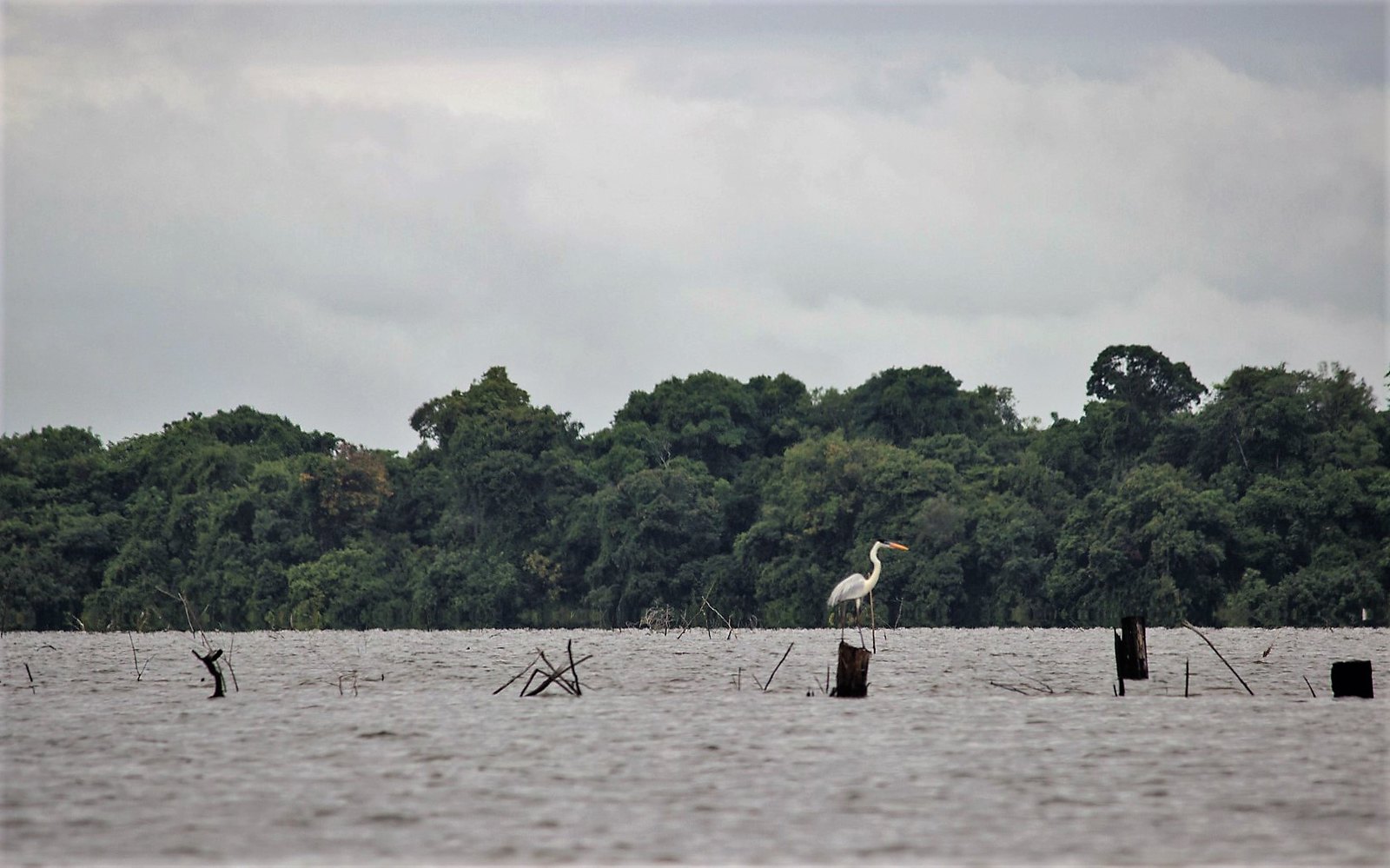
Photo: Amazon Watch / Maíra Irigaray.
The search for justice and reparations
Over the years, the Federal Public Prosecutor’s Office in Pará, the Public Defender’s Office, and civil society organizations have filed dozens of legal actions in Brazilian courts to challenge the project’s various irregularities and its impacts. Most of the claims are still pending resolution, some for more than 10 years.
These efforts have failed because the national government has repeatedly overturned rulings in favor of the affected communities by invoking a mechanism that allowed a court president to suspend a judicial decision based solely on generic arguments such as "the national interest" or "economic order."
In the absence of effective responses at the national level, AIDA, together with a coalition of partner organizations, brought the case before the Inter-American Commission on Human Rights (IACHR) and, in 2010, requested precautionary measures to protect the lives, safety, and health of the affected indigenous communities.
On April 1, 2011, the IACHR granted these measures and requested that the Brazilian government suspend environmental permits and any construction work until the conditions related to prior consultation and the protection of the health and safety of the communities are met.
And on June 16, 2011 —together with the Xingu Vivo Para Sempre Movement, the Coordinating Committee of Indigenous Organizations of the Brazilian Amazon, the Diocese of Altamira, the Indigenous Missionary Council, the Pará Society for the Defense of Human Rights and Global Justice— we filed a formal complaint against the Brazilian State for its international responsibility in the violation of the human rights of the people affected in the case. The case was opened for processing in December 2015.
On August 3, 2011, the IACHR amended the precautionary measures to request, instead of the suspension of permits and construction, the protection of people living in voluntary isolation, the health of indigenous communities, and the regularization and protection of ancestral lands.
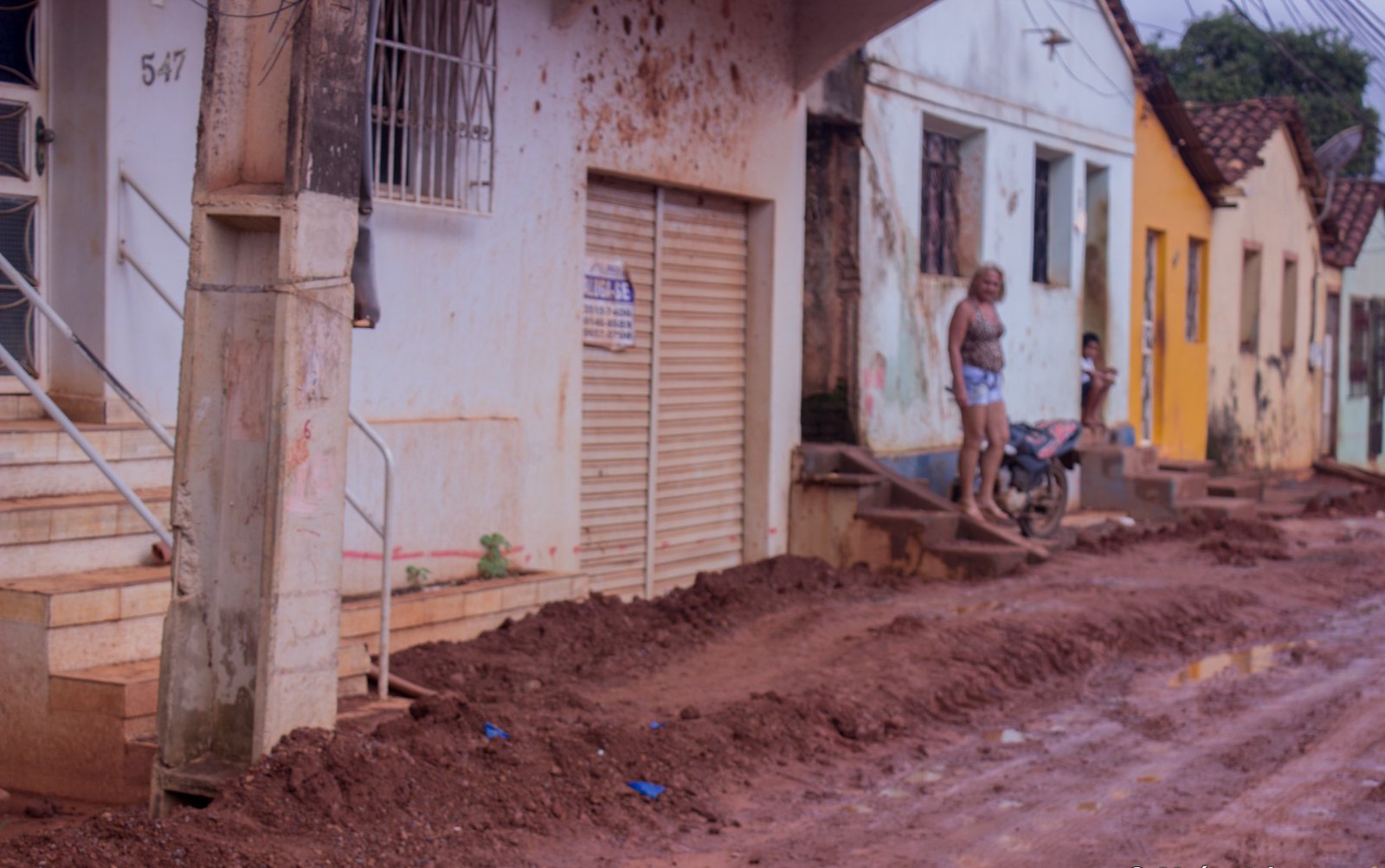
Photo: Amazon Watch / Maíra Irigaray.
Current situation
The protective measures granted by the IACHR remain in effect, but the Brazilian government has not fully complied with them, reporting only on general actions. The communities have documented the ongoing violations of their rights. The situation that prompted the request for these measures—the risk to the lives, physical integrity, and ways of life of the communities—persists and has worsened with the hydroelectric plant operating at full capacity and the recent extreme droughts in the Amazon.
In addition to the impacts of Belo Monte, there is a risk of further social and environmental impacts from the implementation of another mining megaproject in the Volta Grande do Xingu. There, the Canadian company Belo Sun plans to build Brazil’s largest open-pit gold mine.
The combined and cumulative impacts of the dam and the mine were not assessed. The government excluded Indigenous peoples, riverine and peasant communities from the project’s environmental permitting process. Despite protests by Indigenous communities and other irregularities surrounding the project, the government of Pará formally authorized the mine in April 2026.
Like other hydroelectric dams, Belo Monte exacerbates the climate emergency by generating greenhouse gas emissions in its reservoir. And it is inefficient amid the longer, more intense droughts caused by the crisis, as it loses its ability to generate power.
The case before the Inter-American Commission
In October 2017, the IACHR announced that it would rule jointly on the admissibility (whether the case meets the requirements for admission) and the merits (whether a human rights violation actually occurred) of the international complaint against the Brazilian State.
Fifteen years after the complaint was filed, the affected communities and the organizations representing them are still awaiting this decision. If the IACHR concludes that human rights violations occurred and issues recommendations that the Brazilian State fails to comply with, it may refer the case to the Inter-American Court of Human Rights, whose rulings are binding.
A potential ruling by the international court in this case would set a regional legal precedent regarding the rights of indigenous and riverine peoples, public participation in megaprojects, and state responsibility in the context of the climate crisis—a precedent that is particularly relevant in light of the Court’s Advisory Opinion No. 32, which reaffirmed the obligations of States to protect the people and communities of the continent from the climate emergency.
Partners:
Related projects

AIDA statement on the signing of the Paris Accord
AIDA celebrates the first step toward the construction of a new planet. New York, USA. Today, on Earth Day, in the headquarters of the United Nations, the Paris Agreement opens for signatures. The signing of the accord by Member States of the UN Framework Convention on Climate Change is necessary to enable the treaty to quickly enter into force. The agreement lays out actions the world must implement to tackle climate change, the greatest threat humanity faces. The following is a statement by AIDA co-directors Astrid Puentes Riaño and Anna Cederstav: “Today we celebrate the historic signing of the Paris Agreement, a vital step and a new beginning in humanity’s efforts to tackle climate change. This accord, and its immediate signing and ratification by all nations, brings hope to our planet and for future generations. We recognize that the Agreement is not perfect, but we understand the complexity of nearly 200 countries reaching consensus on sensitive issues. The agreement is therefore a critical first step on the path toward ambitious and effective results. One of the Agreement’s noteworthy advances is the recognition that all climate actions must take into account and respect human rights and the rights of indigenous peoples, while also ensuring gender and intergenerational equality and a just transition of the workforce. The Agreement also recognizes the large gap that exists between the commitments made by States and the urgent measures needed to avoid catastrophic consequences, including the need for increased climate finance. We therefore hope that the celebration, speeches and official photographs will translate into prompt and effective action that goes beyond the agreements made in Paris last December. The Paris Agreement reflects a paradigm shift that is both necessary and possible. For Latin America and the Caribbean, highly affected and vulnerable regions, the Agreement presents a unique opportunity to achieve low-carbon development that prioritizes the protection of communities, people and ecosystems. AIDA has participated in the climate negotiations for many years as a Latin American voice. It makes us proud that our efforts, alongside those of the countless people and organizations with whom we’ve worked, have come to bear fruit. The signing of the Agreement today commits us to continuing our work to ensure compliance. Responding to climate change is everybody’s job, considering differentiated capabilities and responsibilities. States have an obligation to sign, ratify and immediately implement the Paris Agreement. International organizations, financial institutions and corporations must acknowledge their responsibility. And we, as individuals, must all examine our personal actions and how we can contribute to reducing climate change. Each and every contribution is essential to the adoption of real solutions that lead the way to a more just and sustainable world. The signing of the Paris Agreement today evidences important political will that must be translated, without delay, into concrete results. The most vulnerable and most severely affected countries cannot wait.”
Read more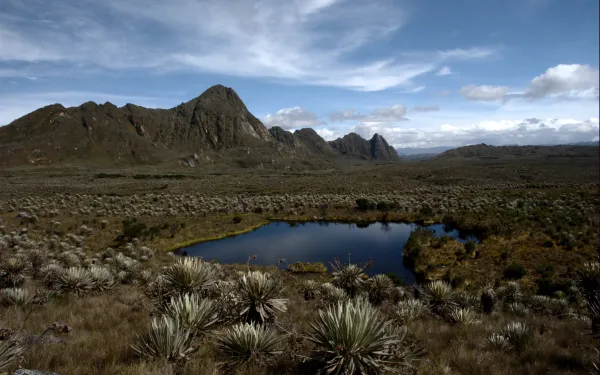
New law banning mining in Colombia’s páramos could draw its first lawsuit
The new law that bans mining in Colombia’s páramos took years to materialize, and was the product of multiple activist campaigns, lawsuits, and pressure from civil society to preserve one of the world’s most sensitive ecosystems. Last month, Colombia’s Constitutional Court approved a law that has no precent. It bans mining and oil exploitation –effectively blocking 473 already-existing concessions– in the country’s páramos. The law is expected to impact more than 300 mining operations in 25 moorlands, according to data from the National Authority of Environmental Licenses (ANLA). One of those companies is the Canadian transnational, Eco Oro. Its Angostura mine is located within the Santurbán moorland, in the Norte de Santander and Santander departments, within an area larger than 142,000 hectares. Santurbán includes five regional parks and a variety of species in danger of extinction, such as the condor (Vultur gryphus), the chirriador (Cisttothorus apollinari), the moorland duck (Anas flavirostris) and the curí (Cavia porcellus). On its website, the company has announced that it is “developing a multi-million ounce gold-silver deposit in Colombia.” Eco Oro has already completed more than 350,000 meters of drilling and 3,000 meters of underground development, thanks to an investment by the International Financing Corporation of the World Bank. Juan Orduz, president of Eco Oro’s board of directors, said back in 2014 –before the law was approved– that the company “has invested more than 240 million dollars in the region.”“It’s no secret that we’ve had many challenges and that we will keep having them. There’s always a new source of conflict, and even then, we’re going to keep coming up with strategies to keep working in this area,” said Orduz back then, when the demarcations for mining in Colombia’s páramos were an issue of conflict. In a recent press release, Eco Oro announced that it has the option of bringing the dispute to international arbitration and seeking “monetary compensation for the damages suffered” due to the new anti-mining law. “Since the Angostura project got underway, it has been clear that páramos are constitutionally and legally protected and that this project could affect Santurbán, such that it might not be authorized,” said Carlos Lozano Acosta, an attorney with the Interamerican Association for Environmental Defense (AIDA). “States should not be sanctioned for protecting their water sources, given that they are doing so in accordance with national and international obligations.” According to data from the Institute of Biological Research Alexander Von Humboldt, half of the world’s páramos are in Colombia and are the source of 70% of the fresh water in the country, besides being an ecosystem essential for mitigating climate change. Their importance is especially acute right now, since Colombia is facing the El Niño climate phenomenon and going through one of the worst droughts in its history. Eco Oro’s critics explain that five years ago, Colombia’s Environment Ministry had denied the Angostura mine its environmental license. And now, the decision of the Constitutional Court reaffirms that decision, “finding that the right to water and the protection of the páramos (moorlands) takes precedent over the economic interests of companies trying to develop mining projects in these ecosystems.” That’s according to Miguel Ramos, from the Water Defense Committee and the Páramo of Santurbán (El Comité por la Defensa del Agua y el Páramo de Santurbán). The Committee has presented a complaint about the Angostura mining project to The World Bank, and hopes to receive a response in the next few months.
Read more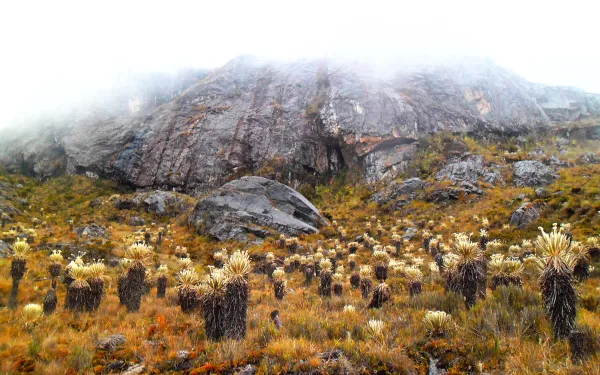
Colombian court bans oil, gas and mining operations in paramos
Colombia’s Constitutional Court has ruled against a controversial legal loophole permitting oil, gas and mining operations in the country’s paramos - high altitude eco-systems. Colombia’s paramos are the most extensive on earth and supply more than 70% of the country’s population with water, according to the Bogota-based Alexander von Humboldt Institute. The loophole is in a June 2015 law implementing Colombia’s “National Development Plan 2014-2018.” The law prohibits “agricultural activities” and the “exploration for or exploitation of non-renewable natural resources”, as well as the “construction of oil and gas refineries”, in paramos, but then states that mining operations which have contracts and environmental licenses dating to before 9 February 2010, or oil and gas operations with contracts and licenses dating to before 16 June 2011, are exempted. This was challenged by four congressmen, three lawyers and 12 representatives from a coalition called the Cumbre Agraria, Campesina, Étnica y Popular, who argued that the loophole violates rights to the environment, water and Colombia’s patrimony because of the impacts oil, gas and mining operations would have on the paramos’ vegetation, soil, sub-soil and water. On 8 February the court’s ruling, which was made public on Thursday, deemed three paragraphs relating to the loophole in the June 2015 law “unconstitutional” - or “inexequible” in Colombian Spanish. “Paramo eco-systems exist in very few places in the world and Colombia is privileged to be the country that has the highest number of paramos globally,” senator Alberto Castillo, one of the plaintiffs, told the Guardian.“Because of this, we believe that the absolute ban on natural resource extraction that we now have in Colombia is of great magnitude and should delight the world.” “It’s a ruling that will make history,” says senator Iván Cepeda, another plaintiff. “The court went further than we hoped, without a doubt. [Mining and oil and gas operations in the paramos] is a serious abuse against natural resources, especially the fundamental right to water.” “The court’s ruling is a major advance in environmental matters,” Viviana Tacha, another plaintiff and an adviser to senator Castillo, told the Guardian. “No doubt about it, it’s a victory for the entire country and for the communities resisting the imposition of a development model based on natural resource extraction which fails to take into account the environment and local people. Given global concern about climate change, the protection of the paramos by the court is one of the most important recent decisions on environmental matters.” According to a communiqué by the court issued on 8 February, the offending three paragraphs “ignore the constitutional duty to protect areas of special ecological importance [and] put at risk the fundamental rights of the entire population to access good quality water.” The communiqué says the court arrived at its decision after “analyzing the state’s power to intervene in the economy and its duty to protect areas of special ecological importance, weighing them up against economic freedom and the rights of individuals to exploit the state’s resources.” It concluded that, in this case, the former overrides the latter for three reasons: 1) the current lack of protection of paramos; 2) the “fundamental role” played by paramos in regulating the country’s drinking water cycle and providing cheap, high-quality water to 70% of the population; and 3) the particular vulnerability of paramos due to their “relative isolation”, low temperatures and low oxygen levels. Carlos Lozano-Acosta, from the Interamerican Association for Environmental Defense (AIDA), told the Guardian the court’s decision is “historic” and sets an example to other countries in the Andean region where there are paramos. “The paramos [in Colombia] are vital because they’re a source of drinking water for 70% of Colombians, strategic reserves of biodiversity, and carbon sequesters,” he says. “The court acknowledged all that in the sentence.” An ‘amicus brief’ sent to the court and written by Lozano-Acosta together with the Bogota-based NGO Asociación Ambiente y Sociedad (AAS) argued that the loophole contradicts Colombia’s constitution, international environmental law, and international treaties signed by Colombia, such as the United Nations Framework Convention on Climate Change, the Convention on Biological Diversity and the Ramsar Convention. NGO Dejusticia, also based in Bogota, is another civil society organisation which sent an ‘amicus brief’ to the court, calling the crucial three paragraphs an “unjustified regression” because mining, oil and gas operations in paramos had already been banned back in 2010 and 2011. “Before [the June 2015] law, such activities were prohibited,” the NGO stated in an interview in Colombian newspaper El Espectador. “This means that the current National Development Plan is a step backwards in protecting the paramos.” That “regression” was acknowledged by the court in its ruling, which described the offending paragraphs as “reestablishing the possibility” of oil, gas and mining operations in paramos despite them being “prohibited by Laws 1382 in 2010 and 1450 in 2011.” “The paramos are key ecosystems and water sources which are insufficiently protected,” Dejusticia’s Diana Rodriguez told the Guardian. “We’re thrilled the court has taken a stand for their immediate protection and sent a message that economic development cannot sacrifice respect for the environment.” Just how big an impact the court’s ruling could or will have isn’t immediately clear. How many oil, gas or mining operations stand to be affected? In its interview with El Espectador, Dejusticia stated that the National Mining Agency (NMA) believes approximately 500 mining titles covering over 140,000 hectares of the paramos have been issued, while senator Castillo told the Guardian the NMA states there are currently 448 mining titles in paramos - 347 of which have environmental licences. “Taking into account that this is official information, which the court itself recognized, other sources have no basis in speaking of lower numbers,” Castillo says. “The three companies who have most mining titles in the paramos are AngloGold Ashanti Colombia S.A., Eco Oro Minerales Corp and Leytah Colombia.” Senator Cepeda told the Guardian the 448 mining titles include 26 of Colombia’s 32 paramos and extend for more than 118,000 hectares, “more than 11,000 of which are [also] affected by four oil and gas projects.” According to one media report, Environment Minister Gabriel Vallejo has said he will request a clarification from the court and believes that “other sources” say up to 522 titles could be affected. “There are very different estimates about the number of titles and even more confusion related to how many have environmental licenses,” says Dejusticia’s Rodriguez. “Indeed, some mining companies didn’t wait for the [court’s] full ruling [and] already announced that they will forego their mining concessions in the paramos.” Another question is how far Colombia’s paramos extend. Although the court’s ruling cites a 2011 Humboldt Institute publication stating there are 1.9 million hectares in Colombia, Humboldt’s Carlos Sarmiento told the Guardian their current estimate is 2.9 million hectares - 2.5% of national territory. That 2.9 million figure is also used by the Ministry of Environment and Sustainable Development. But what if the government disagrees that certain areas really are paramos, and permits oil, gas or mining operations to take place there anyway? As the court’s ruling acknowledges, the paragraph immediately preceding the three offending paragraphs in the June 2015 law states that ultimately it is the Environment Ministry which, according to its own “technical, environmental, social and economic criteria”, is responsible for “delimiting” paramos. And that paragraph wasn’t challenged by the plaintiffs. “The court’s decision could result ineffective given that that part of Article 174 wasn’t part of the lawsuit and Congress has given the Environment Ministry the function of delimiting paramos, and in doing that the Ministry isn’t subject to the scientific criteria established by the Alexander von Humboldt Institute,” the court ruled. “It would be possible for the Ministry to not delimit paramos, or exclude from delimitation, certain areas where mining or hydrocarbon operations are happening or are going to happen. That would nullify [our] decision because such operations could take place in areas that have been scientifically classified as paramos, but the Ministry has excluded.” AIDA’s Lozano-Acosta says that risk exists “without a doubt.” “But the court also said that the government mustn’t ignore the Humboldt Institute’s technical recommendations,” he told the Guardian. For senator Castillo, that risk only exists “if the Ministry doesn’t closely read the court’s sentence or doesn’t want to comply with it.” “In the court’s words, delimitation must ensure the maximum degree of protection,” Castillo says. “This is absolutely crucial given that what the government wants to do is reduce to the utmost the extent of the paramos via a very restricted delimitation process and thereby pave the way for exploitation. Dispute will continue in the delimitation of each paramo, but we will continue in their defence and the court’s sentence gives us many tools to do so.” According to senator Cepeda, the court’s ruling will lead to a “profound discussion about how paramos are delimited.” He told the Guardian that the plaintiffs, together with environmental organisations and others, intend to ensure the government abides by the court’s ruling and “will seek the suspension of more than 400 mining titles.” AAS’s Margarita Florez says the court’s ruling cannot be appealed. “The decision is a constitutional sentence and therefore it is binding on the government and must be complied with,” she told the Guardian. “There is no way to appeal it.” The court’s ruling cites various definitions of paramos, including “the highest and most exposed regions of tropical Andean mountain ranges” and “neotropical mountains between the upper limit of forest vegetation (3,200-3,800 ms above sea level) and the lower limit of perpetual snows (4,400-4,700 ms) in Andean systems.” It quotes the Humboldt Institute describing them as “key sites that “harvest” rainfall and snow water stored in glacial lakes, bogs, marshes and peat soils” that are “held for a relatively long period of time and released constantly and slowly.”
Read more