
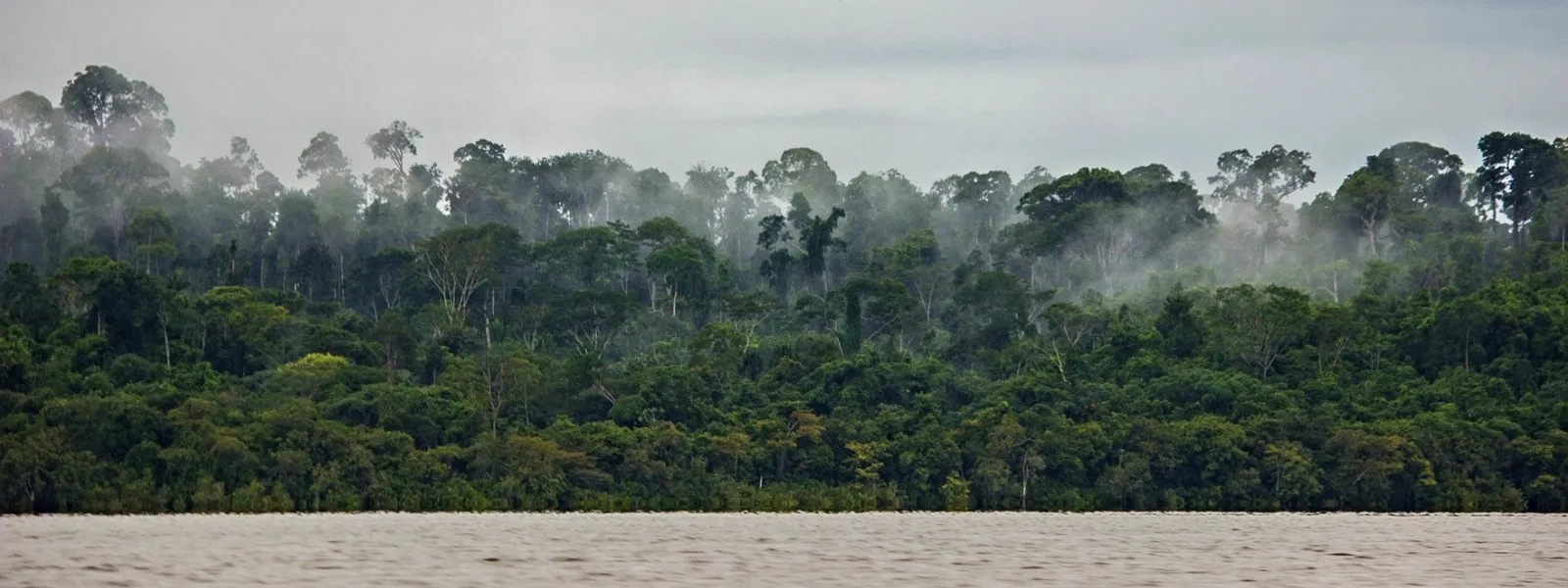
Project
Amazon Watch / Maíra Irigaray
The Belo Monte Dam on the Xingu River: 10 years of impacts in the Amazon and the search for reparations
The Belo Monte Dam has caused an environmental and social disaster in the heart of the Amazon—one of the most important ecosystems on the planet.
This situation has only worsened since the hydroelectric plant began operations in 2016. The quest for justice and reparations by the affected indigenous, fishing, and riverine communities continues to this day.
In 2011, the Inter-American Commission on Human Rights (IACHR) granted them protective measures that, to date, have not been fully implemented by the Brazilian State.
Furthermore, since June of that same year, the IACHR has yet to rule on a complaint against the State regarding its international responsibility in the case.
The IACHR may refer the case to the Inter-American Court of Human Rights, which has the authority to issue a ruling condemning the Brazilian State.
After 10 years of the hydroelectric plant's operation and more than 15 years of documented human rights violations, it is time for justice to be served for the affected communities.
Read the open letter from the organizations bringing the case before the IACHR
Background
The Belo Monte hydroelectric plant—the fourth largest in the world by installed capacity (11,233 MW)—was built on the Xingu River in Pará, a state in northern Brazil.
It was inaugurated on May 5, 2016, with a single turbine. At that time, 80% of the river’s course was diverted, flooding 516 km² of land—an area larger than the city of Chicago. Of that area, 400 km² was native forest. The dam began operating at full capacity in November 2019.
Belo Monte was built and is operated by the Norte Energia S.A. consortium, which is composed primarily of state-owned companies. It was financed by the Brazilian Development Bank (BNDES), which provided the consortium with 25.4 billion reais (approximately US$10.16 billion), the largest investment in the bank’s history. Therefore, the BNDES is also legally responsible for the socio-environmental impacts associated with the hydroelectric plant.
Decades of harm to the environment and people
Human rights violations and degradation of the Amazon have been occurring since the project’s inception. In March 2011, Norte Energía began construction of the dam without adequate consultation and without the prior, free, and informed consent of the affected communities.
The construction caused the forced displacement of more than 40,000 people, severing social and cultural ties. The resettlement plan in Altamira—a city directly affected by the hydroelectric dam—involved housing units located on the outskirts, lacking adequate public services and decent living conditions for the relocated families, with no special provisions for those from indigenous communities.
Belo Monte's operations have caused a permanent, man-made drought in the Volta Grande (or "Great Bend") of the Xingu River, exacerbated by the historic droughts in the Amazon in 2023 and 2024. As a result, the deaths of millions of fish eggs were documented for four consecutive years (from 2021 to 2024), and for the past three years, there has been no upstream migration of fish to spawn and reproduce. Thus, artisanal fishing, the main source of protein for indigenous peoples and riverside communities, was severely affected: fish dropped from 50% to 30% of total protein consumed, replaced by processed foods. In summary, there was an environmental and humanitarian collapse that resulted in the breakdown of fishing as a traditional way of life, food insecurity, and access to drinking water for thousands of families, impoverishment, and disease.
Furthermore, the construction of the dam increased deforestation and intensified illegal logging and insecurity on indigenous and tribal lands, putting the survival of these communities at risk. Another consequence was the deepening of poverty and social conflicts, as well as the strain on health, education, and public safety systems in Altamira—a city ranked as the most violent in the country in 2017, where human trafficking and sexual violence increased. Violence was also reported against human rights defenders involved in the case.
In 2025, during the 30th UN Climate Change Conference (COP30), held in Brazil, the Federal Public Prosecutor’s Office labeled the damage caused by the Belo Monte dam as ecocide.
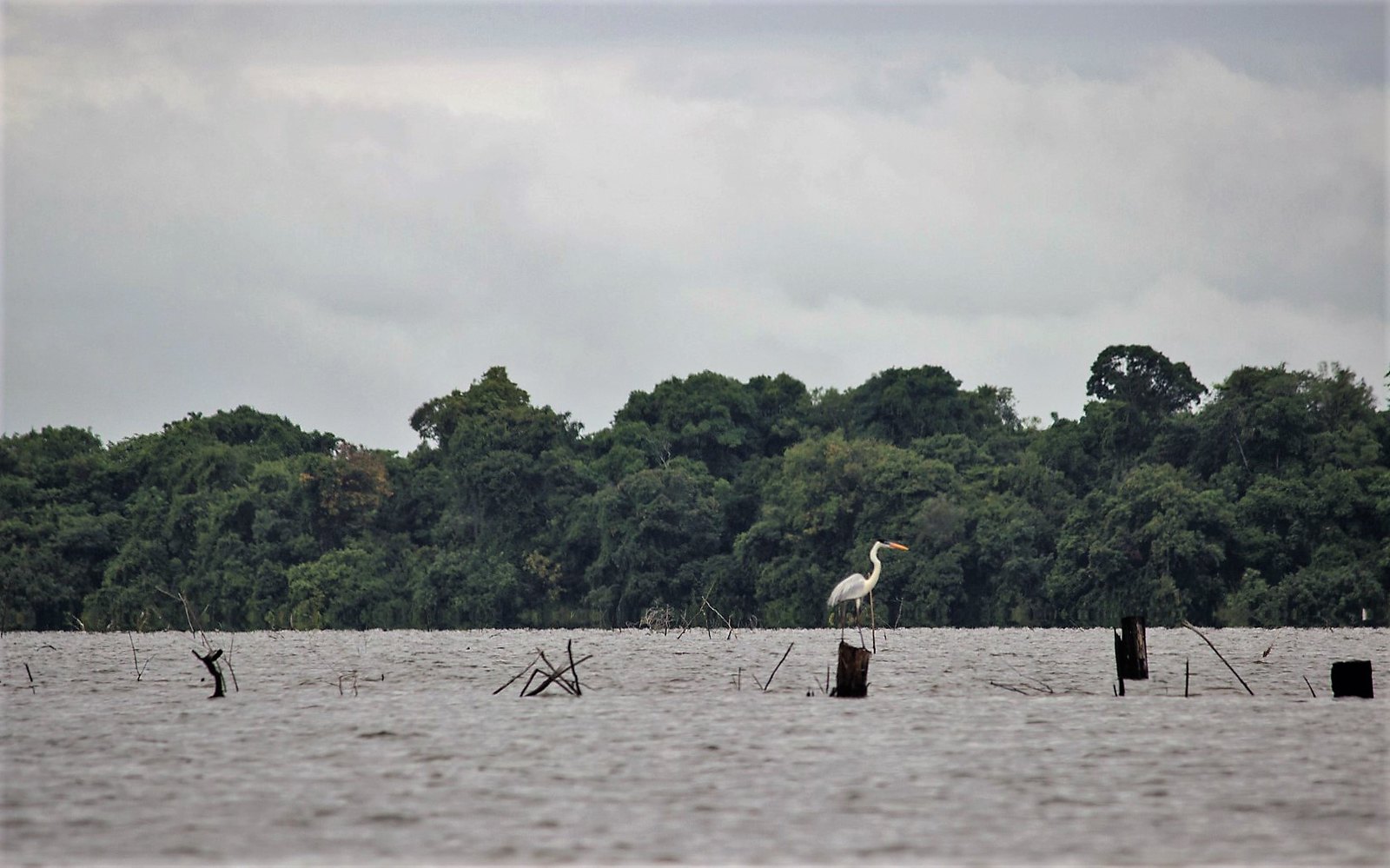
Photo: Amazon Watch / Maíra Irigaray.
The search for justice and reparations
Over the years, the Federal Public Prosecutor’s Office in Pará, the Public Defender’s Office, and civil society organizations have filed dozens of legal actions in Brazilian courts to challenge the project’s various irregularities and its impacts. Most of the claims are still pending resolution, some for more than 10 years.
These efforts have failed because the national government has repeatedly overturned rulings in favor of the affected communities by invoking a mechanism that allowed a court president to suspend a judicial decision based solely on generic arguments such as "the national interest" or "economic order."
In the absence of effective responses at the national level, AIDA, together with a coalition of partner organizations, brought the case before the Inter-American Commission on Human Rights (IACHR) and, in 2010, requested precautionary measures to protect the lives, safety, and health of the affected indigenous communities.
On April 1, 2011, the IACHR granted these measures and requested that the Brazilian government suspend environmental permits and any construction work until the conditions related to prior consultation and the protection of the health and safety of the communities are met.
And on June 16, 2011 —together with the Xingu Vivo Para Sempre Movement, the Coordinating Committee of Indigenous Organizations of the Brazilian Amazon, the Diocese of Altamira, the Indigenous Missionary Council, the Pará Society for the Defense of Human Rights and Global Justice— we filed a formal complaint against the Brazilian State for its international responsibility in the violation of the human rights of the people affected in the case. The case was opened for processing in December 2015.
On August 3, 2011, the IACHR amended the precautionary measures to request, instead of the suspension of permits and construction, the protection of people living in voluntary isolation, the health of indigenous communities, and the regularization and protection of ancestral lands.
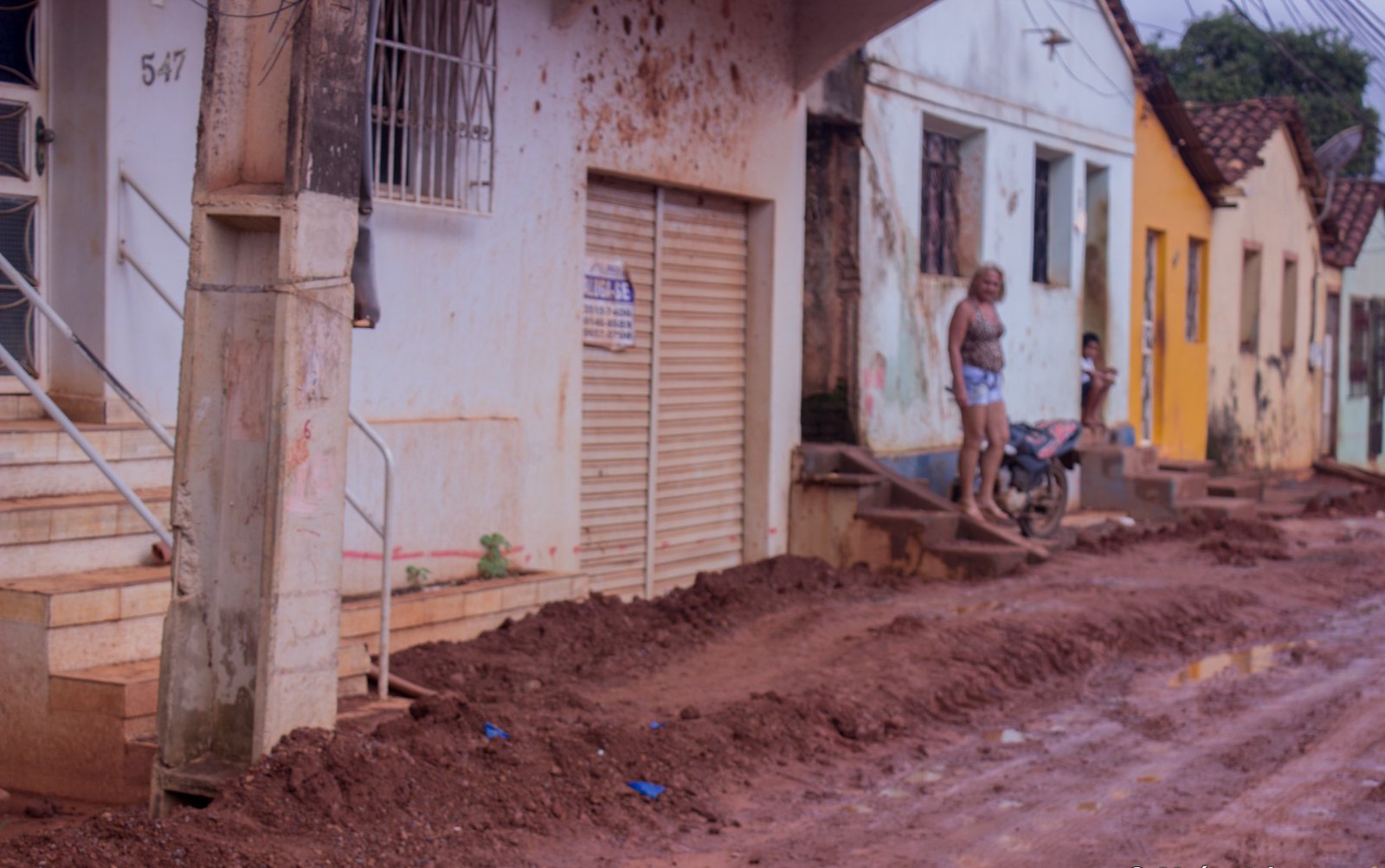
Photo: Amazon Watch / Maíra Irigaray.
Current situation
The protective measures granted by the IACHR remain in effect, but the Brazilian government has not fully complied with them, reporting only on general actions. The communities have documented the ongoing violations of their rights. The situation that prompted the request for these measures—the risk to the lives, physical integrity, and ways of life of the communities—persists and has worsened with the hydroelectric plant operating at full capacity and the recent extreme droughts in the Amazon.
In addition to the impacts of Belo Monte, there is a risk of further social and environmental impacts from the implementation of another mining megaproject in the Volta Grande do Xingu. There, the Canadian company Belo Sun plans to build Brazil’s largest open-pit gold mine.
The combined and cumulative impacts of the dam and the mine were not assessed. The government excluded Indigenous peoples, riverine and peasant communities from the project’s environmental permitting process. Despite protests by Indigenous communities and other irregularities surrounding the project, the government of Pará formally authorized the mine in April 2026.
Like other hydroelectric dams, Belo Monte exacerbates the climate emergency by generating greenhouse gas emissions in its reservoir. And it is inefficient amid the longer, more intense droughts caused by the crisis, as it loses its ability to generate power.
The case before the Inter-American Commission
In October 2017, the IACHR announced that it would rule jointly on the admissibility (whether the case meets the requirements for admission) and the merits (whether a human rights violation actually occurred) of the international complaint against the Brazilian State.
Fifteen years after the complaint was filed, the affected communities and the organizations representing them are still awaiting this decision. If the IACHR concludes that human rights violations occurred and issues recommendations that the Brazilian State fails to comply with, it may refer the case to the Inter-American Court of Human Rights, whose rulings are binding.
A potential ruling by the international court in this case would set a regional legal precedent regarding the rights of indigenous and riverine peoples, public participation in megaprojects, and state responsibility in the context of the climate crisis—a precedent that is particularly relevant in light of the Court’s Advisory Opinion No. 32, which reaffirmed the obligations of States to protect the people and communities of the continent from the climate emergency.
Partners:
Related projects
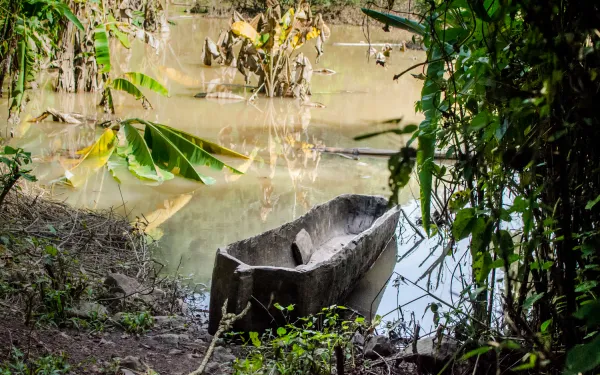
Letter to the President of Panama on Test Flooding in Barro Blanco Hydroelectric Project
AIDA and other organizations sent an open letter to Juan Carlos Varela Rodríguez, President of the Republic of Panama. We urge him to protect life and integrity of the Ngäbe communities and to immediately suspend the test flooding in the Barro Blanco Hydroelectric Power Plant Project which is violating their rights and placing them at risk of irreparable harm. Dear President Varela, We, the undersigned organizations, are deeply concerned for the personal safety and security of the Ngäbe communities, affected by the Barro Blanco Hydroelectric Power Plant Project. On May 22, Panama’s National Authority for Public Services (ASEP) announced in a press release that Barro Blanco’s reservoir would be filled[1], starting on May 24. ASEP’s press release indicated that the water would rise up to 103 meters above sea level by June 21, 2016. According to a fact finding mission led by the United Nations Development Programme in 2012[2], the Ngäbe communities of Kiad, Nuevo Palomar and Quebrada Caña will be directly impacted by the flooding. This report indicates that 6 hectares + 9816.86 m² of their lands, including 6 houses and a petroglyph located in the community of Quebrada Caña, will be under water. Furthermore, we have received reports from affected community members that floodwaters of the Barro Blanco reservoir have reached the limits of the Bakama Area (Corregimiento) of the Ngäbe-Bugle Territory (Comarca) in Western Panama. At this point, the Ngäbe communities of Quebrada Plata, Quebrada Caña, Kiad and Nuevo Palomar - as well as the Mama Tatda ceremonial sites - could be seriously harmed by the so-called test flooding this week, much ahead of the estimated June 21 peak level announced by ASEP. Contrary to what is stated by ASEP press release, and as confirmed by Milton Henriquez, Minister of Internal Affairs[3], the affected communities were not notified or consulted prior to the test flooding. This goes against international human rights standards, which stipulate that indigenous peoples have the right to consultation and free, prior and informed consent. As derived from the right to property protected under the American Convention on Human Rights and other agreements, indigenous peoples have also the right to adequate housing, to possess, use, and “freely enjoy” their traditional lands and territories, and to “not be forcibly removed” from them[4]. The Ngäbe communities are determined to stay and defend their sacred lands, regardless of the ongoing flooding. We urge you to protect their life and their integrity and to immediately suspend the test flooding which is violating their rights and placing them at risk of irreparable harm. [1] http://www.panamaamerica.com.pa/economia/asep-anuncia-el-inicio-del-periodo-de-prueba-de-central-hidroelectrica-barro-blanco-1027251 [2] http://canal-empresarias.ciudaddelsaber.org/wp-content/uploads/2015/09/0-informe-mision-verficacion-final-20121219.pdf [3] http://www.mingob.gob.pa/mingob/inside.php?artID=3246 [4] For more information, please see http://www.ciel.org/Publications/BarroBlanco_Appeal_18Feb2014.pdf
Read more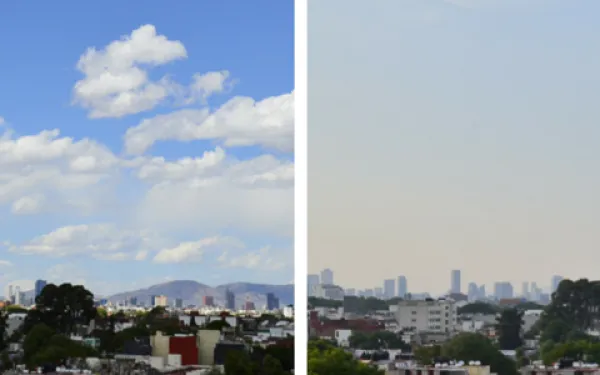
Mexico City: Air Pollution Points to Climate Solutions
By Laura Yaniz, AIDA social media manager (originally published in Animal Político) Smog causes continuous environmental alerts in Mexico City. But did you know a legal framework exists to combat the pollutants that cause it? Mexico City nearly entered into a state of emergency due to its poor air quality. The government almost closed gas stations, ordered half the city’s vehicles off the road, suspended classes, and closed government offices. If air pollution had spiked any higher, they’d have closed restaurants and reduced certain industrial operations by 60 percent. The cause of the crisis—which hasn’t been this bad in 14 years—is ground-level ozone. Along with black carbon, methane, and hydrofluorocarbons (HFCs), ground-level ozone is a short-lived climate pollutant (SLCP). The Intergovernmental Panel on Climate Change estimates that, overall, SLCPs are responsible for more than 30 percent of global warming, although recent studies calculate that it may actually be closer to 40 or 45 percent. The good news is, they have a relatively short lifespan in the atmosphere, ranging from a few days to a few decades. Reducing these emissions, in Mexico and wherever they’re found around the world, presents an immediate opportunity to achieve near-term mitigation of climate change while improving air quality and human health. Close to Extreme Mexico City’s Metropolitan Index of Air Quality measures the chemical components of air in whole numbers that are easy to understand. On May 5, ozone reached 192 points (the equivalent of 0.1929 parts per million). When the Index reaches around 200 points ozone can damage skin. The city was only 8 points away! The city has spent several months in and out of Phase 1 of the Environmental Contingency Plan, whose most famous measure is the “Doble Hoy No Circula” program, which restricts vehicles from circulating two days a week, instead of the habitual one. If Phase 2 had been declared, the extreme measure would have divided vehicles by odd and even plates and declared that half of them could not be driven. About Ground-level Ozone Ozone is a gas that exists in two different layers of the atmosphere. In the stratosphere (the highest layer), ozone absorbs ultraviolet radiation and protects us from the sun’s dangerous rays. In the troposphere (the lower atmosphere, from the ground to about 10 or 15 kilometers up), ozone acts as a greenhouse gas that contributes to global warming, harms human health, and affects the growth of agricultural crops. Tropospheric ozone is not directly emitted by any one source. Instead, it’s the result of a chemical reaction between the sun and “precursor gases,” which can occur naturally or be produced by humans. The most important precursor gases in regards to ozone are carbon monoxide (CO), nitrogen oxides (NOx) and volatile organic compounds (VOCs). The latter cover a wide range of substances, including methane, and are primarily generated at gas stations, in homes, and through the chemical industry. Ozone remains in the atmosphere only a few days or weeks, a very short time compared to other gases, such as carbon dioxide, that linger in the atmosphere for centuries, even millennia. This is precisely what makes the mitigation of ozone an interesting opportunity: if we reduce emissions, we could see the climatic and health benefits in the near and medium term. Ozone contributes to such illnesses as bronchitis, emphysema, and asthma, and can scar lung tissue permanently. According to a report from the Climate & Clean Air Coalition, an international organization dedicated to reducing short-lived climate pollutants, tropospheric ozone is responsible for roughly 150 million premature deaths each year. It also affects global food security by reducing the ability of food to absorb carbon dioxide, which reduces yield. AIDA Supports Efforts to Control Short-Lived Climate Pollutants To help governments reduce SLCP emissions, AIDA attorneys have created a report, Controlando los contaminantes climáticos de vida corta: Una oportunidad para mejorar la calidad del aire y mitigar el cambio climático. El caso de Brasil, Chile, y México (Controlling Short-lived Climate Pollutants: An Opportunity to Improve Air Quality and Mitigate Climate Change: Brazil, Chile, and Mexico). We are distributing it to key decision-makers in government agencies to help them understand the urgency of the problem and the opportunities their legal frameworks provide to facilitate emission reductions. The report reviews policies, laws, and programs on air quality and climate change as they relate to SLCPs in Brazil, Chile, and Mexico. Of the three countries studied, Mexico is currently the only one that has incorporated these contaminants into its climate change policy. The government recently went a step further by including SLCP reductions in its Intended Nationally Determined Contributions (INDCs)—the commitments made under the United Nations Framework Convention on Climate Change. As the AIDA report notes, it’s not enough to recognize the importance of reducing SLCP emissions. Greater efforts must be made to reduce emissions. Countries must improve pollutant-monitoring systems, provide sufficient funding for emission-reduction programs, and create systems to evaluate progress. Developing strategies to identify principle emissions sources and to reduce emissions should be a near-term priority not just for the Mexican capital, but also for all the governments of Latin America. AIDA is committed to supporting policymakers with legal expertise that can speed improvements in air quality, human health, and climate change.
Read more
Letter to OAS Member States on the Financial Crisis at the IACHR
AIDA joins more than 300 organizations in calling on Member States of the Organization of American States to act swiftly in the face of the financial crisis affecting the Inter-American Commission on Human Rights. Our letter calls for urgent action to guarantee the immediate funding of the important human rights institution, as well as for the creation of a sustainable fund to guarantee ongoing financing. Read it below: OAS Member States, The Coalition for Human Rights in the Americas, and the members of other regional and global networks from civil society, express our deep concern over the severe financial crisis currently affecting the Inter-American Commission of Human Rights (IACHR). We endorse this statement in order to appeal all Member States of the Organization of American States (OAS) to take the necessary actions to guarantee the immediate and proper funding of the IACHR in order to fulfill its mandate. In addition, we urgently call for the creation of a sustainable fund to finance the Organs of the Inter-American Human Rights System (IHRS), in order to address the precarious situation, which both the Commission and Inter-American Court of Human Rights have been going through since in the last few years. The Inter-American Commission is mandated to promote the observance and protection of human rights in the Americas, and acts as a consultative organ to the OAS in this area. It is the only regional mechanism that supervises the obligations of all Member States of the OAS in this area, and constitutes the last resort for defending against violations of fundamental rights in the continent. The IACHR is an international referent, due to its great labour of protecting thousands of human rights defenders, who live threatened and criminalized in the Americas. This organ watches over the indigenous people and afro-descendant people’s rights, women and children, and the LGTBI community rights as well, among other vulnerable populations. The role of the IACHR, not only in the area of human rights protection, but also in the implementation of measures to promote their accomplishment, affects almost a billion people across the region. In spite of that, the Inter-American Commission has historically suffered from a structural lack of funds, which are currently reaching the point of effectively compromising the Commission's ability to fulfill its basic functions, including its mandate assigned by the OAS Member States. The Commission itself has announced that on July 31st of 2016 the contracts of 40 percent of its personnel will expire, and at this time the Commission does not have the funds—or the expectation of receiving the funds—to be able to renew them. In addition, the IACHR has reported that it has been forced to suspend the country visits it had planned for this year, as well as the 159th and 160th Period of Sessions, which had been scheduled for July and October of this year. In contrast with other human rights protection organs, either national or international, the financing received by the IACHR from the regular OAS fund, meaning from the Member States, is contradictory with the countries' wish to aspire to build a more democratic region. In 2016, the regular budget provided by the fund was around $5,4287.9 million dollars, which is 6.44 percent of the annual budget of the OAS – by comparison, the Council of European member States provides 41.5 percent of its annual budget to the promotion and protection of human rights. Even though the OAS General Assembly has approved in the past resolutions committing to address this matter, these changes have not materialized with the required increase of resources, that would allow both the Commission and Court – whose budget will be reduced in a third part by the end of the year, if nothing changes – to have with the proper funding to successfully fulfill their mandates. In addition, the aim of this petition is not only for the IACHR to be able to carry out with the scheduled activities for the current year, to renew the contracts of 40 percent of its staff and to conduct the 159th and 160th Period of Sessions, but also to create a structure for this purpose that converts the funding of those organs into a sustainable practice, significantly increasing the budget that the OAS provides to the Inter-American Human Rights System. The signing Civil Society organizations see in this crisis a unique opportunity to reinforce the OAS Member States' commitment to human rights in the continent. This is why we call on countries to figure out how to secure a strong and stable funding structure, which effectively guarantees the protective devices and tools that the ISHR provides to millions of people in the Americas.
Read more